Mixing tank problems Fix Mixing Tank Problems
Industrial Mixer Troubleshooting | Fix Mixing Tank Problems Before They Stop Production
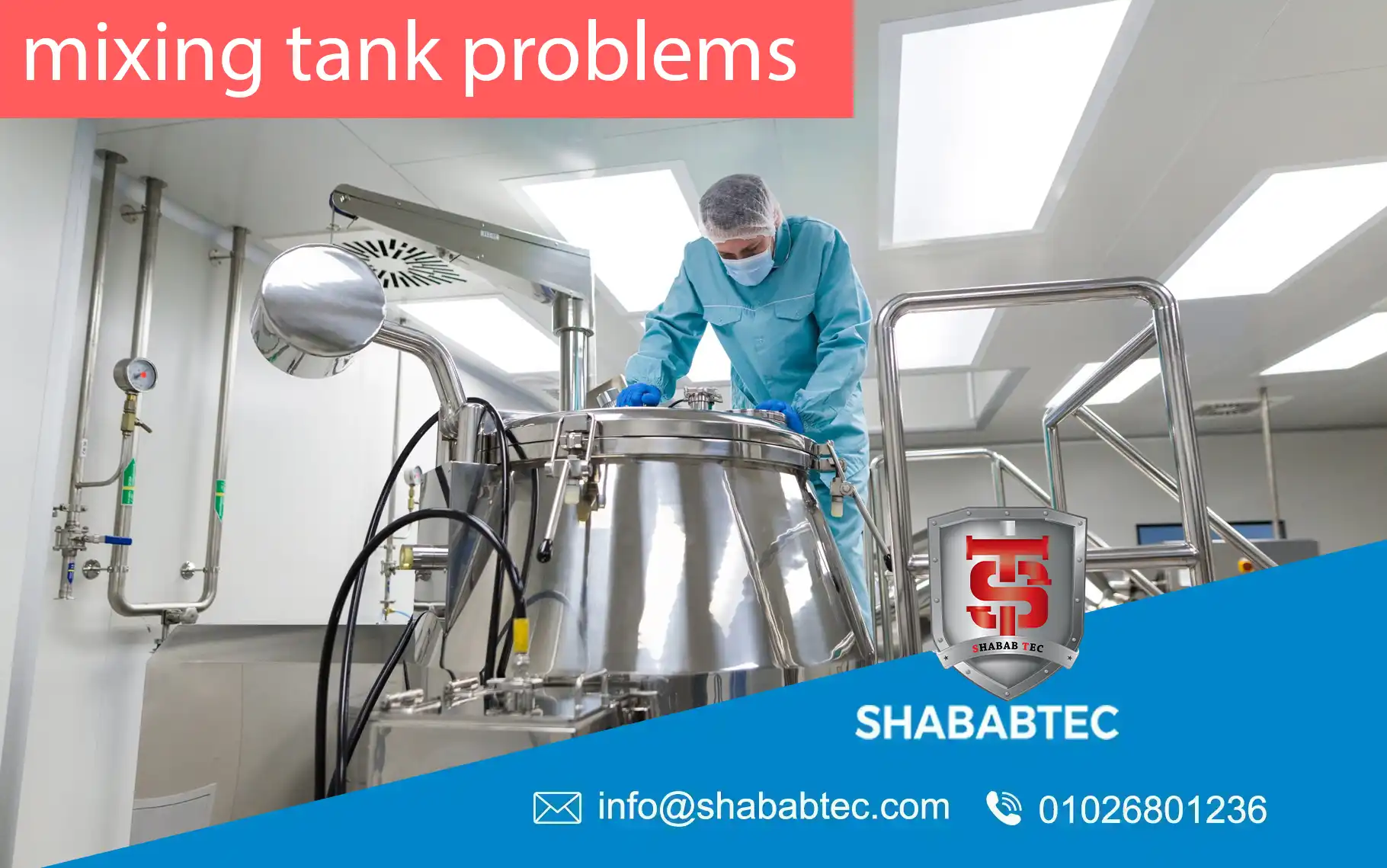
Mixing tank problems can slow production, reduce product quality, damage equipment, and increase maintenance cost. A tank may start with a small vibration, weak mixing, strange noise, or slow discharge, then the problem becomes bigger if it is ignored. In industrial production, early troubleshooting is much cheaper than waiting until the mixer stops completely.
Most agitator issues are connected to motor load, gearbox condition, shaft alignment, blade design, product viscosity, tank structure, or wrong operating speed. Some problems are simple and can be solved with cleaning or adjustment. Others need technical inspection, part replacement, or redesign of the mixing system.
This tank repair guide explains the most common tank vibration problems, mixing efficiency issues, and practical industrial mixer troubleshooting steps. It also explains how ShababTec can support factories with inspection, repair, modification, fabrication, and better mixer selection for real production conditions.
See Also: Industrial Stainless Steel Mixing Tanks – Complete Guide
Why Mixing Tank Problems Should Not Be Ignored
Small mixing tank problems often show warning signs before full failure. If operators notice unusual vibration, motor overheating, poor mixing, leakage, or product buildup, they should act quickly. Ignoring these signs can lead to damaged shafts, broken seals, gearbox failure, motor burnout, poor batch quality, and long production downtime.
Common results of ignored tank problems include:
- Weak product mixing
- Batch inconsistency
- Unmixed areas inside the tank
- Motor overload
- Gearbox damage
- Shaft bending or misalignment
- Seal leakage
- Excessive vibration
- Blade damage
- Production delays
A clear troubleshooting routine helps the factory protect both the product and the equipment.
Common Mixing Tank Problems
Weak Mixing Performance
Weak mixing happens when the tank does not create enough product movement. This may appear as uneven color, poor fragrance distribution, ingredient separation, powder lumps, sediment at the bottom, or different viscosity across the batch.
This is one of the most common mixing efficiency issues and may be caused by wrong agitator type, low motor power, incorrect speed, high product viscosity, or poor blade position.
Excessive Vibration
Tank vibration problems may happen because of shaft misalignment, unbalanced blades, loose motor mounting, damaged bearings, weak tank structure, or product load higher than expected.
Vibration should be checked immediately because it can damage the shaft seal, gearbox, bearings, tank cover, and support structure.
Motor Overheating
Motor overheating usually means the mixer is working under too much load. This may happen when the product is thicker than expected, the motor is underpowered, the gearbox ratio is wrong, or the agitator blade creates too much resistance.
Gearbox Noise
Unusual gearbox noise can indicate poor lubrication, overload, worn gears, misalignment, or internal damage. Gearbox issues should be handled early before complete failure.
Shaft Seal Leakage
Leakage around the shaft seal may happen because of worn seal parts, shaft vibration, incorrect seal selection, chemical attack, or poor installation. Seal leakage can cause product loss and contamination risk.
Slow Discharge
Slow discharge may happen when the product is too thick, the outlet is too small, the valve is blocked, or the tank bottom design does not support full emptying.
Product Sticking to Tank Walls
Sticky products such as cream, adhesive, chocolate, jam, ointment, gel, and paste may remain on tank walls if the mixer does not include scraper movement or if the tank is not designed for high-viscosity products.
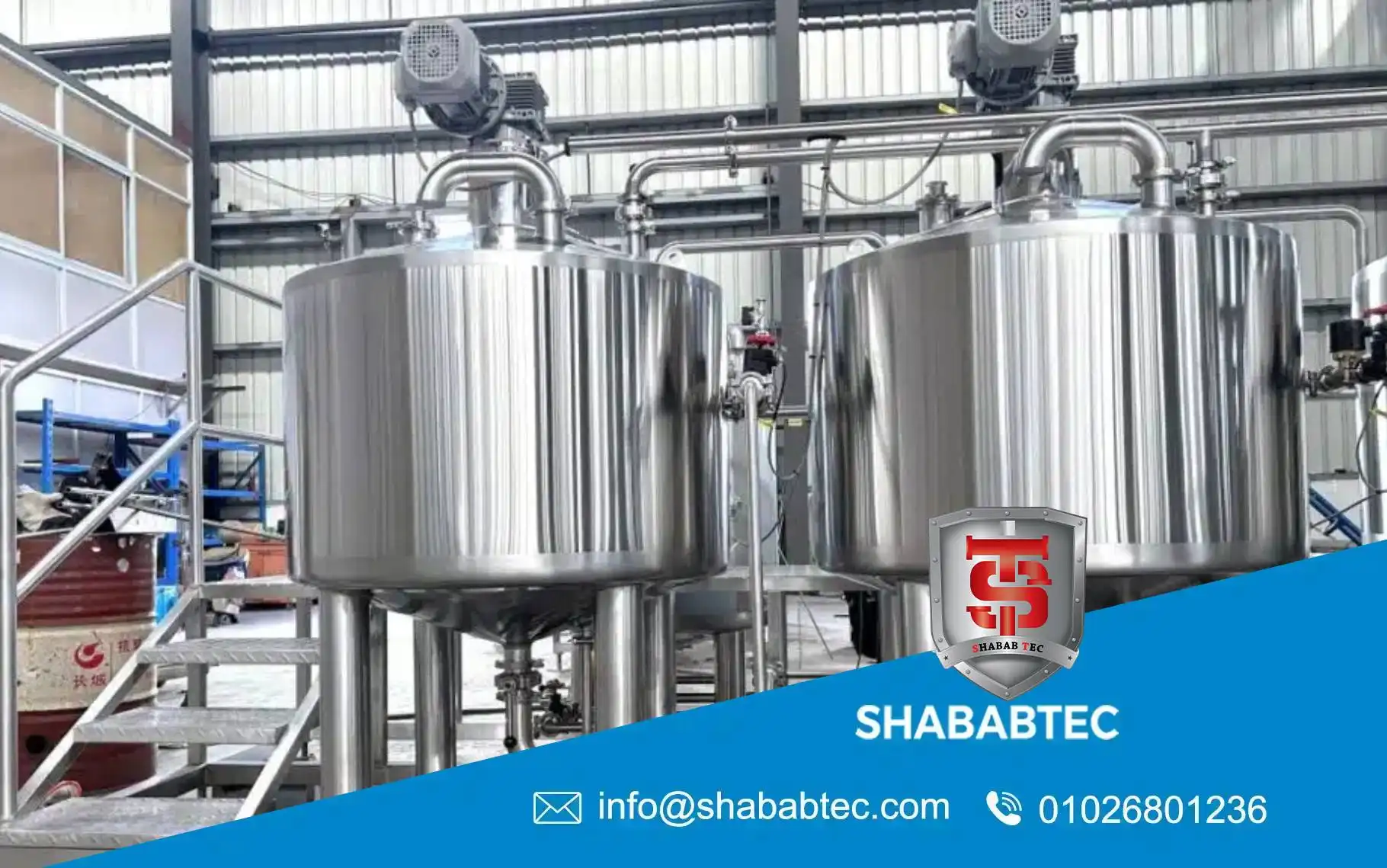
Agitator Issues | Main Causes
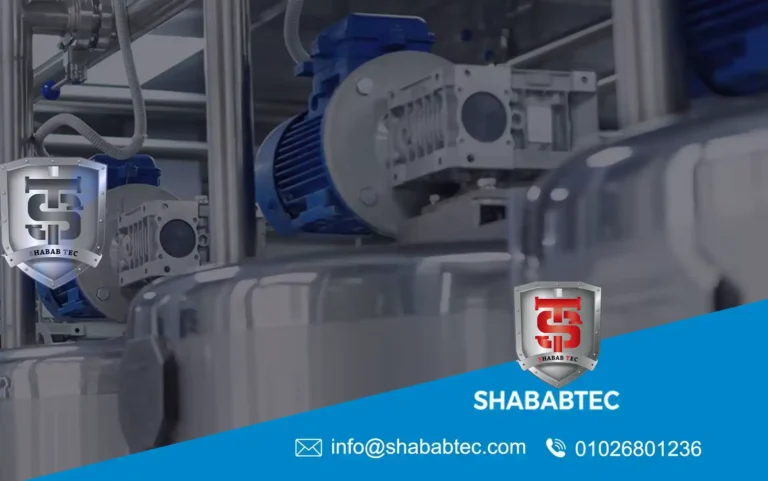
Agitator issues are often the main reason behind poor mixing and mechanical stress. The agitator is responsible for moving the product inside the tank, so any problem with it affects the full process.
Wrong Agitator Type
A propeller mixer may work for light liquids but fail with thick creams, adhesives, gels, or pastes. A high-viscosity product may need anchor blades, scraper blades, or a high-torque system.
Incorrect Blade Size
If the blade is too small, it may not move enough product. If it is too large, it may overload the motor or gearbox.
Blade Damage
Bent, cracked, or worn blades can create poor mixing and vibration. Damaged blades may also scratch the tank wall or affect product quality.
Poor Shaft Alignment
If the shaft is not aligned correctly, the agitator may wobble during operation. This can cause vibration, seal wear, bearing damage, and uneven mixing.
Loose Blade Connection
Loose bolts or weak blade connections can create noise, vibration, and unsafe operation.
Wrong Mixing Speed
Too low speed may cause weak mixing. Too high speed may create foam, air bubbles, or mechanical overload. Correct speed depends on product viscosity and mixer design.
Tank Vibration Problems | How to Diagnose Them
Tank vibration problems should be checked step by step. Vibration can come from the motor, gearbox, shaft, agitator, tank structure, or even the product load.
Step 1 | Check Motor and Gearbox Mounting
Loose mounting bolts can create vibration during operation. The motor and gearbox should be fixed securely to the tank cover or support frame. If the support structure is weak, vibration may increase during mixing.
Step 2 | Inspect Shaft Alignment
Shaft misalignment is a major cause of vibration. The shaft should rotate smoothly without visible wobbling. If the shaft is bent or poorly aligned, it can damage the seal and bearings.
Step 3 | Check Agitator Balance
Unbalanced blades create vibration, especially at higher speeds. Inspect the blades for bending, missing parts, loose bolts, or product buildup.
Step 4 | Review Product Viscosity
If the product is thicker than the tank was designed for, the mixer may vibrate because of excessive load. High-viscosity materials require stronger motors, gearboxes, shafts, and blades.
Step 5 | Inspect Tank Structure
A weak tank cover, thin structure, or unstable legs can amplify vibration. The tank body should be strong enough to handle mixer load.
ShababTec can inspect these vibration causes and help factories identify whether the issue needs alignment correction, blade repair, motor adjustment, gearbox replacement, or tank structure reinforcement.
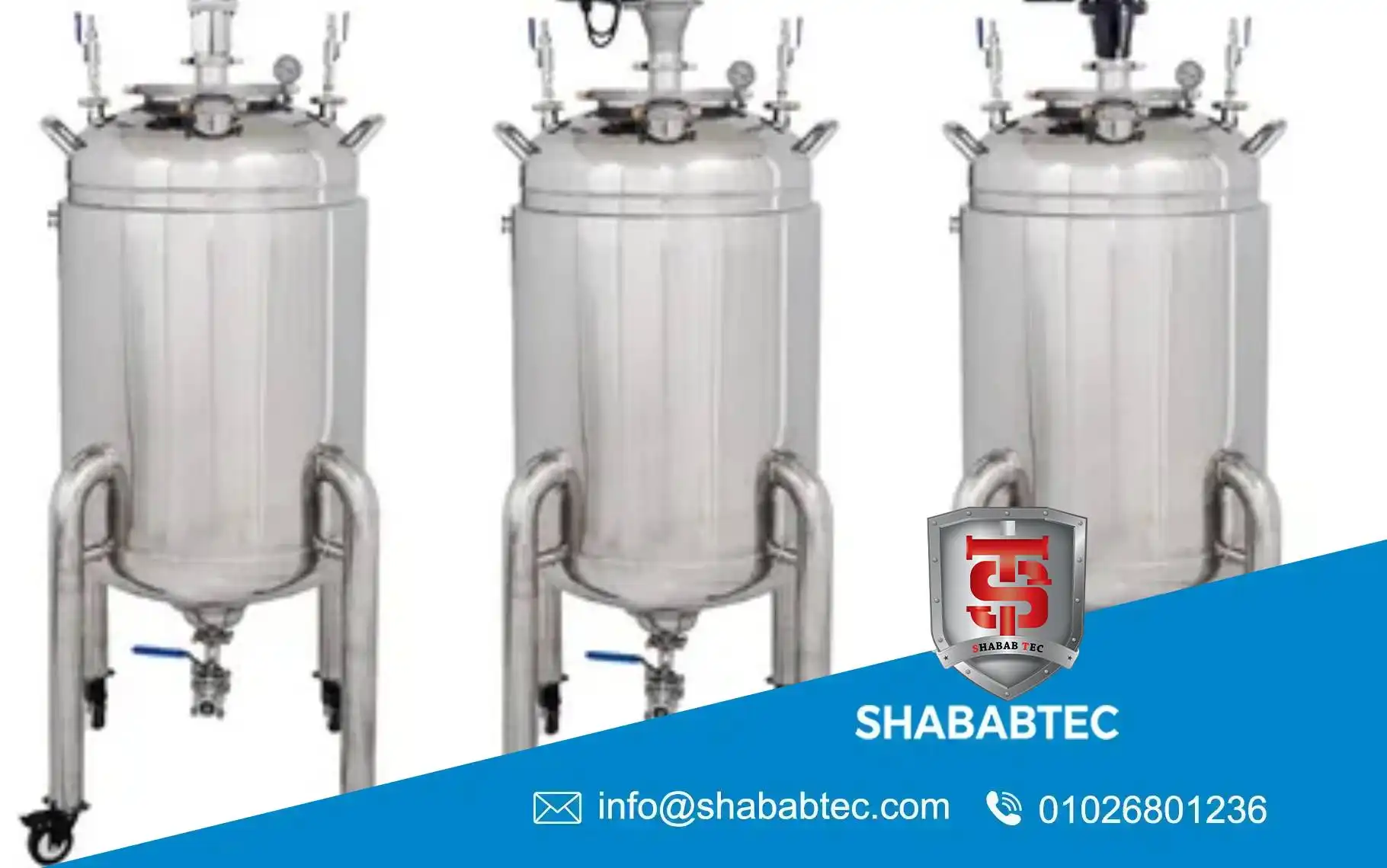
Mixing Efficiency Issues | Why the Product is Not Mixing Properly
Mixing efficiency issues appear when the product does not become uniform within the required time. This affects quality, filling, stability, and customer satisfaction.
Wrong Mixer Design
The mixer may not be suitable for the product. Light liquids, creams, syrups, detergents, paints, adhesives, gels, and pastes all need different mixing actions.
Dead Zones Inside the Tank
Dead zones are areas where the product does not move properly. They can appear near the bottom, wall, corners, or around poorly positioned blades.
Insufficient Motor Power
If the motor does not provide enough power, the product will move slowly and mixing time will increase.
Poor Ingredient Addition Method
Adding powders, thickeners, colors, fragrances, or active ingredients too quickly can create lumps and uneven distribution.
Incorrect Speed Control
Some products need different speeds during different stages. For example, detergent may need slow speed to reduce foam, while paint may need higher speed for pigment dispersion.
No Scraper for Sticky Products
If sticky products stay on tank walls, the full batch will not mix evenly. A scraper system may be needed.
ShababTec can help improve mixing efficiency by reviewing the product viscosity, agitator type, motor power, blade position, speed requirements, and discharge design.
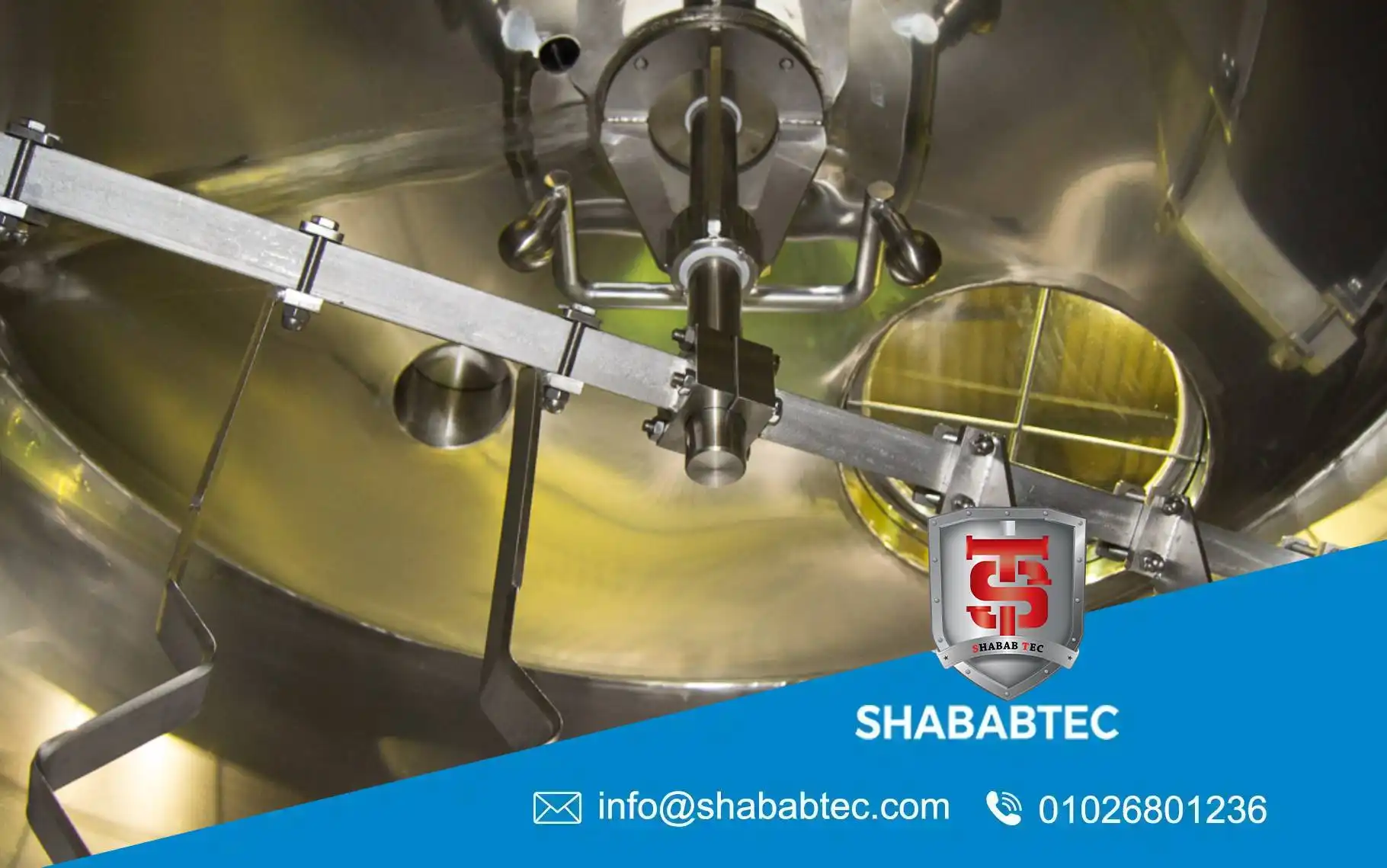
Industrial Mixer Troubleshooting | Step-by-Step Guide
Step 1 | Identify the Exact Problem
Start by defining the problem clearly. Is the issue vibration, noise, weak mixing, leakage, overheating, slow discharge, or product separation? A clear problem description makes troubleshooting faster.
Step 2 | Check the Product Behavior
Review whether the product viscosity, density, or formula has changed. Sometimes the equipment is not the problem; the product has become thicker, heavier, or harder to mix than before.
Step 3 | Inspect the Agitator
Check the agitator blades, shaft, bolts, welds, and blade position. Many agitator issues are caused by damage, buildup, poor alignment, or wrong blade design.
Step 4 | Check Motor Load
Monitor motor temperature, sound, and running condition. If the motor overheats or slows down, it may be overloaded or underpowered for the product.
Step 5 | Inspect Gearbox Condition
Listen for unusual gearbox noise and check for oil leakage. Gearbox issues can reduce speed, increase vibration, and damage the drive system.
Step 6 | Check Shaft Seal and Bearings
Look for leakage, heat, noise, or abnormal movement around the shaft area. Seal and bearing problems are often connected to vibration or misalignment.
Step 7 | Review Tank Structure
Check tank legs, cover, motor support, welds, and reinforcement. A weak structure can create or increase tank vibration problems.
Step 8 | Test Mixing Performance
Run the mixer under controlled conditions and check product movement. Look for dead zones, surface movement, bottom circulation, wall buildup, and discharge performance.
Step 9 | Decide the Correct Repair
The solution may be cleaning, tightening bolts, replacing blades, changing the seal, repairing the gearbox, upgrading the motor, adding a scraper, changing agitator type, or modifying the tank body.
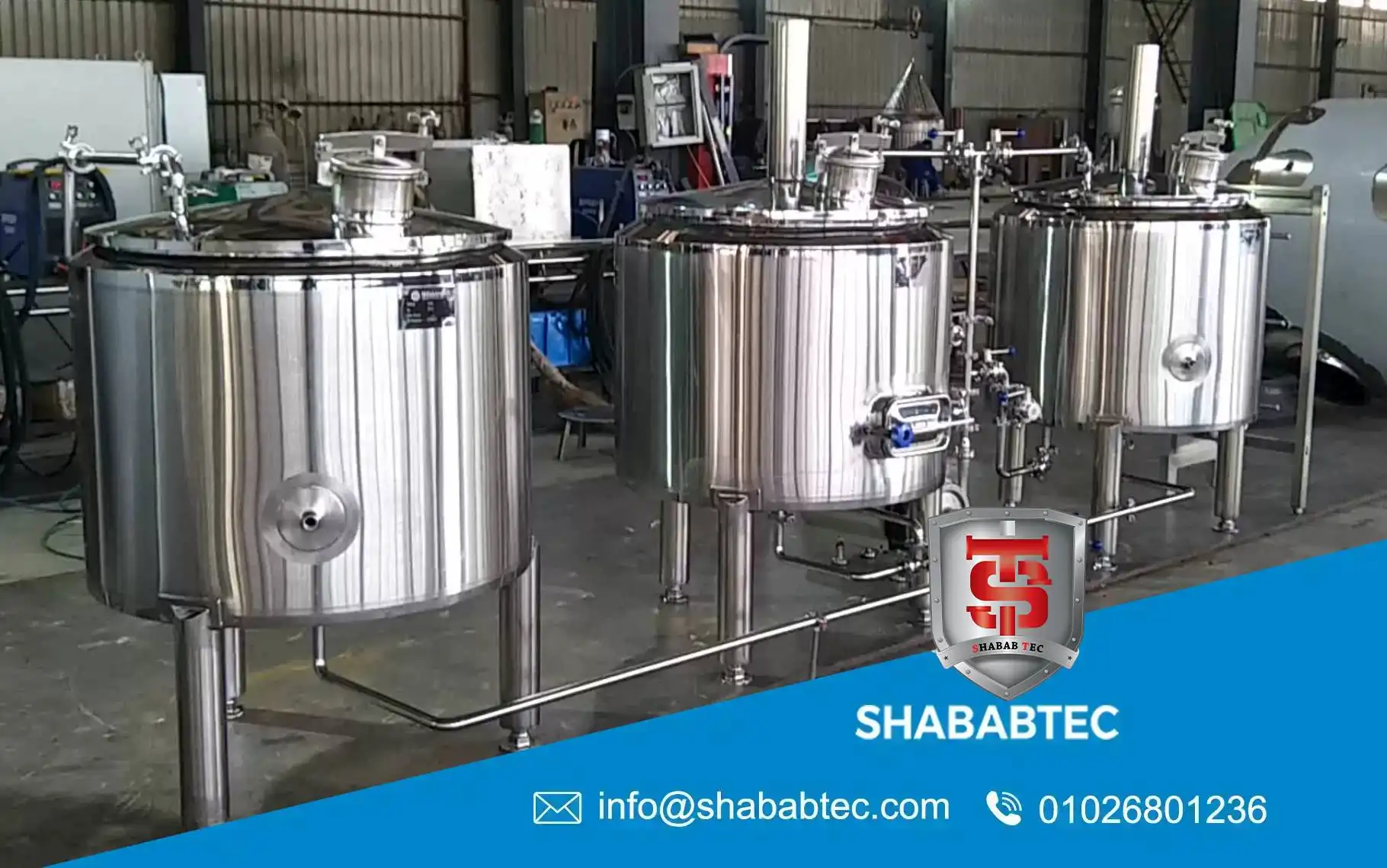
Step 10 | Work with a Capable Technical Supplier
ShababTec is capable of supporting this full troubleshooting process. The company can inspect mixing tank problems, identify agitator issues, handle tank repair guide steps, improve mixing efficiency, modify tank parts, and provide suitable replacement or upgraded mixing systems based on the actual production need.
Tank Repair Guide | What Can Be Fixed or Improved?
A practical tank repair guide should not only focus on replacing damaged parts. Sometimes the better solution is improving the design so the same problem does not return.
Agitator Repair
Damaged blades can be repaired or replaced depending on condition. Blade type may also be changed if the current design does not match the product.
Shaft Alignment Correction
If the shaft is misaligned, it should be corrected to reduce vibration and protect the seal and bearings.
Seal Replacement
A leaking shaft seal may need replacement with a suitable seal type based on product viscosity, temperature, chemical compatibility, and operating conditions.
Gearbox Maintenance
Gearbox problems may require lubrication, inspection, repair, or replacement depending on noise, wear, and load.
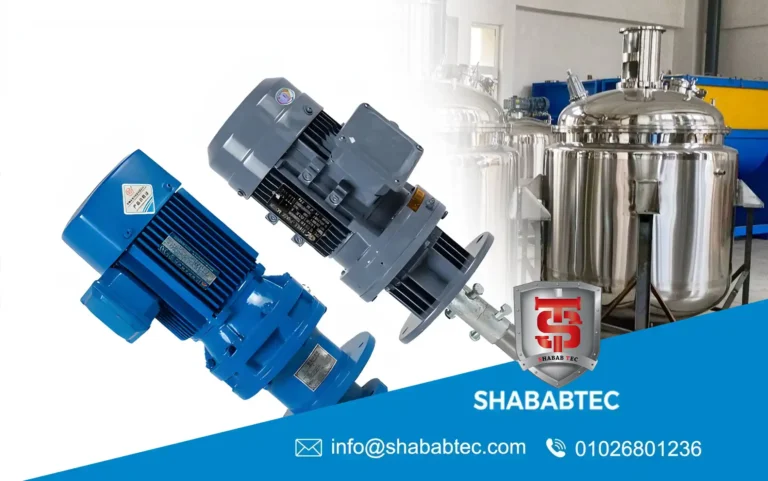
Motor Upgrade
If the motor is underpowered, upgrading to a stronger motor may be necessary, especially for thick products.
Scraper Addition
Sticky products may need a scraper system to improve wall movement, heat transfer, and cleaning.
Tank Reinforcement
If the tank structure is weak, reinforcement may reduce vibration and improve safety.
Discharge Modification
Slow discharge can be improved by changing valve size, adding bottom discharge, or using a transfer pump.
ShababTec can help factories perform these repair and improvement steps through practical fabrication, mechanical adjustment, part replacement, and custom tank modification.
Common Mixing Tank Problems by Industry
Food Industry
Food tanks used for sauce, jam, chocolate, syrup, and fruit fillings may suffer from burning, wall buildup, slow discharge, and uneven texture. Scraper systems, heating control, and better agitator design can help solve these problems.
Cosmetic Industry
Cosmetic tanks used for creams, lotions, shampoo, liquid soap, and gels may face air bubbles, weak emulsification, fragrance separation, and viscosity variation. Homogenizers, vacuum systems, and speed control can improve production quality.
Pharmaceutical Industry
Pharmaceutical tanks used for syrup, ointment, gel, and liquid medicine need accurate mixing and clean operation. Problems such as active ingredient separation, seal leakage, and difficult cleaning should be handled carefully.
Chemical Industry
Chemical tanks used for paint, adhesives, detergents, fertilizers, and coatings may face pigment settling, foam, corrosion, high viscosity load, and agitator wear. Chemical compatibility and motor power are critical.
How to Reduce Mixing Efficiency Issues
Factories can reduce mixing efficiency issues by improving process control and equipment selection.
- Match the agitator type to the product
- Use enough motor power for viscosity
- Use gearbox support for thick products
- Add scraper movement for sticky products
- Use speed control for different production stages
- Add homogenizer or high-shear mixer when needed
- Improve ingredient addition method
- Check tank geometry and blade position
- Clean blades and tank walls after each batch
- Inspect equipment regularly
When these steps are applied correctly, production becomes faster and product quality becomes more stable.
Preventive Maintenance for Industrial Mixer Troubleshooting
Preventive maintenance reduces the need for emergency industrial mixer troubleshooting. Instead of waiting for failure, the factory should inspect the mixer regularly.
Daily Checks
- Check for unusual noise
- Watch for vibration
- Inspect leakage around shaft seal
- Check discharge valve performance
- Monitor motor temperature
- Clean product residue after production
Weekly Checks
- Inspect agitator blades
- Check motor and gearbox mounting bolts
- Inspect shaft alignment visually
- Check scraper parts if available
- Inspect tank support legs
- Review cleaning and maintenance records
Monthly Checks
- Inspect gearbox condition
- Review motor load history
- Check internal tank surface
- Inspect welds and structure
- Review seal condition
- Check whether product changes require equipment adjustment
ShababTec can support factories with maintenance-focused tank design, technical review, replacement parts, and improvement recommendations to reduce repeated failures.
When to Repair and When to Replace the Mixer
Not every problem requires a new tank. Many mixing tank problems can be solved with repair or modification. However, replacement may be better when the tank is too weak, badly corroded, poorly designed, or not suitable for the current product.
Repair May Be Enough When
- The motor needs servicing or replacement
- The seal is leaking but the tank is still good
- The agitator blade is damaged
- The gearbox needs maintenance
- The discharge valve is blocked or undersized
- The tank needs minor reinforcement
Replacement May Be Better When
- The tank material is not compatible with the product
- The tank structure is too weak
- The mixer design is completely unsuitable
- Corrosion is severe
- The tank cannot be cleaned properly
- The production capacity is no longer enough
- Repeated repairs cost too much
A technical inspection from ShababTec can help factories decide whether repair, modification, or a new custom tank is the better solution.
How ShababTec Helps Solve Mixing Tank Problems
ShababTec provides stainless steel equipment, industrial mixing systems, tank fabrication, and practical support for liquid and semi-solid production. The company works with food, cosmetic, pharmaceutical, chemical, detergent, adhesive, syrup, sauce, cream, gel, ointment, chocolate, jam, fertilizer, and other industrial applications.
For factories facing mixing tank problems, ShababTec can support:
- Inspection of agitator issues
- Diagnosis of tank vibration problems
- Motor and gearbox review
- Shaft and seal inspection
- Agitator redesign or replacement
- Scraper system addition
- Tank structure reinforcement
- Discharge valve modification
- Stainless steel fabrication
- New custom tank manufacturing
This means ShababTec is capable of achieving the troubleshooting, repair, and improvement steps required to restore mixing performance and reduce downtime.
Final Thoughts
Mixing tank problems should be handled early before they affect production quality or damage expensive parts. Most agitator issues, tank vibration problems, and mixing efficiency issues can be diagnosed through a clear inspection process.
A practical industrial mixer troubleshooting method should check product viscosity, agitator condition, motor load, gearbox status, shaft alignment, seal condition, tank structure, and discharge design. This tank repair guide helps factories understand where problems come from and what repairs or upgrades may be needed.
ShababTec can help factories solve these issues through technical inspection, repair, modification, fabrication, and custom mixing tank solutions designed around real production conditions.
FAQ – Mixing Tank Problems
What are the most common mixing tank problems?
The most common mixing tank problems include weak mixing, vibration, motor overheating, gearbox noise, seal leakage, slow discharge, product sticking to tank walls, and poor batch consistency.
What causes agitator issues?
Agitator issues may be caused by wrong blade design, damaged blades, shaft misalignment, loose connections, incorrect speed, high product viscosity, or insufficient motor power.
How can tank vibration problems be fixed?
Tank vibration problems can be fixed by checking motor mounting, gearbox condition, shaft alignment, blade balance, tank structure, and product load. The correct solution depends on the actual cause.
What causes mixing efficiency issues?
Mixing efficiency issues can happen because of wrong agitator type, low motor power, poor blade position, dead zones, high viscosity, poor ingredient addition, or missing scraper or homogenizer systems.
What is industrial mixer troubleshooting?
Industrial mixer troubleshooting is the step-by-step process of identifying mixer problems, checking mechanical parts, reviewing product behavior, and choosing the correct repair or design improvement.
When should I use a tank repair guide?
A tank repair guide is useful when the tank has vibration, leakage, weak mixing, slow discharge, unusual noise, motor overload, or product quality problems.
See Also: cleaning mixing tank | gelatin melting tank