Gelatin Melting Tank Design and Industrial Gelatin 2026
Gelatin Melting Tank Design
Gelatin production and preparation need accurate heating, smooth mixing, and controlled processing conditions. Whether the gelatin is used in food, pharmaceutical, cosmetic, or industrial applications, the equipment must be designed to handle melting, dissolving, and maintaining the right texture without burning or clumping. This is why choosing the right gelatin melting tank is important for any factory that works with gelatin-based products.
A professional gelatin mixer helps manufacturers achieve a uniform liquid mixture, reduce processing time, and maintain product quality from one batch to another. Gelatin can be sensitive to temperature, and poor handling may lead to lumps, uneven melting, or changes in product performance. A well-designed melting tank solves these issues by combining controlled heating with proper mixing.
For factories in Egypt and the region, ShababTec provides practical stainless steel tank solutions suitable for liquid and semi-solid preparation, including gelatin processing, syrup production, creams, ointments, and other temperature-controlled products.
See Also: Industrial Stainless Steel Mixing Tanks – Complete Guide
What is a Gelatin Melting Tank?
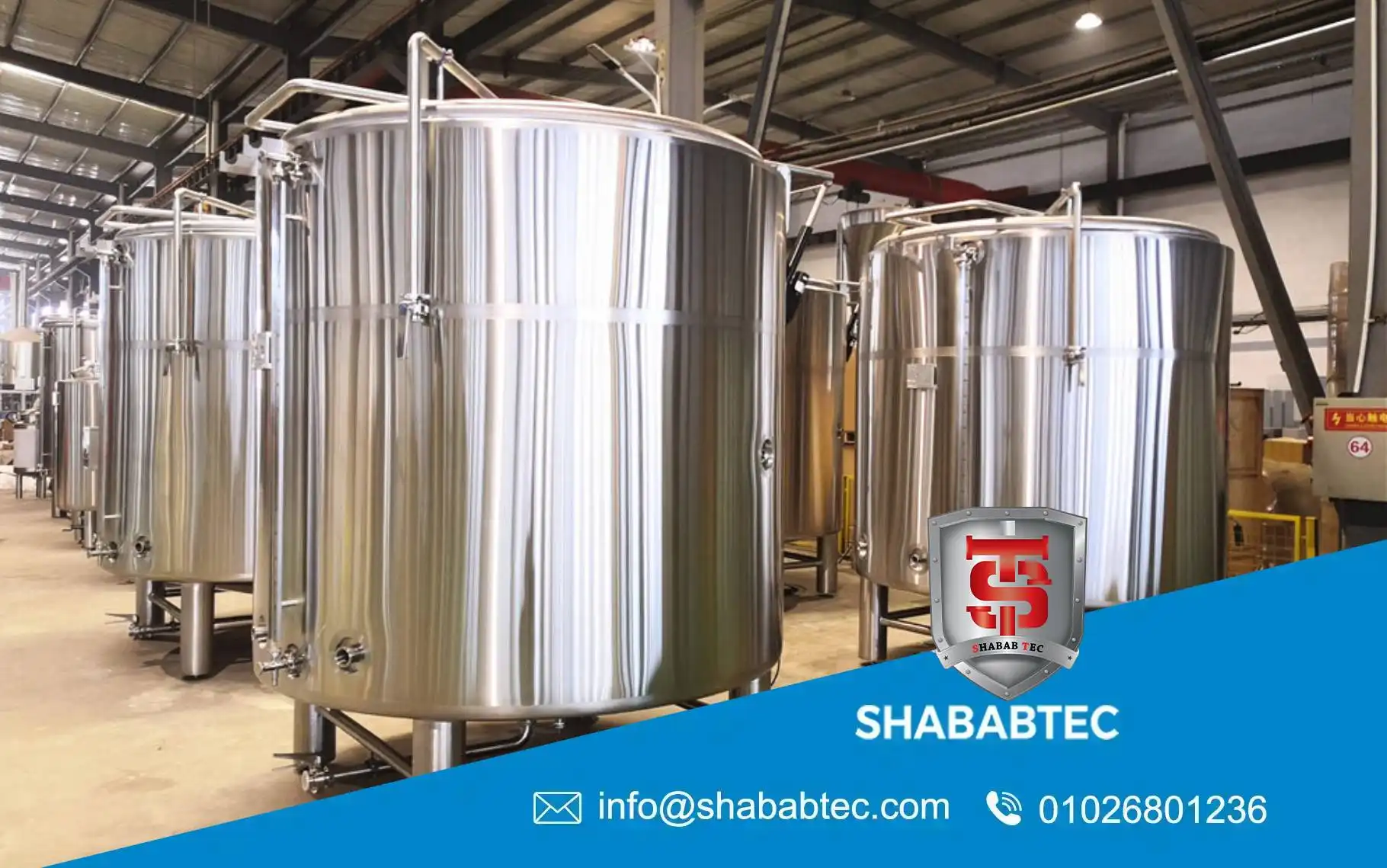
A gelatin melting tank is an industrial tank designed to heat, melt, mix, and process gelatin under controlled conditions. It is used when gelatin needs to be dissolved in water or prepared as part of a food, pharmaceutical, cosmetic, or industrial formula.
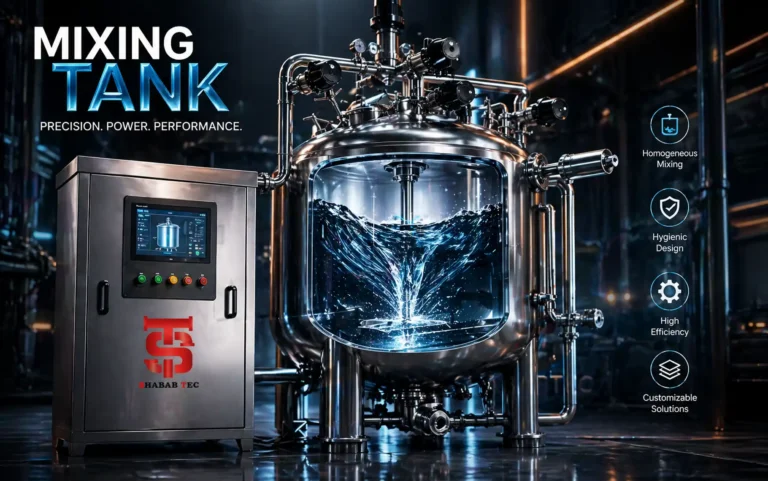
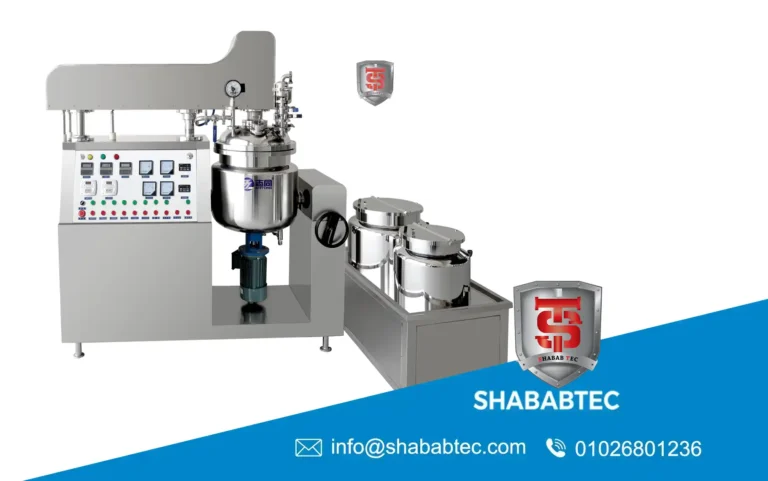
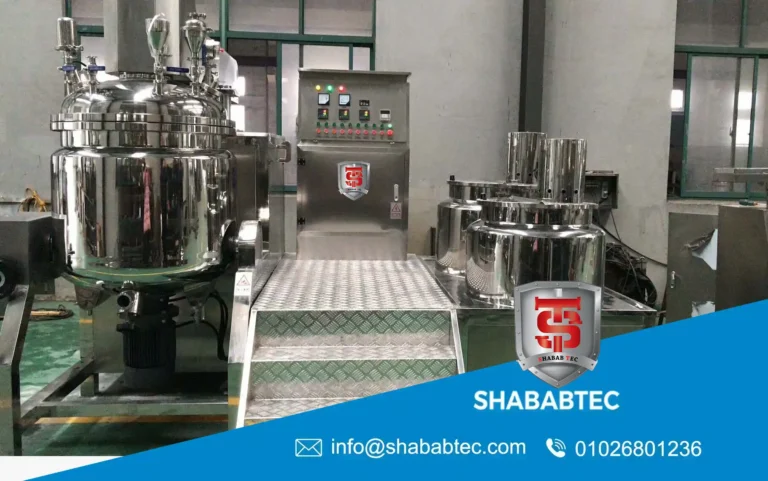
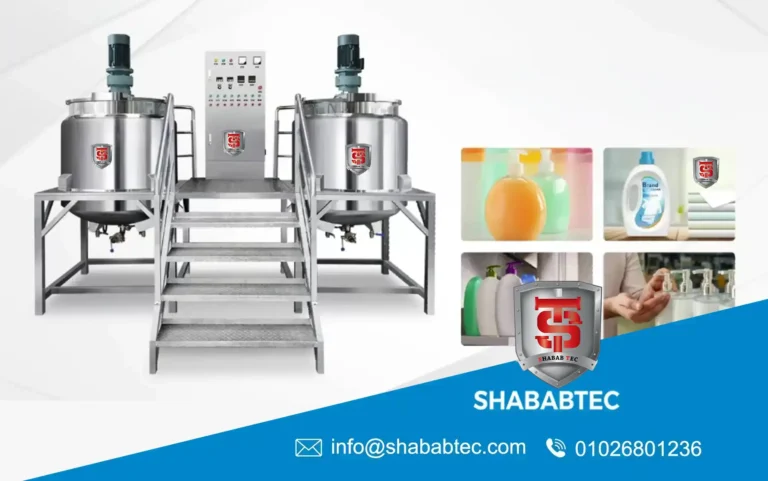
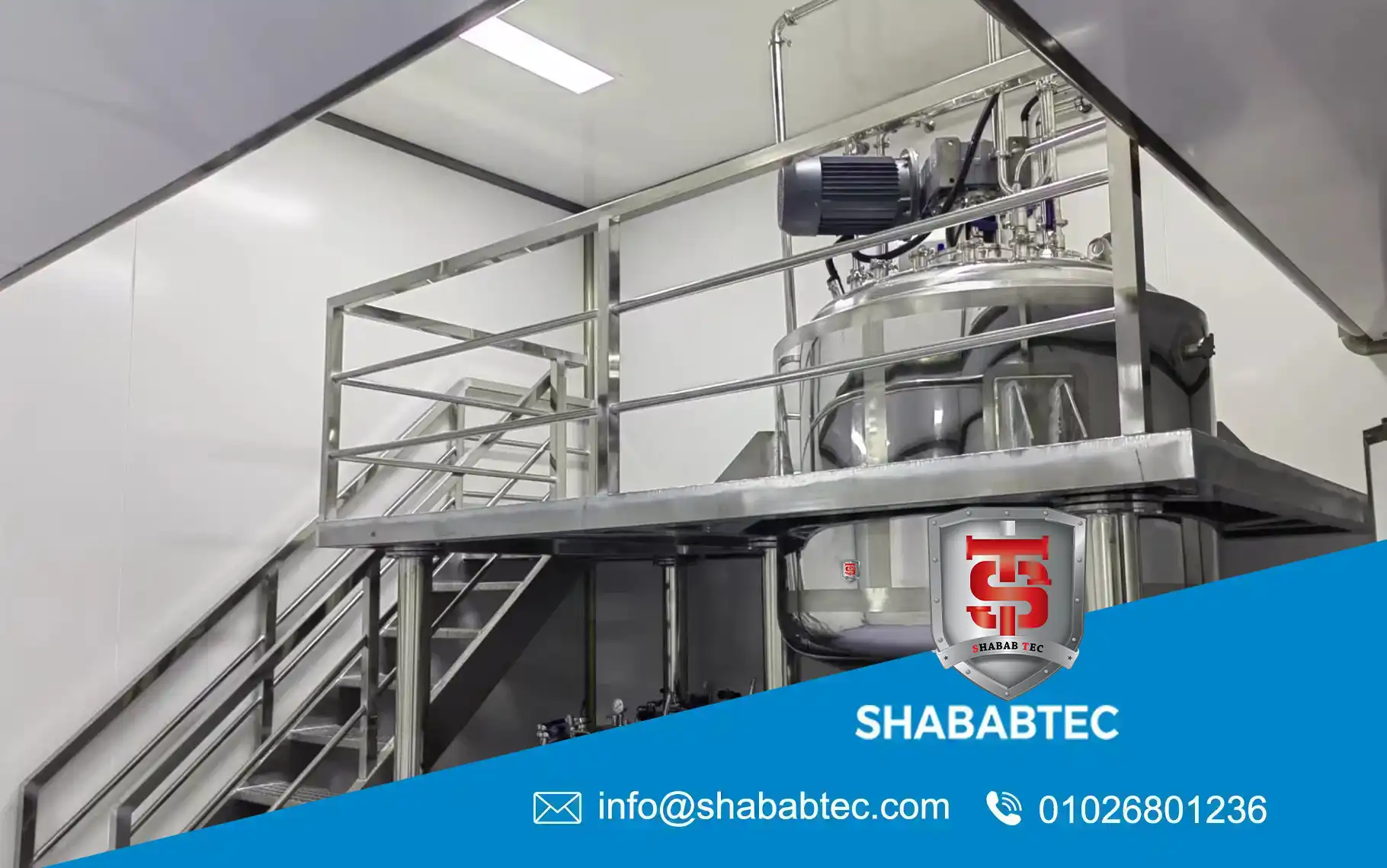
The tank usually includes a stainless steel body, heating system, agitator, temperature control, discharge valve, and sometimes a cooling option depending on the process. The goal is to melt gelatin evenly without overheating, sticking, or forming lumps.
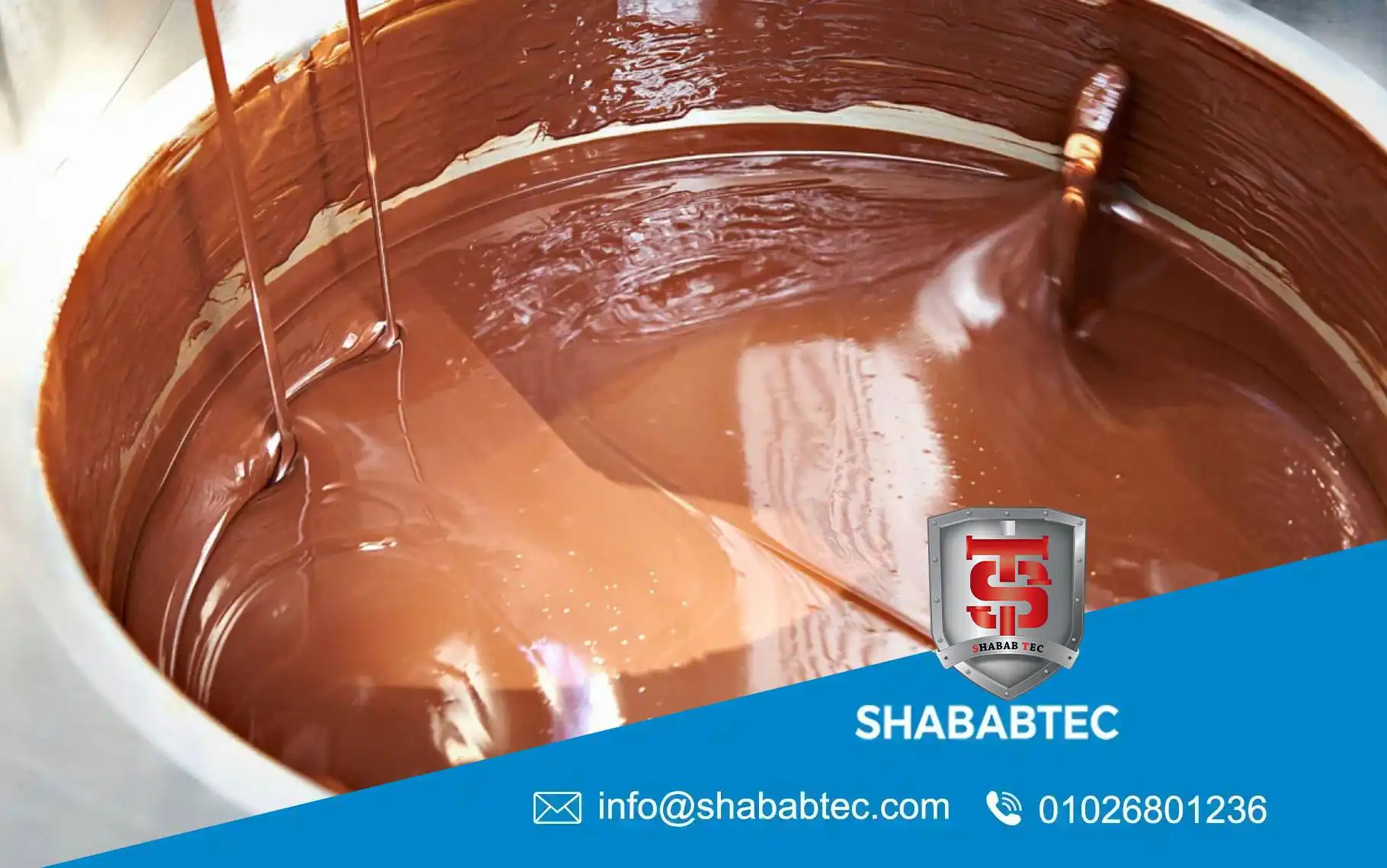
Unlike a normal storage tank, a gelatin processing tank is designed to handle viscosity changes. Gelatin may start as powder, granules, sheets, or hydrated mass, then become a liquid or semi-liquid mixture during processing. This change requires proper mixing and stable heat distribution.
Why Gelatin Needs Special Processing Equipment
Gelatin is sensitive to both water absorption and temperature. If it is heated too quickly or mixed poorly, it can form clumps or melt unevenly. If the temperature is too high, product quality may be affected. If the temperature is too low, melting becomes slow and incomplete.
This is why a dedicated heating tank gelatin system is useful in industrial production. It gives the production team better control over heat, mixing speed, and processing time.
Common problems caused by poor gelatin processing include:
- Gelatin lumps inside the mixture
- Slow melting time
- Uneven product texture
- Material sticking to the tank wall
- Overheating or burning near the heating surface
- Difficult cleaning after production
- Inconsistent viscosity from one batch to another
A suitable industrial gelatin tank reduces these problems and supports smoother production.
Main Components of a Gelatin Melting Tank
Stainless Steel Tank Body
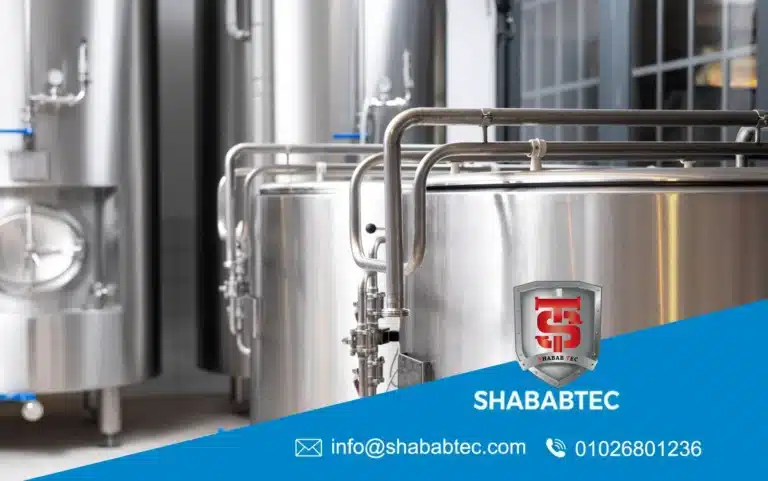
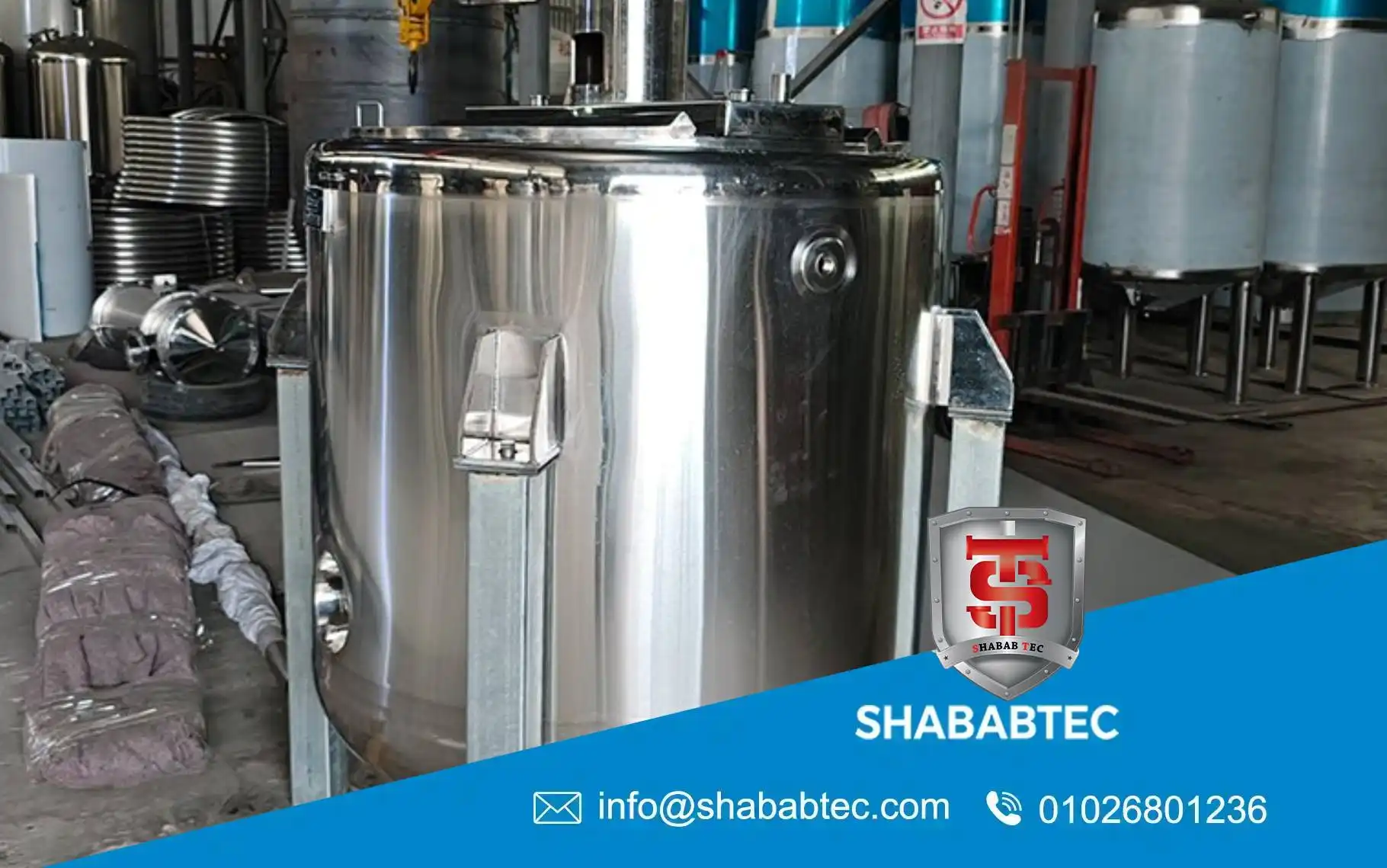
The tank body is the main structure of the gelatin melting tank. Stainless steel is commonly used because it is strong, hygienic, corrosion-resistant, and easy to clean. For food and pharmaceutical use, smooth internal surfaces are especially important to reduce buildup and support proper cleaning.
The tank size should be selected based on batch volume, gelatin concentration, and daily production needs. A small factory may need a compact tank, while a larger production line may require a bigger gelatin processing tank with stronger mixing and more accurate control.
Heating System
The heating system is one of the most important parts of a heating tank gelatin. Gelatin usually needs gentle and even heating to melt properly. A jacketed heating system is often preferred because it distributes heat around the tank instead of applying direct heat to one area.
Common heating methods include hot water jacket, steam jacket, electric heating, or thermal oil depending on the production requirement. The right method depends on the batch size, required temperature range, available utilities, and product sensitivity.
Gelatin Mixer
The gelatin mixer keeps the material moving during heating and helps prevent clumps. It also supports even temperature distribution inside the tank.
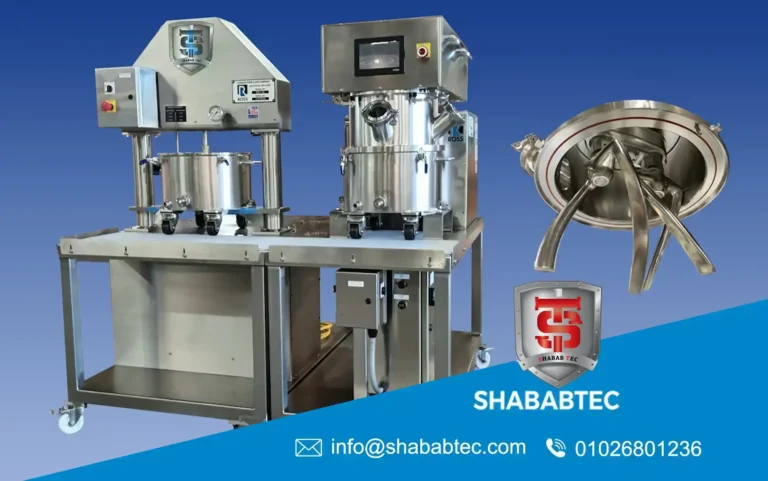
The mixer design should match the viscosity of the gelatin solution. A light gelatin solution may need a simple agitator, while a thicker gelatin mixture may need a stronger mixing blade or a slower high-torque system.
Temperature Control
Temperature control is essential because gelatin quality depends on proper heat handling. The tank should allow operators to monitor and adjust the temperature during melting and holding.
A controlled melting tank helps avoid overheating and makes it easier to repeat the same process for every batch.
Discharge Valve
Gelatin can become sticky or thick, so the discharge valve must be designed for smooth product removal. A bottom discharge valve is often useful because it helps empty the tank more completely and reduces product waste.
The valve should also be easy to clean, especially when the tank is used for food or pharmaceutical products.
Insulation
In many gelatin applications, insulation helps maintain the required temperature and reduce heat loss. This improves energy efficiency and keeps the gelatin in the right condition during processing or holding.
Control Panel
A control panel helps manage mixer speed, heating temperature, and operation time. Simple controls are important for daily factory use because they help operators run the process more accurately and safely.
Industrial Applications of Gelatin Processing Tanks
Food Production
A gelatin processing tank is widely used in food factories that prepare gelatin for desserts, confectionery, dairy products, jelly products, marshmallows, gummy products, and stabilizing systems.
In food production, gelatin must be dissolved smoothly and mixed evenly with other ingredients. A good gelatin mixer helps ensure a clean texture and stable product structure.
Pharmaceutical Production
Gelatin is used in many pharmaceutical applications, including capsules, coatings, syrups, and medical preparations. In these applications, hygiene and controlled processing are very important.
A well-designed industrial gelatin tank for pharmaceutical production should support easy cleaning, smooth internal surfaces, accurate temperature control, and reliable mixing.
Cosmetic Production
Some cosmetic products use gelatin or gelatin-like materials for texture, film formation, or product stability. A melting tank can be used to prepare these materials before they are added to the main formulation.
Cosmetic production often needs controlled heating and mixing to maintain smooth texture and avoid lumps.
Industrial Gelatin Applications
Gelatin is also used in industrial fields such as adhesives, coatings, photography-related materials, and specialty chemical products. In these cases, the heating tank gelatin must be designed based on product viscosity, chemical compatibility, and operating conditions.
Gelatin Melting Tank Design Factors
Tank Capacity
The capacity of the gelatin melting tank should match the factory’s production volume. Choosing the right size helps improve workflow and reduce unnecessary energy use.
If the tank is too small, the factory may need too many batches per day. If the tank is too large, small batches may be harder to control, and heating may take longer than needed.
Gelatin Concentration
Gelatin concentration affects viscosity and mixing requirements. A low-concentration gelatin solution flows easily, while a high-concentration solution becomes thicker and needs stronger mixing.
Before choosing a gelatin mixer, the factory should define the expected gelatin concentration and final product viscosity.
Heating Method
The heating method should provide steady and even heat. For gelatin, controlled heating is better than aggressive heating because it reduces the risk of burning, sticking, or quality changes.
A jacketed heating tank gelatin is suitable for many applications because it spreads heat around the tank body.
Mixing Blade Design
The blade design affects how gelatin moves inside the tank. Good movement prevents dead zones and helps gelatin dissolve evenly. For thicker gelatin, the blade may need to move material from the bottom to the top and from the wall to the center.
The right gelatin mixer should match both the product and the tank shape.
Temperature Holding
Some gelatin processes require holding the product at a specific temperature before it is transferred or used in another stage. The melting tank should be able to maintain temperature without overheating.
Insulation and accurate controls can help keep the gelatin stable during holding.
Cleaning Access
Gelatin can stick to surfaces if it cools down inside the tank. Cleaning access is therefore very important. The tank should have practical openings, smooth surfaces, and a suitable discharge design to reduce cleaning time.
Material Selection
For food and pharmaceutical use, stainless steel is usually the preferred material. Stainless steel 304 is suitable for many food applications, while stainless steel 316L may be preferred for higher hygiene or more demanding production conditions.
Benefits of Using an Industrial Gelatin Tank
Using a professional industrial gelatin tank offers clear production benefits:
- Faster and more uniform gelatin melting
- Better temperature control
- Reduced lumps and clumps
- Consistent viscosity from batch to batch
- Lower product waste
- Easier cleaning and maintenance
- More stable production workflow
- Suitable handling for food, pharmaceutical, and cosmetic applications
For factories that process gelatin regularly, these benefits can improve both product quality and daily production efficiency.
Common Problems in Gelatin Processing
Gelatin Lumps
Lumps can form when gelatin is added too quickly, hydrated unevenly, or mixed poorly. A proper gelatin mixer helps keep the liquid moving and reduces clumping.
Slow Melting
Slow melting may happen because of low temperature, weak mixing, or incorrect tank design. A suitable heating tank gelatin provides controlled heat and improves process speed.
Sticking to Tank Walls
Gelatin can stick to the tank wall, especially when it cools or becomes concentrated. Smooth internal surfaces and proper mixing movement help reduce buildup.
Overheating
Overheating may affect product quality. A controlled melting tank helps maintain the correct temperature and avoid excessive heat.
Uneven Viscosity
If heat and mixing are not distributed evenly, the gelatin solution may have inconsistent viscosity. A well-designed gelatin processing tank helps create a stable and uniform product.
How to Choose the Right Gelatin Melting Tank
Before selecting a gelatin melting tank, the factory should review the actual production process. The right tank depends on product type, capacity, heating method, and hygiene requirements.
Define the Product Application
Food gelatin, pharmaceutical gelatin, cosmetic gelatin, and industrial gelatin may each need different design details. The tank should be selected based on the final product use.
Check the Required Capacity
The tank should match batch size and daily output. It should also allow enough working volume for safe mixing without overflow.
Review Viscosity and Concentration
Higher gelatin concentration usually needs stronger mixing and better motor power. This affects the design of the gelatin mixer.
Choose the Right Heating System
The heating system should match the required temperature range and available factory utilities. Hot water, steam, electric heating, and thermal oil each have different advantages.
Consider Cleaning Requirements
If the tank is used for food or pharmaceutical production, cleaning and hygiene must be considered from the beginning. Smooth surfaces and easy access make daily cleaning easier.
Think About Future Production Needs
If the factory is growing, it may be better to choose a design that can support future production expansion. A flexible industrial gelatin tank can handle different batch sizes and product types more efficiently.
Gelatin Melting Tank for Food and Pharmaceutical Production
Food Grade Gelatin Processing
In food production, the gelatin processing tank should focus on hygiene, smooth melting, stable texture, and easy cleaning. The goal is to prepare gelatin that blends properly into the final food product.
Temperature control is important because gelatin must dissolve properly without damaging the product structure.
Pharmaceutical Gelatin Processing
Pharmaceutical applications usually require stricter control. The industrial gelatin tank should support clean operation, accurate temperature control, and consistent mixing.
For pharmaceutical gelatin, material selection, surface finish, sealing, and cleaning access become more important because the final product may be used in sensitive applications.
Why ShababTec is a Practical Choice for Gelatin Tank Solutions
ShababTec provides stainless steel equipment for liquid and semi-solid preparation, including tanks suitable for heating, cooling, mixing, and processing different products. For factories that need a gelatin melting tank, the company can support practical designs based on product viscosity, batch capacity, heating requirements, and production environment.
Instead of choosing a standard tank without reviewing the process, manufacturers can work with ShababTec to select a suitable gelatin processing tank for their actual production line.
This is especially useful for factories that need equipment for more than one product type, such as gelatin, syrup, creams, ointments, adhesives, or other semi-liquid materials.
Maintenance Tips for Gelatin Melting Tank
Regular maintenance helps keep the gelatin melting tank working efficiently and reduces unexpected production stops. Since gelatin can stick when it cools, cleaning should be done at the right time after each batch.
- Clean the tank before gelatin residues harden
- Check the agitator blades for buildup
- Inspect the shaft, seals, and discharge valve
- Monitor heating system performance
- Check temperature sensors regularly
- Inspect jacket connections for leaks
- Keep the control panel clean and protected
- Follow a fixed maintenance schedule
Final Thoughts
A gelatin melting tank is an important part of any production line that works with gelatin-based products. The right design helps melt gelatin smoothly, reduce lumps, control temperature, and maintain consistent product quality.
Whether your factory needs a gelatin mixer for food production, a heating tank gelatin for controlled melting, or an industrial gelatin tank for continuous processing, the equipment should be selected based on real production conditions.
ShababTec offers practical stainless steel solutions for factories that need reliable mixing and temperature-controlled tanks for gelatin, syrup, creams, ointments, and other liquid or semi-solid products.
FAQ – Gelatin Melting Tank
What is a gelatin melting tank used for?
A gelatin melting tank is used to heat, melt, mix, and process gelatin for food, pharmaceutical, cosmetic, and industrial applications.
Why does gelatin need controlled heating?
Gelatin needs controlled heating to melt evenly without lumps, sticking, overheating, or changes in product quality.
What is the role of a gelatin mixer?
A gelatin mixer keeps the material moving during heating, helps dissolve gelatin evenly, and supports uniform texture and viscosity.
Can a melting tank be used for other products?
Yes, depending on the design, a melting tank can also be used for syrup, creams, ointments, wax-like materials, and other semi-liquid products.
What material is best for an industrial gelatin tank?
Stainless steel is commonly used because it is hygienic, durable, corrosion-resistant, and easy to clean.
How do I choose the right gelatin processing tank?
Choose based on batch capacity, gelatin concentration, heating method, mixer design, cleaning needs, and whether the product is for food, pharmaceutical, cosmetic, or industrial use.
See Also: mixing tank fertilizer | jam mixing tank