Jam Mixing Tank
Jam Mixing Tank Smooth Fruit Texture and Consistent Jam Production
Jam production depends on accurate fruit processing, controlled heating, proper sugar dissolving, and continuous mixing that protects texture while preventing burning. Whether the factory produces strawberry jam, apricot jam, fig jam, mixed fruit jam, fruit filling, or bakery jam, choosing the right jam mixing tank is essential for stable quality and efficient production.
A professional jam mixer helps blend fruit pulp, sugar, pectin, acids, flavors, colors, and other ingredients into a uniform product with the required texture and thickness. Jam is usually sticky and heat-sensitive, so the equipment must be designed to handle viscosity, temperature, and cleaning requirements properly.
For food factories in Egypt and the region, ShababTec provides practical stainless steel tank solutions suitable for food, cosmetic, pharmaceutical, and chemical production. The right food jam tank should be selected based on fruit type, batch capacity, heating method, mixing style, final viscosity, discharge method, and daily production needs.
See Also: Industrial Stainless Steel Mixing Tanks – Complete Guide
What is a Jam Mixing Tank?
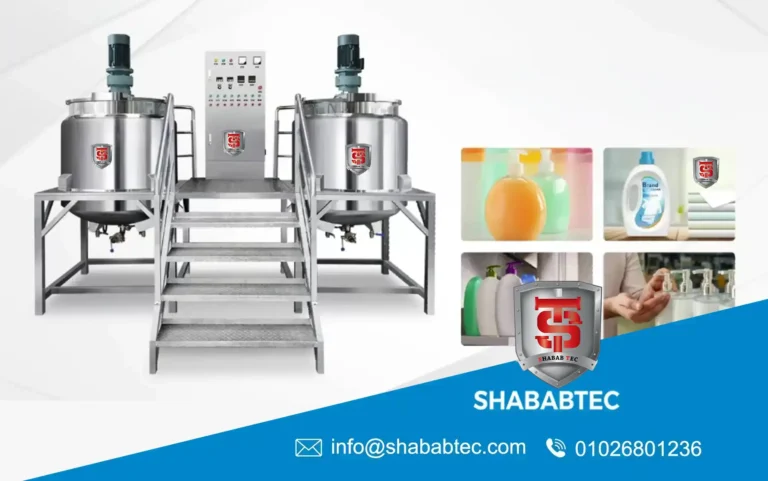
A jam mixing tank is an industrial tank used to mix, heat, cook, and prepare jam products under controlled conditions. It is commonly used in food factories that process fruit-based products such as jam, fruit fillings, dessert toppings, and bakery fillings.
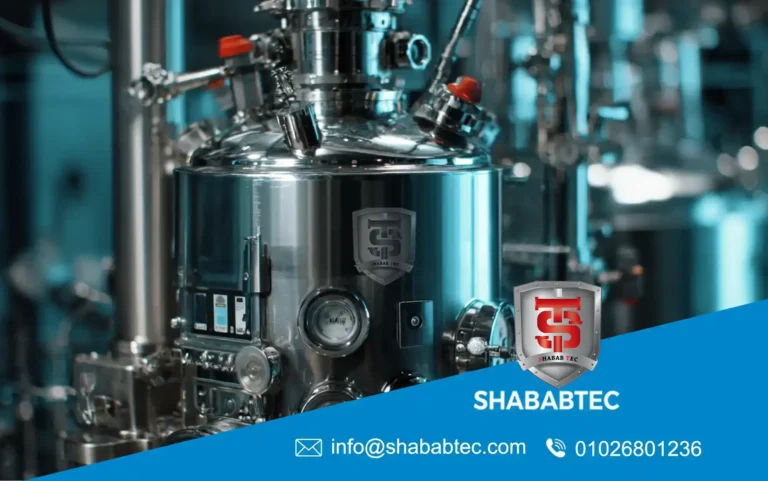
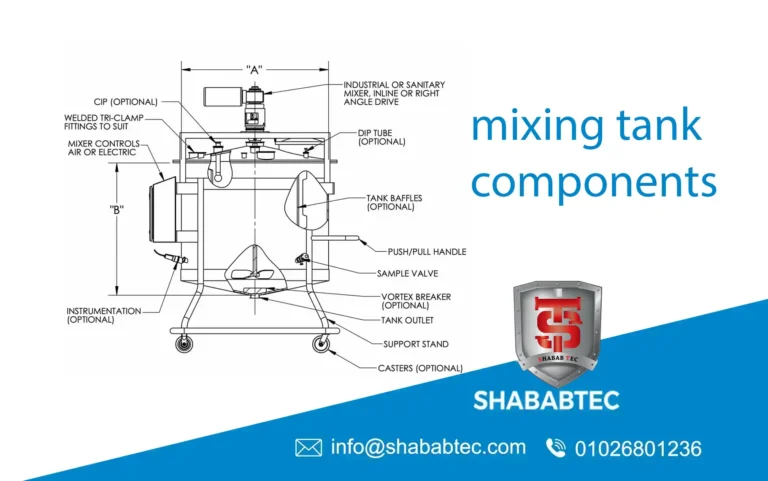
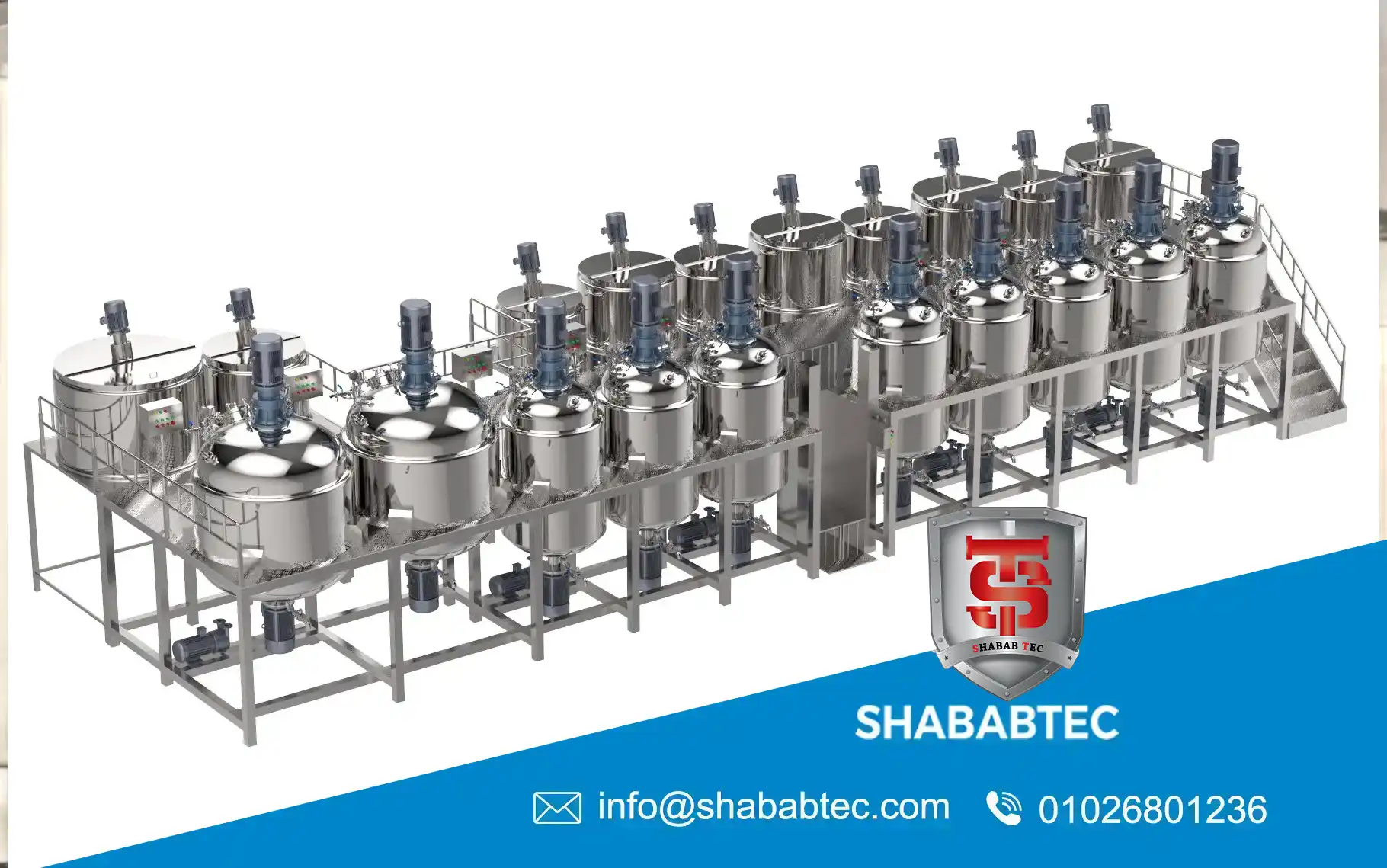
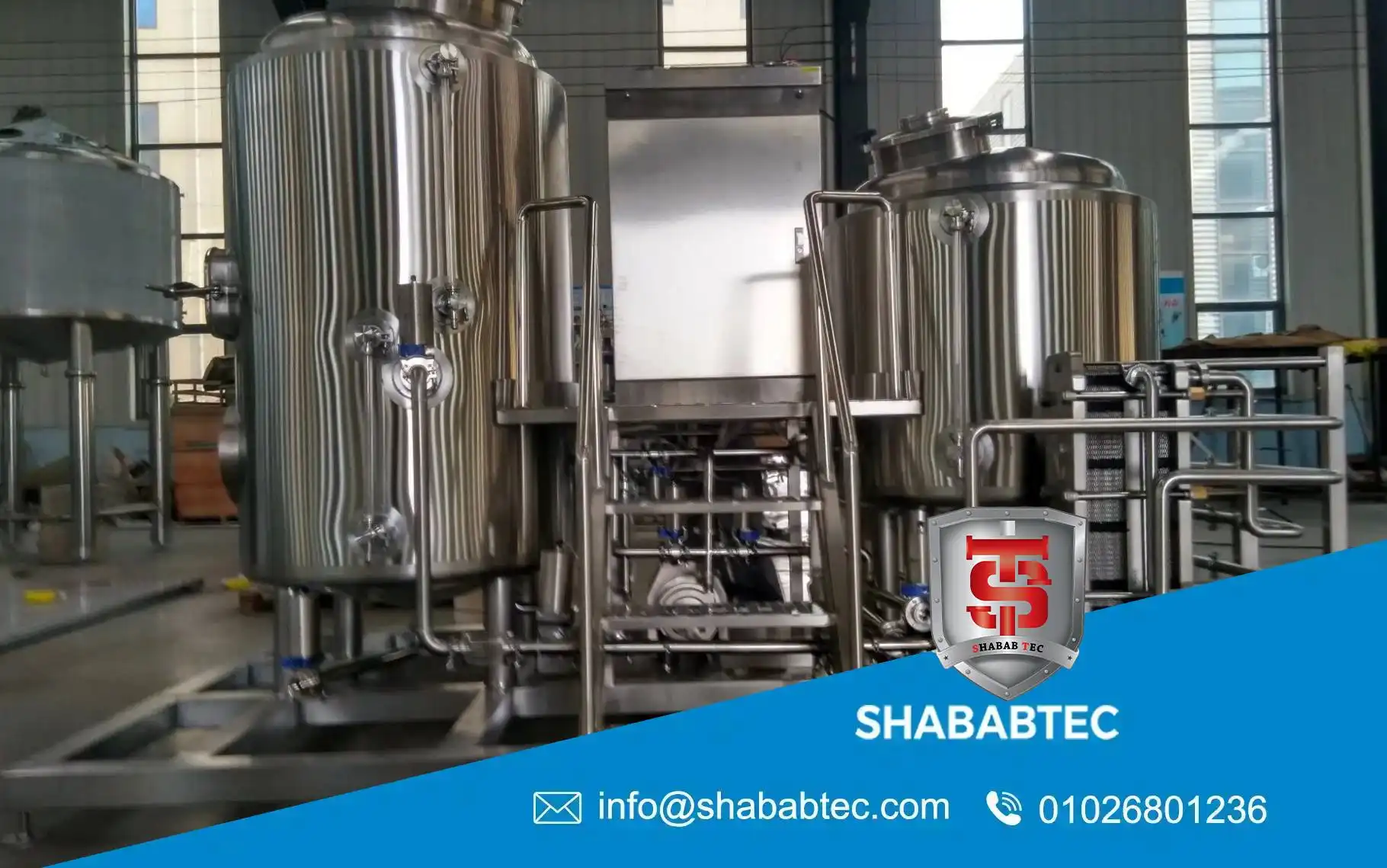
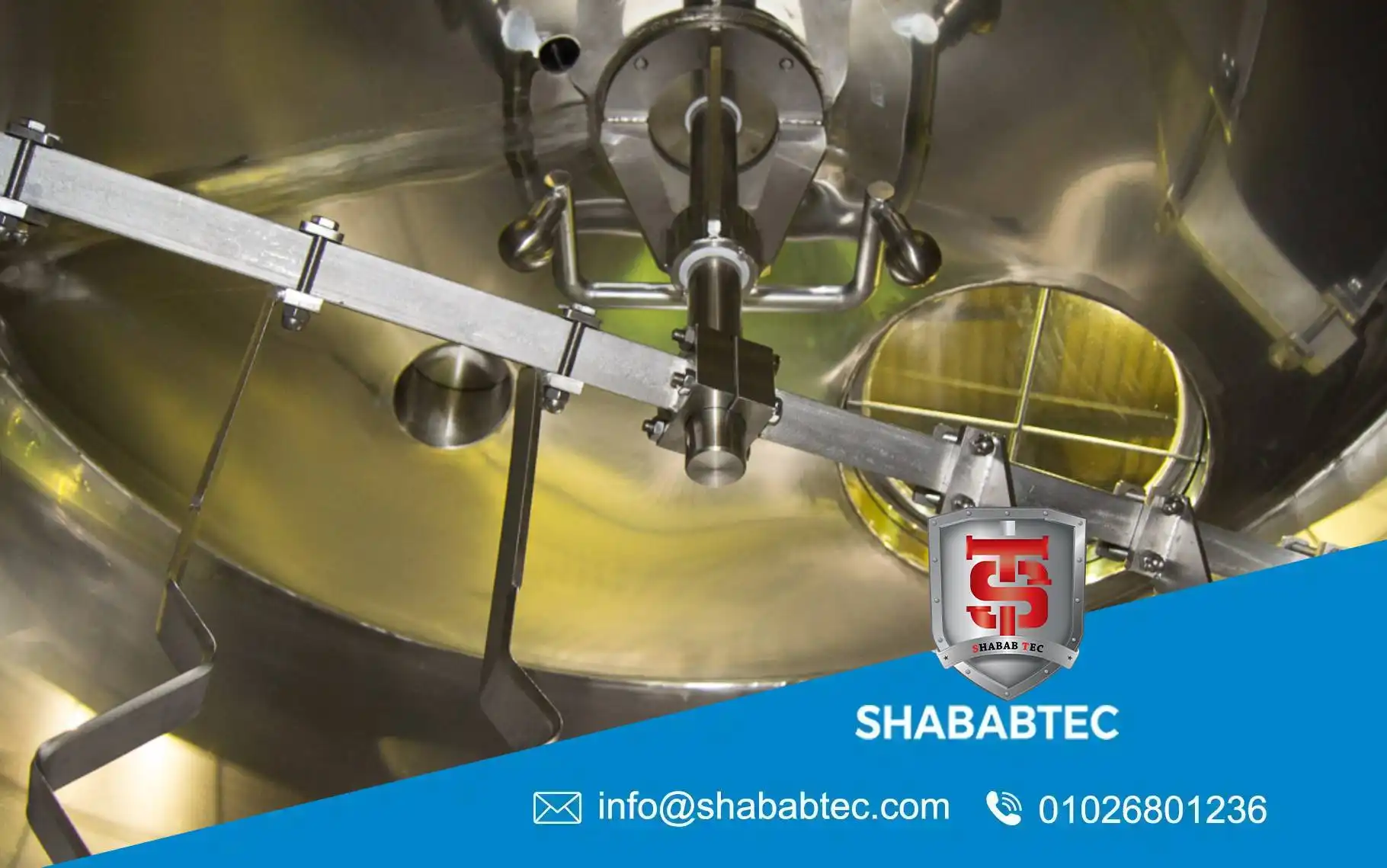
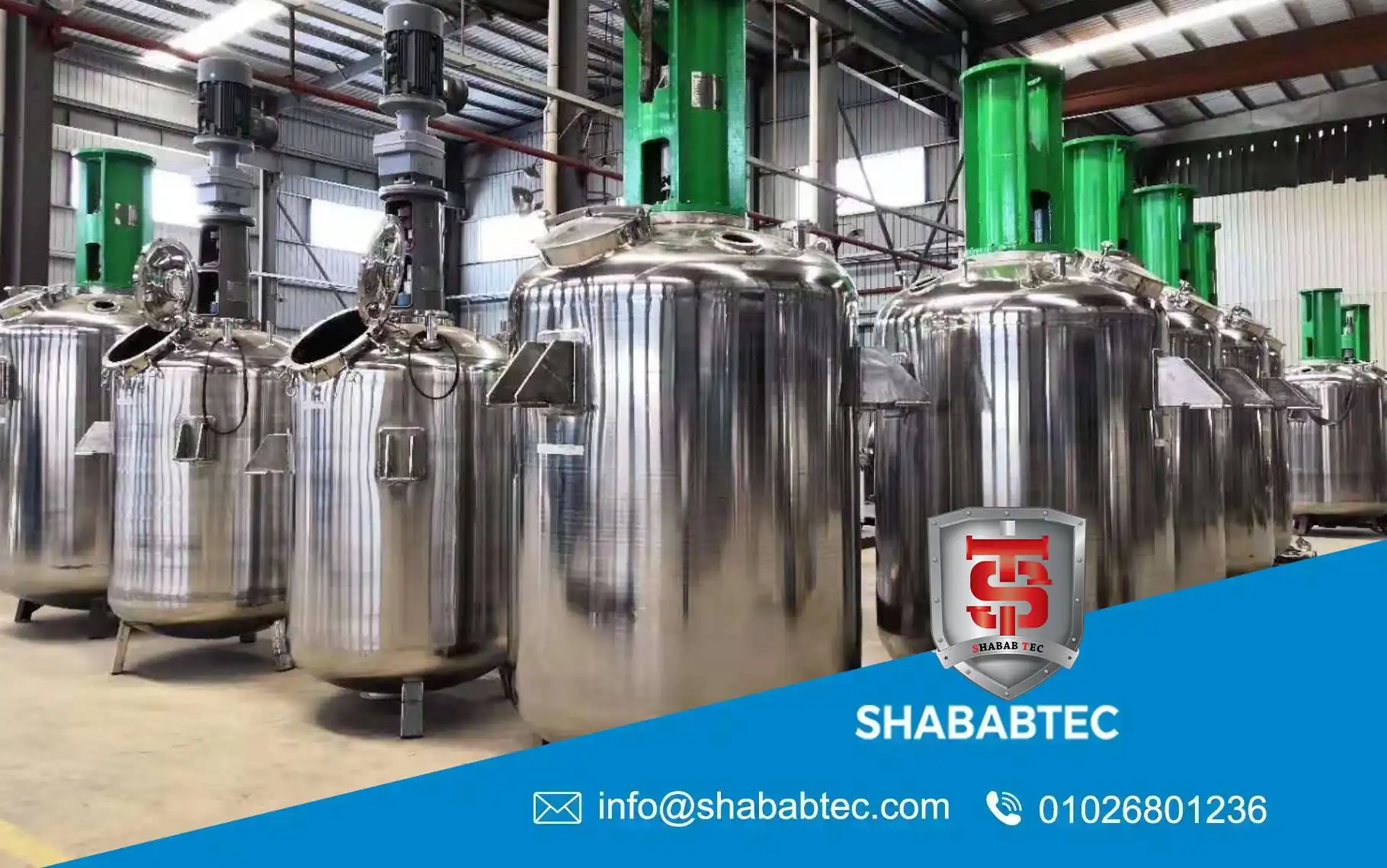
The tank usually includes a stainless steel body, agitator, motor, mixing shaft, blades, heating jacket, discharge valve, temperature control, and sometimes a scraper system or vacuum option depending on the production process.
A mixing tank jam system is different from a basic storage tank because jam needs heating and continuous movement. Without proper mixing, fruit and sugar can stick to the tank wall or bottom, causing burning, uneven texture, and product loss.
Why Jam Production Needs a Professional Jam Mixer
Jam production involves fruit, sugar, pectin, acid, and heat. These ingredients must be mixed carefully to achieve the right consistency, taste, and shelf stability. A weak or unsuitable mixer can affect the final product and slow down the production line.
A suitable jam mixer helps avoid common production issues such as:
- Fruit pieces settling at the bottom
- Sugar not dissolving completely
- Jam sticking to the tank wall
- Burning during heating
- Uneven fruit distribution
- Incorrect final thickness
- Slow discharge from the tank
- Difficult cleaning after production
A well-designed industrial jam mixer supports consistent product texture, better heat distribution, and smoother production from batch to batch.
Main Applications of Jam Mixing Tank
Strawberry Jam Production
A jam mixing tank is widely used for strawberry jam production. Strawberry pieces and pulp need gentle but effective mixing to keep fruit distributed evenly without damaging texture too much.
Apricot Jam Production
Apricot jam usually requires good pulp mixing and controlled heating. A reliable food jam tank helps create a smooth and stable product with consistent color and thickness.
Fig Jam Production
Fig jam can be thick and sticky. The industrial jam mixer should provide enough movement to prevent sticking and burning during heating.
Mixed Fruit Jam Production
Mixed fruit jam includes different fruit textures and sugar levels. A proper mixing tank jam system helps blend all ingredients evenly and maintain stable product quality.
Bakery Fruit Filling
Fruit fillings used in cakes, biscuits, pastries, and desserts need consistent thickness and easy flow. A fruit processing tank can help prepare fillings before transfer to filling or packaging lines.
Dessert Topping and Fruit Sauce
Some factories use a jam mixer to produce fruit toppings and dessert sauces. These products need controlled texture, fruit distribution, and proper heating.
Main Components of a Food Jam Tank
Stainless Steel Tank Body
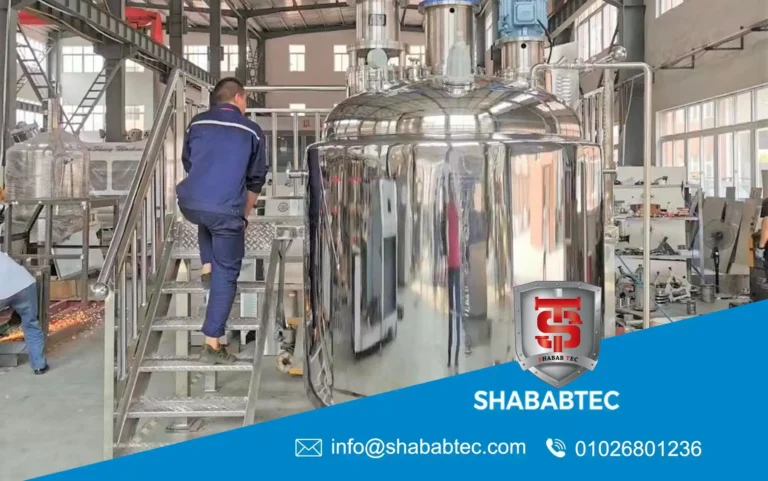
The tank body is the main vessel of the food jam tank. Stainless steel is commonly used in food production because it is hygienic, durable, corrosion-resistant, and easy to clean.
For jam production, smooth internal surfaces are very important because fruit and sugar can stick to rough areas. A smooth tank body helps reduce product buildup and makes cleaning easier after each batch.
Agitator System
The agitator moves the jam mixture inside the tank. It helps distribute fruit, sugar, pectin, and other ingredients while preventing settling or burning.
The agitator type depends on the product texture. Smooth jam may need different movement than jam with fruit pieces. The jam mixer should be strong enough to move thick product but gentle enough to protect fruit texture when needed.
Scraper System
A scraper system is one of the most useful parts of a jam mixing tank. It removes product from the inner wall of the tank and returns it to the mixing zone.
This helps prevent burning during heating, improves heat transfer, and reduces product loss. For sticky products like jam, scraper movement can make production much easier.
Motor and Gearbox
The motor powers the industrial jam mixer. Since jam becomes thick during cooking, the motor must be selected based on final viscosity, batch size, and operating time.
A gearbox may be used to provide slower mixing speed with higher torque. This is useful for thick jam products that need strong but controlled movement.
Heating Jacket
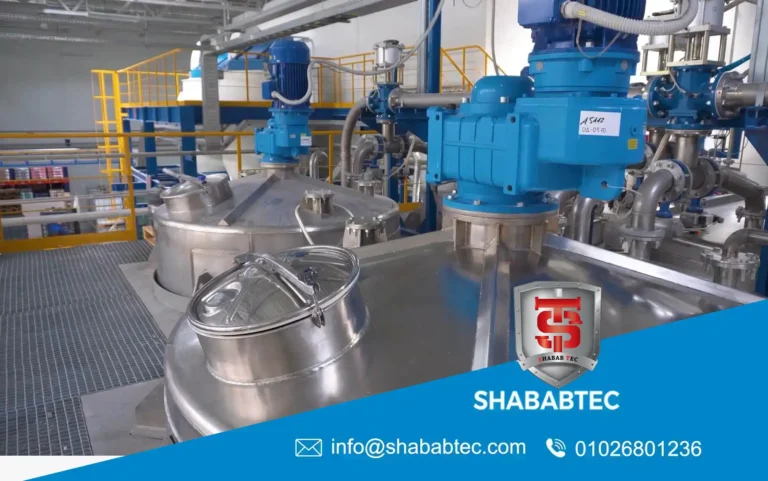
Jam production usually requires heating to dissolve sugar, activate pectin, reduce water content, and develop the final texture. A jacketed fruit processing tank can provide controlled heat through hot water, steam, thermal oil, or electric heating depending on the factory setup.
Controlled heating is important because direct or uneven heat can cause burning, flavor changes, and dark spots in the product.
Cooling Option
Some jam products may need cooling before filling or transfer. A tank with cooling capability can help reduce waiting time and improve production organization.
Temperature Control
Temperature control helps operators manage the cooking process and avoid overheating. Since jam quality depends on the right temperature and time, a controlled mixing tank jam system supports better repeatability.
Discharge Valve
Jam can be thick and sticky, so the discharge valve must be suitable for viscous food products. A bottom discharge valve or pump connection can help transfer jam efficiently to filling or storage.
The discharge design should reduce product waste and make cleaning easier.
Control Panel
The control panel helps operators manage mixer speed, heating, cooling, temperature, and operation time. Clear controls make daily operation easier and help repeat the same process across batches.
Fruit Processing Tank Design for Jam Production
A fruit processing tank used for jam must support fruit handling, sugar dissolving, heating, thickening, and hygienic operation. Fruit products may contain pulp, fibers, seeds, or fruit pieces, so the mixer design should match the required final texture.
Important design points include:
- Food-grade stainless steel contact surfaces
- Smooth internal finish for easy cleaning
- Agitator suitable for fruit and sugar mixing
- Scraper system to reduce burning
- Heating jacket for controlled cooking
- Temperature control during processing
- Discharge valve suitable for thick jam
- Easy access for inspection and cleaning
When these points are included in the tank design, the food jam tank becomes more practical for daily food production.
Mixing Tank Jam System Based on Product Type
Smooth Jam
Smooth jam needs uniform blending and controlled cooking. The mixing tank jam system should help dissolve sugar completely and create consistent thickness without lumps.
Jam with Fruit Pieces
Jam with fruit pieces needs careful mixing. The jam mixer should keep fruit pieces distributed evenly without breaking them too much.
Low-Sugar Jam
Low-sugar jam may behave differently during thickening because sugar affects texture and preservation. A controlled fruit processing tank helps manage heating and mixing more accurately.
Bakery Jam Filling
Bakery jam filling often needs stable thickness and good flow for filling machines. The industrial jam mixer should support uniform texture and easy discharge.
Fruit Topping
Fruit toppings may be more fluid than traditional jam but still require proper fruit distribution. A food jam tank can be designed to handle both thick and semi-fluid fruit products.
Important Factors When Choosing a Jam Production Tank
Fruit Type
Different fruits behave differently during heating. Strawberry, apricot, fig, mango, and mixed fruit all have different pulp texture, sugar level, fiber content, and acidity. The jam mixing tank should be selected based on the fruit type and final product target.
Final Viscosity
Jam becomes thicker as it cooks. The mixer must handle the final viscosity, not only the starting fruit mixture. A strong industrial jam mixer is important for thick products.
Heating Method
Heating must be controlled to avoid burning. A jacketed fruit processing tank is usually better than direct heating because it provides more even heat distribution.
Scraper Requirement
Jam is sticky and can burn if it stays on hot surfaces. A scraper system is highly useful for many jam products, especially thick jam and fruit fillings.
Batch Capacity
The tank size should match daily production needs. Small factories may need compact equipment, while larger factories need higher-capacity food jam tank systems.
Fruit Particle Protection
If the product contains fruit pieces, the mixer should not damage them too much. Gentle but effective mixing is needed to keep product appearance attractive.
Discharge Method
Thick jam may need a larger outlet or pump transfer. Poor discharge design can slow production and increase product waste.
Cleaning Requirements
Jam residue can stick strongly to surfaces after cooling. Smooth stainless steel, scraper movement, and good access points help reduce cleaning time.
Common Problems in Jam Production
Burning During Heating
Burning is one of the most common problems in jam production. It happens when jam sticks to the tank wall or bottom during heating. A jam mixing tank with scraper and controlled heating helps reduce this risk.
Uneven Fruit Distribution
If fruit pieces settle or gather in one area, the final product will not be consistent. A suitable jam mixer helps keep fruit distributed across the batch.
Undissolved Sugar
Sugar must dissolve properly to create stable texture and sweetness. A good food jam tank supports proper sugar dissolving through heating and continuous mixing.
Incorrect Thickness
Jam thickness depends on fruit, sugar, pectin, acid, heat, and mixing. A controlled fruit processing tank helps operators repeat the same process more accurately.
Slow Discharge
Thick jam may not flow easily. A proper outlet or pump connection in the mixing tank jam system helps transfer product faster.
Difficult Cleaning
Jam can stick strongly after cooling. Smooth surfaces and easy access help make cleaning faster and reduce downtime.
Benefits of Using a Professional Industrial Jam Mixer
Using a well-designed industrial jam mixer provides several practical benefits for food factories:
- Better fruit and sugar distribution
- Reduced burning during heating
- More consistent jam texture
- Improved control over final thickness
- Lower product waste
- Easier discharge and transfer
- Faster cleaning between batches
- Better batch-to-batch repeatability
- Improved production speed
- More stable food quality
For factories producing jam regularly, the right equipment can reduce production problems and improve daily workflow.
Jam Mixing Tank in Small and Large Food Factories
Small Batch Production
Small food factories may need a compact jam mixing tank with heating, simple controls, scraper movement, and easy cleaning. This is suitable for local brands, small jam producers, bakeries, and startup food businesses.
Medium Production Lines
Medium factories may need a jam mixer with stronger motor power, larger capacity, better discharge, and temperature control. This supports repeated batches and stable quality.
Large Food Manufacturing
Large factories may need a high-capacity fruit processing tank with heavy-duty mixing, advanced temperature control, pump transfer, and stronger structural design. This supports higher output and smoother production flow.
Food Jam Tank and Food Safety
A food jam tank should be designed with food safety and hygiene in mind. Fruit products can leave sugar residue, fibers, and sticky buildup, so the tank must be easy to clean and inspect.
Important food safety design points include:
- Food-grade stainless steel contact surfaces
- Smooth internal surface finish
- Easy-to-clean discharge valve
- Good access for inspection
- Reduced dead zones inside the tank
- Proper sealing around moving parts
- Material compatibility with cleaning chemicals
- Safe heating system for food products
Good design helps reduce contamination risk and supports cleaner production between batches.
Why ShababTec is a Practical Choice for Jam Mixing Tank Solutions
ShababTec provides stainless steel equipment for liquid and semi-solid preparation, including tanks suitable for jam, sauce, chocolate, syrup, creams, lotions, gels, liquid soap, chemicals, and pharmaceutical products. For factories that need a reliable jam mixing tank, ShababTec can support practical designs based on fruit type, viscosity, batch capacity, heating needs, scraper requirements, discharge method, and daily production workflow.
Instead of choosing a general tank that may not handle sticky fruit products properly, food manufacturers can work with ShababTec to select a suitable mixing tank jam system for real production conditions.
Whether the factory needs a simple jam mixer, a heated food jam tank, or a heavy-duty industrial jam mixer, the equipment should be designed around the product and the production target.
Maintenance Tips for Jam Mixing Tank
Regular maintenance helps keep the jam mixing tank working efficiently and reduces unexpected production stops. Since jam is sticky and heat-processed, cleaning and inspection should be done carefully after each batch.
- Clean the tank before jam residue hardens
- Rinse the discharge valve and outlet line properly
- Check agitator blades for fruit or sugar buildup
- Inspect scraper parts if available
- Monitor motor and gearbox sound during operation
- Check shaft seals and valves for leakage
- Inspect heating jacket connections
- Check temperature sensors regularly
- Inspect stainless steel surfaces for residue or scratches
- Follow a fixed maintenance schedule
Final Thoughts
A jam mixing tank is a key part of modern fruit processing and jam production. The right design helps control heating, texture, fruit distribution, sugar dissolving, discharge, and cleaning while maintaining stable food quality.
Whether your factory needs a jam mixer for fruit jam, a food jam tank for bakery fillings, a fruit processing tank for thick fruit products, or a complete mixing tank jam system, the equipment should be selected according to real product behavior and production needs.
ShababTec offers practical stainless steel solutions for factories that need reliable industrial jam mixer systems and other food processing equipment. A properly designed tank can help food manufacturers produce better jam texture, reduce waste, and improve daily production efficiency.
FAQ – Jam Mixing Tank
What is a jam mixing tank used for?
A jam mixing tank is used to mix, heat, cook, and prepare jam products such as strawberry jam, apricot jam, fig jam, mixed fruit jam, fruit fillings, and dessert toppings.
What is the role of a jam mixer?
A jam mixer blends fruit, sugar, pectin, acid, and other ingredients evenly while helping prevent burning, settling, and uneven texture during production.
Why does a food jam tank need heating?
A food jam tank needs heating to dissolve sugar, activate pectin, reduce water content, and develop the final jam texture.
What makes a good fruit processing tank for jam?
A good fruit processing tank should include food-grade stainless steel, controlled heating, suitable agitation, scraper movement when needed, easy discharge, and easy cleaning.
How do I choose the right industrial jam mixer?
Choose based on fruit type, final viscosity, batch capacity, heating method, scraper requirement, fruit particle protection, discharge method, and cleaning process.
Can one mixing tank jam system produce different fruit products?
Yes, depending on the design, one mixing tank jam system can produce different jam, fruit filling, and topping products if the mixer, heating system, discharge, and cleaning method match each recipe.
See Also: industrial chocolate mixer | steel tank advantages