Stainless Steel Tank Benefits | Hygienic and Corrosion Resistant Solutions for Industrial Mixing
Stainless Steel Tank Benefits | Hygienic and Corrosion Resistant Solutions for Industrial Mixing
Understanding stainless steel tank benefits is important for any factory planning to buy a mixing tank, storage tank, heating tank, cooling tank, or process tank. The material of the tank is not a small detail. It affects hygiene, corrosion resistance, cleaning time, product safety, maintenance cost, equipment lifetime, and daily production performance.
For industries such as food, cosmetics, pharmaceuticals, detergents, chemicals, adhesives, syrups, sauces, creams, gels, ointments, chocolate, jam, and liquid soap, stainless steel is one of the most practical materials used in tank manufacturing. A good stainless steel tank can support stable production, cleaner operation, and better long-term value compared with weak or unsuitable materials.
This guide explains the main industrial tank advantages, why factories need a corrosion resistant tank, when a hygienic mixing tank is important, and how steel tank advantages affect real production. It also shows the most important mixing tank benefits for factories that want reliable equipment and easier operation.
See Also: Industrial Stainless Steel Mixing Tanks – Complete Guide
Why Stainless Steel is Used in Industrial Tanks
Stainless steel is widely used in industrial tanks because it combines strength, clean surface quality, corrosion resistance, and long service life. In many production environments, the tank is exposed to water, heat, cleaning chemicals, raw materials, acids, salts, oils, powders, and daily mechanical operation. The material must handle these conditions without damaging the product or failing quickly.
A stainless steel tank is especially useful when the product touches the internal tank surface directly. This happens in mixing, heating, cooling, storage, emulsifying, dissolving, and processing applications. If the tank material reacts with the product or rusts over time, the final batch quality can be affected.
That is why many factories choose stainless steel when they need safe, durable, and practical equipment for daily production.
Main Stainless Steel Tank Benefits
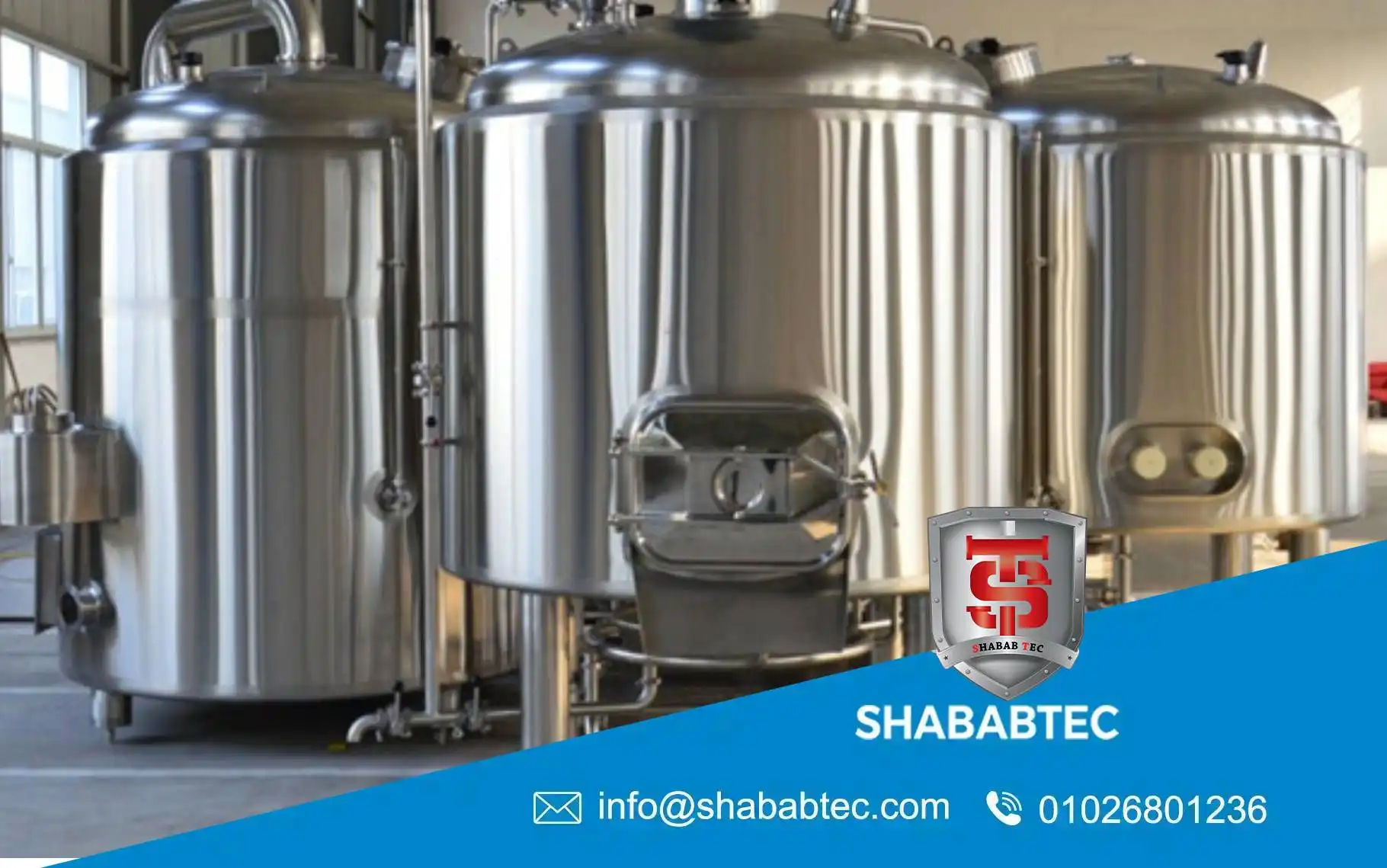
The main stainless steel tank benefits include hygiene, corrosion resistance, strength, easy cleaning, better appearance, and longer equipment life. These benefits are important in both small factories and large industrial production lines.
Stainless steel tanks help factories reduce product contamination risk, improve cleaning speed, handle different formulas, and protect the production line from frequent repairs. The tank may cost more than some lower-grade materials at first, but the long-term value is usually stronger when hygiene and durability matter.
Key benefits include:
- Better corrosion resistance
- Cleaner internal surface
- Easy washing after batches
- Suitable for food and cosmetic products
- Suitable for many pharmaceutical applications
- Strong mechanical structure
- Longer service life
- Professional production appearance
- Lower contamination risk
- Suitable for heating and cooling systems
- Can be polished for smoother surfaces
- Can be customized for different industries
Corrosion Resistant Tank | Why It Matters
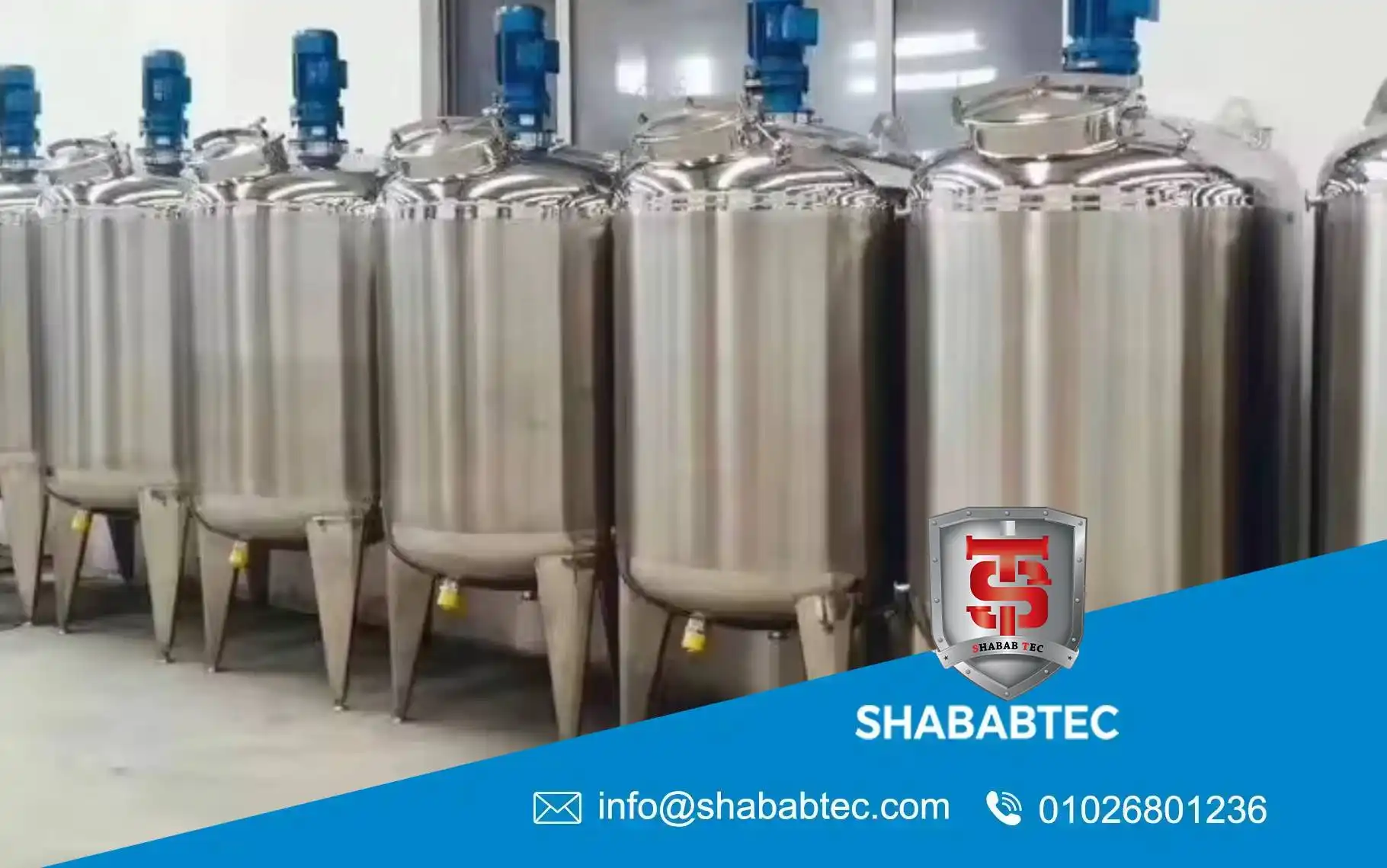
A corrosion resistant tank is important because corrosion can damage both the tank and the product. Rust, pitting, stains, and surface damage can reduce tank life and create cleaning problems. In sensitive industries, corrosion can also create product contamination risk.
Corrosion may happen because of water, salts, acids, alkaline materials, cleaning chemicals, humidity, or unsuitable raw materials. Even if the product is not very aggressive, repeated washing and long daily use can affect weak materials over time.
Using a corrosion resistant tank helps protect the factory from:
- Rust contamination
- Tank surface damage
- Leakage from weak areas
- Hard-to-clean rough spots
- Short equipment lifetime
- Frequent repair cost
- Product quality problems
- Unsafe operation in chemical applications
For more demanding products, stainless steel 316 or 316L may be preferred over 304 because they provide higher corrosion resistance. The right grade depends on the product formula, cleaning method, and operating conditions.
Hygienic Mixing Tank | Cleaner Production for Sensitive Products
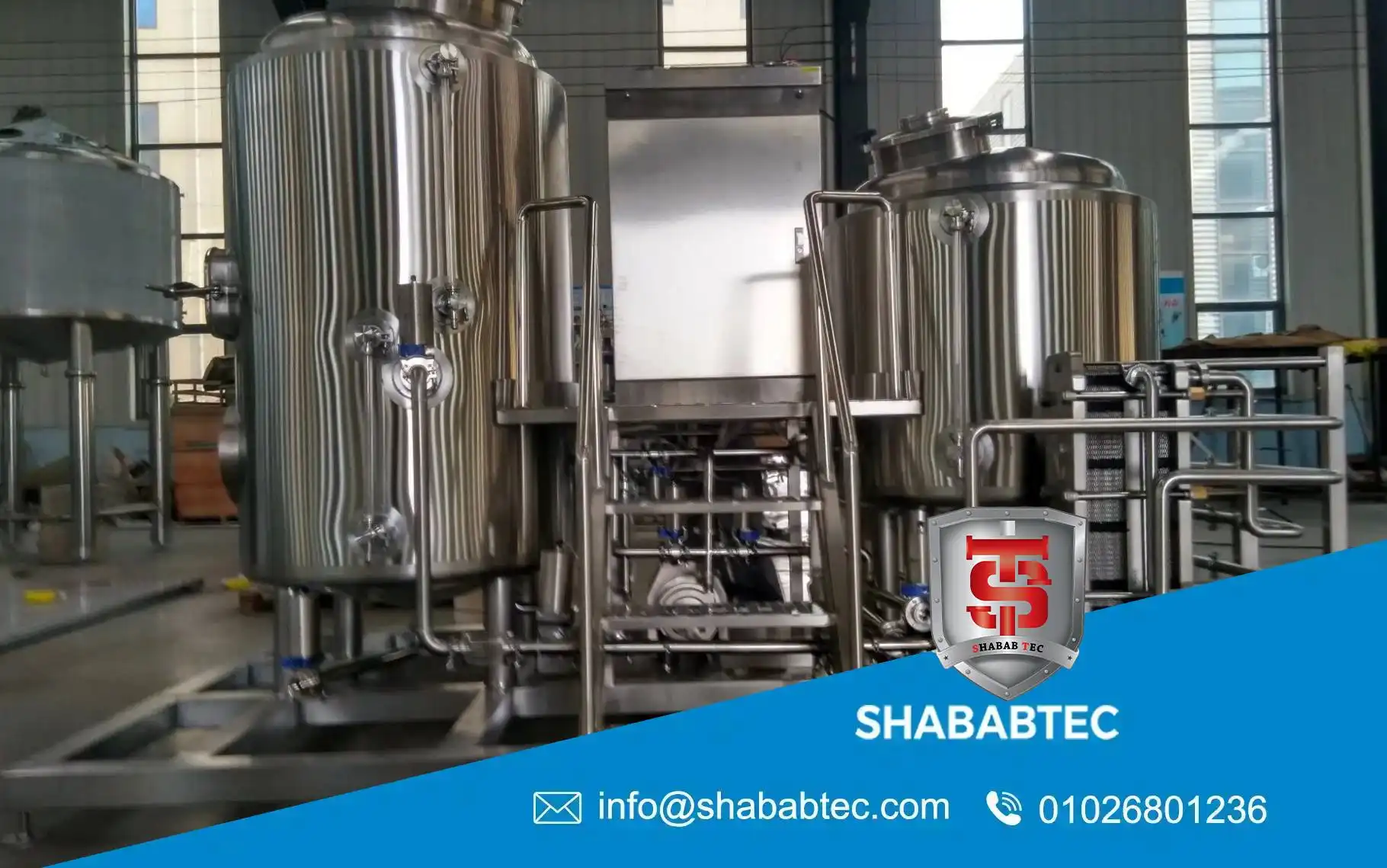
A hygienic mixing tank is designed to support clean production and reduce contamination risk. This is especially important in food, cosmetics, pharmaceuticals, personal care, syrups, creams, lotions, gels, liquid medicine, sauces, and other sensitive products.
Hygiene is not only about washing the tank. It starts from the design and material. A good stainless steel tank should have smooth internal surfaces, clean welding, proper polishing, practical discharge, and easy access for inspection and cleaning.
A hygienic mixing tank helps factories:
- Reduce product buildup
- Clean faster between batches
- Reduce smell or color transfer
- Improve batch safety
- Protect sensitive formulas
- Reduce contamination points
- Improve operator confidence
- Support better production documentation
For sticky products such as cream, syrup, gel, ointment, jam, chocolate, and adhesive, smooth stainless steel surfaces make a clear difference because residue is easier to remove after production.
Industrial Tank Advantages for Daily Production
The most important industrial tank advantages appear during daily operation. A tank is used again and again, sometimes for many batches per day. If the tank is difficult to clean, weak in structure, or unsuitable for the product, production becomes slower and more expensive.
A well-designed stainless steel tank supports:
- Stable mixing performance
- Better product uniformity
- Reduced downtime
- Faster cleaning
- Better resistance to wear
- Cleaner discharge
- Safer operation
- Lower maintenance pressure
- Better compatibility with accessories
- Long-term production reliability
These industrial tank advantages are important for factories that want stable quality and fewer interruptions during production.
Steel Tank Advantages Compared with Lower-Quality Materials
The main steel tank advantages depend on the type of steel used. Stainless steel offers stronger benefits than many lower-quality materials because it resists corrosion better and can be cleaned more effectively.
Compared with painted or coated tanks, stainless steel does not depend on a coating layer to protect the product. Coatings can scratch, peel, or wear over time. If the coating fails, the product may contact the base metal and create corrosion or contamination issues.
Compared with plastic tanks, stainless steel offers stronger mechanical strength, better temperature resistance, better industrial durability, and a more professional process setup. Plastic tanks may be suitable for some simple storage needs, but they are not always the best choice for heating, high-viscosity mixing, hygienic production, or heavy industrial use.
Strong steel tank advantages include:
- Better structural strength
- Better resistance to heat
- Better cleaning and polishing options
- More suitable for agitator mounting
- More suitable for jacketed heating and cooling
- Better long-term durability
- More professional fabrication options
Mixing Tank Benefits for Product Quality
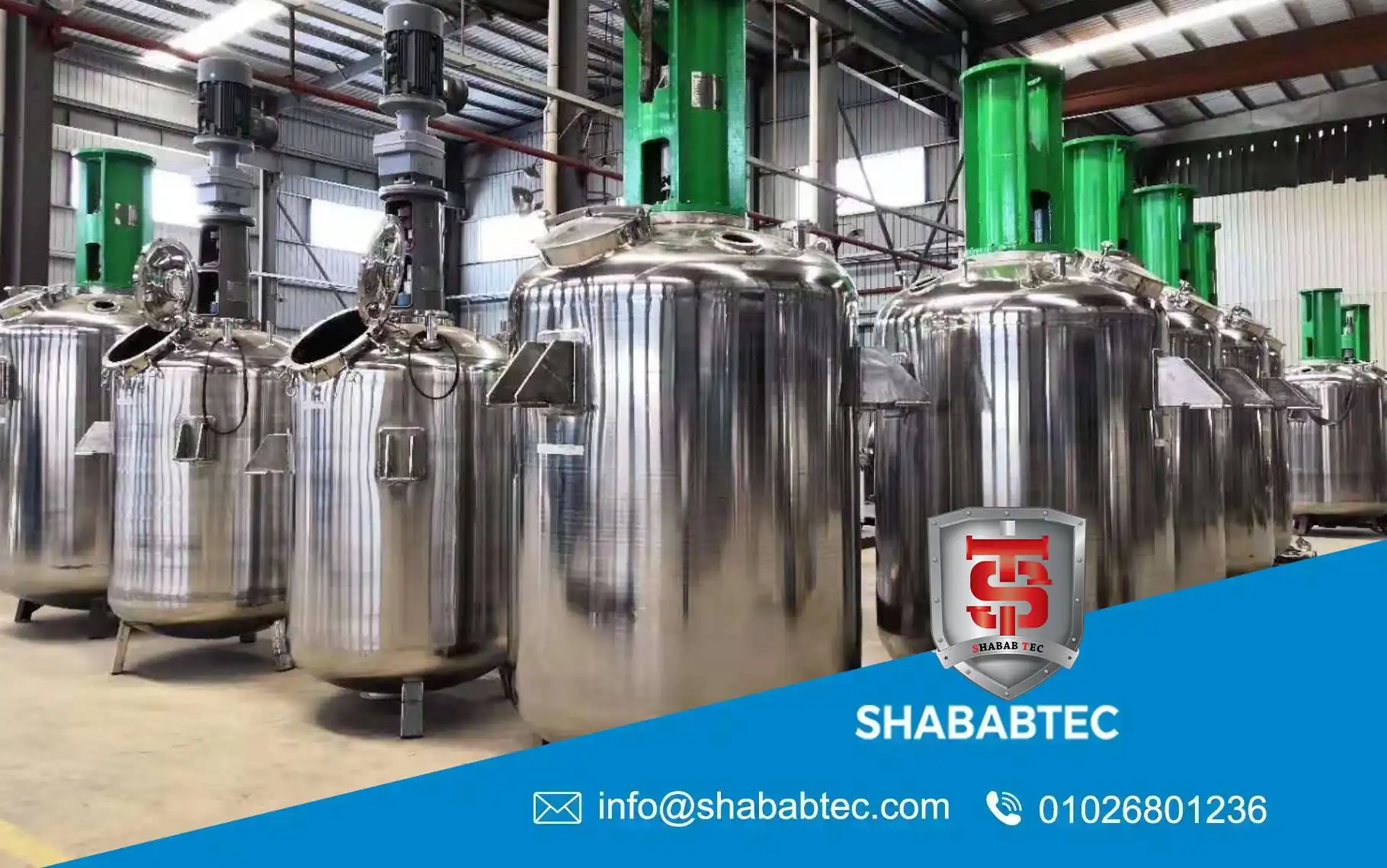
The strongest mixing tank benefits appear in product consistency. When the tank is designed correctly, ingredients move properly, dissolve evenly, disperse better, and produce more stable batches.
A good stainless steel mixing tank can help improve:
- Color uniformity
- Fragrance distribution
- Viscosity control
- Texture consistency
- Powder dispersion
- Ingredient distribution
- Heating and cooling uniformity
- Batch repeatability
For example, a syrup tank can help dissolve sugar evenly. A cream tank can help support emulsification and cooling. A detergent tank can help control foam and viscosity. A paint tank can help disperse pigments. A sauce tank can improve texture and heat distribution.
These mixing tank benefits depend on the full design, not only the stainless steel body. The agitator, motor, gearbox, shaft, blades, heating jacket, cooling jacket, discharge valve, and control panel all affect the final result.
Stainless Steel Tank Benefits in Food Production
Food production needs clean equipment, easy washing, and product-safe contact surfaces. Stainless steel tanks are commonly used for sauce, syrup, chocolate, jam, fruit filling, dairy-like products, dressings, and liquid food processing.
Important stainless steel tank benefits in food production include:
- Clean product-contact surface
- Easy removal of sticky food residue
- Suitable for heating and cooling
- Good resistance to water and cleaning
- Strong body for daily production
- Better appearance inside the production area
For products such as jam, chocolate, and sauce, a stainless steel tank can be designed with a scraper system to reduce sticking and burning during heating.
Stainless Steel Tank Benefits in Cosmetic Production
Cosmetic production often includes creams, lotions, gels, shampoo, liquid soap, conditioners, emulsions, and personal care products. These products need clean surfaces, controlled mixing, and easy cleaning between fragrances, colors, or formulas.
A hygienic mixing tank is important in cosmetic production because product feel, smell, color, and texture can be affected by residue from previous batches.
Useful benefits include:
- Better cleaning between formulas
- Reduced fragrance transfer
- Smooth internal surface for creams and gels
- Suitable for homogenizer and scraper systems
- Supports heating and cooling for emulsions
- Good appearance for professional cosmetic factories
For creams and lotions, stainless steel tanks can support emulsifying, homogenizing, vacuum, heating, cooling, and scraper movement depending on production needs.
Stainless Steel Tank Benefits in Pharmaceutical Production
Pharmaceutical production needs higher control over hygiene, cleaning, and material compatibility. Stainless steel tanks are used for syrup, liquid medicine, ointments, gels, creams, and semi-solid products.
In this sector, corrosion resistant tank design is important because the equipment must protect the product and maintain clean internal surfaces. Stainless steel 316 or 316L may be selected for more demanding applications depending on the formula and production requirements.
Key advantages include:
- Cleaner product-contact surfaces
- Better resistance to cleaning chemicals
- Support for controlled mixing
- Suitable for smooth internal finishing
- Better durability for repeated batches
- Reduced risk of product contamination from rust
Stainless Steel Tank Benefits in Chemical Production
Chemical production includes detergents, paint, coatings, adhesives, fertilizers, industrial cleaners, and chemical solutions. These products can be demanding because they may contain solvents, salts, surfactants, pigments, fillers, or active chemical ingredients.
The right stainless steel grade should be selected according to product compatibility. A corrosion resistant tank can reduce damage and protect equipment lifetime in many chemical processes.
Useful benefits include:
- Better resistance to many liquid chemical formulas
- Strong structure for industrial operation
- Suitable for agitators and high-shear systems
- Easy cleaning after chemical batches
- Can be customized for heating or cooling
- Can support safe discharge designs
For paint and coatings, the tank may need a high-shear mixer or disperser. For adhesives, it may need high torque and scraper movement. For detergents, it may need foam-controlled mixing.
How Stainless Steel Supports Easy Cleaning
Easy cleaning is one of the strongest stainless steel tank benefits. Smooth stainless steel surfaces reduce product buildup and make washing faster. This is important because cleaning time affects production time and labor cost.
A tank that is difficult to clean can slow the factory after every batch. It can also increase the risk of color transfer, smell transfer, contamination, and product rejection.
Good stainless tank cleaning depends on:
- Smooth internal polishing
- Clean welding
- Proper discharge slope
- Easy access openings
- Suitable valves
- No unnecessary dead zones
- Compatible cleaning chemicals
- Proper rinsing after cleaning
For a hygienic mixing tank, cleaning design should be planned before fabrication, not treated as an afterthought.
How Stainless Steel Supports Heating and Cooling
Many production processes need heating or cooling. Stainless steel tanks can be fabricated with jackets, insulation, heating connections, cooling connections, and temperature sensors.
Heating may be needed for syrup, chocolate, jam, gelatin, cream, ointment, adhesive, wax-like materials, and some chemical formulas. Cooling may be needed before filling, before adding heat-sensitive ingredients, or after emulsification.
Stainless steel is suitable for these processes because it can handle industrial fabrication and controlled heat transfer. This is one of the important industrial tank advantages for factories that need process control, not only storage.
How Stainless Steel Helps with Long-Term Cost
Some buyers compare tanks only by purchase price. However, long-term value is more important. A stainless steel tank may cost more at the beginning, but it can reduce future costs when it is designed correctly.
Long-term steel tank advantages include:
- Lower corrosion risk
- Less product contamination risk
- Fewer coating repairs compared with coated tanks
- Longer equipment life
- Better cleaning efficiency
- Higher durability in daily use
- Better support for future product changes
The right tank can reduce downtime, cleaning labor, product waste, and repair cost. This makes stainless steel a practical investment for many factories.
See also: Stainless Steel vs Carbon Steel Tank Material Guide
How to Choose the Right Stainless Steel Tank
To get the full mixing tank benefits, the factory should choose the tank based on the product and production process. A standard tank may not be enough for every application.
Before buying, ask:
- What product will be mixed or stored?
- Is the product liquid, semi-liquid, cream, gel, paste, or suspension?
- What is the product viscosity?
- Does the product need heating?
- Does the product need cooling?
- Does the product contain salt, acid, solvent, or aggressive chemicals?
- Does the product need hygienic processing?
- What stainless steel grade is suitable?
- Does the tank need a scraper system?
- Does the process need homogenizing or high shear?
- How will the product be discharged?
- How will the tank be cleaned?
- What batch capacity is required?
These answers help define tank grade, thickness, agitator type, motor power, jacket system, discharge valve, polishing level, and cleaning access.
Common Mistakes When Buying Stainless Steel Tanks
Choosing Stainless Steel Without Checking the Grade
Not all stainless steel is the same. Stainless steel 304, 316, and 316L have different corrosion resistance levels. The right grade depends on the product and cleaning chemicals.
Focusing Only on Price
A low price may mean thinner steel, weak welding, poor polishing, or unsuitable accessories. Buyers should compare technical specifications, not only cost.
Ignoring Cleaning Access
A tank can be made from stainless steel but still be difficult to clean if the design has dead zones, poor valve placement, or rough internal welding.
Ignoring Product Viscosity
Thick products need stronger mixing systems, better discharge design, and sometimes scraper movement. The stainless tank body alone is not enough.
Forgetting Heating or Cooling Needs
If the product needs temperature control, the tank should be designed as a jacketed system from the beginning.
Using the Same Tank Design for Every Product
Different products need different designs. A detergent tank is not the same as a cream tank, and a syrup tank is not the same as a paint tank.
Why Choose ShababTec for Stainless Steel Tanks?
ShababTec provides stainless steel equipment and industrial mixing systems for liquid and semi-solid production. The company supports factories working with food, cosmetics, pharmaceuticals, chemicals, detergents, adhesives, sauces, syrups, creams, gels, ointments, chocolate, jam, fertilizers, and other industrial products.
1. Product-Based Tank Design
ShababTec helps factories choose tank designs based on real product behavior. This includes viscosity, texture, temperature needs, corrosion risk, cleaning method, and discharge process.
2. Practical Stainless Steel Fabrication
ShababTec can support stainless steel tank fabrication with suitable grade, structure, polishing, welding, valves, agitator design, and process connections according to production requirements.
3. Support for Hygienic Mixing Tank Applications
For food, cosmetics, and pharmaceutical products, ShababTec can help design tanks with smooth surfaces, practical cleaning access, suitable valves, and hygienic operation needs.
4. Corrosion Resistant Tank Selection
For chemical, detergent, salt-rich, acidic, or demanding products, ShababTec can help review material compatibility and suggest a suitable corrosion resistant tank design.
5. Complete Mixing Solutions
ShababTec can provide tanks with agitators, motors, gearboxes, heating jackets, cooling jackets, scrapers, homogenizers, vacuum options, and control panels depending on the product and process.
Maintenance Tips to Protect Stainless Steel Tank Benefits
To keep the tank working properly for years, factories should maintain and clean stainless steel tanks correctly. Good maintenance protects the surface and keeps the tank hygienic.
- Clean the tank after every batch
- Use cleaning chemicals suitable for stainless steel
- Avoid rough tools that scratch internal surfaces
- Rinse cleaning chemicals completely
- Inspect welds and corners regularly
- Check valves and discharge outlets for residue
- Do not leave salty or acidic residue inside the tank
- Inspect the tank for stains or corrosion spots
- Check agitator blades and shaft seal
- Follow a fixed maintenance schedule
These habits help protect the tank surface, reduce downtime, and maintain product quality.
Final Thoughts
The main stainless steel tank benefits include hygiene, corrosion resistance, durability, easy cleaning, strong structure, and long-term value. For factories that need reliable production, stainless steel tanks are a practical choice across food, cosmetic, pharmaceutical, chemical, detergent, adhesive, and semi-solid applications.
A good stainless steel tank provides many industrial tank advantages, especially when it is designed according to the product and process. A corrosion resistant tank protects equipment lifetime, while a hygienic mixing tank supports cleaner production and easier washing.
To get the full steel tank advantages and real mixing tank benefits, the tank should be selected based on product viscosity, material compatibility, heating or cooling needs, agitator design, discharge method, and cleaning requirements. ShababTec can support factories with practical stainless steel tank solutions designed for real industrial production.
FAQ – Stainless Steel Tank Benefits
What are the main stainless steel tank benefits?
The main stainless steel tank benefits include corrosion resistance, hygiene, easy cleaning, strong structure, long service life, and suitability for many food, cosmetic, pharmaceutical, and chemical applications.
What are the most important industrial tank advantages?
Important industrial tank advantages include stable production, better product handling, easier cleaning, lower contamination risk, stronger structure, process customization, and long-term durability.
Why do factories need a corrosion resistant tank?
Factories need a corrosion resistant tank to protect against rust, pitting, leakage, contamination, surface damage, and short equipment lifetime caused by water, salts, acids, chemicals, or cleaning agents.
What is a hygienic mixing tank?
A hygienic mixing tank is a tank designed with clean product-contact surfaces, smooth finishing, proper welding, easy cleaning access, and suitable materials for sensitive production.
What are the main steel tank advantages?
The main steel tank advantages include strength, durability, heat resistance, professional fabrication options, support for agitators, and suitability for industrial heating, cooling, and mixing systems.
What are the most useful mixing tank benefits?
The most useful mixing tank benefits include better ingredient distribution, improved texture, stable viscosity, uniform color and fragrance, reduced batch variation, and easier product discharge.
See Also: mixing tank explained | tank vibration problems