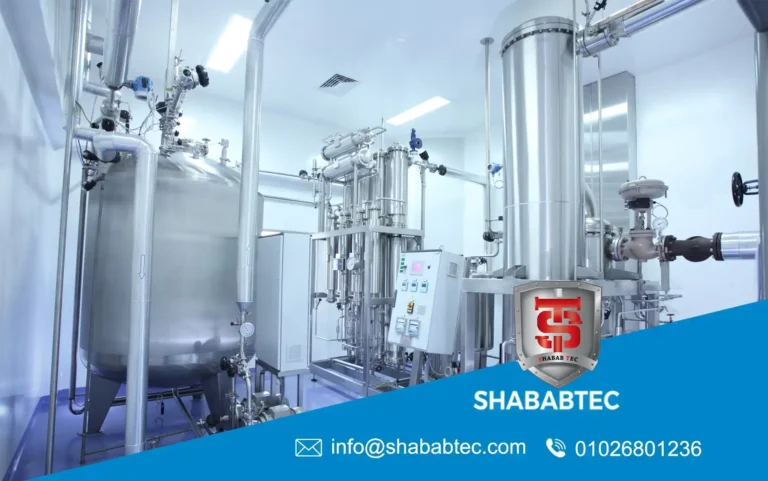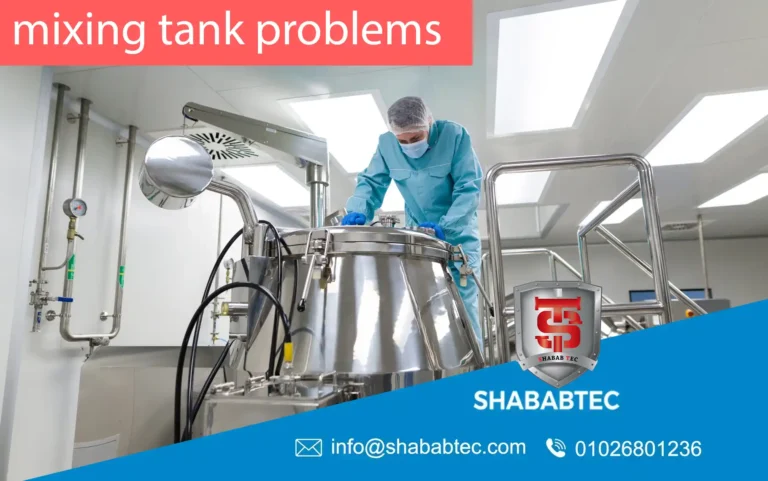
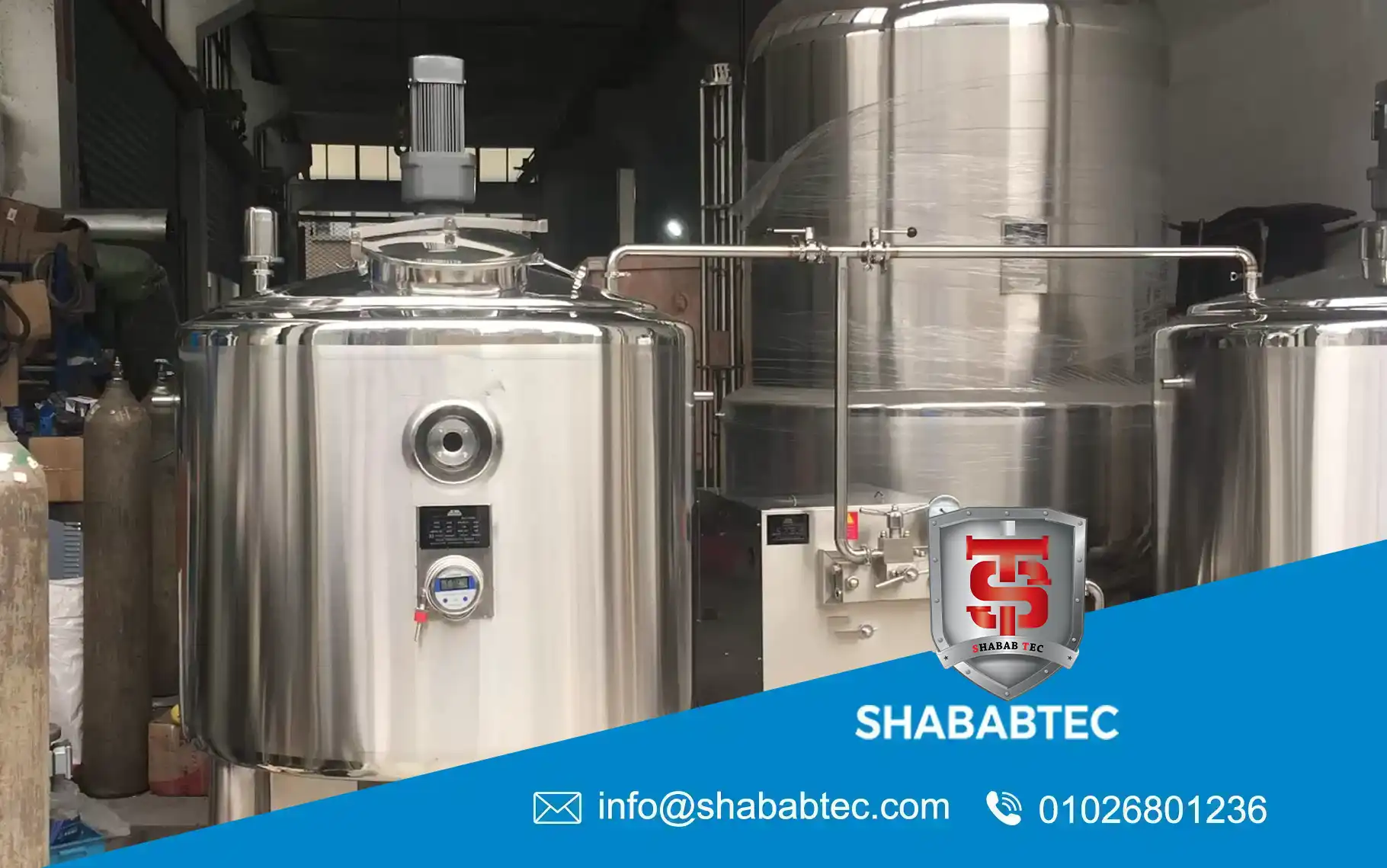
Homogenizer Mixing Tank in Egypt
Homogenizer Mixing Tank Industrial Applications Explained
A homogenizer mixing tank is one of the most important systems used in modern manufacturing where consistency, fine particle size, and stable product texture are required. From cosmetics and pharmaceuticals to food and chemicals, these systems help manufacturers achieve reliable and repeatable results.
At Shababtec, we provide advanced homogenizer mixing tank solutions designed for industrial performance, hygiene, and long-term durability. In this guide, we explain how these systems work, where they are used, and how to choose the right setup.
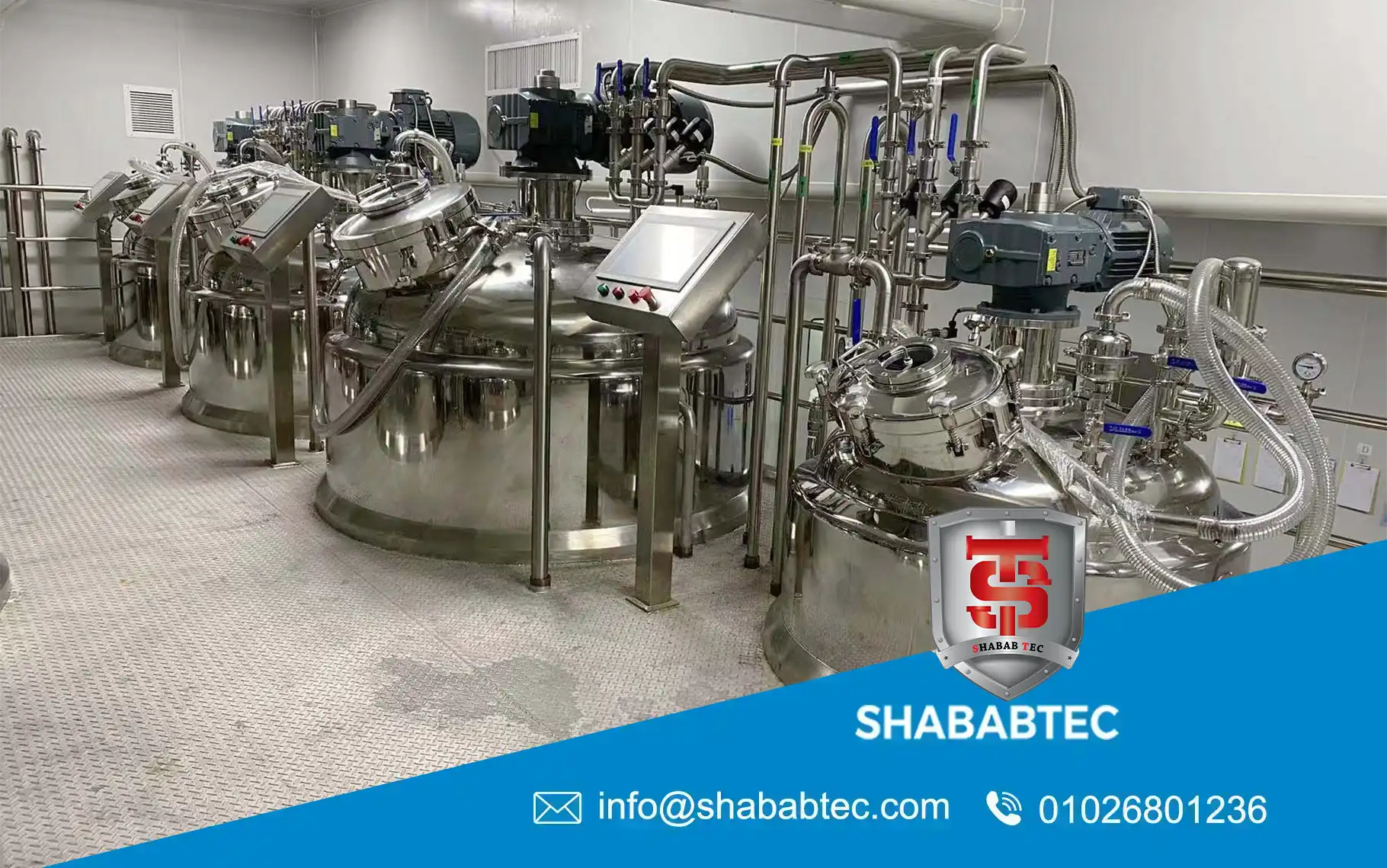
What is a Homogenizer Mixing Tank?
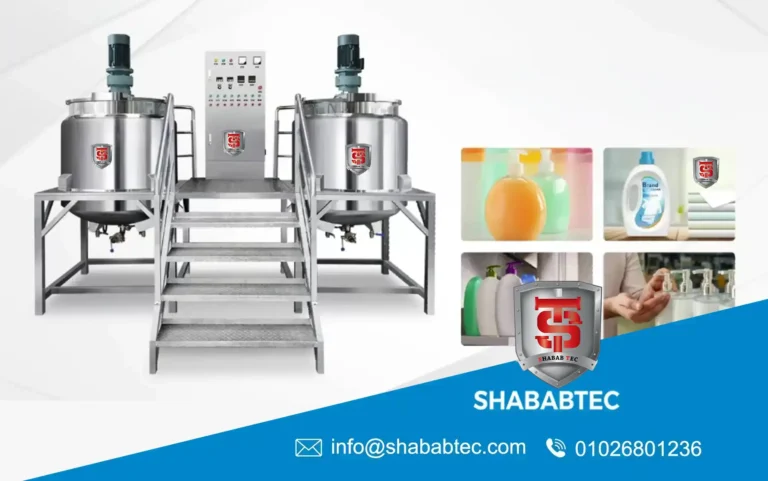
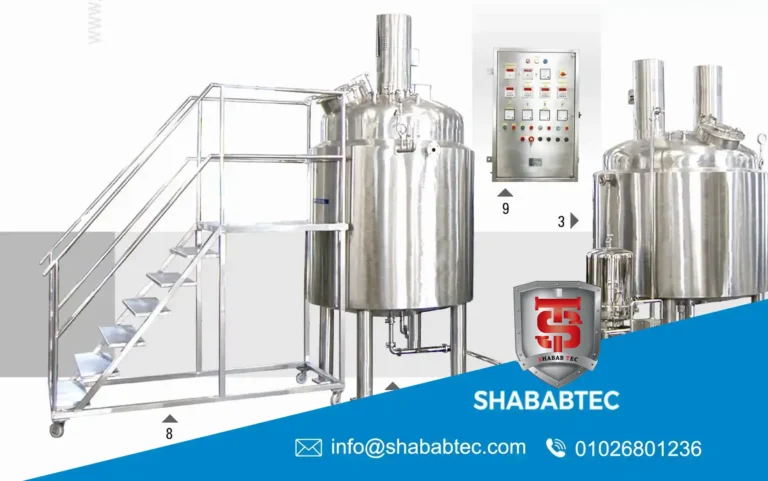
A homogenizer mixing tank is a vessel equipped with a high-speed homogenizing unit that breaks down particles and disperses ingredients evenly throughout the batch.
Unlike standard mixers, a mixing homogenizer creates intense shear force, making it ideal for emulsions, creams, gels, suspensions, and other products that require smooth texture and stable consistency.
Many systems also function as an emulsifier homogenizer, combining mixing and emulsification in one machine.
Image keyword: homogenizer mixing tank stainless steel industrial
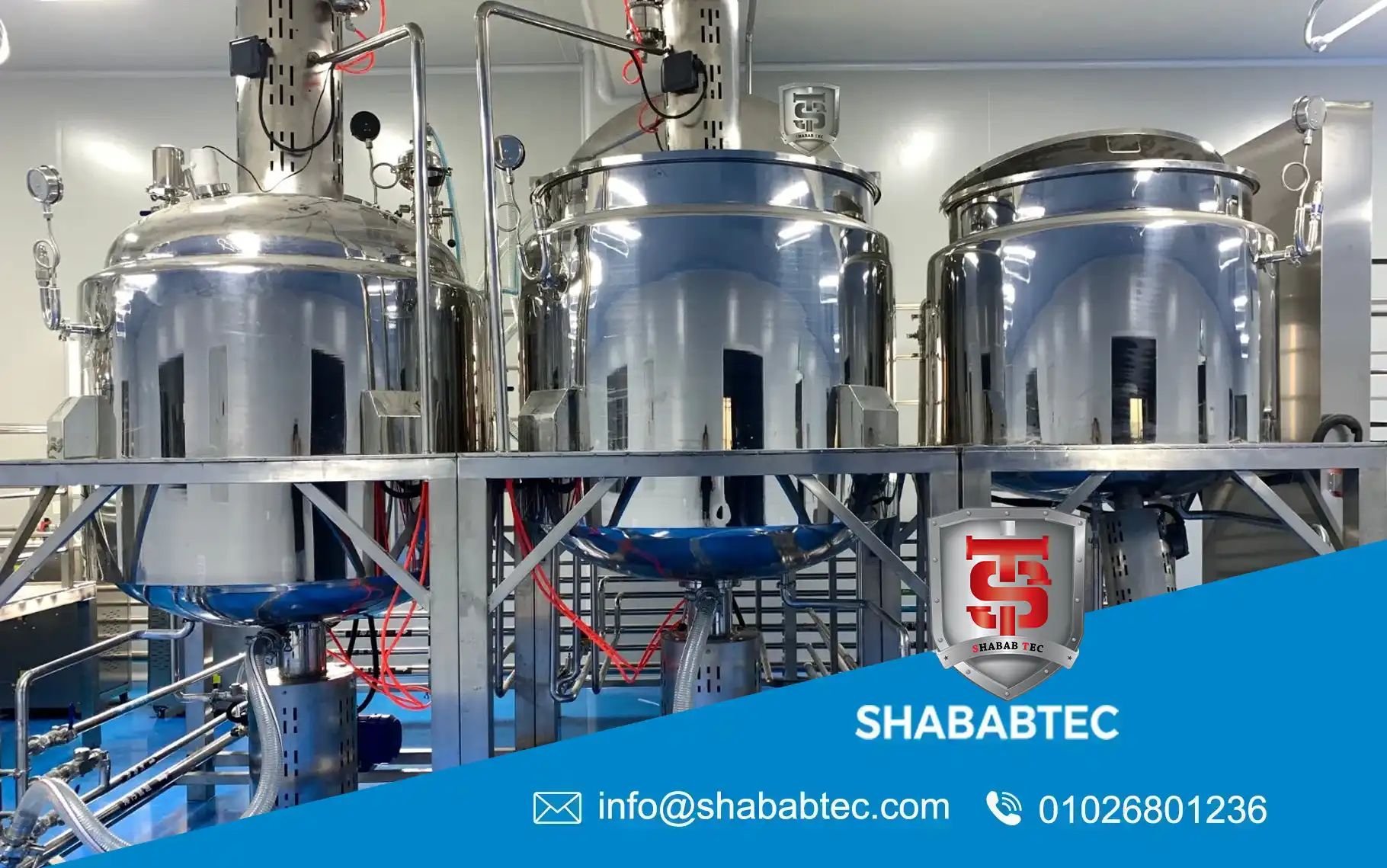
Main Components of a Homogenizer Mixing Tank
- Main stainless steel tank (304 or 316L)
- High-speed homogenizer head
- Agitator or anchor mixer
- Heating and cooling jacket
- Control panel (manual or PLC)
- Optional vacuum system
These components work together to create a powerful emulsifying equipment solution suitable for demanding industrial processes.
How a Mixing Homogenizer Works
A mixing homogenizer works by forcing materials through a rotor-stator system at high speed. This creates:
- Strong shear force
- Particle size reduction
- Uniform ingredient distribution
- Stable emulsions
When integrated with heating or vacuum systems, the homogenizer mixing tank becomes even more effective for sensitive formulations.
Types of Homogenizer Mixing Tanks
1. Standard Batch Homogenizer Mixing Tank
Designed for medium-scale production with reliable homogenizing performance.
- Suitable for creams and liquids
- Cost-effective
2. Vacuum Homogenizer Tank
This type removes air during processing for better texture and longer shelf life.
- Ideal for cosmetics
- Bubble-free results
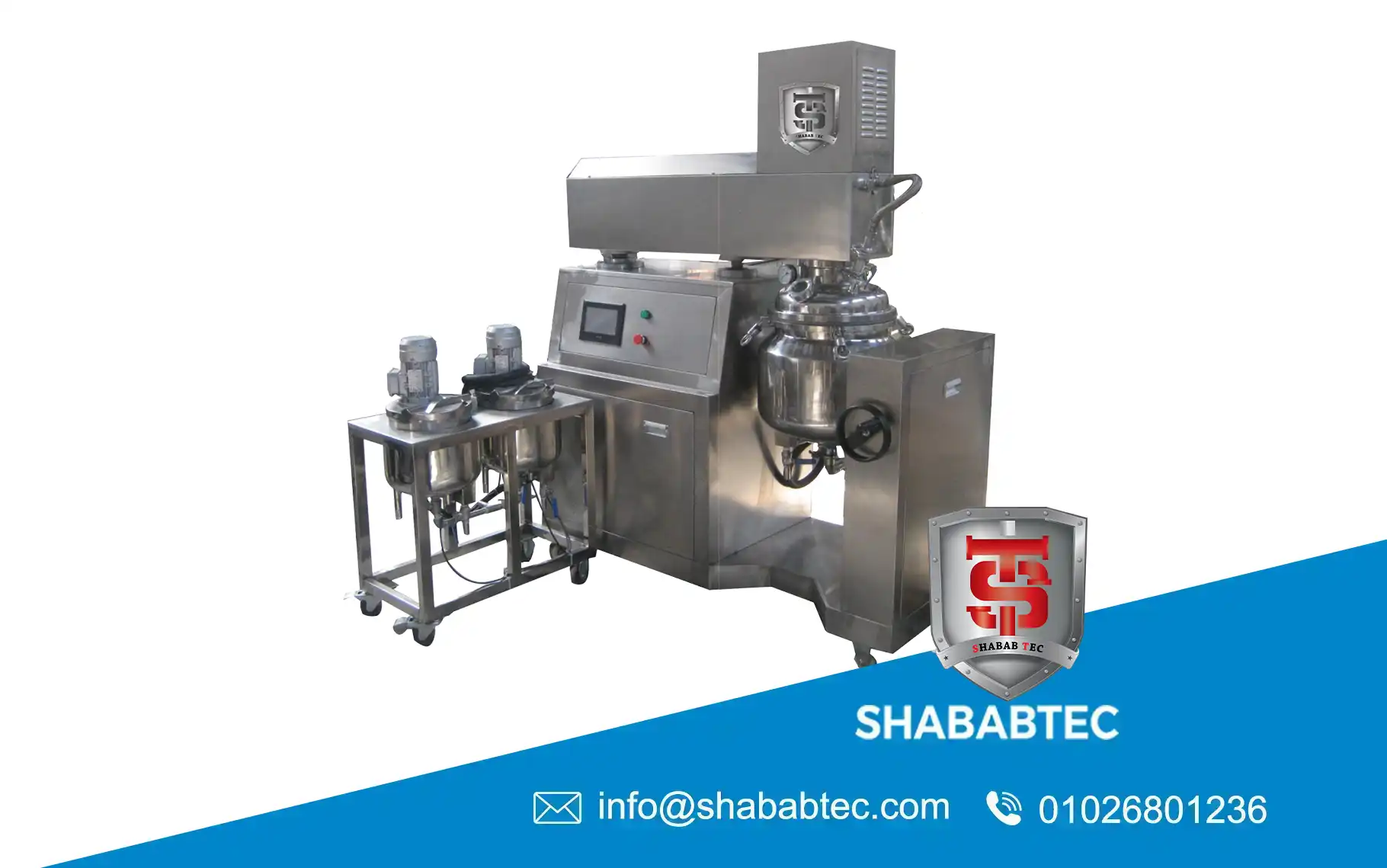
3. High Shear Mixer System
A high shear mixer is used where ultra-fine particle size and fast mixing are required.
- Excellent for emulsions
- Fast processing speed
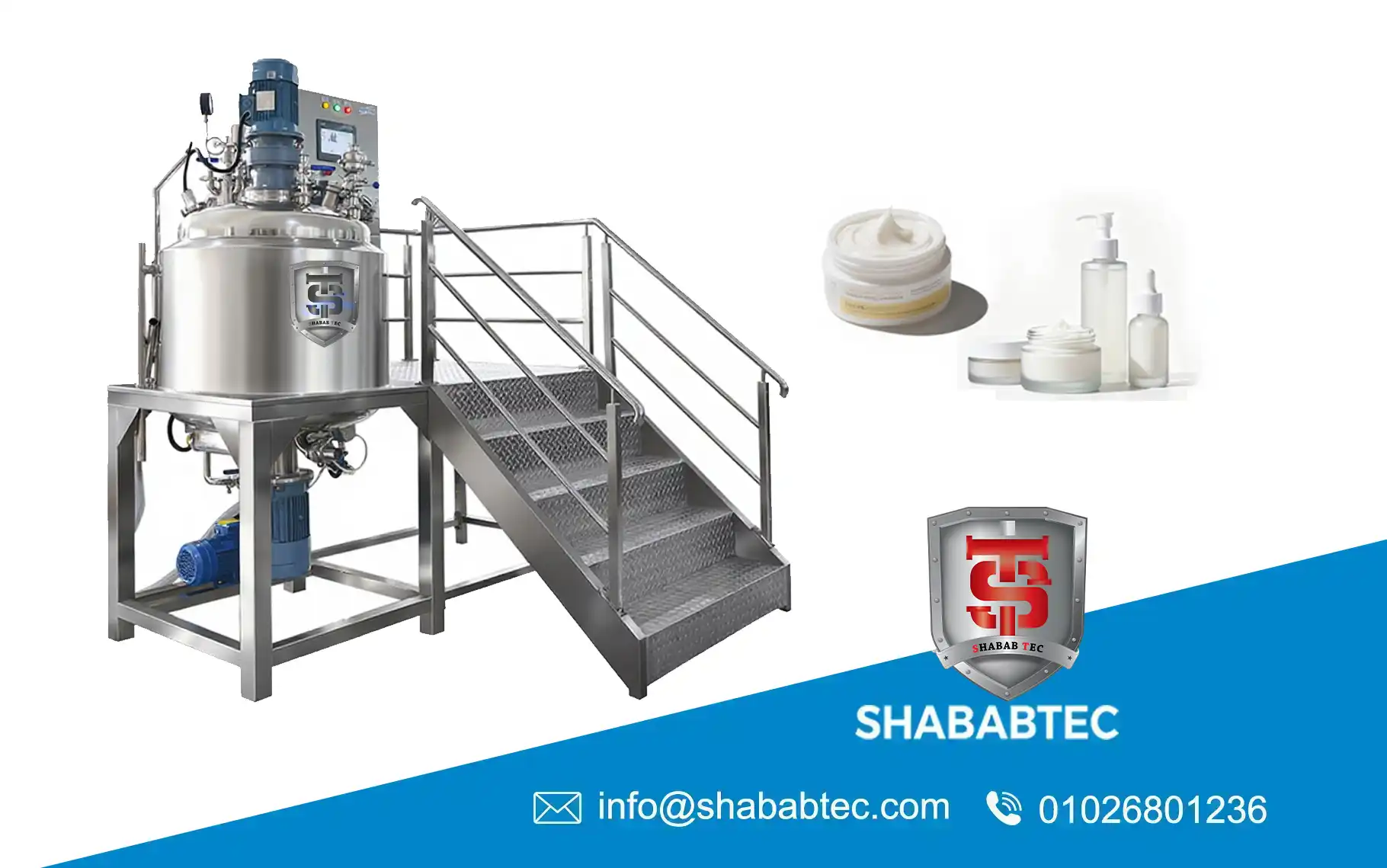
4. Emulsifier Homogenizer Unit
An emulsifier homogenizer is ideal when oil and water phases must be blended into a stable final product.
Industrial Applications of Homogenizer Mixing Tanks
Cosmetics Industry
- Face cream
- Body lotion
- Hair conditioner
- Liquid soap
Pharmaceutical Industry
- Medicinal creams
- Ointments
- Suspensions
- Gels
Food Industry
- Mayonnaise
- Sauces
- Dairy products
- Chocolate fillings
Chemical Industry
- Adhesives
- Detergents
- Paints
- Coatings
These sectors rely on homogenizer mixing tank systems to improve product quality and production efficiency.
Key Benefits of a Homogenizer Mixing Tank
Investing in a high-quality homogenizer mixing tank offers major advantages for industrial manufacturers:
- Improved product consistency
- Smaller and uniform particle size
- Faster production cycles
- Better texture and appearance
- Enhanced product stability
- Reduced waste and rework
For companies producing creams, sauces, gels, or suspensions, a properly selected mixing homogenizer can significantly improve operational efficiency.
Why High Shear Mixing Matters
A high shear mixer is critical when ingredients are difficult to disperse or when emulsions must remain stable over time.
The intense mechanical force helps:
- Break agglomerates quickly
- Blend oil and water phases effectively
- Create smoother finished products
- Shorten processing time
That is why many modern factories replace conventional mixers with advanced emulsifying equipment.
Comparison Table: Standard Mixer vs Homogenizer Mixing Tank
| Feature | Standard Mixer | Homogenizer Mixing Tank |
|---|---|---|
| Particle Size Reduction | Low | High |
| Emulsion Stability | Moderate | Excellent |
| Mixing Speed | Standard | Fast |
| Texture Quality | Average | Smooth |
| Best For | Simple liquids | Creams, gels, emulsions |
How to Choose the Right Homogenizer Mixing Tank
1. Product Type
Identify whether you process creams, liquids, gels, sauces, or chemical products. Different materials require different homogenizing power.
2. Batch Capacity
Choose a homogenizer mixing tank size that matches your daily production target.
3. Viscosity Level
High viscosity products need stronger motors and more efficient agitator designs.
4. Heating or Cooling Need
Some formulations require precise temperature control during mixing.
5. Automation Preference
PLC systems improve repeatability and reduce operator error.
Cost Factors of Homogenizer Mixing Tank Systems
The price of a homogenizer mixing tank depends on several factors:
- Tank capacity
- Stainless steel grade (304 / 316L)
- Homogenizer motor power
- Vacuum option
- Heating and cooling jacket
- Automation level
Although advanced systems may cost more initially, they often reduce long-term production costs.
Why Choose Shababtec?
- Industrial-grade stainless steel construction
- Custom-designed homogenizer mixing tank solutions
- Reliable performance for demanding applications
- Strong support for cosmetics, food, pharma, and chemicals
- Built for durability and easy maintenance
Shababtec delivers professional emulsifier homogenizer systems designed for real production environments.
Frequently Asked Questions (FAQs)
What is a mixing tank?
A mixing tank is an industrial vessel used to blend, dissolve, suspend, or homogenize materials such as liquids, powders, creams, and chemicals. It is commonly equipped with an agitator, motor, and optional heating or cooling systems for controlled processing.
What is the purpose of a homogenizer mixer?
The purpose of a homogenizer mixer is to reduce particle size and distribute ingredients evenly to create a smooth, stable, and uniform product. It is widely used in cosmetics, pharmaceuticals, food, and chemical manufacturing.
What is the working principle of mixing tank?
The working principle of a mixing tank is based on mechanical agitation. An internal mixer or agitator rotates to generate fluid movement, ensuring ingredients are blended evenly. Advanced systems may also include heating, cooling, vacuum, or high shear homogenizing functions.
What apparatus is used for mixing?
The apparatus used for mixing depends on the application. Common equipment includes agitators, paddle mixers, high shear mixers, ribbon blenders, and homogenizer mixing tank systems for industrial production requiring precision and consistency.
Conclusion
A homogenizer mixing tank is an essential solution for industries that require smooth texture, stable formulations, and efficient production. Whether you need a high shear mixer for emulsions or a complete mixing homogenizer system for creams and gels, selecting the right equipment directly impacts product quality and profitability.
For dependable industrial performance, Shababtec offers advanced systems tailored to your process needs.
See Also:
- Vacuum Emulsifying Mixer Working and Industrial Benefits
- Emulsifying Mixing Tank for High Viscosity Products
- Industrial Stainless Steel Mixing Tanks Complete Guide