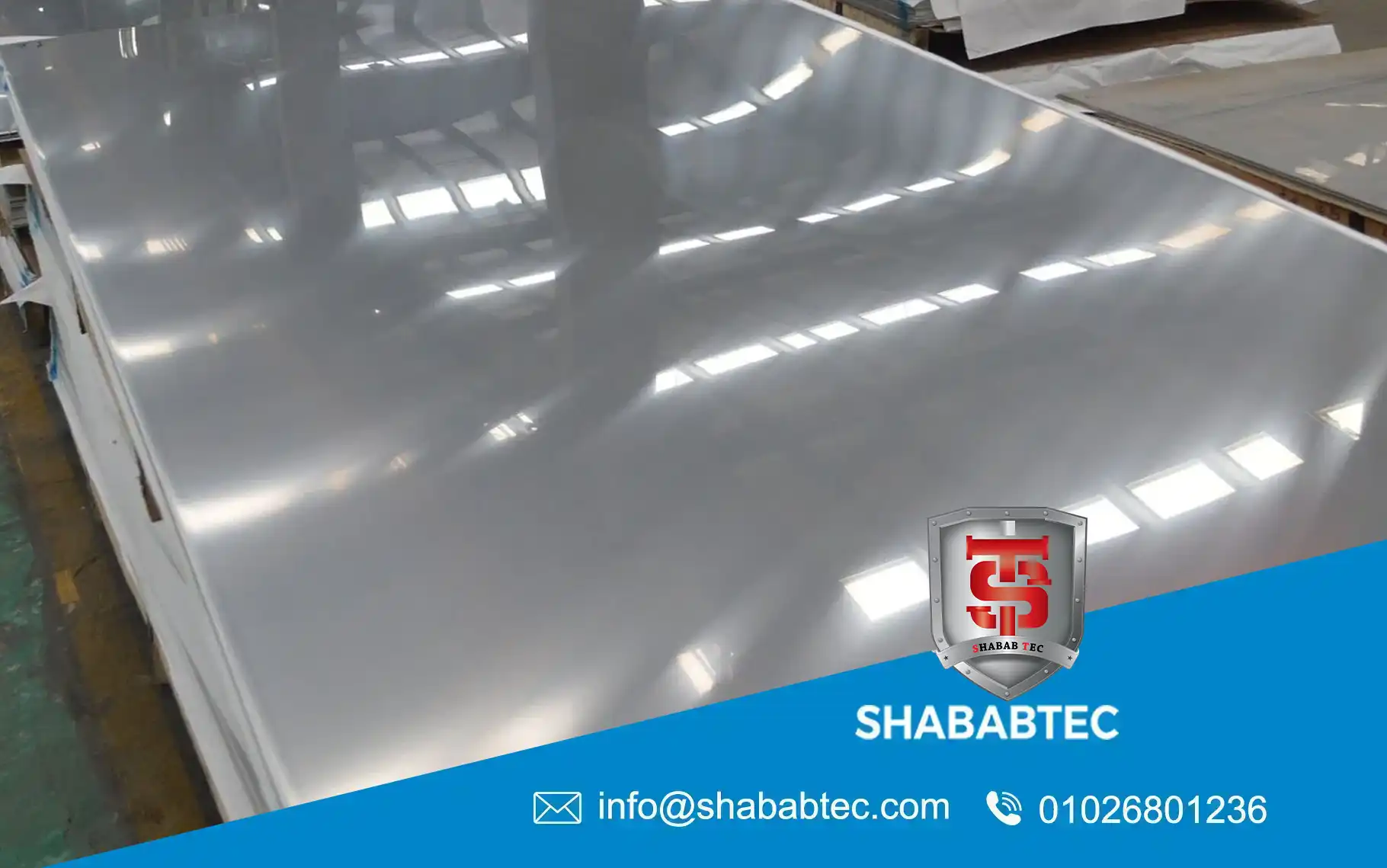
Stainless Steel 304 vs Stainless Steel 316
Stainless Steel 304 vs Stainless Steel 316 for Industrial Mixing Tank Material
Choosing the right mixing tank material is one of the most important decisions when buying an industrial tank. The tank material affects hygiene, corrosion resistance, lifetime, cleaning, maintenance cost, and product safety. For many factories, the choice is usually between stainless steel 304 and stainless steel 316.
Both materials are widely used in industrial equipment, but they are not the same. Some products can work safely with stainless steel 304, while others need the stronger corrosion resistance of stainless steel 316. Understanding the difference helps factories avoid unnecessary cost while still protecting the equipment and the final product.
This guide explains the practical difference between these materials, how to choose the right industrial steel tank, and when a corrosion resistant tank becomes necessary for food, cosmetics, pharmaceuticals, chemicals, fertilizers, adhesives, syrups, and semi-liquid products.
See Also: Industrial Stainless Steel Mixing Tanks – Complete Guide
Why Mixing Tank Material Matters
The mixing tank material is not only about the outside appearance of the tank. It controls how the tank reacts with the product, cleaning chemicals, heat, moisture, and production environment. If the wrong material is used, the tank may suffer from corrosion, staining, surface damage, product contamination, or shorter service life.
In many production lines, the tank is exposed to liquids, powders, acids, salts, oils, detergents, or active ingredients. Some of these materials are mild, while others are more aggressive. That is why the material must be selected according to the actual product formula.
A proper steel tank comparison helps answer an important question: should the factory use stainless steel 304, or is stainless steel 316 the better choice?
What is Stainless Steel 304?
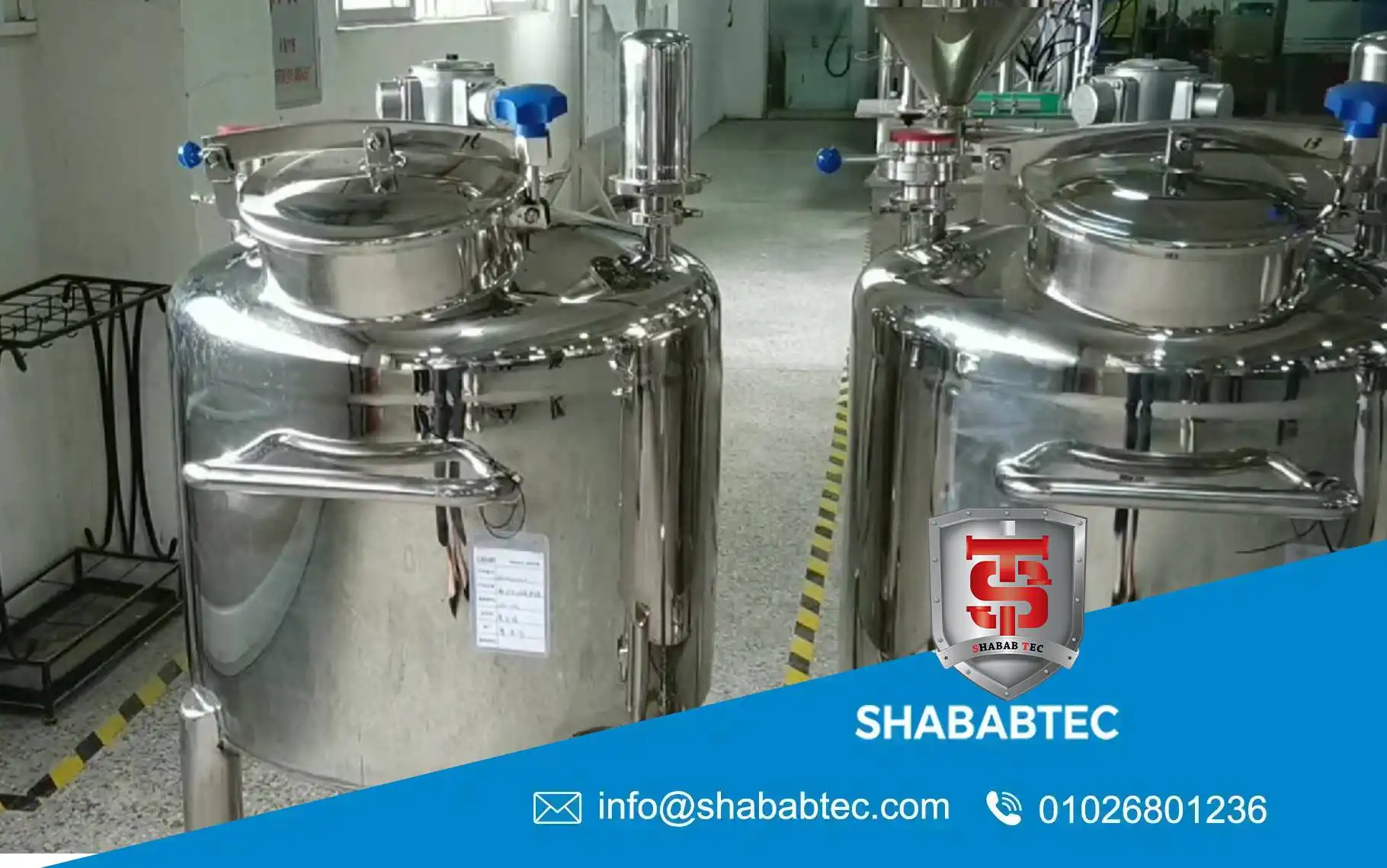
Stainless steel 304 is one of the most commonly used stainless steel grades in industrial tanks. It is known for its good corrosion resistance, strong mechanical performance, and practical cost. Many food, cosmetic, syrup, detergent, and general mixing tanks are made from this material.
Factories choose stainless steel 304 because it is suitable for many standard applications. It performs well with water-based products, many food ingredients, personal care products, and general liquid mixing processes.
For example, a factory producing shampoo, liquid soap, simple syrup, lotion, sauce, or non-aggressive chemical products may often use stainless steel 304 successfully, depending on the full formula and cleaning process.
What is Stainless Steel 316?
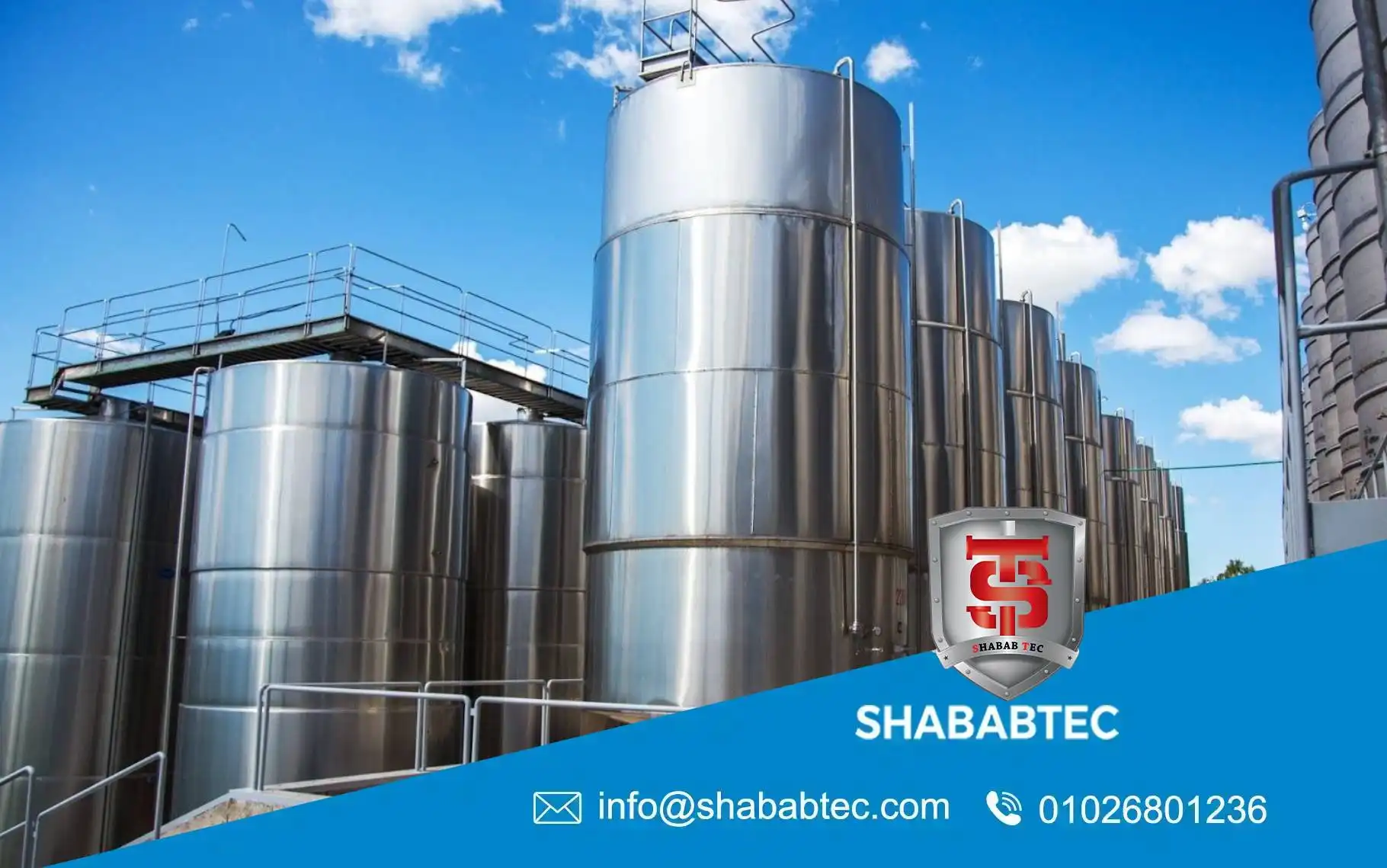
Stainless steel 316 is a higher corrosion-resistant stainless steel grade. It is commonly selected when the product or cleaning process is more aggressive. It is often preferred in pharmaceutical, high-purity, marine, salt-rich, acidic, or more demanding chemical applications.
The main reason factories choose stainless steel 316 is stronger protection against corrosion, especially when the product contains salts, chlorides, acids, or aggressive cleaning materials.
If the production line handles sensitive products, strong chemicals, pharmaceutical liquids, or ingredients that may attack standard stainless steel, stainless steel 316 can be the safer long-term option.
Steel Tank Comparison: Stainless Steel 304 and Stainless Steel 316
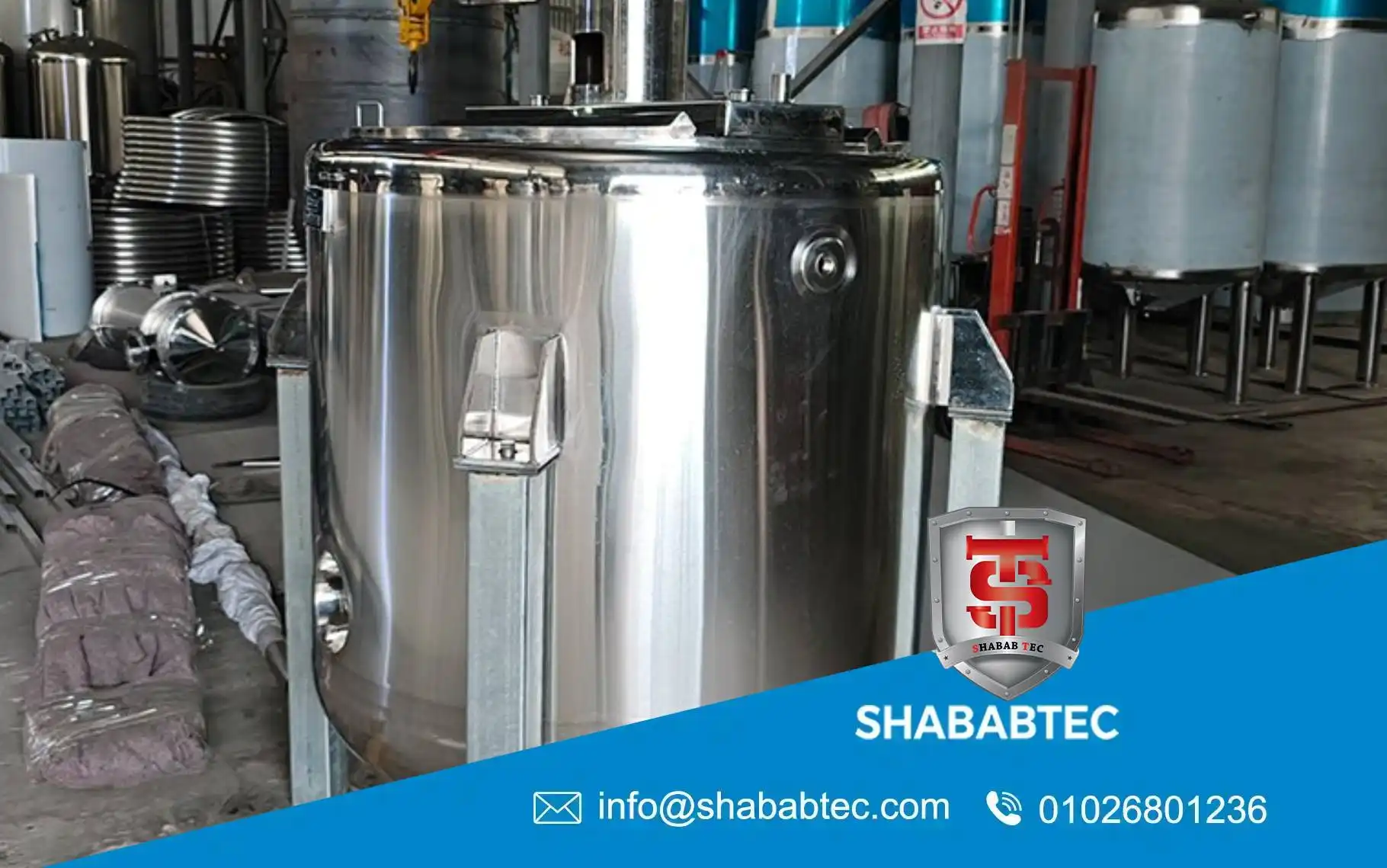
A clear steel tank comparison helps factories understand the practical difference between both materials. The best choice depends on the product, not only the budget.
| Comparison Point | stainless steel 304 | stainless steel 316 |
| General corrosion resistance | Good for many standard applications | Higher resistance in demanding conditions |
| Use with salts and chlorides | Limited compared to 316 | Better choice for salt-rich products |
| Food and cosmetic use | Suitable for many products | Used when higher resistance is needed |
| Pharmaceutical use | May be suitable for some basic processes | Often preferred for stricter production |
| Chemical applications | Suitable for mild chemicals | Better for more aggressive chemicals |
| Cost | Lower cost | Higher cost |
| Long-term protection | Good in normal conditions | Stronger protection in harsh conditions |
This steel tank comparison shows that stainless steel 304 is practical for many industrial tanks, while stainless steel 316 is the better choice when corrosion risk is higher.
When to Use Stainless Steel 304
Stainless steel 304 is suitable for many production lines where the product is not highly corrosive. It is a practical option when the factory needs a strong, hygienic, and cost-effective industrial steel tank.
Common applications for stainless steel 304 include:
- Shampoo production
- Liquid soap production
- Lotions and light creams
- Food sauces
- Simple syrup and sugar syrup
- Water-based mixing processes
- Mild detergent products
- General liquid storage and preparation
For these applications, stainless steel 304 can offer a good balance between performance and cost. However, the final decision should still depend on the exact product formula and cleaning chemicals used in the factory.
When to Use Stainless Steel 316
Stainless steel 316 is the better choice when the tank needs higher corrosion resistance. If the product contains salts, acids, chlorides, active pharmaceutical ingredients, or stronger chemicals, using stainless steel 316 can protect the tank and reduce long-term risk.
Common applications for stainless steel 316 include:
- Pharmaceutical liquids
- Medical syrups and sensitive preparations
- Salt-rich food products
- Acidic products
- Some chemical products
- Fertilizer solutions with aggressive components
- High-purity liquid processing
- Production lines that use strong cleaning chemicals
In these cases, a corrosion resistant tank is not a luxury. It is part of protecting product quality, equipment lifetime, and production stability.
Mixing Tank Material for Food Production
Food production requires hygienic surfaces, easy cleaning, and safe contact with ingredients. For many food applications, stainless steel 304 is suitable, especially for sauces, syrups, chocolate processing, and general liquid food products.
However, some food products are more demanding. Products with high salt content, acidic ingredients, or aggressive cleaning cycles may require stainless steel 316. In this case, the mixing tank material should be selected after reviewing the recipe and cleaning method.
For example, a simple sugar syrup tank may use stainless steel 304, while a tank handling salty or acidic food products may benefit from stainless steel 316.
Mixing Tank Material for Cosmetic Production
Cosmetic production includes creams, lotions, shampoos, gels, liquid soap, and personal care products. Many of these products can be processed in stainless steel 304 tanks, especially when the formula is not aggressive.
For more sensitive formulas, acidic products, high-end cosmetic products, or products requiring higher purity, stainless steel 316 may be the better option.
The correct mixing tank material should support smooth cleaning and reduce the risk of reaction between the product and tank surface.
Mixing Tank Material for Pharmaceutical Production
Pharmaceutical production usually requires stricter hygiene and stronger control over contamination risk. For this reason, stainless steel 316 is often preferred for pharmaceutical tanks, especially for liquid medicine, syrups, ointments, and sensitive products.
Some basic pharmaceutical processes may use stainless steel 304, but the decision should be made carefully based on product requirements, cleaning systems, and quality standards.
When product safety and purity are critical, choosing a corrosion resistant tank made from stainless steel 316 can be a better long-term investment.
Mixing Tank Material for Chemical Production
Chemical production needs special attention because formulas can vary widely. Some mild chemicals can work with stainless steel 304, while others require stainless steel 316 or even special materials depending on chemical compatibility.
Before manufacturing a chemical industrial steel tank, the factory should review the full chemical formula, concentration, temperature, and cleaning chemicals. This helps prevent corrosion and equipment damage.
For paints, adhesives, detergents, and some chemical liquids, the correct mixing tank material depends on the exact raw materials. A general answer is not always enough.
Mixing Tank Material for Fertilizer Production
Fertilizer products may include salts, minerals, acids, or other aggressive components. Because of this, the mixing tank material must be selected carefully.
Some light liquid fertilizer products may be suitable for stainless steel 304, but many chemical fertilizer formulas may need stainless steel 316 or another corrosion-resistant solution.
For a fertilizer production line, choosing a corrosion resistant tank can reduce the risk of tank damage, leakage, and product contamination.
Corrosion Resistant Tank: Why It Matters
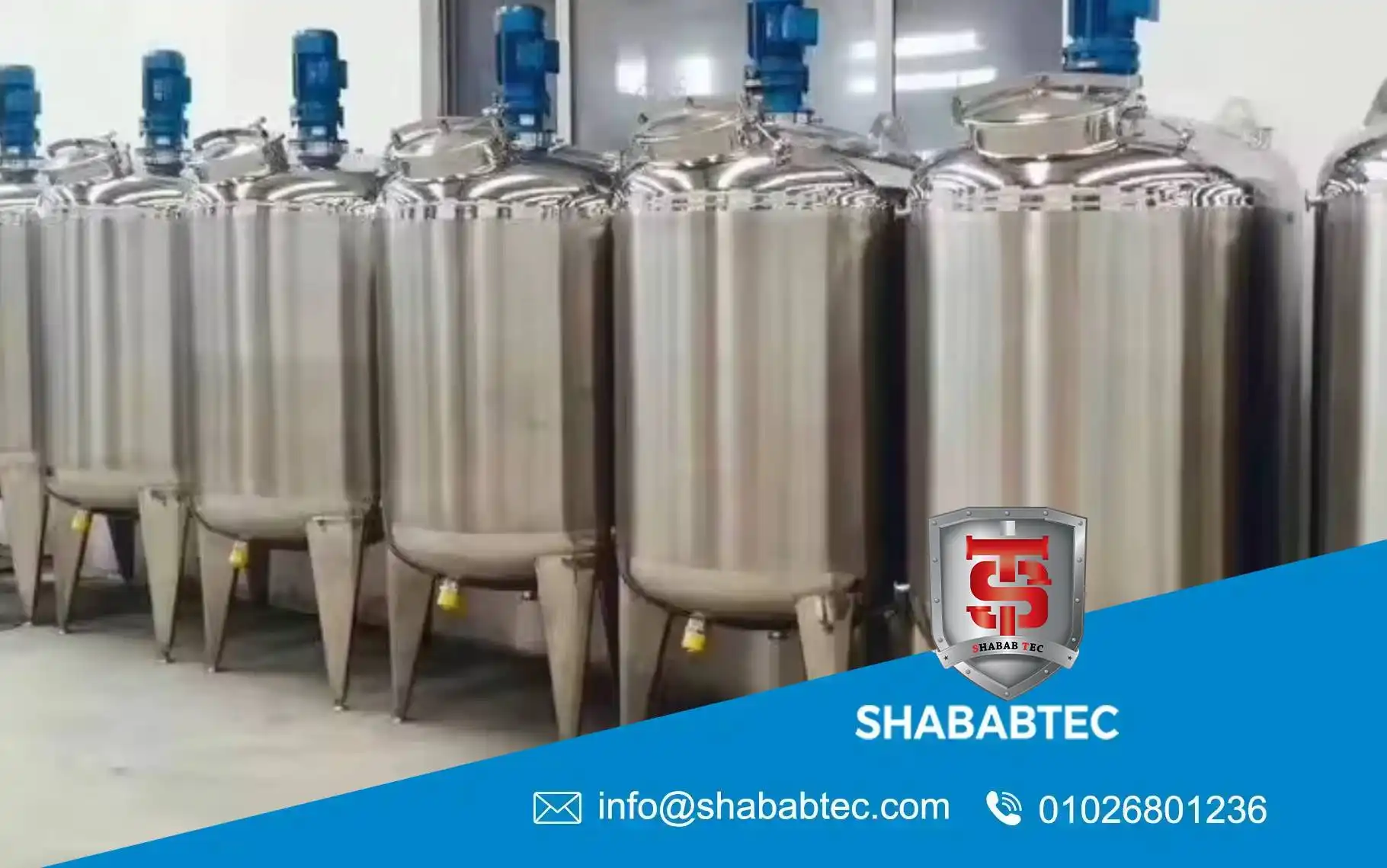
A corrosion resistant tank is designed to handle products or environments that may attack normal steel surfaces. Corrosion is not only a cosmetic problem. It can affect tank strength, product safety, cleaning quality, and equipment lifetime.
Signs of poor corrosion resistance may include:
- Rust spots or surface staining
- Pitting on the inner tank surface
- Rough internal surface after cleaning
- Contamination risk
- Shorter tank lifetime
- Leakage in severe cases
Choosing the right mixing tank material from the beginning is usually more cost-effective than repairing or replacing a damaged tank later.
Industrial Steel Tank Surface Finish
The material grade is important, but surface finish also matters. A smooth internal surface makes cleaning easier and reduces product buildup. This is especially important in food, cosmetic, and pharmaceutical production.
A good industrial steel tank should have internal surfaces suitable for the product. Rough surfaces can trap residues, increase cleaning time, and create quality risks.
For viscous products like creams, ointments, adhesive, gelatin, or syrup, smooth finishing helps reduce sticking and product loss.
Cleaning Chemicals and Material Choice
Many factories focus on the product formula but forget the cleaning chemicals. Cleaning liquids can sometimes be more aggressive than the product itself. If strong chemicals are used for washing, the tank material must be able to handle them.
This is another reason why stainless steel 316 may be preferred in some production lines. When cleaning cycles are frequent or aggressive, stronger corrosion resistance can protect the tank surface over time.
Cost Difference Between Stainless Steel 304 and Stainless Steel 316
In most cases, stainless steel 316 costs more than stainless steel 304. This higher cost comes from its improved corrosion resistance and suitability for more demanding applications.
However, the cheapest tank is not always the best choice. If stainless steel 304 is used in a process that actually needs stainless steel 316, corrosion problems may appear later. This can lead to repair cost, downtime, product loss, or full tank replacement.
At the same time, using stainless steel 316 for a simple product that only needs stainless steel 304 may increase cost unnecessarily. A practical steel tank comparison helps avoid both mistakes.
How to Choose the Right Mixing Tank Material
Before choosing the mixing tank material, the factory should review the full production process. The decision should not be based only on general preference.
Important questions include:
- What product will be mixed or stored?
- Does the product contain salt, acid, or aggressive chemicals?
- What is the operating temperature?
- What cleaning chemicals will be used?
- Is the product food, cosmetic, pharmaceutical, chemical, or fertilizer?
- Is corrosion resistance a major concern?
- What is the expected tank lifetime?
- Will the same tank be used for different products?
These answers help decide whether stainless steel 304, stainless steel 316, or another material is the right choice.
Common Mistakes When Choosing Industrial Steel Tank Material
Choosing Only Based on Price
Price matters, but choosing only the lowest price may cause problems if the material is not suitable for the product. A low-cost tank can become expensive if it corrodes quickly.
Ignoring Cleaning Chemicals
Some factories choose the tank based on the product but ignore the cleaning process. Strong cleaners can damage unsuitable materials over time.
Using One Material for Every Product
Not every product needs the same material. A good industrial steel tank should be selected based on the actual process.
Not Considering Temperature
Heat can increase the effect of chemicals on metal surfaces. If the product is processed at high temperature, material selection becomes more important.
Ignoring Long-Term Maintenance
A tank that is difficult to clean or prone to corrosion will increase maintenance work and reduce production stability.
Why ShababTec is a Practical Choice for Industrial Steel Tank Solutions
ShababTec provides stainless steel equipment for liquid and semi-solid preparation, including mixing tanks, storage tanks, heating tanks, cooling tanks, and customized process tanks. For factories choosing between stainless steel 304 and stainless steel 316, ShababTec can support practical material selection based on product type and production conditions.
Instead of choosing tank material randomly, manufacturers can review the product formula, cleaning process, temperature requirements, and industry application. This helps select the right mixing tank material and avoid future corrosion or unnecessary cost.
Whether the factory needs an industrial steel tank for cosmetics, food, pharmaceuticals, chemicals, fertilizers, syrup, gelatin, or adhesives, the right material choice supports safer and more reliable production.
Maintenance Tips for Stainless Steel Tanks
Even a good stainless steel tank needs proper maintenance. Correct cleaning and handling help protect the surface and extend equipment lifetime.
- Clean the tank after each production batch
- Use cleaning chemicals suitable for the tank material
- Avoid leaving aggressive chemicals inside the tank for long periods
- Inspect the internal surface regularly
- Check for rust spots, stains, or pitting
- Rinse properly after cleaning
- Keep the tank dry when not in use if possible
- Check welds, valves, seals, and fittings
- Review material compatibility before changing product formulas
Final Thoughts
Choosing between stainless steel 304 and stainless steel 316 depends on the product, cleaning process, temperature, and corrosion risk. Stainless steel 304 is practical and cost-effective for many standard applications, while stainless steel 316 provides stronger protection for more demanding production environments.
A careful steel tank comparison helps factories choose the right mixing tank material without overpaying or risking early corrosion. For any industrial steel tank, the goal is to balance cost, performance, hygiene, and long-term reliability.
ShababTec offers practical stainless steel tank solutions for factories that need reliable equipment and proper material selection. The right corrosion resistant tank can protect product quality, reduce maintenance problems, and support stable production for years.
FAQ – Stainless Steel 304 and Stainless Steel 316
What is the difference between stainless steel 304 and stainless steel 316?
Stainless steel 304 is suitable for many standard applications, while stainless steel 316 offers higher corrosion resistance and is better for more demanding products or cleaning conditions.
Which mixing tank material is better for food production?
Stainless steel 304 is suitable for many food applications, but stainless steel 316 may be better for salty, acidic, or more demanding food products.
Is stainless steel 316 always better than stainless steel 304?
Stainless steel 316 has better corrosion resistance, but it is also more expensive. The best choice depends on the product and production conditions.
When do I need a corrosion resistant tank?
You need a corrosion resistant tank when the product contains salts, acids, chlorides, aggressive chemicals, or when strong cleaning chemicals are used regularly.
What should I consider in a steel tank comparison?
A steel tank comparison should consider corrosion resistance, product type, cleaning chemicals, operating temperature, hygiene requirements, cost, and expected tank lifetime.
Can one industrial steel tank be used for different products?
Yes, but the tank material must be compatible with all products and cleaning chemicals used in the process.
See Also: process tank selection | jacketed mixing tank