
Mixing Tank Price
Mixing Tank Price What Buyers Should Know Before Choosing Industrial Equipment
When a factory starts looking for a mixing tank, one of the first questions is usually about mixing tank price. This is normal because the tank is a major investment in the production line. However, the price of a mixing tank is not fixed for every project. It changes according to tank capacity, stainless steel grade, mixer type, motor power, heating or cooling system, automation level, and the nature of the product being processed.
Understanding industrial tank cost helps factory owners, purchasing teams, and production managers avoid wrong decisions. A cheap tank may look attractive at first, but if it does not match the product viscosity, material compatibility, hygiene requirements, or daily production load, it can create higher costs later through downtime, repairs, product waste, and poor production quality.
This guide explains what affects stainless steel tank price, how to compare mixing equipment cost, and what to check before requesting a quotation. It is written for buyers who want a practical tank price guide before choosing an industrial mixer or process tank for food, cosmetics, pharmaceuticals, chemicals, detergents, adhesives, syrups, creams, gels, sauces, fertilizers, and other liquid or semi-solid products.
See Also: Industrial Stainless Steel Mixing Tanks – Complete Guide
Why Mixing Tank Price Changes from One Project to Another
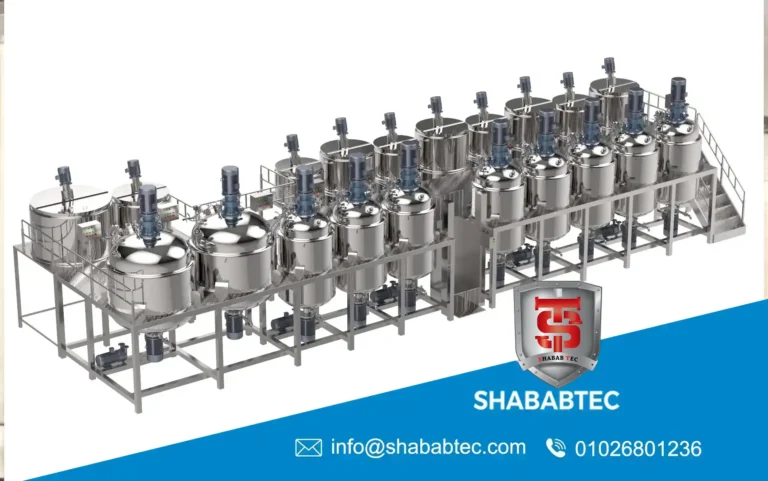
The mixing tank price depends on the actual production requirements. A small tank for light liquid mixing is not priced like a large jacketed tank for high-viscosity cream, adhesive, or ointment. A simple storage tank is not priced like a complete mixing system with motor, gearbox, agitator, scraper, heating, cooling, vacuum, and control panel.
Many buyers ask for the lowest price without giving enough technical details. This can lead to inaccurate quotations or unsuitable equipment. To calculate a realistic industrial tank cost, the supplier needs to understand what product will be processed, how much volume is required, how thick the product is, and whether the process needs heating, cooling, vacuum, or special material.
The best way to understand price is to look at the full system, not only the tank body. In most cases, the final industrial mixer price includes fabrication, stainless steel material, motor, gearbox, agitator, sealing system, valves, control panel, and any extra process features.
Main Factors That Affect Mixing Tank Price
Tank Capacity
Capacity is one of the first factors that affects mixing tank price. A 100-liter tank will cost less than a 1000-liter or 3000-liter tank because it needs less stainless steel, smaller structure, lower motor power, and simpler handling.
However, capacity alone is not enough to estimate cost. A small tank with vacuum, heating, cooling, scraper, and homogenizer may cost more than a larger simple tank. This is why buyers should not compare tanks by volume only.
Stainless Steel Grade
The stainless steel grade has a direct effect on stainless steel tank price. Stainless steel 304 is suitable for many food, cosmetic, detergent, and general industrial applications. Stainless steel 316 or 316L is usually more expensive because it offers higher corrosion resistance and is often used for pharmaceutical, acidic, salt-rich, or more demanding chemical products.
Choosing the correct stainless steel grade is important. Using a lower-cost material in a corrosive process may reduce the initial industrial tank cost, but it can lead to corrosion, contamination risk, repair costs, or early tank replacement.
Tank Wall Thickness
Tank thickness affects strength, durability, and cost. A thicker tank uses more material and needs more fabrication work, so the price increases. Large tanks, high-viscosity products, vacuum tanks, pressure-related tanks, and heavy-duty mixers may need stronger wall thickness and reinforcement.
A proper tank price guide should always consider thickness because two tanks with the same capacity may have very different quality and cost if one uses thicker stainless steel than the other.
Mixing System Type
The mixer design has a major impact on mixing equipment cost. A simple propeller mixer costs less than an anchor mixer with scraper. A high-shear homogenizer costs more than a basic agitator. A dual-motion system costs more than a single-speed mixer.
The mixer should be selected according to the product. Thin liquids may need simple mixing, while creams, ointments, gels, adhesives, chocolate, and pastes need stronger systems. Paying less for the wrong mixer can lead to weak production performance.
Motor Power
The motor is a key part of the industrial mixer price. Higher motor power usually increases cost, but it may be necessary for thick or heavy products. A weak motor can overheat, slow production, or fail during operation.
Motor power should be selected based on product viscosity, tank capacity, agitator type, and operating time. A tank used for water-like liquid does not need the same motor as a tank used for adhesive, ointment, or paste.
Gearbox and Drive System
The gearbox helps reduce speed and increase torque. It is especially important for viscous products that need slow and strong mixing. A reliable gearbox increases mixing equipment cost, but it also protects the motor and improves mixing stability.
For heavy-duty applications, the gearbox and drive system should not be ignored. A low-quality drive system may reduce initial price but increase maintenance cost later.
Heating and Cooling System
A jacketed tank with heating or cooling will cost more than a simple tank. Heating may be needed for syrup, chocolate, gelatin, ointment, wax, cream, sauce, adhesive, or chemical processes. Cooling may be needed before filling, storage, or adding sensitive ingredients.
The heating or cooling method affects industrial tank cost. Electric heating, steam jacket, hot water jacket, thermal oil, and cooling jacket each have different cost levels and technical requirements.
Vacuum System
A vacuum system increases mixing tank price because it requires stronger tank structure, better sealing, vacuum pump, vacuum gauge, special cover design, and proper connections. Vacuum is useful for products where air bubbles must be reduced, such as creams, gels, ointments, lotions, and some pharmaceutical or cosmetic products.
If the product does not need vacuum, adding it may increase cost unnecessarily. If the product does need vacuum, skipping it may affect final product quality.
Control Panel
A simple control panel costs less than an advanced system with variable speed, temperature display, timers, safety protection, automation, and multiple process controls. The control level should match the factory’s production needs.
For small production, basic control may be enough. For repeated industrial batches, better controls can improve consistency and reduce operator mistakes.
Surface Finish and Polishing
Internal finishing affects hygiene, cleaning, and product buildup. Higher polishing quality increases stainless steel tank price, but it may be necessary for food, cosmetic, and pharmaceutical products.
Sticky products such as syrup, gel, cream, adhesive, jam, or lotion also benefit from smoother internal surfaces because cleaning becomes easier and product waste is reduced.
Industrial Tank Cost by Application
Food Production Tanks
Food tanks are used for sauce, chocolate, jam, syrup, fruit processing, and similar products. The industrial tank cost depends on whether the tank needs heating, scraper, cooling, food-grade finishing, or special discharge design.
For example, a tank for light syrup may be simpler than a tank for thick jam or chocolate. Jam and chocolate may need stronger mixing, heating jacket, scraper, and better temperature control, which increases the final price.
Cosmetic Production Tanks
Cosmetic tanks are used for creams, lotions, shampoo, liquid soap, gels, and emulsions. The mixing equipment cost can vary widely because some products need homogenizers, vacuum, heating, cooling, and scraper systems.
A shampoo tank may be simpler than a cream or lotion emulsifying tank. A premium cream tank with vacuum and homogenizer will usually have a higher industrial mixer price.
Pharmaceutical Production Tanks
Pharmaceutical tanks often require higher hygiene, better stainless steel grade, accurate control, smoother finishing, and reliable sealing. This can increase stainless steel tank price.
A pharmaceutical syrup tank may need heating and controlled mixing, while an ointment or gel tank may need scraper, vacuum, homogenizer, and stronger motor power. The final price depends on the process requirements.
Chemical Production Tanks
Chemical tanks are used for paint, adhesives, detergents, fertilizers, coatings, and industrial liquids. The industrial tank cost depends on chemical compatibility, motor power, mixer type, material grade, safety needs, and whether heating or cooling is required.
A paint tank may need a high-speed disperser. An adhesive tank may need high torque and scraper. A fertilizer tank may need chemical-resistant material and strong agitation. Each case has a different price level.
Stainless Steel Tank Price and Material Quality
The stainless steel tank price is strongly affected by material grade, thickness, finishing, and fabrication quality. Buyers should not compare stainless steel tanks only by external appearance because two tanks may look similar but have very different material quality.
Important points to check include:
- Stainless steel grade
- Sheet thickness
- Internal surface finish
- Welding quality
- Tank bottom design
- Support leg strength
- Cover structure
- Discharge valve quality
- Material compatibility with the product
A lower stainless steel tank price may sometimes mean thinner material, weaker welding, lower-quality accessories, or unsuitable design. The buyer should compare technical details, not only the final number.
Mixing Equipment Cost: What is Usually Included?
When reviewing mixing equipment cost, it is important to understand what is included in the quotation. Some suppliers quote only the tank body, while others include mixer, motor, gearbox, control panel, valves, and installation accessories.
A complete quotation may include:
- Tank body fabrication
- Stainless steel material
- Tank cover
- Support legs or frame
- Agitator and mixing blades
- Motor
- Gearbox
- Shaft seal
- Discharge valve
- Heating or cooling jacket if required
- Control panel
- Temperature sensor if required
- Vacuum system if required
- Polishing and finishing
Before comparing industrial mixer price between suppliers, buyers should confirm that the same items are included. Otherwise, a cheaper quotation may not actually be cheaper after adding missing parts.
Tank Price Guide: Simple Tank vs Complete Mixing System
A useful tank price guide should separate simple tanks from complete mixing systems. A simple tank may only be used for storage or light blending. A complete system may include motorized mixing, heating, cooling, vacuum, scraper, and process control.
Simple Stainless Steel Tank
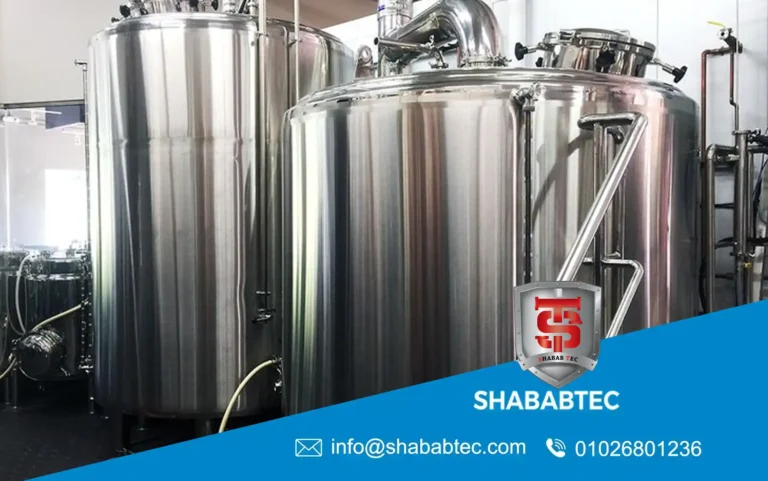
A simple stainless steel tank is usually lower in cost. It may include a tank body, cover, outlet, and support legs. It is suitable for basic storage or simple liquid holding.
Basic Mixing Tank
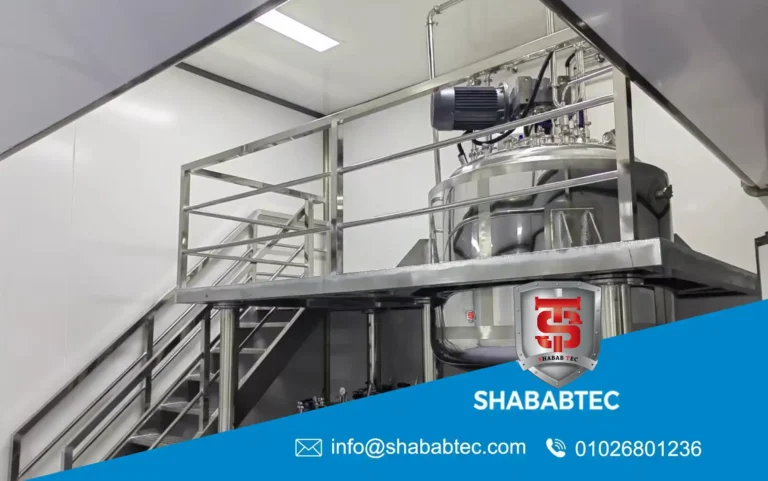
A basic mixing tank includes an agitator, motor, shaft, and simple control. It is suitable for light to medium liquid mixing. The mixing tank price is higher than a storage tank but lower than a process tank.
Jacketed Mixing Tank
A jacketed mixing tank includes heating or cooling. This increases the price because of extra fabrication, jacket testing, insulation if needed, and temperature control parts.
Vacuum Mixing Tank
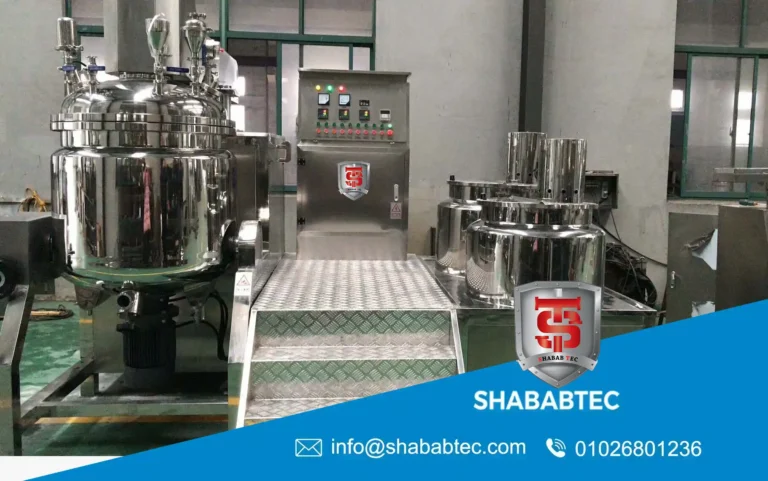
A vacuum mixing tank is more expensive because it needs stronger sealing, vacuum pump, reinforced design, and better control. It is used for products that require bubble reduction or protected processing.
High-Viscosity Mixing Tank
A tank for creams, ointments, adhesives, gels, pastes, chocolate, and thick sauces usually needs stronger motor power, gearbox, scraper, and heavy-duty structure. This increases industrial mixer price.
Industrial Mixer Price and Product Viscosity
Product viscosity is one of the biggest reasons why industrial mixer price changes. A low-viscosity liquid is easy to move, while a high-viscosity product needs more power and stronger mechanical design.
Low-viscosity products may include light detergents, water-based liquids, and simple chemical solutions. Medium-viscosity products may include shampoo, syrup, lotion, and sauce. High-viscosity products may include creams, ointments, adhesives, gels, pastes, chocolate, and thick coatings.
The higher the viscosity, the more important the motor, gearbox, blade design, shaft strength, and discharge system become. This is why buyers should always share product viscosity or at least describe the product texture before asking for a final quotation.
How to Compare Mixing Tank Price Correctly
Comparing mixing tank price should be done carefully. The lowest price is not always the best option, and the highest price is not always necessary. A fair comparison should be based on technical specifications.
Before choosing a supplier, compare these points:
- Tank capacity and working volume
- Stainless steel grade
- Material thickness
- Motor power
- Gearbox type
- Agitator design
- Heating or cooling system
- Surface finish
- Seal type
- Valve quality
- Control panel features
- Customization level
- After-sales support
This method gives a more realistic view of industrial tank cost and helps avoid paying for equipment that does not match the production process.
Common Mistakes Buyers Make When Checking Industrial Tank Cost
Comparing Price Without Specifications
Two tanks with the same capacity may have different motors, steel thickness, mixer types, and finish quality. Comparing only the final price can be misleading.
Choosing the Cheapest Tank
A very low mixing tank price may mean weak material, poor fabrication, low motor power, or missing accessories. This can create higher cost later.
Ignoring Product Viscosity
Viscosity affects the whole system. If the tank is not designed for the product thickness, mixing performance will be poor.
Not Asking About Stainless Steel Grade
The stainless steel tank price depends heavily on material grade. Buyers should confirm whether the tank is 304, 316, or another material.
Ignoring Heating and Cooling Needs
Some products cannot be processed correctly without temperature control. Adding heating or cooling later may be difficult or expensive.
Forgetting Cleaning Requirements
A tank that is difficult to clean can increase downtime and labor cost. Cleaning should be part of the buying decision.
Not Reviewing After-Sales Support
Industrial equipment needs maintenance, spare parts, and technical support. A lower price without support may not be the best long-term choice.
Questions to Ask Before Requesting a Mixing Tank Quotation
Before asking for a final mixing tank price, the buyer should prepare technical information. This helps the supplier provide a more accurate quotation.
Important questions include:
- What product will be mixed?
- What is the required batch capacity?
- What is the product viscosity?
- Does the product need heating?
- Does the product need cooling?
- Is vacuum required?
- Is homogenizing required?
- Does the product contain powder or solids?
- What stainless steel grade is required?
- How will the product be discharged?
- How will the tank be cleaned?
- What factory space is available?
- Will the tank produce one product or multiple products?
- What control features are needed?
Answering these questions makes the tank price guide more accurate and helps avoid wrong equipment selection.
When a Higher Mixing Equipment Cost Makes Sense
A higher mixing equipment cost can be justified when the equipment solves real production challenges. For example, a vacuum system may be worth the extra cost if the product suffers from air bubbles. A scraper system may be necessary if the product sticks to the wall during heating. A stronger motor and gearbox may be essential for thick products.
Higher cost makes sense when it provides:
- Better product quality
- Lower product waste
- Faster production
- Reduced downtime
- Easier cleaning
- Longer equipment lifetime
- Lower maintenance problems
- More stable batch quality
The goal is not to buy the most expensive tank. The goal is to buy the right tank that fits the process and protects the factory from hidden costs.
How ShababTec Helps Buyers Choose the Right Tank Price Level
ShababTec provides stainless steel equipment and industrial mixing systems for liquid and semi-solid preparation, including tanks used in food, cosmetic, pharmaceutical, chemical, detergent, adhesive, syrup, gel, cream, ointment, sauce, chocolate, jam, and fertilizer production.
For buyers asking about mixing tank price, ShababTec can help review the actual production needs before suggesting a tank design. This includes product type, viscosity, batch capacity, heating or cooling needs, stainless steel grade, motor power, agitator type, and control requirements.
This approach helps factories understand industrial tank cost clearly and avoid choosing equipment based only on the lowest number. Whether the factory needs a simple stainless tank, a jacketed process tank, a vacuum mixer, or a high-viscosity industrial mixer, the system should be selected according to real production needs.
Maintenance and Long-Term Cost
The purchase price is only one part of the total cost. A reliable tank should reduce maintenance problems and support stable operation for years. When reviewing industrial mixer price, buyers should also consider long-term operation.
Important long-term cost factors include:
- Motor and gearbox durability
- Seal replacement cost
- Ease of cleaning
- Availability of spare parts
- Energy consumption
- Downtime risk
- Product waste during discharge
- Fabrication quality
- Corrosion resistance
- After-sales support
A tank with a slightly higher upfront cost may be more economical if it reduces downtime, cleaning time, product waste, and repair needs.
Final Thoughts
The right mixing tank price depends on product type, viscosity, capacity, stainless steel grade, motor power, mixer design, heating or cooling needs, surface finish, and control system. Buyers should avoid comparing tanks by price alone without checking technical details.
A clear understanding of industrial tank cost helps factories choose equipment that fits the production line and avoids hidden problems. The stainless steel tank price may vary depending on grade and thickness, while mixing equipment cost changes according to motor, gearbox, agitator, jacket, vacuum, and automation features.
For any buyer looking for a practical tank price guide or accurate industrial mixer price, the best step is to define the product and process requirements first. ShababTec can support factories with practical stainless steel tank solutions designed around real production needs and long-term value.
FAQ – Mixing Tank Price
What affects mixing tank price the most?
Mixing tank price is mainly affected by tank capacity, stainless steel grade, material thickness, mixer type, motor power, gearbox, heating or cooling system, vacuum option, and control panel features.
Why does industrial tank cost vary between suppliers?
Industrial tank cost varies because suppliers may use different steel grades, thickness levels, motors, gearboxes, fabrication quality, accessories, and control systems.
Is stainless steel tank price higher for 316 than 304?
Yes, stainless steel tank price is usually higher for 316 or 316L compared to 304 because it offers better corrosion resistance and is often used for more demanding applications.
How can I estimate mixing equipment cost?
To estimate mixing equipment cost, define the product, viscosity, batch capacity, material grade, mixer type, heating or cooling needs, discharge method, and control requirements.
What should a tank price guide include?
A tank price guide should include capacity, material grade, thickness, mixer type, motor power, gearbox, heating or cooling system, vacuum option, control panel, finishing quality, and included accessories.
Why is industrial mixer price higher for thick products?
Industrial mixer price is higher for thick products because they need stronger motors, higher torque gearboxes, heavier shafts, suitable blades, stronger structure, and better discharge systems.
See Also: stainless tank Egypt | homogenizer mixing tank