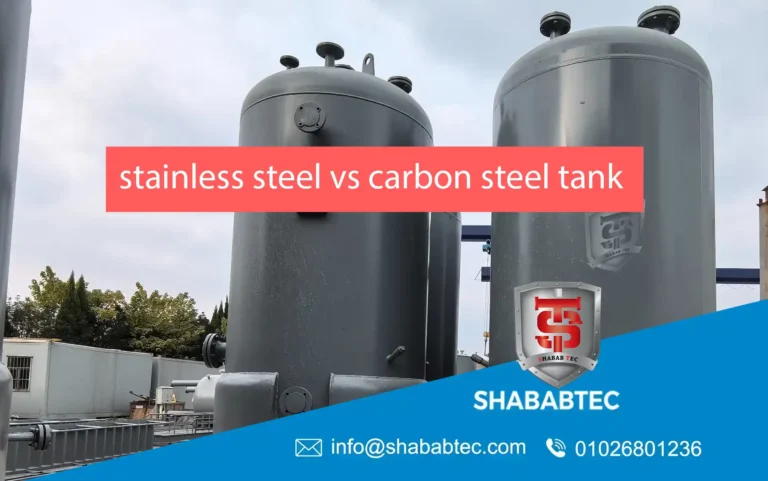
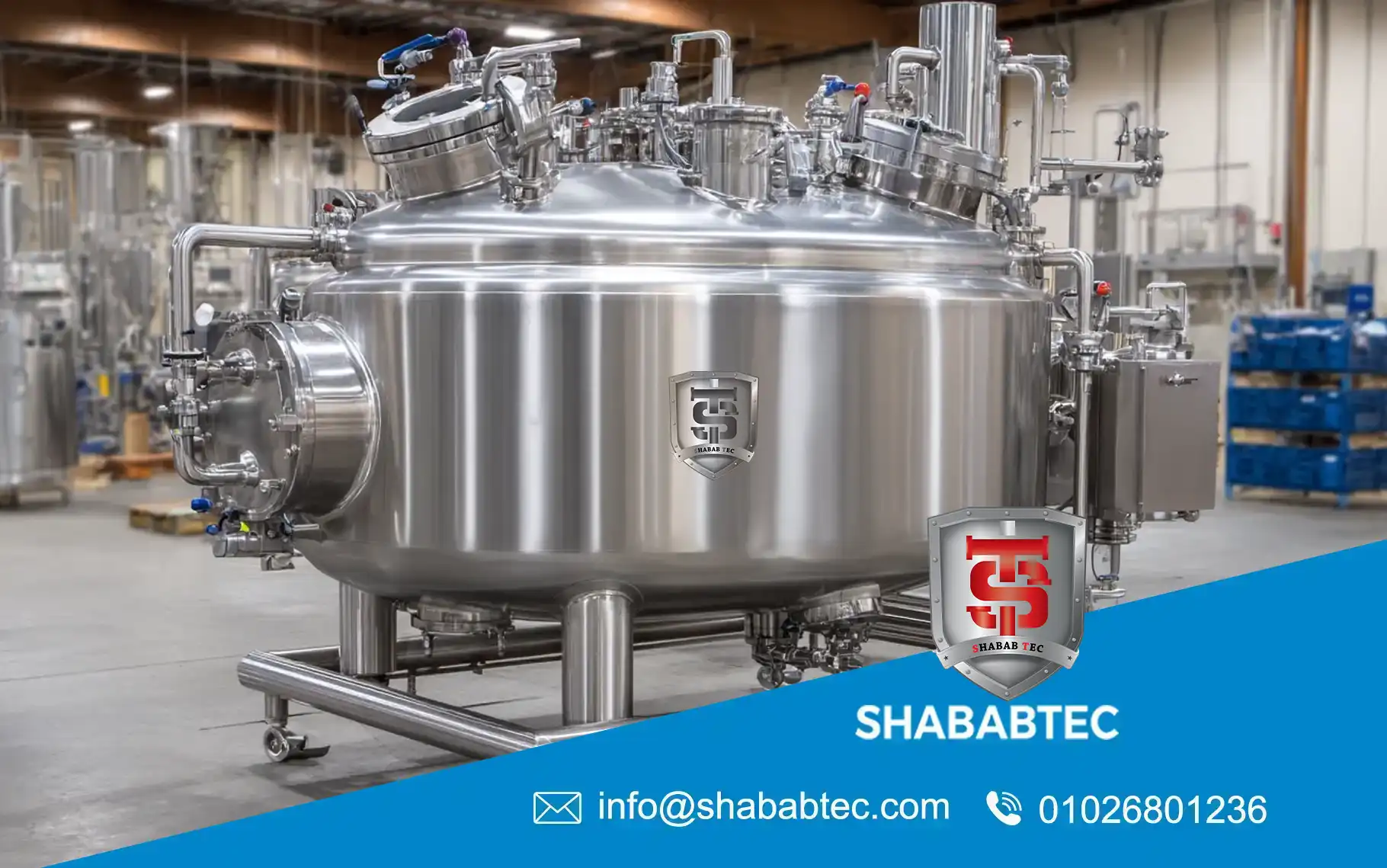
Mixing Tank Manufacturers Best Factory ShababTec
Mixing Tank Manufacturers How to Choose the Right Tank Factory for Industrial Production
Choosing the right mixing tank manufacturers is one of the most important decisions before buying any industrial mixing equipment. The tank is not only a metal vessel; it is part of your production quality, daily operation, cleaning routine, maintenance cost, and long-term factory performance. A well-designed tank can help your production line run smoothly, while a poorly made tank can cause leakage, weak mixing, vibration, corrosion, difficult cleaning, and repeated downtime.
Many buyers search for tank suppliers or compare offers from different companies without checking the real technical details behind the price. This can lead to choosing equipment that looks acceptable at first but fails under real production conditions. Whether your factory works in food, cosmetics, pharmaceuticals, chemicals, detergents, adhesives, fertilizers, sauces, syrups, creams, gels, or semi-solid products, selecting the right industrial tank suppliers is essential.
A reliable stainless steel tank manufacturer should understand your product, viscosity, batch capacity, heating or cooling needs, material requirements, motor power, mixer type, and cleaning process. This guide explains how to evaluate mixing equipment suppliers, what to ask before ordering, and why working with a proper tank factory can protect your investment and improve your production line.
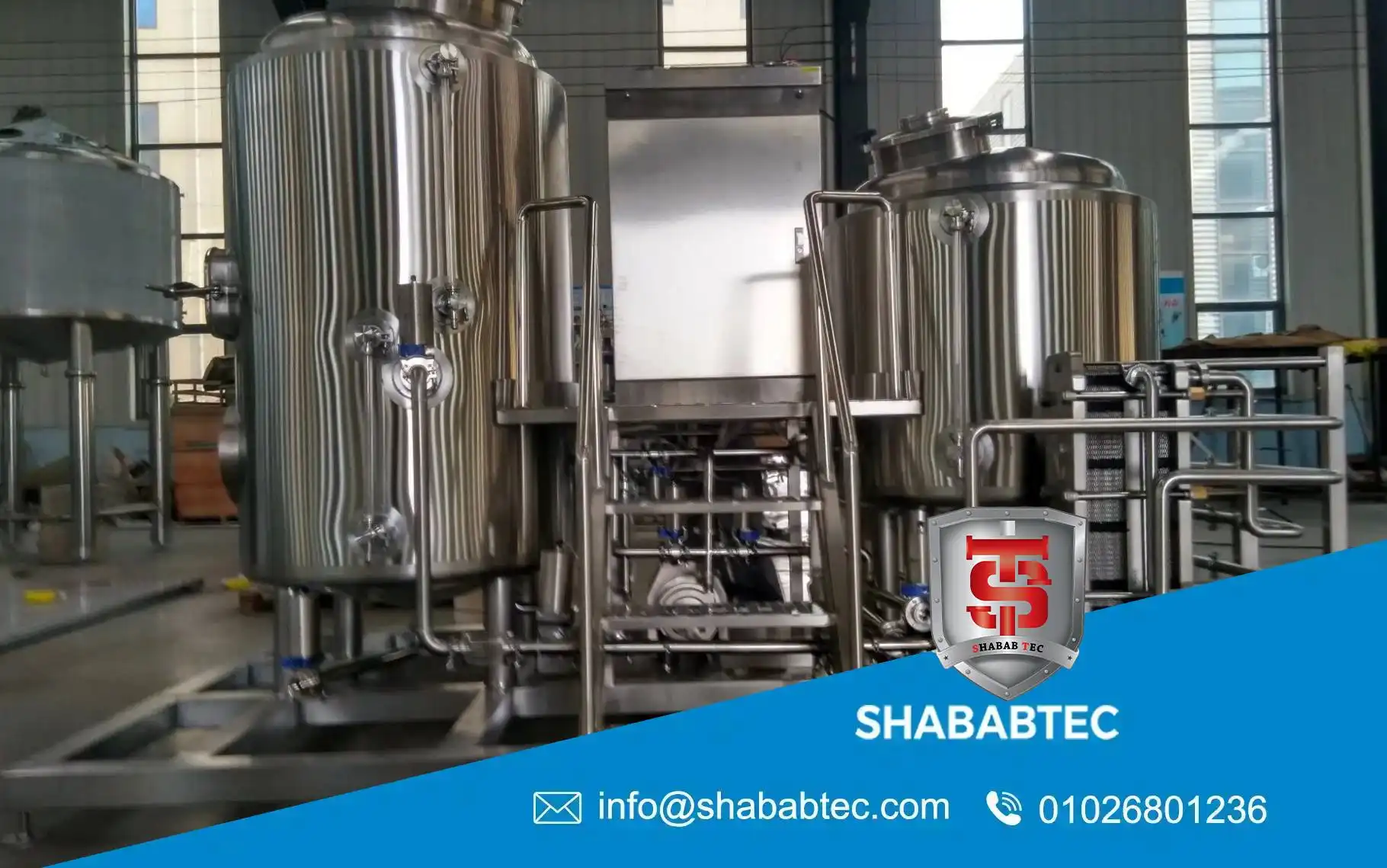
See Also: Industrial Stainless Steel Mixing Tanks – Complete Guide
Why Choosing Mixing Tank Manufacturers Matters
The quality of mixing tank manufacturers directly affects the quality of the equipment you receive. A mixing tank may look simple from outside, but the real value is in the design, material selection, welding, polishing, motor sizing, agitator design, sealing system, and overall fabrication quality.
If the manufacturer does not understand your production process, the tank may not perform correctly. For example, a tank designed for light liquids will not work properly with thick cream, adhesive, ointment, chocolate, or paste. A tank made with the wrong stainless steel grade may corrode when used with chemicals, salt-rich products, or aggressive cleaning materials.
Good tank suppliers help you avoid these problems by asking the right technical questions before manufacturing the equipment.
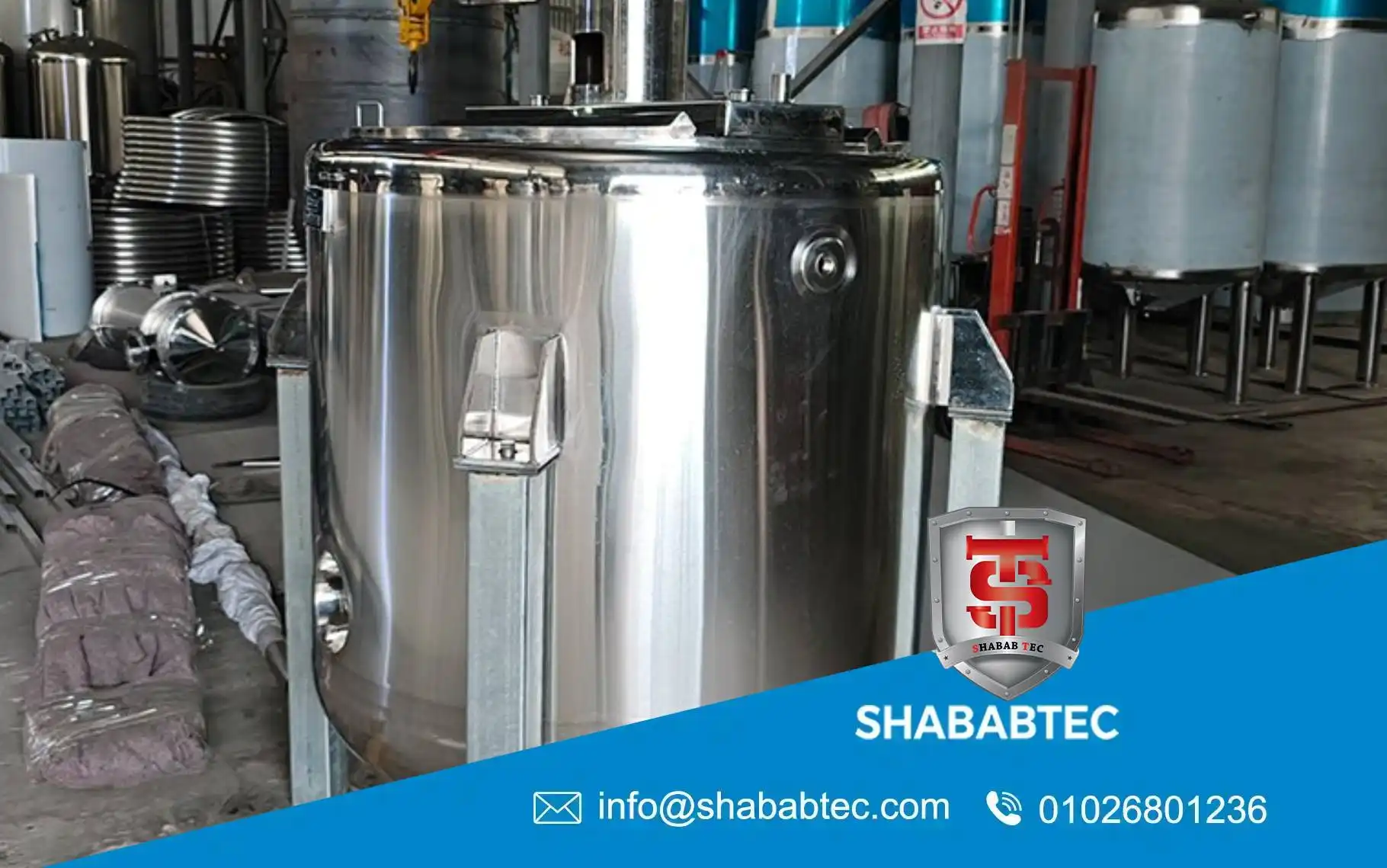
What Makes a Reliable Tank Factory?
A reliable tank factory does more than sell ready-made tanks. It studies the product and designs the tank according to the real working conditions. This includes capacity, viscosity, material compatibility, temperature control, discharge method, and cleaning needs.
A professional tank factory should be able to support:
- Custom tank design based on product type
- Correct stainless steel grade selection
- Suitable agitator and motor sizing
- Heating and cooling jacket design when needed
- Safe and practical discharge system
- Clean welding and smooth internal finishing
- Strong support structure
- Clear communication before manufacturing
- After-sales support and maintenance guidance
When these points are available, the buyer has a better chance of receiving equipment that works properly in real production.
Mixing Tank Manufacturers vs General Metal Fabricators
There is a big difference between specialized mixing tank manufacturers and general metal fabricators. A general fabricator may be able to make a stainless steel vessel, but that does not mean the tank will mix properly or meet production needs.
Specialized mixing tank manufacturers understand how product movement works inside the tank. They know that motor power, blade design, shaft alignment, gearbox selection, tank bottom shape, and valve position all affect performance.
For example, a cosmetic cream tank may need scraper blades and homogenizing. A syrup tank may need heating and controlled mixing. A paint tank may need strong dispersion. A detergent tank may need foam control. A fertilizer tank may need chemical compatibility. These details require real experience in industrial tank design.
Main Types of Industrial Tank Suppliers
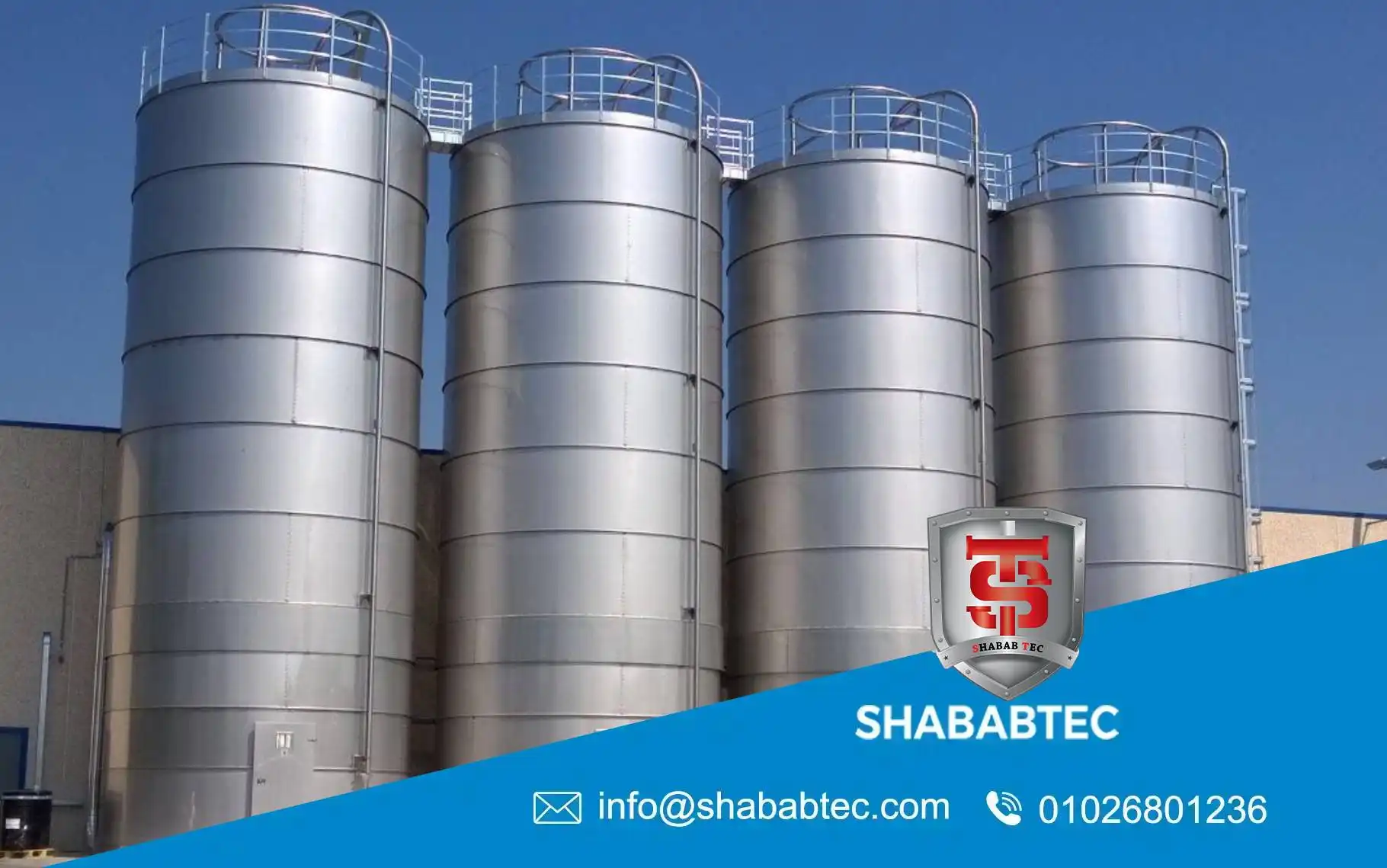
Standard Tank Suppliers
Some tank suppliers offer standard storage tanks or simple mixing tanks. These may be suitable for basic liquid holding or light mixing applications. However, they may not be enough for products that need heating, cooling, vacuum, homogenizing, or high-viscosity mixing.
Custom Industrial Tank Suppliers
Custom industrial tank suppliers design tanks based on the product and production process. This is usually better for factories with special formulas, different viscosities, or strict production requirements.
Stainless Steel Tank Manufacturer
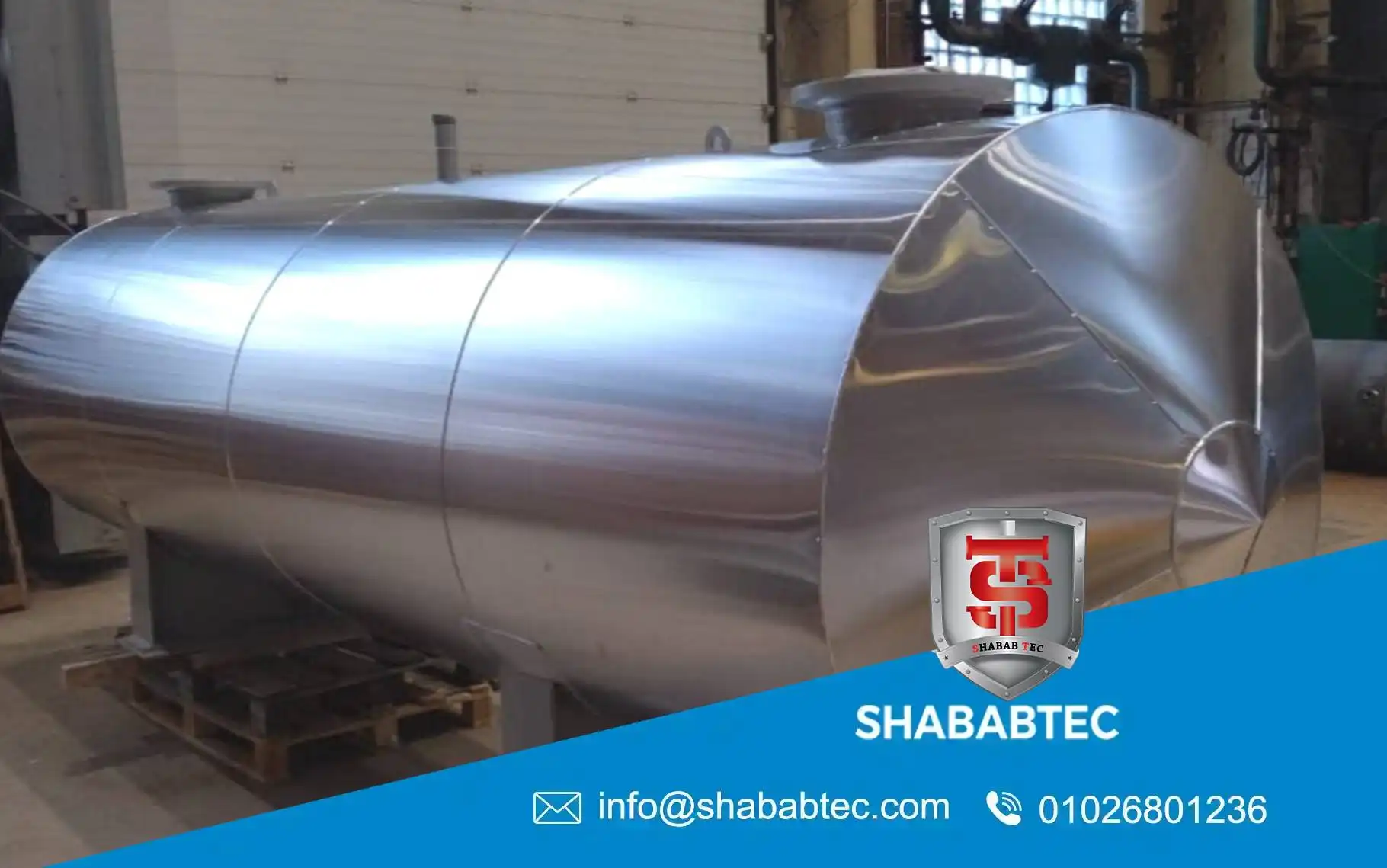
A stainless steel tank manufacturer focuses on making tanks from stainless steel grades such as 304, 316, or 316L. This type of supplier is important for food, cosmetic, pharmaceutical, and many chemical applications where hygiene and corrosion resistance matter.
Mixing Equipment Suppliers
Mixing equipment suppliers provide complete mixing systems, not only tank bodies. This may include agitators, motors, gearboxes, seals, control panels, heating jackets, cooling jackets, vacuum systems, and discharge solutions.
Full Tank Factory
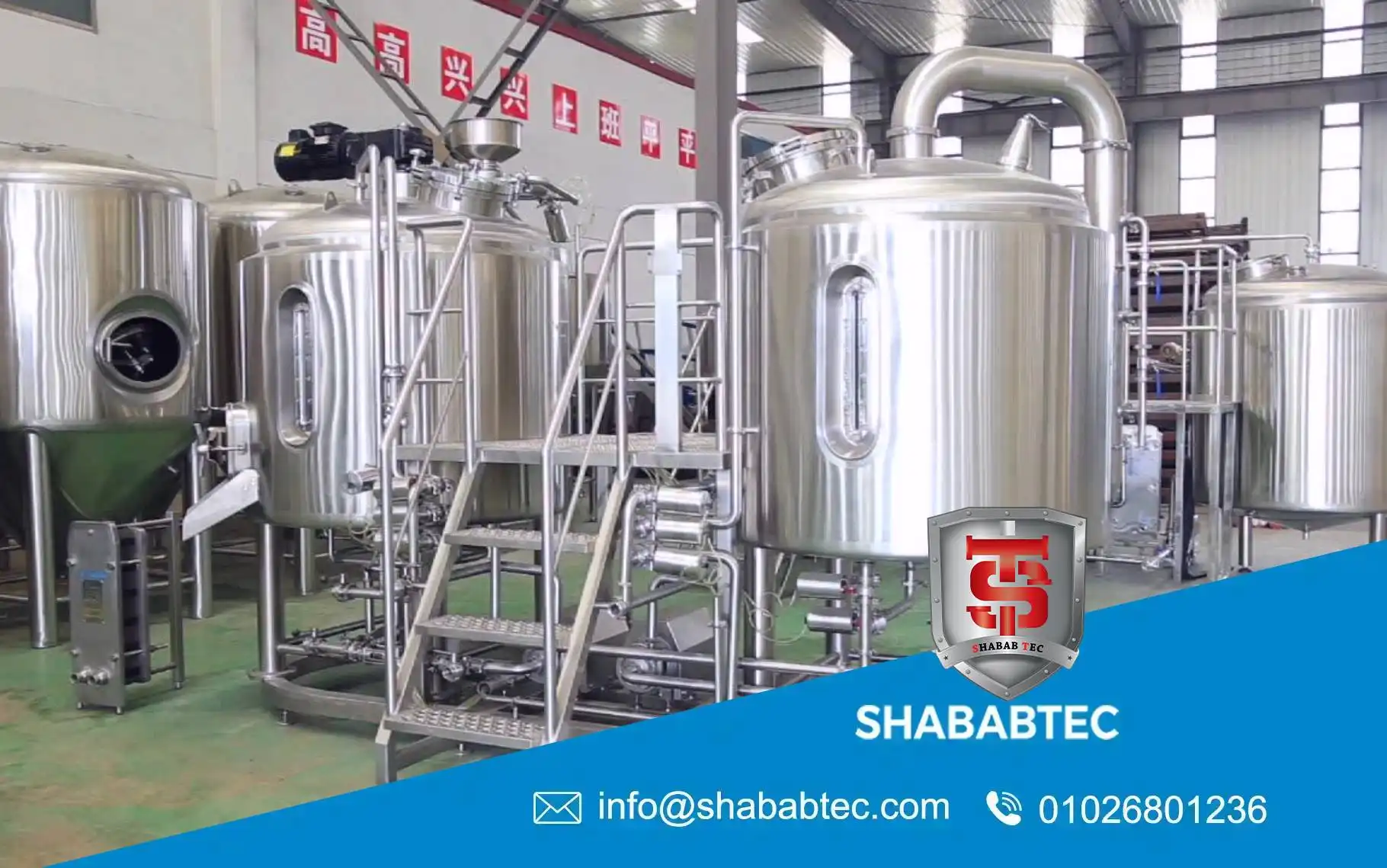
A complete tank factory can handle design, fabrication, assembly, testing, and customization. This is useful when the buyer needs a tank built around a specific production line.
How to Evaluate Mixing Equipment Suppliers
Experience with Your Industry
Before choosing mixing equipment suppliers, check whether they understand your industry. Food, cosmetics, pharmaceuticals, and chemicals each have different tank requirements.
A supplier that understands sauce production may not automatically understand pharmaceutical ointment production. A supplier that makes detergent tanks may not be the best choice for high-purity liquid medicine unless they understand hygiene and material requirements.
Ability to Customize
Good mixing equipment suppliers should not force one standard design for every product. They should be able to adjust tank size, mixer type, motor power, steel grade, heating system, valve position, and control options according to your needs.
Material Knowledge
A reliable stainless steel tank manufacturer should explain the difference between stainless steel 304, 316, and 316L when needed. The supplier should help you choose the right material based on product formula and cleaning chemicals.
Fabrication Quality
Fabrication quality includes welding, polishing, alignment, support structure, and finishing. Poor fabrication can cause leakage, rust spots, rough surfaces, vibration, and difficult cleaning.
Motor and Mixer Selection
The motor and agitator should match the product viscosity and batch capacity. Reliable industrial tank suppliers should ask about product thickness, mixing time, solids content, and temperature before selecting the motor.
Clear Technical Communication
A good supplier should explain what is included in the quotation. This includes tank body, motor, gearbox, mixer, valves, seals, control panel, jacket, polishing, and any extra accessories.
Questions to Ask Tank Suppliers Before Buying
Before ordering from tank suppliers, prepare clear questions. This helps you compare offers correctly and avoid missing important details.
- What stainless steel grade will be used?
- What is the tank capacity and working volume?
- What is the tank wall thickness?
- What type of agitator is included?
- What is the motor power?
- Is a gearbox included?
- Is the tank suitable for my product viscosity?
- Does the tank include heating or cooling?
- What type of seal is used around the shaft?
- What type of discharge valve is included?
- Is the internal surface polished?
- Is the tank easy to clean?
- Can the design be customized?
- What support is available after delivery?
These questions help you choose better industrial tank suppliers and avoid comparing price without technical details.
Important Features in a Stainless Steel Tank Manufacturer
Correct Stainless Steel Grade
A professional stainless steel tank manufacturer should recommend the correct grade for your application. Stainless steel 304 is suitable for many food, cosmetic, detergent, and general liquid products. Stainless steel 316 or 316L may be better for pharmaceutical, acidic, salt-rich, or more demanding chemical products.
Clean Welding
Welding quality is important for strength, hygiene, and long-term durability. Poor welding can create leakage points, product buildup areas, or corrosion risk.
Smooth Internal Surface
A smooth internal surface helps cleaning and reduces product residue. This is especially important for syrup, cream, lotion, gel, ointment, adhesive, jam, sauce, and other sticky products.
Strong Support Structure
The tank legs or frame should support the full weight of the tank, product, mixer, motor, and accessories. Weak support can cause vibration and unsafe operation.
Practical Discharge Design
The discharge outlet should match the product. Thin liquids may need a simple valve, while thick products may need a larger outlet or pump connection.
Good Mixer Integration
The tank body and mixer should be designed together. A strong tank with a weak mixer will not solve production problems. A strong mixer on a weak tank can create vibration and mechanical stress.
Industrial Tank Suppliers for Different Applications
Food Industry
Food factories need tanks for sauce, chocolate, jam, syrup, fruit processing, and other food products. Industrial tank suppliers working with food applications should focus on hygiene, stainless steel quality, heating control, scraper options, and easy cleaning.
Cosmetic Industry
Cosmetic factories need tanks for creams, lotions, shampoo, liquid soap, gels, and emulsions. The tank may need homogenizing, vacuum, heating, cooling, and smooth finishing.
Pharmaceutical Industry
Pharmaceutical production needs higher hygiene, better sealing, accurate mixing, and suitable stainless steel grade. A stainless steel tank manufacturer working with pharmaceutical applications should understand liquid medicine, syrup, ointment, gel, and semi-solid production needs.
Chemical Industry
Chemical factories need tanks for paint, coatings, adhesives, detergents, fertilizers, and industrial liquids. Material compatibility, motor power, mixer design, and safe operation are important in this sector.
Detergent and Soap Industry
Detergent and liquid soap production need foam control, viscosity management, chemical compatibility, and easy cleaning. Mixing equipment suppliers should select mixer speed and blade design carefully for these products.
How to Compare Mixing Tank Manufacturers Correctly
Comparing mixing tank manufacturers should not be based only on price. The cheapest quotation may not include the same material, thickness, motor, gearbox, seal, valve, or finishing quality.
When comparing offers, check:
- Tank capacity and working volume
- Stainless steel grade
- Material thickness
- Internal polishing quality
- Welding quality
- Motor power
- Gearbox type
- Agitator design
- Heating or cooling jacket
- Vacuum option if needed
- Discharge valve type
- Shaft seal type
- Control panel features
- Customization level
- After-sales support
This comparison gives a clearer view of which tank factory is offering better value, not just a lower number.
Common Mistakes When Choosing Tank Suppliers
Choosing Based Only on Price
A low price can be attractive, but it may come with thinner steel, weak motor, poor welding, low-quality valves, or no customization. This can create higher costs later.
Ignoring Product Viscosity
Viscosity affects motor power, agitator design, gearbox selection, discharge method, and cleaning. Tank suppliers should always ask about product thickness before offering a final design.
Not Checking Stainless Steel Grade
Some buyers only ask for stainless steel without confirming the grade. The difference between 304 and 316 can be important depending on the product.
Using a Storage Tank as a Mixing Tank
A storage tank is not always suitable for mixing. Mixing requires proper agitator design, motor power, shaft support, and tank structure.
Ignoring Cleaning Requirements
If the tank is difficult to clean, production time and labor cost increase. This is especially important for sticky, food-grade, cosmetic, and pharmaceutical products.
Not Asking About After-Sales Support
Industrial tanks may need maintenance, spare parts, motor support, seal replacement, or process adjustments. Good industrial tank suppliers should provide practical support after delivery.
Signs of a Good Tank Factory
A reliable tank factory usually shows clear signs before the order is placed. These signs help buyers feel more confident about the equipment quality.
- They ask about the product before quoting
- They explain material options clearly
- They recommend mixer type based on viscosity
- They offer customization when needed
- They explain what is included in the price
- They care about cleaning and discharge design
- They understand heating and cooling requirements
- They provide practical technical advice
- They focus on long-term performance, not only selling quickly
If a supplier gives a price without asking about product type, viscosity, capacity, and process needs, the buyer should be careful.
Why Local Tank Suppliers Can Be Practical for Egyptian Factories
Working with local tank suppliers can be useful for factories in Egypt because communication is easier, customization is faster, and after-sales support can be more practical. Local manufacturers can better understand available utilities, factory space, production conditions, and common industrial needs in the market.
For many factories, buying from a local tank factory also makes it easier to discuss modifications, request spare parts, inspect progress, and solve installation or operation questions.
This does not mean every local supplier is automatically the right choice. The buyer still needs to check experience, fabrication quality, material selection, and technical capability.
Why ShababTec is a Practical Choice for Mixing Tank Manufacturing
ShababTec provides stainless steel equipment and industrial mixing systems for liquid and semi-solid preparation, including tanks used in food, cosmetic, pharmaceutical, chemical, detergent, adhesive, syrup, gel, cream, ointment, sauce, chocolate, jam, and fertilizer production.
As a practical stainless steel tank manufacturer, ShababTec can support factories with custom tank design based on real production needs. This includes product viscosity, batch capacity, heating or cooling requirements, mixing type, stainless steel grade, discharge method, and cleaning access.
For buyers comparing mixing equipment suppliers, ShababTec focuses on providing equipment that matches the actual process rather than offering one standard tank for every product. This is important for factories that need stable operation, durable fabrication, and practical long-term performance.
How to Prepare Before Contacting Mixing Equipment Suppliers
Before contacting mixing equipment suppliers, prepare clear information about your production process. This helps the supplier recommend the correct tank and provide a more accurate quotation.
Prepare these details:
- Product name and type
- Required batch capacity
- Product viscosity or texture
- Heating or cooling needs
- Need for vacuum or homogenizing
- Stainless steel grade requirement if known
- Discharge method
- Cleaning method
- Available factory space
- Daily production target
- Whether the tank will be used for one product or several products
The more information you provide, the better the tank suppliers can design equipment that fits your factory.
Final Thoughts
Choosing the right mixing tank manufacturers is not only about finding the lowest price. It is about finding a supplier that understands your product, process, material requirements, mixer design, and long-term production needs.
Reliable tank suppliers should help you choose the correct tank capacity, stainless steel grade, agitator, motor, gearbox, sealing system, discharge design, and cleaning access. Good industrial tank suppliers reduce the risk of leakage, weak mixing, corrosion, vibration, difficult cleaning, and downtime.
If your factory needs a dependable stainless steel tank manufacturer, practical mixing equipment suppliers, or a custom tank factory for industrial production, ShababTec can support the selection and manufacturing process based on real production requirements.
FAQ – Mixing Tank Manufacturers
How do I choose the best mixing tank manufacturers?
Choose mixing tank manufacturers based on experience, stainless steel quality, fabrication standards, mixer design knowledge, customization ability, technical communication, and after-sales support.
What should I ask tank suppliers before buying?
Ask about stainless steel grade, tank thickness, motor power, agitator type, gearbox, sealing system, discharge valve, heating or cooling options, polishing quality, and whether the tank suits your product viscosity.
What makes industrial tank suppliers reliable?
Reliable industrial tank suppliers understand the production process, recommend suitable material and mixer design, provide clear specifications, and support the equipment after delivery.
Why is a stainless steel tank manufacturer important?
A stainless steel tank manufacturer is important because stainless steel grade, welding quality, surface finishing, and fabrication accuracy affect hygiene, corrosion resistance, cleaning, and tank lifetime.
What should mixing equipment suppliers include in a quotation?
Mixing equipment suppliers should clearly include tank body, motor, gearbox, agitator, shaft seal, discharge valve, control panel, heating or cooling system if required, and any accessories included in the offer.
What is the difference between a tank factory and a tank reseller?
A tank factory manufactures and customizes tanks directly, while a reseller may only sell ready-made equipment. A tank factory is usually better when the production process needs custom design.
See Also: mixing equipment cost | mixing tank heating comparison