Jacketed vs Non Jacketed Tank Dull Guide
Jacketed vs Non Jacketed Tank Best Mixing Tank Type for Heating and Process Control
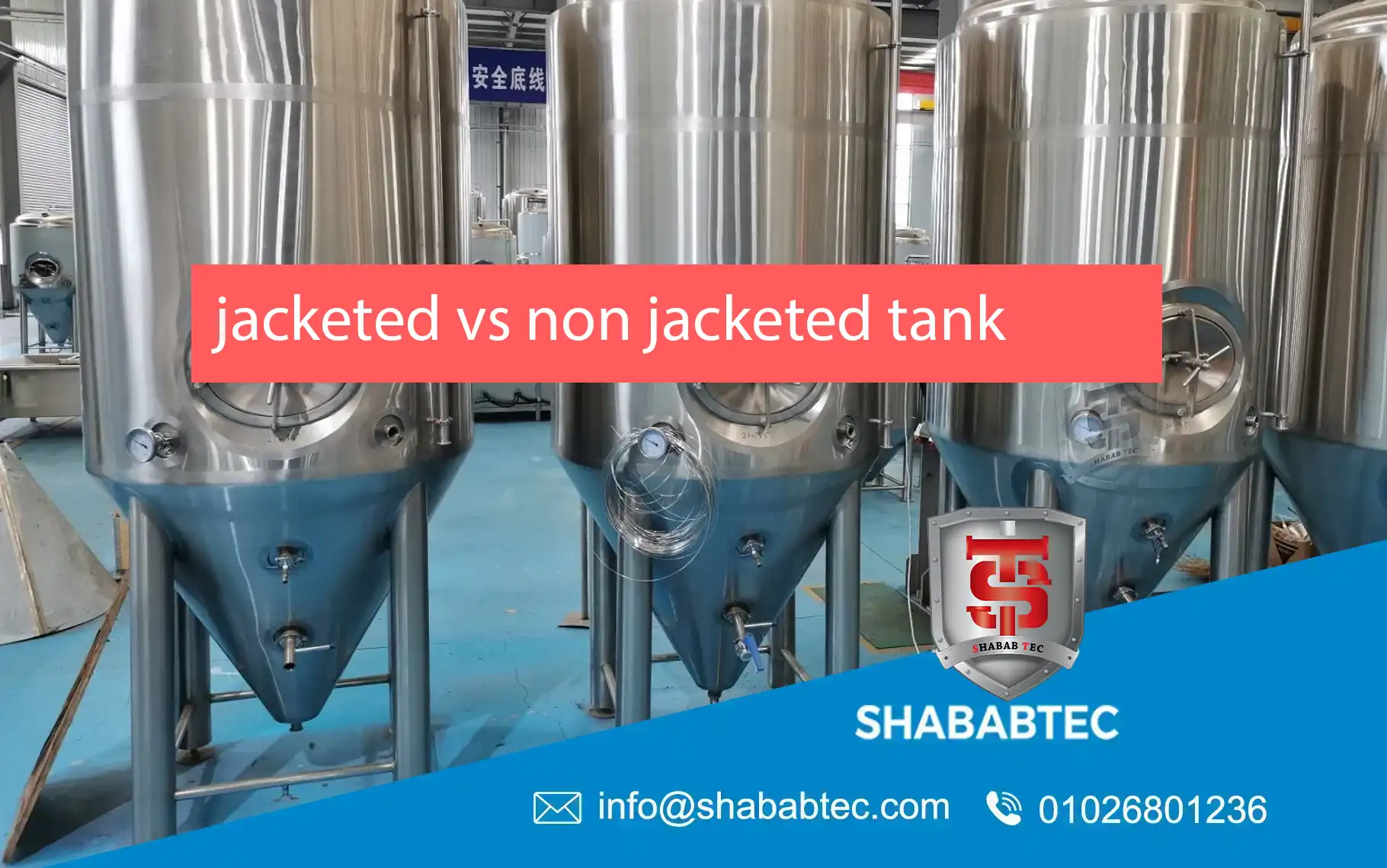
Choosing between a jacketed vs non jacketed tank is an important decision for factories that need mixing, heating, cooling, melting, dissolving, or temperature control during production. Some products can be mixed easily at room temperature, while others need controlled heating or cooling to reach the right texture, viscosity, stability, or processing condition.
A proper mixing tank heating comparison helps buyers understand when a jacketed tank is necessary and when a non jacketed tank is enough. The wrong choice can increase cost, slow production, damage ingredients, create poor texture, or make the tank unsuitable for future products.
This guide explains the main process tank differences, the key jacketed tank advantages, and how to choose between different mixing tank types for food, cosmetics, pharmaceuticals, chemicals, detergents, adhesives, syrups, creams, gels, sauces, chocolate, jam, ointments, and semi-solid products. It also helps buyers understand when an industrial heating tank is the better investment.
See Also: Industrial Stainless Steel Mixing Tanks – Complete Guide
What is a Jacketed Tank?
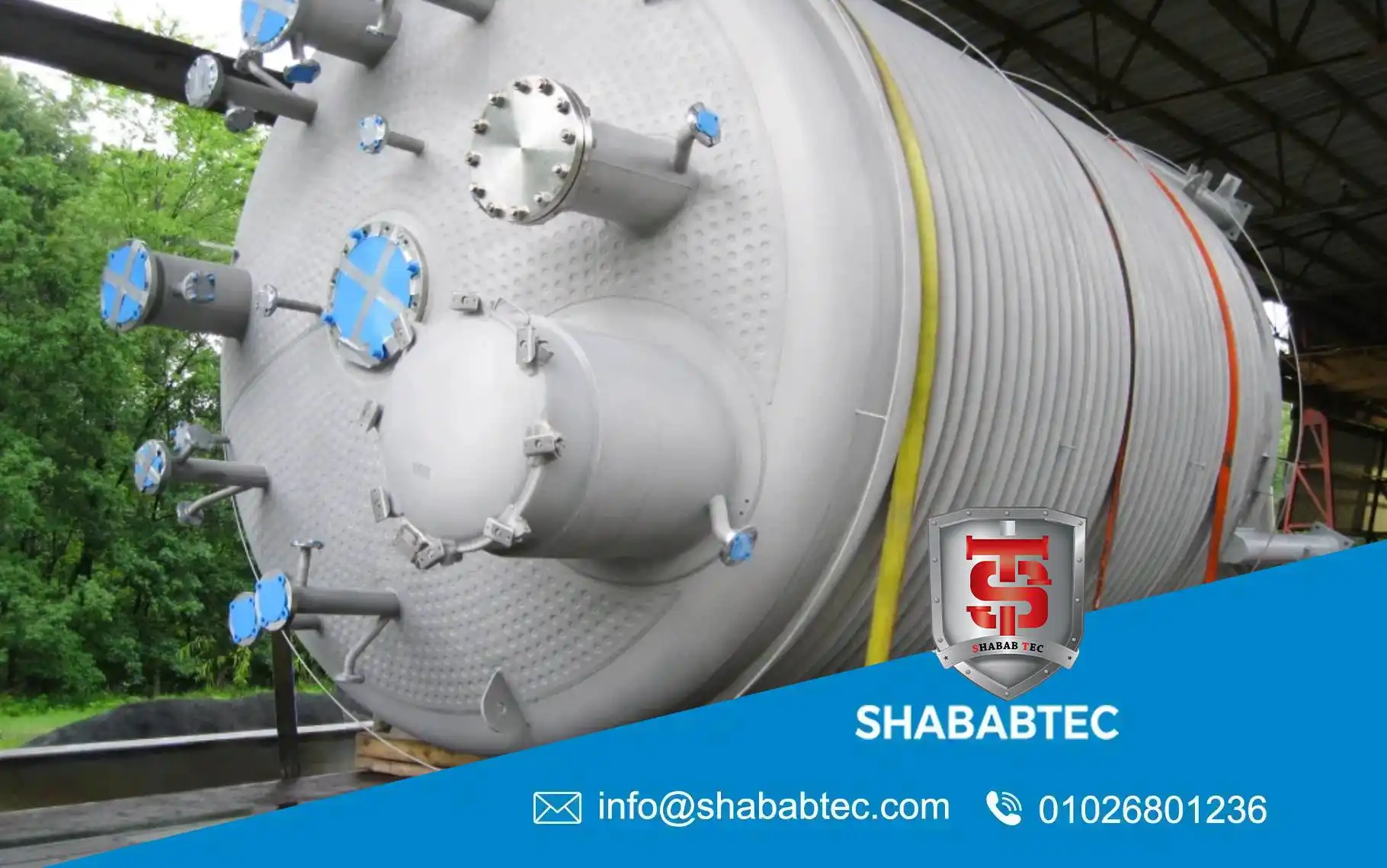
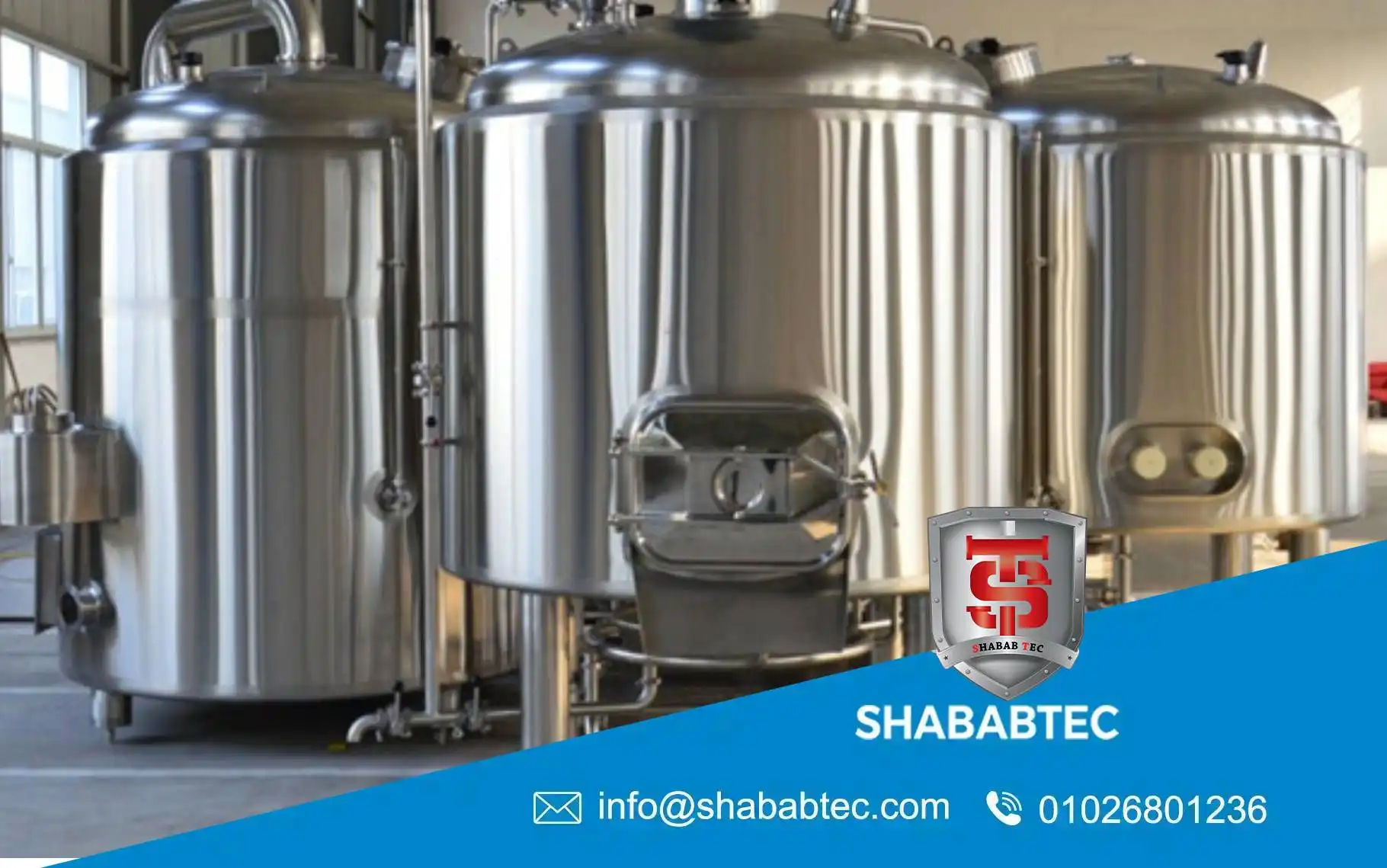
A jacketed tank is a process tank designed with an additional outer layer or jacket around the main tank body. This jacket allows heating or cooling media to circulate around the tank, transferring temperature to the product inside.
The jacket can use hot water, steam, thermal oil, chilled water, or another suitable medium depending on the product and factory setup. A jacketed tank is commonly used when the product needs controlled temperature during mixing, dissolving, melting, cooking, cooling, or viscosity control.
In a jacketed vs non jacketed tank comparison, the jacketed tank is the better choice when the production process depends on temperature control, not just simple blending.
What is a Non Jacketed Tank?
A non jacketed tank is a tank without a heating or cooling jacket. It can be used for storage, simple mixing, blending, dissolving, or holding products that do not require controlled temperature.
Non jacketed tanks are usually simpler in design and lower in cost than jacketed tanks. They may include an agitator, motor, discharge valve, cover, and support structure, but they do not have a surrounding jacket for heating or cooling media.
For products that are mixed at room temperature, a non jacketed tank may be suitable. However, if the product needs heating, cooling, melting, or temperature stability, a non jacketed tank may limit the process.
Jacketed vs Non Jacketed Tank: Main Difference
The main difference between a jacketed vs non jacketed tank is temperature control. A jacketed tank can heat or cool the product through the tank wall, while a non jacketed tank cannot provide controlled temperature transfer unless another external method is added.
| Comparison Point | Jacketed Tank | Non Jacketed Tank |
| Temperature control | Supports heating and cooling | No built-in heating or cooling |
| Best use | Products needing melting, dissolving, cooking, cooling, or viscosity control | Simple mixing, storage, and room-temperature blending |
| Cost | Higher because of jacket fabrication and controls | Lower and simpler |
| Process flexibility | Higher | Limited |
| Common products | Creams, syrups, chocolate, jam, gelatin, ointments, adhesives, sauces | Light liquids, basic detergents, simple blends, storage products |
| Production control | Better for temperature-sensitive processes | Suitable when temperature control is not needed |
This mixing tank heating comparison shows that a jacketed tank is not always required, but it becomes very important when product quality depends on temperature.
Jacketed Tank Advantages
The main jacketed tank advantages appear when the product needs controlled heating or cooling during processing. A jacketed tank can improve production quality, reduce waiting time, and make the process more repeatable.
Controlled Heating
A jacketed tank can heat the product evenly through the tank wall. This is useful for melting ingredients, dissolving powders, reducing viscosity, cooking food products, or preparing semi-solid materials.
Controlled Cooling
After heating, many products need cooling before filling or before adding heat-sensitive ingredients. A jacketed tank can circulate cooling water or chilled water to reduce temperature in a controlled way.
Better Product Texture
Products like creams, lotions, sauces, chocolate, jam, ointments, and gelatin can be affected by temperature. A jacketed tank helps maintain more stable texture and viscosity.
Lower Burning Risk
When combined with a suitable agitator or scraper, a jacketed tank can reduce the risk of burning or sticking during heating. This is especially useful for sticky products such as jam, chocolate, sauces, syrups, and adhesives.
Faster Processing
Controlled heating can reduce dissolving or melting time. Controlled cooling can reduce waiting time before filling. This improves daily production flow.
More Process Flexibility
A jacketed tank allows the factory to produce a wider range of products. Even if the current product does not need heating, future products may require temperature control.
When Do You Need an Industrial Heating Tank?
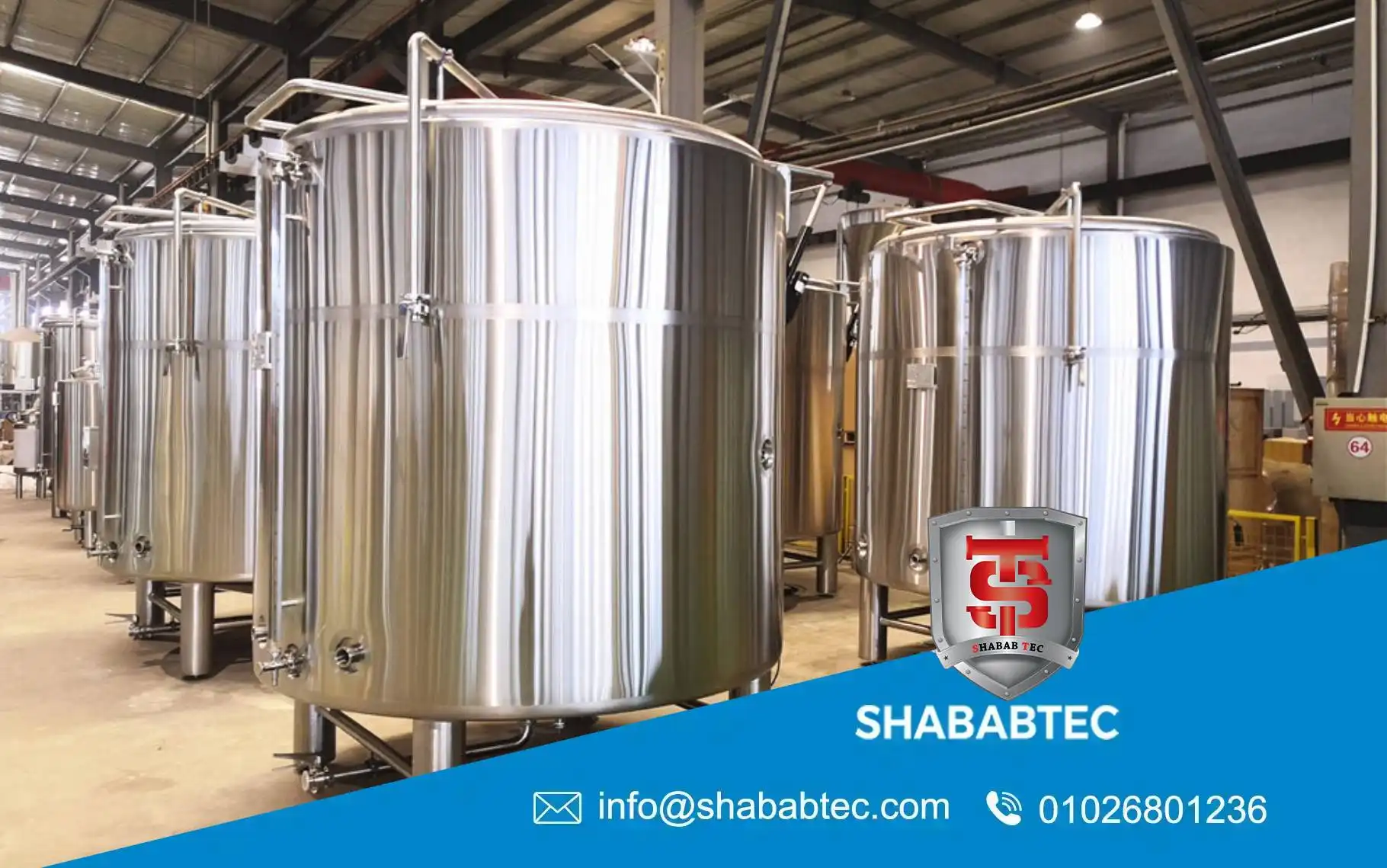
An industrial heating tank is needed when the production process requires heat to achieve the correct result. Heating may be needed to dissolve ingredients, melt fats or waxes, reduce product thickness, activate ingredients, cook food products, or support chemical processing.
Common products that may need an industrial heating tank include:
- Pharmaceutical syrup
- Sugar syrup
- Chocolate and cocoa mixtures
- Jam and fruit fillings
- Gelatin products
- Cosmetic creams
- Lotions and emulsions
- Ointments and balms
- Adhesives and glue
- Thick sauces
- Wax-based products
- Some chemical formulations
If the product becomes easier to mix when warm, or if some ingredients cannot dissolve at room temperature, a jacketed industrial heating tank is usually the better choice.
When a Non Jacketed Tank is Enough
A non jacketed tank can be enough when the product does not need heating or cooling during production. It is suitable for simple liquid blending, storage, holding, and some room-temperature mixing processes.
A non jacketed tank may be suitable for:
- Simple water-based liquids
- Basic liquid detergent formulas
- Light cleaning liquids
- Some chemical solutions
- Storage before filling
- Room-temperature blending
- Products that do not change viscosity with temperature
In these cases, choosing a non jacketed tank can reduce initial equipment cost. However, the buyer should think about future products before making the final decision.
Mixing Tank Heating Comparison by Product Type
Syrup Products
Syrup often needs heating to dissolve sugar and create a uniform base. In a mixing tank heating comparison, a jacketed tank is usually better for syrup because it supports controlled heating and better dissolving.
Cream and Lotion
Creams and lotions often need heating for the oil and water phases, then cooling after emulsification. A jacketed tank is usually preferred because temperature control affects texture and stability.
Chocolate
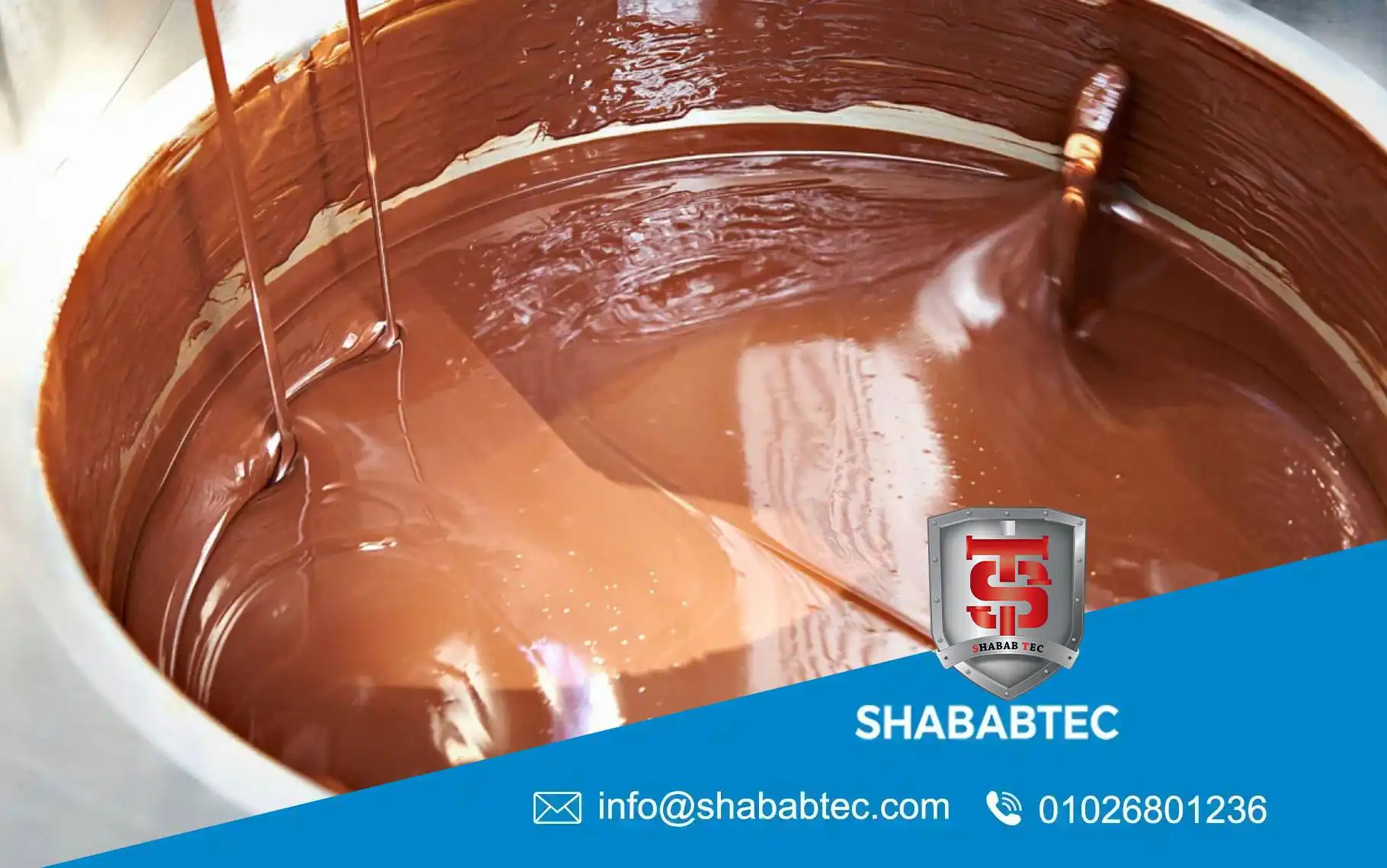
Chocolate needs controlled heating to maintain flow and prevent burning. A jacketed tank with scraper movement can help protect texture and reduce sticking.
Jam and Sauce
Jam and sauce production often needs heating, cooking, or thickening. A jacketed tank helps distribute heat more evenly and reduces burning risk when combined with proper mixing.
Gelatin
Gelatin needs heating to melt and prepare the mixture correctly. A jacketed industrial heating tank is very useful for this type of process.
Adhesives
Some adhesives require heating to dissolve or reduce viscosity. A jacketed tank can support smoother mixing and easier discharge.
Detergents
Some detergent products can be made at room temperature, while others may need gentle heating to dissolve ingredients. The right choice depends on the formula.
Paint and Coatings
Many paint products are mixed without heating, but some coating formulas may need temperature control. The decision depends on chemical behavior and process requirements.
Process Tank Differences in Design
The main process tank differences between jacketed and non jacketed tanks appear in structure, fabrication, cost, and control options.
Tank Body Structure
A non jacketed tank has a single main body. A jacketed tank has an additional jacket layer around the tank body. This makes the jacketed tank more complex to fabricate.
Heating or Cooling Connections
A jacketed tank needs inlet and outlet connections for heating or cooling media. These connections must be designed carefully to ensure proper circulation.
Temperature Control
A jacketed tank may include temperature sensors, control panel options, valves, and heating or cooling control systems. A non jacketed tank may not need these parts.
Insulation
Some jacketed tanks include insulation to reduce heat loss and protect operators from hot surfaces. This is useful in heated products such as syrup, chocolate, gelatin, wax, and adhesives.
Fabrication Testing
Jacketed tanks should be tested for leakage in both the main tank and the jacket. This adds fabrication work but improves safety and reliability.
Cost Difference
A jacketed tank costs more because it needs extra stainless steel, more welding, jacket connections, testing, and sometimes insulation or temperature controls.
Mixing Tank Types Based on Temperature Needs
There are different mixing tank types depending on how much temperature control the process needs.
Basic Non Jacketed Mixing Tank
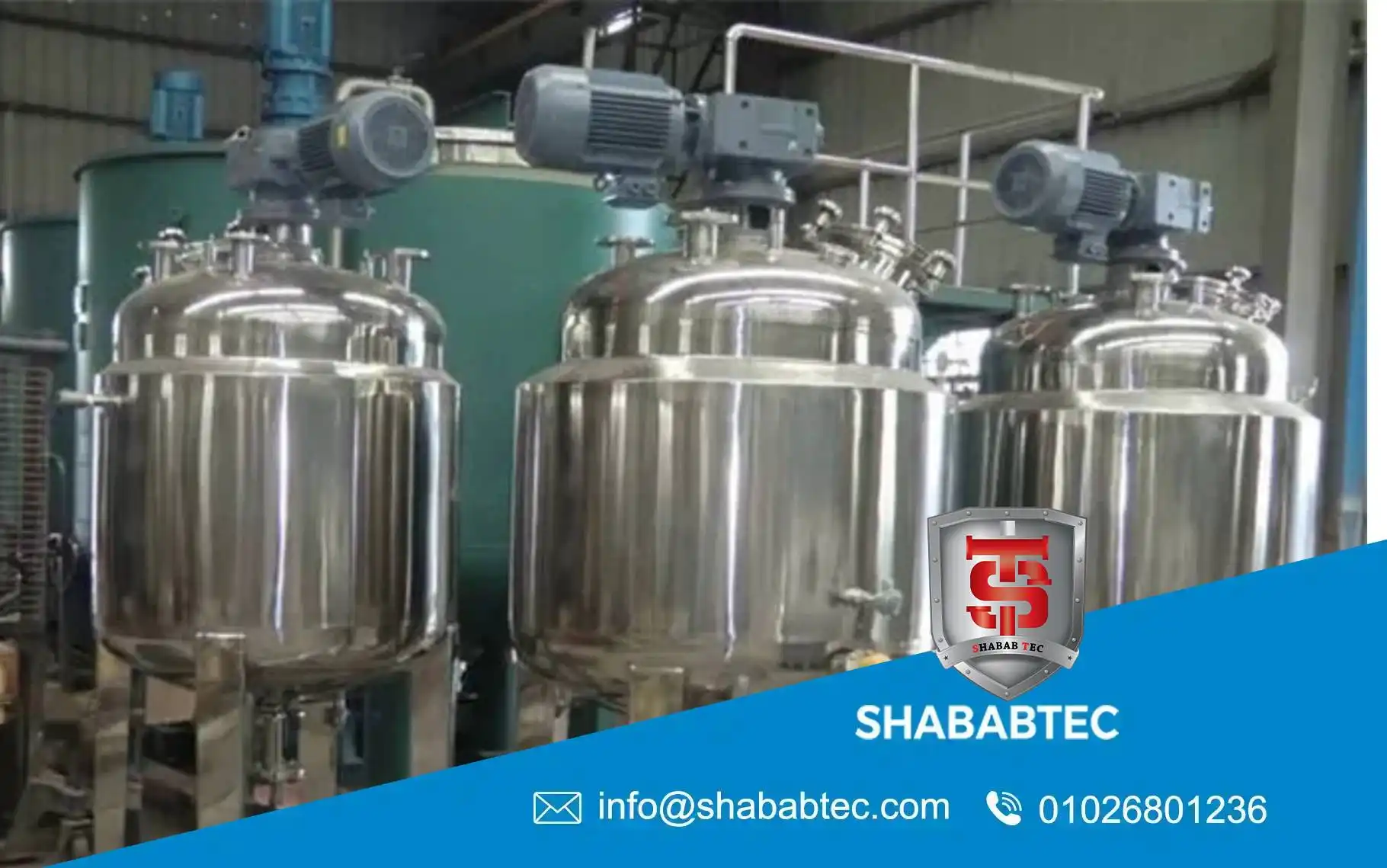
This type is suitable for simple mixing without heating or cooling. It may include an agitator, motor, discharge valve, cover, and support legs.
Jacketed Heating Tank
This tank is designed for heating products during production. It may use steam, hot water, electric heating, or thermal oil depending on the process.
Jacketed Cooling Tank
This tank is designed to reduce product temperature using cooling water or chilled water. It is useful after heating or before filling.
Heating and Cooling Jacketed Tank
This tank can handle both heating and cooling in one system. It is useful for creams, lotions, gels, ointments, syrups, and products that need temperature changes during production.
Jacketed Tank with Scraper
This design is suitable for sticky products that may burn or stick during heating. The scraper removes product from the wall and improves heat transfer.
Vacuum Jacketed Tank
This type is used when the product needs vacuum processing and temperature control. It is common in creams, gels, ointments, and premium cosmetic or pharmaceutical products.
Heating Methods Used in Jacketed Tanks
Steam Heating
Steam heating is common in industrial production because it can provide strong and fast heat transfer. It is useful for food, syrup, gelatin, and some chemical processes when steam is available in the factory.
Hot Water Heating
Hot water heating is gentler than steam and suitable for products that need controlled moderate temperature. It is useful for cosmetics, syrups, and some food products.
Thermal Oil Heating
Thermal oil can be used when higher temperatures or stable heat transfer are needed. It is common in some chemical, adhesive, and special heating applications.
Electric Heating
Electric heating can be useful for smaller tanks or factories without steam systems. It is practical but should be selected carefully according to tank size and heating speed requirements.
Cooling Methods Used in Jacketed Tanks
Cooling Water
Cooling water can be circulated through the jacket to reduce product temperature after heating. It is common in many food, cosmetic, and chemical applications.
Chilled Water
Chilled water gives stronger cooling performance and is useful when faster cooling or lower final temperature is needed.
Process Cooling System
Some factories use a dedicated process cooling system for better control. This can be useful in larger production lines or products that need accurate cooling.
Jacketed Tank Advantages for Food Production
In food production, jacketed tank advantages are clear in products that need cooking, dissolving, melting, or thickening. Sauces, jam, chocolate, syrup, fruit fillings, and dessert toppings often benefit from heating and controlled mixing.
A jacketed tank helps food factories:
- Dissolve sugar more effectively
- Control cooking temperature
- Reduce burning risk
- Maintain consistent texture
- Support pasteurization when required
- Improve discharge by reducing viscosity
- Reduce waiting time before filling when cooling is included
For sticky food products, a jacketed tank with scraper is often a strong choice.
Jacketed Tank Advantages for Cosmetic Production
Cosmetic products such as creams, lotions, balms, gels, and emulsions often need heating and cooling. The oil and water phases may need heating before emulsification, then cooling before adding fragrance or sensitive ingredients.
A jacketed tank helps cosmetic factories:
- Melt waxes and oils
- Support emulsification
- Control final viscosity
- Cool product before filling
- Protect heat-sensitive ingredients
- Improve texture consistency
- Reduce air and temperature-related defects when paired with vacuum
For cosmetic production, a jacketed tank is often more suitable than a non jacketed tank.
Jacketed Tank Advantages for Pharmaceutical Production
Pharmaceutical syrups, ointments, gels, creams, and liquid medicine may require controlled temperature to dissolve ingredients, prepare bases, and maintain consistency.
A jacketed tank can support:
- Sugar dissolving in syrup
- Melting ointment bases
- Controlled cooling of creams and gels
- Better process repeatability
- More stable viscosity
- Cleaner and more controlled production
When hygiene and repeatability matter, an industrial heating tank with proper stainless steel grade and smooth finishing becomes very important.
Jacketed Tank Advantages for Chemical Production
Chemical products such as adhesives, coatings, detergents, and specialty liquids may need temperature control depending on the formula. Heating can reduce viscosity, improve dissolving, or support chemical processing.
In chemical applications, the tank material, seal, valves, and jacket design must be compatible with the product and operating temperature.
For adhesives and glue, heating can make the product easier to mix and discharge. For some detergents, gentle heating helps dissolve ingredients. For coatings, temperature control may improve flow and processing stability.
Common Mistakes When Choosing Between Jacketed and Non Jacketed Tanks
Choosing Non Jacketed Tank Only to Save Cost
A non jacketed tank costs less at first, but it may become unsuitable if the product needs heating or cooling. This can lead to slow production or poor quality.
Adding Heating Later
Trying to add a jacket after the tank is built can be difficult and expensive. Temperature control should be planned from the beginning.
Ignoring Product Viscosity Changes
Some products are easy to mix when hot but become thick when cold. The tank should be selected based on all process stages.
Using Direct Heating for Sensitive Products
Direct heating may create hot spots and damage sensitive products. A jacketed tank provides more controlled heat transfer.
Not Using Scraper for Sticky Products
Heating sticky products without scraper movement can cause burning or wall buildup. Scraper design should be considered for jam, chocolate, sauces, creams, ointments, and adhesives.
Ignoring Cooling Needs
Many buyers focus on heating but forget cooling. Cooling may be needed before adding fragrance, active ingredients, or before filling.
How to Choose Between Jacketed vs Non Jacketed Tank
Before choosing between a jacketed vs non jacketed tank, buyers should review the product and production process carefully.
Important questions include:
- Does the product need heating?
- Does the product need cooling?
- Does temperature affect product viscosity?
- Does the product contain waxes, fats, sugar, gelatin, or polymers?
- Does the product need cooking, melting, or dissolving?
- Will heat-sensitive ingredients be added later?
- Does the product stick to the tank wall?
- Is a scraper system needed?
- What heating source is available in the factory?
- What cooling source is available?
- What batch capacity is required?
- What stainless steel grade is suitable?
- How will the tank be cleaned?
These answers make the mixing tank heating comparison more accurate and help avoid buying the wrong tank type.
How ShababTec Helps Buyers Choose the Right Mixing Tank Types
ShababTec provides stainless steel equipment and industrial mixing systems for liquid and semi-solid production. The company supports factories working with food, cosmetics, pharmaceuticals, chemicals, detergents, adhesives, syrups, sauces, chocolate, jam, creams, gels, ointments, gelatin, and other process products.
For buyers comparing jacketed vs non jacketed tank, ShababTec can help review product viscosity, heating needs, cooling needs, batch capacity, scraper requirement, stainless steel grade, discharge method, and available factory utilities.
This makes process tank differences easier to understand because the choice is based on real production behavior, not only tank appearance or price. Whether the factory needs a simple mixing tank, an industrial heating tank, or a jacketed tank with heating and cooling, the system should match the actual product and process.
Maintenance Tips for Jacketed and Non Jacketed Tanks
Jacketed Tank Maintenance
- Check jacket connections regularly
- Inspect for leakage in heating or cooling lines
- Clean internal surfaces after every batch
- Check temperature sensors and control readings
- Inspect insulation if available
- Monitor scraper movement if included
- Review heating medium pressure and temperature
- Check valves and discharge outlet
- Inspect stainless steel surfaces for stains or corrosion
- Follow a fixed maintenance schedule
Non Jacketed Tank Maintenance
- Clean the tank after every batch
- Inspect agitator blades for buildup
- Check motor and shaft alignment
- Inspect discharge valve for blockage
- Check tank body and welds for leakage
- Inspect internal surface condition
- Review material compatibility when changing products
- Follow regular maintenance for motor and seal
Final Thoughts
The choice between a jacketed vs non jacketed tank depends on the product and process. If the product needs heating, cooling, melting, dissolving, cooking, viscosity control, or temperature stability, a jacketed tank is usually the better choice. If the product only needs simple mixing or storage at room temperature, a non jacketed tank may be enough.
A clear mixing tank heating comparison should include product viscosity, temperature requirements, heating source, cooling source, batch capacity, scraper needs, cleaning method, and future production plans. The main jacketed tank advantages include better process control, faster heating or cooling, improved texture, reduced burning risk, and higher flexibility.
For factories comparing mixing tank types or trying to understand process tank differences, ShababTec can support the selection of a suitable industrial heating tank, jacketed tank, or non jacketed mixing system based on real production needs.
FAQ – Jacketed vs Non Jacketed Tank
What is the difference between jacketed vs non jacketed tank?
The main difference is temperature control. A jacketed tank can heat or cool the product through an outer jacket, while a non jacketed tank does not include built-in heating or cooling.
What should a mixing tank heating comparison include?
A mixing tank heating comparison should include product type, viscosity, heating need, cooling need, batch capacity, heating source, scraper requirement, temperature control, and cleaning method.
What are the main jacketed tank advantages?
The main jacketed tank advantages include controlled heating, controlled cooling, better texture control, reduced burning risk, faster processing, and higher production flexibility.
When do I need an industrial heating tank?
You need an industrial heating tank when the product requires melting, dissolving, cooking, viscosity reduction, ingredient activation, or controlled warm processing.
What are the main process tank differences?
Main process tank differences include jacket design, heating and cooling capability, insulation, temperature controls, fabrication complexity, cost, and suitability for different products.
What are the common mixing tank types?
Common mixing tank types include non jacketed mixing tanks, jacketed heating tanks, cooling tanks, heating and cooling tanks, jacketed tanks with scraper, and vacuum jacketed tanks.
See Also: emulsifier vs mixer | adhesive mixing tank