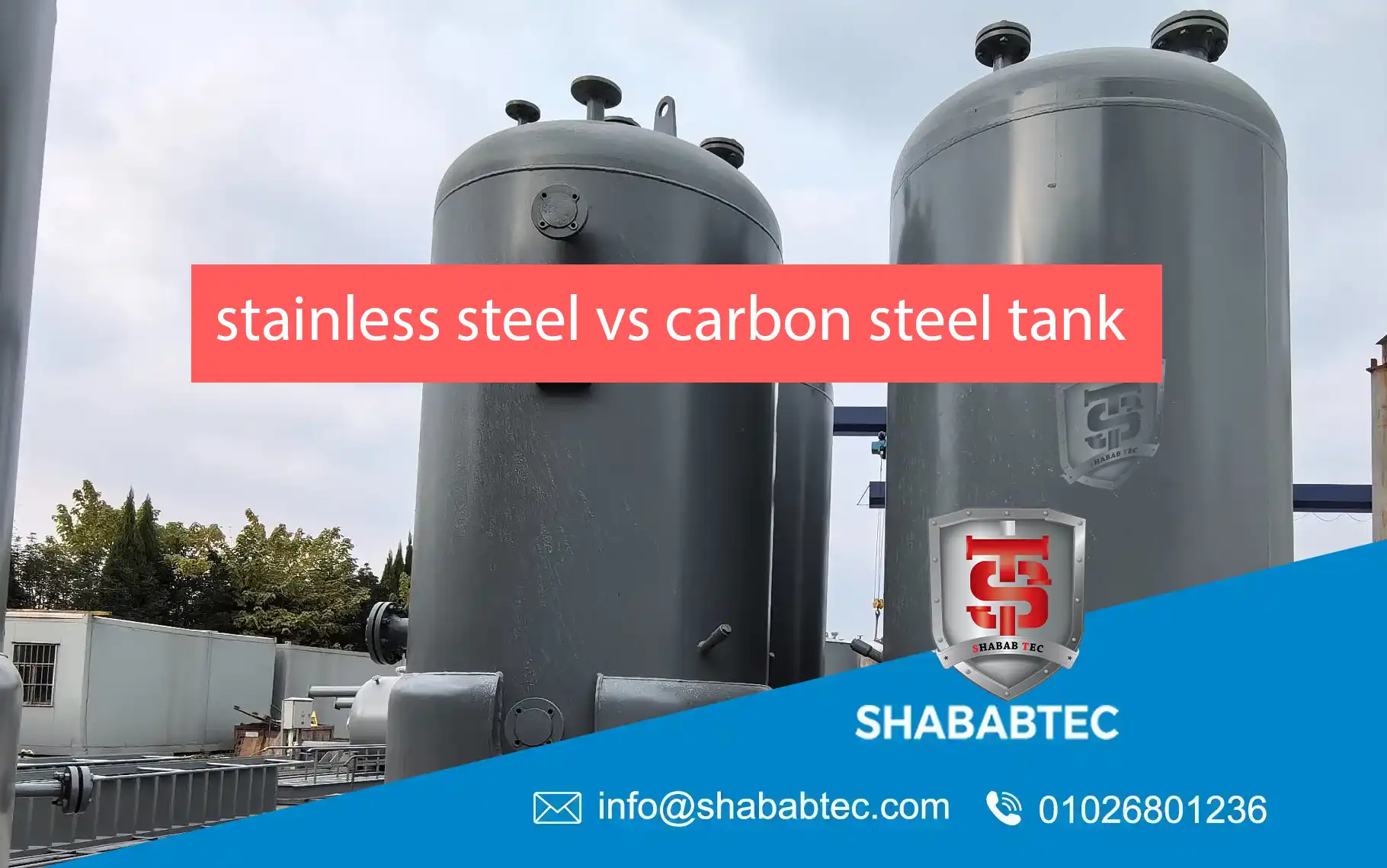
Stainless Steel vs Carbon Steel Tank Smart Tank Material Guide for Industrial Buyers
Stainless Steel vs Carbon Steel Tank Complete Tank Material Guide for Industrial Buyers
Choosing between a stainless steel vs carbon steel tank is an important decision for any factory planning to buy a mixing tank, storage tank, process tank, or industrial production vessel. The tank material affects corrosion resistance, hygiene, cleaning, strength, lifetime, maintenance cost, and product quality. A wrong material choice can lead to rust, contamination, leakage, coating failure, difficult cleaning, or early tank replacement.
A proper mixing tank material comparison helps buyers understand when stainless steel is the better choice and when carbon steel may be suitable. Not every production process needs the same material. A food syrup tank, cosmetic cream tank, pharmaceutical liquid tank, chemical adhesive tank, fertilizer tank, paint tank, and simple industrial storage tank all have different requirements.
This tank material guide explains the main differences between stainless steel and carbon steel, how to compare industrial tank materials, and what factories should check before choosing a corrosion resistant tank. It also gives a practical steel mixing tank comparison for food, cosmetics, pharmaceuticals, chemicals, detergents, adhesives, fertilizers, sauces, creams, gels, and semi-solid products.
See Also: Industrial Stainless Steel Mixing Tanks – Complete Guide
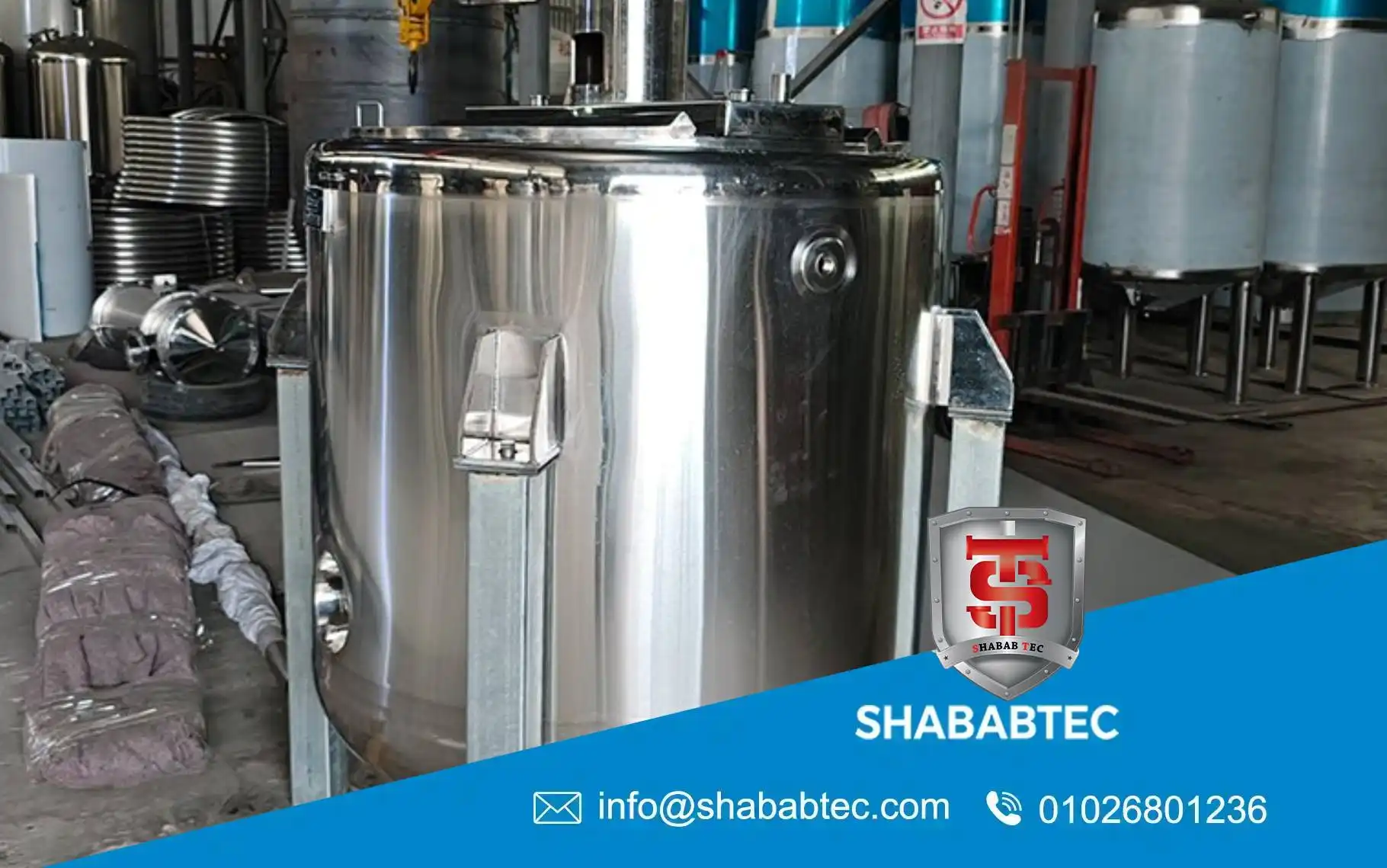
Why Tank Material Selection Matters
The material of a tank is not only about appearance or initial price. It directly affects the safety and performance of the full production process. The tank will be in contact with raw materials, finished product, cleaning chemicals, heat, moisture, and sometimes pressure or vacuum. If the material is not suitable, problems may appear quickly.
A good material should match the product formula, operating temperature, cleaning method, corrosion risk, hygiene requirement, and expected working life. This is why a real mixing tank material comparison should start with the product, not the budget only.
For example, stainless steel may be preferred for food and pharmaceutical production because it is easier to clean and more corrosion resistant. Carbon steel may be used in some non-hygienic industrial applications when the product is not aggressive and when coating or lining is suitable.
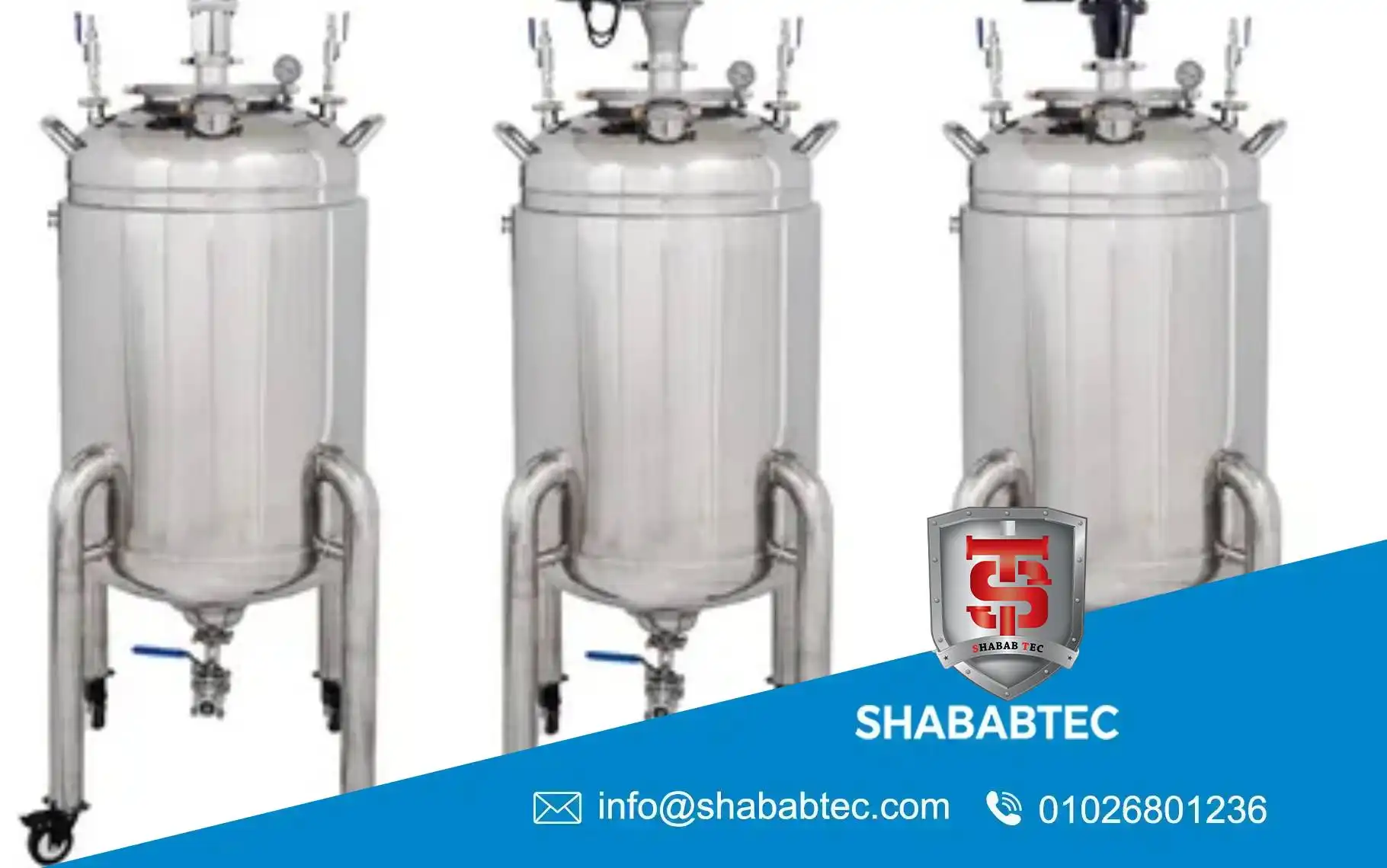
What is a Stainless Steel Tank?
A stainless steel tank is made from stainless steel grades such as 304, 316, or 316L. Stainless steel is widely used in industrial tanks because it resists corrosion better than carbon steel, has a clean surface, and can be polished for hygienic applications.
Stainless steel is commonly used in food, cosmetics, pharmaceuticals, detergents, syrups, creams, lotions, gels, ointments, sauces, chocolate, liquid medicine, and many chemical applications.
In a steel mixing tank comparison, stainless steel is usually the preferred option when the product touches the internal tank surface directly and needs hygiene, easy cleaning, or higher resistance to corrosion.
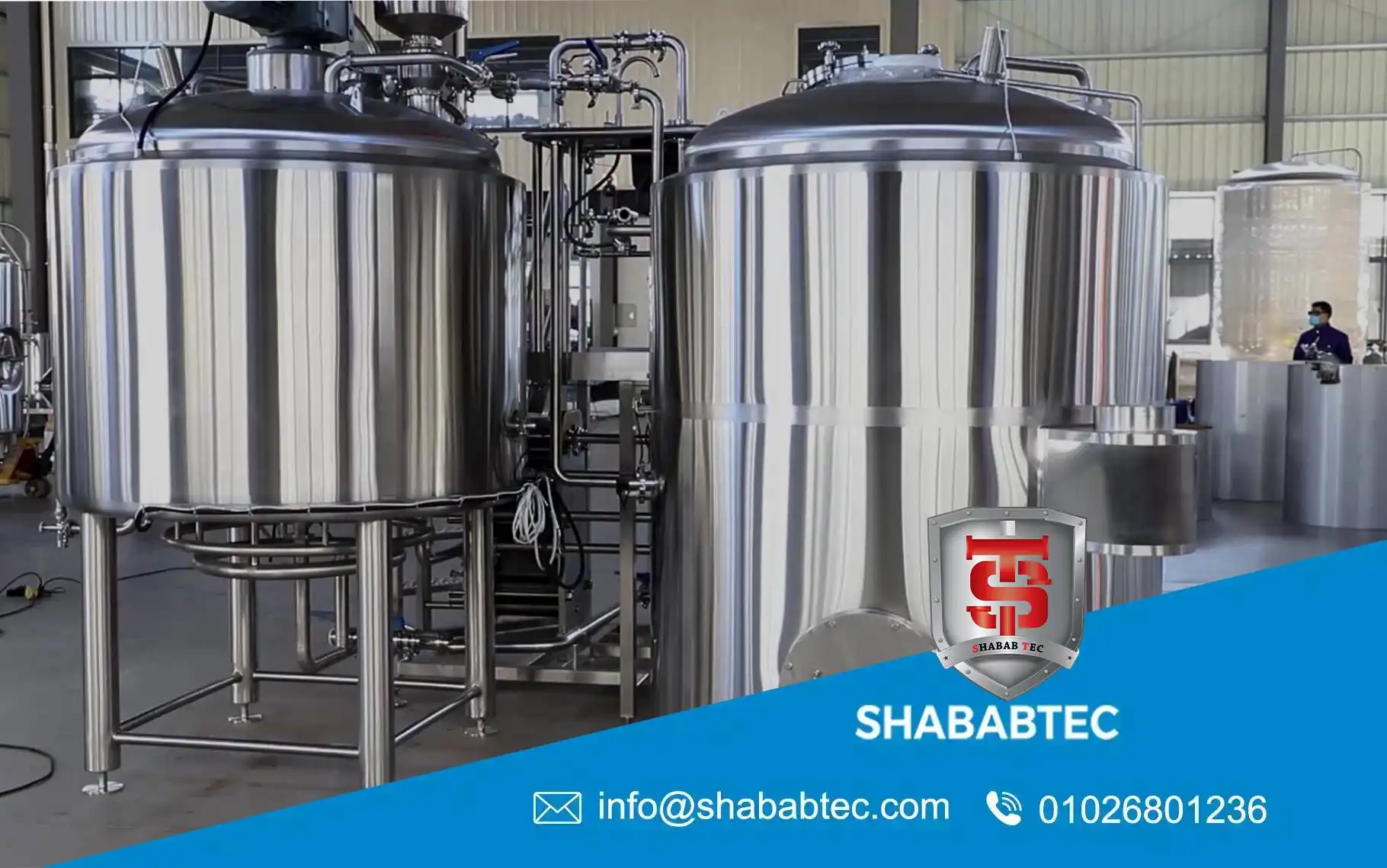
What is a Carbon Steel Tank?
A carbon steel tank is made from carbon steel, a strong and practical material used in many industrial applications. Carbon steel is usually less expensive than stainless steel and can provide good structural strength.
However, carbon steel does not have the same natural corrosion resistance as stainless steel. It can rust when exposed to moisture, water, acids, salts, or aggressive chemicals unless it is protected with coating, painting, lining, or other surface treatment.
Carbon steel tanks may be used for some industrial products, non-food applications, fuel, oils, some chemicals, water treatment, or processes where hygiene is not critical and corrosion protection is properly designed.
Stainless Steel vs Carbon Steel Tank: Main Difference
The main difference in a stainless steel vs carbon steel tank comparison is corrosion resistance. Stainless steel naturally offers better corrosion resistance, while carbon steel usually needs protection if it will contact water, chemicals, or humid environments.
| Comparison Point | Stainless Steel Tank | Carbon Steel Tank |
| Corrosion resistance | High | Low without coating or lining |
| Hygiene | Very good for food, cosmetic, and pharmaceutical use | Limited unless lined or specially treated |
| Cleaning | Easier to clean and polish | May need coating protection and careful cleaning |
| Initial cost | Higher | Lower |
| Maintenance | Usually lower in suitable applications | May be higher due to coating, rust, or surface care |
| Common use | Food, cosmetics, pharmaceuticals, detergents, sensitive chemicals | General industrial use, oils, non-hygienic storage, coated chemical tanks |
| Surface finish | Can be polished smoothly | Usually painted, coated, or lined |
This mixing tank material comparison shows that carbon steel can be cost-effective in some applications, but stainless steel is usually safer when hygiene, corrosion resistance, and product purity matter.
Industrial Tank Materials: What Buyers Should Compare
When comparing industrial tank materials, buyers should look beyond the basic material name. The right choice depends on how the tank will work in real production.
Important factors include:
- Product formula
- Product acidity or alkalinity
- Salt or chloride content
- Operating temperature
- Cleaning chemicals
- Hygiene requirements
- Corrosion risk
- Tank lifetime expectation
- Maintenance capability
- Initial budget
- Need for coating or lining
A proper tank material guide should help buyers balance cost, safety, durability, and long-term performance.
When Stainless Steel is the Better Choice
Stainless steel is usually the better choice when the tank needs to be hygienic, easy to clean, and resistant to corrosion. It is also preferred when the final product must not be contaminated by rust, coating particles, or material reaction.
Food Production
Food factories usually prefer stainless steel for sauces, syrups, chocolate, jam, fruit products, dairy-like products, and liquid food processing. The smooth surface helps cleaning and reduces product buildup.
Cosmetic Production
Cosmetic products such as creams, lotions, shampoos, liquid soap, gels, and emulsions need clean and corrosion-resistant contact surfaces. Stainless steel is a practical choice for these products.
Pharmaceutical Production
Pharmaceutical syrups, liquid medicine, ointments, gels, and semi-solid products often require stainless steel, especially when hygiene and cleaning are critical.
Detergent and Liquid Soap Production
Many detergent and liquid soap products are prepared in stainless steel tanks because they contain surfactants, water, fragrances, colors, and other ingredients that need clean processing.
Corrosive or Sensitive Products
If the product contains salts, acids, active ingredients, or aggressive cleaning chemicals, a corrosion resistant tank may be needed. Stainless steel 316 or 316L may be preferred in more demanding cases.
When Carbon Steel May Be Suitable
Carbon steel may be suitable when the product is not highly corrosive, hygiene is not a major concern, and the tank can be protected with proper coating or lining. It can also be useful when structural strength is needed at a lower initial cost.
Non-Hygienic Industrial Storage
Some factories use carbon steel tanks for non-food and non-pharmaceutical storage where product purity is less sensitive.
Oil and Fuel Applications
Carbon steel is commonly used in some oil, fuel, and heavy industrial applications where corrosion control is handled through proper design and coating.
Coated Chemical Tanks
Some chemical products may be stored or processed in coated carbon steel tanks. The coating must be compatible with the chemical formula and operating conditions.
Low-Budget Industrial Projects
Carbon steel can reduce initial cost, but buyers should calculate maintenance, coating repair, corrosion risk, and expected lifetime before choosing it.
Steel Mixing Tank Comparison by Industry
Food Industry
In food production, stainless steel is usually the better option because it supports hygiene, cleaning, and corrosion resistance. Products such as sauce, jam, syrup, chocolate, and fruit fillings can be sticky and may require frequent cleaning. Carbon steel is usually not preferred for direct food contact unless properly lined and approved for the application.
Cosmetic Industry
Cosmetic products need clean surfaces and easy washing. Stainless steel is commonly used for creams, lotions, shampoo, gels, and liquid soap. A steel mixing tank comparison for cosmetics usually favors stainless steel because of hygiene and surface finish.
Pharmaceutical Industry
Pharmaceutical production usually requires stainless steel because product safety, cleaning, and contamination control are critical. Stainless steel 316L may be preferred for stricter applications.
Chemical Industry
The chemical industry needs careful material selection. Some chemicals can be handled in stainless steel, while others may require special lining or different materials. Carbon steel may be used when properly coated and when the formula allows it.
Paint and Coating Industry
Paint and coating products may use stainless steel or coated carbon steel depending on the formula, solvent content, cleaning process, and budget. Pigments and fillers may also affect wear and cleaning.
Adhesive Industry
Adhesives can be sticky and sometimes chemically active. Stainless steel is easier to clean, while carbon steel may require coating or lining. The right choice depends on the adhesive formula.
Fertilizer Industry
Fertilizer products may contain salts and corrosive ingredients. A corrosion resistant tank is often important. Stainless steel 316 or special lining may be needed depending on the formula.
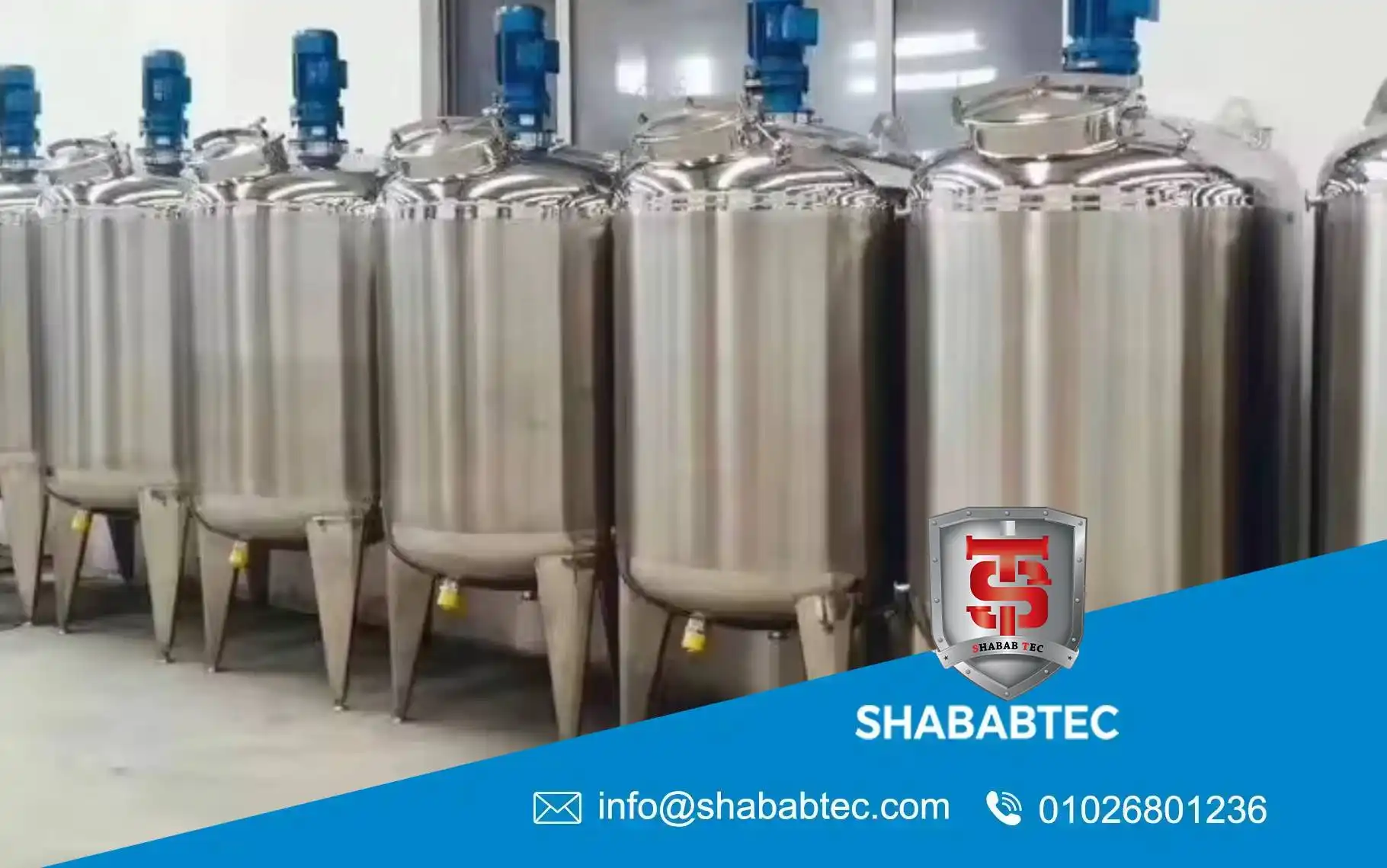
Corrosion Resistant Tank: Why It Matters
A corrosion resistant tank is designed to resist damage caused by water, acids, salts, chemicals, cleaning agents, or humid environments. Corrosion is not only a visual problem. It can reduce tank strength, contaminate the product, damage welds, create rough surfaces, and shorten equipment lifetime.
Signs of corrosion problems include:
- Rust spots
- Pitting on the internal surface
- Surface discoloration
- Rough areas inside the tank
- Coating peeling
- Leakage from weak areas
- Product contamination
- Difficult cleaning
If the product or cleaning process creates corrosion risk, stainless steel or a properly designed protective lining should be considered from the beginning.
Mixing Tank Material Comparison: Stainless Steel 304, 316, and Carbon Steel
Stainless Steel 304
Stainless steel 304 is widely used for food, cosmetics, detergents, syrups, sauces, and general liquid production. It offers good corrosion resistance and practical cost for many standard applications.
Stainless Steel 316
Stainless steel 316 provides higher corrosion resistance than 304 and is often selected for acidic, salt-rich, pharmaceutical, or more demanding chemical applications.
Stainless Steel 316L
Stainless steel 316L is commonly used in applications that require higher hygiene and stronger corrosion resistance. It is often preferred for pharmaceutical and sensitive production processes.
Carbon Steel
Carbon steel offers strength and lower initial cost, but it needs coating, lining, or painting to resist corrosion in many environments. It is not usually preferred for direct contact with food, cosmetics, or pharmaceutical products unless specially treated for the application.
Carbon Steel Coating and Lining
When carbon steel is used in industrial tanks, coating or lining is often needed to protect the metal from corrosion and product reaction. The coating acts as a barrier between the product and the carbon steel surface.
Common protection methods may include:
- Industrial paint coating
- Epoxy lining
- Rubber lining
- Special chemical-resistant lining
- External protective painting
However, coating is not a permanent solution if the product is aggressive or if cleaning is harsh. Coating can scratch, peel, or wear over time. If the coating fails, the carbon steel underneath may start to rust. This should be considered in any industrial tank materials comparison.
Hygiene and Cleaning Comparison
Stainless steel is usually easier to clean because it can be polished to a smooth surface. This reduces product buildup and supports better hygiene. It is especially useful for products such as syrup, cream, lotion, gel, ointment, sauce, chocolate, jam, liquid medicine, and shampoo.
Carbon steel may be more difficult to clean if the coating surface is rough, damaged, or incompatible with cleaning chemicals. If the coating is scratched, cleaning can expose the steel to moisture and corrosion.
For food, cosmetic, and pharmaceutical tanks, hygiene usually makes stainless steel the stronger choice in a stainless steel vs carbon steel tank comparison.
Cost Comparison: Initial Price vs Long-Term Cost
Carbon steel usually has a lower initial price than stainless steel. This can make it attractive for some projects. However, the long-term cost may be higher if coating, maintenance, corrosion repair, downtime, or replacement is needed.
Stainless steel usually costs more at the beginning, but it may provide better lifetime value in applications where corrosion resistance and hygiene are important.
When comparing cost, buyers should consider:
- Initial tank price
- Coating or lining cost
- Maintenance cost
- Cleaning time
- Risk of corrosion
- Downtime risk
- Product contamination risk
- Expected tank lifetime
- Resale or reuse value
A lower initial price is not always the better investment if the material does not match the production process.
Tank Material Guide Based on Product Type
Water-Based Products
Many water-based products can be processed in stainless steel 304. Carbon steel may rust if exposed to water unless properly coated.
Acidic Products
Acidic products may require stainless steel 316, 316L, or special lining depending on strength and temperature. Carbon steel is usually risky without strong protection.
Salt-Rich Products
Salt and chlorides can increase corrosion risk. A corrosion resistant tank should be considered, often with stainless steel 316 or another suitable material.
Viscous Products
Viscous products such as creams, adhesives, gels, chocolate, and pastes need smooth internal surfaces for easier cleaning and discharge. Stainless steel is usually preferred because it can be polished well.
Powder-Containing Products
Paints, fertilizers, and suspensions may contain abrasive materials. The tank material, coating, and agitator parts should be selected according to wear and corrosion risk.
High-Temperature Products
Heating can increase corrosion activity and affect coatings. Stainless steel is often better for heated food, cosmetic, pharmaceutical, or chemical processes.
Common Mistakes in Choosing Industrial Tank Materials
Choosing Only by Price
Price matters, but choosing the cheapest material can cause expensive problems later if corrosion, coating failure, or contamination occurs.
Ignoring Cleaning Chemicals
Some cleaning chemicals are more aggressive than the product itself. The tank material should resist both the product and the cleaning process.
Using Carbon Steel Without Proper Protection
Unprotected carbon steel can rust when exposed to moisture or chemicals. If carbon steel is selected, coating or lining must be reviewed carefully.
Assuming All Stainless Steel is the Same
Stainless steel 304, 316, and 316L are not the same. The right grade depends on corrosion risk, hygiene needs, and product formula.
Ignoring Long-Term Maintenance
A tank that needs constant coating repair or corrosion treatment may cost more over time than a higher-quality stainless steel tank.
Not Reviewing Product Formula
Material selection should be based on actual product ingredients, concentration, temperature, and cleaning chemicals.
How to Choose Between Stainless Steel and Carbon Steel
Before deciding between a stainless steel vs carbon steel tank, buyers should answer a few practical questions:
- What product will be mixed or stored?
- Is the product food, cosmetic, pharmaceutical, chemical, or industrial?
- Does the product contain water, salt, acid, alkali, or solvent?
- Does the process need heating or cooling?
- What cleaning chemicals will be used?
- Is hygiene important?
- Is corrosion resistance critical?
- Will the tank need internal polishing?
- Can the factory maintain coatings or linings?
- What is the expected tank lifetime?
- What is the total cost, including maintenance?
These questions make the mixing tank material comparison more accurate and help avoid wrong material selection.
Why ShababTec Helps Buyers Choose the Right Tank Material
ShababTec provides stainless steel equipment and industrial mixing systems for liquid and semi-solid production. The company supports factories working with food, cosmetics, pharmaceuticals, chemicals, detergents, adhesives, fertilizers, sauces, syrups, chocolate, jam, creams, gels, ointments, and other industrial products.
For buyers comparing industrial tank materials, ShababTec can help review product type, viscosity, corrosion risk, cleaning method, heating or cooling needs, and hygiene requirements before suggesting the right tank material.
This makes the steel mixing tank comparison more practical because the choice is based on real production behavior, not only general material names. Whether the factory needs a stainless steel tank, a corrosion resistant tank, or a customized process tank, the material should match the actual product and long-term operation needs.
Maintenance Tips Based on Tank Material
Stainless Steel Tank Maintenance
- Clean the tank after each batch
- Use cleaning chemicals suitable for stainless steel
- Avoid leaving aggressive products inside the tank for long periods
- Inspect internal surfaces for scratches or stains
- Check welds and valves regularly
- Rinse properly after cleaning
- Review material compatibility when changing formulas
Carbon Steel Tank Maintenance
- Inspect coating or lining regularly
- Repair scratches or damaged coating quickly
- Prevent moisture exposure where possible
- Check for rust spots
- Avoid aggressive cleaning chemicals unless the lining allows them
- Monitor welded areas and outlets
- Plan periodic repainting or relining when needed
Final Thoughts
A clear stainless steel vs carbon steel tank comparison helps factories choose equipment that matches product safety, corrosion resistance, hygiene, cleaning, and long-term cost. Stainless steel is usually better for food, cosmetic, pharmaceutical, detergent, syrup, cream, gel, sauce, and sensitive chemical applications. Carbon steel may be suitable for some general industrial uses when corrosion protection is properly designed.
The right mixing tank material comparison should include product formula, cleaning chemicals, temperature, viscosity, corrosion risk, hygiene needs, coating requirements, and expected lifetime. A practical tank material guide should focus on total value, not only the first purchase price.
For factories that need help comparing industrial tank materials, ShababTec offers practical support in selecting and fabricating tanks that match real production needs. The right corrosion resistant tank can reduce maintenance problems, protect product quality, and support stable production for years.
FAQ – Stainless Steel vs Carbon Steel Tank
What is the main difference between stainless steel vs carbon steel tank?
The main difference is corrosion resistance. Stainless steel resists corrosion better and is easier to clean, while carbon steel usually needs coating or lining to prevent rust.
What should a mixing tank material comparison include?
A mixing tank material comparison should include corrosion resistance, hygiene, cleaning method, product compatibility, operating temperature, coating needs, maintenance cost, and expected tank lifetime.
What are common industrial tank materials?
Common industrial tank materials include stainless steel 304, stainless steel 316, stainless steel 316L, carbon steel, and coated or lined steel depending on the application.
Which is better in steel mixing tank comparison?
Stainless steel is better for hygiene, corrosion resistance, and easy cleaning. Carbon steel may be suitable for lower-cost industrial applications when coating or lining is acceptable.
When do I need a corrosion resistant tank?
You need a corrosion resistant tank when the product contains water, salts, acids, aggressive chemicals, cleaning agents, or when hygiene and long equipment lifetime are important.
What is the best tank material guide for buyers?
The best tank material guide is to choose material based on product formula, corrosion risk, hygiene level, cleaning chemicals, temperature, viscosity, maintenance ability, and long-term cost.
See Also: mixing technologies comparison | detergent production tank