
Integrated Industrial Solutions for Your Facility
Engineering, fabrication, and turnkey execution of
Clean Rooms, Processing Systems, RO Units, CIP/SIP Systems,
and Sanitary Stainless Steel Equipment.
Free Engineering Consultation
PHARMACEUTICAL POWDER PROCESSING • EGYPT
Pharmaceutical Powder & Solid Processing Equipment
Powder mixing and handling solutions selected around the actual material, batch requirement, mixing performance and production workflow.
ShababTec supports powder processing applications with double cone mixers, V-blenders, ribbon blenders, high-shear mixers, powder feeding systems, capsule polishers, magnetic detectors and related powder-handling solutions.
Process-First Selection
Powder Mixing & Handling
Custom Engineering
Installation & Commissioning
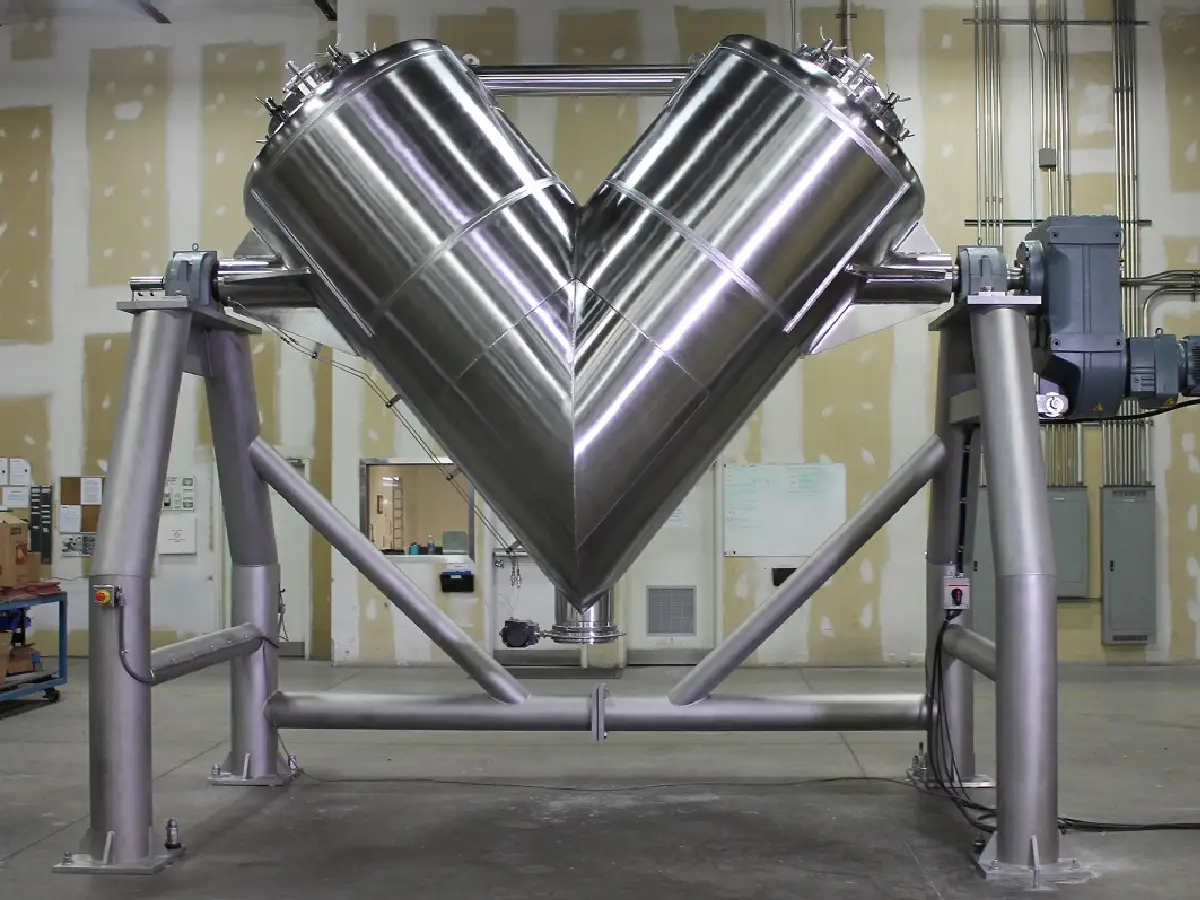
POWDER PROCESSING SYSTEMS
Powder Processing Built Around the Production Flow
Powders do not behave like liquids. Flowability, particle differences, segregation tendency, shear sensitivity and discharge behaviour can change the correct equipment choice.
ShababTec therefore reviews the material and production requirement before defining the equipment. The mixer should be considered together with feeding, discharge, material transfer, cleaning, room layout and the next production step.
Powder Flowability
Batch Requirement
Mixing Performance
Segregation Risk
Cleaning
Production Workflow
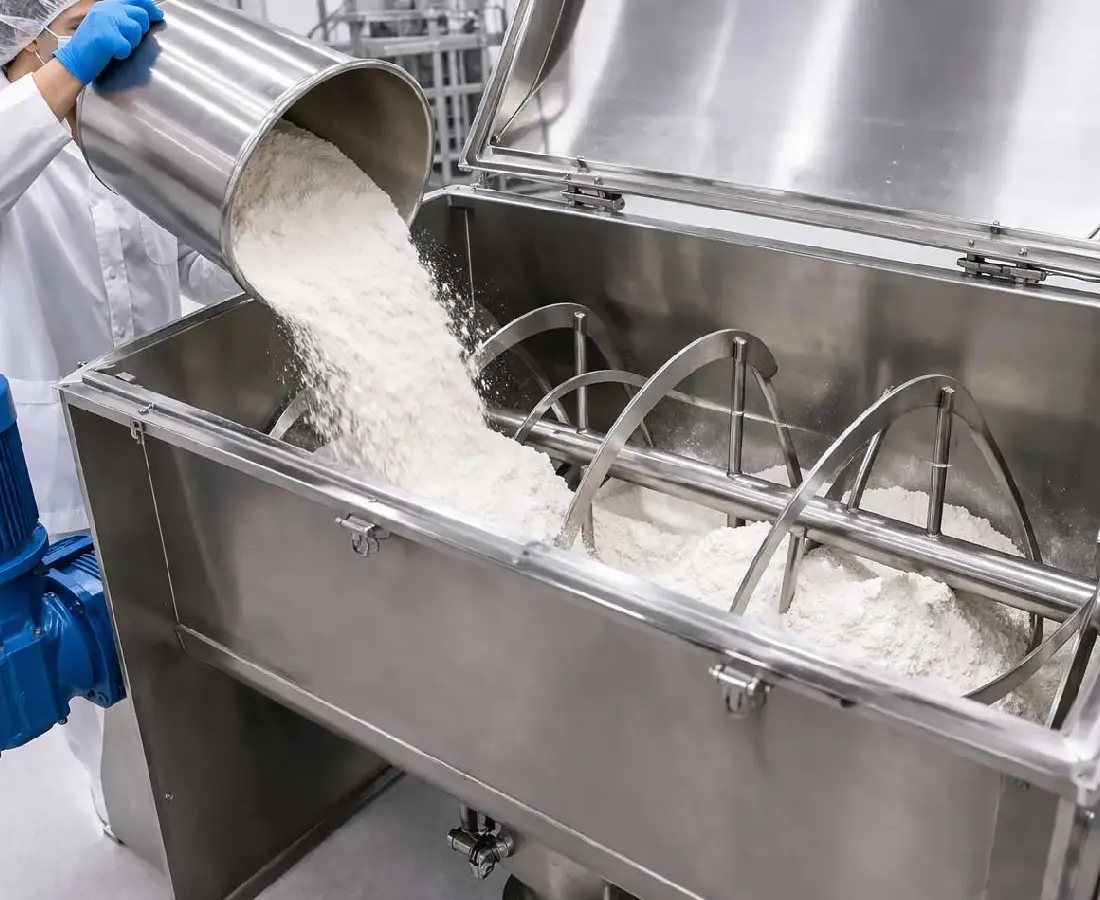
PROCESS FLOW
From Powder Feeding to Downstream Handling
Equipment selection becomes clearer when every machine is assigned a specific role in the production flow.
Material Preparation
Define the ingredients, batch sequence and how raw materials arrive at the processing area.
Powder Feeding
Select the feeding approach around material behaviour, operator handling and the receiving equipment.
Mixing & Blending
Choose the mixing concept according to the powder and required blending performance.
Discharge & Transfer
Coordinate how the blended batch leaves the mixer and reaches the next production stage.
Downstream Support
Capsule polishing, magnetic detection or other confirmed support equipment can be integrated where relevant.
Scope boundary:
Not every oral-solid-dose processing step is claimed as a ShababTec
product on this page. Final project scope is confirmed during technical review.
ENGINEERING SELECTION
Powder Behaviour Comes Before Mixer Selection
A machine that performs well with one formulation may not be the correct choice for another. These process factors should be reviewed before selecting the mixer or feeding system.
Flowability
How easily does the powder feed, move and discharge from equipment?
Segregation Tendency
Differences in particle size, density or composition can affect how the blend behaves after mixing.
Shear Sensitivity
Fragile powders or granules may require gentler handling than products that tolerate stronger mechanical action.
Batch Requirement
Production quantity and operating method influence equipment scale and workflow.
Ingredient Proportions
Large differences in ingredient ratio can make uniform distribution more demanding.
Dust & Handling
Charging, discharge, operator exposure and any required containment strategy must be considered early.
MIXER SELECTION
Which Mixing Concept Fits the Requirement?
The table provides an engineering direction only. Final suitability depends on the actual powder, formulation and production process.
| Equipment Concept | Typical Selection Direction | Questions to Resolve |
|---|---|---|
| Double Cone Blender Tumbling dry-powder blending concept. | Consider where gentle tumbling action is suitable for the powder and required blending operation. | Flowability, ingredient differences, working condition, charging, discharge and segregation after blending. |
| V-Blender Tumbling blender for suitable free-moving powder systems. | Can be evaluated for dry blending where the material and formulation are compatible with tumbling action. | Powder movement, blend challenge, ingredient ratio, fill condition, discharge and cleaning. |
| Ribbon Blender Mechanically driven bulk powder movement. | Consider when more active internal mixing is appropriate than a rotating-vessel concept. | Powder behaviour, mechanical sensitivity, cleaning access, batch sequence and discharge. |
| High-Shear Mixer Higher-intensity mechanical processing. | Consider only where the production method requires stronger mechanical action than conventional dry blending. | Required process outcome, product sensitivity, heat generation, cleaning and downstream requirements. |
EQUIPMENT RANGE
Powder & Solid Processing Equipment
Explore the confirmed ShababTec powder-processing equipment families and select the relevant child page for deeper technical evaluation.
Powder Mixing Technology
Powder-mixing concepts and selection according to material and production requirements.
Explore powder mixing →Double Cone & V-Blenders
Tumbling blender configurations for suitable pharmaceutical and industrial dry-powder applications.
Explore tumble blenders →Ribbon & High-Shear Mixers
Alternative mixing concepts for processes requiring different mechanical interaction with the product.
Explore mixer options →Powder Feeding Systems
Feeding and material-handling support coordinated with the source, mixer and next process step.
Explore feeding systems →Capsule Polishers
Downstream capsule-handling equipment for suitable pharmaceutical production workflows.
Explore capsule polishers →Magnetic Detectors
Supporting inspection equipment for appropriate powder and solid-processing production lines.
Explore magnetic detectors →
POWDER HANDLING
Feeding, Transfer, Dust & Containment Considerations
Selecting the blender without studying charging and discharge can leave important operating problems unresolved.
Define whether powder arrives in bags, containers or another production format.
Review how operators or feeding equipment introduce ingredients into the process.
Identify locations where powder release could affect operators, cleaning or the surrounding production area.
Any defined containment level must be communicated before system configuration and separately engineered.
Confirm whether the blended powder flows freely or requires special consideration during emptying.
The next process, travel distance and receiving equipment should be defined before final layout.
Product-contact surfaces and components should remain practical to inspect and clean.
Equipment access, operator movement and surrounding controlled areas affect the final arrangement.
No universal containment or ATEX claim is made here.
If the process has an OEB target, hazardous-dust classification or another special containment requirement, it must be specified and confirmed as part of the project engineering scope.
DOWNSTREAM INTEGRATION
The Mixer Is Not the End of the Process
Blend quality can only be useful when the material can leave the mixer and reach the next production stage in a practical, controlled manner.
For applicable ShababTec projects, powder feeding, discharge and downstream supporting equipment can be coordinated with the production workflow. Capsule polishing and magnetic detection are part of the currently published product range.
Granulation, drying, tablet compression and capsule filling are not being claimed as ShababTec product categories on this page unless separately confirmed.
PROJECT EXECUTION
From Requirement Study to Commissioning
ShababTec coordinates powder equipment with the actual production environment and agreed engineering scope.
 01
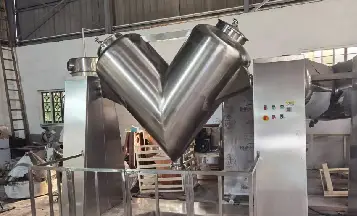
01Requirement Study
Review powder type, production flow, facility, utilities, cleaning and project objectives.
 02
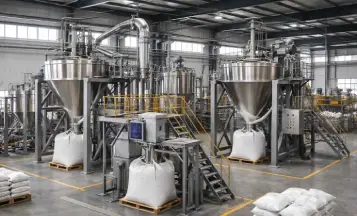
02Engineering Design
Define equipment concept, arrangement, feeding, discharge and integration requirements.
 03
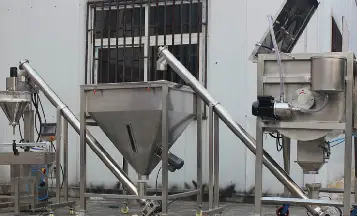
03Manufacturing & Fabrication
Prepare the agreed equipment and stainless-steel components according to the approved scope.
 04
04Installation
Coordinate positioning, assembly and the relevant site integration requirements.
 05
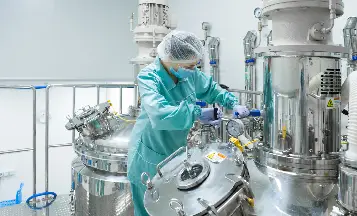
05Testing & Commissioning
Check and adjust supplied equipment and prepare it for operation and handover.
 06
06Documentation & Support
Provide agreed documentation, maintenance guidance and after-sales technical support.
BEFORE REQUESTING A QUOTE
What to Send for a Powder Processing RFQ
The quality of the technical proposal depends on the information available before equipment selection begins.
Powder / Product
Identify the material or formulation that will be processed.
Batch Requirement
State the intended production or batch requirement.
Powder Behaviour
Describe flowability, cohesiveness and any known handling issues.
Ingredient Differences
Provide known differences in particle size, density or addition ratio.
Mixing Objective
Explain what the blending step is expected to achieve.
Feeding & Discharge
Describe how material enters the mixer and where it goes next.
Cleaning / Containment
State cleaning expectations and any defined containment requirement.
Facility Information
Share available layout, room constraints and downstream equipment.
ENGINEERING REVIEW
Send Your Requirements
Already have a URS, layout or powder process requirement?
Send the available information so ShababTec can review the appropriate equipment and project scope.
REGULATED PRODUCTION
Cleaning, Documentation & Compliance Considerations
Pharmaceutical powder equipment should be evaluated not only for mixing performance but also for cleaning, material flow, operator handling, facility integration and the documentation required by the project.
ShababTec's wider engineering workflow includes documentation and validation support according to project scope, together with installation, commissioning and after-sales assistance.
Standards are project-specific.
This page does not claim GMP certification, ATEX certification,
OEB containment performance or a specific regulatory classification
for every powder-processing configuration.
POWDER PROCESSING RANGE
Explore the Equipment in More Detail
FAQ
Pharmaceutical Powder Processing FAQ
What powder processing equipment does ShababTec provide?
ShababTec's published range includes powder mixing systems, double cone mixers, V-blenders, ribbon blenders, high-shear mixers, powder feeding systems, capsule polishers, magnetic detectors and related powder-handling solutions.
How do I choose the right pharmaceutical powder mixer?
Start with the powder characteristics and required process. Flowability, segregation tendency, particle differences, sensitivity to mechanical action, batch requirement, charging, discharge, cleaning and the next production step should all be considered before selecting the mixer.
What is the difference between a V-blender and a ribbon blender?
A V-blender uses tumbling movement of the vessel to redistribute powder, while a ribbon blender uses an internal mechanical mixing element. The correct choice depends on the material and required mixing action rather than one design being universally better.
When should a high-shear mixer be considered?
High-shear equipment should be considered only where the process requires stronger mechanical action than conventional blending. Final suitability depends on the actual product and processing objective.
Why is powder flowability important?
Flowability affects feeding, movement inside equipment, discharge and transfer to downstream operations. Poor flow can therefore affect both equipment selection and the practical layout of the line.
Can feeding and transfer be considered with the mixer?
Yes. ShababTec's published powder range includes feeding systems and related powder-handling solutions. The source, mixer, discharge point and next process should be reviewed together.
Does ShababTec provide installation and commissioning in Egypt?
Yes. ShababTec's published project workflow includes engineering, manufacturing and fabrication, installation, testing, commissioning, documentation support and after-sales assistance.
What information should I send for a powder equipment quotation?
Provide the product or powder type, batch requirement, known material behaviour, ingredient differences, mixing objective, feeding and discharge method, cleaning requirements, any containment requirements, facility constraints and downstream equipment information.
START WITH THE POWDER & PROCESS
Define Your Powder Processing Requirement with ShababTec
Share the material, batch requirement, mixing objective, feeding, discharge and facility information. ShababTec can review the requirement before the equipment and project configuration are defined.
Request an Engineering Review
Discuss Your Project on WhatsApp
ShababTec • Toukh, Qalyubia Governorate, Egypt