Mixing Process Types | Industrial Mixing Methods
Mixing Process Types | Industrial Mixing Methods for Better Product Quality
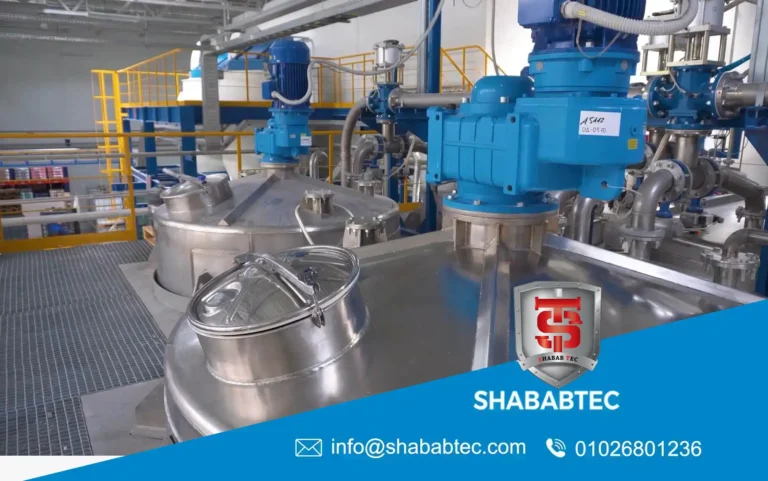
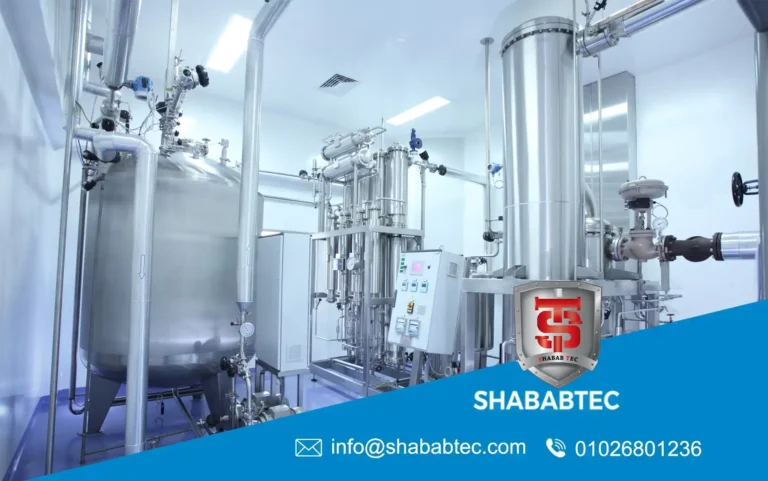
Understanding different mixing process types is essential before choosing any industrial mixing tank or mixer. Not every product needs the same mixing method. A simple liquid may only need gentle blending, while cream may need emulsification, paint may need dispersion, and thick paste may need high-torque mixing with scraper movement.
Many production problems happen because factories use one mixer for every product without studying the actual process. This can lead to poor texture, ingredient separation, powder lumps, weak viscosity, unstable emulsion, sediment, air bubbles, or long batch time. A clear understanding of industrial mixing methods helps factories choose the right equipment from the beginning.
This guide explains the difference between blending vs mixing, how the dispersion process works, when the emulsification process is needed, and which mixing techniques are suitable for food, cosmetics, pharmaceuticals, chemicals, detergents, adhesives, paints, creams, gels, syrups, sauces, and semi-solid products. It also explains why choosing ShababTec can help factories select the correct mixing solution based on real production needs.
See Also: Industrial Stainless Steel Mixing Tanks – Complete Guide
What Are Mixing Process Types?
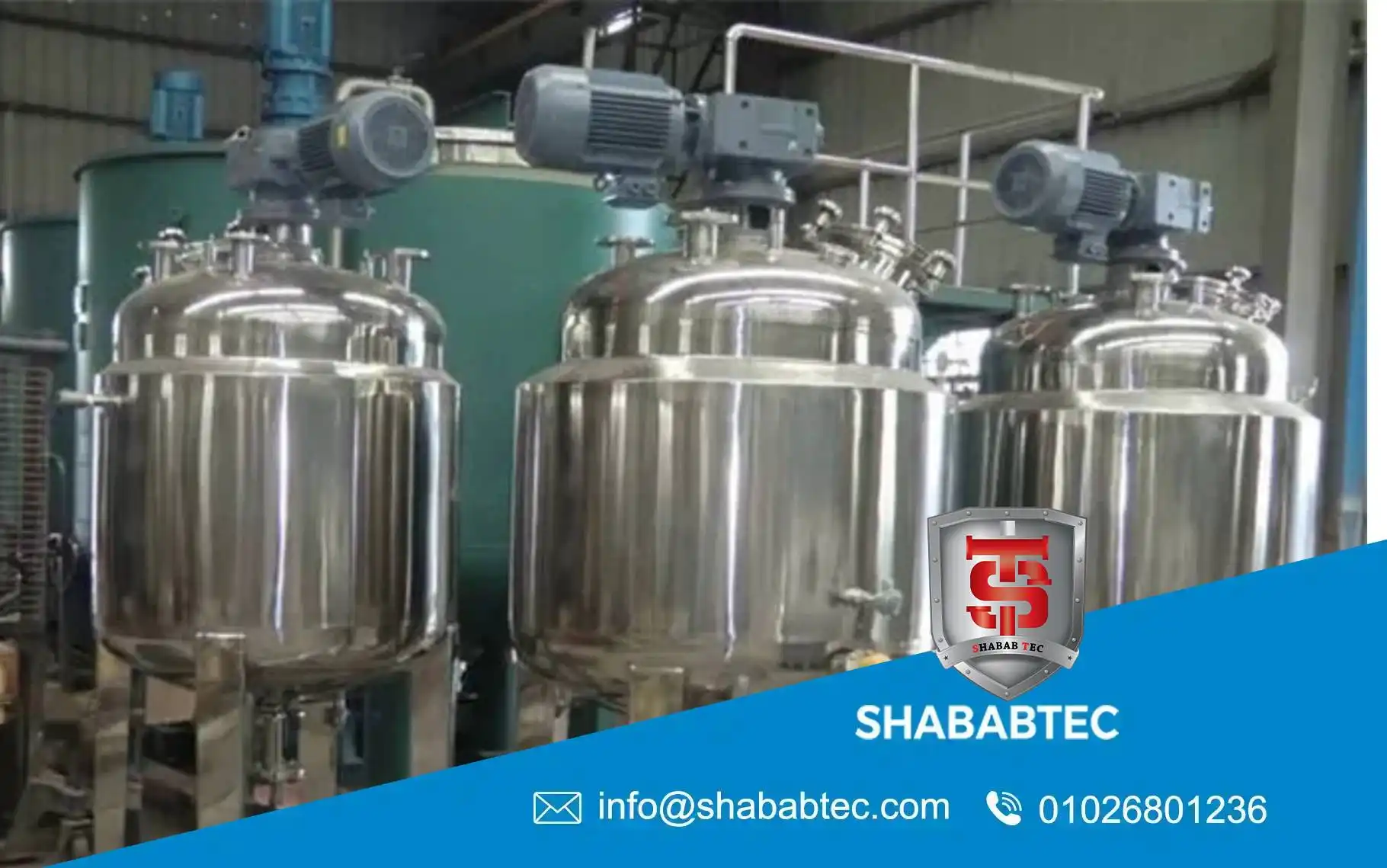
Mixing process types are the different methods used to combine ingredients inside a tank or industrial mixer. The goal may be simple blending, dissolving, suspending solids, dispersing powders, emulsifying oil and water, homogenizing texture, or moving thick materials.
The correct process depends on the product formula and final quality target. For example, liquid soap needs controlled mixing to avoid foam. Cosmetic cream needs emulsification and homogenizing. Paint needs pigment dispersion. Syrup needs dissolving and uniform distribution. Adhesive needs high-torque movement and proper discharge.
Choosing the wrong process can affect product quality even if the tank looks strong. This is why process selection should come before machine selection.
Why Industrial Mixing Methods Matter
Industrial mixing methods affect product stability, production time, texture, appearance, viscosity, and batch consistency. A mixer is not only a rotating blade inside a tank. It creates a specific movement pattern that changes how ingredients behave.
Good industrial mixing can help factories:
- Reduce batch variation
- Improve ingredient distribution
- Reduce lumps and sediment
- Control product viscosity
- Create stable emulsions
- Improve texture and appearance
- Reduce production time
- Improve discharge and filling performance
- Reduce waste and rejected batches
- Make cleaning easier after production
For daily production, the right mixing method can save time and reduce problems more than simply increasing motor speed.
Blending vs Mixing | What is the Difference?
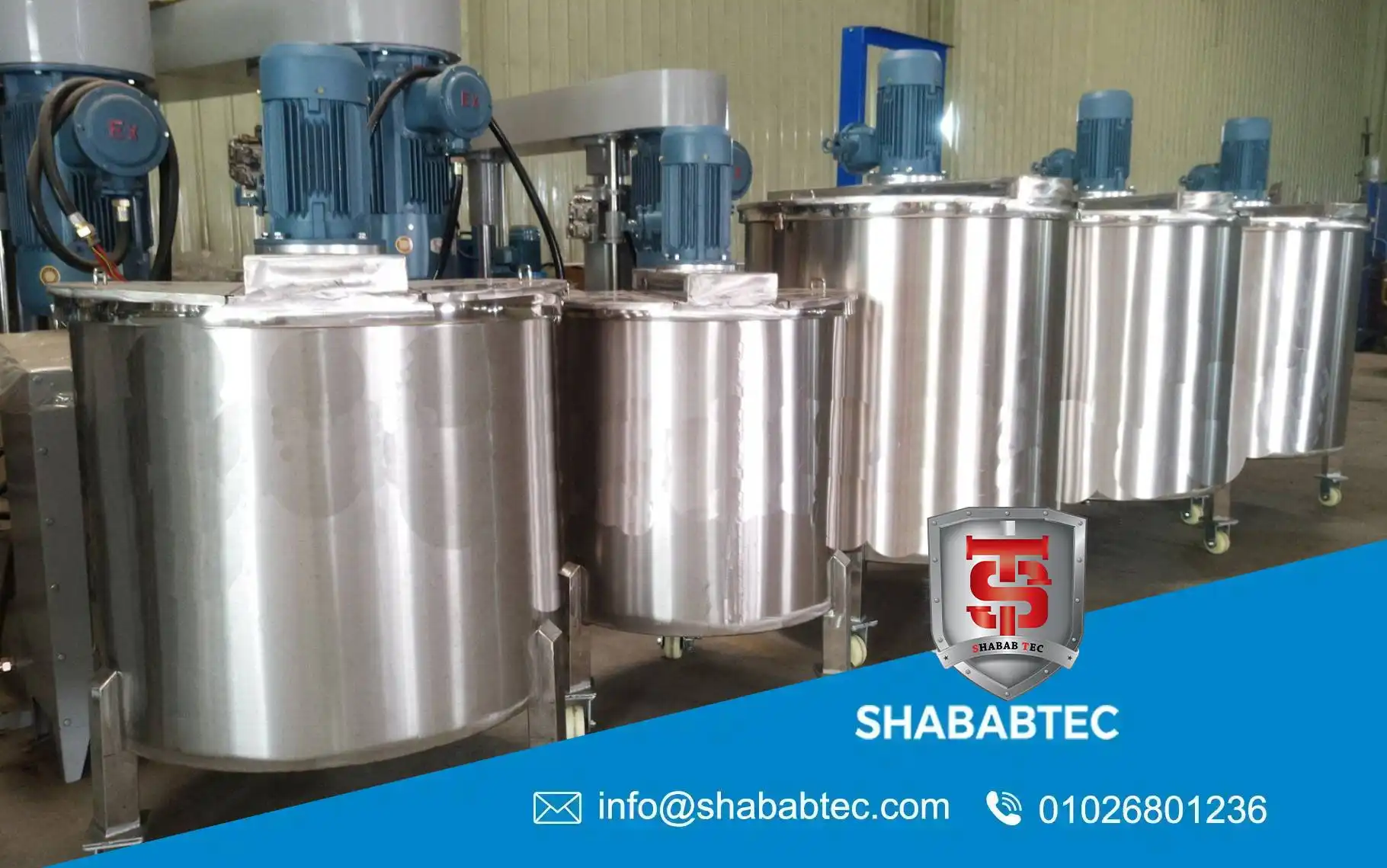
The difference between blending vs mixing is important because many buyers use both words as if they mean the same thing. In industrial production, blending is usually a lighter process, while mixing can include stronger and more complex actions.
Blending usually means combining ingredients that are already easy to mix, such as two compatible liquids or a small amount of color or fragrance in a base liquid. Mixing is a broader term that may include dissolving, dispersion, emulsification, suspension, homogenizing, and high-viscosity processing.
| Comparison Point | Blending | Mixing |
| Main purpose | Gentle combination of compatible materials | Full process of combining, dispersing, emulsifying, or moving ingredients |
| Typical product | Light liquids, simple solutions, fragrance or color addition | Creams, sauces, detergents, paints, adhesives, gels, syrups |
| Mechanical power | Usually lower | Can be low, medium, or high depending on product |
| Complexity | Simple | Can be simple or advanced |
| Equipment need | Basic agitator may be enough | May need agitator, scraper, high shear, homogenizer, or emulsifier |
When comparing blending vs mixing, the practical question is: does the product only need gentle distribution, or does it need a stronger process to become stable and uniform?
Main Mixing Techniques Used in Industry
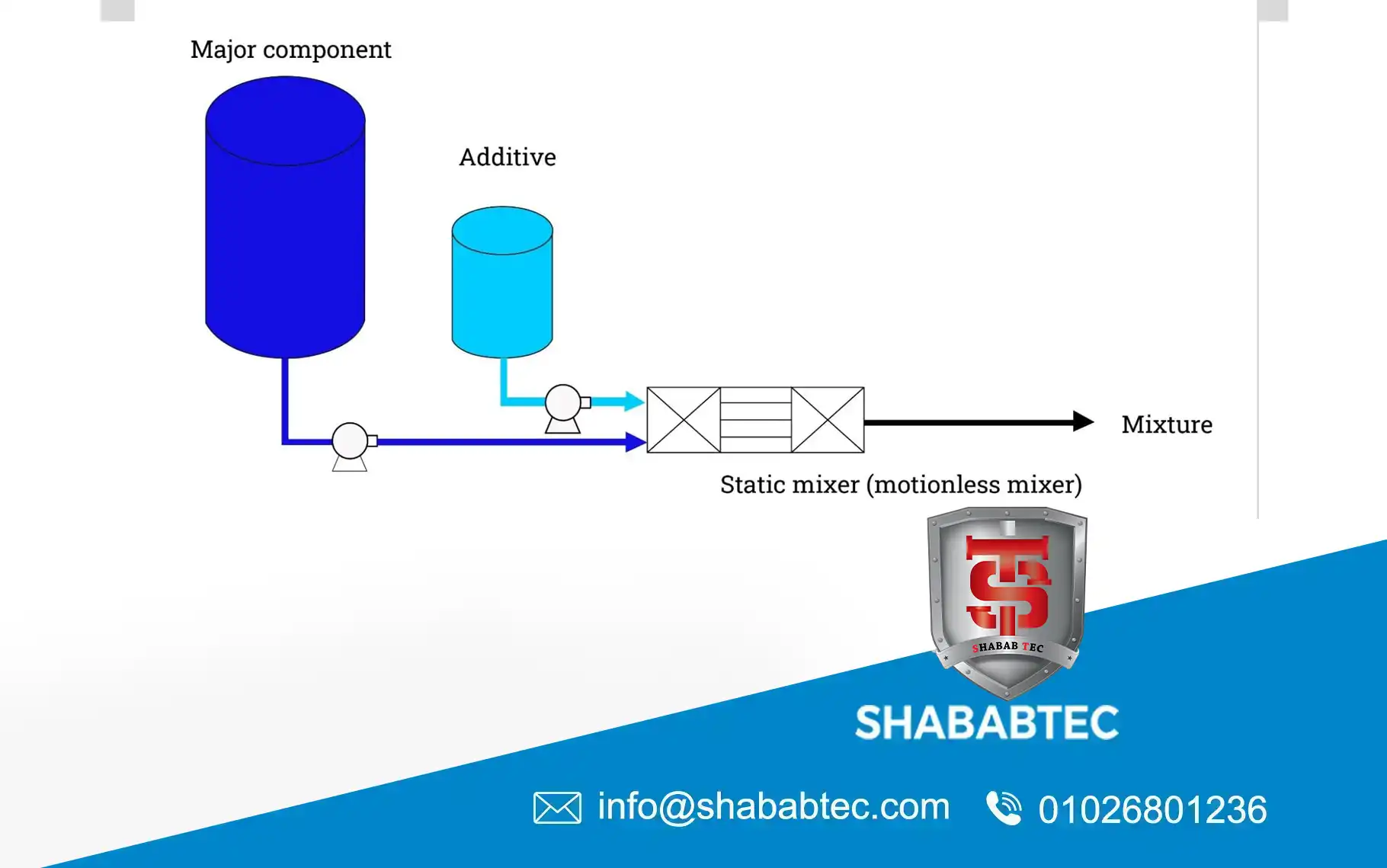
Different mixing techniques are used depending on product type, viscosity, ingredient behavior, and final quality target. The most common techniques include blending, dissolving, suspension, dispersion, emulsification, homogenizing, and high-viscosity mixing.
1. Blending
Blending is used for simple combination of compatible ingredients. It is common in light liquids, fragrance addition, color adjustment, simple detergent bases, and some chemical solutions.
This technique usually needs moderate movement and does not require high shear. The main goal is uniform distribution without damaging the product or creating foam.
2. Dissolving
Dissolving is used when powders, sugar, salts, or soluble ingredients must disappear into the liquid phase. Syrup production is a clear example because sugar must dissolve completely to create a uniform syrup base.
Dissolving may need heating, proper ingredient addition, and enough circulation inside the tank.
3. Suspension Mixing
Suspension mixing is used when solid particles must stay distributed inside a liquid. This is common in some pharmaceutical liquids, fertilizer solutions, paint, coating products, and chemical suspensions.
The mixer should prevent solids from settling at the bottom and keep the batch uniform during processing.
4. Dispersion Process
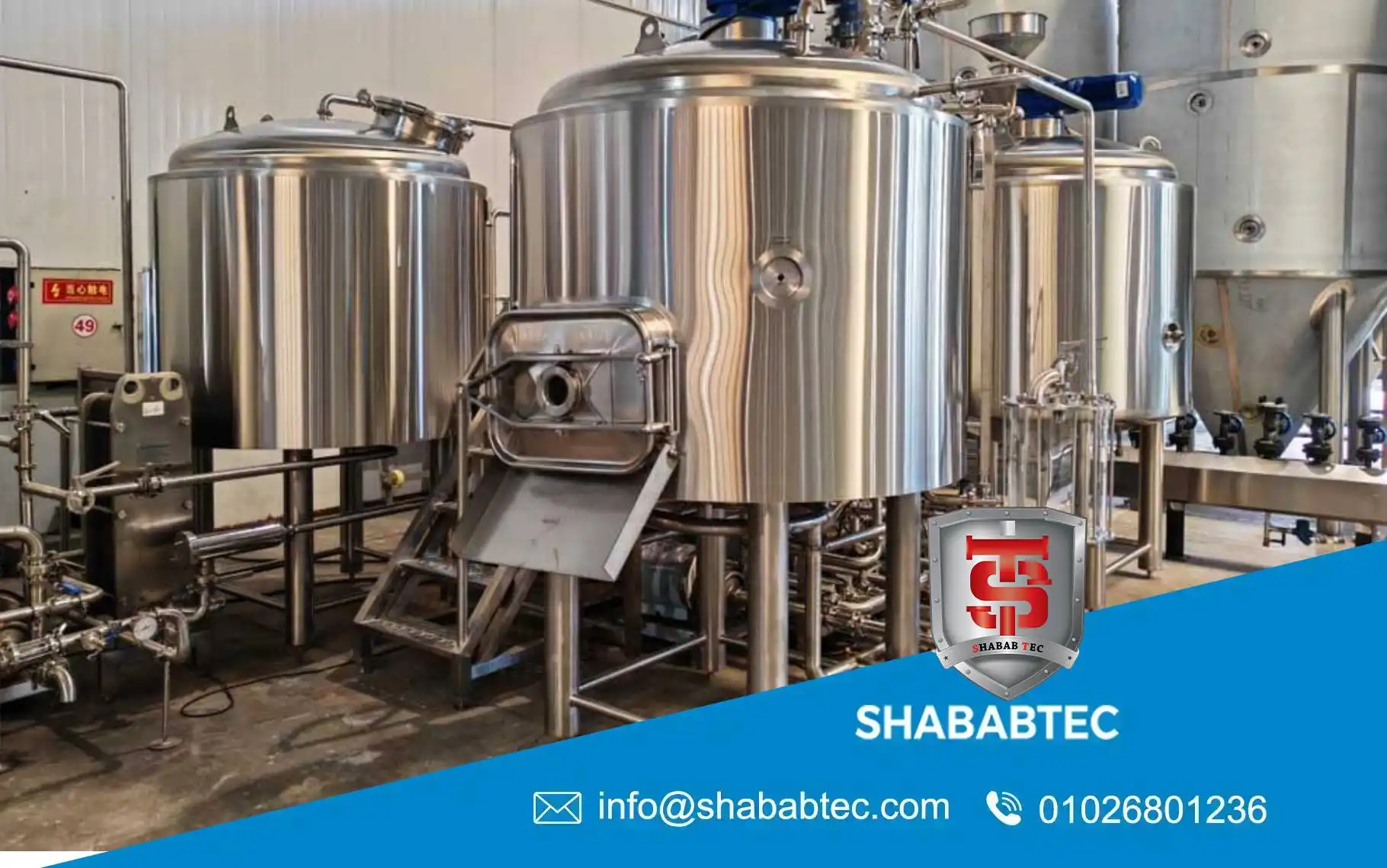
The dispersion process is used when powders, pigments, fillers, or active ingredients must be broken apart and distributed inside a liquid or semi-liquid base. It is very important in paint, coatings, cosmetics, pharmaceuticals, detergents, and some food products.
Dispersion often needs higher shear than simple mixing. If the dispersion is weak, the product may have lumps, uneven color, sediment, poor texture, or weak performance.
5. Emulsification Process
The emulsification process is used to combine two phases that usually separate, such as oil and water. It is common in creams, lotions, ointments, sauces, mayonnaise-like products, pharmaceutical emulsions, and cosmetic products.
This process needs emulsifiers in the formula and mechanical action from an emulsifying mixer or homogenizer. The goal is to create small droplets and distribute them evenly to form a stable product.
6. Homogenizing
Homogenizing improves product uniformity by reducing droplet or particle size. It helps create smoother texture, better stability, and more consistent appearance.
This technique is useful in cosmetic creams, lotions, gels, pharmaceutical products, sauces, emulsions, and products that need premium smoothness.
7. High-Viscosity Mixing
High-viscosity mixing is used for thick products such as creams, ointments, gels, pastes, adhesives, chocolate, jam, and thick sauces. These products need high torque, strong shaft design, proper gearbox, and often scraper movement.
A normal liquid mixer may not move these materials properly. The mixer must handle resistance and prevent dead zones.
Industrial Mixing Methods by Product Type
Food Products
Food products may need different industrial mixing methods depending on the recipe. Sauce may need blending and heating. Chocolate may need controlled heating and scraper movement. Jam may need cooking, fruit distribution, and wall scraping. Syrup may need dissolving and temperature control.
Choosing the correct method helps improve taste, texture, thickness, and production stability.
Cosmetic Products
Cosmetic products such as creams, lotions, shampoo, liquid soap, gels, and body products may need blending, emulsification, homogenizing, foam control, or high-viscosity mixing.
For creams and lotions, the emulsification process is often essential. For shampoo and liquid soap, controlled mixing is important to reduce foam. For gels, proper hydration and viscosity control are important.
Pharmaceutical Products
Pharmaceutical syrups, ointments, gels, liquid medicine, and creams require accurate ingredient distribution and hygienic processing. The right mixing techniques help maintain consistency and reduce production risk.
Syrup may need dissolving and controlled heating. Ointments may need high-viscosity mixing and homogenizing. Gels may need dispersion and air bubble control.
Chemical Products
Chemical products such as paint, adhesives, detergents, fertilizers, coatings, and industrial liquids need careful mixer selection. Paint often needs a strong dispersion process. Adhesive needs high-torque mixing. Detergent needs foam-controlled blending. Fertilizer may need suspension and corrosion-resistant contact parts.
Dispersion Process | When and Why It Is Needed
The dispersion process is needed when solid particles or powders must be distributed evenly inside a liquid or semi-liquid base. The goal is not only to move the powder around, but to wet it, break clumps, and spread it throughout the batch.
Products that often need dispersion include:
- Paints and coatings
- Pigment pastes
- Cosmetic creams with powders
- Pharmaceutical suspensions
- Fertilizer mixtures
- Detergent products with additives
- Chemical slurries
- Food products with stabilizers or powders
If the dispersion process is weak, the final product may show powder lumps, poor color strength, sediment, rough texture, or unstable performance. A high-shear mixer, disperser, or homogenizer may be needed depending on the product.
Emulsification Process | When and Why It Is Needed
The emulsification process is needed when the product contains oil and water phases that must become one stable product. Since oil and water naturally separate, normal mixing may not be enough.
Products that often need emulsification include:
- Cosmetic creams
- Lotions
- Ointments
- Mayonnaise-like sauces
- Salad dressings
- Pharmaceutical emulsions
- Some gels and balms
- Special chemical emulsions
A successful emulsification process needs correct phase preparation, suitable temperature, proper emulsifier selection, strong mechanical action, and controlled cooling. In many cases, an emulsifying tank with homogenizer and scraper provides better results.
Mixing Techniques by Equipment Type
Propeller Mixer
A propeller mixer is suitable for low-viscosity liquids that need circulation. It is useful for simple blending, light detergents, and low-viscosity chemical solutions.
Paddle Mixer
A paddle mixer provides moderate and gentle movement. It can be used for products that need controlled blending without aggressive shear.
Anchor Mixer
An anchor mixer is used for medium and high-viscosity products. It helps move material near the tank wall and is useful in creams, gels, sauces, and adhesives.
Scraper Mixer
A scraper mixer removes product from the tank wall. It is important for sticky or heated products such as chocolate, jam, cream, ointment, paste, adhesive, and thick sauces.
High-Shear Mixer
A high-shear mixer is used for dispersion, emulsification, and particle size reduction. It is useful when powders, pigments, or oil-water systems need stronger mechanical action.
Homogenizer
A homogenizer is used to improve smoothness and uniformity. It is useful in creams, lotions, sauces, pharmaceutical emulsions, and products that need fine texture.
Vacuum Emulsifying Tank
A vacuum emulsifying tank is used for products that need emulsification, homogenizing, heating, cooling, and reduced air bubbles. It is commonly used in cosmetic and pharmaceutical cream production.
Blending vs Mixing in Real Factory Decisions
The blending vs mixing decision should be based on product behavior. A factory producing a simple liquid cleaner may only need blending. A factory producing a cosmetic cream needs emulsification. A factory producing paint needs dispersion. A factory producing adhesive needs high-viscosity mixing.
Before choosing equipment, the factory should ask:
- Are the ingredients easy to combine?
- Does the product contain powder?
- Does the product contain oil and water phases?
- Does the product need smooth texture?
- Does the product need heating or cooling?
- Does the product become thick during production?
- Does the product trap air bubbles?
- Does the product settle after mixing?
- Does the product stick to the tank wall?
These questions help define whether the process is basic blending, true mixing, dispersion, emulsification, or high-viscosity processing.
Common Problems When Choosing the Wrong Mixing Method
Separation After Production
Separation usually happens when the product needs emulsification but only receives basic mixing. This is common in creams, lotions, sauces, and emulsions.
Powder Lumps
Lumps happen when the product needs dispersion but the mixer is too weak or ingredients are added too quickly.
Uneven Color
Uneven color can happen in paint, cosmetics, food sauces, or chemical products when pigment or colorant is not distributed correctly.
Dead Zones
Dead zones happen when some areas inside the tank do not move properly. This is common when the agitator is too small or unsuitable for the tank shape.
Foam and Air Bubbles
Foam can happen when speed is too high or the mixer pulls too much air into the product. Detergents, shampoo, liquid soap, creams, and gels are sensitive to this issue.
Poor Texture
Poor texture may happen when the product needs homogenizing, scraper movement, or better temperature control.
Slow Production
If the process method is wrong, operators may mix longer without achieving the required quality. This wastes time and energy.
Why Choose ShababTec for These Mixing Process Types?
ShababTec is a practical choice for factories that need support with different mixing process types because the company does not treat every product as the same process. The right mixer for syrup is not the same as the right mixer for cream, paint, adhesive, sauce, detergent, or gel.
ShababTec can help factories choose the correct equipment based on product behavior, viscosity, batch capacity, heating and cooling needs, and final quality target.
1. ShababTec Understands Blending vs Mixing
For simple products, ShababTec can provide practical tanks for basic blending without overcomplicating the system. For more complex products, the company can recommend stronger mixing systems, scraper mixers, homogenizers, or emulsifying tanks when needed.
This helps buyers avoid paying for unnecessary features while still getting equipment that fits production.
2. ShababTec Can Support Dispersion Process Requirements
For products that need a proper dispersion process, such as paint, coatings, powders, pigments, fertilizers, or cosmetic formulas with solids, ShababTec can help select suitable mixing intensity, blade design, motor power, and high-shear options.
This helps reduce lumps, improve uniformity, and support better product quality.
3. ShababTec Can Support Emulsification Process Applications
For creams, lotions, ointments, sauces, and emulsions, ShababTec can provide equipment options suitable for the emulsification process. This may include emulsifying tanks, homogenizers, heating and cooling jackets, vacuum systems, and scraper movement.
This helps factories produce smoother, more stable, and more consistent emulsified products.
4. ShababTec Designs Around Product Viscosity
Viscosity affects nearly every mixing decision. ShababTec can review whether the product is low-viscosity, medium-viscosity, or high-viscosity before recommending the tank, motor, gearbox, shaft, blades, and discharge system.
This is especially important for creams, gels, pastes, adhesives, chocolate, jam, ointments, and thick sauces.
5. ShababTec Supports Heating and Cooling Needs
Many industrial mixing methods need temperature control. ShababTec can support jacketed tank designs for products that need heating, melting, dissolving, cooking, or cooling before filling.
This is useful for syrup, chocolate, jam, gelatin, creams, ointments, wax-based products, and adhesives.
6. ShababTec Can Customize the Full Mixing System
Instead of offering one standard tank for every factory, ShababTec can customize tank capacity, stainless steel grade, agitator type, motor power, gearbox, jacket, discharge valve, scraper, homogenizer, and control panel based on production needs.
This makes the equipment more suitable for real daily operation.
How ShababTec Helps Choose the Right Mixing Techniques
Factories may know their product but not always know which mixing techniques are best. ShababTec can help translate the product requirement into equipment design.
For example:
- If the product is a simple liquid, ShababTec may recommend basic blending with a suitable agitator.
- If the product contains sugar or soluble powders, ShababTec may recommend mixing with heating support.
- If the product contains pigments or fillers, ShababTec may recommend dispersion-focused mixing.
- If the product contains oil and water phases, ShababTec may recommend emulsifying and homogenizing.
- If the product is thick and sticky, ShababTec may recommend anchor mixing, scraper movement, and high torque.
- If the product traps air, ShababTec may recommend vacuum mixing.
This practical selection helps factories avoid wrong equipment and reduce production problems from the beginning.
How to Choose the Right Industrial Mixing Method
Before selecting any mixer or tank, factories should define the process clearly. The right decision depends on product behavior and final quality target.
Important questions include:
- What product will be mixed?
- Is the product liquid, semi-liquid, cream, gel, paste, or suspension?
- Does the product contain powders, pigments, or fillers?
- Does the product contain oil and water phases?
- Does the product need heating or cooling?
- Does the product need smooth texture?
- Does the product need high shear?
- Does the product need homogenizing?
- Does the product stick to tank walls?
- Does the product trap air bubbles?
- What is the required batch capacity?
- How will the product be discharged?
- How will the tank be cleaned?
These answers help define the correct method and avoid choosing equipment based only on price or tank size.
Maintenance Tips for Different Mixing Process Types
Each process type has different maintenance needs. Basic blending tanks may need simple cleaning and motor checks. Dispersion systems may need inspection of high-shear blades or disperser discs. Emulsifying tanks may need careful cleaning of homogenizer parts, scraper blades, seals, and jackets.
- Clean the tank after every batch
- Inspect agitator blades for buildup or damage
- Check high-shear heads after dispersion batches
- Clean homogenizer parts carefully after emulsification
- Inspect scraper blades in sticky products
- Check motor and gearbox sound during operation
- Monitor shaft seal leakage
- Clean discharge valves and outlet paths
- Review speed settings when changing products
- Inspect heating and cooling jacket connections
Good maintenance protects product quality and keeps the selected mixing method working properly.
Final Thoughts
Different mixing process types are used for different production goals. Some products only need simple blending, while others need dissolving, suspension, dispersion, emulsification, homogenizing, or high-viscosity mixing. Understanding industrial mixing methods helps factories choose the right tank and avoid costly mistakes.
The difference between blending vs mixing matters because simple blending is not enough for every product. The dispersion process is needed for powders, pigments, and fillers. The emulsification process is needed for oil and water systems. Different mixing techniques require different equipment designs.
ShababTec can help factories choose and build the right mixing system based on product behavior, viscosity, process type, heating or cooling needs, discharge method, and daily production target. This makes the equipment more practical, reliable, and suitable for real industrial operation.
FAQ – Mixing Process Types
What are mixing process types?
Mixing process types are different methods used to combine ingredients, such as blending, dissolving, suspension mixing, dispersion, emulsification, homogenizing, and high-viscosity mixing.
What are common industrial mixing methods?
Common industrial mixing methods include simple agitation, blending, high-shear mixing, dispersion, emulsification, homogenizing, scraper mixing, and vacuum mixing.
What is the difference between blending vs mixing?
Blending is usually a gentle process for combining compatible ingredients, while mixing is a broader process that may include dispersion, emulsification, dissolving, suspension, and high-viscosity processing.
What is the dispersion process?
The dispersion process is used to break and distribute powders, pigments, fillers, or solid particles inside a liquid or semi-liquid base to create a uniform product.
What is the emulsification process?
The emulsification process combines two phases that normally separate, such as oil and water, using emulsifiers and mechanical mixing to create a stable product.
How do I choose the right mixing techniques?
Choose mixing techniques based on product viscosity, ingredient type, powder content, oil-water phases, heating or cooling needs, texture target, batch capacity, and cleaning requirements.
See Also: tank cleaning procedure | pharmaceutical syrup tank