What is Mixing Tank | Mixing Equipment
What is Mixing Tank | Mixing Equipment Basics for Industrial Production
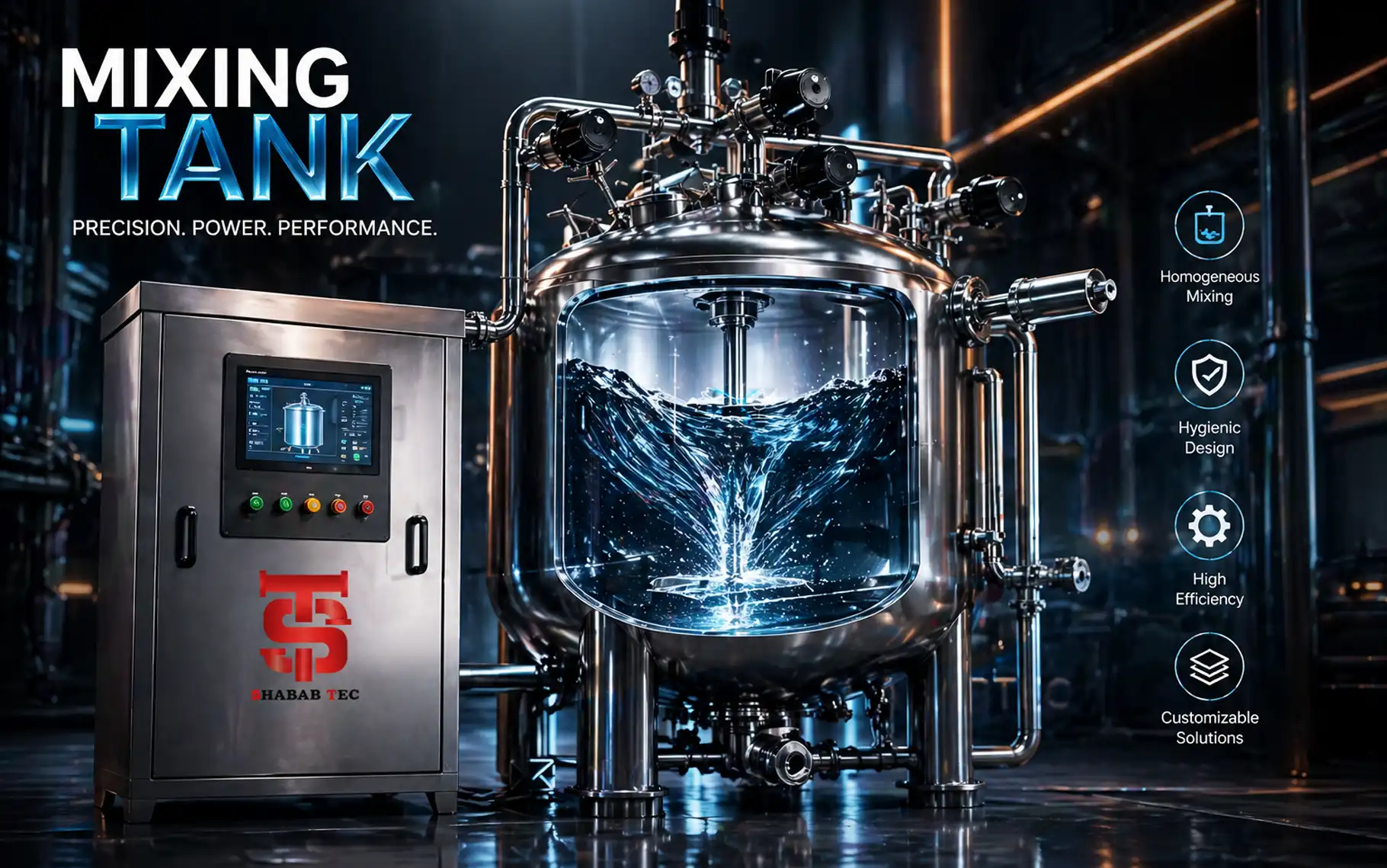
Many factory owners, production managers, and startup manufacturers ask what is mixing tank when they start planning a new production line. A mixing tank is one of the most important machines in industrial production because it helps combine ingredients, improve product uniformity, control texture, and prepare materials before filling, packaging, or further processing.
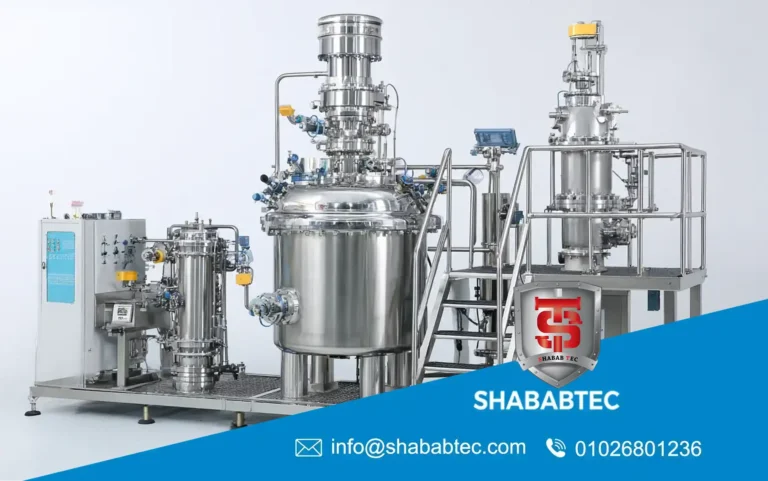
The simple mixing tank definition is: a tank equipped with a mixing system used to blend, dissolve, disperse, emulsify, heat, cool, or process liquid and semi-liquid products. It may look like a stainless steel vessel from outside, but its real value comes from the agitator, motor, shaft, blades, valves, heating or cooling system, and process design.
This guide gives a clear and practical explanation of industrial tank working, mixing tank explained in simple terms, how agitator tank working happens inside the vessel, and the most important mixing equipment basics every buyer should understand before choosing a tank for food, cosmetics, pharmaceuticals, chemicals, detergents, adhesives, sauces, syrups, creams, gels, and semi-solid products.
See Also: Industrial Stainless Steel Mixing Tanks – Complete Guide
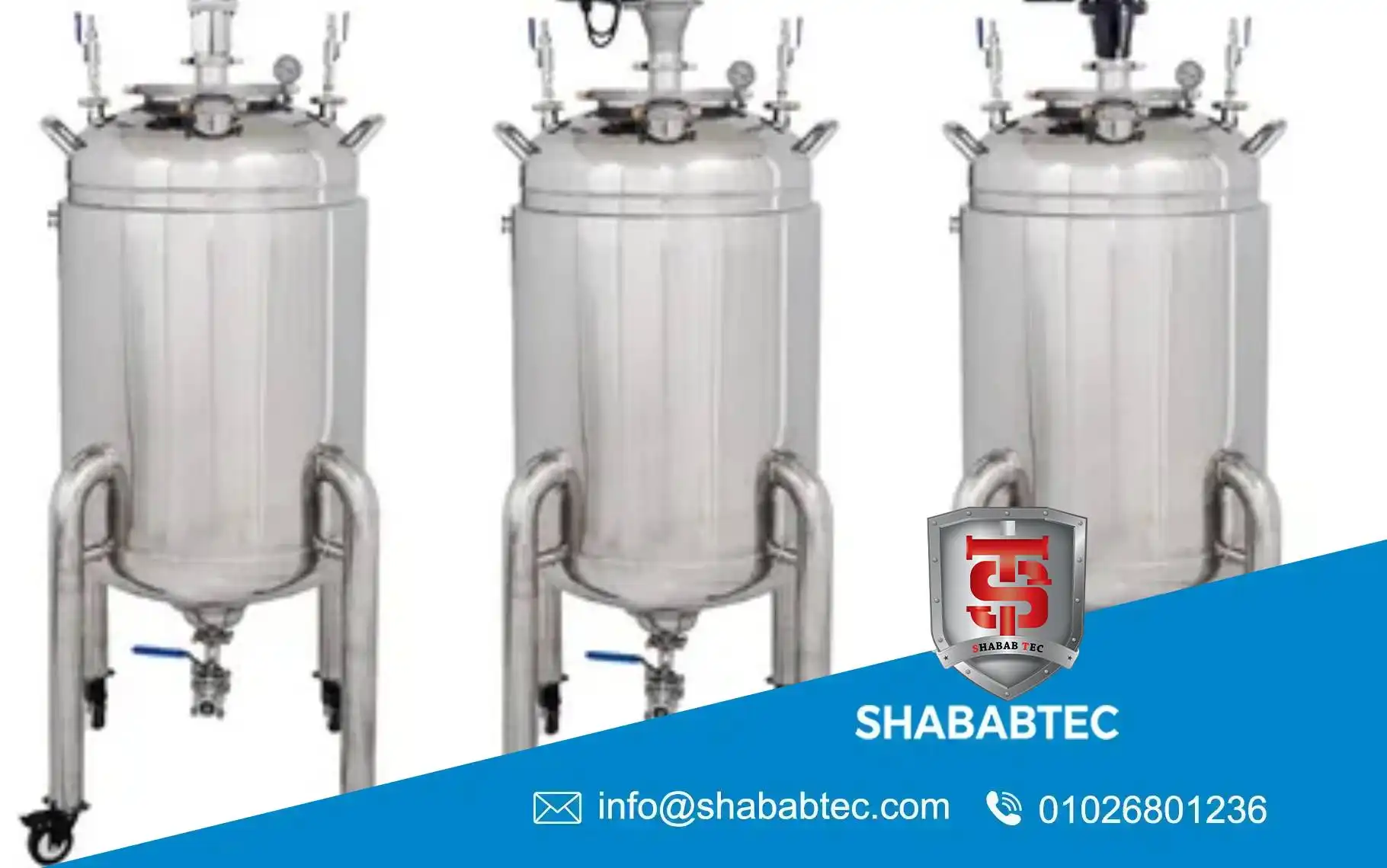
What is Mixing Tank?
A mixing tank is an industrial vessel used to combine materials inside one controlled container. The materials may be liquids, powders added into liquids, oils, water-based ingredients, chemicals, syrups, creams, gels, sauces, detergents, or semi-solid products.
The tank normally includes a mixing device called an agitator. This agitator rotates inside the tank and moves the product so ingredients can become evenly distributed. Depending on the product, the tank may also include heating, cooling, scraper blades, homogenizer, vacuum, control panel, and discharge system.
In simple words, when someone asks what is mixing tank, the answer is that it is equipment used to make different ingredients become one uniform product under controlled industrial conditions.
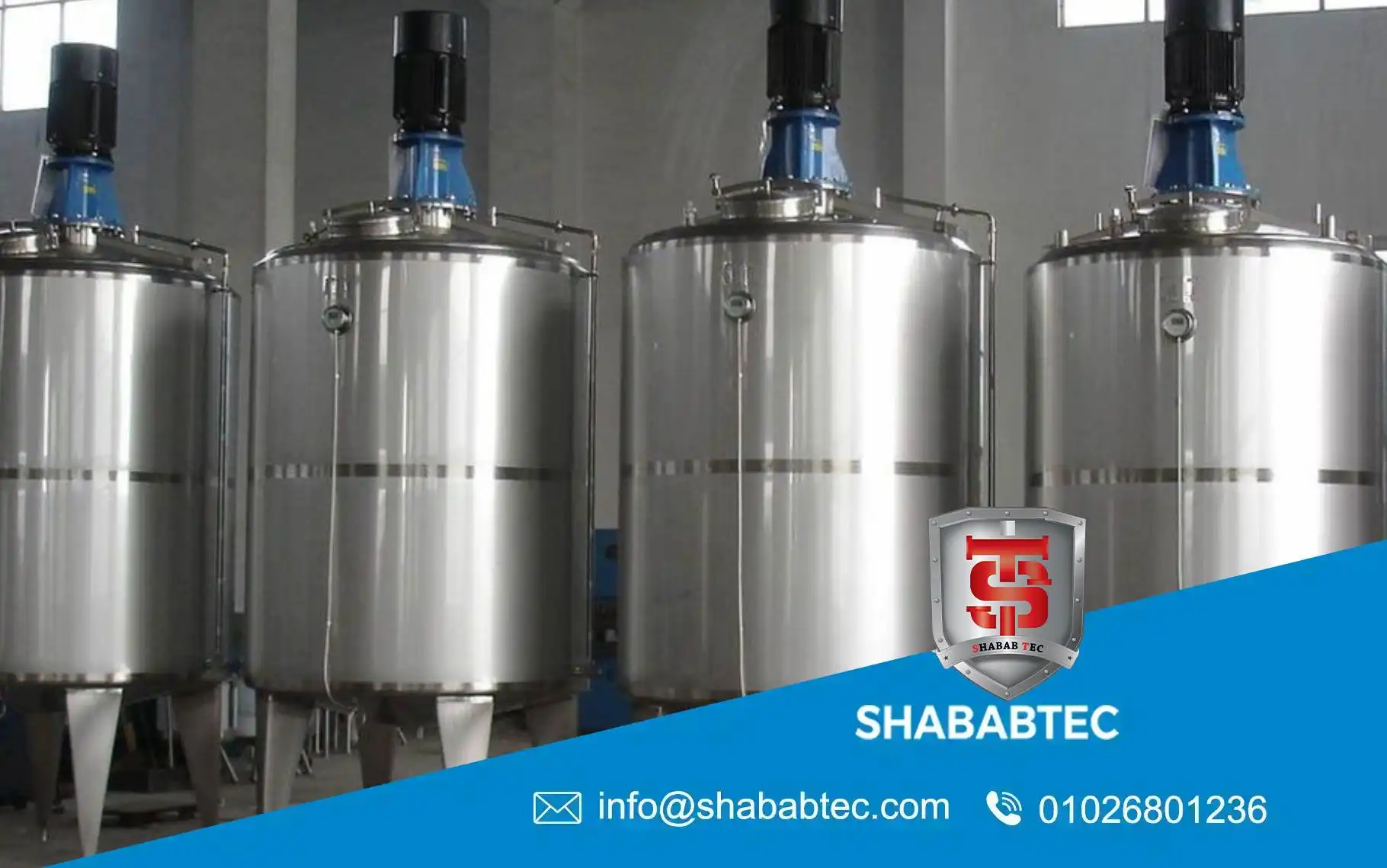
Mixing Tank Definition for Industrial Buyers
A practical mixing tank definition should include more than the tank body. A real mixing tank is not only a container. It is a complete production system designed to move the product in the right way.
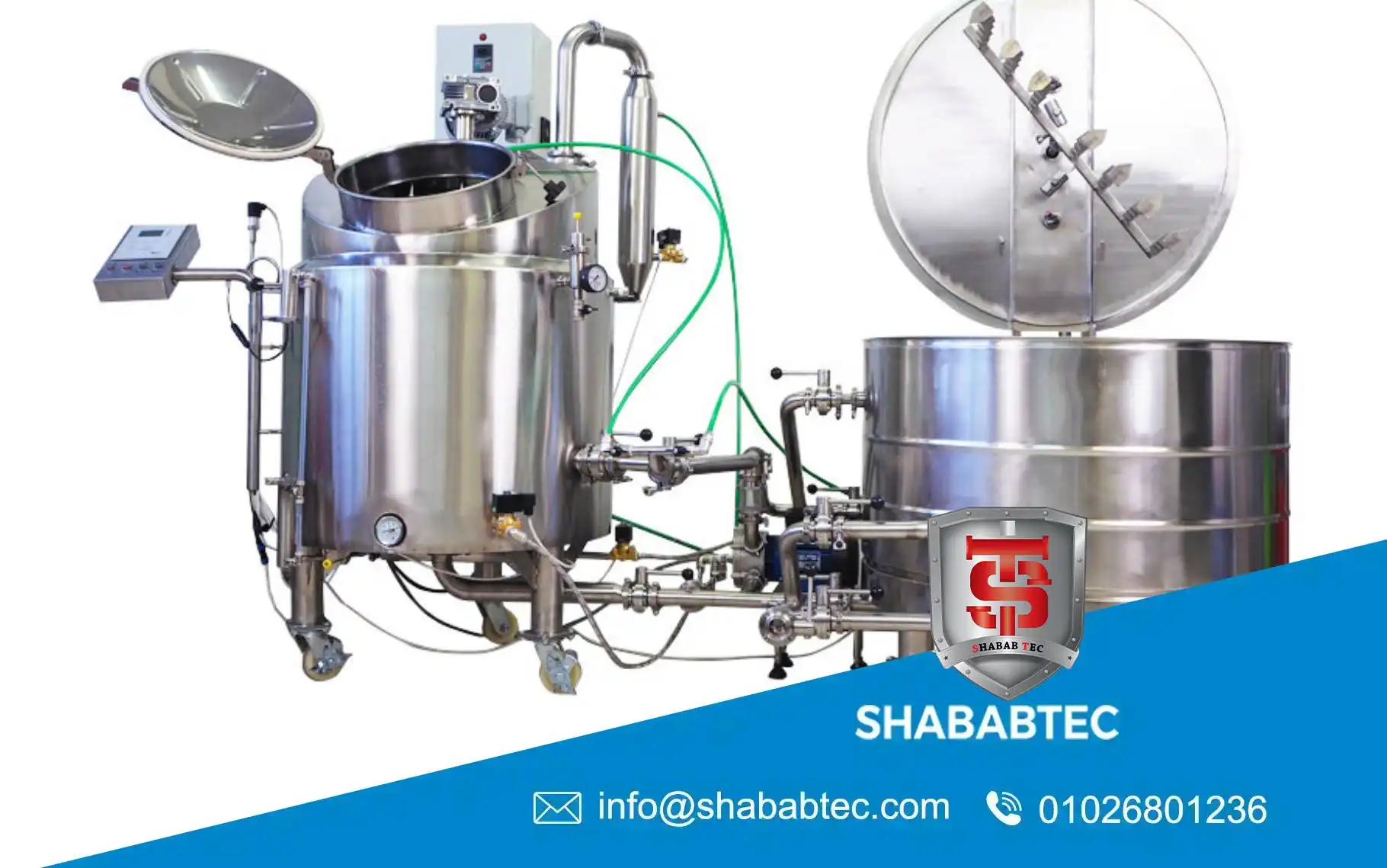
A proper mixing tank usually includes:
- Tank body
- Agitator or mixing blades
- Motor
- Gearbox when needed
- Agitator shaft
- Shaft seal
- Discharge valve
- Support legs or frame
- Control panel
- Heating or cooling jacket when needed
- Scraper system for sticky products
- Homogenizer or high-shear mixer when required
This full system allows the factory to control product movement, texture, viscosity, temperature, and discharge. That is why the correct mixing tank definition should always connect the tank with the process, not only the physical vessel.
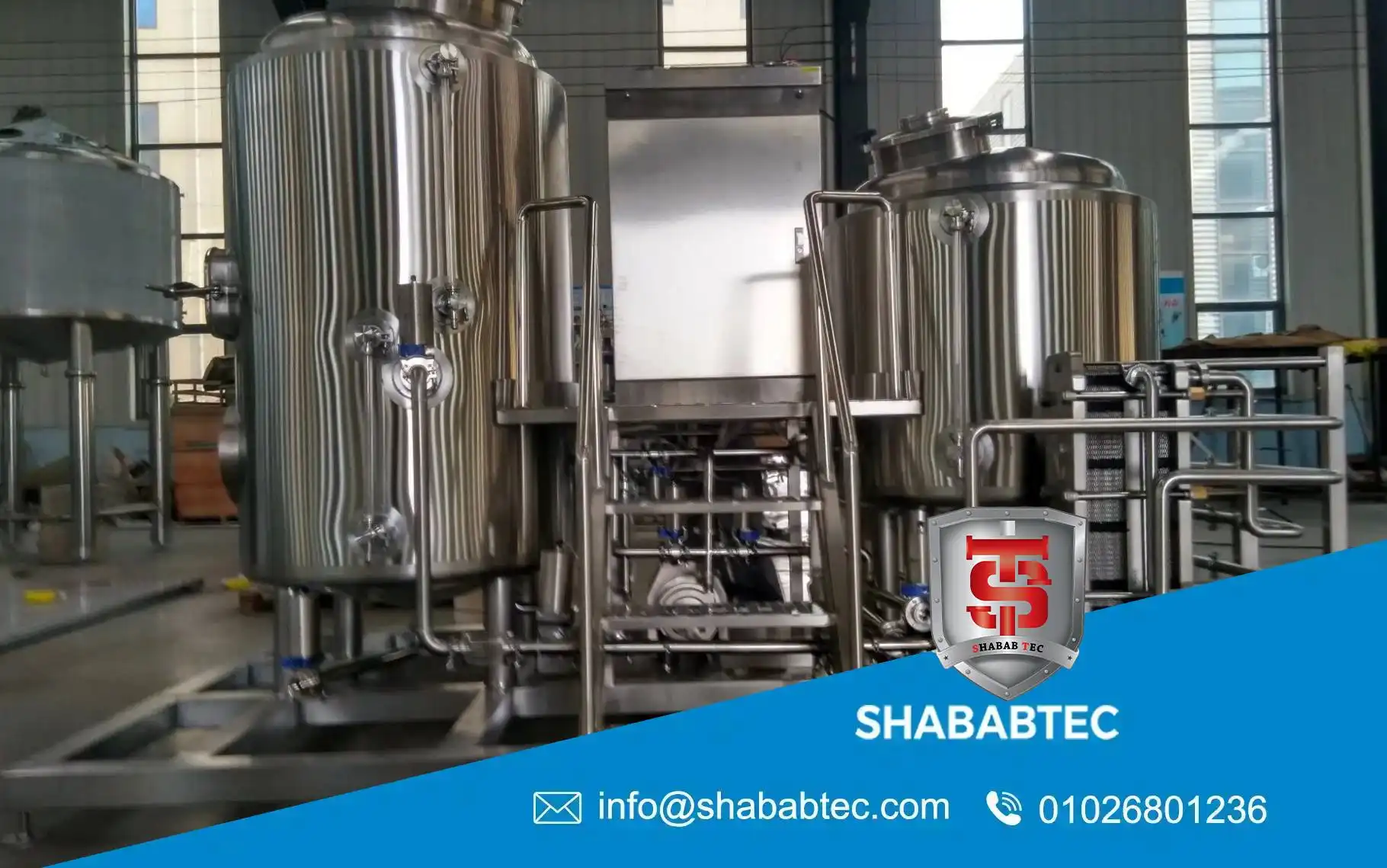
Mixing Tank Explained in Simple Terms
To make mixing tank explained clearly, imagine a factory producing liquid soap. Water, surfactants, fragrance, color, thickener, and preservatives are added into the tank. The agitator rotates and moves the materials until the batch becomes uniform. After mixing, the product is discharged to filling or storage.
Now imagine a cosmetic cream. This product may need water phase, oil phase, heating, emulsification, homogenizing, cooling, and vacuum. In this case, the mixing tank is more advanced because the product needs more than simple blending.
For syrup production, the tank may need heating to dissolve sugar. For chocolate, the tank may need controlled heating and scraper movement. For paint, the tank may need high-shear dispersion. For adhesive, the tank may need high torque and strong discharge support.
So, the meaning of a mixing tank changes according to the product. The same basic concept is used, but the design must match the industrial process.
Industrial Tank Working | How a Mixing Tank Works
Industrial tank working depends on product movement. When the motor starts, it rotates the shaft and agitator blades inside the tank. These blades create flow patterns that move ingredients from one area to another until the batch becomes uniform.
The way the product moves depends on the agitator type. Some agitators push the product downward. Some create circular movement. Some move product from the wall to the center. Some create high shear to break particles or emulsify oil and water. Some scrape the tank wall to prevent sticking and burning.
The basic working steps are usually:
- Raw materials are added into the tank.
- The agitator starts rotating at the required speed.
- Ingredients move inside the tank and begin to combine.
- Heating or cooling may be applied if the product needs temperature control.
- Additional ingredients may be added during mixing.
- The batch is checked for texture, viscosity, color, or uniformity.
- The finished product is discharged through the valve.
- The tank is cleaned before the next batch.
This is the general idea of industrial tank working, but each industry may have its own process details.
Agitator Tank Working | The Role of the Agitator
Agitator tank working is the heart of the mixing process. The agitator is the part that actually moves the product inside the tank. Without the right agitator, the tank may hold the product, but it will not mix it properly.
The agitator must match the product viscosity, tank capacity, mixing goal, and process requirements. A light liquid needs different movement than a thick cream or adhesive. A product with powders needs different action than a simple fragrance blend.
The agitator helps with:
- Blending ingredients
- Dissolving powders or sugar
- Preventing sediment
- Distributing color and fragrance
- Improving viscosity uniformity
- Supporting heat transfer
- Reducing dead zones
- Keeping product consistent before discharge
When agitator tank working is correct, the product becomes uniform faster and with fewer quality problems. When it is wrong, the factory may face lumps, separation, poor texture, vibration, motor overload, or long mixing time.
Mixing Equipment Basics | Main Components
Understanding mixing equipment basics helps buyers compare tanks correctly. A mixing tank should not be judged only by size or price. The important details are inside the design.
Tank Body
The tank body holds the product during processing. Stainless steel is commonly used because it is strong, clean, corrosion-resistant, and suitable for many food, cosmetic, pharmaceutical, and chemical applications.
Agitator
The agitator creates product movement. It may be propeller, paddle, anchor, scraper, turbine, high-shear, or homogenizing type depending on the product.
Motor
The motor provides power to rotate the agitator. Motor power must match the product viscosity and tank capacity.
Gearbox
A gearbox reduces speed and increases torque. It is important for thick products such as creams, ointments, adhesives, gels, pastes, chocolate, and jam.
Shaft
The shaft transfers rotation from the motor and gearbox to the agitator blades. It must be strong and properly aligned.
Shaft Seal
The shaft seal prevents leakage around the rotating shaft. Seal selection depends on product type, viscosity, temperature, pressure, and hygiene needs.
Discharge Valve
The discharge valve controls how the finished product leaves the tank. Thick products may need larger valves or pump support.
Heating and Cooling Jacket
A jacketed tank can heat or cool the product through the tank wall. This is important for syrup, chocolate, jam, cream, lotion, ointment, adhesive, gelatin, and temperature-sensitive products.
Control Panel
The control panel helps operators manage mixer speed, heating, cooling, time, and other settings depending on the system design.
Main Types of Mixing Tanks
Basic Mixing Tank
A basic mixing tank is used for simple blending and low-viscosity products. It may be suitable for light detergents, simple syrups, fragrance mixing, and water-based liquids.
Jacketed Mixing Tank
A jacketed tank includes heating or cooling around the tank body. It is used when temperature control is important for product quality or process speed.
High-Shear Mixing Tank
This tank includes a high-shear mixer or disperser for products that need powder dispersion, pigment mixing, emulsification, or particle reduction.
Emulsifying Tank
An emulsifying tank is used for oil-water products such as creams, lotions, ointments, sauces, and emulsions. It may include homogenizer, scraper, heating, cooling, and vacuum.
High-Viscosity Mixing Tank
This tank is designed for thick products such as paste, cream, gel, adhesive, chocolate, ointment, and jam. It usually needs high torque, strong shaft, gearbox, and scraper movement.
Storage and Holding Tank
A storage tank is used to hold finished or intermediate product. It may include simple agitation if product movement is needed before filling.
Mixing Tank Applications in Different Industries
Food Industry
Food factories use mixing tanks for syrup, sauce, jam, chocolate, fruit fillings, dressings, and liquid food products. These tanks may need heating, cooling, scraper movement, and hygienic stainless steel surfaces.
Cosmetic Industry
Cosmetic factories use tanks for creams, lotions, shampoo, liquid soap, gels, conditioners, and emulsions. These products may need gentle mixing, homogenizing, vacuum, or temperature control.
Pharmaceutical Industry
Pharmaceutical production uses mixing tanks for syrup, liquid medicine, ointment, cream, gel, and semi-solid products. Hygiene, material grade, cleaning access, and controlled mixing are important.
Chemical Industry
Chemical factories use tanks for paint, coatings, adhesives, detergents, fertilizers, resins, and industrial cleaners. The tank must match chemical compatibility, viscosity, motor load, and safety needs.
Detergent and Soap Industry
Liquid soap, hand wash, dishwashing liquid, laundry detergent, and surface cleaners need tanks that control foam, viscosity, fragrance distribution, and active ingredient blending.
See also: How to Choose the Right Mixing Tank for Industrial Production
How to Choose the Right Mixing Tank
After understanding what is mixing tank, the next step is knowing how to choose the correct design. The tank should be selected based on the product and process, not only capacity.
Important questions include:
- What product will be mixed?
- Is the product liquid, semi-liquid, cream, gel, paste, or suspension?
- What is the product viscosity?
- Does the product need heating?
- Does the product need cooling?
- Does the product contain powders or solids?
- Does the product need high shear?
- Does the product need emulsification?
- Does the product need homogenizing?
- Does the product create foam?
- Does the product stick to tank walls?
- How will the product be discharged?
- How will the tank be cleaned?
- What stainless steel grade is suitable?
These answers help define tank capacity, agitator type, motor power, gearbox, material grade, heating or cooling system, and discharge design.
Common Mistakes When Buying a Mixing Tank
Choosing by Price Only
A low-cost tank may use thin material, weak motor, poor welding, unsuitable agitator, or missing accessories. This can create higher costs later through downtime, repairs, and product waste.
Ignoring Product Viscosity
Viscosity affects nearly every part of the tank. Thick products need stronger motors, better gearbox selection, stronger shafts, and suitable blades.
Using a Storage Tank as a Mixing Tank
A storage tank is not always suitable for mixing. Real mixing needs proper agitator design, motor power, shaft support, and process layout.
Forgetting Cleaning Requirements
If the tank is difficult to clean, production downtime increases and contamination risk becomes higher. Cleaning access should be part of the design.
Ignoring Heating or Cooling
Some products cannot be processed correctly without temperature control. Adding heating or cooling later may be difficult and expensive.
Choosing the Wrong Agitator
The agitator must match the product. A simple propeller mixer may fail with cream, adhesive, paste, chocolate, or ointment.
Why Choose ShababTec for Mixing Tank Solutions?
ShababTec is a practical choice for factories that need mixing tanks designed around real production needs. The company supports stainless steel equipment and industrial mixing systems for food, cosmetics, pharmaceuticals, chemicals, detergents, adhesives, sauces, syrups, creams, gels, ointments, chocolate, jam, fertilizers, and other products.
Product-Based Design
ShababTec does not treat every product as the same process. The company can review viscosity, texture, ingredient behavior, heating needs, cooling needs, and discharge method before recommending a tank design.
Support for Different Mixing Methods
Whether the product needs blending, dissolving, dispersion, emulsification, homogenizing, scraper movement, or high-viscosity mixing, ShababTec can support practical equipment selection.
Stainless Steel Fabrication
ShababTec can provide stainless steel tank solutions with suitable structure, welding, polishing, valves, agitator design, and process connections according to production requirements.
Industrial Tank Working Knowledge
Because proper industrial tank working depends on the full system, ShababTec can help buyers understand the correct motor, gearbox, shaft, agitator, jacket, discharge, and cleaning design.
Practical Support for Egyptian Factories
Local support makes communication, customization, maintenance, and future modifications easier. This is important for factories that need reliable daily operation and fast technical response.
Maintenance Basics for Mixing Tanks
Good maintenance keeps the tank working efficiently and protects product quality. Even a strong tank can lose performance if blades, seals, valves, or motor parts are not maintained.
- Clean the tank after every batch
- Inspect agitator blades for buildup or damage
- Check motor and gearbox sound during operation
- Inspect shaft seal for leakage
- Clean discharge valve and outlet path
- Check heating and cooling connections if available
- Inspect stainless steel surfaces for scratches or residue
- Review mixer speed when changing products
- Monitor vibration during operation
- Follow a regular maintenance schedule
Final Thoughts
Understanding what is mixing tank helps factories make better buying decisions. A mixing tank is not just a vessel. It is a production system that combines tank body, agitator, motor, gearbox, shaft, seal, valves, controls, and optional process features such as heating, cooling, scraper, homogenizer, or vacuum.
The correct mixing tank definition depends on the application. A simple liquid tank is different from a cream emulsifying tank, syrup heating tank, paint dispersion tank, adhesive mixer, or high-viscosity paste tank. Clear understanding of industrial tank working and agitator tank working helps buyers avoid wrong equipment.
For factories that need reliable mixing equipment basics turned into practical industrial equipment, ShababTec can support tank design, stainless steel fabrication, mixer selection, heating and cooling options, discharge design, and maintenance-friendly solutions based on real production needs.
FAQ – What is Mixing Tank?
What is mixing tank?
A mixing tank is an industrial vessel equipped with a mixing system used to blend, dissolve, disperse, emulsify, heat, cool, or process liquid and semi-liquid products.
What is the mixing tank definition?
The mixing tank definition is a tank with agitator, motor, shaft, blades, and process components designed to combine ingredients into a uniform product under controlled conditions.
How does industrial tank working happen?
Industrial tank working happens when the motor rotates the agitator shaft and blades, creating product movement inside the tank until ingredients become evenly distributed.
Can you give mixing tank explained in simple words?
A mixing tank explained simply is a machine that holds ingredients and uses a rotating mixer to turn them into one consistent product before filling or further processing.
What is agitator tank working?
Agitator tank working means the agitator inside the tank rotates to move product, blend ingredients, reduce dead zones, support heat transfer, and improve batch uniformity.
What are mixing equipment basics?
Mixing equipment basics include the tank body, agitator, motor, gearbox, shaft, seal, valves, control panel, heating or cooling jacket, scraper, and homogenizer when needed.
See Also: corrosion resistant tank | mixing tank paint