Syrup Production Tank The Smart Choice for Safe and Consistent Liquid Medicine
<
Syrup Production Tank: The Smart Choice for Safe and Consistent Liquid Medicine Manufacturing
In pharmaceutical manufacturing, syrup production is one of the most sensitive processes because the final product is taken directly by patients in measured doses. Any problem in mixing, temperature control, ingredient distribution, or hygiene can affect the quality, stability, and safety of the medicine. This is why choosing the right syrup production tank is a serious decision for any pharmaceutical factory.
A professional pharmaceutical syrup tank is designed to handle liquid medicine preparation with accuracy, hygiene, and repeatable quality. It is not just a stainless steel vessel. It is a complete processing system that helps dissolve sugar or sweeteners, mix active ingredients, control temperature, reduce contamination risk, and prepare a stable syrup before filtration, storage, or filling.
For pharmaceutical companies, cosmetic-health brands, herbal medicine producers, and liquid dosage manufacturers, the right liquid medicine mixer can improve production quality, reduce batch variation, and support smoother factory operation. In this guide, we will explain how a syrup mixer works, what makes a reliable medicine mixing tank, and how to select the right mixing tank syrup system based on real production needs.
See Also: Industrial Stainless Steel Mixing Tanks – Complete Guide
What is a Syrup Production Tank?
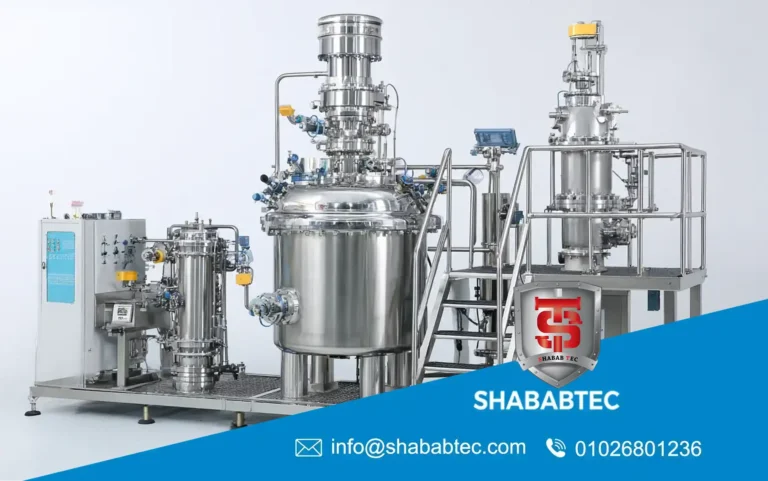
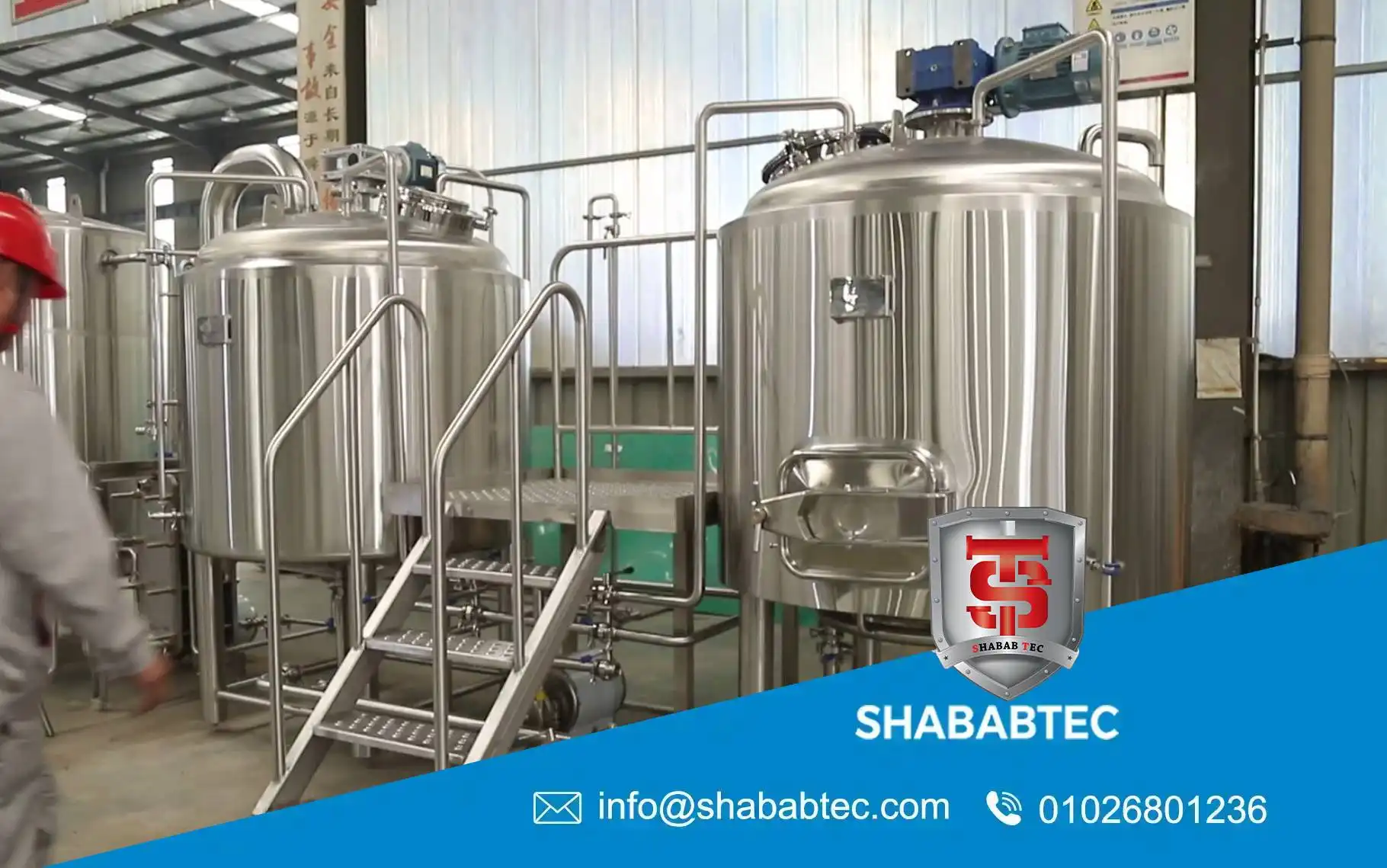
A syrup production tank is an industrial processing tank used to prepare pharmaceutical syrup and other liquid medicine products. It is designed to mix water, sugar or sweetener, active ingredients, preservatives, flavors, colors, and other pharmaceutical excipients under controlled conditions.
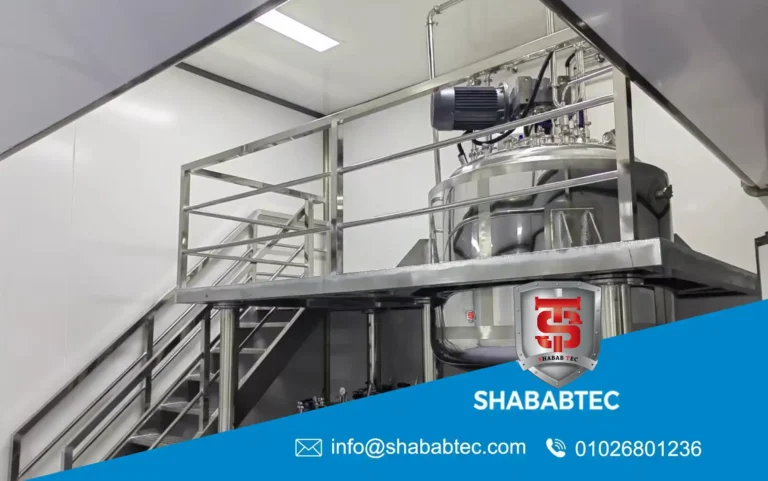
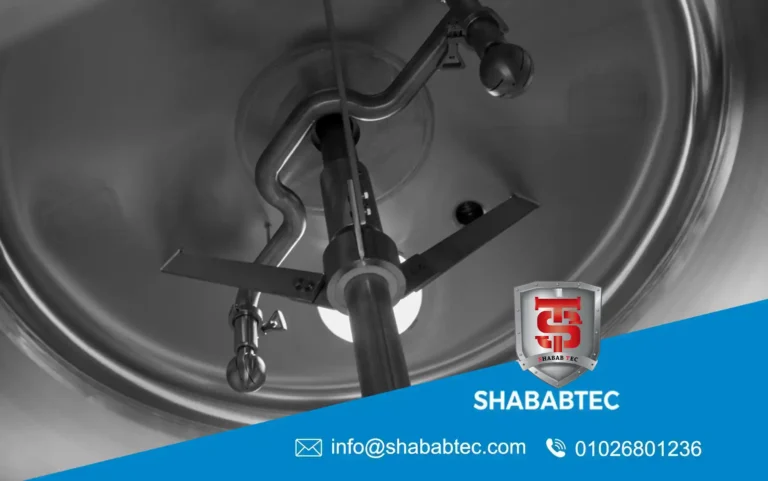
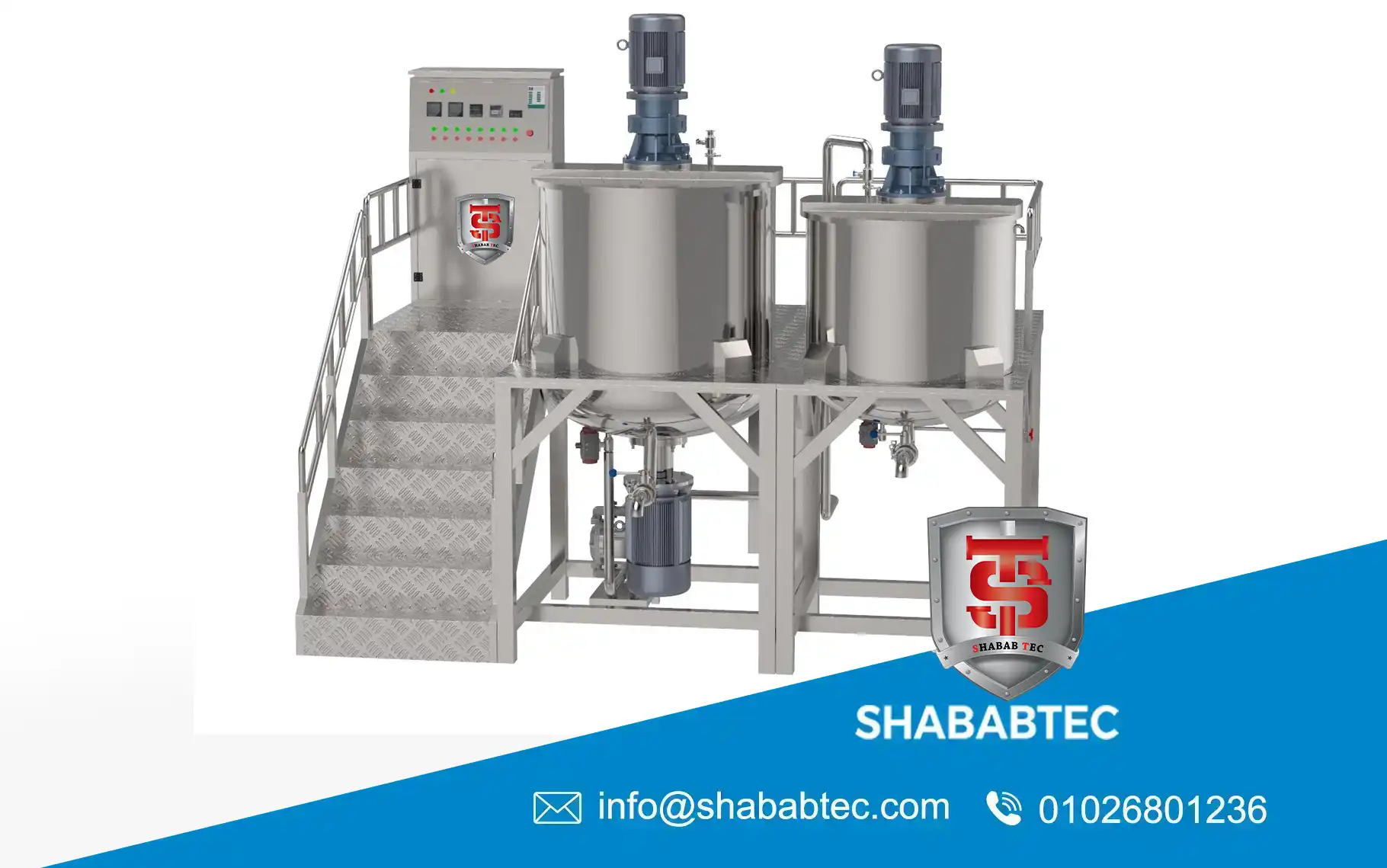
The tank usually includes a stainless steel body, agitator, motor, mixing shaft, heating or cooling jacket, discharge valve, temperature control, inspection openings, and sometimes vacuum or filtration connection depending on the production line design.
Unlike a normal liquid storage tank, a pharmaceutical syrup tank must support accurate preparation. It should help create a uniform product where ingredients are distributed evenly across the whole batch. This is important because every bottle or dose should contain the correct concentration.
Why Syrup Manufacturing Needs a Dedicated Pharmaceutical Syrup Tank
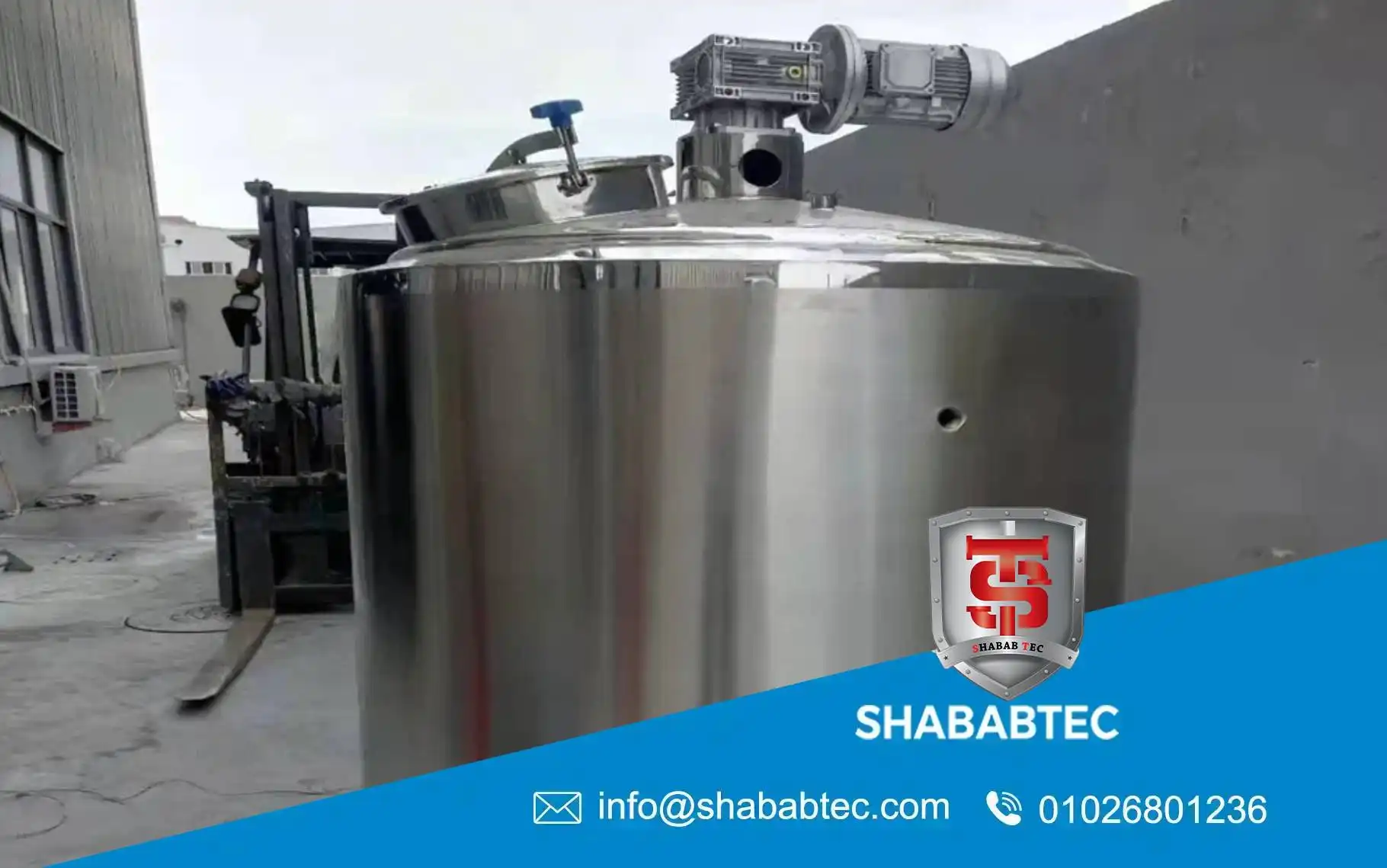
Pharmaceutical syrup production is different from general food syrup production. Food syrup mainly focuses on taste, sweetness, and texture. Pharmaceutical syrup must also focus on dose accuracy, hygiene, stability, and controlled ingredient distribution.
A dedicated pharmaceutical syrup tank helps manage the main challenges of liquid medicine preparation, such as dissolving ingredients, controlling viscosity, preventing sediment, reducing microbial risk, and maintaining consistent concentration from the first liter to the last liter of the batch.
Using a basic tank or unsuitable mixer may cause several production problems:
- Uneven distribution of active ingredients
- Incomplete dissolving of sugar or powders
- Ingredient settling at the bottom
- Unstable syrup viscosity
- Air bubbles inside the liquid
- Long processing time
- Difficult cleaning between batches
- Higher risk of contamination
- Variation between batches
A properly designed liquid medicine mixer reduces these risks and helps the factory produce safer and more consistent liquid medicine products.
Main Applications of Syrup Production Tank in Pharmaceutical Factories
Cough Syrup Production
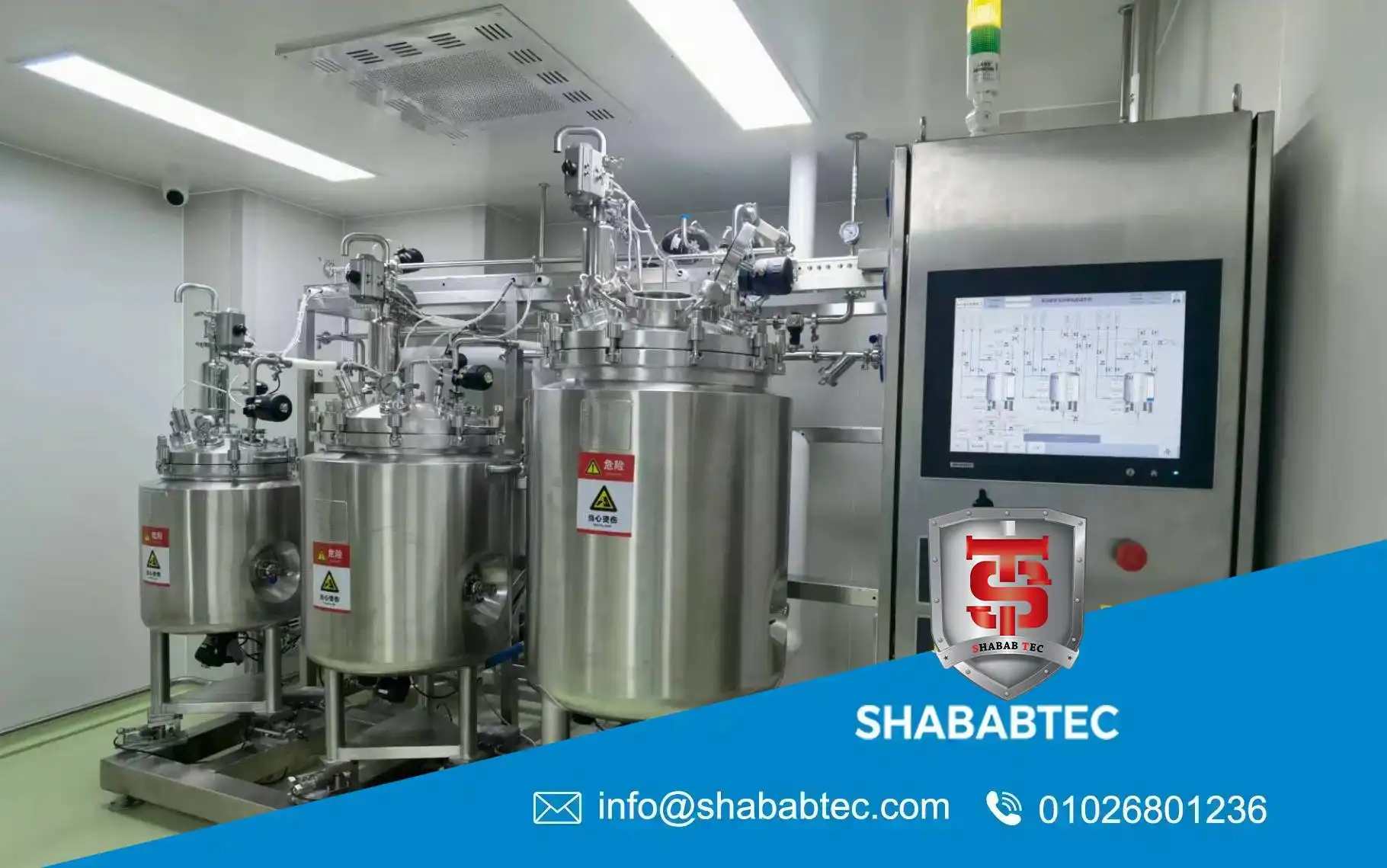
Cough syrup is one of the most common products prepared in a syrup production tank. These products usually include active ingredients, sweeteners, flavors, colors, preservatives, and viscosity modifiers. The mixing system must distribute all ingredients evenly while maintaining stable texture and taste.
Vitamin Syrup Production
Vitamin syrups require careful mixing because vitamins and minerals must be distributed properly in the liquid. A suitable medicine mixing tank helps reduce concentration variation and supports consistent dosing.
Herbal Syrup Production
Herbal syrups may include extracts, natural colors, flavors, and plant-based ingredients. Some extracts may settle or require longer mixing time. A reliable syrup mixer helps keep the mixture uniform during preparation.
Pediatric Liquid Medicine
Liquid medicine for children often requires better taste, smooth texture, and accurate ingredient distribution. A pharmaceutical syrup tank supports controlled processing to produce medicine that is stable and easy to dose.
Antacid and Suspension-Based Products
Some liquid medicines contain suspended particles. These products need careful agitation to prevent sediment and keep the mixture consistent before transfer or filling. A strong liquid medicine mixer can help maintain uniform suspension during processing.
Oral Liquid Preparations
Many oral liquid products are prepared using a mixing tank syrup system. These include medicinal solutions, sweetened liquids, herbal preparations, and other liquid dosage forms that require controlled mixing and hygienic processing.
Key Components of a Pharmaceutical Syrup Tank
Stainless Steel Tank Body
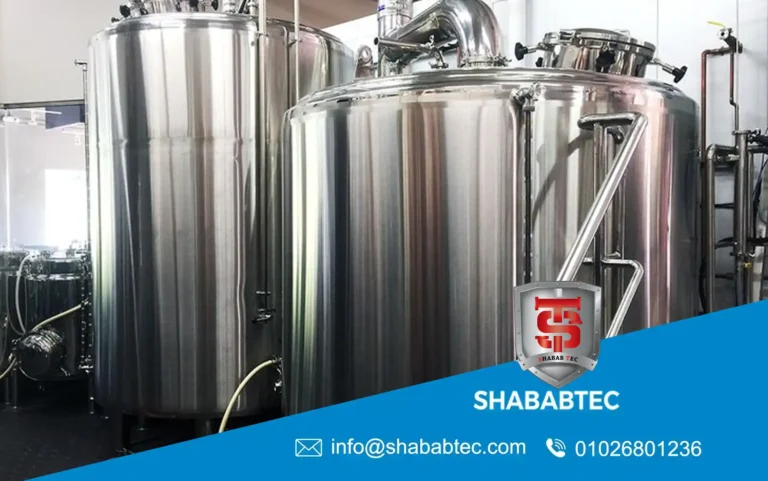
The tank body is the main structure of the pharmaceutical syrup tank. It is usually made from stainless steel because stainless steel is hygienic, durable, corrosion-resistant, and easy to clean.
For pharmaceutical applications, stainless steel 316L is often preferred when higher hygiene and corrosion resistance are required. Stainless steel 304 may be suitable for some less demanding applications, but the final choice depends on product formula, cleaning process, and factory quality requirements.
Agitator System
The agitator is the main mixing part inside the syrup production tank. It moves the liquid and helps dissolve sugar, distribute ingredients, and maintain uniform concentration.
The agitator design should be selected based on syrup viscosity, batch capacity, and product type. Light syrups may need moderate mixing, while thicker or suspension-based products may require stronger movement to prevent settling.
Liquid Medicine Mixer Shaft
The shaft transfers power from the motor to the mixing blades. In a liquid medicine mixer, the shaft should be properly aligned, strong, and manufactured from suitable stainless steel. Poor shaft alignment can cause vibration, seal damage, and unstable mixing.
Motor and Gearbox
The motor provides the power needed to run the syrup mixer. Motor power should match product viscosity, batch size, and operating time. A gearbox may be used to control speed and increase torque when needed.
Choosing a weak motor can cause slow mixing or overheating. Choosing an oversized motor may increase cost without real benefit. The best selection depends on the real production process.
Heating System
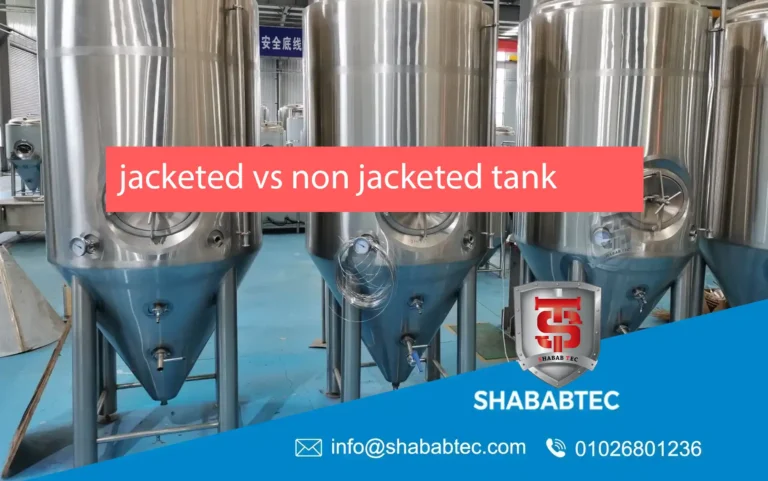
Many syrup formulas need heating to dissolve sugar, improve ingredient blending, and reduce processing time. A jacketed medicine mixing tank can provide controlled heating using hot water, steam, or electric heating depending on factory utilities.
Controlled heating is important because excessive heat may affect sensitive ingredients, flavors, preservatives, or active materials.
Cooling System
After heating, some syrup products need cooling before adding heat-sensitive ingredients or before transfer to storage or filling. A mixing tank syrup system with cooling capability helps reduce waiting time and gives better process control.
Temperature Sensor
Temperature monitoring is important in pharmaceutical syrup preparation. The tank should allow operators to monitor product temperature during heating, cooling, and mixing.
Accurate temperature control helps protect ingredient quality and supports repeatable production results.
Discharge Valve
The discharge valve controls how the finished syrup leaves the tank. Since syrup may be sticky or viscous, the valve should allow smooth flow and easy cleaning.
A bottom discharge valve is often useful because it helps empty the tank more completely and reduces product waste.
Inspection and Cleaning Openings
Inspection openings help operators check the inside of the pharmaceutical syrup tank. They also support cleaning and maintenance. In pharmaceutical production, easy access and smooth internal surfaces are important to reduce contamination risk.
Control Panel
The control panel helps operators manage mixer speed, heating, cooling, and operation time. A clear control system supports repeatable processing and reduces operator mistakes.
How a Syrup Mixer Works During Production
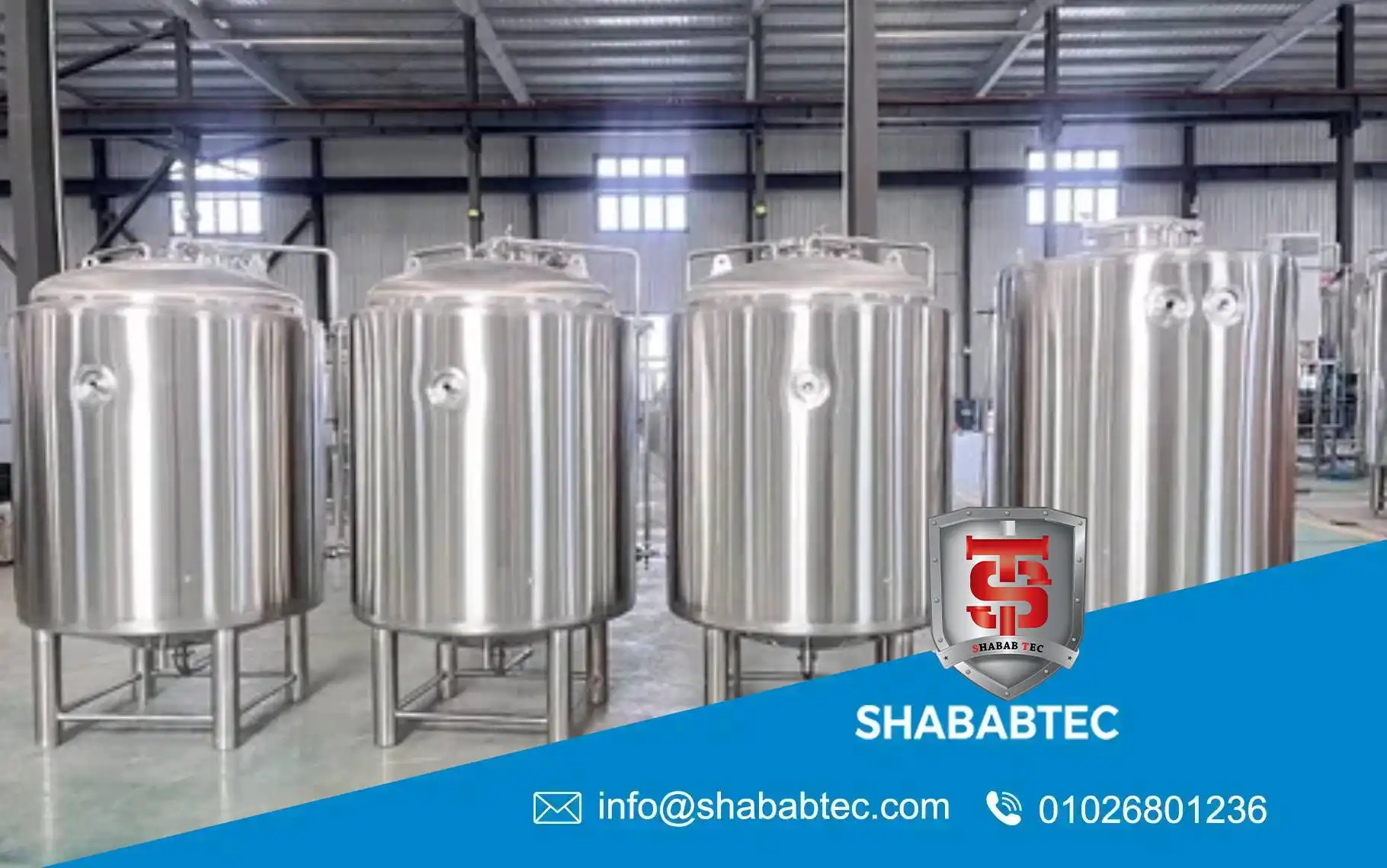
A syrup mixer works by moving the liquid inside the tank in a controlled pattern. The goal is to dissolve ingredients, distribute active materials, prevent settling, and create a stable syrup with consistent concentration.
The process usually starts with adding purified water or base liquid into the tank. Sugar or sweetener is then added gradually while the mixer runs. Heating may be applied to improve dissolving. After the base syrup is prepared, active ingredients, preservatives, flavors, colors, or other excipients may be added according to the formula and process requirements.
The medicine mixing tank keeps the liquid moving to ensure all ingredients are fully blended. When the batch reaches the required temperature, concentration, and uniformity, the syrup can be transferred to filtration, holding tank, or filling line.
Important Design Factors in Syrup Production Tank Selection
Batch Capacity
The capacity of the syrup production tank should match the factory’s actual batch size and daily production target. A tank that is too small can slow production, while a tank that is too large may waste energy and make small batches harder to control.
Factories should calculate working volume, not only total volume. During mixing, the tank needs enough free space to prevent overflow and allow safe operation.
Syrup Viscosity
Viscosity affects mixer power, blade design, motor selection, and discharge method. A light syrup flows easily, while a thick syrup needs stronger mixing and better bottom movement.
Before selecting a liquid medicine mixer, the manufacturer should define the expected viscosity during heating, mixing, cooling, and final transfer.
Ingredient Solubility
Some ingredients dissolve quickly, while others need heat, time, or stronger agitation. A good syrup mixer should help dissolve ingredients efficiently without damaging sensitive materials.
Active Ingredient Distribution
In pharmaceutical syrup, uniform distribution is critical. The medicine mixing tank must reduce dead zones and keep the entire batch moving properly so every part of the syrup has the same concentration.
Temperature Control
Heating and cooling needs should be reviewed before tank manufacturing. Some formulas need warm processing, while others require cooling before adding flavors, preservatives, vitamins, or active materials.
A jacketed mixing tank syrup system gives better control over temperature-sensitive production steps.
Cleaning Requirements
Syrup can stick to the tank wall, blades, valves, and discharge lines. If cleaning is difficult, the factory may lose time between batches and increase contamination risk.
A hygienic pharmaceutical syrup tank should have smooth internal finishing, practical access openings, and suitable discharge design.
Material Compatibility
The tank material must be compatible with product ingredients and cleaning chemicals. For many pharmaceutical applications, stainless steel 316L is preferred, especially when stronger corrosion resistance or stricter hygiene is required.
Mixing Speed Control
Different production stages may need different mixing speeds. Sugar dissolving may need stronger movement, while adding flavors or sensitive ingredients may need gentler mixing. Speed control helps operators manage each stage properly.
Pharmaceutical Syrup Tank and Hygiene Requirements
Hygiene is one of the most important factors in pharmaceutical syrup production. The pharmaceutical syrup tank should be designed to reduce contamination risks and support proper cleaning after each batch.
Important hygiene points include:
- Smooth internal stainless steel surface
- Easy-to-clean discharge valve
- Proper sealing around the shaft and cover
- Good access for inspection and cleaning
- Minimal dead zones inside the tank
- Material compatibility with cleaning chemicals
- Controlled product transfer
For factories producing liquid medicine, hygiene should be considered from the design stage, not only during operation.
Liquid Medicine Mixer Compared with General Liquid Mixer
A liquid medicine mixer is different from a general liquid mixer because pharmaceutical production needs higher control, better hygiene, and more accurate ingredient distribution.
A general mixer may be able to blend simple liquids, but it may not support the same level of cleaning, sealing, temperature control, and batch consistency needed for medicine production.
In pharmaceutical production, every detail matters: mixer speed, blade design, material grade, internal finish, valve design, and cleaning access. This is why a dedicated medicine mixing tank is usually a better choice than a normal industrial tank.
Mixing Tank Syrup System with Heating and Cooling
A mixing tank syrup system with heating and cooling gives the factory more control over production. Heating helps dissolve sugar and some ingredients faster. Cooling helps bring the syrup to the right temperature before adding sensitive materials or transferring to the next stage.
This is useful in products such as vitamin syrup, herbal syrup, pediatric syrup, and flavored liquid medicines. Some ingredients may lose quality if added at high temperature, so cooling becomes important before final additions.
A heating and cooling jacket can also reduce waiting time between process steps, improving daily production flow.
Common Problems in Syrup Production
Undissolved Sugar or Powders
Undissolved materials can appear when mixing is weak, heating is insufficient, or ingredients are added too quickly. A proper syrup mixer improves circulation and supports faster dissolving.
Uneven Active Ingredient Distribution
This is a serious issue in medicine production. A well-designed liquid medicine mixer keeps the batch uniform and reduces concentration variation.
Sedimentation
Some syrups or suspensions may contain particles that settle. A suitable medicine mixing tank helps keep materials suspended during processing.
Air Bubbles
High-speed mixing can introduce air into the syrup. Controlled mixing speed or vacuum options can reduce air bubbles and improve final appearance.
Viscosity Variation
Syrup viscosity can change depending on temperature, sugar concentration, and ingredient addition. A controlled syrup production tank helps maintain a repeatable process.
Difficult Cleaning
Syrup residue can stick to tank surfaces and valves. A hygienic pharmaceutical syrup tank design makes cleaning easier and reduces downtime.
Choosing the Right Medicine Mixing Tank
Before choosing a medicine mixing tank, the factory should review the full production process. The right tank depends on the product formula, production volume, ingredient sensitivity, and quality requirements.
Important questions include:
- What type of syrup will be produced?
- What is the required batch capacity?
- Is the syrup clear, viscous, or suspension-based?
- Does the process need heating?
- Does the process need cooling?
- Are active ingredients heat-sensitive?
- What stainless steel grade is required?
- Is vacuum needed to reduce air bubbles?
- How will the tank be cleaned?
- How will the syrup transfer to filling or storage?
- Will the same tank produce different liquid medicines?
These answers help define the best mixing tank syrup design, including tank size, material, agitator type, motor power, jacket design, discharge valve, and control system.
Benefits of a Professional Syrup Production Tank
Using a dedicated syrup production tank gives pharmaceutical factories several practical benefits:
- Better ingredient distribution
- More consistent syrup concentration
- Improved product stability
- Faster dissolving of sugar and excipients
- Controlled heating and cooling
- Reduced product waste
- Easier cleaning between batches
- Lower contamination risk
- Better repeatability from batch to batch
- Smoother transfer to storage or filling
For pharmaceutical production, these benefits directly support product quality and factory efficiency.
Syrup Production Tank in Small and Large Pharmaceutical Factories
Small Batch Production
Small factories, startups, or herbal medicine producers may need a compact syrup production tank with simple operation and easy cleaning. The tank should still support hygienic mixing and accurate preparation, even if the batch size is small.
Medium Production Lines
Medium factories may need a pharmaceutical syrup tank with heating, cooling, speed control, and better discharge design. This helps manage multiple products and repeated batches during the day.
Large Production Lines
Large pharmaceutical factories may need bigger systems with stronger motor power, advanced controls, transfer connections, filtration links, and holding tanks. The liquid medicine mixer should support continuous production quality and efficient batch handling.
Why ShababTec is a Practical Choice for Pharmaceutical Syrup Tank Solutions
ShababTec provides stainless steel equipment for liquid and semi-solid preparation, including tanks suitable for pharmaceutical syrups, liquid medicine, ointments, creams, gels, and other controlled production processes. For factories that need a reliable syrup production tank, ShababTec can support practical designs based on batch capacity, viscosity, heating needs, cooling needs, and hygiene requirements.
Instead of selecting a general-purpose tank, manufacturers can work with ShababTec to choose a pharmaceutical syrup tank that fits the real production process. This helps reduce operation problems and supports better long-term performance.
Whether the factory needs a syrup mixer for simple liquid preparation or a more advanced medicine mixing tank with heating and cooling, the equipment should be built around the product formula and production target.
Maintenance Tips for Syrup Production Tank
Regular maintenance helps keep the syrup production tank working efficiently and reduces unexpected production stops. Since syrup can be sticky and pharmaceutical products need clean processing, maintenance should be part of the daily production routine.
- Clean the tank after every batch
- Rinse the discharge valve and transfer lines properly
- Check the agitator blades for syrup buildup
- Inspect the shaft seal for leakage
- Monitor motor and gearbox sound during operation
- Check heating and cooling jacket connections
- Calibrate temperature sensors when needed
- Inspect stainless steel surfaces for stains or damage
- Avoid leaving syrup residue inside the tank for long periods
- Follow a fixed maintenance schedule
Final Thoughts
A syrup production tank is a critical part of pharmaceutical liquid manufacturing. It affects ingredient distribution, syrup stability, hygiene, temperature control, cleaning time, and final product consistency.
Choosing the right pharmaceutical syrup tank means reviewing the product formula, viscosity, batch capacity, heating and cooling needs, material grade, discharge method, and cleaning process. A professional liquid medicine mixer helps factories produce safer and more consistent syrup products with fewer production problems.
For factories that need a reliable syrup mixer, medicine mixing tank, or complete mixing tank syrup system, ShababTec offers practical stainless steel solutions designed around real pharmaceutical production requirements.
FAQ – Syrup Production Tank
What is a syrup production tank used for?
A syrup production tank is used to prepare pharmaceutical syrup by mixing water, sweeteners, active ingredients, preservatives, flavors, and other excipients under controlled conditions.
What is the difference between a pharmaceutical syrup tank and a normal syrup tank?
A pharmaceutical syrup tank focuses on hygiene, dose consistency, accurate ingredient distribution, temperature control, and easier cleaning, while a normal syrup tank may only focus on basic mixing.
What is the role of a liquid medicine mixer?
A liquid medicine mixer distributes active ingredients evenly, helps dissolve materials, prevents settling, and supports consistent concentration across the full batch.
Does a syrup mixer need heating?
Many syrup products need heating to dissolve sugar or ingredients faster, but the exact requirement depends on the formula and ingredient sensitivity.
How do I choose the right medicine mixing tank?
Choose based on batch capacity, syrup viscosity, active ingredient behavior, heating and cooling needs, stainless steel grade, discharge method, and cleaning requirements.
Can one mixing tank syrup system produce different liquid medicines?
Yes, depending on the design, cleaning process, material compatibility, and production requirements. The tank should be reviewed carefully before using it for multiple formulas.
See Also: cream ointment mixer | agitator issues