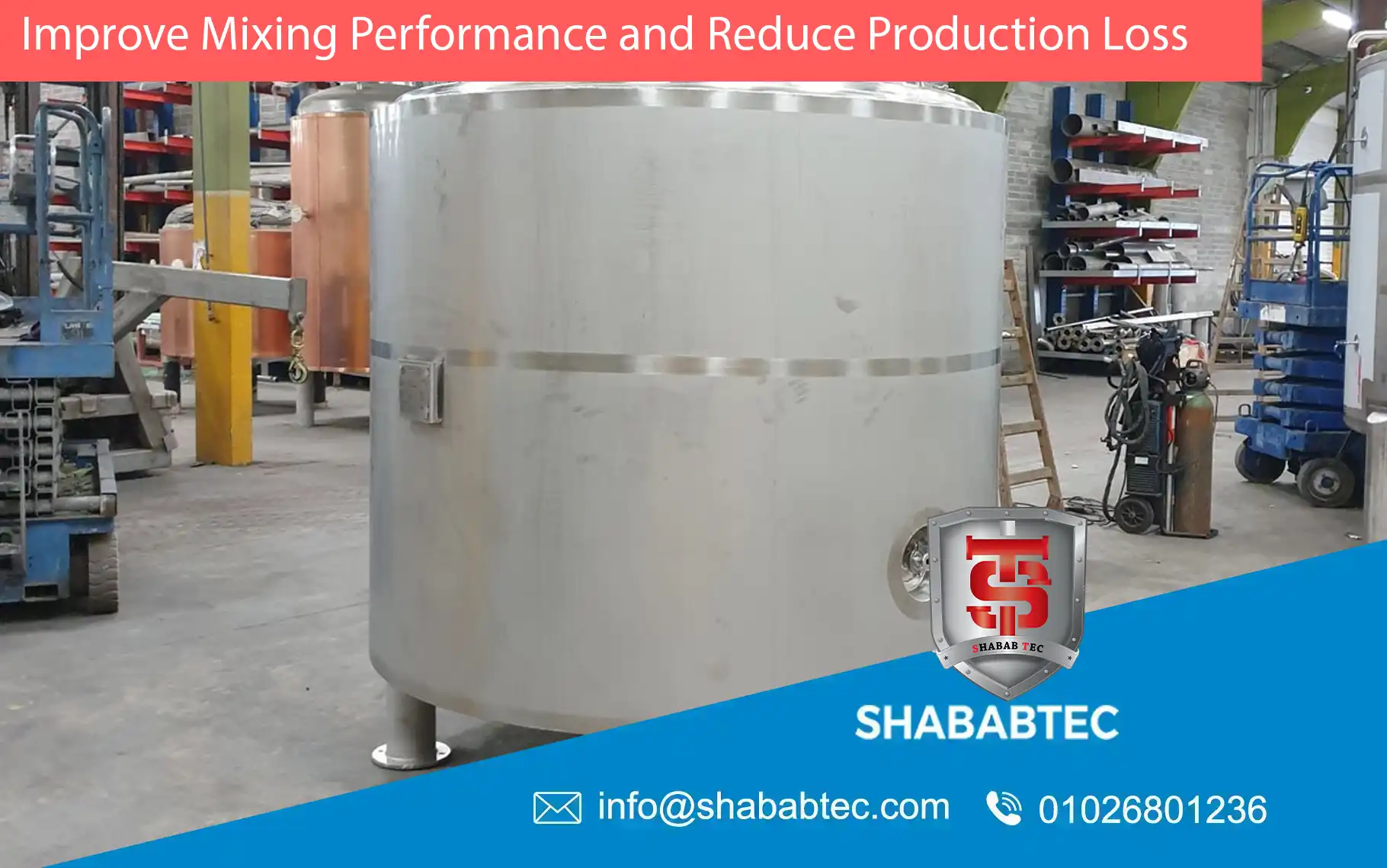
Mixing Efficiency | Improve Mixing Performance and Reduce Production Loss
Mixing Efficiency | Improve Mixing Performance and Reduce Production Loss
Mixing efficiency is one of the most important factors in any industrial production line. When the mixing process works properly, ingredients distribute evenly, batch quality becomes more stable, production time decreases, and the factory avoids many problems such as lumps, separation, sediment, weak texture, air bubbles, and product waste.
For factories working with food, cosmetics, pharmaceuticals, detergents, chemicals, adhesives, syrups, creams, gels, paints, sauces, and semi-solid products, improving tank mixing efficiency can make a clear difference in daily operation. A tank may already be running, but that does not always mean it is mixing efficiently. Sometimes the motor is working, the agitator is rotating, but the product inside the tank is not moving correctly.
To improve mixing performance, factories need to review the full system: tank design, agitator type, blade position, motor power, gearbox, product viscosity, ingredient addition method, temperature, discharge design, and agitator speed control. This guide explains practical industrial mixing optimization steps and how ShababTec can support factories with real mixing process improvement through better equipment design, modification, and technical support.
See Also: Industrial Stainless Steel Mixing Tanks – Complete Guide
What is Mixing Efficiency?
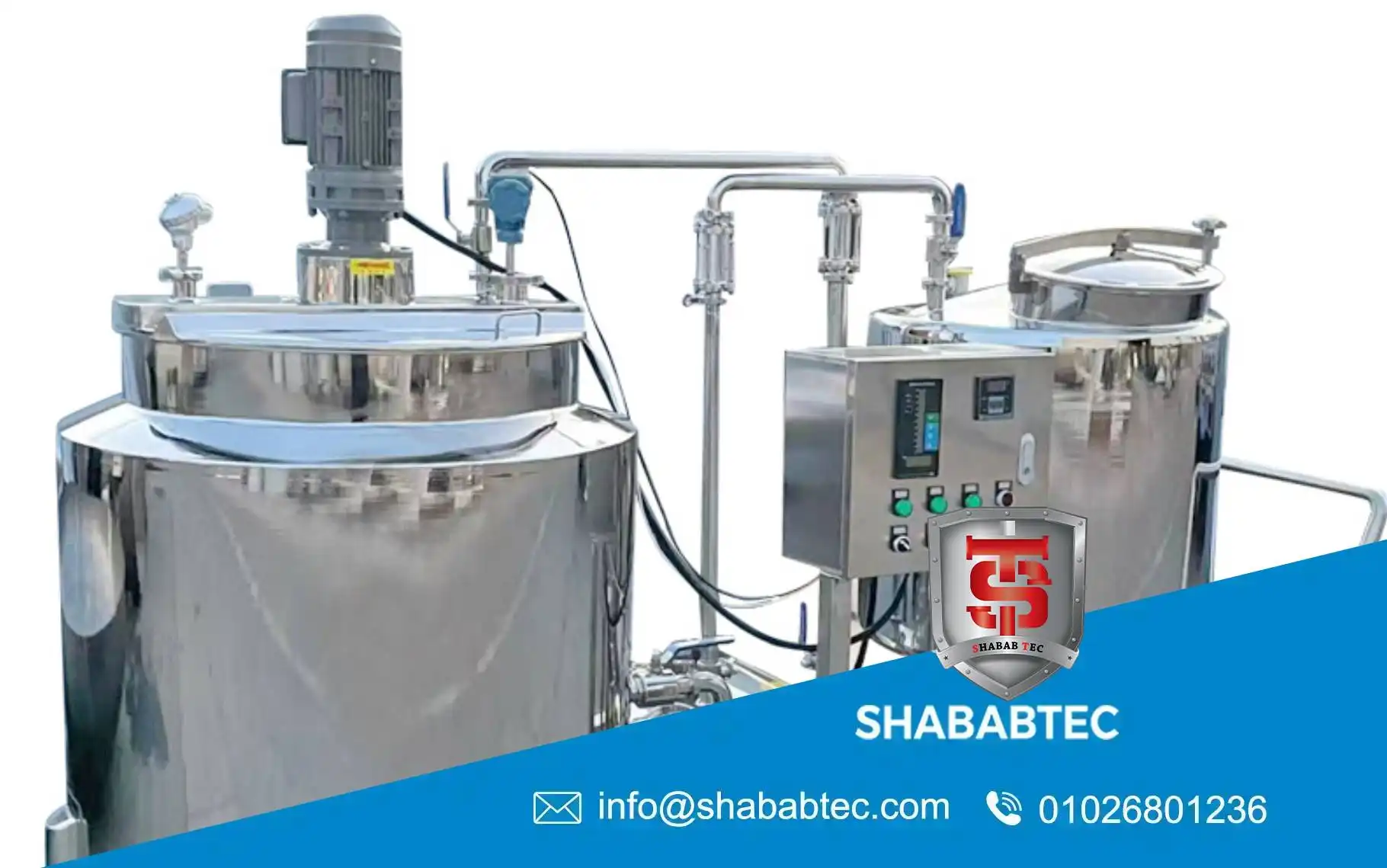
Mixing efficiency means how effectively the mixer can distribute ingredients inside the tank in the shortest practical time while keeping the product quality stable. It is not only about how fast the agitator rotates. Real efficiency means the whole batch is moving correctly, with no dead zones, no unmixed areas, and no unnecessary energy waste.
A tank with good mixing efficiency should produce a uniform batch where color, fragrance, active ingredients, powders, liquids, oils, thickeners, and other materials are distributed evenly.
A tank with poor efficiency may still appear to be operating, but the final product may show quality problems after filling, storage, or customer use.
Why Tank Mixing Efficiency Matters
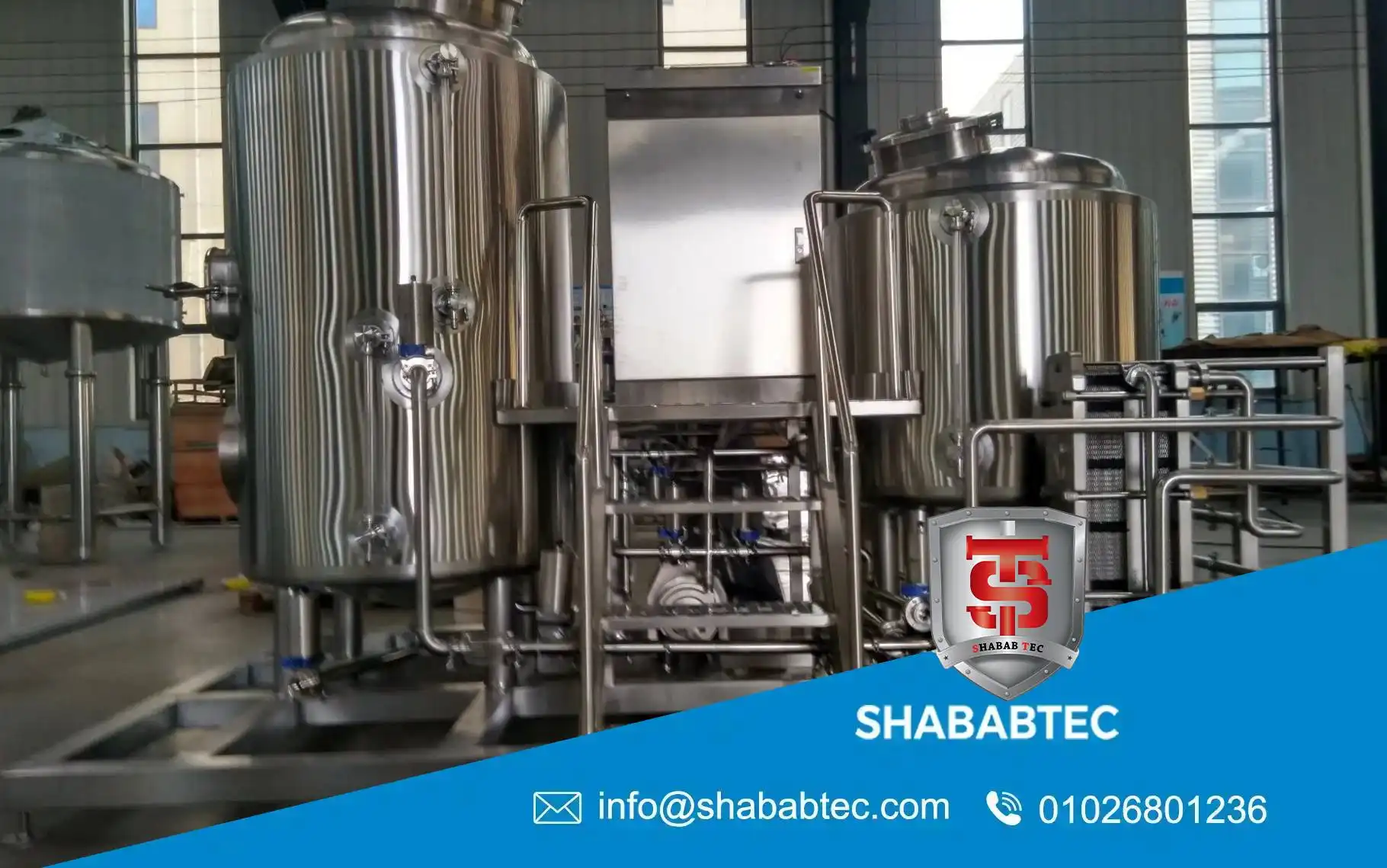
Tank mixing efficiency affects production quality, time, energy use, maintenance, and cost. If the mixer is not efficient, the factory may need longer mixing time to reach the required result. This increases labor time, power consumption, equipment wear, and production delays.
Poor tank mixing efficiency may cause:
- Uneven product quality
- Longer batch time
- Ingredient separation
- Powder lumps
- Sediment at the bottom
- Weak emulsification
- Inconsistent viscosity
- Motor overload
- Higher energy consumption
- More cleaning difficulty
- Rejected batches
Improving efficiency helps the factory produce better batches with less waste and more predictable results.
Signs That You Need to Improve Mixing Performance
Factories should look for warning signs during production. If any of these issues appear repeatedly, it may be time to improve mixing performance through equipment review or process adjustment.
- Mixing time is longer than expected
- Product color is not uniform
- Fragrance or flavor is uneven
- Powders stay floating or settle at the bottom
- Product separates after production
- Viscosity changes from one batch to another
- Tank walls hold too much product
- Air bubbles appear in the product
- Motor overheats during mixing
- Agitator creates movement only near the blade
- Discharge is slow or inconsistent
These signs do not always mean the tank must be replaced. In many cases, industrial mixing optimization can solve the issue through agitator modification, speed adjustment, blade change, scraper addition, or process improvement.
Main Factors That Affect Mixing Efficiency
Product Viscosity
Viscosity is one of the strongest factors affecting mixing efficiency. Thin liquids move easily inside the tank, while thick products need higher torque and stronger agitator design.
A mixer designed for light liquid may fail with cream, gel, adhesive, paste, chocolate, ointment, or thick sauce. To improve mixing performance, the mixer must match the product viscosity at the beginning, middle, and end of the process.
Agitator Type
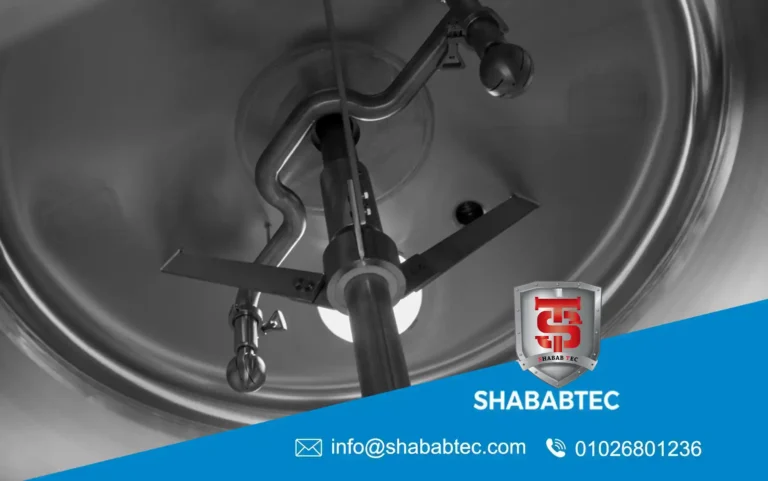
The agitator controls how the product moves. A propeller, paddle, anchor, scraper, turbine, high-shear head, or homogenizer creates different movement. Using the wrong agitator is one of the most common causes of poor tank mixing efficiency.
Blade Position
Even if the blade type is correct, poor blade position can create dead zones. Blade height, distance from the bottom, distance from the wall, and number of blades all affect circulation.
Tank Shape
Tank geometry affects product movement. The tank bottom, diameter, height, outlet position, and internal surfaces can support or reduce mixing quality.
Motor Power
If the motor is too weak, the mixer cannot move the product properly. This leads to long mixing time, motor overheating, and poor performance.
Gearbox and Torque
For thick products, torque is more important than speed. A gearbox helps reduce speed and increase turning force. This supports better mixing for viscous materials.
Agitator Speed Control
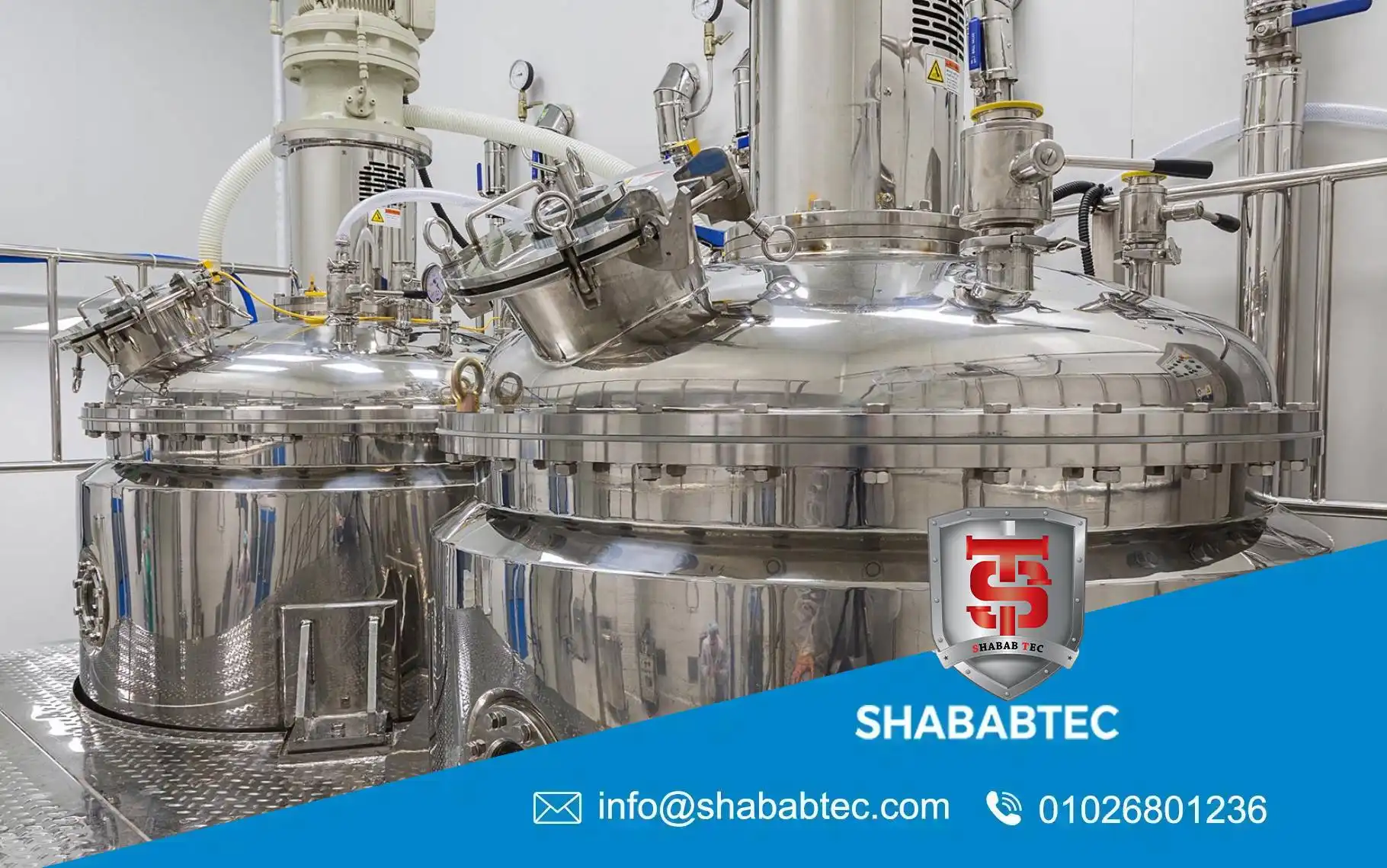
Agitator speed control allows operators to adjust speed according to each production stage. Some stages need slow mixing. Other stages need stronger movement. Without speed control, the process may create foam, air bubbles, weak dispersion, or motor stress.
Ingredient Addition Method
Adding ingredients too fast can create lumps, floating powders, or poor distribution. Correct addition order and speed can improve the full mixing process.
Temperature
Heating can reduce viscosity and improve mixing. Cooling can increase viscosity and require stronger movement. Temperature control is important for syrup, cream, lotion, gel, ointment, chocolate, jam, adhesive, and many chemical processes.
Agitator Speed Control | Why It Matters
Agitator speed control is one of the most practical ways to improve mixing performance. Not every product should be mixed at one fixed speed from start to finish. Many products need different speeds during different stages.
For example, liquid detergent may need slow speed to avoid foam. Paint may need higher speed during pigment dispersion. Cream may need strong emulsification first, then gentle mixing during cooling. Syrup may need stronger movement while dissolving sugar, then lower speed during final adjustment.
Good agitator speed control helps factories:
- Reduce foam in detergent and soap products
- Improve powder dispersion
- Protect sensitive ingredients
- Reduce air bubbles
- Control viscosity development
- Improve emulsification stages
- Reduce motor stress
- Adapt the same tank to different products
Speed control should be selected according to product type, viscosity, agitator design, and final quality target.
Industrial Mixing Optimization | Practical Steps
Step 1 | Review the Product First
The first step in industrial mixing optimization is understanding the product. The factory should define whether the product is thin, medium, thick, sticky, foaming, powder-containing, heat-sensitive, or suspension-based.
Without this information, any modification may be random and ineffective.
Step 2 | Check the Current Mixing Result
Look at the batch during production and after discharge. Check color, texture, viscosity, sediment, lumps, bubbles, separation, and wall buildup. These signs show where the process is weak.
Step 3 | Inspect the Agitator
Check whether the agitator type is suitable. A light propeller may not work for thick products. An anchor may not provide enough shear for emulsions. A high-shear head may not move the full batch alone.
Step 4 | Check Agitator Speed Control
If the tank runs at one speed only, the factory may lose flexibility. Adding or improving agitator speed control can support better production adjustment.
Step 5 | Review Motor and Gearbox
If the motor overheats or slows down, the system may need stronger motor power or better gearbox selection. This is especially important for high-viscosity products.
Step 6 | Check Dead Zones
Dead zones are areas where the product does not move properly. They often appear near the bottom, tank wall, or corners. Changing blade design or adding scraper movement can help.
Step 7 | Improve Ingredient Addition
Powders, thickeners, colors, fragrances, oils, and active ingredients should be added correctly. Controlled addition can reduce lumps and improve distribution.
Step 8 | Review Heating and Cooling
If product viscosity changes with temperature, the tank may need a jacketed system or better temperature control. This can improve mixing and reduce processing time.
Step 9 | Test the Modified Process
After changes, test batch quality, mixing time, motor load, and final product consistency. Optimization should be measured by real production results.
Step 10 | Work with a Capable Equipment Partner
ShababTec can support factories through these industrial mixing optimization steps. The company can review tank design, agitator type, motor power, gearbox, speed control, scraper need, heating or cooling options, and fabrication modifications to help improve real production performance.
Mixing Process Improvement by Product Type
Liquid Detergent and Soap
Liquid detergent and soap products need controlled mixing to avoid excessive foam. Mixing process improvement in this case may include lower speed, better blade design, improved ingredient addition, and proper viscosity adjustment.
Cosmetic Creams and Lotions
Creams and lotions need emulsification, homogenizing, temperature control, and sometimes vacuum. To improve mixing performance, the system may need anchor mixing, scraper movement, homogenizer support, and controlled cooling.
Pharmaceutical Syrups
Syrup products need proper dissolving and uniform active ingredient distribution. Better tank mixing efficiency may come from heating control, correct agitator speed, and proper ingredient addition order.
Ointments, Gels, and Pastes
High-viscosity products need high torque, scraper movement, strong shafts, and suitable discharge. A simple mixer may not be enough.
Paint and Coatings
Paint and coatings often need pigment dispersion and viscosity control. A high-shear mixer or disperser may be needed to solve mixing efficiency problems.
Adhesives and Glue
Adhesives need strong torque and good wall movement. Process improvement may include heating, scraper addition, stronger motor, and better discharge design.
Food Sauces, Jam, and Chocolate
Sticky food products need heating control and scraper movement to prevent burning and improve texture. Tank design should support both mixing and easy cleaning.
How to Improve Mixing Performance Without Replacing the Whole Tank
Many factories think that poor mixing efficiency means they need a completely new tank. Sometimes that is true, but in many cases the existing tank can be improved.
Possible upgrades include:
- Changing agitator blade type
- Adding variable speed control
- Upgrading motor power
- Changing gearbox ratio
- Adding scraper system
- Adding high-shear mixer or homogenizer
- Improving discharge valve size
- Adding heating or cooling jacket when possible
- Adjusting blade position
- Reinforcing tank structure
ShababTec can help inspect the current system and recommend whether modification, repair, or new custom fabrication is the better option.
Agitator Speed Control by Industry
Food Industry
Food products such as sauce, syrup, chocolate, and jam may need different speeds during heating, cooking, and final mixing. Speed control helps protect texture and reduce burning risk.
Cosmetic Industry
Cosmetic products need speed flexibility during emulsification, homogenizing, cooling, and final fragrance addition. Too much speed can introduce air, while too little speed can reduce stability.
Pharmaceutical Industry
Pharmaceutical liquids and semi-solids need stable mixing and controlled ingredient distribution. Speed control helps make the process more repeatable.
Chemical Industry
Chemical products such as paint, adhesives, detergents, and fertilizers may need different speeds for powder addition, dispersion, foam control, and final blending.
Common Mistakes That Reduce Tank Mixing Efficiency
Using One Mixer Type for Every Product
Different products need different mixing actions. One standard mixer cannot handle every formula efficiently.
Ignoring Product Viscosity
Viscosity affects motor power, agitator design, speed, torque, and discharge. Ignoring viscosity leads to poor performance.
Running at Maximum Speed All the Time
Higher speed does not always mean better mixing. It can create foam, air bubbles, heat, and motor stress.
Adding Ingredients Too Quickly
Fast addition can cause lumps, poor dispersion, and unstable viscosity. Controlled addition improves mixing quality.
Not Cleaning Blades Properly
Product buildup on blades changes mixing behavior and reduces efficiency.
Ignoring Tank Geometry
Wrong blade position, poor bottom design, and dead zones can reduce full batch movement.
No Process Records
If operators do not record speed, time, temperature, and ingredient addition, it becomes difficult to repeat successful batches.
Mixing Process Improvement | Practical Production Checklist
A simple checklist can help operators and managers track mixing process improvement on the production floor.
- Define product viscosity before production
- Set correct agitator speed for each stage
- Add powders and thickeners gradually
- Check product movement near tank wall and bottom
- Monitor motor temperature
- Use heating or cooling when needed
- Inspect product texture during mixing
- Check for foam or air bubbles
- Confirm final viscosity before discharge
- Record mixing time, speed, and temperature
- Clean blades and tank after every batch
- Report repeated mixing problems
This checklist supports more stable production and easier troubleshooting.
Tank Mixing Efficiency and Energy Use
Better tank mixing efficiency can reduce energy waste. When the mixer is designed correctly, it can reach the required quality faster and with less mechanical stress. When the system is wrong, the motor may run longer and harder without achieving good results.
Energy waste often happens because of:
- Wrong blade type
- Poor speed setting
- Underpowered motor working under stress
- Overmixing after the product is already ready
- High viscosity without heating support
- Dead zones that require longer mixing time
Industrial optimization should focus on product quality and production efficiency together.
How ShababTec Helps Improve Mixing Performance
ShababTec provides stainless steel equipment, industrial mixing systems, tank fabrication, and practical support for liquid and semi-solid production. The company works with food, cosmetic, pharmaceutical, chemical, detergent, adhesive, syrup, sauce, cream, gel, ointment, chocolate, jam, fertilizer, and other industrial applications.
For factories looking to improve mixing performance, ShababTec can support:
- Reviewing current tank mixing efficiency
- Checking agitator design and blade position
- Improving agitator speed control
- Upgrading motor or gearbox when needed
- Adding scraper systems for sticky products
- Adding homogenizer or high-shear options
- Improving heating and cooling performance
- Modifying discharge design
- Fabricating new custom mixing tanks
- Supporting full industrial mixing optimization
This means ShababTec can help factories move from repeated mixing problems to a more stable, efficient, and production-ready system.
Maintenance Tips to Protect Mixing Efficiency
Even the best tank can lose efficiency if it is not maintained properly. Maintenance should focus on keeping the agitator, motor, gearbox, blades, seals, and tank surface in good condition.
- Clean the tank and blades after each batch
- Check agitator blades for damage or buildup
- Inspect shaft alignment
- Monitor motor and gearbox noise
- Check seals for leakage
- Inspect scraper blades if available
- Review speed settings when changing products
- Check heating and cooling connections
- Inspect discharge valve for blockage
- Record repeated performance issues
Good maintenance protects mixing efficiency and reduces unexpected downtime.
Final Thoughts
Mixing efficiency is not only about rotating the agitator. It is about moving the full batch correctly, reducing dead zones, controlling speed, matching the mixer to product viscosity, and achieving stable quality in less time.
To improve mixing performance, factories should review product behavior, agitator design, motor power, gearbox, agitator speed control, temperature, ingredient addition method, and discharge design. Good industrial mixing optimization can reduce batch time, improve product consistency, and lower production waste.
For practical mixing process improvement, ShababTec can help factories inspect current systems, modify existing tanks, upgrade mixing equipment, or fabricate new custom tanks designed for better tank mixing efficiency and long-term industrial performance.
FAQ – Mixing Efficiency
What is mixing efficiency?
Mixing efficiency is how effectively a mixer distributes ingredients evenly inside the tank within the required time while maintaining stable product quality.
How can I improve mixing performance?
You can improve mixing performance by matching the agitator to the product viscosity, using proper motor power, applying agitator speed control, improving ingredient addition, reducing dead zones, and maintaining the equipment regularly.
What is industrial mixing optimization?
Industrial mixing optimization is the process of improving tank design, agitator type, speed, motor power, temperature control, and production steps to achieve better mixing quality and efficiency.
Why is agitator speed control important?
Agitator speed control is important because different products and production stages need different speeds. It helps reduce foam, improve dispersion, protect texture, and reduce motor stress.
What causes poor mixing process improvement results?
Poor results may happen when the wrong agitator is used, product viscosity is ignored, motor power is weak, ingredients are added too quickly, or dead zones inside the tank are not addressed.
What affects tank mixing efficiency the most?
Tank mixing efficiency is affected by product viscosity, agitator type, blade position, motor power, gearbox, tank geometry, speed control, temperature, and ingredient addition method.
See Also: industrial mixer types | industrial mixer price