Lotion Mixing Tank
Lotion Mixing Tank for Cosmetic Lotion Production
Lotion production requires accurate mixing, smooth emulsification, controlled temperature, and hygienic equipment that can handle cosmetic ingredients properly. Whether the factory produces body lotion, hand lotion, moisturizing lotion, sunscreen lotion, or skin care products, choosing the right lotion mixing tank is essential for consistent texture and stable quality.
A professional lotion mixer helps blend water phase, oil phase, emulsifiers, fragrances, active ingredients, preservatives, colors, and thickeners into one smooth product. Lotion is usually an emulsion, which means oil and water must be mixed correctly to avoid separation. This is why the design of the cosmetic lotion tank is important in daily production.
For factories in Egypt and the region, ShababTec provides practical stainless steel mixing solutions suitable for cosmetic liquid and semi-solid products, including lotion, cream, shampoo, liquid soap, gels, ointments, and other related products. The right lotion production tank should match the formula, viscosity, batch size, heating needs, cooling needs, and emulsification requirements.
See Also: Industrial Stainless Steel Mixing Tanks – Complete Guide
What is a Lotion Mixing Tank?
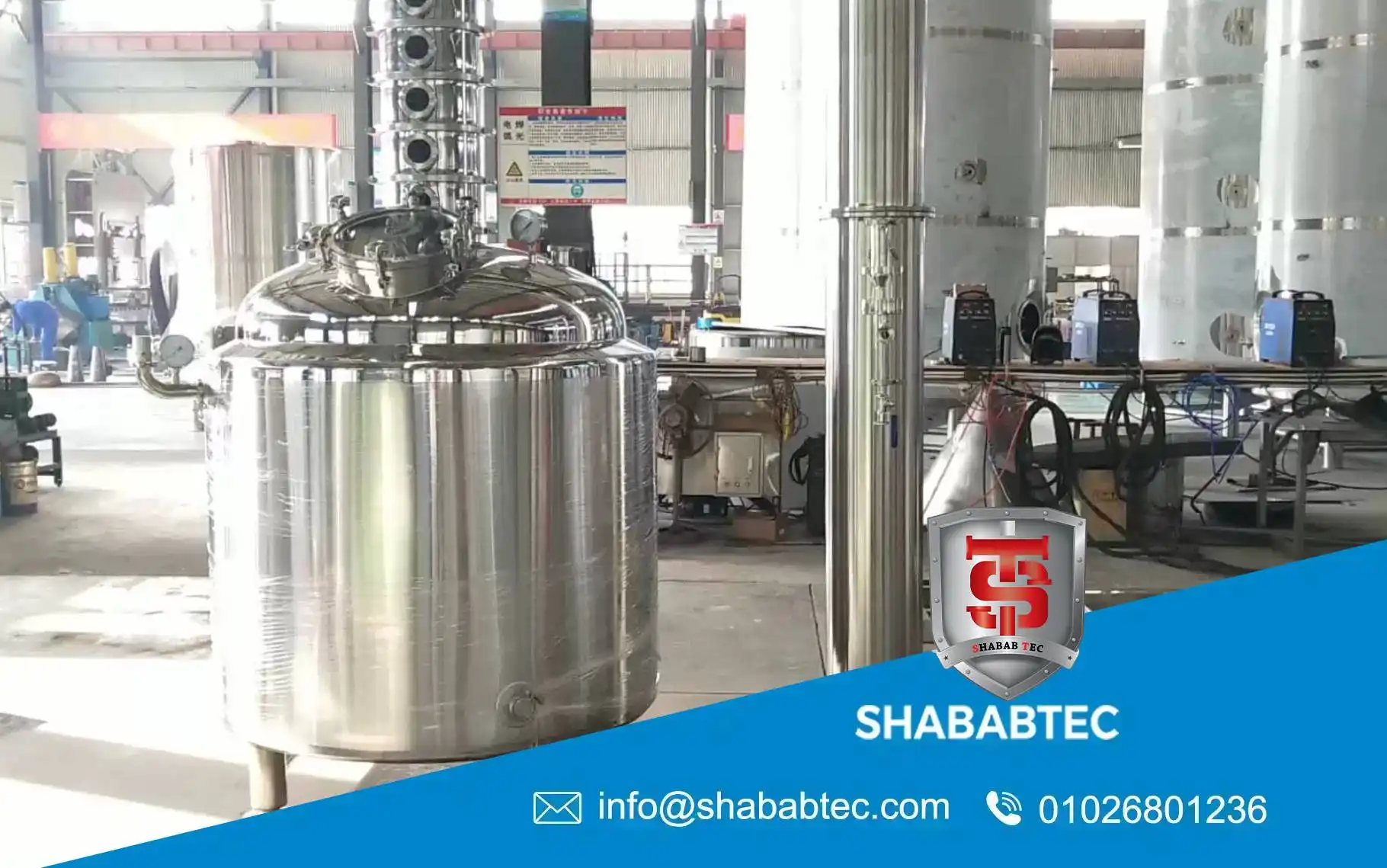
A lotion mixing tank is an industrial tank used to prepare lotion products by mixing, heating, cooling, and emulsifying ingredients under controlled conditions. It is designed to produce a smooth and stable lotion with uniform texture, correct viscosity, and consistent appearance.
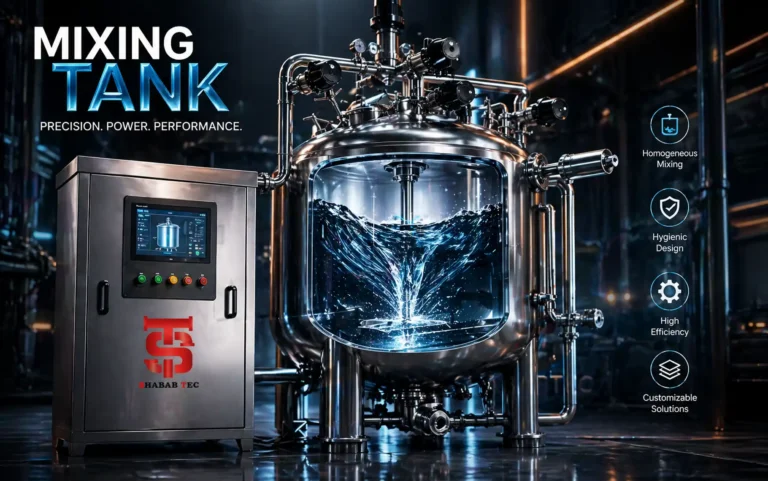
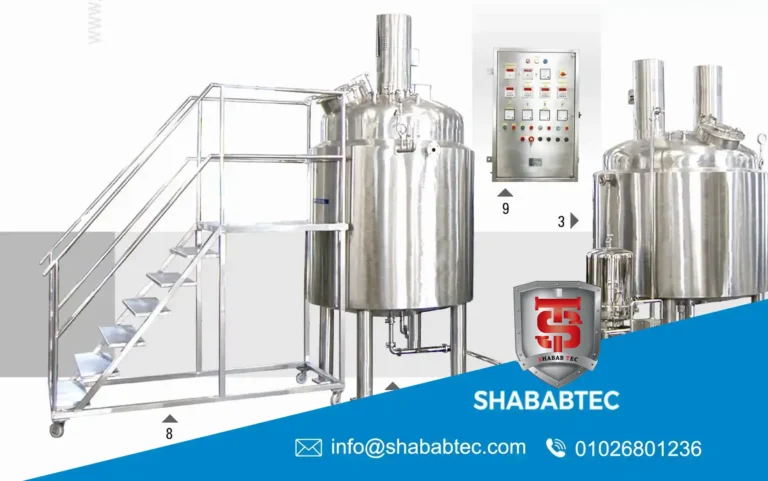
The tank usually includes a stainless steel body, agitator, motor, shaft, mixing blades, discharge valve, heating or cooling jacket, and sometimes vacuum or homogenizing systems depending on the product quality required.
A mixing tank lotion system is not just a basic tank. It must support proper oil and water blending, prevent ingredient separation, reduce air bubbles, and help operators control temperature during the production process.
Why Lotion Mixer Design Matters
The design of the lotion mixer has a direct effect on product texture, stability, and production efficiency. Lotion can separate if the mixing force, temperature, or emulsification process is not correct. A weak mixer may leave the product uneven, while uncontrolled mixing can introduce air bubbles or damage texture.
Common problems caused by poor lotion mixing include:
- Oil and water separation
- Uneven texture
- Air bubbles inside the lotion
- Inconsistent viscosity
- Fragrance or active ingredients not distributed evenly
- Product sticking to tank walls
- Slow cooling after heating
- Difficult cleaning after production
A suitable lotion emulsifier helps create a stable emulsion and improves the final product feel, appearance, and shelf stability.
Main Components of a Cosmetic Lotion Tank
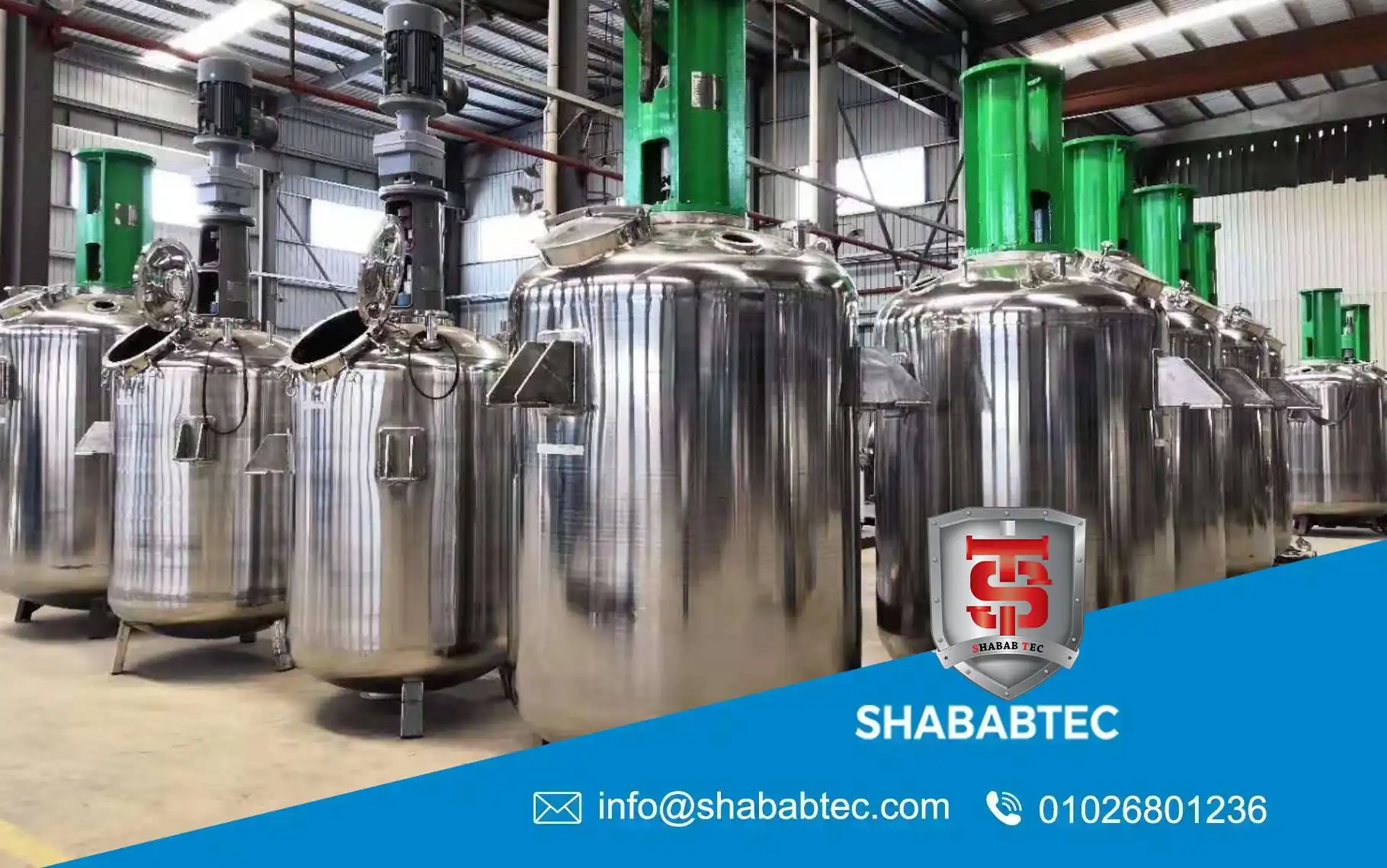
Stainless Steel Tank Body
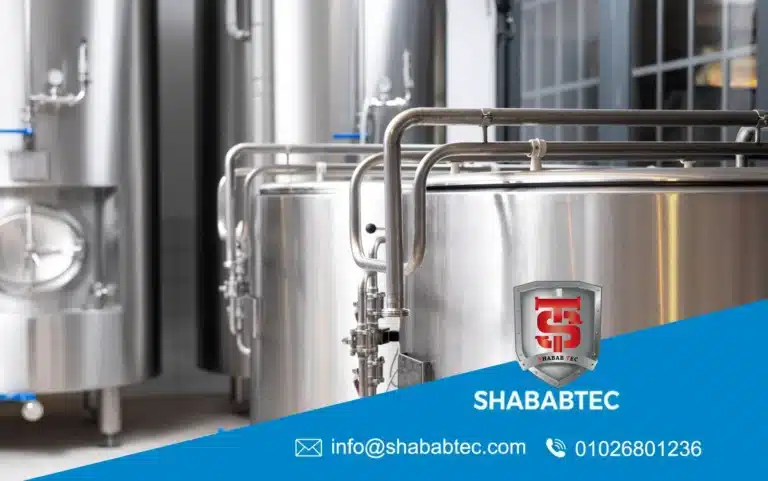
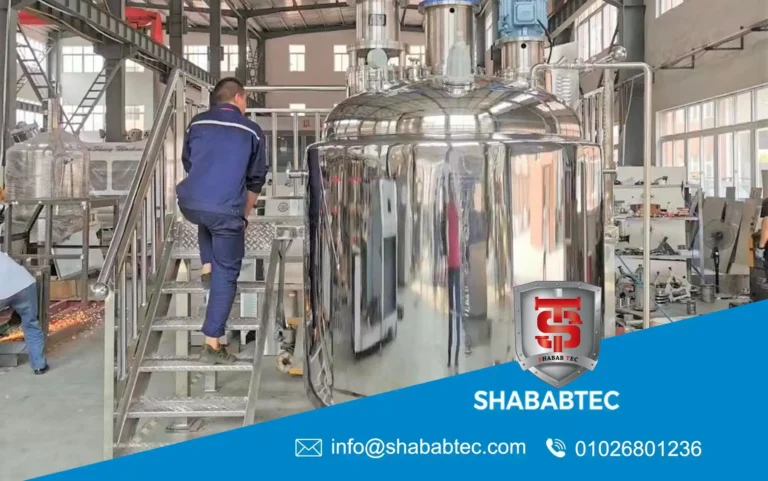
The tank body is the main vessel of the cosmetic lotion tank. Stainless steel is commonly used because it is hygienic, durable, corrosion-resistant, and easy to clean. For cosmetic production, smooth internal surfaces are important to reduce residue and support clean production between batches.
The size of the tank should match the factory’s batch volume. A small production workshop may need a compact lotion mixing tank, while a larger cosmetic factory may need a bigger system with stronger motor power, heating, cooling, and vacuum options.
Agitator System
The agitator moves the lotion inside the tank and helps distribute ingredients evenly. For lotion, the agitator should create smooth circulation without causing excessive air intake.
Depending on the formula, the lotion mixer may use paddle blades, anchor blades, scraper blades, or a combination of systems. Thick lotions may need stronger movement near the tank wall to reduce buildup.
Lotion Emulsifier
The lotion emulsifier is used to blend oil and water phases into a stable emulsion. It creates stronger mixing action than a normal agitator and helps break down droplets so the lotion becomes smoother and more stable.
For high-quality lotion production, the lotion emulsifier is one of the most important parts of the system. It affects texture, product feel, and resistance to separation.
Heating System
Many lotion formulas require heating. The water phase and oil phase may need to be heated before emulsification to dissolve ingredients and allow proper blending. A jacketed lotion production tank can provide controlled heating through hot water, steam, or electric heating depending on the factory setup.
Gentle and even heating is important because overheating can affect fragrance, active ingredients, or product texture.
Cooling System
After emulsification, lotion often needs to be cooled before adding fragrance, preservatives, or sensitive ingredients. Cooling also helps the product reach the right viscosity and texture before filling.
A mixing tank lotion system with cooling capability can reduce waiting time and improve production control.
Vacuum System
Some lotion production processes use vacuum to reduce air bubbles and improve product appearance. Vacuum can help create a smoother product, especially for premium cosmetic lotions.
Vacuum is not required for every lotion formula, but it can be useful when the final product needs a clean, bubble-free appearance.
Discharge Valve
The discharge valve controls how the finished lotion leaves the tank. Since lotion can be medium or high viscosity, the valve should allow smooth discharge and easy cleaning.
A bottom discharge design helps reduce product waste and makes the cosmetic lotion tank easier to empty after production.
Control Panel
The control panel helps operators manage mixer speed, emulsifier speed, heating temperature, cooling, vacuum, and processing time. Clear controls make production easier and help repeat the same process across different batches.
Applications of Lotion Mixing Tank
Body Lotion Production
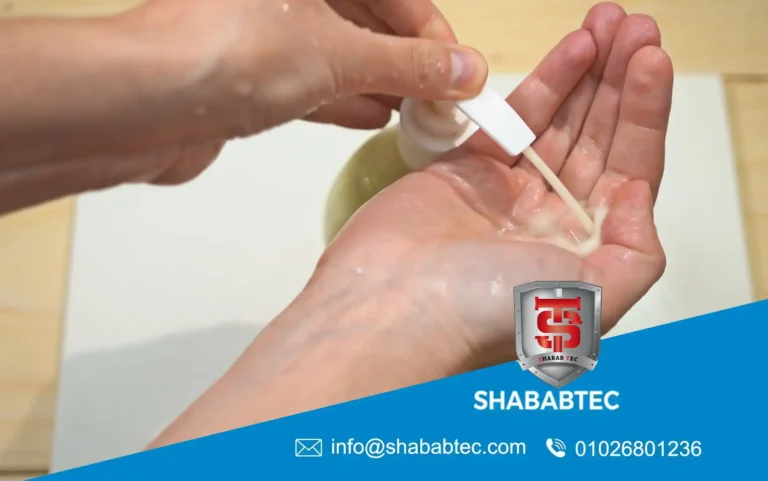
A lotion mixing tank is widely used for body lotion production. The tank helps create a smooth texture, stable emulsion, and consistent fragrance distribution.
Hand Lotion Production
Hand lotion needs a pleasant feel, correct viscosity, and stable formula. A suitable lotion mixer helps blend oils, water, moisturizers, and additives evenly.
Moisturizing Lotion Production
Moisturizing lotions may include oils, humectants, extracts, and active ingredients. A reliable cosmetic lotion tank helps maintain uniform distribution and product stability.
Sunscreen Lotion Production
Sunscreen lotion may require more advanced mixing because it includes UV filters and active ingredients that need proper dispersion. A strong lotion emulsifier can help achieve better consistency.
Private Label Lotion Production
Factories that produce lotion for different brands need a flexible lotion production tank that can handle multiple formulas and batch sizes.
Types of Lotion Mixer Systems
Standard Lotion Mixer
A standard lotion mixer is suitable for simple lotion formulas with moderate viscosity. It usually includes a stainless steel tank, agitator, motor, and discharge valve.
Jacketed Lotion Mixing Tank
A jacketed lotion mixing tank includes heating and cooling around the tank body. This design is useful for lotion formulas that require temperature control during production.
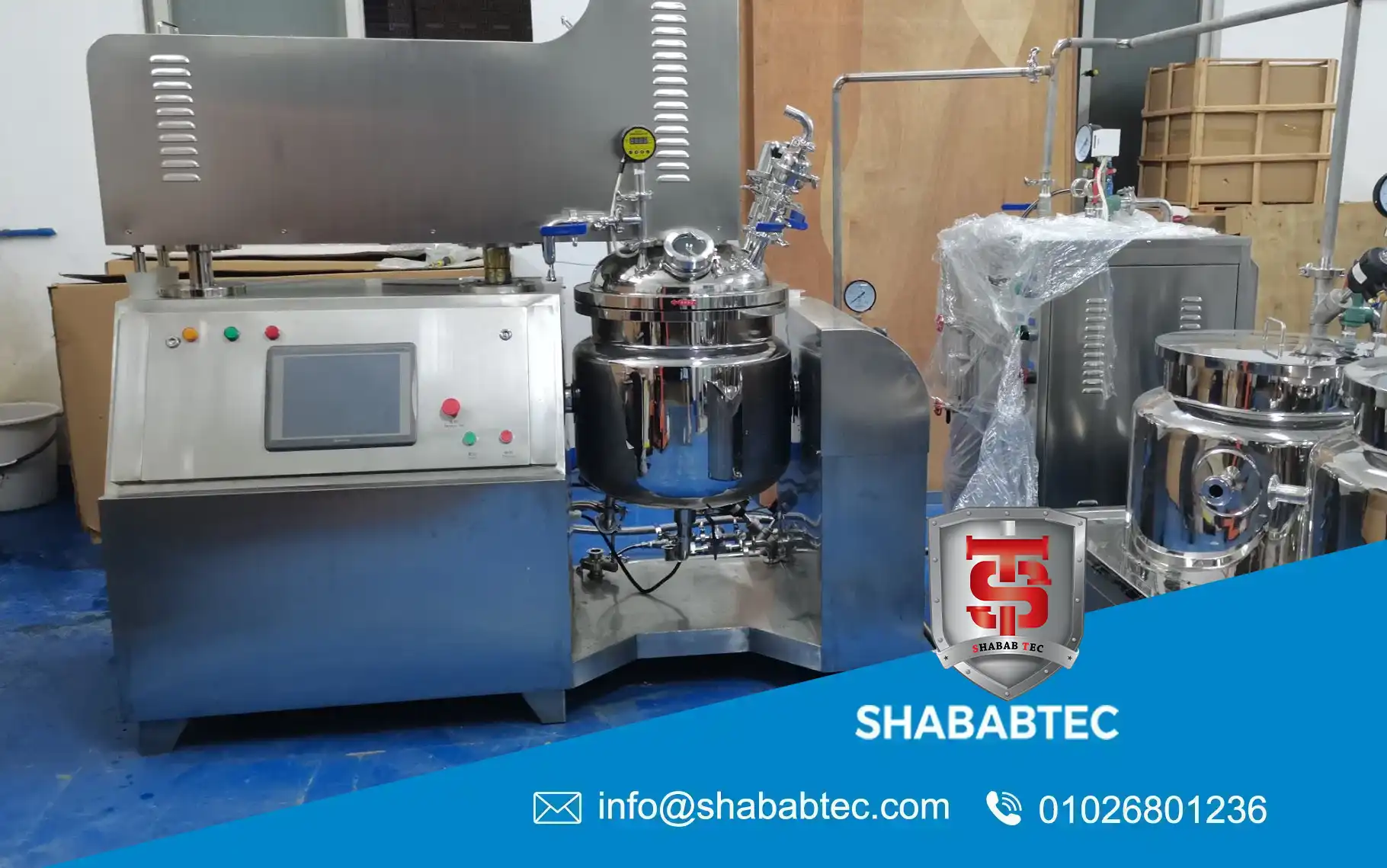
Vacuum Cosmetic Lotion Tank
A vacuum cosmetic lotion tank helps remove air bubbles and improve product smoothness. It is suitable for cosmetic factories that need a higher-quality appearance.
Lotion Production Tank with Homogenizer
A lotion production tank with homogenizer or emulsifier is used when the formula needs stronger emulsification. This is common in body lotions, creams, sunscreen lotions, and more advanced cosmetic products.
Multi-Function Mixing Tank Lotion System
A multi-function mixing tank lotion system can include mixing, heating, cooling, vacuum, and emulsification in one unit. This is practical for factories producing different cosmetic products using one flexible system.
Important Design Factors for Mixing Tank Lotion
Emulsion Stability
Lotion is usually made from water and oil phases. If the emulsion is not stable, the product may separate during storage. A proper lotion emulsifier supports stable blending and helps maintain product quality.
Viscosity
Viscosity affects mixer power, blade type, discharge method, and cooling time. Some lotions are light and fluid, while others are thick and creamy. The lotion mixing tank should be designed according to the final viscosity.
Temperature Control
Heating and cooling are important in many lotion formulas. The tank should allow controlled heating for dissolving and emulsification, then controlled cooling for final texture and ingredient addition.
Batch Capacity
The lotion production tank should match the factory’s production volume. Small tanks are useful for flexible production, while larger tanks support higher daily output.
Air Bubble Reduction
Air bubbles can affect appearance, filling accuracy, and product feel. Vacuum design or controlled mixing speed can help reduce bubbles inside the lotion.
Cleaning Requirements
Lotion can stick to tank walls, blades, and valves. A smooth stainless steel finish, suitable discharge design, and practical access openings help reduce cleaning time.
Material Selection
Stainless steel 304 is suitable for many cosmetic lotion products, while stainless steel 316 may be selected for more sensitive formulas or stricter production requirements. The final choice depends on the formula and cleaning chemicals.
Benefits of Using a Professional Lotion Production Tank
Using a purpose-built lotion production tank provides several practical advantages for cosmetic factories:
- More stable lotion emulsion
- Smoother texture and better product feel
- Better distribution of fragrance and active ingredients
- Improved viscosity control
- Reduced air bubbles
- Faster heating and cooling process
- Easier cleaning between batches
- Better repeatability from one batch to another
For factories producing lotion regularly, the right lotion mixing tank can improve both final product quality and daily production efficiency.
Common Problems in Lotion Production
Oil and Water Separation
Separation happens when the emulsion is not formed correctly or when the lotion emulsifier is not suitable for the formula. Proper emulsification helps create a stable product.
Uneven Texture
Uneven texture may happen when mixing is weak or ingredients are not added at the right stage. A suitable lotion mixer helps create a smoother and more uniform product.
Air Bubbles
Air bubbles can appear due to high mixing speed or poor process control. Vacuum operation or controlled speed can help improve the final appearance.
Viscosity Changes
Lotion viscosity can change during cooling or after adding thickeners. A proper mixing tank lotion system helps control the process and maintain consistency.
Product Sticking to Tank Walls
Thicker lotions may stick to the tank wall. An anchor agitator or scraper system can improve wall movement and reduce product loss.
Slow Cooling
After heating and emulsification, lotion may need cooling before filling. A jacketed cosmetic lotion tank with cooling option can reduce waiting time.
How to Choose the Right Lotion Mixing Tank
Before choosing a lotion mixing tank, the factory should review the formula and production process. The tank should be selected based on product behavior, not only tank size.
Important questions include:
- What type of lotion will be produced?
- What is the required batch capacity?
- Is the lotion light, medium, or thick?
- Does the formula require strong emulsification?
- Is heating required for oil and water phases?
- Is cooling required before filling?
- Is vacuum needed to reduce bubbles?
- What stainless steel grade is suitable?
- How often will the tank be cleaned?
- Will the same tank produce cream, gel, or other cosmetics?
These answers help define the correct lotion mixer, emulsifier, tank size, heating system, cooling system, discharge valve, and control options.
Lotion Mixing Tank for Small and Large Cosmetic Factories
Small cosmetic factories may need a compact lotion mixing tank with simple operation, moderate capacity, and flexible use for different formulas. This is suitable for startups, local brands, and small batch production.
Larger factories may need a bigger lotion production tank with stronger motor power, vacuum operation, heating, cooling, and a high-performance lotion emulsifier to support repeated daily batches.
The best tank is not always the largest one. The best tank is the system that matches the formula, production target, available space, and daily workflow.
Cosmetic Lotion Tank vs General Mixing Tank
A cosmetic lotion tank is designed specifically for cosmetic production needs. A general mixing tank may be able to mix liquids, but it may not provide the correct emulsification, temperature control, bubble reduction, or texture quality needed for lotion.
Lotion production usually needs controlled heating, cooling, and strong but suitable emulsification. This is why a dedicated mixing tank lotion system is usually better than a basic industrial tank.
Why ShababTec is a Practical Choice for Lotion Mixing Tank Solutions
ShababTec provides stainless steel equipment for liquid and semi-solid preparation, including tanks suitable for lotion, cream, shampoo, liquid soap, gels, ointments, syrups, and other cosmetic products. For factories that need a reliable lotion mixing tank, ShababTec can support practical designs based on viscosity, batch capacity, heating needs, cooling needs, and emulsification requirements.
Instead of choosing a standard tank that may not handle lotion texture properly, factories can work with ShababTec to select a suitable mixing tank lotion system for their actual production line.
This is useful for manufacturers that produce lotion only or need one flexible system for lotion, cream, gel, and other cosmetic products.
Maintenance Tips for Lotion Mixing Tank
Regular maintenance helps keep the lotion mixing tank working efficiently and reduces unexpected production stops. Since lotion can stick to surfaces, cleaning should be done properly after each batch.
- Clean the tank after each production batch
- Rinse the discharge valve and product outlet properly
- Check the agitator blades for product buildup
- Inspect the lotion emulsifier regularly
- Monitor motor and gearbox sound during operation
- Check shaft seals and valves for leakage
- Inspect heating and cooling connections if available
- Check temperature sensors and control panel readings
- Avoid leaving lotion residue inside the tank for long periods
- Follow a fixed maintenance schedule
Final Thoughts
A lotion mixing tank is a key part of any cosmetic lotion production line. The right design helps create stable emulsions, smooth texture, proper viscosity, even fragrance distribution, and easier daily operation.
Whether your factory needs a simple lotion mixer, a cosmetic lotion tank with heating and cooling, or a more advanced lotion emulsifier system, the equipment should be selected based on real formula behavior and production requirements.
ShababTec offers practical stainless steel solutions for factories that need reliable lotion production tank systems and other equipment for cosmetic, liquid, and semi-solid manufacturing. A properly designed mixing tank lotion system can help manufacturers produce stable lotion quality with smoother daily operation.
FAQ – Lotion Mixing Tank
What is a lotion mixing tank used for?
A lotion mixing tank is used to mix, heat, cool, and emulsify lotion ingredients to produce a smooth and stable cosmetic lotion.
What is the role of a lotion mixer?
A lotion mixer moves ingredients inside the tank, distributes materials evenly, supports texture control, and helps create a uniform lotion product.
Why is a lotion emulsifier important?
A lotion emulsifier helps blend oil and water phases into a stable emulsion, reducing the risk of separation and improving product smoothness.
Can a cosmetic lotion tank include heating and cooling?
Yes, a cosmetic lotion tank can include heating and cooling to support emulsification, ingredient dissolving, and final product temperature control.
How do I choose the right lotion production tank?
Choose based on batch capacity, lotion viscosity, emulsification needs, heating and cooling requirements, vacuum needs, stainless steel grade, and cleaning method.
Can one mixing tank lotion system be used for other cosmetic products?
Yes, depending on the design, a mixing tank lotion system can also be used for creams, gels, liquid soap, shampoo, and other cosmetic products.
See Also: liquid soap mixing tank | liquid soap production process