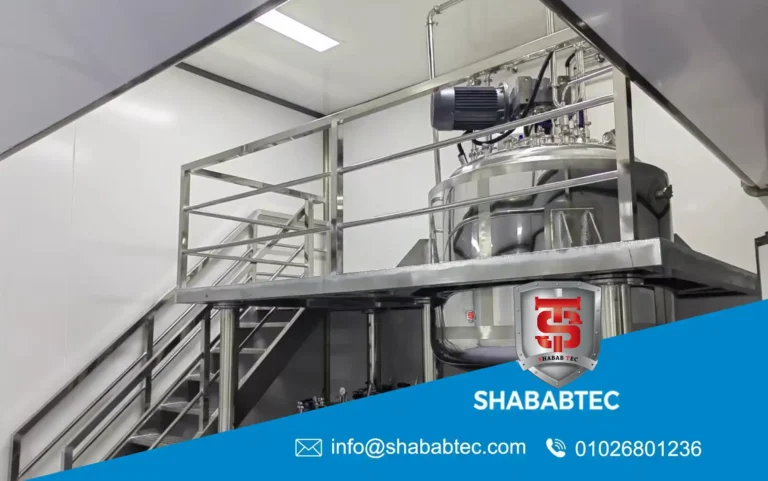
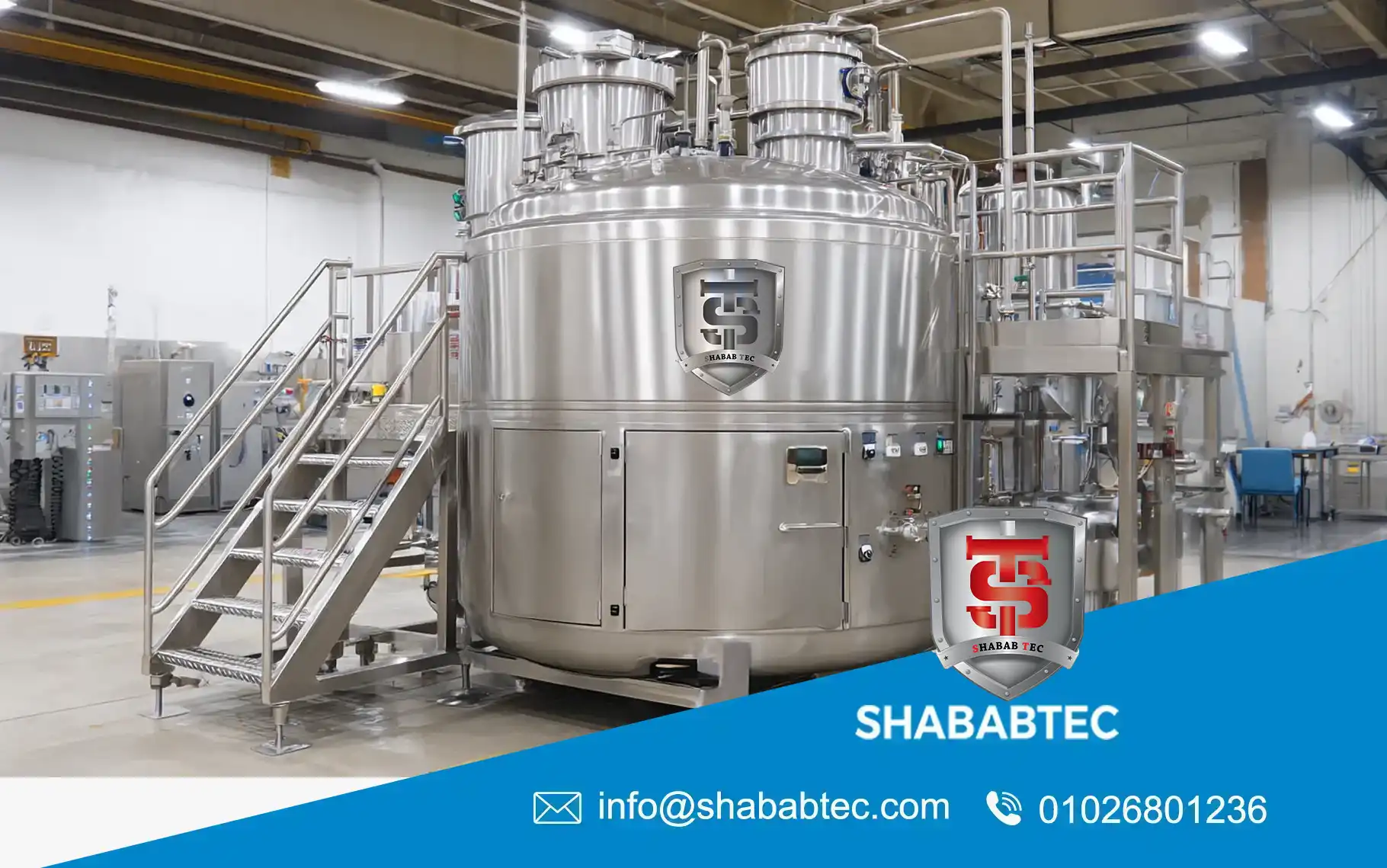
Mixing Tank Structure Design and Fabrication Guide
Tank Structure Design Stronger Mixing Tank Body and Better Industrial Performance
Good industrial mixing starts with a strong and well-designed tank body. Before looking at the motor, agitator, gearbox, heating system, or control panel, the first thing to study is the tank structure design. The tank structure carries the product weight, supports the mixing system, handles vibration, resists pressure when required, and protects the product during processing.
For factories working in food, cosmetics, pharmaceuticals, chemicals, detergents, adhesives, fertilizers, syrups, creams, gels, ointments, sauces, and semi-solid products, proper mixing tank fabrication is essential. A weak or poorly fabricated tank can cause leakage, vibration, poor cleaning, unstable mixing, corrosion, or short equipment lifetime.
This guide explains the main points of industrial tank design, how a reliable stainless tank structure is built, why tank engineering matters, and what factories should check when selecting a durable mixing tank body for real production conditions.
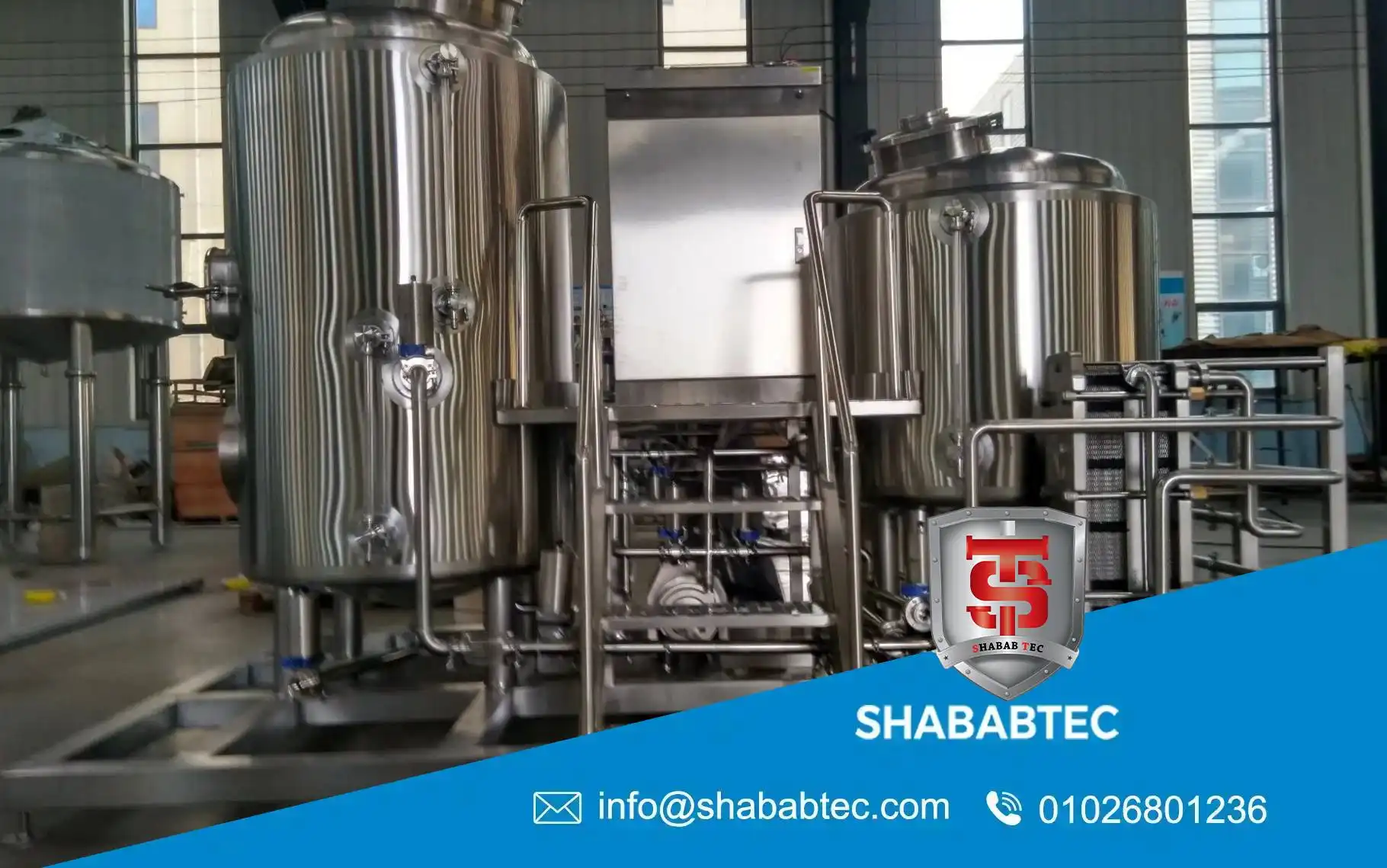
See Also: Industrial Stainless Steel Mixing Tanks – Complete Guide
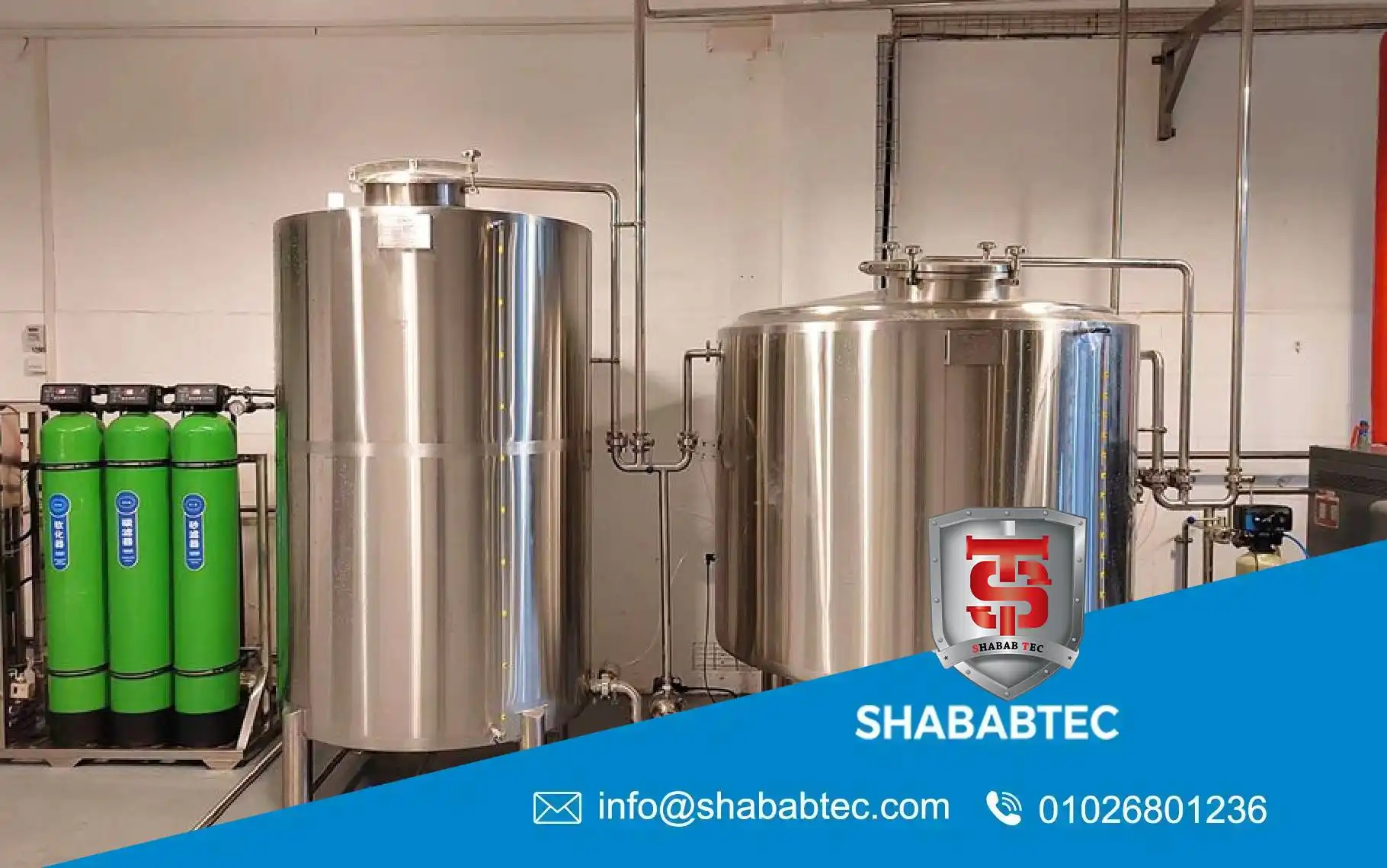
What is Tank Structure Design?
Tank structure design refers to the full physical design of the tank, including the body shape, wall thickness, bottom type, cover, support legs, welding quality, openings, jacket system, reinforcement, discharge design, and connection points for the mixer and accessories.
The structure must be designed according to the product type, batch capacity, viscosity, temperature, mixing load, pressure or vacuum requirement, and cleaning method. A simple liquid storage tank does not need the same structure as a heavy-duty mixing tank for paste, adhesive, ointment, paint, or chocolate.
In other words, industrial tank design must follow the production process. The tank should not only look strong from outside; it should support safe, clean, and efficient operation inside the factory.
Why Mixing Tank Fabrication Matters
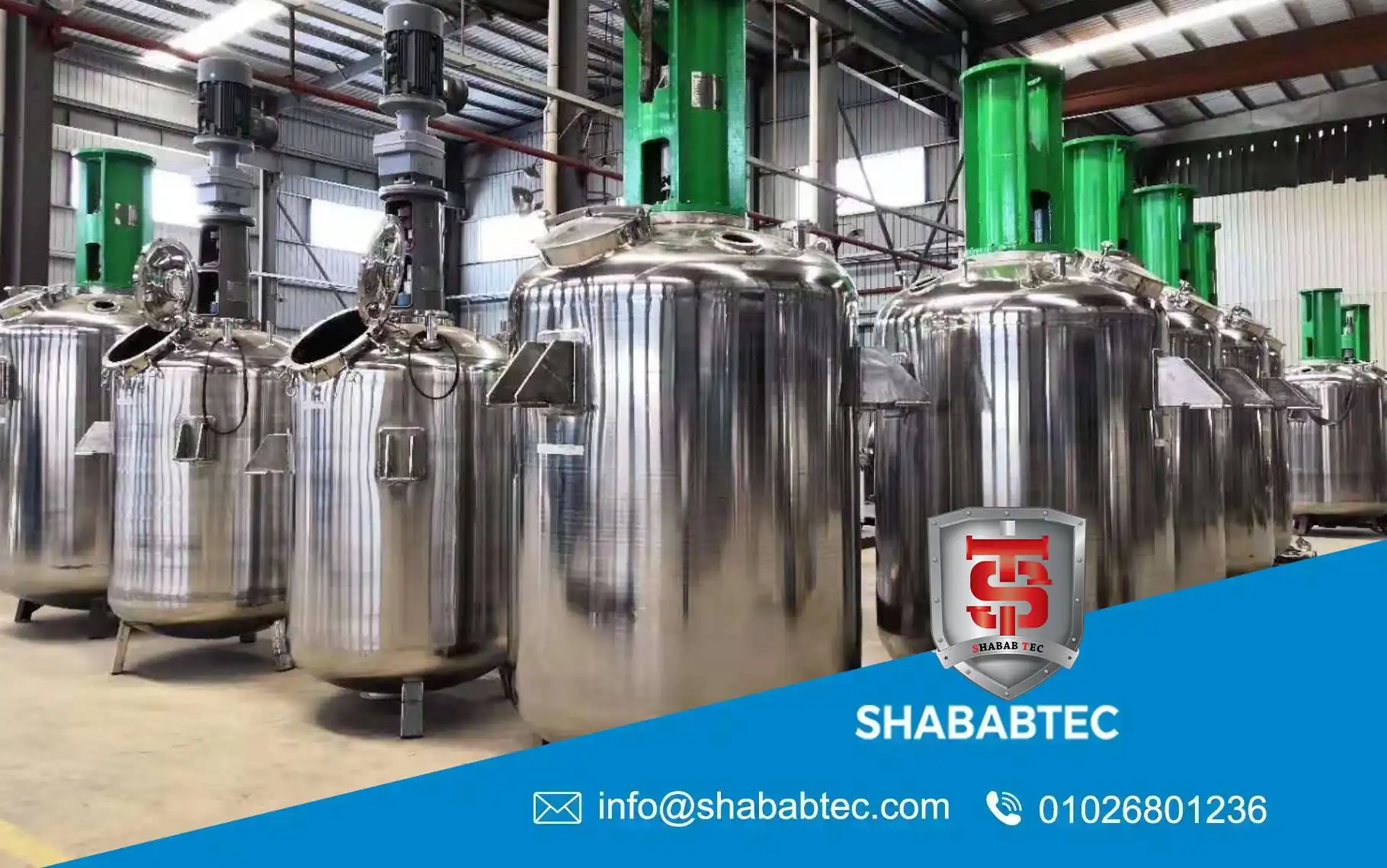
Mixing tank fabrication is the manufacturing process used to build the tank from raw metal sheets and components. It includes cutting, rolling, forming, welding, polishing, assembling, testing, and finishing.
Even if the tank design is good on paper, poor fabrication can create serious problems during operation. Welding defects, weak supports, rough internal surfaces, wrong outlet position, or poor alignment can affect the full production line.
Good mixing tank fabrication helps factories avoid:
- Leakage from welded areas
- Tank deformation under load
- Vibration during mixing
- Difficulty in cleaning
- Product buildup in corners
- Corrosion caused by poor finishing
- Weak support for motor and agitator
- Slow discharge after production
- Short tank lifetime
A professional fabrication process is especially important when the tank is used in food, pharmaceutical, cosmetic, or chemical production where hygiene and reliability are critical.
Main Parts of a Mixing Tank Body
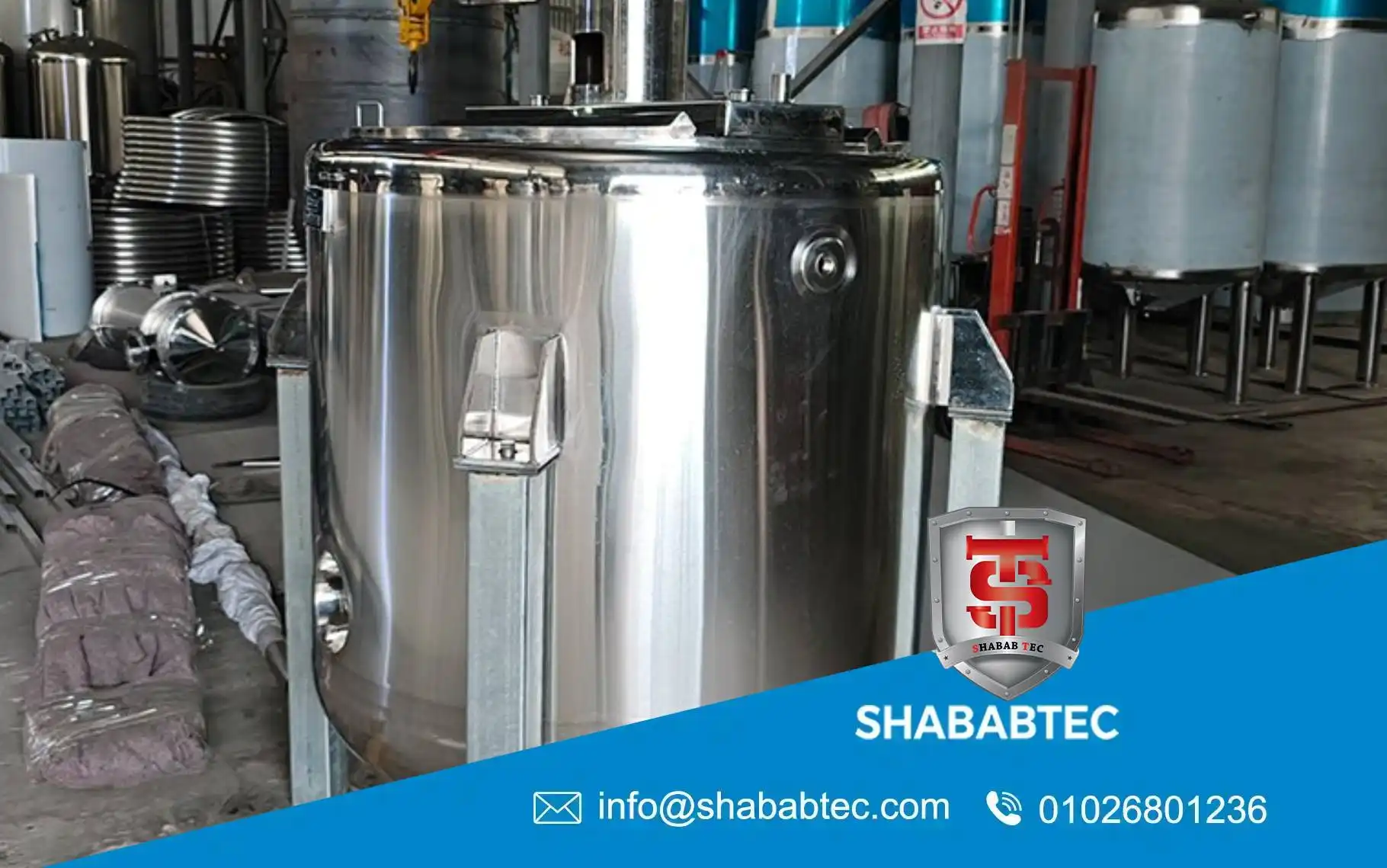
Tank Shell
The tank shell is the cylindrical wall of the mixing tank body. It holds the product and forms the main volume of the tank. The shell thickness should be selected based on tank size, product weight, operating pressure, vacuum, and mixing force.
For small tanks, thinner stainless steel may be enough. For larger tanks or heavy products, thicker material and reinforcement may be needed. The shell must also resist vibration caused by the agitator during operation.
Tank Bottom
The tank bottom is a key part of tank structure design. It affects discharge, cleaning, product movement, and structural strength. Different bottom types are used depending on the product.
A flat bottom may be used in simple applications, but it can leave product residue. A conical bottom helps discharge liquids and semi-liquids more completely. A dish bottom provides better strength and is often used in more demanding tanks.
For thick products such as cream, adhesive, paste, jam, or ointment, the bottom design should support complete discharge and reduce product waste.
Tank Cover
The cover protects the product and supports accessories such as the agitator, motor, inspection opening, feeding inlet, temperature sensor, vacuum port, and safety fittings.
In a good industrial tank design, the cover must be strong enough to carry the mixer load if the agitator is top-mounted. It should also allow easy access for cleaning, inspection, and maintenance.
Support Legs
Support legs carry the full weight of the tank, product, motor, gearbox, agitator, and accessories. They must be strong, stable, and properly welded to the tank structure.
For large tanks, the support design becomes very important because the weight can be high during production. Weak supports can cause vibration, unsafe operation, or structural damage.
Reinforcement Rings
Reinforcement rings may be added to improve tank strength, especially for large tanks, vacuum tanks, or tanks exposed to heavy mixing loads. They help prevent deformation and improve the overall stainless tank structure.
Discharge Outlet
The discharge outlet controls how the finished product leaves the tank. Its position, size, and valve type should match the product viscosity and production process.
For water-like liquids, a simple outlet may be enough. For viscous products, the outlet should be larger and placed in a position that supports complete discharge. A good mixing tank body design reduces waste and makes cleaning easier.
Inlet and Process Connections
Inlets and connections allow raw materials, water, steam, cooling water, vacuum, air, sensors, and transfer lines to connect to the tank. Their placement should support safe operation and easy access.
Heating or Cooling Jacket
Some tanks include a jacket around the body for heating or cooling. The jacket becomes part of the tank structure design and must be fabricated carefully to avoid leakage, weak heat transfer, or pressure problems.
Industrial Tank Design Based on Product Type
Liquid Products
Liquid products such as syrups, detergents, liquid soap, and light chemical solutions usually need a tank that supports smooth circulation, easy discharge, and simple cleaning. The industrial tank design should focus on correct capacity, suitable outlet, and stable agitator support.
Semi-Liquid Products
Semi-liquid products such as lotion, sauce, shampoo, and gel need stronger mixing support and better discharge design. The mixing tank body should reduce dead zones and allow smooth product movement.
High-Viscosity Products
High-viscosity products such as ointment, paste, adhesive, chocolate spread, thick cream, and jam create more mechanical load. The tank must have stronger structure, reliable supports, and suitable bottom design.
In these applications, tank engineering becomes very important because the mixer may apply high torque and create extra stress on the tank body.
Powder and Suspension Products
Products containing powders, pigments, fillers, minerals, or suspended solids need a structure that supports strong mixing and prevents settling. This applies to paint, fertilizer, pharmaceutical suspensions, and some chemical products.
Temperature-Controlled Products
Products such as gelatin, chocolate, syrup, creams, ointments, and sauces may need heating or cooling. The stainless tank structure should include a proper jacket, insulation, and sensor connections when temperature control is required.
Stainless Tank Structure and Material Selection
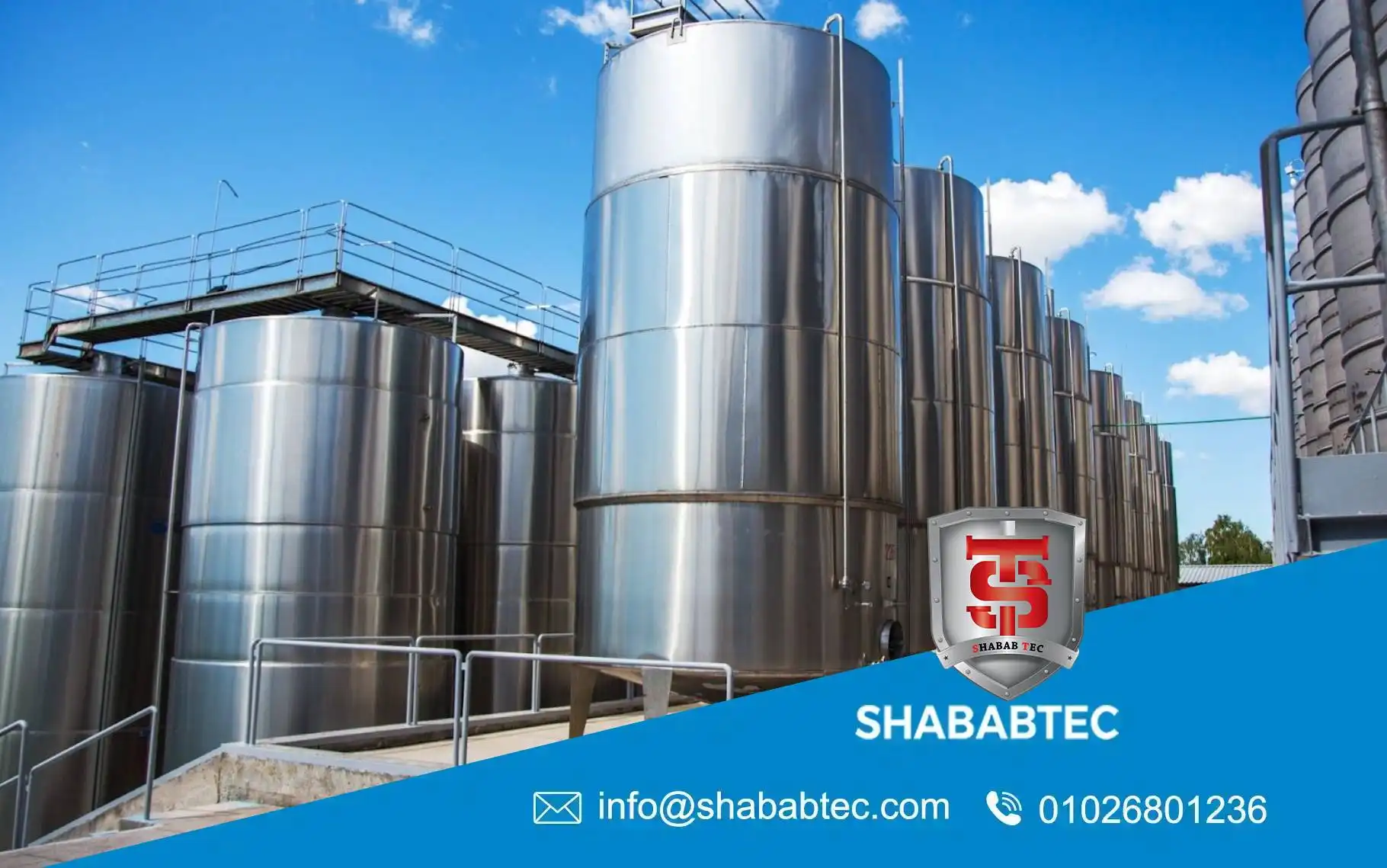
A stainless tank structure is widely used in industrial production because stainless steel is durable, clean, corrosion-resistant, and suitable for many product types. However, the correct stainless steel grade should be selected based on the product and cleaning chemicals.
Stainless Steel 304
Stainless steel 304 is commonly used for food, cosmetic, detergent, syrup, sauce, and general industrial mixing applications. It offers good corrosion resistance and practical cost.
Stainless Steel 316
Stainless steel 316 provides higher corrosion resistance and is often preferred for pharmaceutical, salt-rich, acidic, or more demanding chemical applications.
Material Thickness
Material thickness affects strength, durability, and cost. The thickness should match tank size, product weight, pressure, vacuum, and mixing load. A tank that is too thin may deform or vibrate during operation.
Surface Finish
Surface finish is important in any stainless tank structure. Smooth internal surfaces reduce product buildup, improve cleaning, and support hygienic production.
For food, cosmetics, and pharmaceuticals, internal polishing is especially important. For sticky products like syrup, cream, gel, adhesive, or jam, smooth finishing reduces waste and cleaning time.
Tank Engineering and Structural Strength
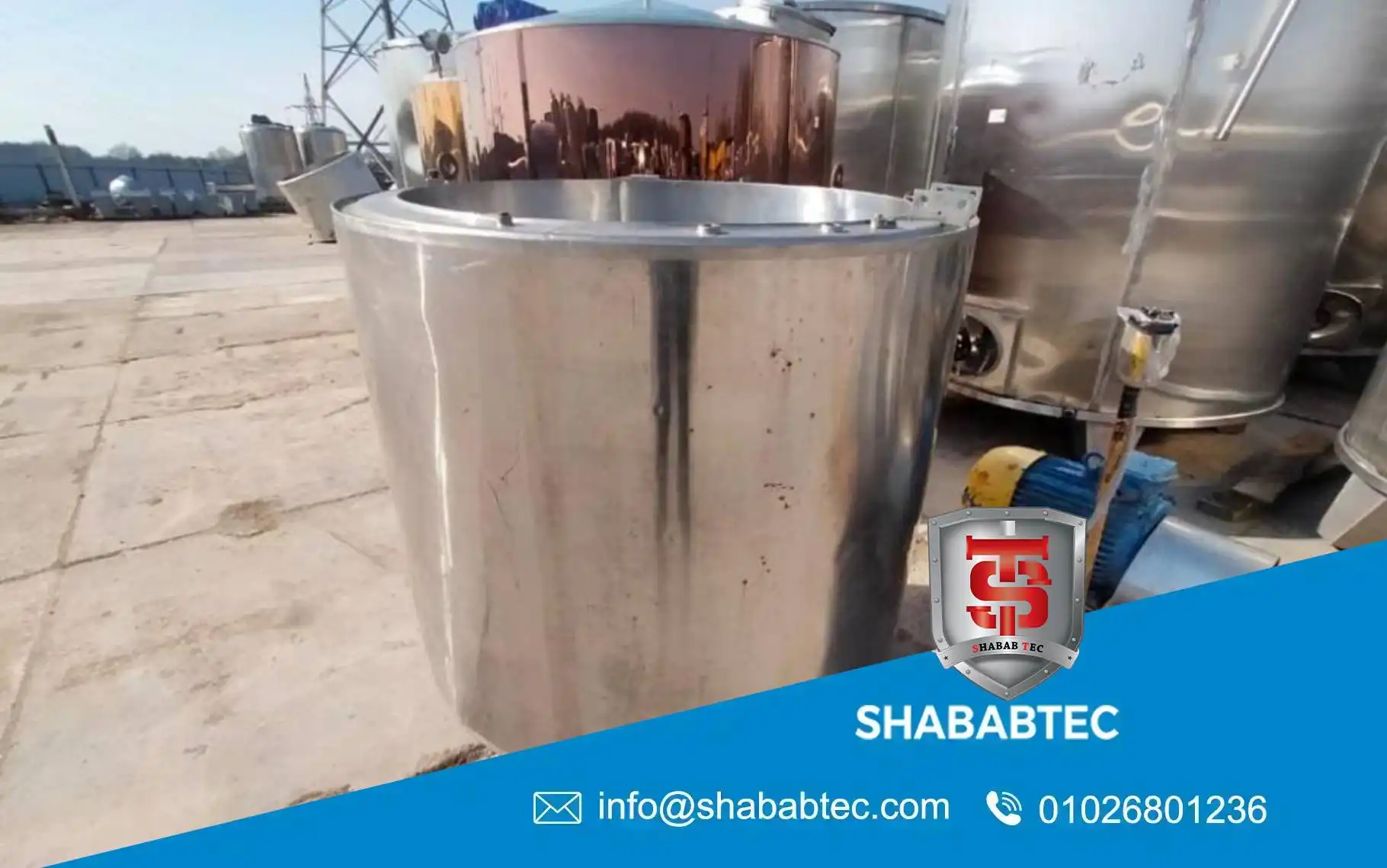
Tank engineering means designing the tank based on technical calculations and real operating conditions. It includes wall thickness, reinforcement, support structure, mixing load, pressure, vacuum, temperature, and safety considerations.
A properly engineered tank should handle:
- Product weight when the tank is full
- Agitator vibration and torque
- Motor and gearbox load
- Heating and cooling jacket pressure
- Vacuum or pressure when required
- Thermal expansion during heating
- Cleaning and maintenance access
- Long daily operation
Without proper tank engineering, the tank may look fine at first but show problems later during real production.
Mixing Tank Body Shape and Bottom Design
Cylindrical Body
Most mixing tanks use a cylindrical body because it supports good product movement and is easier to fabricate. The cylindrical shape also works well with agitators and jacket systems.
Conical Bottom
A conical bottom helps discharge liquids and semi-liquids more completely. It is useful when reducing product waste is important.
Dish Bottom
A dish bottom provides better structural strength and is suitable for larger tanks or pressure-related applications.
Flat Bottom
A flat bottom can be used for simple applications, but it may not be ideal for complete discharge. It should be selected only when suitable for the product and cleaning method.
Scraper-Friendly Body Design
For products that stick to the wall, the mixing tank body may need a design that supports scraper movement. This is common in creams, ointments, adhesives, chocolate, jam, and thick sauces.
Heating and Cooling Jacket in Tank Structure Design
When a tank needs temperature control, the jacket becomes an important part of the tank structure design. It allows heating or cooling media to circulate around the tank body and transfer heat to the product.
Single Jacket
A single jacket is commonly used for basic heating or cooling. It surrounds the tank body and allows hot or cold media to circulate.
Dimple Jacket
A dimple jacket can improve heat transfer and provide structural strength. It is used in many industrial heating and cooling applications.
Coil System
Internal or external coils can also be used for temperature control depending on the process. Coil design should be selected based on heat transfer needs and cleaning requirements.
Insulation Layer
Insulation helps reduce heat loss and protect operators from hot surfaces. It is useful in tanks used for syrup, chocolate, gelatin, wax, creams, and heated chemical processes.
Mixing Tank Fabrication Steps
Design Review
The first step in mixing tank fabrication is reviewing the product, capacity, material, mixer type, heating or cooling needs, and discharge method. This step defines the full design direction.
Material Cutting
Stainless steel sheets are cut according to the tank dimensions. Accurate cutting helps ensure proper assembly and welding.
Rolling and Forming
The shell is rolled into a cylindrical shape. The bottom and cover are formed according to the selected design.
Welding
Welding joins the tank parts together. Welding quality is very important because poor welding can cause leakage, weak structure, and cleaning problems.
Polishing
Internal and external polishing improves the surface finish. Internal polishing is especially important for hygienic and sticky products.
Jacket Fabrication
If the tank includes heating or cooling, the jacket is fabricated and welded to the body. It must be tested to ensure there is no leakage.
Nozzle and Opening Installation
Inlets, outlets, manholes, sensor ports, valve connections, and accessory openings are installed according to the design.
Support Assembly
Legs, frames, or base supports are attached to the tank. These supports must carry the full operating load safely.
Testing
The tank should be tested for leakage, jacket performance, structure stability, and fitting alignment before delivery or installation.
Common Problems Caused by Poor Tank Structure Design
Leakage
Leakage can happen because of poor welding, weak joints, bad valve installation, or jacket defects. Good mixing tank fabrication reduces this risk.
Vibration During Mixing
Vibration may happen if the tank structure is weak, support legs are not stable, or the mixer load was not considered properly during tank engineering.
Difficult Cleaning
Poor internal finishing, sharp corners, bad outlet design, or inaccessible areas can make cleaning difficult. This is a major problem in food, pharmaceutical, and cosmetic production.
Product Waste
Wrong bottom design or outlet position can leave product inside the tank after discharge. A good mixing tank body design reduces waste.
Corrosion
Corrosion may happen when the wrong material grade is used or when welding and polishing are poor. A proper stainless tank structure should match the product and cleaning chemicals.
Weak Motor Support
If the cover or top structure is not strong enough, the motor and agitator may create vibration or misalignment.
Jacket Leakage
Heating or cooling jacket leakage can happen when fabrication is poor or the jacket is not tested properly.
How to Choose the Right Industrial Tank Design
Choosing the right industrial tank design starts with understanding the production process. The tank should be designed around the product, not selected as a general container.
Important questions include:
- What product will be mixed or processed?
- What is the batch capacity?
- What is the product viscosity?
- Does the product need heating or cooling?
- Will the tank work under pressure or vacuum?
- What stainless steel grade is suitable?
- What bottom design is best for discharge?
- Does the product stick to the tank wall?
- Is a scraper system required?
- What type of mixer will be installed?
- How will the tank be cleaned?
- What valves and nozzles are needed?
- What factory space is available?
These answers help define the correct tank structure design, material, fabrication method, support system, and full tank layout.
Industrial Tank Design for Hygiene and Cleaning
Hygiene is a major factor in food, cosmetic, and pharmaceutical tanks. The mixing tank body should be designed to reduce dead zones and make cleaning practical.
Important hygiene design points include:
- Smooth internal stainless steel surfaces
- Clean welding and polishing
- Easy access for inspection
- Proper discharge slope
- Minimal sharp corners
- Easy-to-clean valves
- Suitable cover and manhole design
- Material compatibility with cleaning chemicals
A hygienic stainless tank structure helps reduce cleaning time, contamination risk, and product buildup.
Industrial Tank Design for Heavy Mixing
Heavy mixing applications need stronger tank engineering. Products such as adhesive, ointment, paste, gel, paint, chocolate, and fertilizer can create higher load on the agitator and tank body.
For heavy mixing, the tank may need:
- Thicker stainless steel shell
- Stronger support legs
- Reinforced top cover
- Better shaft support
- Heavy-duty motor mounting
- Scraper-friendly internal design
- Suitable bottom discharge
- Reinforcement around mixer installation points
This ensures the mixing tank body can handle real production stress without deformation or vibration.
Why ShababTec is a Practical Choice for Mixing Tank Fabrication
ShababTec provides stainless steel equipment and industrial mixing systems for liquid and semi-solid preparation, including tanks used in food, cosmetic, pharmaceutical, chemical, detergent, adhesive, syrup, gel, cream, ointment, sauce, and fertilizer production. For factories that need reliable mixing tank fabrication, ShababTec can support practical tank designs based on product behavior, capacity, viscosity, temperature needs, and daily operation requirements.
Instead of choosing a standard tank that may not match the process, manufacturers can work with ShababTec to build a suitable industrial tank design with proper material, structure, discharge, mixer support, and cleaning access.
Whether the factory needs a simple stainless tank structure, a jacketed process tank, a heavy-duty mixing tank body, or a customized system, the tank should be engineered around the real production conditions.
Maintenance Tips for Stainless Tank Structure
Regular maintenance helps protect the stainless tank structure and extend equipment lifetime. Even a strong tank needs inspection and proper cleaning to stay in good condition.
- Clean the tank after each production batch
- Inspect welded areas for cracks or leakage
- Check the discharge valve and outlet area
- Inspect support legs and mounting points
- Check the tank body for dents or deformation
- Inspect internal surfaces for scratches or corrosion
- Check jacket connections if heating or cooling is available
- Monitor vibration during mixing
- Review material compatibility when changing products
- Follow a fixed maintenance schedule
Final Thoughts
Strong tank structure design is the foundation of reliable mixing tank performance. The tank body, bottom, cover, support legs, jacket, welding, surface finish, and discharge system all affect production quality and equipment lifetime.
Professional mixing tank fabrication helps factories avoid leakage, vibration, poor cleaning, product waste, and structural problems. Good industrial tank design should always be based on the product, viscosity, capacity, temperature, cleaning method, and mixer load.
For factories that need a durable stainless tank structure or customized mixing tank body, ShababTec offers practical tank engineering support and stainless steel fabrication solutions designed for real industrial production.
FAQ – Tank Structure Design
What is tank structure design?
Tank structure design is the full physical design of the tank, including the body, bottom, cover, support legs, jacket, openings, discharge outlet, reinforcement, and mixer support.
Why is mixing tank fabrication important?
Mixing tank fabrication is important because poor fabrication can cause leakage, vibration, rough surfaces, difficult cleaning, weak supports, and shorter tank lifetime.
What is industrial tank design?
Industrial tank design means designing a tank based on the product, capacity, viscosity, temperature, pressure, vacuum, material compatibility, and daily production requirements.
What is a stainless tank structure?
A stainless tank structure is a tank structure made from stainless steel, commonly used because it is durable, clean, corrosion-resistant, and suitable for many food, cosmetic, pharmaceutical, and chemical applications.
Why does tank engineering matter?
Tank engineering matters because the tank must safely handle product weight, mixing load, vibration, heating, cooling, pressure, vacuum, and long-term industrial operation.
What should I check in a mixing tank body?
Check the stainless steel grade, wall thickness, bottom design, welding quality, surface finish, discharge outlet, support legs, mixer mounting, and cleaning access.
See Also: mechanical seal tank | homogenizer