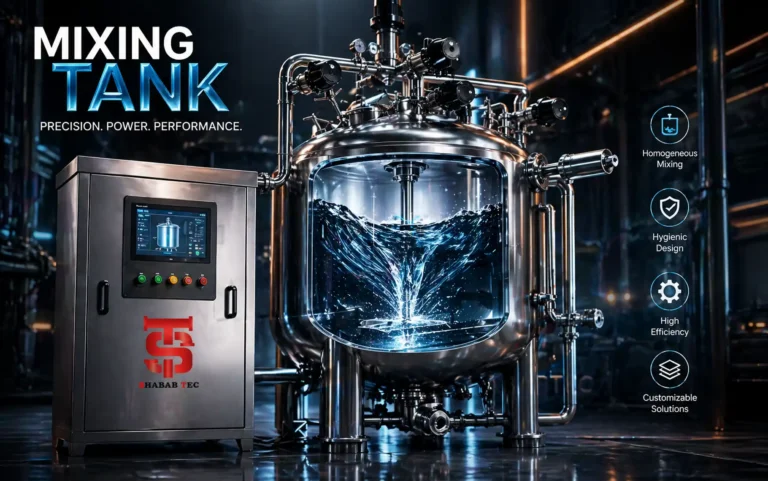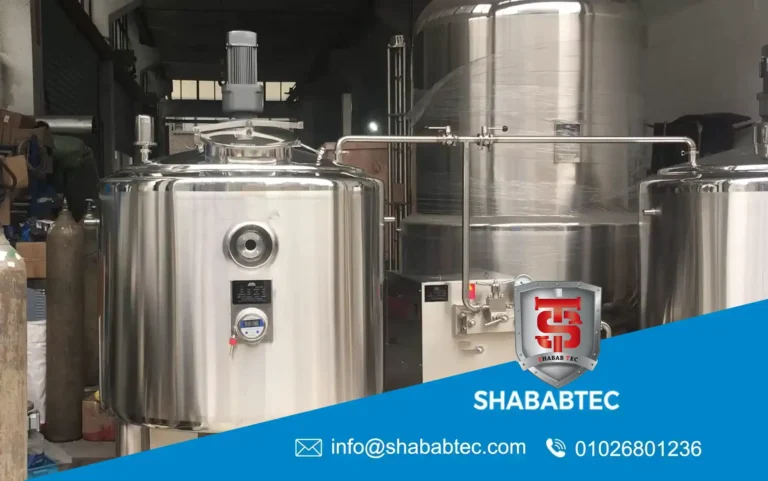
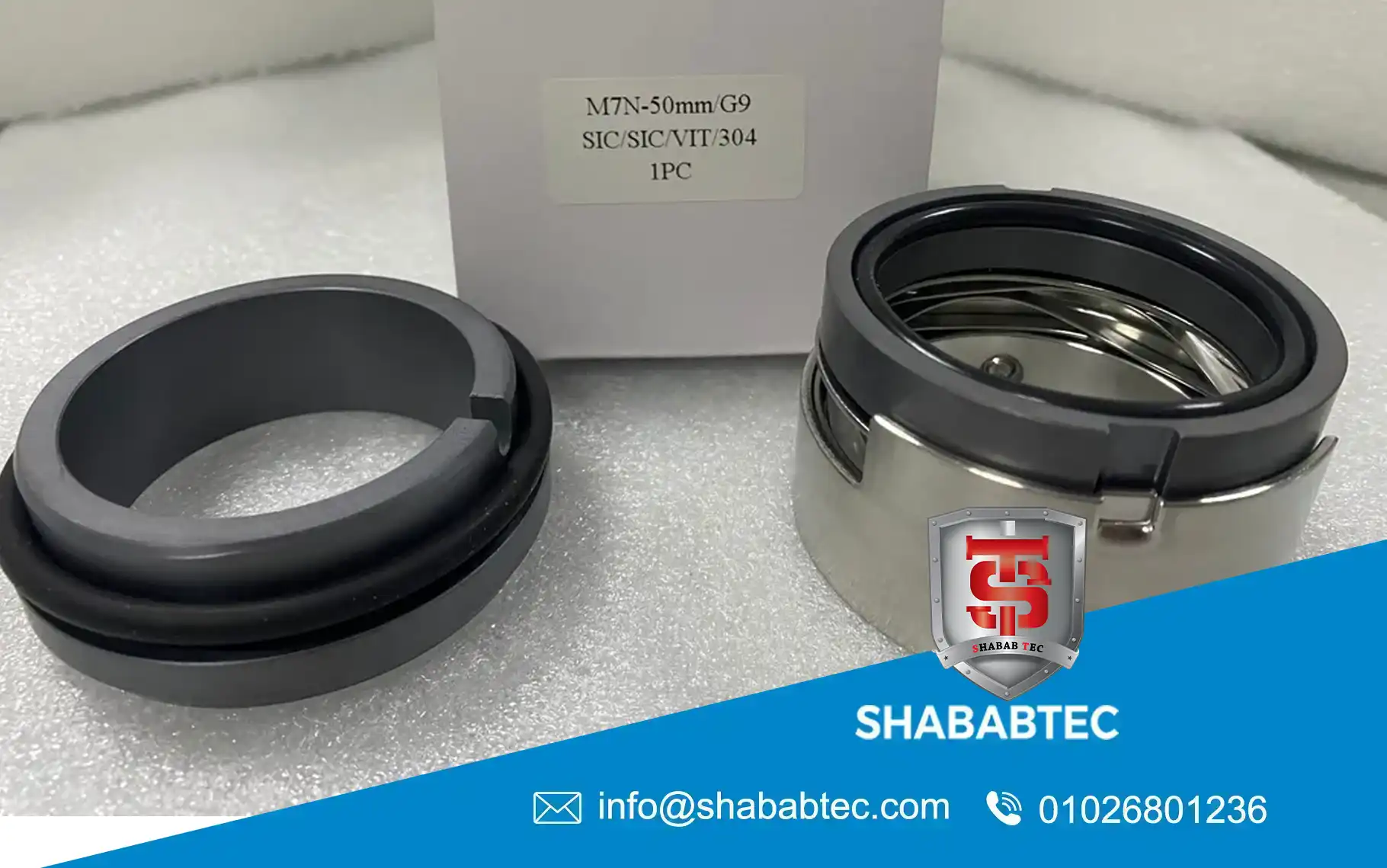
Mixing Tank Shaft Seal
Mixing Tank Seal Leak Protection and Reliable Industrial Tank Sealing System
In any industrial mixing tank, sealing is one of the most important details that affects safety, hygiene, product quality, and equipment lifetime. A weak or unsuitable mixing tank seal can cause leakage, contamination, product loss, shaft damage, and unexpected downtime. This is why the shaft seal should never be treated as a small accessory in the tank design.
The seal works around the agitator shaft where the rotating shaft enters the tank. This area is difficult because it must allow rotation while preventing product leakage. A reliable tank sealing system helps the mixer operate safely and keeps the product inside the tank under controlled conditions.
For factories working in food, cosmetics, pharmaceuticals, chemicals, detergents, adhesives, syrups, creams, ointments, gels, and semi-solid products, choosing the right industrial seal system is essential. This guide explains how a mechanical seal tank works, where an agitator seal is used, and how to select the right sealing solution for an industrial mixing tank.
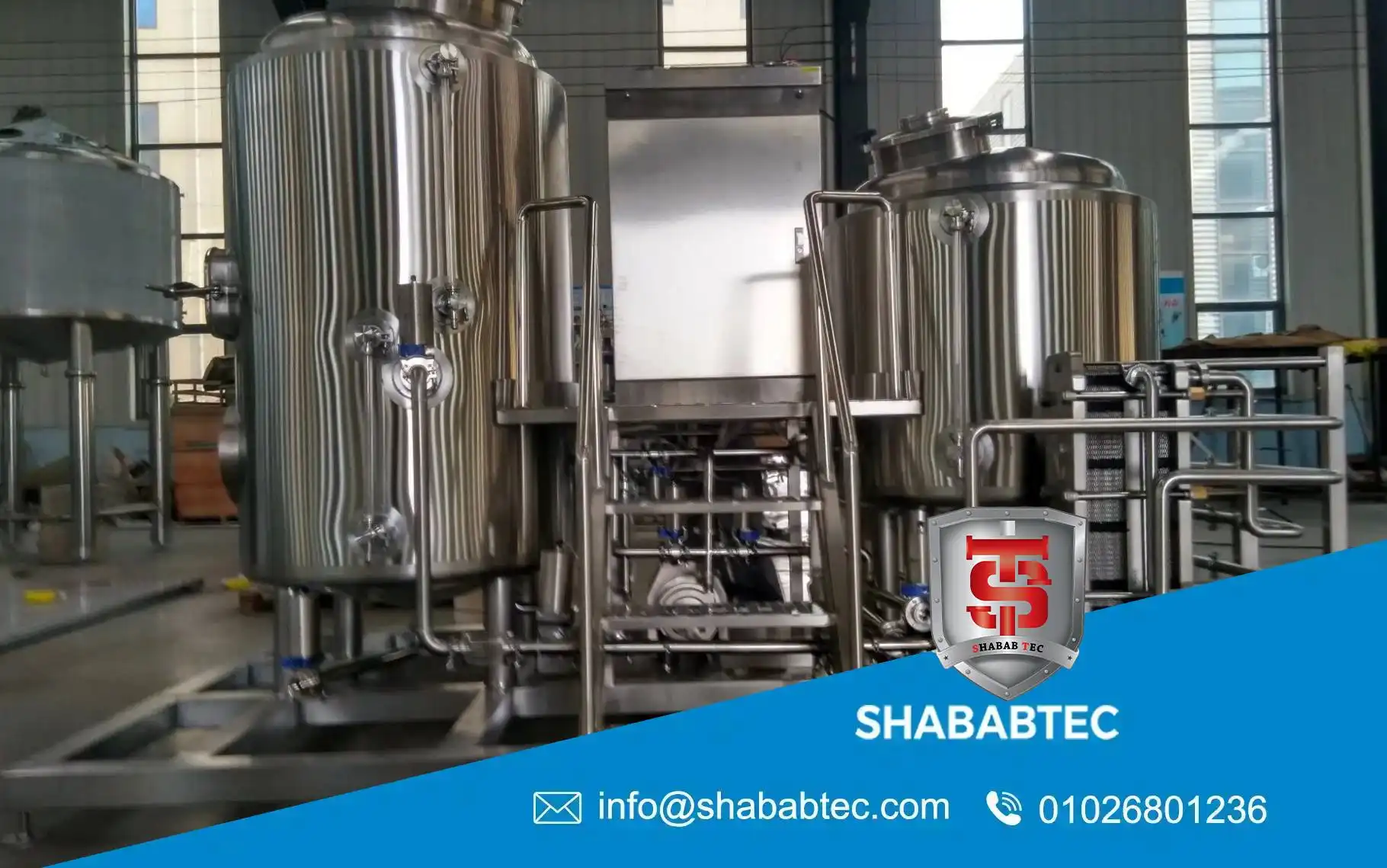
See Also: Industrial Stainless Steel Mixing Tanks – Complete Guide
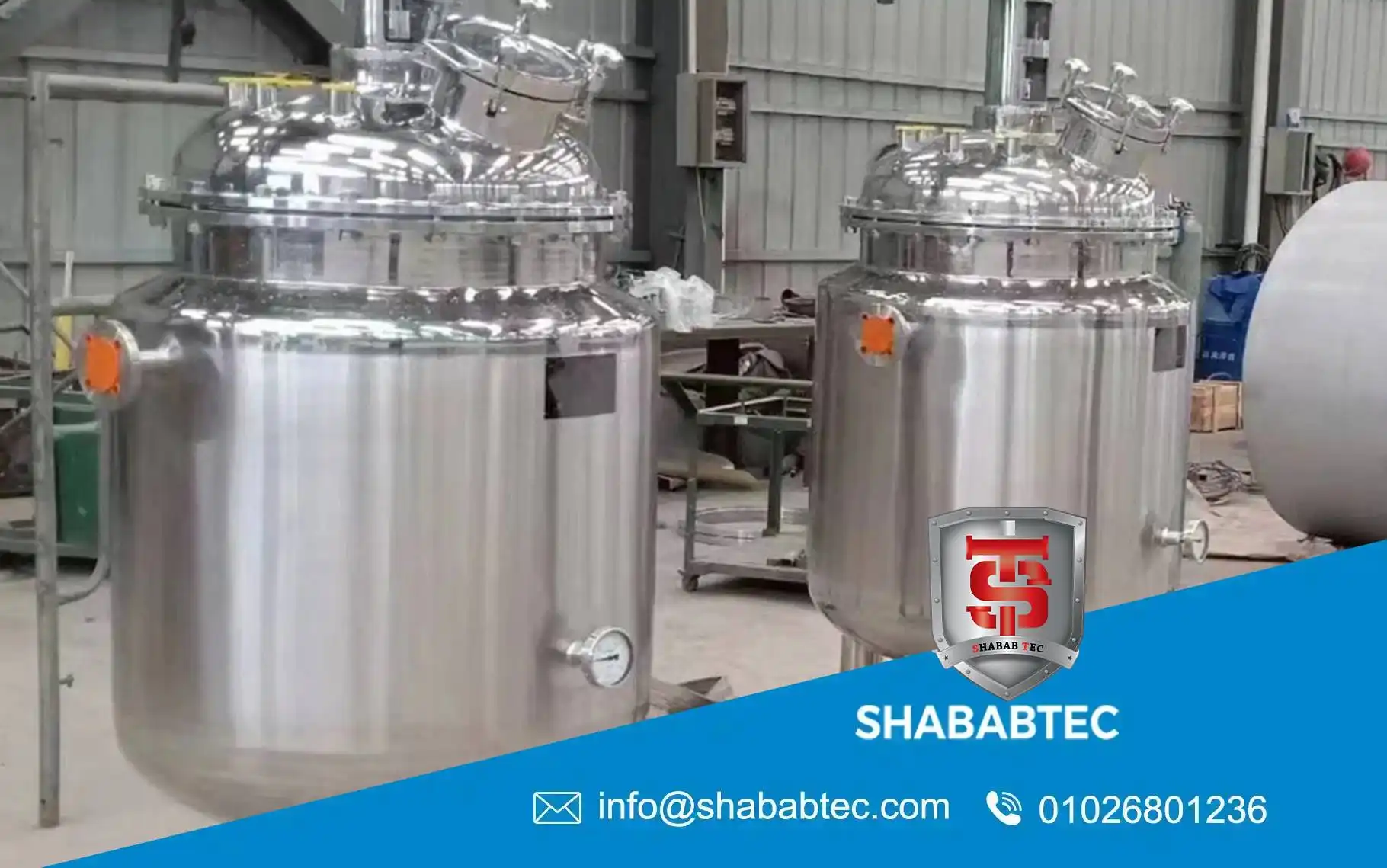
What is a Shaft Seal?
A shaft seal is a sealing component installed around a rotating shaft to prevent leakage between the inside of the tank and the outside environment. In a mixing tank, the shaft connects the motor and gearbox to the agitator blades inside the vessel. Because the shaft rotates during mixing, the seal must handle movement, pressure, temperature, and product contact.
The main purpose of the shaft seal is to keep the product inside the tank while allowing the agitator shaft to rotate smoothly. Without a suitable seal, the product may leak through the shaft opening, causing waste, contamination risk, and equipment damage.
A mixing tank seal may be simple or advanced depending on the product, tank design, viscosity, pressure, vacuum, hygiene requirements, and operating conditions.
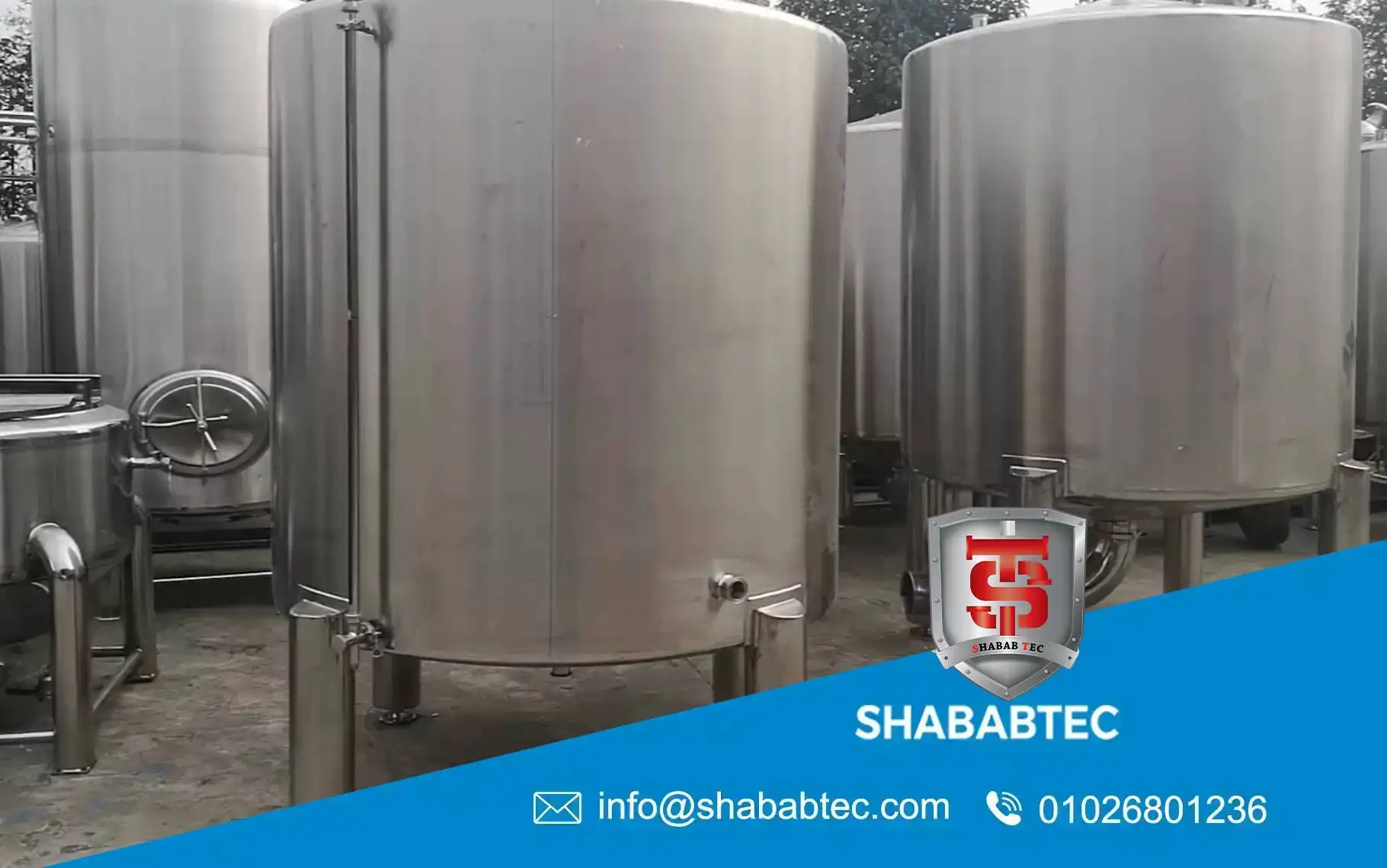
What is a Mechanical Seal Tank?
A mechanical seal tank uses a mechanical sealing arrangement to control leakage around the rotating shaft. The seal usually contains precision contact faces, springs, elastomers, and metal components that work together to create a tight seal while allowing rotation.
Mechanical seals are widely used in industrial mixing tanks because they provide better sealing performance than basic packing systems in many applications. They are especially important when the product must be protected from contamination or when leakage must be minimized.
A mechanical seal tank can be used in food production, pharmaceutical preparation, cosmetic manufacturing, chemical mixing, detergent production, adhesive processing, and other industries where reliable sealing is required.
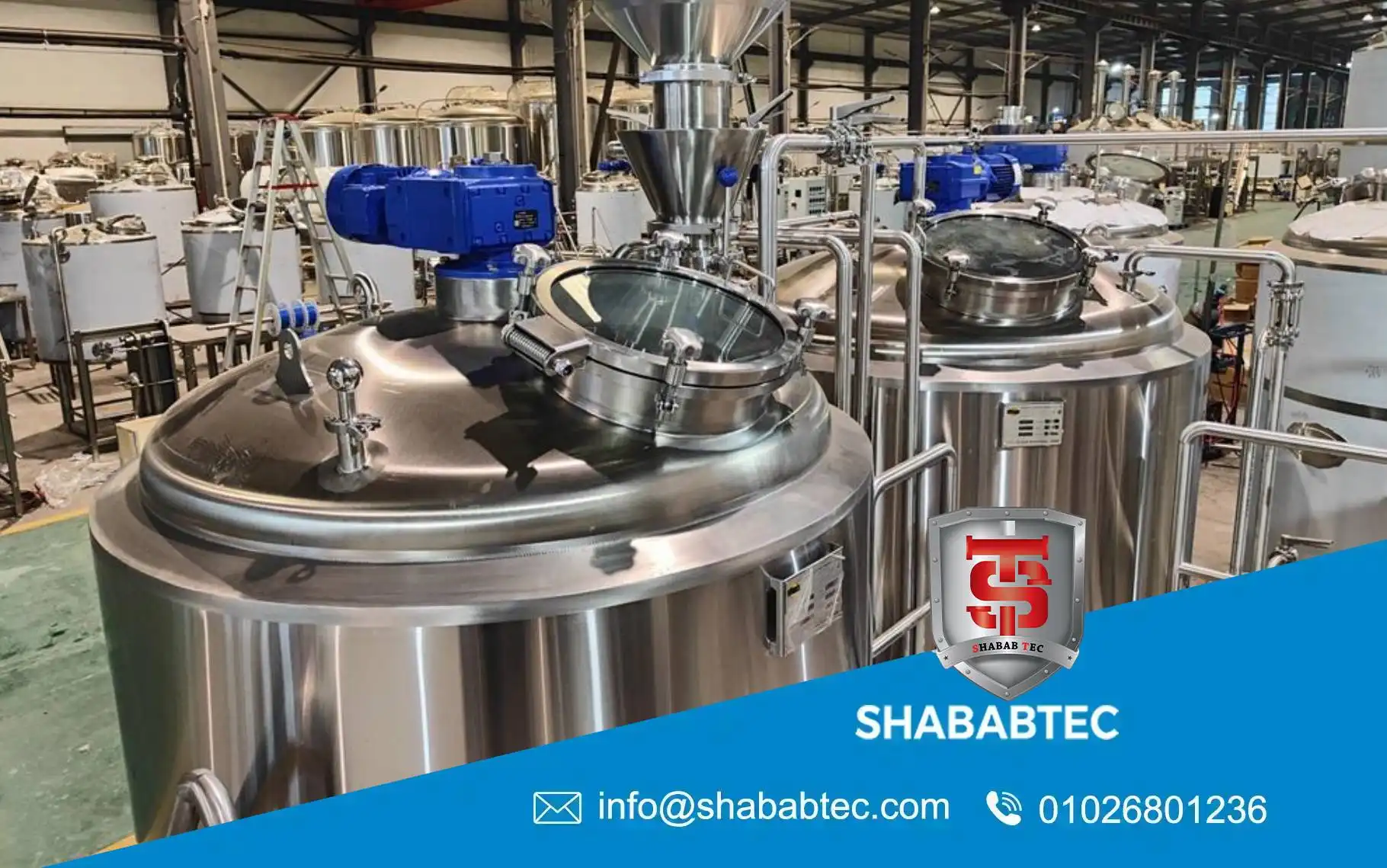
Why Tank Sealing System Matters in Industrial Production
The tank sealing system affects more than leakage control. It also affects safety, hygiene, product quality, maintenance time, and equipment lifetime. If the seal is not suitable, small leakage can quickly become a serious production problem.
A poor agitator seal may cause:
- Product leakage around the shaft
- Contamination from outside air or dust
- Loss of vacuum or pressure inside the tank
- Damage to bearings or gearbox parts
- Unstable operation due to shaft vibration
- Higher cleaning effort around the tank top
- Unexpected production downtime
- Shorter seal and shaft lifetime
A well-selected industrial seal system helps factories protect the product and reduce maintenance problems during daily operation.
Main Types of Mixing Tank Seal
Mechanical Seal
A mechanical seal is one of the most common options for a mixing tank seal. It uses two sealing faces that press against each other to reduce leakage. One face rotates with the shaft, while the other remains stationary.
Mechanical seals are suitable for many food, cosmetic, pharmaceutical, and chemical tanks because they provide strong sealing performance and can be designed for hygienic or industrial applications.
Packing Seal
A packing seal uses compressed packing material around the shaft to reduce leakage. It is a simpler and often lower-cost option, but it may require more maintenance and may allow small leakage in some applications.
Packing may be used in some basic industrial tanks, but it is not always suitable for hygienic or sensitive products.
Labyrinth Seal
A labyrinth seal uses a path design to reduce product escape. It may be used in some specific applications where direct contact sealing is not required. It is more common in certain dry or low-pressure systems.
Double Mechanical Seal
A double mechanical seal uses two sealing sets and may include a barrier fluid between them. This type is used when product leakage must be strongly controlled or when the process requires better protection.
A double seal may be useful in sensitive chemical, pharmaceutical, or vacuum mixing applications.
Dry Running Seal
Some applications use dry running seal designs when liquid lubrication is not suitable. These seals must be selected carefully according to speed, temperature, and product behavior.
Main Components of an Industrial Seal System
Seal Faces
Seal faces are the main contact surfaces in a mechanical seal. They must be smooth, strong, and compatible with the product. Common materials may include carbon, ceramic, silicon carbide, or tungsten carbide depending on the application.
Springs
Springs apply pressure to keep the seal faces in contact. Proper spring force helps maintain sealing performance during rotation and minor movement.
Elastomers
Elastomers are flexible sealing parts such as O-rings or gaskets. They must be compatible with the product, temperature, cleaning chemicals, and operating conditions.
Metal Parts
The metal parts support the seal structure and connect it to the tank or shaft. Stainless steel is commonly used in food, cosmetic, and pharmaceutical environments.
Seal Housing
The seal housing holds the sealing system in place. It should be designed to support alignment, easy maintenance, and proper cleaning when needed.
Flush or Barrier Fluid Connections
Some industrial seal system designs include flush or barrier fluid connections. These are used to cool, lubricate, or protect the seal faces in more demanding applications.
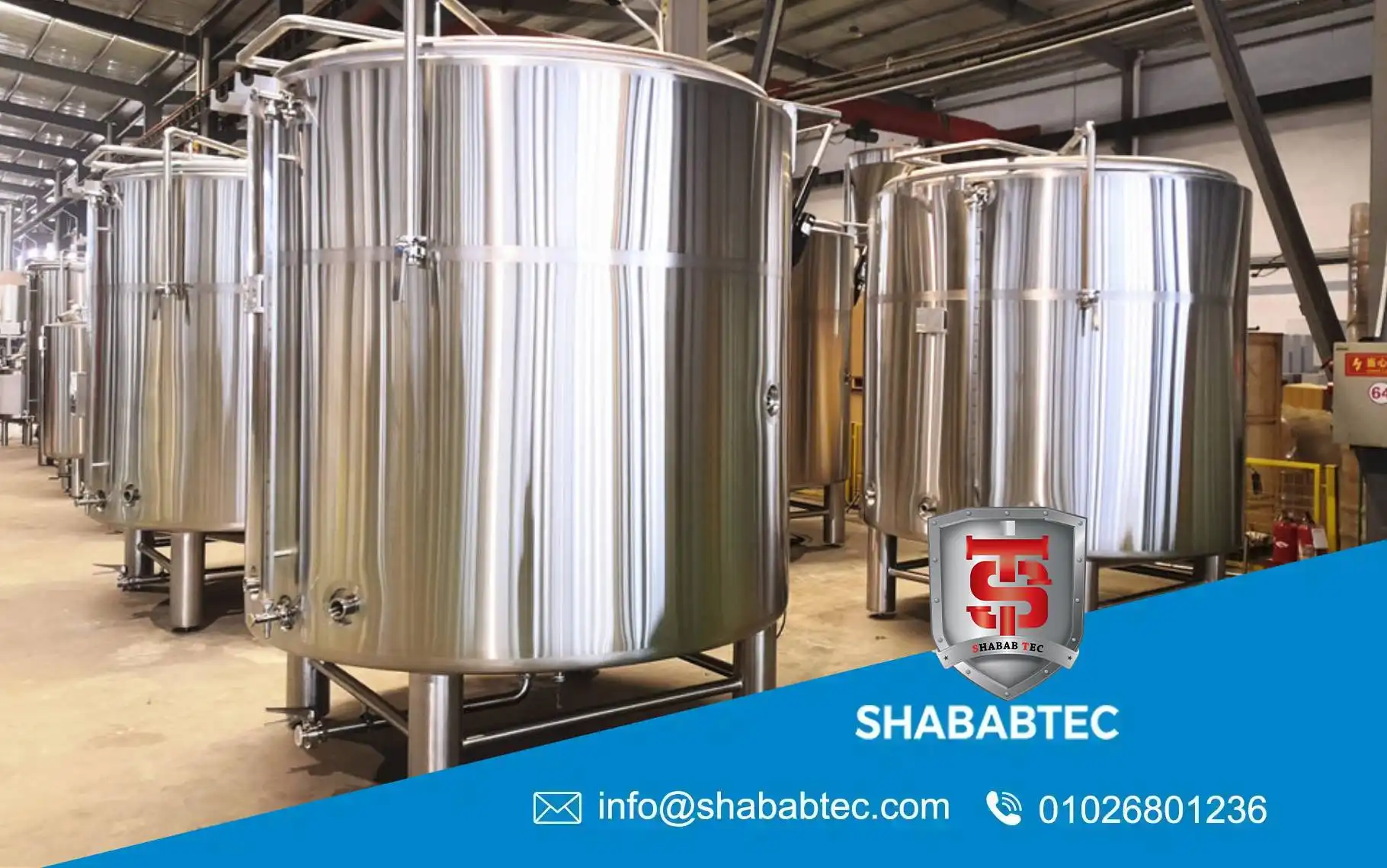
Agitator Seal and Product Type
Low-Viscosity Liquids
Low-viscosity liquids can leak easily through small gaps. A reliable agitator seal is important because thin products may escape faster than thick materials.
High-Viscosity Products
High-viscosity products such as creams, ointments, adhesives, gels, pastes, and chocolate may not leak as quickly, but they can create high resistance around the shaft. The shaft seal must handle product thickness and mechanical load.
Foaming Products
Products like shampoo, liquid soap, and detergent may create foam during mixing. The tank sealing system should help prevent product escape from the shaft area when foam rises.
Powder-Containing Products
Products with powders, pigments, fillers, or crystals can be abrasive. In paint, fertilizer, and chemical applications, seal material selection becomes very important.
Sticky Products
Adhesives, syrups, jam, gelatin, and semi-solid products can stick around the seal area. The mixing tank seal should be selected to reduce buildup and allow easier cleaning.
Mechanical Seal Tank in Different Industries
Food Production
Food tanks for sauces, syrups, chocolate, jam, and liquid food products need sealing systems that reduce leakage and support hygiene. A suitable mechanical seal tank helps protect food products from contamination and product loss.
Cosmetic Production
Cosmetic products such as creams, lotions, shampoo, liquid soap, and gels need clean and stable mixing. A proper agitator seal helps prevent leakage and supports a cleaner production area.
Pharmaceutical Production
Pharmaceutical syrups, ointments, gels, and liquid medicine require higher hygiene and process control. A reliable industrial seal system is important to reduce contamination risk and maintain controlled tank operation.
Chemical Production
Chemical tanks for paint, adhesive, detergent, fertilizer, and coatings may need seals that resist aggressive materials. The shaft seal must be compatible with chemicals, temperature, and cleaning process.
Vacuum Mixing Tanks
Vacuum tanks require strong sealing because air leakage can affect vacuum performance. In this case, the tank sealing system must be selected carefully to maintain vacuum level during mixing.
How to Choose the Right Mixing Tank Seal
Choosing the right mixing tank seal depends on the process conditions. The seal should match the product, shaft speed, temperature, pressure, viscosity, and hygiene requirements.
Important questions include:
- What product will be mixed?
- Is the product liquid, semi-liquid, paste, gel, or suspension?
- What is the product viscosity?
- Does the tank work under vacuum or pressure?
- What is the operating temperature?
- Does the product contain powders, fillers, or abrasive materials?
- Is the product food-grade, cosmetic, pharmaceutical, or chemical?
- What cleaning chemicals will be used?
- How often will the tank be cleaned?
- What shaft speed is required?
- Is leakage control critical?
These answers help define whether the tank needs a basic seal, packing seal, single mechanical seal, double mechanical seal, or a more specialized industrial seal system.
Shaft Seal Selection Based on Operating Conditions
Temperature
High temperature can affect seal faces, elastomers, and lubrication. If the tank uses heating for syrup, chocolate, gelatin, ointment, or adhesive, the shaft seal must be suitable for that temperature.
Pressure and Vacuum
A tank working under pressure or vacuum needs a stronger sealing solution. A poor tank sealing system can cause leakage, pressure loss, or vacuum failure.
Shaft Speed
Higher shaft speed creates more friction and heat at the seal area. The seal type and materials should match the mixer speed.
Chemical Compatibility
Chemicals can damage unsuitable elastomers or metal parts. For a chemical tank, the industrial seal system must be selected based on formula compatibility.
Cleaning Method
Cleaning chemicals and hot washing can affect seal lifetime. The mixing tank seal should be compatible with both the product and cleaning process.
Common Problems in Tank Sealing System
Leakage Around the Shaft
Leakage is the most common sign of seal failure. It can happen because of worn seal faces, damaged elastomers, incorrect installation, shaft vibration, or chemical attack.
Seal Overheating
Seal overheating may happen when the seal is not lubricated properly, the product is too viscous, or the shaft speed is too high. Overheating can damage seal faces and elastomers.
Short Seal Lifetime
If the agitator seal fails repeatedly, the problem may be wrong seal selection, poor alignment, abrasive product, unsuitable material, or improper installation.
Shaft Vibration
Vibration can damage the seal quickly. Shaft alignment, bearing condition, agitator balance, and drive system stability should be checked.
Product Buildup Around Seal
Sticky products can build up around the seal area. This can increase friction, create cleaning problems, and reduce seal performance.
Vacuum Loss
In vacuum mixing tanks, a weak mechanical seal tank design can allow air to enter the system. This affects vacuum performance and product quality.
Contamination Risk
A damaged seal can allow outside air, dust, or cleaning residue to enter the tank. This is especially important in food and pharmaceutical production.
Benefits of a Reliable Industrial Seal System
Using a suitable industrial seal system provides several practical benefits:
- Reduced product leakage
- Better hygiene around the tank
- Lower contamination risk
- Improved vacuum or pressure stability
- Longer shaft and bearing lifetime
- Less product waste
- Reduced maintenance downtime
- Cleaner production area
- Better safety during operation
- More reliable mixing performance
For factories that run tanks every day, these benefits directly affect production stability and maintenance cost.
Mixing Tank Seal in Hygienic Production
In food, cosmetic, and pharmaceutical production, the mixing tank seal must support hygiene as well as leakage control. The seal should reduce product buildup, allow proper cleaning, and prevent contamination at the shaft entry point.
Hygienic sealing becomes more important when producing:
- Liquid medicine
- Pharmaceutical syrup
- Ointments and gels
- Creams and lotions
- Shampoo and liquid soap
- Sauce and syrup
- Food and cosmetic emulsions
A hygienic tank sealing system should be selected according to cleaning method, product sensitivity, and production standards.
Agitator Seal in Chemical Production
In chemical production, the agitator seal must handle chemical compatibility, abrasion, temperature, and safety. Paints may contain pigments and fillers. Adhesives may be sticky and solvent-based. Detergents may contain active surfactants and alkaline materials. Fertilizers may include salts or corrosive components.
This means the seal materials must be selected carefully. The seal faces, elastomers, and metal parts should match the chemical formula and cleaning process.
Using the wrong shaft seal in a chemical tank can lead to fast failure, leakage, corrosion, and downtime.
Mechanical Seal Tank Maintenance Tips
Proper maintenance helps extend the life of a mechanical seal tank and reduce unexpected leakage. Since the seal works under rotation and product contact, it should be checked regularly.
- Inspect the seal area for leakage after every production cycle
- Check shaft vibration during operation
- Monitor unusual noise near the seal area
- Keep the shaft properly aligned
- Use seal materials compatible with the product
- Clean product buildup around the seal
- Check cooling or flush connections if available
- Replace worn elastomers when needed
- Avoid dry running if the seal requires lubrication
- Follow a fixed maintenance schedule
How ShababTec Supports Tank Sealing System Selection
ShababTec provides stainless steel equipment and industrial mixing systems for liquid and semi-solid preparation, including tanks used in food, cosmetic, pharmaceutical, chemical, detergent, adhesive, syrup, gel, cream, and ointment production. For factories that need a reliable tank sealing system, ShababTec can support practical selection based on product type, viscosity, shaft speed, temperature, vacuum requirement, and cleaning method.
Instead of choosing a general seal that may fail during operation, manufacturers can select a mixing tank seal that fits the real production process. This helps reduce leakage, product waste, contamination risk, and maintenance problems.
Whether the tank requires a standard shaft seal, a hygienic mechanical seal tank design, or a stronger industrial seal system for chemical applications, the sealing solution should be chosen together with the mixer, shaft, motor, and tank design.
Final Thoughts
The shaft seal is a critical part of any industrial mixing tank. It protects the tank from leakage, supports hygiene, maintains vacuum or pressure conditions, and helps the agitator operate safely.
A reliable mechanical seal tank design can reduce product loss and improve production stability. The right mixing tank seal should be selected according to product viscosity, temperature, chemical compatibility, shaft speed, pressure, vacuum, and cleaning requirements.
For factories that use tanks every day, investing in the right agitator seal and complete tank sealing system can prevent costly downtime and protect product quality. ShababTec offers practical support for choosing suitable sealing solutions within complete industrial mixing tank systems.
FAQ – Mixing Tank Seal
What is a shaft seal used for in a mixing tank?
A shaft seal is used around the rotating agitator shaft to prevent product leakage while allowing the shaft to rotate during mixing.
What is a mechanical seal tank?
A mechanical seal tank uses a mechanical sealing system around the agitator shaft to provide better leakage control and support safe mixing operation.
Why is mixing tank seal selection important?
Mixing tank seal selection is important because the wrong seal can cause leakage, contamination, vacuum loss, equipment damage, and frequent maintenance problems.
What is an industrial seal system?
An industrial seal system is the complete sealing arrangement used to control leakage in industrial equipment, including seal faces, elastomers, springs, housing, and support connections.
When does an agitator seal fail?
An agitator seal may fail because of wear, wrong material selection, shaft vibration, chemical attack, overheating, dry running, or poor installation.
How do I choose the right tank sealing system?
Choose the tank sealing system based on product type, viscosity, temperature, pressure, vacuum, shaft speed, chemical compatibility, hygiene needs, and cleaning method.
See Also: mixing tank fabrication | heating mixing tank