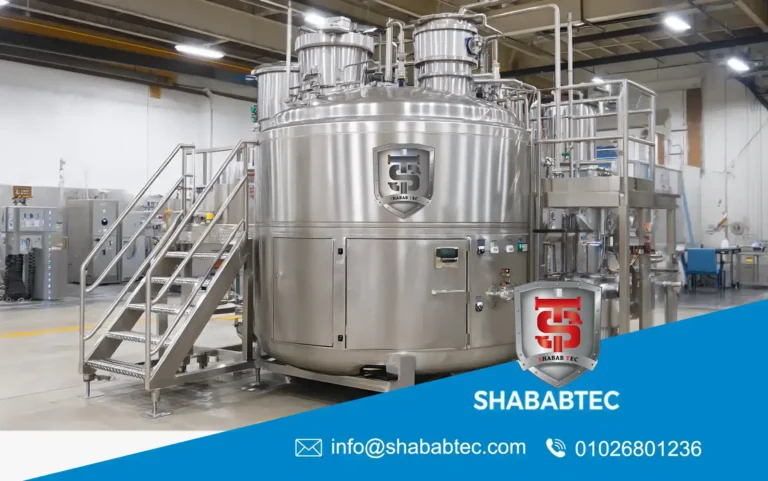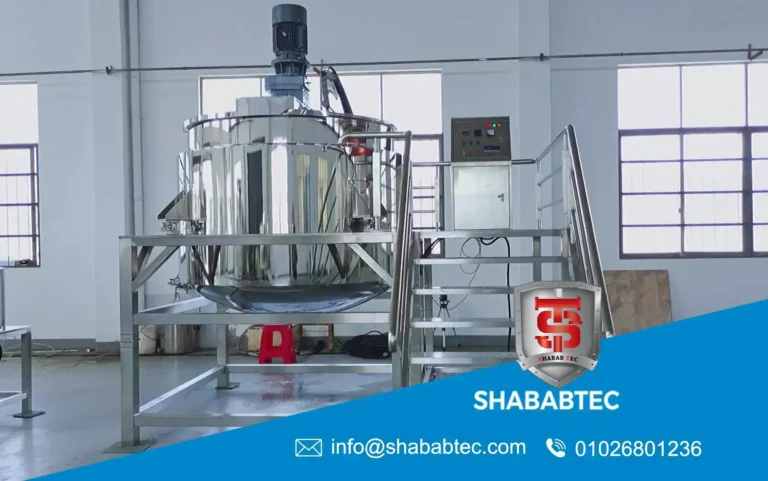
Mixing Tank Components
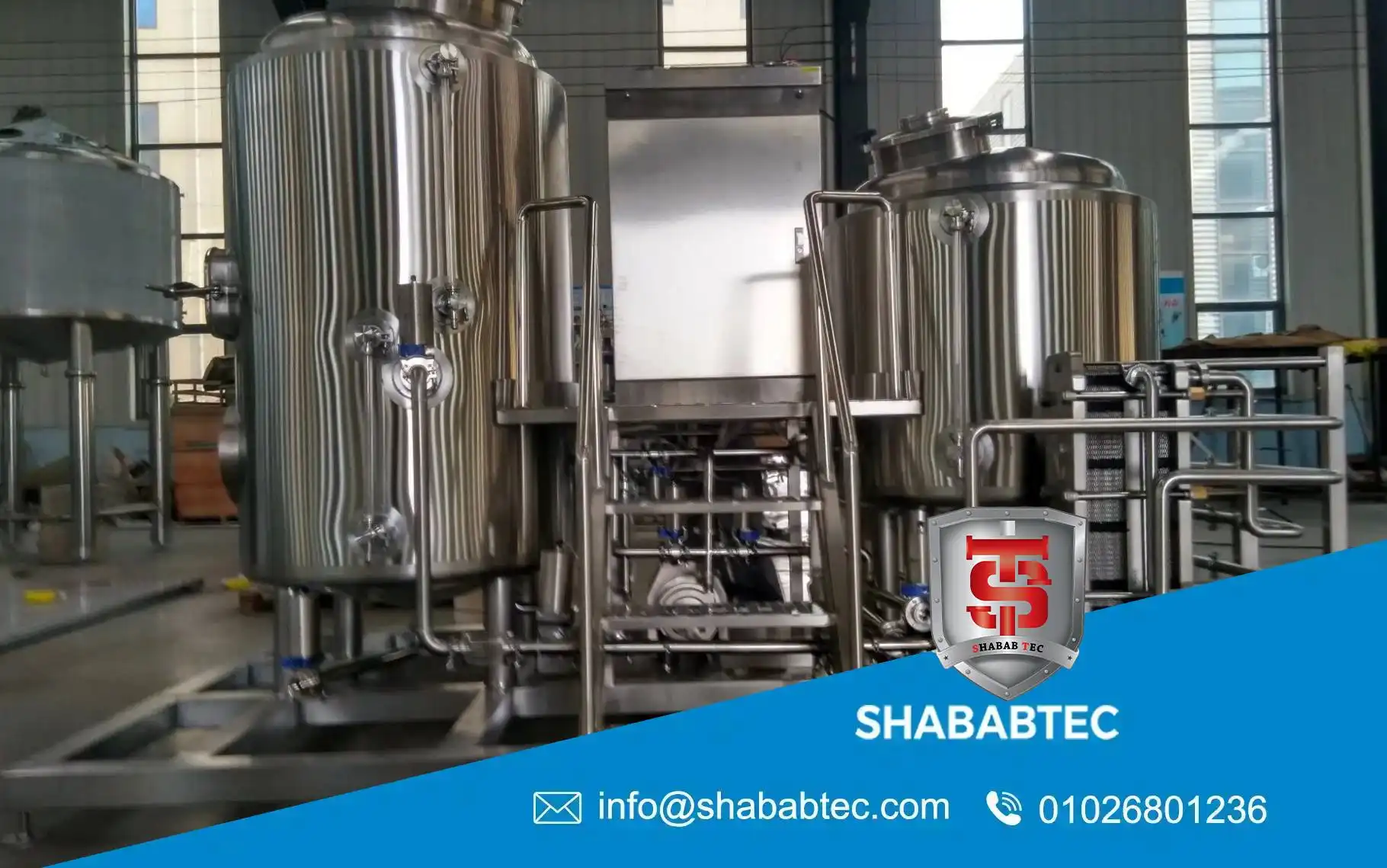
Mixing Tank Components and Industrial Tank Structure Guide
Understanding mixing tank components is important before choosing any industrial mixing equipment. A mixing tank is not just a stainless steel vessel with a motor on top. It is a complete system made of several parts that work together to mix, heat, cool, transfer, and process liquid or semi-liquid products.
For factories working in cosmetics, food, pharmaceuticals, chemicals, adhesives, syrups, or fertilizers, the right mixing tank design can make production smoother, safer, and more consistent. If one part of the system is not suitable, the full process may suffer from poor mixing, weak performance, leakage, vibration, overheating, or difficult cleaning.
This guide explains the main mixing tank components, how the tank structure is built, and what factories should check when choosing a reliable industrial tank structure for daily production. ShababTec provides practical stainless steel tank solutions designed according to product type, capacity, viscosity, and production needs.
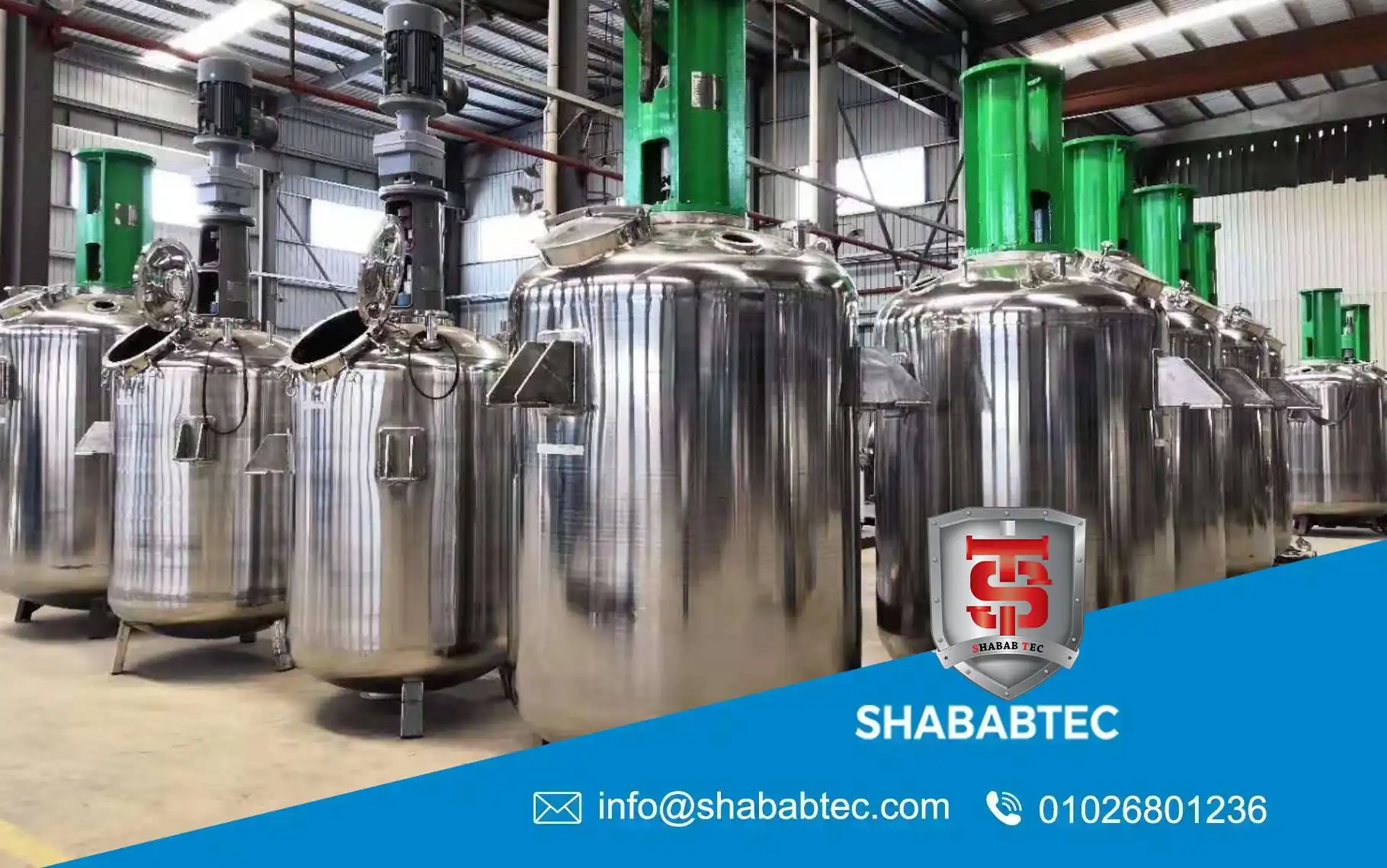
See Also: Industrial Stainless Steel Mixing Tanks – Complete Guide
What Are Mixing Tank Components?
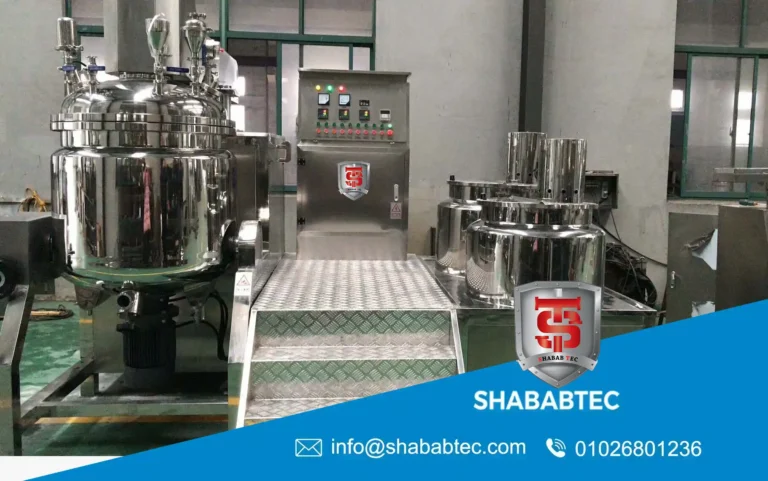
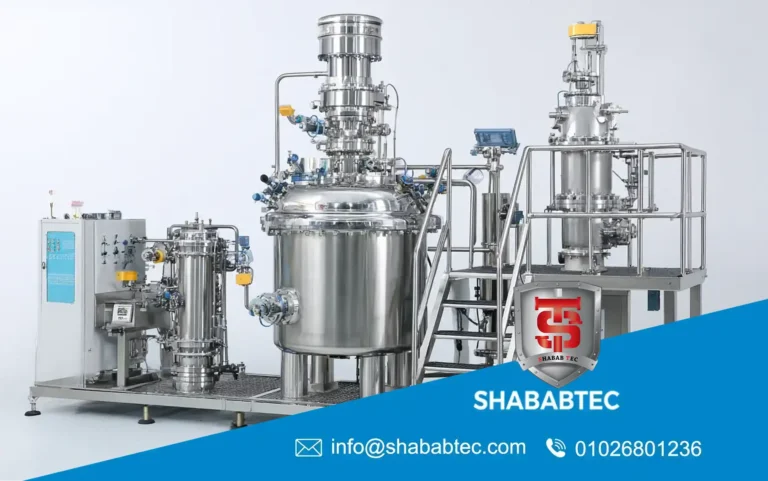
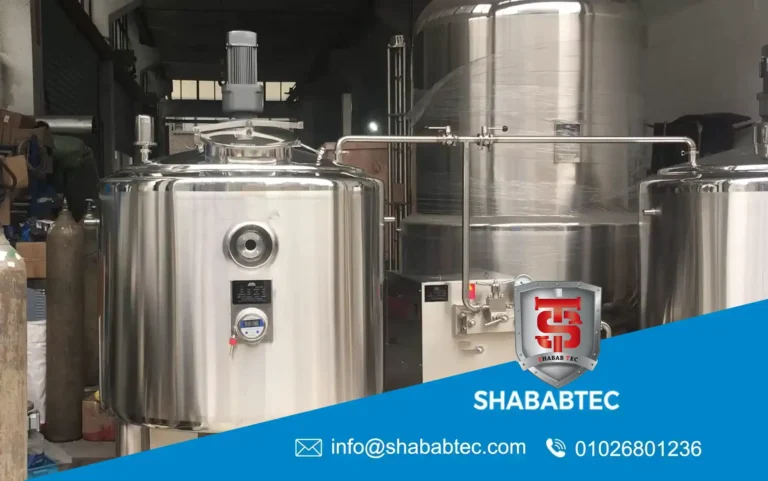
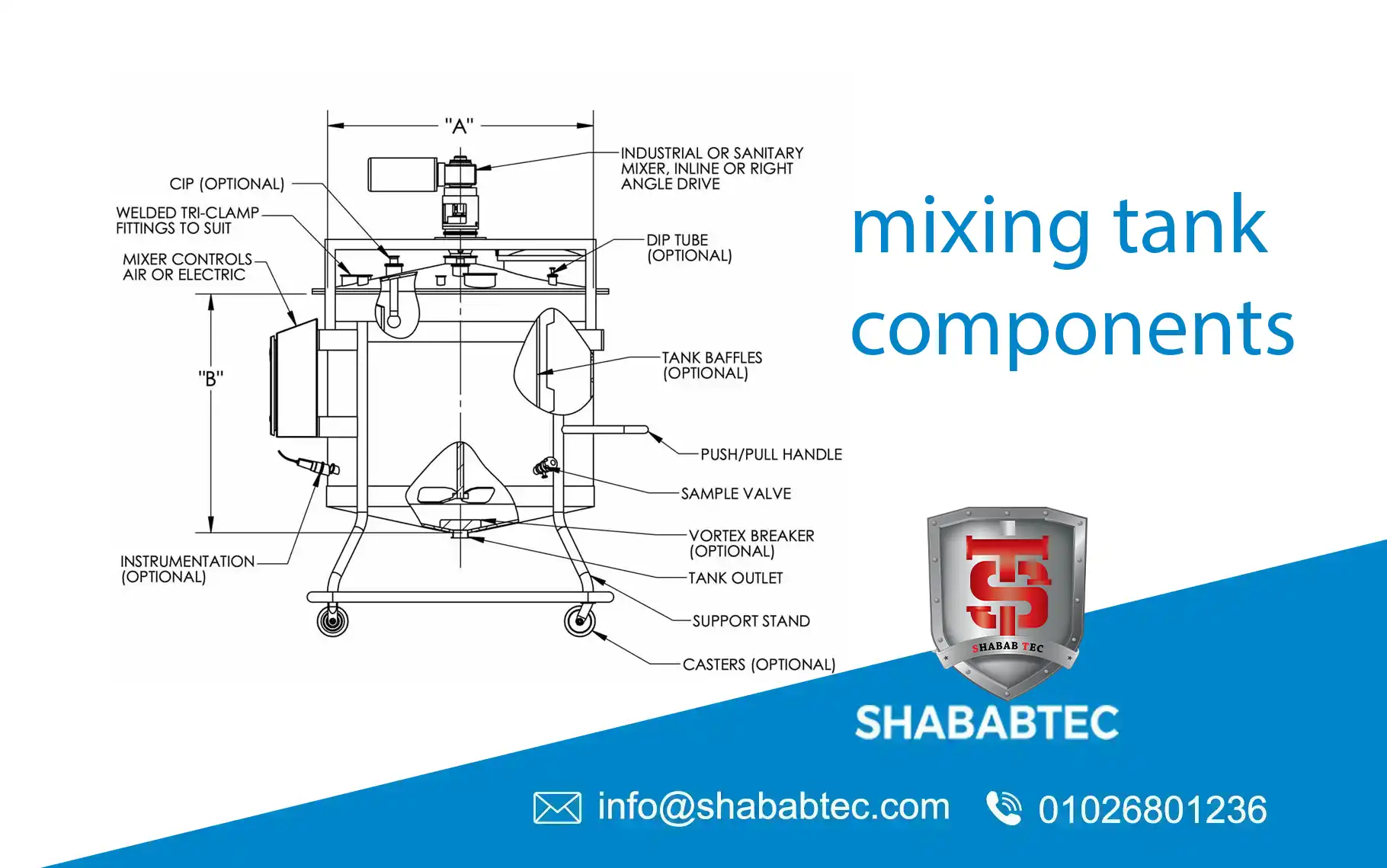
Mixing tank components are the main parts that form the complete mixing system. These parts include the tank body, cover, agitator, agitator shaft, motor, gearbox, sealing system, discharge valve, support legs, heating or cooling jacket, control panel, and safety accessories.
Each component has a specific role. The tank body holds the product, the mixer moves the material, the motor provides power, the shaft transfers motion, and the valves control product discharge. When all components are properly selected, the tank can operate efficiently and produce consistent results.
The exact design depends on the product. A cream tank may need a scraper and homogenizer. A syrup tank may need heating and gentle mixing. A chemical tank may need special material compatibility. This is why mixing tank design should always match the actual production process.

Why Tank Structure Matters in Industrial Production
The tank structure affects strength, hygiene, mixing quality, maintenance, and equipment lifetime. A weak structure can lead to vibration, leakage, poor sealing, or difficulty during cleaning and operation.
In industrial production, the tank may work for long hours under heat, pressure, vacuum, chemical exposure, or heavy mixing force. The industrial tank structure must be strong enough to handle these conditions safely.
A well-designed tank structure helps factories achieve:
- Stable operation during mixing
- Better product circulation inside the tank
- Lower vibration and mechanical stress
- Safer operation for workers
- Easier cleaning and maintenance
- Longer equipment lifetime
- Better temperature control when heating or cooling is required
Main Mixing Tank Components
Tank Body
The tank body is the main vessel that holds the product during mixing. It is usually made from stainless steel because stainless steel is strong, hygienic, corrosion-resistant, and suitable for many industrial applications.
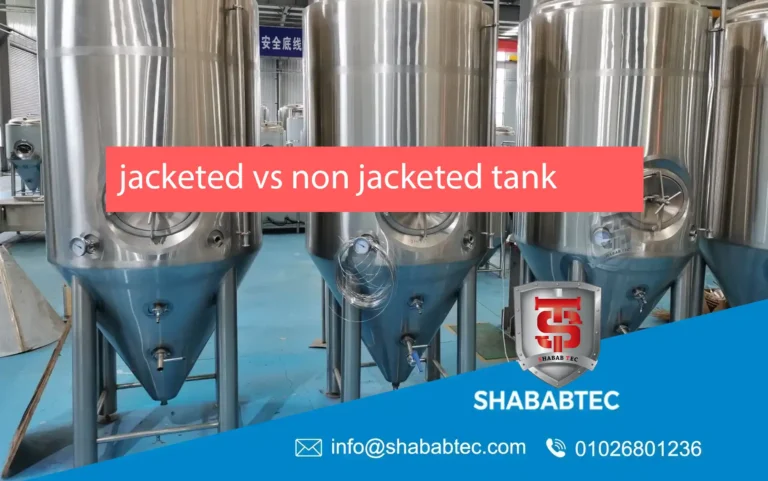
The body shape may be cylindrical, with a flat bottom, cone bottom, or dish bottom depending on the product and discharge requirements. A cone bottom helps discharge thicker materials more efficiently, while a dish bottom can improve strength and cleaning.
In a good mixing tank design, the tank body should be sized correctly. If the tank is too small, production becomes slow. If it is too large for the batch size, mixing may become inefficient and energy use may increase.
Tank Cover
The cover is part of the tank structure and protects the product from contamination. It may be fixed, removable, hinged, or sealed depending on the process.
Some covers include openings for feeding, inspection, vacuum connection, temperature sensors, pressure gauges, or cleaning access. In pharmaceutical, food, and cosmetic applications, the cover design is important for hygiene and safe operation.
Agitator
The agitator is one of the most important mixing tank components. It moves the product inside the tank and creates the flow needed for blending, dissolving, emulsifying, or suspending materials.
Different products need different agitator designs. Thin liquids may need a propeller mixer. Thick creams may need an anchor agitator. Products with powders or solids may need a strong blade design to prevent settling.
The agitator should be selected based on viscosity, product density, batch volume, and mixing purpose.
Agitator Shaft
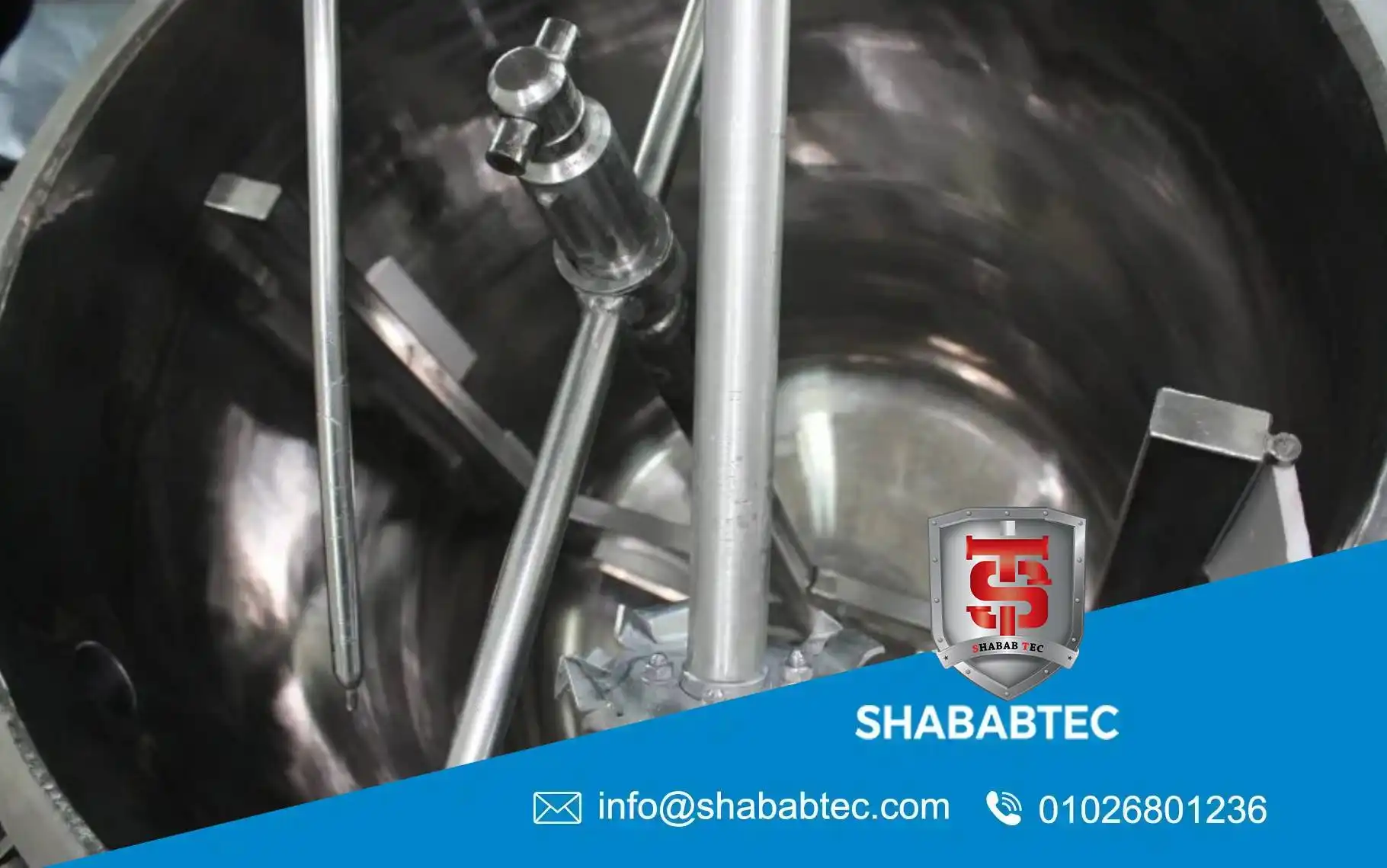
The agitator shaft connects the motor or gearbox to the mixing blades inside the tank. It transfers rotational power from the drive system to the agitator.
The agitator shaft must be strong, straight, and properly aligned. If the shaft is weak or badly aligned, the tank may suffer from vibration, noise, seal damage, or uneven mixing.
In larger tanks, the agitator shaft may need extra support or special design to handle the mixing load. Shaft diameter, material, length, and balancing are all important in industrial equipment.
Tank Motor
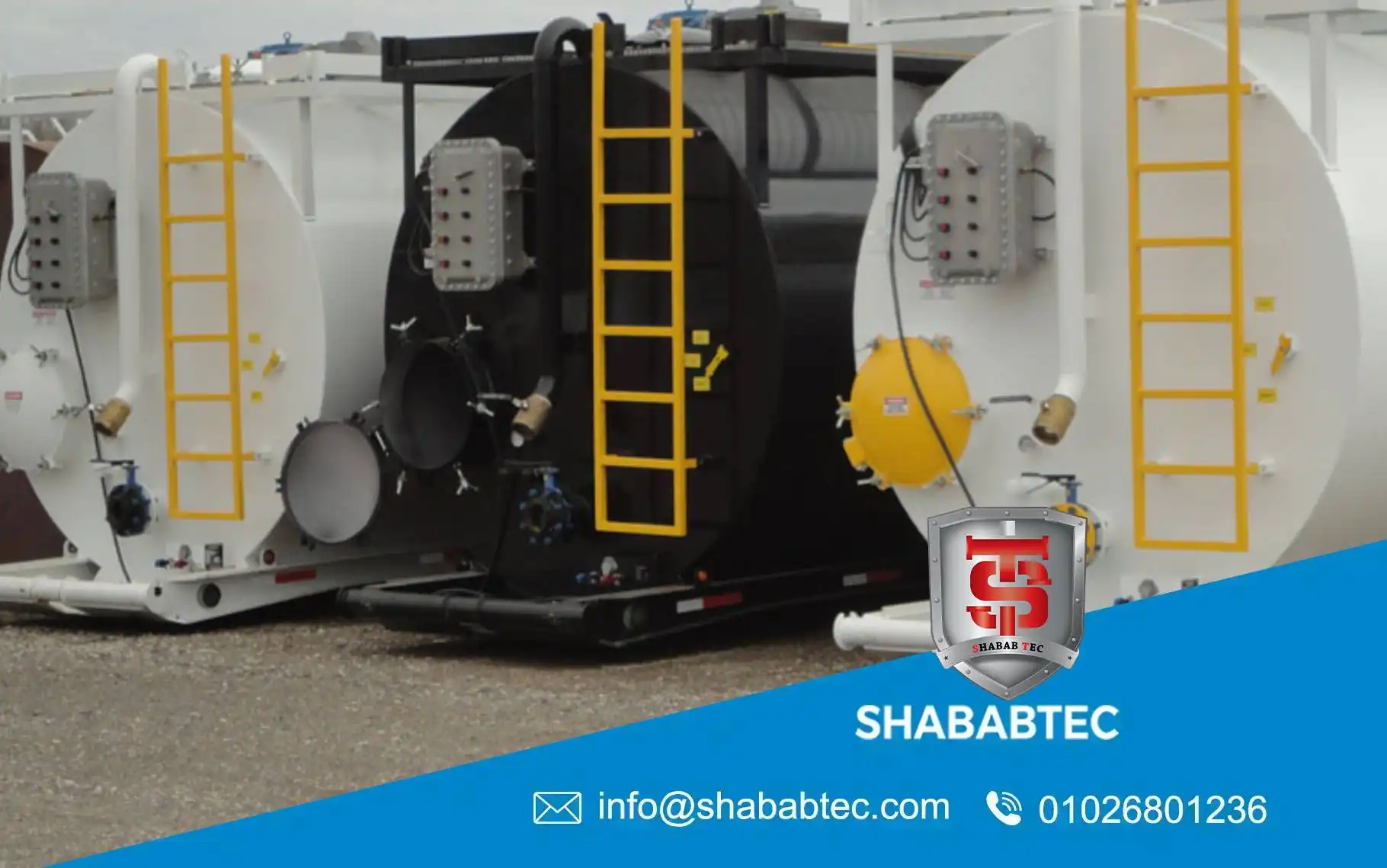
The tank motor provides the power required to rotate the agitator. Motor selection is based on product viscosity, tank capacity, mixing speed, and operating time.
A weak tank motor can cause slow mixing, overheating, or failure during heavy operation. An oversized motor may increase cost and energy use without real benefit. The best motor is selected according to the real production process.
For thick products such as cream, adhesive, gelatin, or concentrated syrup, the tank motor usually needs higher torque. For light liquids, lower power may be enough.
Gearbox
The gearbox controls speed and torque between the motor and the agitator. Many industrial tanks need slower speed with stronger torque, especially when mixing viscous products.
The gearbox helps protect the tank motor and improves mixing performance. It also allows the system to work under heavier loads without unstable movement.
Mechanical Seal or Shaft Seal
The sealing system is installed around the agitator shaft where it enters the tank. Its role is to prevent leakage and protect the product from contamination.
Different seal types may be used depending on the product and process. Food, pharmaceutical, and chemical products may require different sealing designs. A poor seal can cause leakage, contamination, or equipment damage.
Mixing Blades
Mixing blades are attached to the agitator shaft and directly contact the product. Blade design controls the flow pattern inside the tank.
Common blade types include propeller blades, paddle blades, anchor blades, turbine blades, and scraper blades. Each type has a different purpose.
- Propeller blades are suitable for low-viscosity liquids
- Paddle blades are suitable for gentle mixing
- Anchor blades are useful for viscous products
- Turbine blades provide stronger mixing action
- Scraper blades help remove material from tank walls
Baffles
Baffles are internal plates fixed to the tank wall to improve mixing. They help reduce vortex formation and increase product movement inside the tank.
In some mixing tank design cases, baffles are very important for low-viscosity liquids because they improve blending efficiency. However, they may not be suitable for every product, especially if cleaning or product buildup is a concern.
Support Legs or Frame
The support legs hold the tank in position. A strong support system is an important part of the industrial tank structure because the tank must carry product weight, equipment weight, and vibration during mixing.
For large tanks, the support frame should be designed carefully to keep the tank stable and safe during operation.
Discharge Valve
The discharge valve controls product outlet from the tank. Its size and position affect how easily the product leaves the tank after mixing.
For thick products, a bottom discharge valve is usually better because it reduces product waste. For chemical or hygienic applications, the valve material and cleaning design are also important.
Heating and Cooling Jacket
Some tanks include a jacket around the tank body for heating or cooling. This is useful for products that require temperature control, such as creams, syrups, chocolate, gelatin, waxes, ointments, or chemical solutions.
The jacket becomes part of the tank structure and should be designed for efficient heat transfer. Poor jacket design can lead to uneven heating or slow cooling.
Temperature Sensor
A temperature sensor helps monitor the product temperature during processing. It is important when heating, cooling, melting, dissolving, or maintaining a specific process temperature.
Accurate temperature monitoring supports better product quality and safer operation.
Control Panel
The control panel allows operators to manage the tank motor, mixer speed, heating system, cooling system, and other process settings. A simple and clear control panel makes daily operation easier for workers.
In more advanced mixing tank design, the control panel may include variable speed control, temperature display, timers, emergency stop buttons, and safety indicators.
Manhole and Inspection Openings
Manholes and inspection openings allow workers to check, clean, and maintain the inside of the tank. They are important for hygiene and maintenance, especially in food, cosmetic, and pharmaceutical production.
The opening should be placed in a practical position without weakening the tank structure.
Safety Accessories
Safety accessories may include pressure relief valves, vacuum gauges, pressure gauges, level indicators, emergency stop switches, and protective covers around rotating parts.
These components help protect workers, product, and equipment during operation.
Industrial Tank Structure and Material Selection
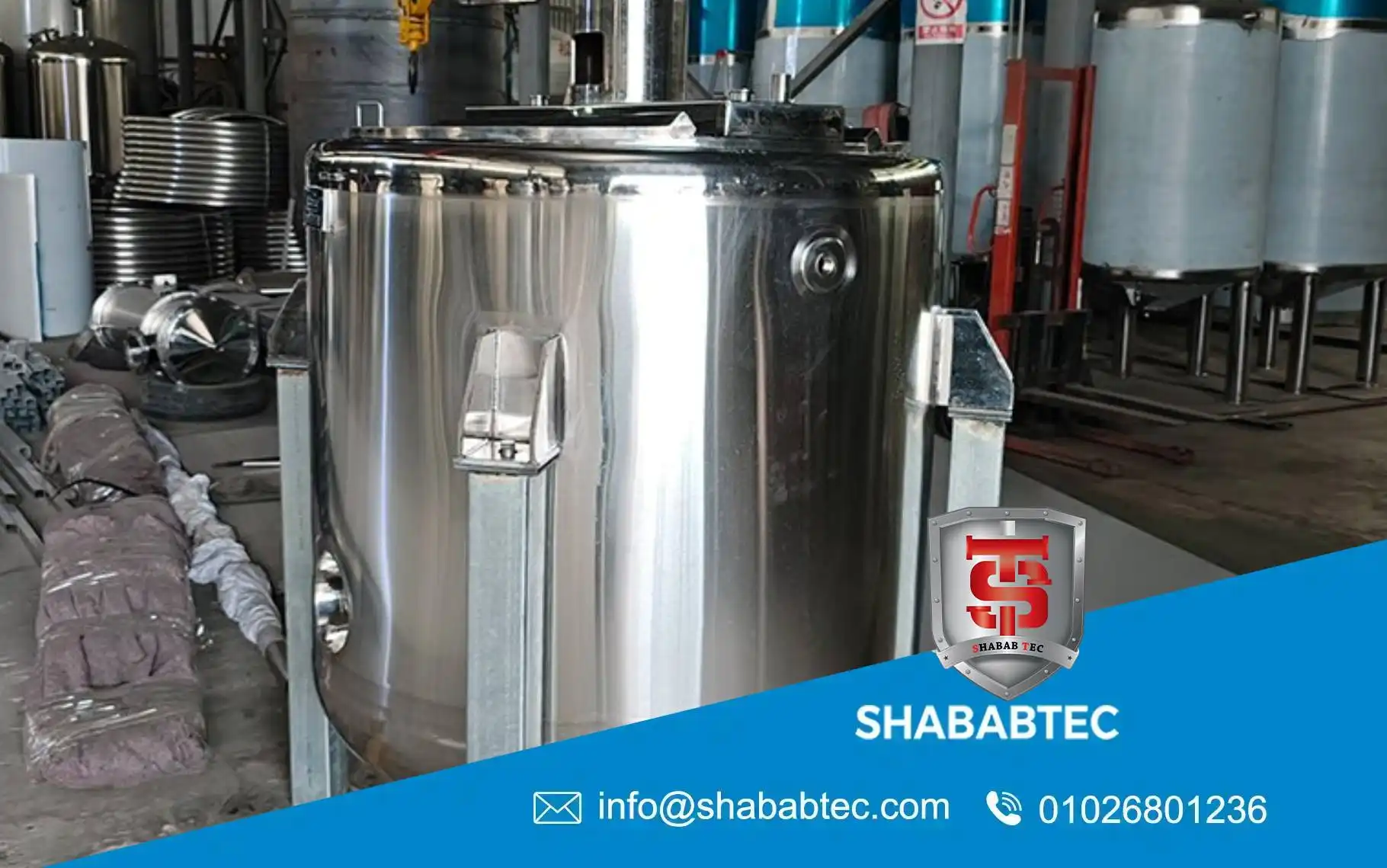
The industrial tank structure must be designed based on product behavior, chemical compatibility, temperature, pressure, and cleaning needs. Material selection is one of the most important points in this stage.
Stainless Steel 304
Stainless steel 304 is widely used for food, cosmetics, syrups, and many general industrial applications. It offers good corrosion resistance, strength, and cleanability.
Stainless Steel 316L
Stainless steel 316L is used when higher corrosion resistance or stricter hygiene is required. It is often preferred in pharmaceutical, high-purity, or more demanding chemical applications.
Carbon Steel
Carbon steel may be used in some industrial applications where hygiene and corrosion resistance are not the main concern. It may need coating or lining depending on the product.
Special Materials or Linings
Some chemicals require special materials, coatings, or linings. In these cases, the mixing tank design must be reviewed carefully to avoid corrosion, reaction, or contamination.
Mixing Tank Design Based on Product Type
Low-Viscosity Liquids
Low-viscosity liquids such as water-like solutions, detergents, and light chemical liquids usually need fast circulation. The tank motor, agitator, and baffles should be selected to create good movement without unnecessary energy use.
Medium-Viscosity Products
Products such as syrups, lotions, and sauces need stronger mixing than light liquids. The agitator shaft and blade design should support smooth movement from top to bottom.
High-Viscosity Products
Products such as creams, adhesives, ointments, gels, and thick pastes need high torque, strong structure, and suitable blade design. In these cases, the industrial tank structure must handle higher mechanical stress during operation.
Products with Powders or Solids
When powders, crystals, or suspended solids are added to the tank, the mixing system must prevent settling and support proper dissolving or dispersion. Blade design and mixer speed become very important.
Temperature-Sensitive Products
Products that need heating or cooling require a jacketed tank structure, accurate temperature sensors, and controlled operation. This applies to gelatin, chocolate, creams, ointments, waxes, and some chemical formulas.
Common Problems Caused by Poor Mixing Tank Components
Weak Mixing
Weak mixing often happens when the agitator is not suitable, the tank motor is underpowered, or the tank shape does not support proper circulation.
Vibration and Noise
Vibration may come from poor agitator shaft alignment, weak support structure, damaged bearings, or unbalanced blades. This can damage the tank over time.
Leakage
Leakage may happen from poor welding, weak seals, valve problems, or incorrect shaft sealing. In food and pharmaceutical production, leakage can also create hygiene risks.
Material Buildup
Sticky or viscous products may build up on tank walls if the blade design is not suitable. Scraper systems may be needed for certain products.
Overheating of Motor
An overloaded tank motor can overheat when mixing thick materials. Correct motor and gearbox selection helps prevent this issue.
Difficult Cleaning
Bad internal design can create corners, dead areas, or rough surfaces that collect product. A hygienic mixing tank design should make cleaning easier.
How to Choose the Right Mixing Tank Design
Choosing the right mixing tank design starts with understanding the production process. The supplier should know the product type, viscosity, capacity, temperature requirements, and cleaning method before manufacturing the tank.
Important questions include:
- What product will be mixed?
- Is the product liquid, semi-liquid, paste, gel, or suspension?
- What is the batch capacity?
- Does the process need heating or cooling?
- What mixer speed is required?
- Does the product contain powders or solids?
- Is the product food-grade, cosmetic, pharmaceutical, or chemical?
- What stainless steel grade is suitable?
- How will the tank be cleaned?
- Is vacuum or pressure operation required?
These details help define the tank body, agitator type, agitator shaft, tank motor, valves, jacket, control system, and full industrial tank structure.
Why ShababTec is a Practical Choice for Mixing Tank Components
ShababTec provides stainless steel equipment for liquid and semi-solid preparation, including mixing tanks, storage tanks, heating tanks, cooling tanks, and customized systems for different industries. The company can support factories that need practical mixing tank components selected according to real production conditions.
Instead of choosing a general tank that may not match the product, factories can work with ShababTec to build a suitable mixing tank design based on capacity, viscosity, heating or cooling needs, and industry type.
This is useful for production lines working with cosmetics, food products, pharmaceutical liquids, chemicals, adhesives, gelatin, fertilizers, syrups, and semi-solid materials.
Maintenance Tips for Mixing Tank Components
Regular maintenance helps protect the tank and keeps production stable. Since all mixing tank components work together, one small issue can affect the full system.
- Check the tank motor for heat, noise, and vibration
- Inspect the agitator shaft for alignment and wear
- Clean the tank after each production batch
- Check seals and valves for leakage
- Inspect welding points and support legs
- Monitor gearbox oil and mechanical condition if available
- Check temperature sensors and control panel readings
- Inspect blades for damage or product buildup
- Follow a fixed maintenance schedule
Final Thoughts
Understanding mixing tank components helps factories choose equipment that matches their actual production needs. The tank body, agitator, agitator shaft, tank motor, valves, seals, jacket, and control panel all affect performance, safety, and product quality.
A strong tank structure and reliable industrial tank structure are especially important for factories that work with viscous materials, chemical products, temperature-sensitive products, or continuous production schedules.
With the right mixing tank design, manufacturers can improve mixing quality, reduce waste, simplify cleaning, and support long-term production efficiency. ShababTec offers practical stainless steel tank solutions for factories that need dependable equipment for liquid and semi-solid processing.
FAQ – Mixing Tank Components
What are the main mixing tank components?
The main mixing tank components include the tank body, cover, agitator, agitator shaft, tank motor, gearbox, seals, valves, support legs, heating or cooling jacket, and control panel.
Why is tank structure important?
Tank structure is important because it affects strength, safety, mixing performance, hygiene, cleaning, and equipment lifetime.
What is the role of the agitator shaft?
The agitator shaft transfers rotational power from the motor or gearbox to the mixing blades inside the tank.
How do I choose the right tank motor?
The tank motor should be selected based on product viscosity, batch capacity, mixing speed, blade type, and operating time.
What makes a good mixing tank design?
A good mixing tank design matches the product type, viscosity, capacity, temperature needs, cleaning requirements, and industry standards.
What is industrial tank structure?
Industrial tank structure refers to the full physical construction of the tank, including body shape, material, support frame, cover, jacket, openings, valves, and mechanical installation.
See Also: process tank selection | continuous mixing system