Sauce Mixing Tank
Sauce Mixing Tank Better Texture, Faster Production, and Stable Food Quality
Sauce production needs accurate mixing, controlled texture, safe food-contact surfaces, and equipment that can handle different viscosities. Whether the factory produces ketchup, tomato sauce, mayonnaise, hot sauce, salad dressing, cooking sauce, or flavored liquid sauce, choosing the right sauce mixing tank is a major factor in product quality and production efficiency.
A professional food sauce mixer helps blend water, oils, tomato paste, spices, stabilizers, sugar, vinegar, flavors, colors, and other ingredients into one uniform product. If the mixing system is not suitable, the sauce may separate, become lumpy, lose texture, or show different taste and thickness from one batch to another.
For food factories in Egypt and the region, ShababTec provides practical stainless steel tank solutions suitable for food, cosmetic, pharmaceutical, and chemical production. The right industrial sauce tank should be designed based on the sauce type, viscosity, batch size, heating needs, cooling needs, discharge method, and cleaning requirements.
See Also: Industrial Stainless Steel Mixing Tanks – Complete Guide
What is a Sauce Mixing Tank?
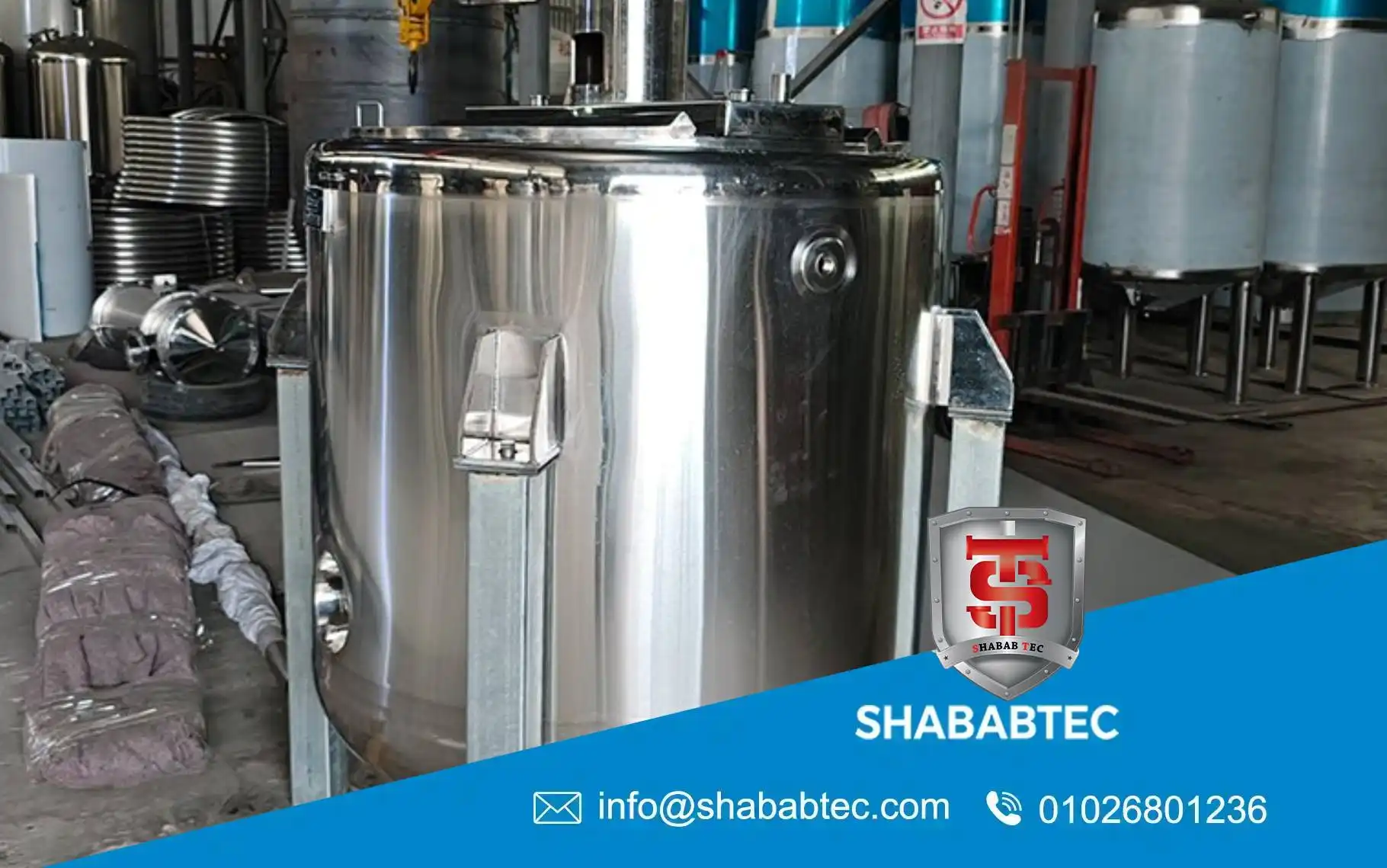
A sauce mixing tank is an industrial tank used to mix, heat, cool, blend, and prepare sauce products under controlled conditions. It is commonly used in food factories that produce sauces, dressings, condiments, marinades, and semi-liquid food products.
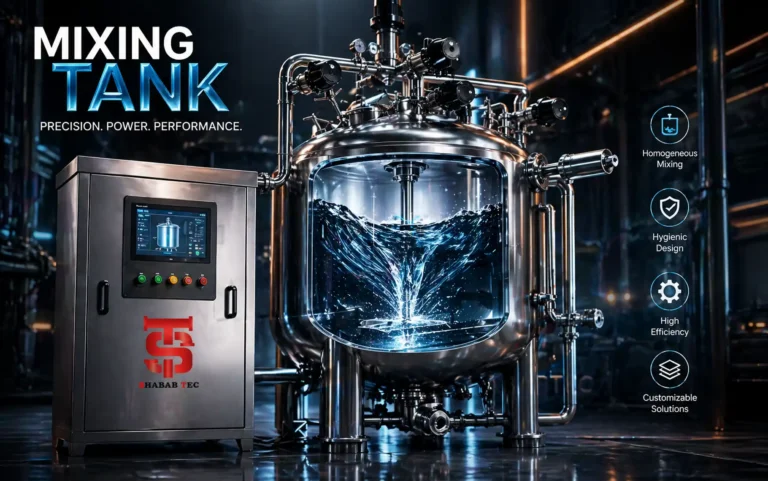
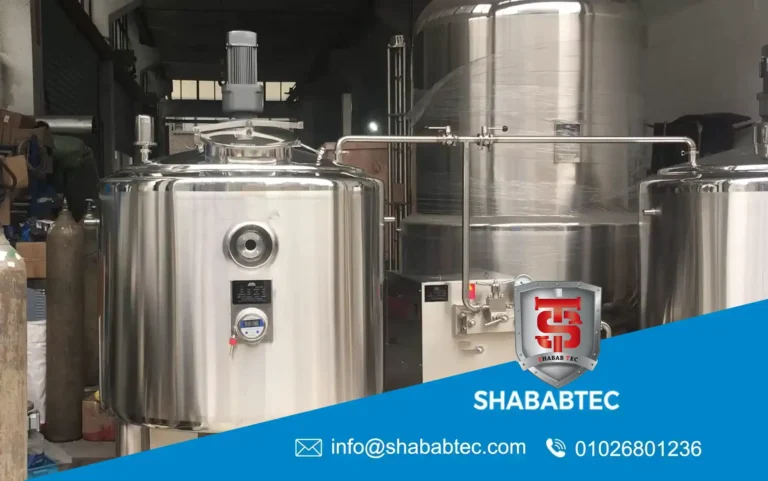
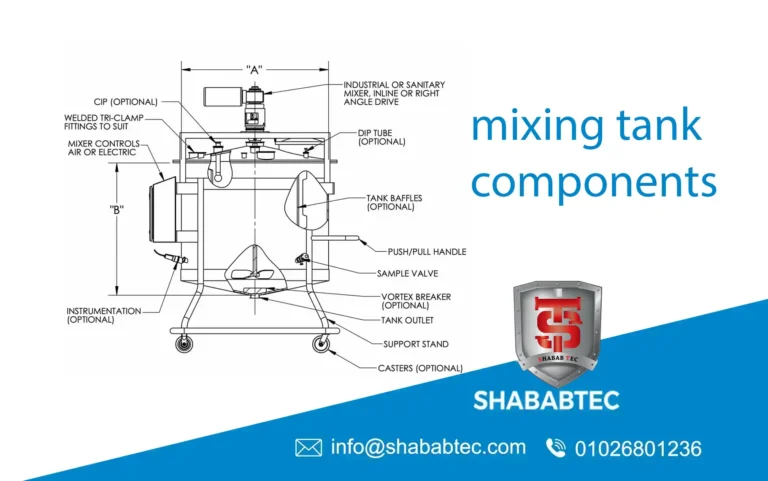
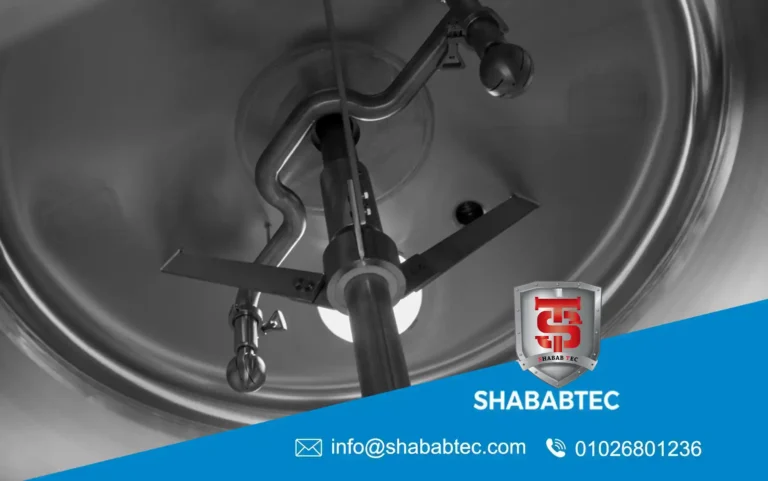
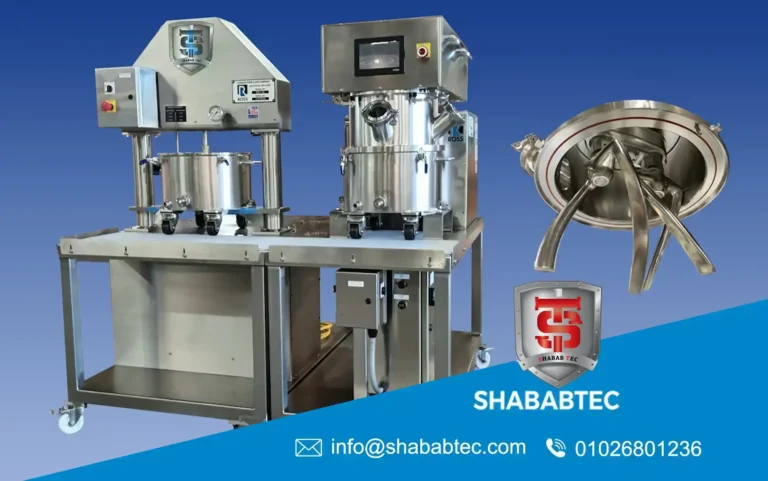
The tank usually includes a stainless steel body, agitator, motor, shaft, mixing blades, discharge valve, temperature control system, and sometimes a scraper, homogenizer, or vacuum option depending on the sauce formula.
A mixing tank sauce system is different from a basic storage tank. It must be able to move ingredients properly, prevent burning during heating, reduce lumps, maintain texture, and allow easy cleaning after each batch.
Why Sauce Production Needs a Professional Food Sauce Mixer
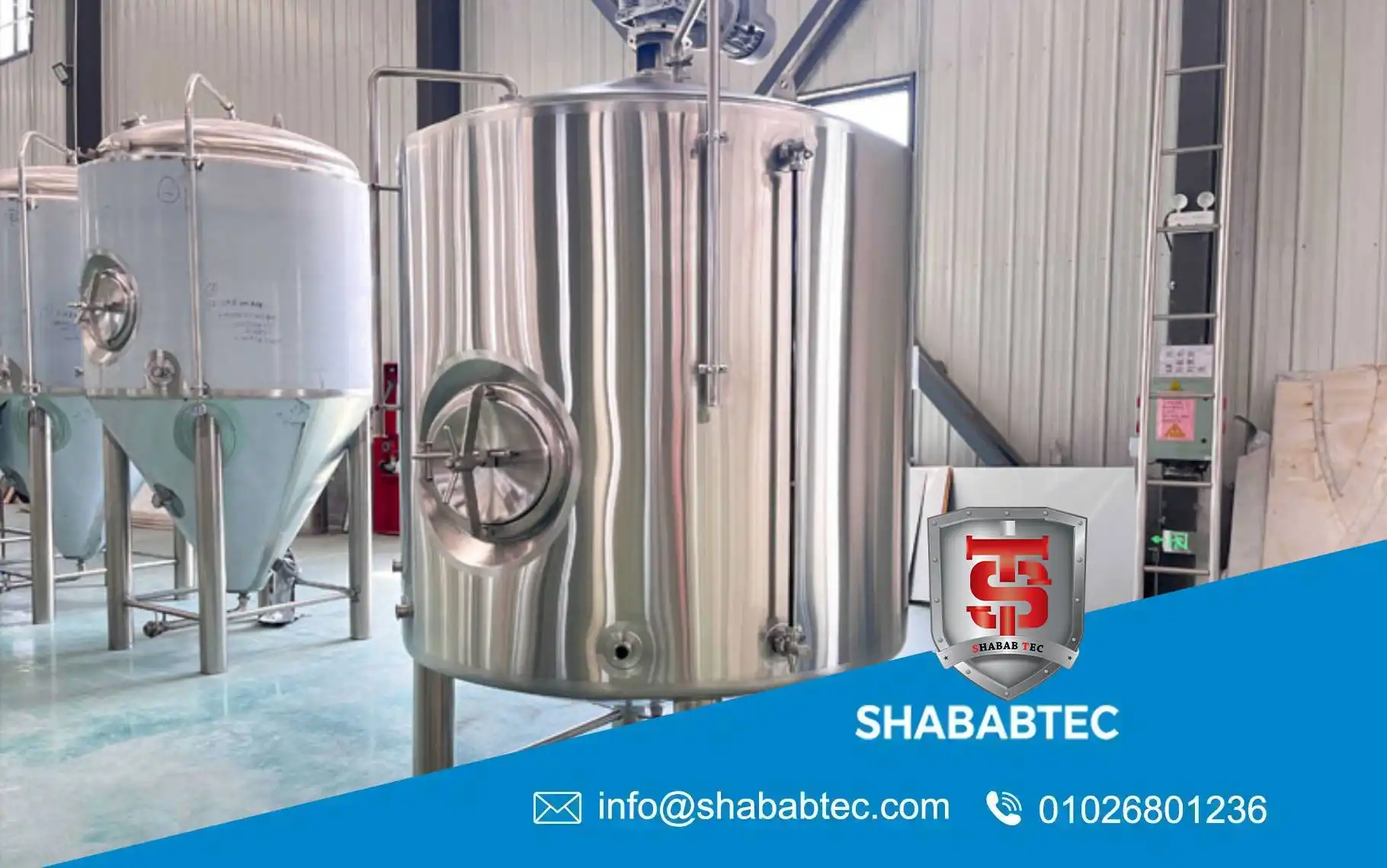
Sauce products can be light, thick, smooth, chunky, acidic, oily, or heat-sensitive. This means the food sauce mixer must be selected according to the actual product. A general-purpose mixer may not provide the correct movement or temperature control for sauce manufacturing.
Poor mixing can cause several production problems:
- Uneven taste across the batch
- Ingredient separation during storage
- Lumps from starch, spices, or stabilizers
- Burning or sticking during heating
- Inconsistent thickness
- Air bubbles in the sauce
- Difficult discharge from the tank
- Long cleaning time after production
A well-designed sauce production tank helps reduce these problems and supports consistent sauce quality from batch to batch.
Main Applications of Sauce Mixing Tank
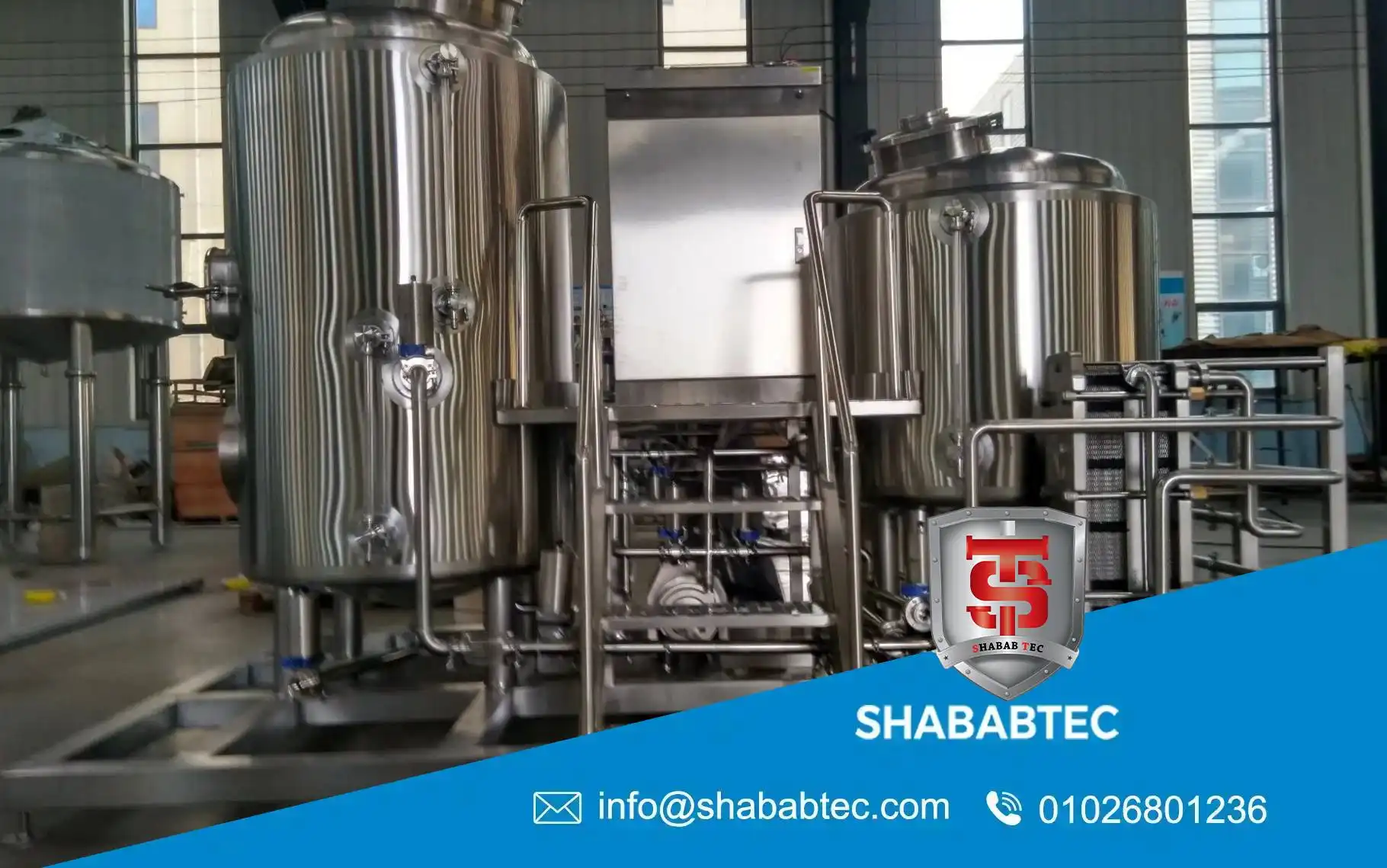
Ketchup Production
Ketchup is one of the most common products made in a sauce mixing tank. It usually includes tomato paste, sugar, vinegar, salt, spices, stabilizers, and water. The mixer must create a smooth texture and distribute all ingredients evenly.
Tomato Sauce Production
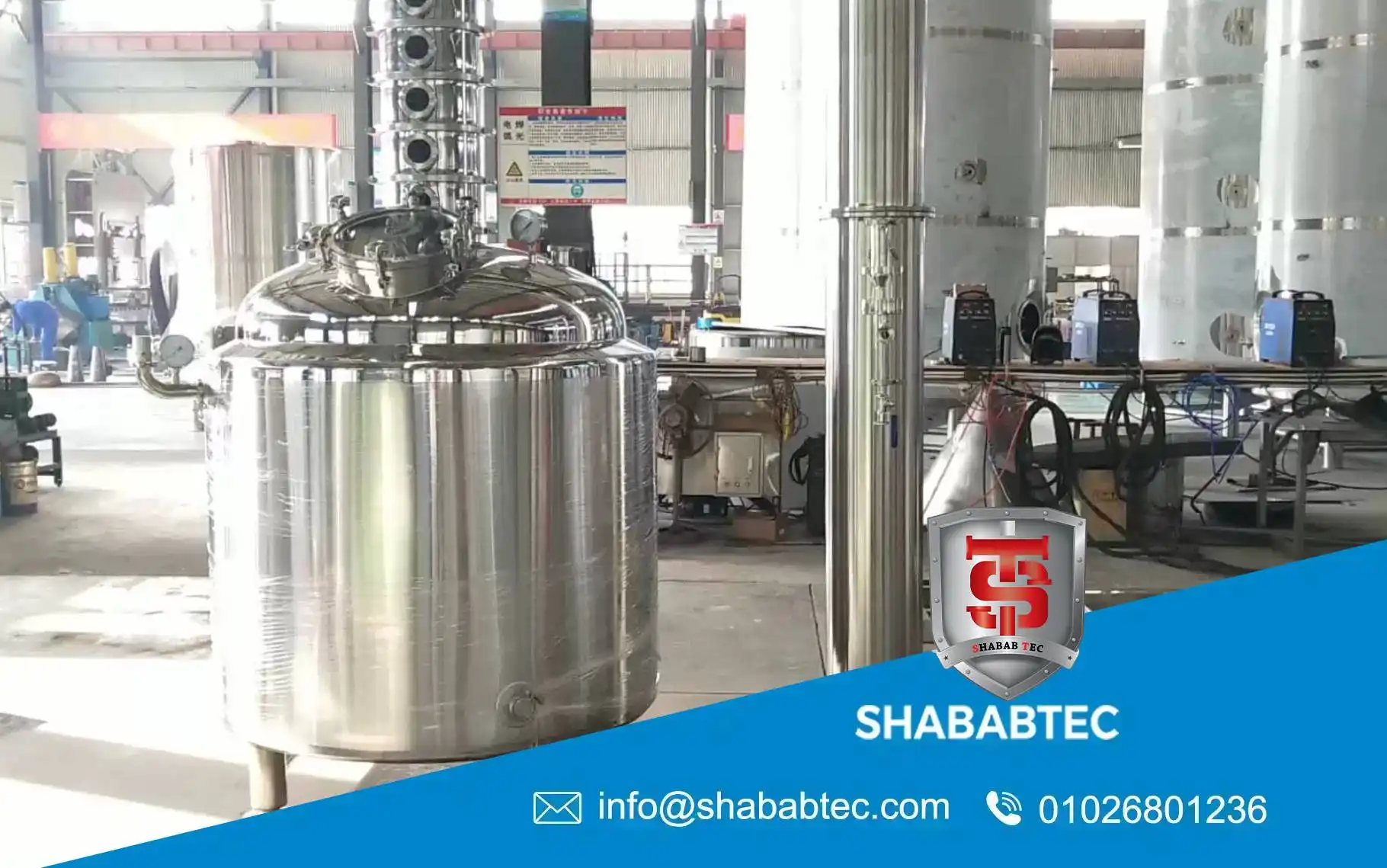
Tomato sauce may require heating, mixing, and sometimes particle control depending on the recipe. A reliable industrial sauce tank helps control thickness and prevent sticking during processing.
Mayonnaise and Emulsified Sauces
Mayonnaise and similar sauces need stable oil and water blending. In this case, the food sauce mixer may need stronger shear or emulsifying capability to create stable texture.
Hot Sauce Production
Hot sauce usually includes peppers, vinegar, salt, spices, and sometimes thickening agents. A food processing tank for hot sauce should be compatible with acidic ingredients and easy to clean.
Salad Dressing Production
Salad dressings may contain oils, vinegar, herbs, spices, stabilizers, and flavor ingredients. The mixing tank sauce system should maintain even distribution and reduce separation.
Cooking Sauce and Marinade Production
Cooking sauces and marinades can include spices, oils, salt, sugar, acids, and flavor extracts. A suitable sauce production tank helps blend these ingredients into a stable product before filling or packaging.
Main Components of an Industrial Sauce Tank
Stainless Steel Tank Body
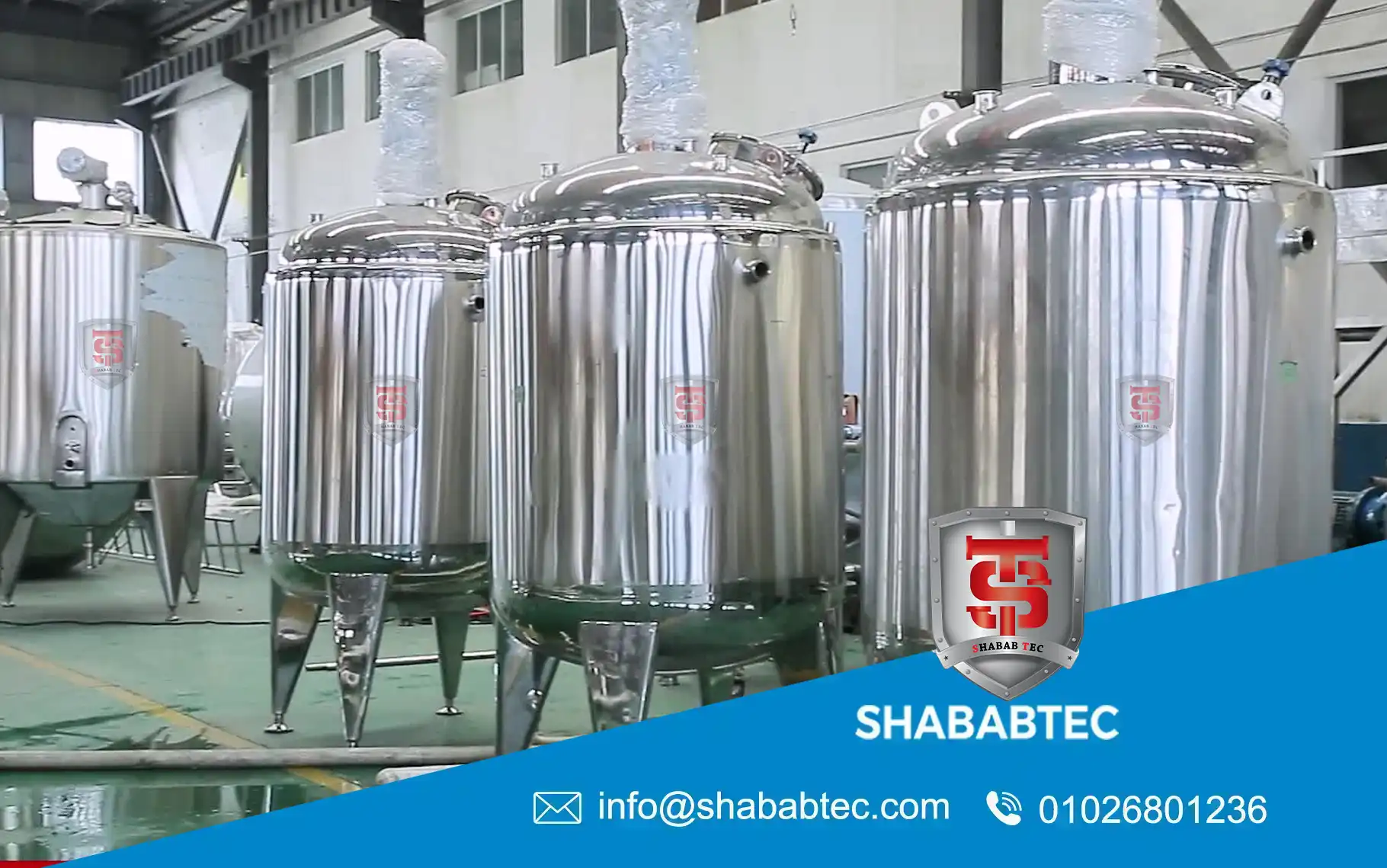
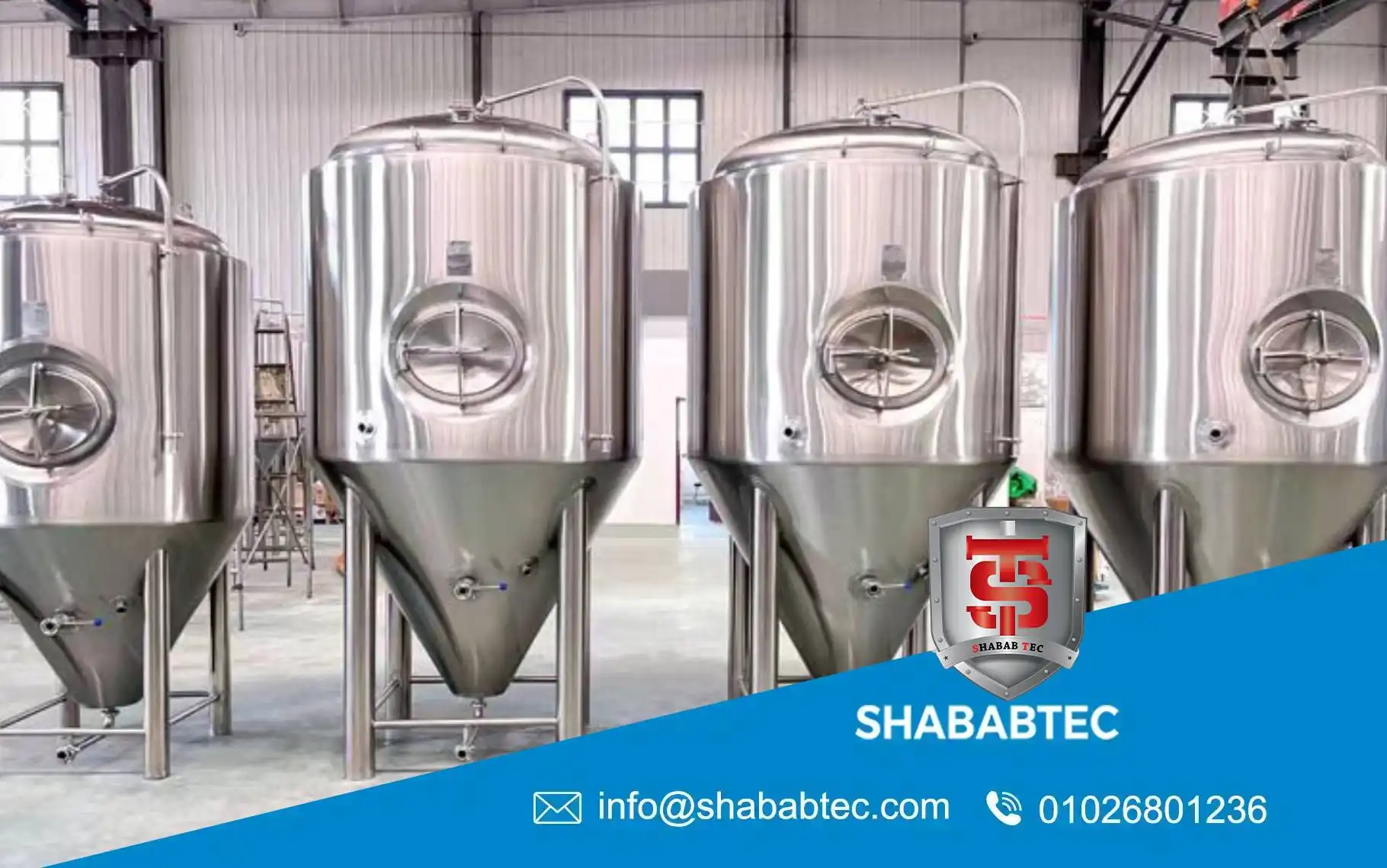
The tank body is the main vessel of the industrial sauce tank. Stainless steel is commonly used in food production because it is hygienic, durable, corrosion-resistant, and easy to clean.
For many food sauce applications, stainless steel 304 can be suitable. For more acidic or salt-rich sauces, stainless steel 316 may be considered depending on the formula and cleaning chemicals.
Agitator System
The agitator moves the sauce inside the tank and helps distribute ingredients evenly. The agitator design depends on sauce viscosity and texture.
Thin sauces may need a different mixing blade than thick sauces. Products with spices, herbs, or particles may need controlled movement to keep ingredients suspended without damaging texture.
Scraper System
A scraper system is useful when sauces are thick or heated. It removes product from the tank wall and returns it to the mixing zone. This helps reduce burning, improves heat transfer, and lowers product loss.
For ketchup, tomato sauce, creamy sauces, and thick dressings, a scraper can be very useful inside the sauce mixing tank.
Motor and Gearbox
The motor provides power to the mixer. Motor selection depends on tank capacity, sauce viscosity, mixing speed, and operating time. A gearbox may be used when the sauce needs slower mixing with higher torque.
A weak motor can cause slow production or poor mixing. A properly selected motor supports stable operation inside the food sauce mixer.
Heating Jacket
Many sauces require heating during production to dissolve ingredients, activate starch, pasteurize the product, or improve blending. A jacketed food processing tank can heat the sauce using hot water, steam, thermal oil, or electric heating depending on the factory setup.
Controlled heating is important because direct or uneven heat can cause burning, sticking, or flavor changes.
Cooling Jacket
Cooling may be needed after heating before filling or packaging. A sauce production tank with cooling capability helps reduce waiting time and gives better control over final product temperature.
Homogenizer or High-Shear Mixer
Some sauces need stronger mixing to create smooth texture or stable emulsions. A homogenizer can help reduce particle size and improve product uniformity.
This is useful for mayonnaise, creamy sauces, smooth ketchup, dressings, and sauces that require stable texture.
Discharge Valve
The discharge valve controls how the sauce leaves the tank. Thick sauces may need a larger outlet, bottom discharge, or pump connection to move product efficiently.
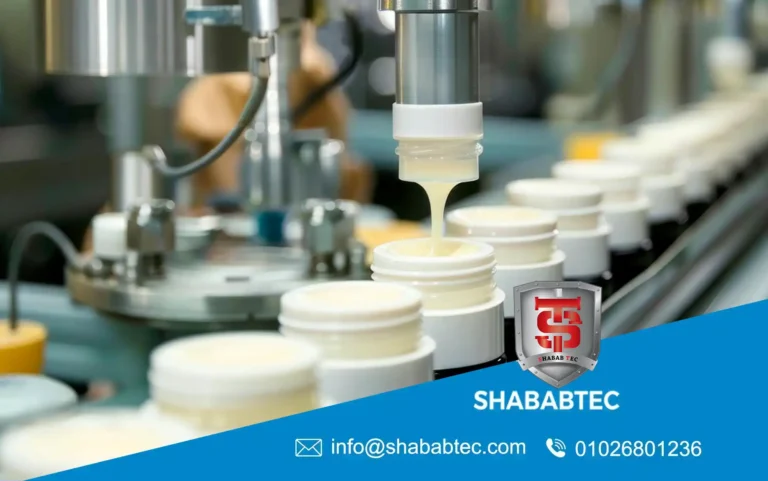
A good discharge design reduces waste and makes transfer to filling easier.
Control Panel
The control panel helps operators manage mixer speed, heating, cooling, temperature, and operation time. Clear controls support repeatable production and easier daily operation.
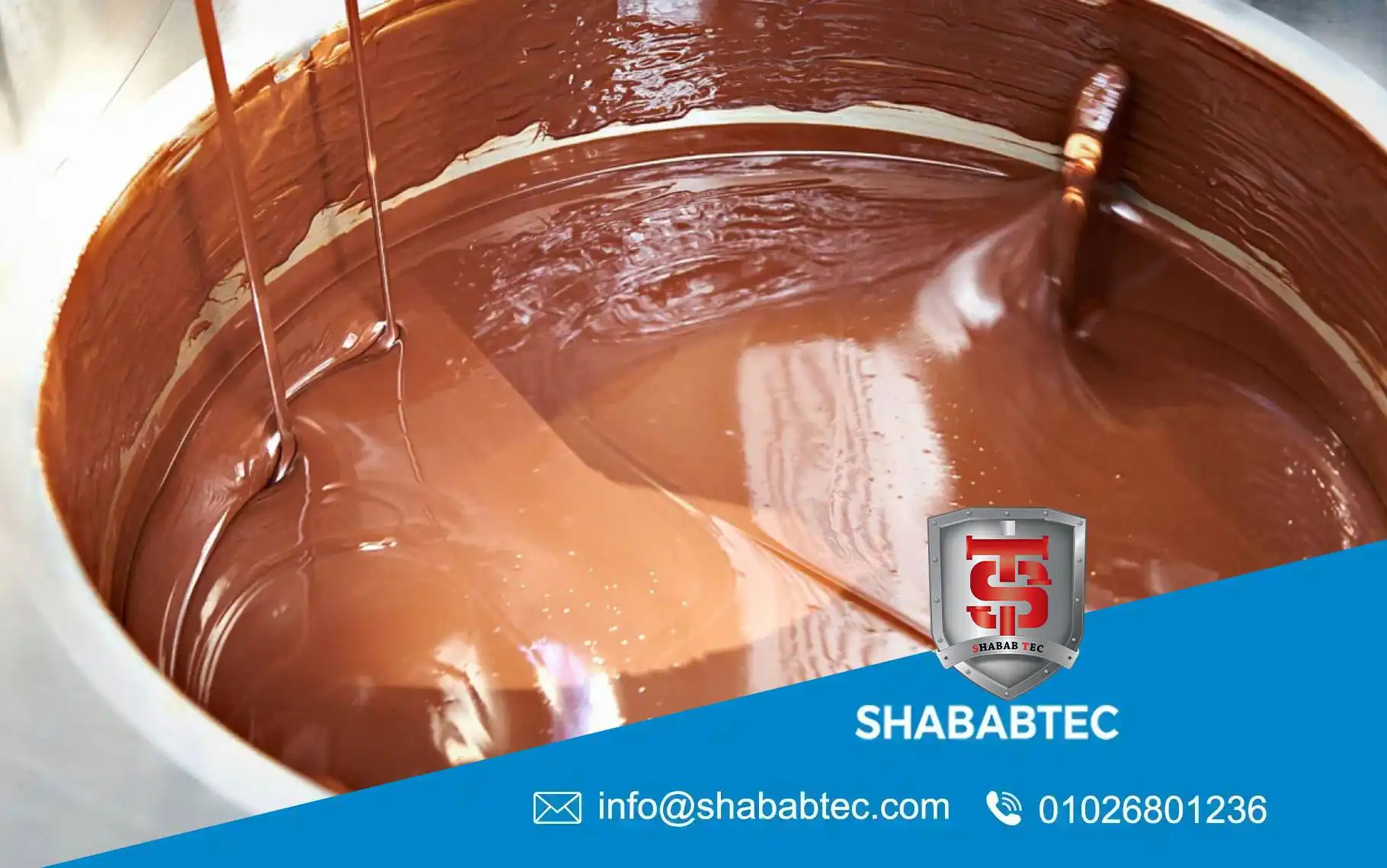
Food Processing Tank Design for Sauce Production
A food processing tank used for sauce production should be designed for hygiene, safety, temperature control, and practical cleaning. Sauce products are often sticky, acidic, or thick, so the tank must support both product quality and daily factory workflow.
Important design points include:
- Food-grade stainless steel contact surfaces
- Smooth internal finishing
- Proper agitator design for sauce viscosity
- Heating and cooling options when required
- Scraper system for thick or heated sauces
- Easy-to-clean discharge valve
- Good access for inspection and cleaning
- Strong support structure for daily industrial use
When these points are considered from the beginning, the industrial sauce tank becomes easier to operate and maintain.
Mixing Tank Sauce System Based on Sauce Type
Thin Sauces
Thin sauces need fast and even blending. The mixing tank sauce system may use a propeller or paddle agitator depending on the product. The main goal is to distribute ingredients evenly without unnecessary air intake.
Thick Sauces
Thick sauces need higher torque and stronger product movement. An anchor agitator, scraper, or heavier-duty mixer may be needed to move the sauce from the tank wall and bottom.
Chunky Sauces
Chunky sauces contain pieces of vegetables, herbs, or spices. The mixer should blend the product without damaging the particles too much.
Emulsified Sauces
Emulsified sauces such as mayonnaise need stable blending between oil and water phases. A high-shear system or emulsifier may be needed to create a stable final texture.
Heat-Processed Sauces
Some sauces need heating for cooking, pasteurization, or starch activation. In this case, the sauce production tank should include a heating jacket and proper wall scraping to reduce sticking.
Important Factors When Choosing a Sauce Production Tank
Product Viscosity
Viscosity is one of the most important points when selecting a sauce production tank. Thin sauces and thick sauces need different mixer designs. The final viscosity after heating or cooling should be considered, not only the starting texture.
Batch Capacity
The tank size should match production volume. A small factory may need a compact sauce mixing tank, while a larger factory may need higher capacity with stronger motor power and faster discharge.
Heating Requirement
If the sauce needs cooking, pasteurization, or warm blending, the tank should include controlled heating. The heating method should match the product and available factory utilities.
Cooling Requirement
Cooling may be needed before filling or packaging. A cooling jacket can reduce waiting time and improve production organization.
Acidity and Salt Content
Many sauces contain vinegar, salt, tomato, or acidic ingredients. The food processing tank material should be selected according to the formula to reduce corrosion risk.
Texture Requirement
Some products need smooth texture, while others need particles to remain visible. The food sauce mixer should be selected based on the desired final texture.
Cleaning Method
Sauce can stick to tank walls, blades, and valves. Smooth internal surfaces and easy access reduce cleaning time and help maintain hygiene.
Common Problems in Sauce Production
Ingredient Separation
Separation can happen when oils, water, stabilizers, or spices are not mixed properly. A suitable food sauce mixer helps create better distribution and improves product stability.
Lumps in Sauce
Lumps may appear when starch, powder, or stabilizers are added too quickly or mixed poorly. A good sauce mixing tank supports better dispersion and smoother texture.
Burning During Heating
Thick sauce can stick to the tank wall during heating. A scraper system inside the industrial sauce tank helps reduce burning and improves heat transfer.
Uneven Taste
If spices, salt, sugar, or flavors are not mixed evenly, taste can vary across the batch. Proper agitation inside the mixing tank sauce system helps maintain uniform taste.
Slow Discharge
Thick sauce may not flow easily through a small outlet. A proper discharge valve or pump connection in the sauce production tank helps move the product efficiently.
Difficult Cleaning
Sauce residue can build up on surfaces after production. A hygienic food processing tank design makes cleaning easier and reduces downtime.
Benefits of Using a Professional Industrial Sauce Tank
Using a well-designed industrial sauce tank provides several practical benefits for food factories:
- More consistent sauce texture
- Better ingredient distribution
- Reduced separation during storage
- Lower risk of burning during heating
- Improved production speed
- Better control over viscosity
- Easier discharge and transfer
- Faster cleaning between batches
- More stable batch-to-batch quality
- Better food safety and hygiene control
For factories that produce sauces every day, the right tank can improve both product quality and daily operation.
Sauce Mixing Tank in Small and Large Food Factories
Small Batch Production
Small food brands and local factories may need a compact sauce mixing tank with simple controls, easy cleaning, and flexible operation. This is suitable for small batches, recipe testing, and growing production lines.
Medium Production Lines
Medium factories may need a food sauce mixer with heating, cooling, scraper, and variable speed control. This helps produce repeated batches with better consistency.
Large Food Manufacturing
Large factories may need a high-capacity sauce production tank with strong motor power, advanced control, pump transfer, homogenizer, and full temperature control. This supports high output and smoother production flow.
Why ShababTec is a Practical Choice for Sauce Mixing Tank Solutions
ShababTec provides stainless steel equipment for liquid and semi-solid preparation, including tanks suitable for sauce, syrup, chocolate, creams, lotions, gels, liquid soap, chemicals, and pharmaceutical products. For factories that need a reliable sauce mixing tank, ShababTec can support practical designs based on sauce viscosity, batch capacity, heating needs, cooling needs, and discharge method.
Instead of choosing a standard tank that may not match the recipe, food manufacturers can work with ShababTec to select a suitable food processing tank for real production conditions.
Whether the factory needs a simple food sauce mixer, a heated industrial sauce tank, or a complete mixing tank sauce system, the equipment should be designed around the product and daily factory workflow.
Maintenance Tips for Sauce Mixing Tank
Regular maintenance helps keep the sauce mixing tank working efficiently and reduces unexpected production stops. Since sauce can be sticky, acidic, or thick, cleaning and inspection should be done properly after each batch.
- Clean the tank after every production batch
- Rinse the discharge valve and outlet line carefully
- Check agitator blades for sauce buildup
- Inspect scraper parts if available
- Monitor motor and gearbox sound during operation
- Check shaft seals and valves for leakage
- Inspect heating and cooling jacket connections
- Check stainless steel surfaces for stains or corrosion
- Calibrate temperature sensors when needed
- Follow a fixed maintenance schedule
Final Thoughts
A sauce mixing tank is a key part of modern sauce production. The right design helps control texture, taste, viscosity, heating, cooling, discharge, and cleaning. It also supports more consistent product quality across every batch.
Whether your factory needs a food sauce mixer for ketchup, an industrial sauce tank for thick sauces, a food processing tank with heating and cooling, or a complete mixing tank sauce system, the equipment should be selected based on the actual recipe and production process.
ShababTec offers practical stainless steel solutions for factories that need reliable sauce production tank systems and other food processing equipment. A properly designed tank can help food manufacturers produce stable quality with smoother daily operation.
FAQ – Sauce Mixing Tank
What is a sauce mixing tank used for?
A sauce mixing tank is used to mix, heat, cool, and prepare sauce products such as ketchup, tomato sauce, mayonnaise, hot sauce, salad dressing, and cooking sauces.
What is the role of a food sauce mixer?
A food sauce mixer blends ingredients evenly, controls texture, reduces separation, and helps produce consistent sauce quality from batch to batch.
Can an industrial sauce tank include heating?
Yes, an industrial sauce tank can include a heating jacket for cooking, pasteurization, starch activation, or warm blending during sauce production.
What makes a good food processing tank for sauce?
A good food processing tank should have food-grade stainless steel, proper agitator design, easy cleaning, suitable discharge, and heating or cooling when required.
How do I choose the right mixing tank sauce system?
Choose based on sauce viscosity, batch capacity, texture requirement, heating and cooling needs, acidity, discharge method, stainless steel grade, and cleaning process.
Can one sauce production tank produce different sauces?
Yes, depending on the design, one sauce production tank can produce different sauces if the mixer, material, cleaning method, and temperature control match each recipe.
See Also: industrial jam mixer | glue mixer