Gel Mixing Tank and Paste Production
Gel Mixing Tank Reliable Semi Solid Tank Solutions for Pharmaceutical Gel and Paste Production
Pharmaceutical gel and paste production requires accurate mixing, controlled texture, hygienic equipment, and strong handling of semi-solid materials. Unlike simple liquid products, gels and pastes can be thick, sticky, sensitive to air bubbles, and difficult to discharge if the tank is not designed correctly. This is why choosing the right gel mixing tank is essential for factories that produce pharmaceutical gels, topical pastes, medicated semi-solid products, cosmetic gels, and similar formulations.
A professional pharmaceutical gel mixer helps distribute active ingredients evenly, hydrate gelling agents correctly, reduce lumps, control viscosity, and produce a smooth final texture. If the mixing process is weak or uncontrolled, the product may suffer from clumps, uneven consistency, air bubbles, poor spreadability, or unstable viscosity.
For manufacturers working with gels, creams, ointments, pastes, and other semi-solid products, the right semi solid tank is not just a machine. It is a core part of product quality and production stability. In this guide, we will explain how a gel processing tank works, what makes a strong paste mixing tank, and how to choose the right mixing tank paste system for industrial production.
See Also: Industrial Stainless Steel Mixing Tanks – Complete Guide
What is a Gel Mixing Tank?
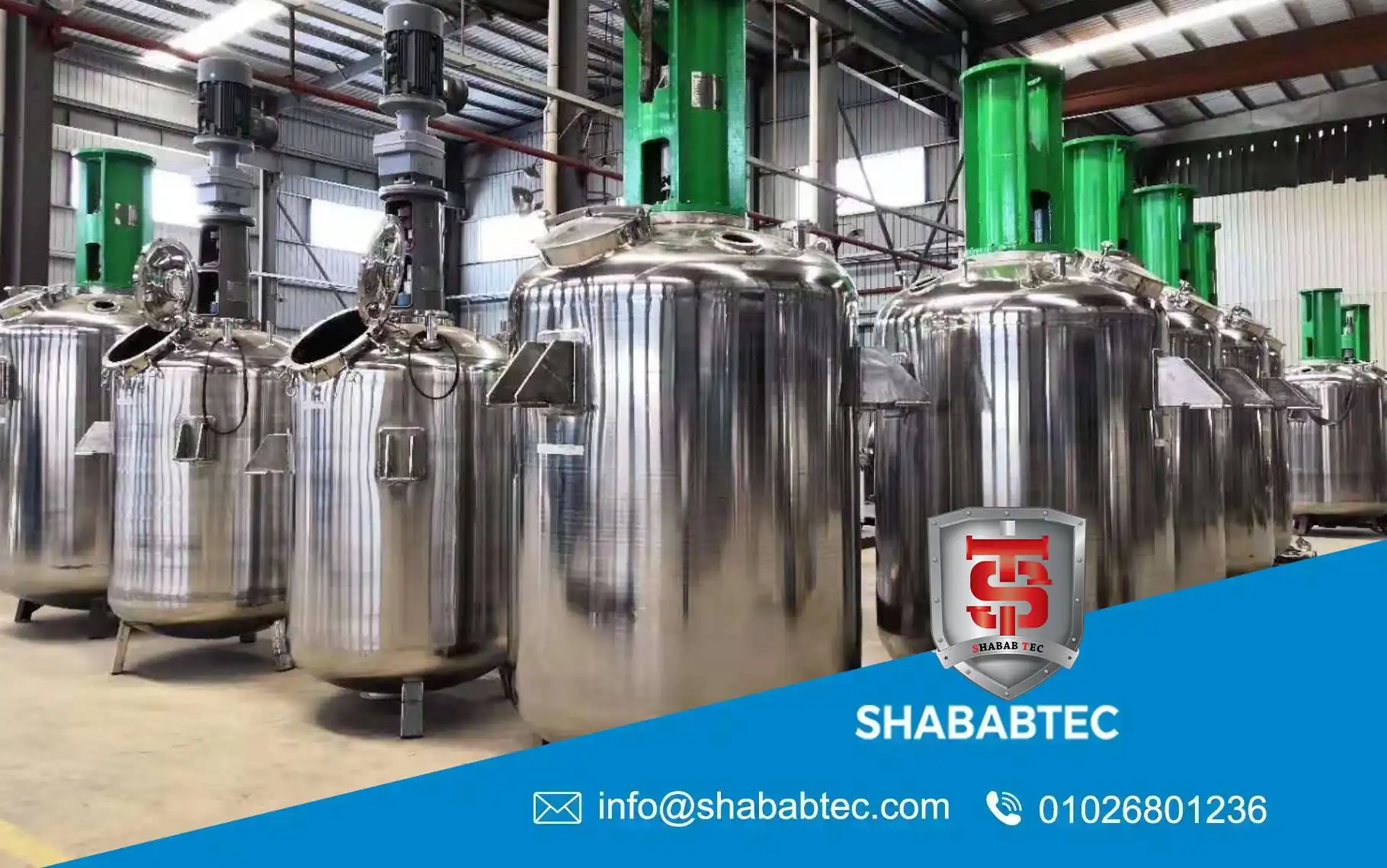
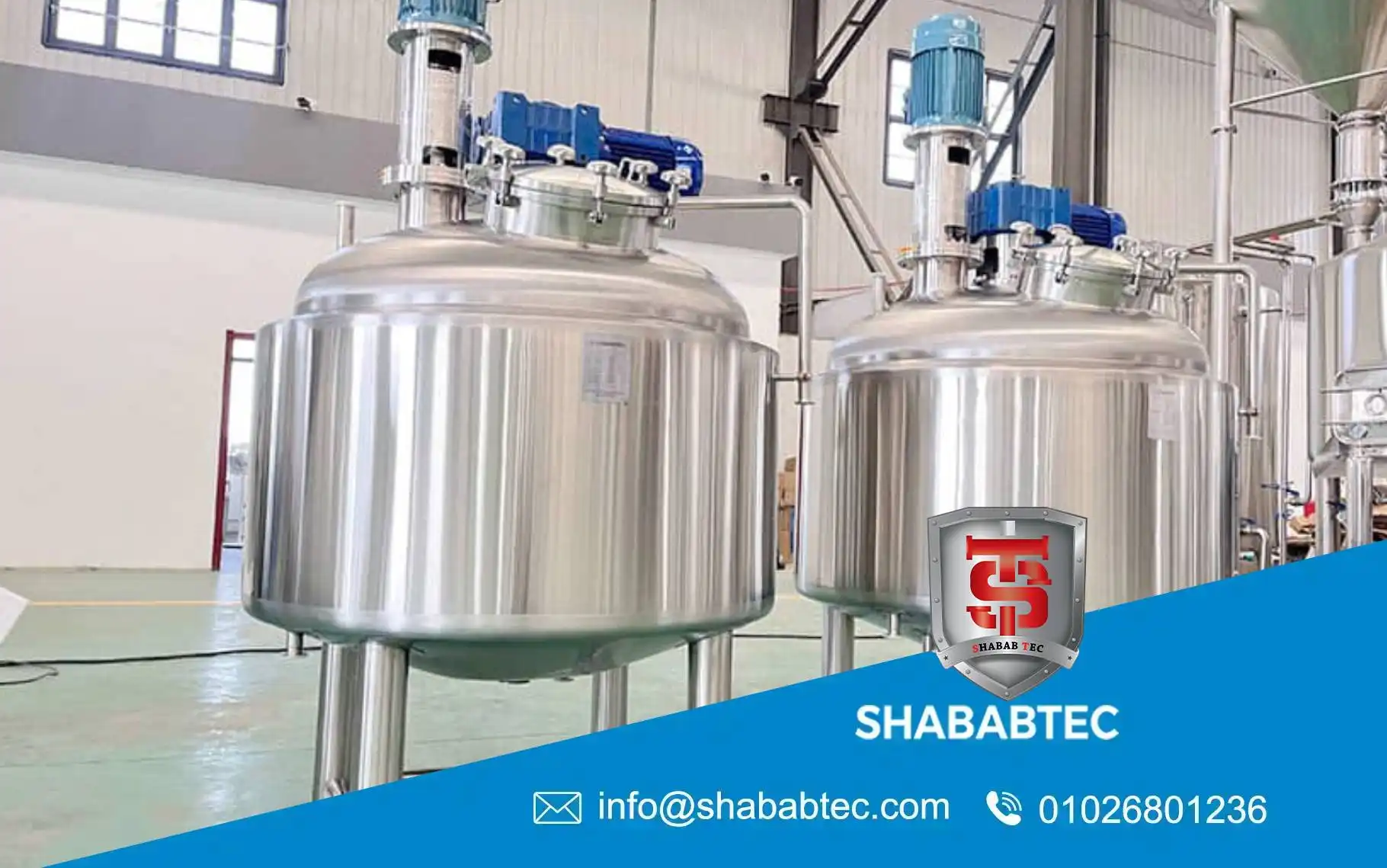
A gel mixing tank is an industrial processing tank designed to mix, hydrate, disperse, heat, cool, and prepare gel-based products under controlled conditions. It is commonly used in pharmaceutical, cosmetic, personal care, and chemical production lines.
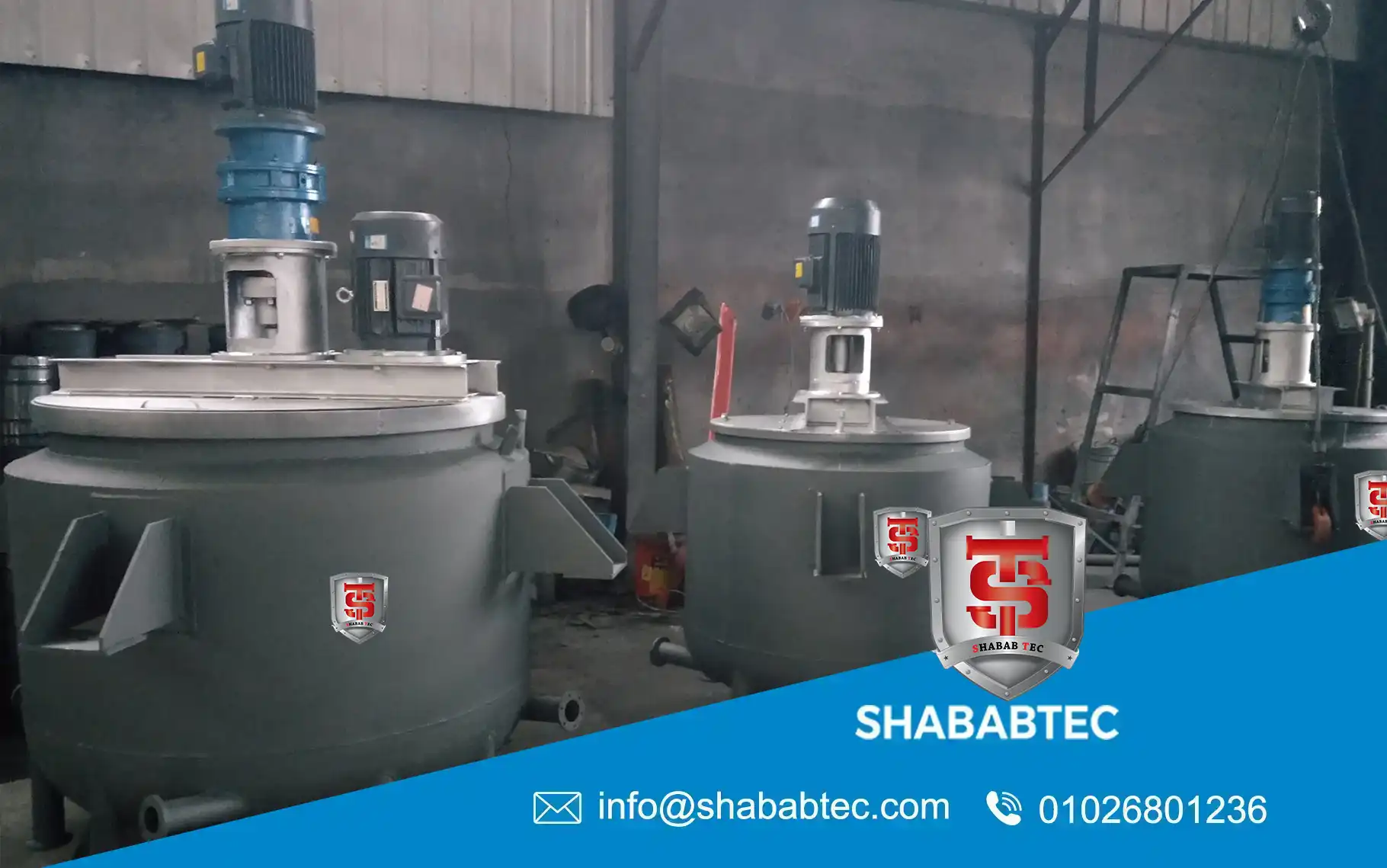
The tank usually includes a stainless steel body, agitator, scraper, motor, gearbox, mixing shaft, discharge valve, temperature control system, and sometimes vacuum or homogenizing options depending on the formula.
A gel mixing machine is designed to handle materials that change viscosity during processing. For example, some gels start as thin liquids, then become thicker after adding gelling agents, neutralizers, or active ingredients. The mixer must handle this change without losing control over texture or product movement.
What is a Paste Mixing Tank?
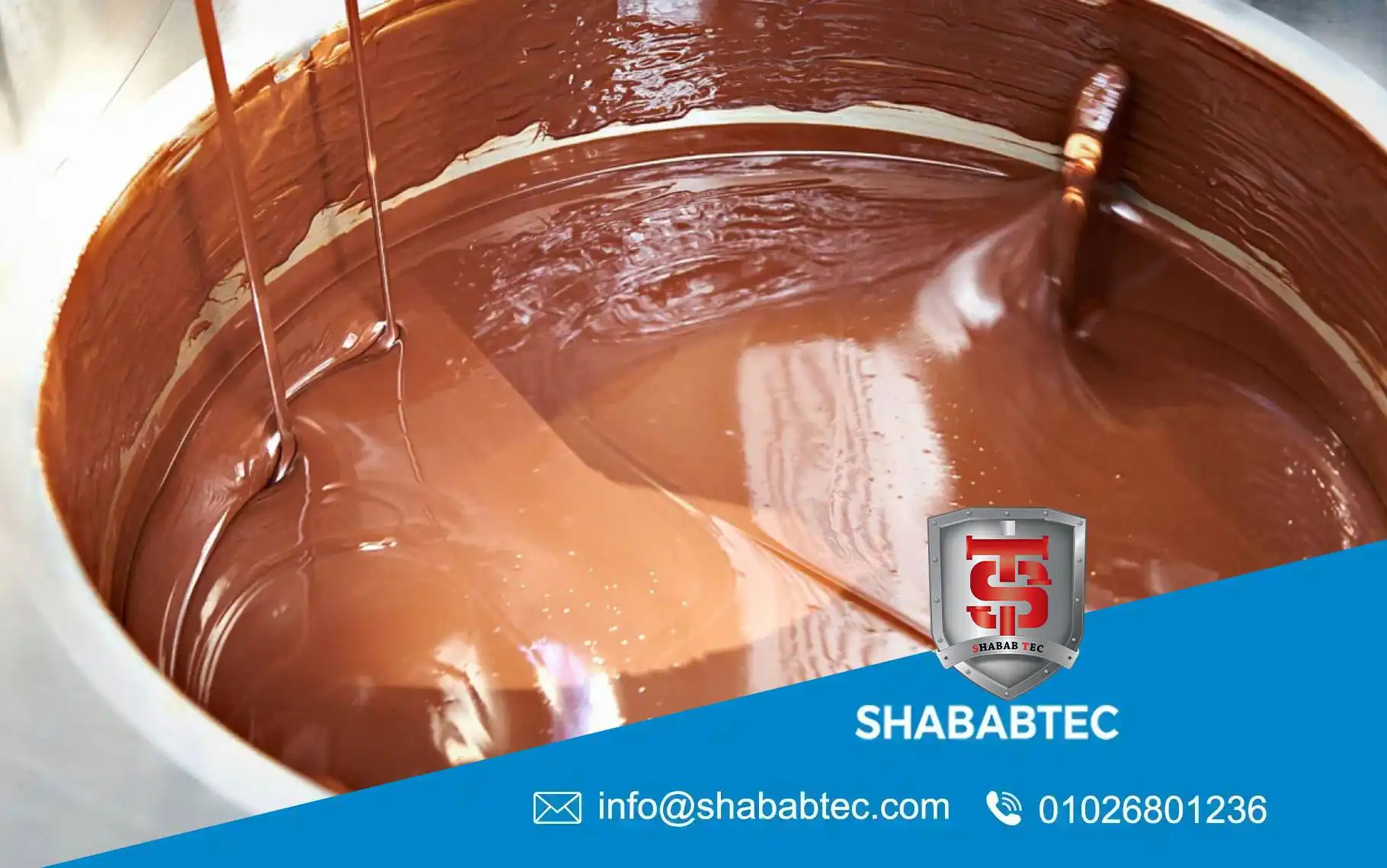
A paste mixing tank is an industrial tank used for thick and heavy semi-solid products. Pastes usually have higher viscosity than gels and may require stronger torque, slower mixing speed, scraper movement, and special discharge support.
A mixing tank paste system is used when the product is too thick for a normal liquid mixer. It can be used for pharmaceutical pastes, topical preparations, cosmetic pastes, chemical pastes, dental-type products, and other viscous formulas.
The main goal of a paste mixing tank is to move heavy materials evenly, prevent unmixed areas, reduce air pockets, and produce a consistent texture from the top to the bottom of the batch.
Why Pharmaceutical Gel Production Needs a Specialized Mixer
Pharmaceutical gel production needs more control than general liquid mixing. Gels may include active ingredients, gelling agents, solvents, preservatives, neutralizers, fragrances, cooling agents, or skin-care additives. These ingredients must be distributed evenly and processed in the correct order.
A dedicated pharmaceutical gel mixer helps factories manage the main challenges of gel production:
- Hydrating gelling agents without lumps
- Distributing active ingredients evenly
- Controlling viscosity during production
- Reducing air bubbles inside the gel
- Preventing product from sticking to tank walls
- Maintaining smooth texture and appearance
- Supporting hygienic processing
- Improving discharge and filling preparation
If the mixer is not suitable, the final gel may look uneven, feel grainy, separate during storage, or fail to deliver consistent active ingredient distribution.
Main Applications of Gel Mixing Tank
Topical Pharmaceutical Gel
A gel mixing tank is commonly used for topical pharmaceutical gels applied to the skin. These products require smooth texture, even active ingredient distribution, and hygienic processing. The tank should support controlled mixing and easy cleaning between batches.
Pain Relief Gel
Pain relief gels may include active ingredients that need proper dispersion inside the gel base. A pharmaceutical gel mixer helps reduce concentration variation and supports consistent product performance.
Cooling Gel Products
Some gel products include cooling agents or sensitive additives. A controlled gel processing tank helps maintain the right mixing conditions and prevents damage to sensitive ingredients.
Cosmetic Gel Production
Cosmetic gels include hair gel, skin gel, aloe vera gel, cleansing gel, and moisturizing gel. A reliable gel mixing machine helps create a clear or smooth texture and supports stable viscosity.
Pharmaceutical Paste Production
A paste mixing tank is used for thicker pharmaceutical pastes that require stronger mixing force. These products may include active powders, oils, bases, or semi-solid carriers.
Chemical and Industrial Paste Products
A mixing tank paste system can also be used for chemical pastes, adhesive-like products, cleaning pastes, and other industrial semi-solid materials where viscosity is high and normal mixing is not enough.
Main Components of a Semi Solid Tank
Stainless Steel Tank Body
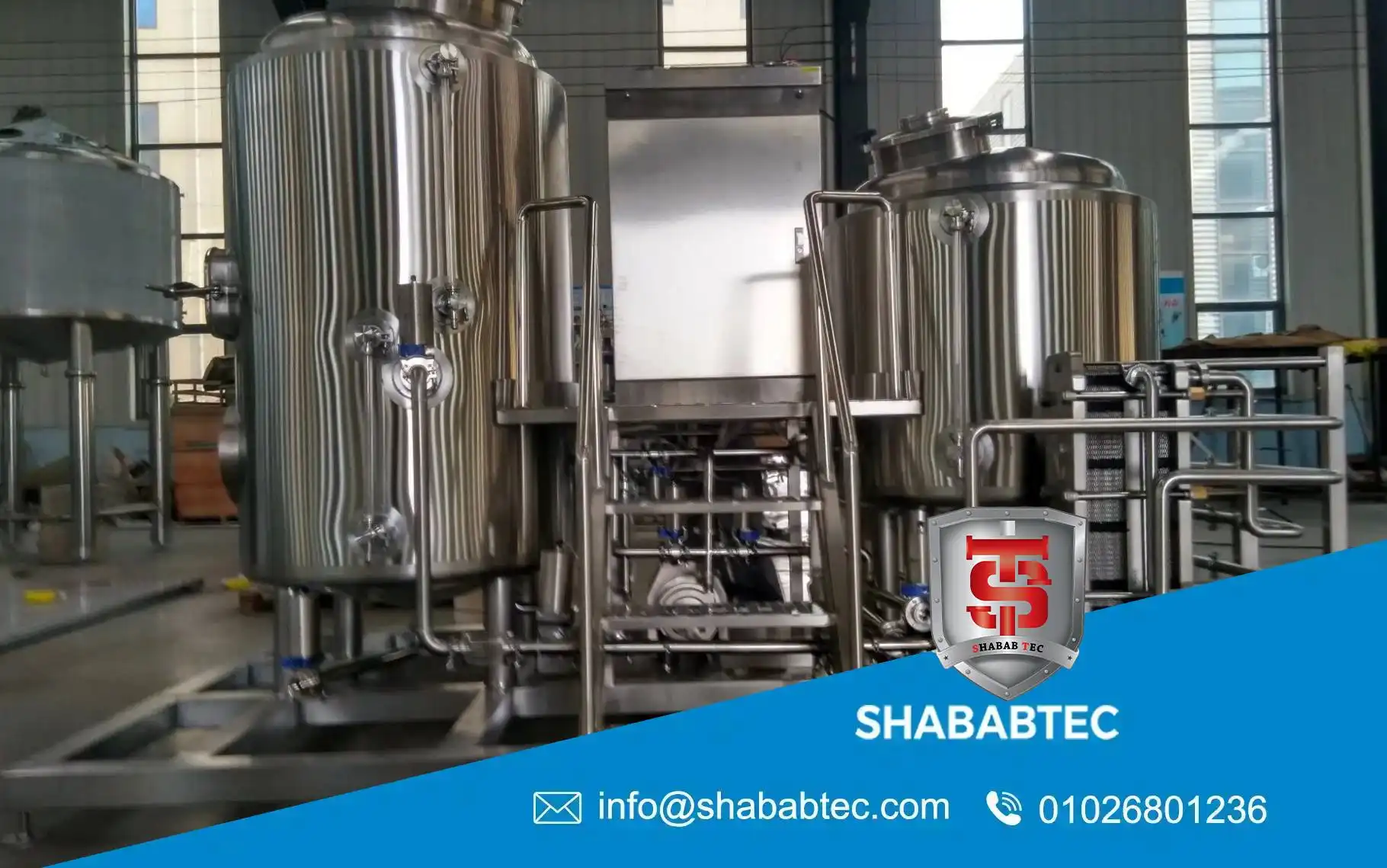
The tank body is the main vessel of the semi solid tank. Stainless steel is commonly used because it is hygienic, durable, corrosion-resistant, and suitable for pharmaceutical and cosmetic applications.
For pharmaceutical gel and paste production, smooth internal surfaces are important. They reduce residue buildup, make cleaning easier, and help protect product quality.
Agitator System
The agitator moves the product inside the gel mixing tank. For gels and pastes, the agitator must be selected carefully because the product may become thicker during processing.
Depending on the formula, the agitator may be paddle type, anchor type, scraper type, or a combination of systems. The goal is to create full product movement without damaging texture or adding too much air.
Scraper System
A scraper system is very useful in a paste mixing tank and many gel applications. It removes product from the tank wall and returns it to the mixing zone.
This improves temperature distribution, reduces product buildup, and helps create a more uniform final texture. In thick products, scraper movement can also reduce waste during discharge.
Homogenizer or High-Shear Mixer
Some gels and pastes need stronger dispersion of powders, active ingredients, or polymers. A homogenizer or high-shear mixer can help break lumps and improve ingredient distribution.
For a pharmaceutical gel mixer, this option is useful when the product needs very smooth texture or fine dispersion of active materials.
Motor and Gearbox
The motor powers the mixing system. Since gels and pastes can become thick, motor selection is very important. A weak motor can overheat or fail during operation.
A gearbox may be used to reduce speed and increase torque. This is especially important in a mixing tank paste system where heavy materials need slow and powerful movement.
Heating Jacket
Some gel and paste formulas need heating to dissolve ingredients, hydrate polymers, soften bases, or improve flow. A jacketed gel processing tank can provide controlled heating using hot water, steam, thermal oil, or electric heating.
Heating should be controlled carefully to avoid damaging active ingredients or changing the final texture.
Cooling Jacket
Cooling may be required after heating or before adding heat-sensitive ingredients. It also helps bring the product to the right filling temperature.
For a semi solid tank, controlled cooling is important because viscosity and final structure often develop during the cooling stage.
Vacuum System
Gels and pastes can trap air during mixing. A vacuum system helps remove air bubbles and improve product appearance. This is especially useful for clear gels, premium cosmetic gels, and pharmaceutical products where air pockets can affect filling or texture.
Discharge System
Discharge is one of the most important points in gel and paste production. These products may not flow easily by gravity. A bottom outlet, transfer pump, pressure discharge, or larger valve may be needed depending on viscosity.
A well-designed mixing tank paste system makes discharge smoother and reduces product waste.
Control Panel
The control panel helps operators manage mixer speed, homogenizer speed, heating, cooling, vacuum, and processing time. Clear controls make the process easier to repeat from one batch to another.
How a Gel Processing Tank Works
A gel processing tank works by combining controlled agitation, ingredient addition, hydration, dispersion, and viscosity development. The process usually starts by adding the liquid phase into the tank. The mixer begins moving the liquid before gelling agents or powders are added.
The gelling agent must be added carefully to avoid lumps. The pharmaceutical gel mixer keeps the liquid moving so the powder disperses evenly. Depending on the formula, heating may be used to improve dissolving or hydration.
After the gel base develops, active ingredients, preservatives, fragrance, color, or neutralizing agents may be added. The mixer then continues until the product reaches the required texture and uniformity.
If the tank includes vacuum, air bubbles can be reduced during or after mixing. The final gel is then discharged to a holding tank, filling machine, or packaging stage.
How a Paste Mixing Tank Works
A paste mixing tank works with thicker materials that need stronger mechanical movement. The process may start with adding oils, bases, powders, liquids, or semi-solid ingredients into the tank. Heating may be applied if the formula needs melting or softening.
The agitator and scraper move the paste from the wall and bottom toward the center of the tank. This prevents dead zones and helps distribute ingredients evenly. If powders or active ingredients are added, stronger dispersion may be needed to avoid lumps.
After the paste reaches the correct texture and uniformity, it is discharged using a suitable outlet or pump. Since paste is thick, discharge design should be planned carefully from the beginning.
Important Design Factors in Gel Mixing Tank Selection
Final Viscosity
Viscosity is the first factor to consider when selecting a gel mixing tank. Some gels are light and fluid, while others are thick and heavy. The mixer must be able to handle the final viscosity, not only the starting liquid stage.
If the product becomes very thick, the tank may need a stronger motor, gearbox, scraper system, and larger discharge valve.
Gelling Agent Type
Different gelling agents behave differently. Some hydrate quickly, while others need slow addition, heating, or controlled mixing. The pharmaceutical gel mixer should support the correct process for the selected formula.
Active Ingredient Distribution
In pharmaceutical products, active ingredient distribution is critical. The gel processing tank should reduce dead zones and ensure the whole batch is mixed evenly.
Air Bubble Control
Gels can trap air easily, especially when mixed at high speed. Vacuum or controlled mixing speed can help reduce bubbles. This is important for product appearance and filling accuracy.
Temperature Control
Some gels and pastes need heating or cooling during production. A jacketed semi solid tank gives better control over temperature-sensitive steps.
Cleaning Requirements
Gel and paste products can stick to tank walls, blades, valves, and transfer lines. Smooth stainless steel surfaces and practical access openings reduce cleaning time.
Discharge Method
Thick products may not flow easily. The mixing tank paste design should include a suitable discharge method based on viscosity and filling requirements.
Important Design Factors in Paste Mixing Tank Selection
Heavy Product Movement
A paste mixing tank must move heavy and sticky material without leaving unmixed zones. This requires suitable blade design, motor power, and tank geometry.
Wall Scraping
For pastes that stick to the tank wall, scraper movement is very important. It improves mixing, supports heat transfer, and reduces product loss.
Torque Requirement
Paste products usually need higher torque than liquid products. A strong motor and gearbox are important for safe and stable operation.
Powder Dispersion
Many pastes contain powders or active materials. The mixer must distribute these ingredients evenly and prevent lumps.
Transfer to Filling
Paste discharge can be difficult if the outlet is too small or poorly placed. The mixing tank paste system should be designed with the next production step in mind.
Gel Mixing Machine Compared with Normal Liquid Mixer
A gel mixing machine is different from a normal liquid mixer because gel viscosity changes during production. A normal liquid mixer may work at the beginning of the batch, but fail after the product thickens.
A proper gel mixing machine is designed to handle viscosity increase, reduce lumps, maintain smooth texture, and support controlled ingredient addition. It may also include vacuum, heating, cooling, and homogenizing options.
For pharmaceutical gel, using a normal liquid mixer can lead to poor texture, trapped air, uneven active ingredient distribution, and difficult discharge.
Semi Solid Tank Compared with Liquid Tank
A semi solid tank is built for products that are thicker than normal liquids. It usually needs stronger mechanical construction, higher torque, better blade design, and practical discharge support.
A liquid tank may be enough for water-like products, but it is usually not enough for gels, pastes, creams, ointments, and heavy cosmetic or pharmaceutical products.
The semi solid tank should be selected when the product has thick texture, sticky behavior, high viscosity, or requires controlled heating and cooling during processing.
Common Problems in Gel and Paste Production
Lumps in Gel
Lumps can happen when gelling agents are added too fast or mixed poorly. A suitable pharmaceutical gel mixer helps disperse powders evenly and reduce clumping.
Air Bubbles
Air bubbles are common in gel production. They can affect appearance and filling accuracy. A gel processing tank with vacuum can help reduce this problem.
Uneven Viscosity
If the product is not mixed properly, some areas may become thicker than others. A well-designed gel mixing tank helps maintain uniform viscosity.
Paste Sticking to Tank Wall
Paste products often stick to the wall during mixing. A scraper system inside the paste mixing tank helps reduce buildup.
Weak Active Ingredient Distribution
In pharmaceutical gels and pastes, active ingredients must be distributed evenly. A proper semi solid tank reduces dead zones and improves consistency.
Difficult Discharge
Gels and pastes may not flow easily through small outlets. A suitable mixing tank paste system should include a proper discharge valve or pump connection.
Slow Production
Slow production may happen because of weak mixing, poor powder addition, slow hydration, or difficult discharge. A professional gel mixing machine improves production flow.
Benefits of a Professional Pharmaceutical Gel Mixer
Using a dedicated pharmaceutical gel mixer provides several practical benefits:
- Better active ingredient distribution
- Smoother gel texture
- Reduced lumps and clumps
- Better viscosity control
- Lower air bubble formation
- Improved product appearance
- Easier cleaning between batches
- Better handling of semi-solid products
- More consistent batch quality
- Smoother transfer to filling stage
For pharmaceutical and semi-solid production, these benefits help reduce production problems and improve final product stability.
How to Choose the Right Gel Mixing Tank
Before choosing a gel mixing tank, the factory should review the full production process and formula behavior. The right tank should be selected based on real product requirements, not only tank size.
Important questions include:
- What type of gel will be produced?
- What is the final viscosity?
- What gelling agent is used?
- Does the product need heating?
- Does the product need cooling?
- Is vacuum needed to reduce air bubbles?
- Does the formula contain powders or active ingredients?
- What batch capacity is required?
- What stainless steel grade is suitable?
- How will the product be discharged?
- How will the tank be cleaned?
- Will the same tank produce paste, cream, or ointment?
These answers help define the correct gel processing tank design, including agitator type, motor power, scraper, homogenizer, vacuum, heating, cooling, and discharge system.
How to Choose the Right Paste Mixing Tank
Choosing a paste mixing tank requires attention to heavy product movement and discharge. Pastes can be more difficult than gels because they are often thicker and stickier.
Before selecting the tank, the factory should define:
- Paste viscosity during mixing and after cooling
- Required motor torque
- Need for scraper system
- Need for heating or cooling
- Powder or active ingredient addition method
- Discharge method after mixing
- Cleaning process after each batch
A strong mixing tank paste system should support uniform mixing and practical transfer to the next production stage.
Gel Processing Tank in Small and Large Factories
Small Batch Production
Small factories may need a compact gel processing tank with simple controls, moderate capacity, and easy cleaning. This is suitable for pilot batches, startup production, or small pharmaceutical and cosmetic brands.
Medium Production Lines
Medium factories may need a gel mixing machine with heating, cooling, scraper, and speed control. This supports repeated batches and better production consistency.
Large Pharmaceutical Production
Large factories may need a more advanced pharmaceutical gel mixer with vacuum, homogenizer, transfer pump connection, larger capacity, and stronger control options. This helps support high-volume production and stricter process control.
Why ShababTec is a Practical Choice for Gel and Paste Mixing Solutions
ShababTec provides stainless steel equipment for liquid and semi-solid preparation, including tanks suitable for gels, pastes, creams, ointments, syrups, lotions, liquid medicine, and related products. For factories that need a reliable gel mixing tank, ShababTec can support practical designs based on viscosity, batch capacity, heating needs, cooling needs, vacuum requirements, and discharge method.
Instead of choosing a general tank that may not handle thick products properly, manufacturers can work with ShababTec to choose a semi solid tank that fits the real production process.
Whether the factory needs a pharmaceutical gel mixer, a paste mixing tank, a complete mixing tank paste system, or a flexible gel mixing machine, the equipment should be designed around the product formula and production target.
Maintenance Tips for Gel Mixing Tank and Paste Mixing Tank
Regular maintenance helps keep the gel mixing tank and paste mixing tank working efficiently. Since gels and pastes can stick to surfaces, cleaning should be done properly after every batch.
- Clean the tank before gel or paste residue dries
- Check agitator blades for product buildup
- Inspect scraper parts for wear
- Monitor motor and gearbox sound during operation
- Check shaft alignment and seals
- Inspect homogenizer parts if available
- Check vacuum seals if the system includes vacuum
- Clean the discharge valve and transfer path carefully
- Inspect heating and cooling jacket connections
- Check stainless steel surfaces for scratches or residue
- Follow a fixed maintenance schedule
Final Thoughts
A gel mixing tank is an important part of pharmaceutical and semi-solid production. The right design helps hydrate gelling agents, distribute active ingredients, control viscosity, reduce air bubbles, and produce a smooth final texture.
A paste mixing tank is equally important for thicker products that need stronger torque, scraper movement, and practical discharge support. Whether your factory needs a pharmaceutical gel mixer, a semi solid tank, a gel processing tank, or a complete mixing tank paste system, the equipment should be selected based on real formula behavior.
ShababTec offers practical stainless steel solutions for factories that need reliable gel mixing machine systems and semi-solid processing equipment. A properly designed system can help manufacturers produce smoother, safer, and more consistent gel and paste products with better daily operation.
FAQ – Gel Mixing Tank
What is a gel mixing tank used for?
A gel mixing tank is used to mix, hydrate, disperse, heat, cool, and prepare gel-based products for pharmaceutical, cosmetic, and industrial applications.
What is the difference between a gel mixing tank and a paste mixing tank?
A gel mixing tank is mainly designed for gel products that develop viscosity during processing, while a paste mixing tank is built for thicker, heavier, and stickier semi-solid products.
Why does pharmaceutical gel need a special mixer?
Pharmaceutical gel needs a special mixer to distribute active ingredients evenly, hydrate gelling agents properly, reduce lumps, control viscosity, and reduce air bubbles.
What is a semi solid tank?
A semi solid tank is a tank designed for products thicker than liquids, such as gels, pastes, creams, ointments, and other viscous materials.
Can a gel processing tank include vacuum?
Yes, a gel processing tank can include vacuum to help reduce air bubbles and improve product appearance and filling quality.
How do I choose the right mixing tank paste system?
Choose based on paste viscosity, batch capacity, motor torque, scraper requirement, heating and cooling needs, discharge method, stainless steel grade, and cleaning process.
Can one gel mixing machine produce both gel and paste?
Yes, if the gel mixing machine is designed with enough motor power, suitable agitator, scraper system, discharge support, and controls for both product types.
See Also: cream ointment mixer | liquid shampoo tank