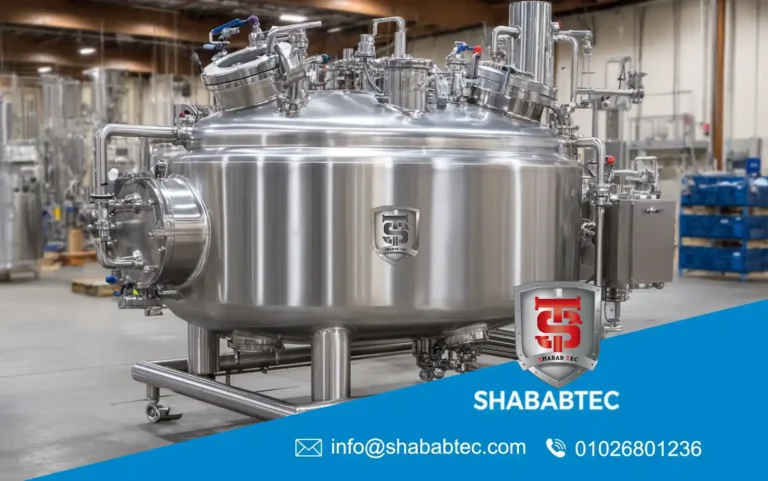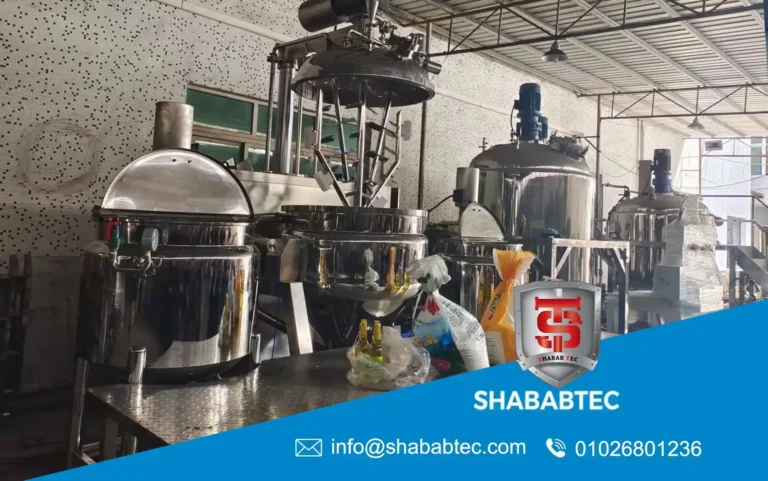
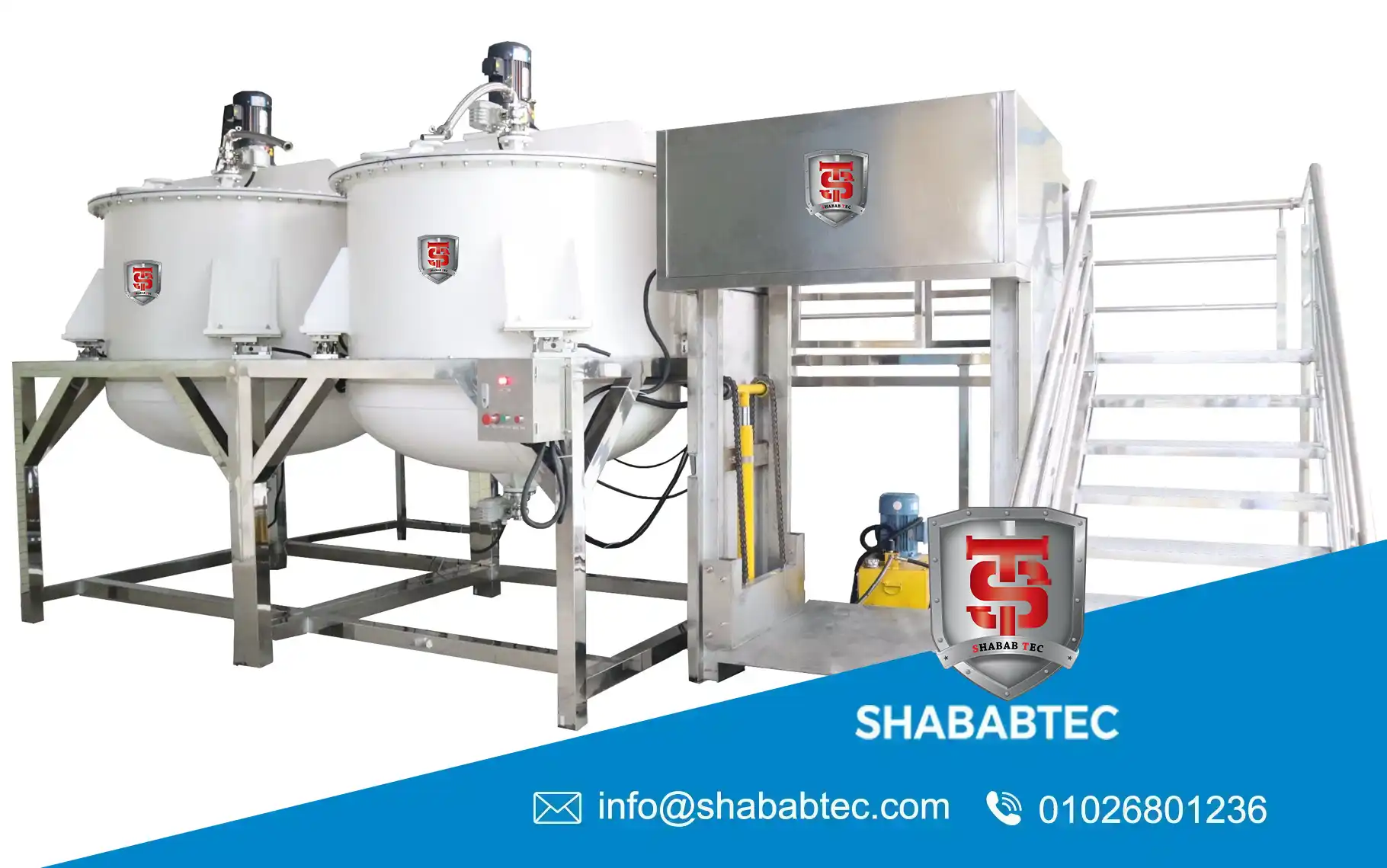
Fertilizer Mixing Tank
Fertilizer Mixing Tank for Industrial Fertilizer Production
Fertilizer production depends on accurate mixing, stable concentration, and equipment that can handle chemical materials safely. Whether the factory produces liquid fertilizer, blended fertilizer solutions, or chemical fertilizer products, choosing the right fertilizer mixing tank is essential for consistent quality and smooth operation.
A well-designed fertilizer tank helps manufacturers mix raw materials evenly, reduce settling, control process conditions, and improve production efficiency. Fertilizer materials may include liquids, powders, additives, minerals, and chemical components that need proper blending before filling, storage, or further processing.
For factories in Egypt and the region, ShababTec provides practical stainless steel and industrial tank solutions suitable for liquid, semi-liquid, and chemical preparation. The right mixing fertilizer tank should match the product formula, viscosity, batch capacity, chemical compatibility, and daily production requirements.
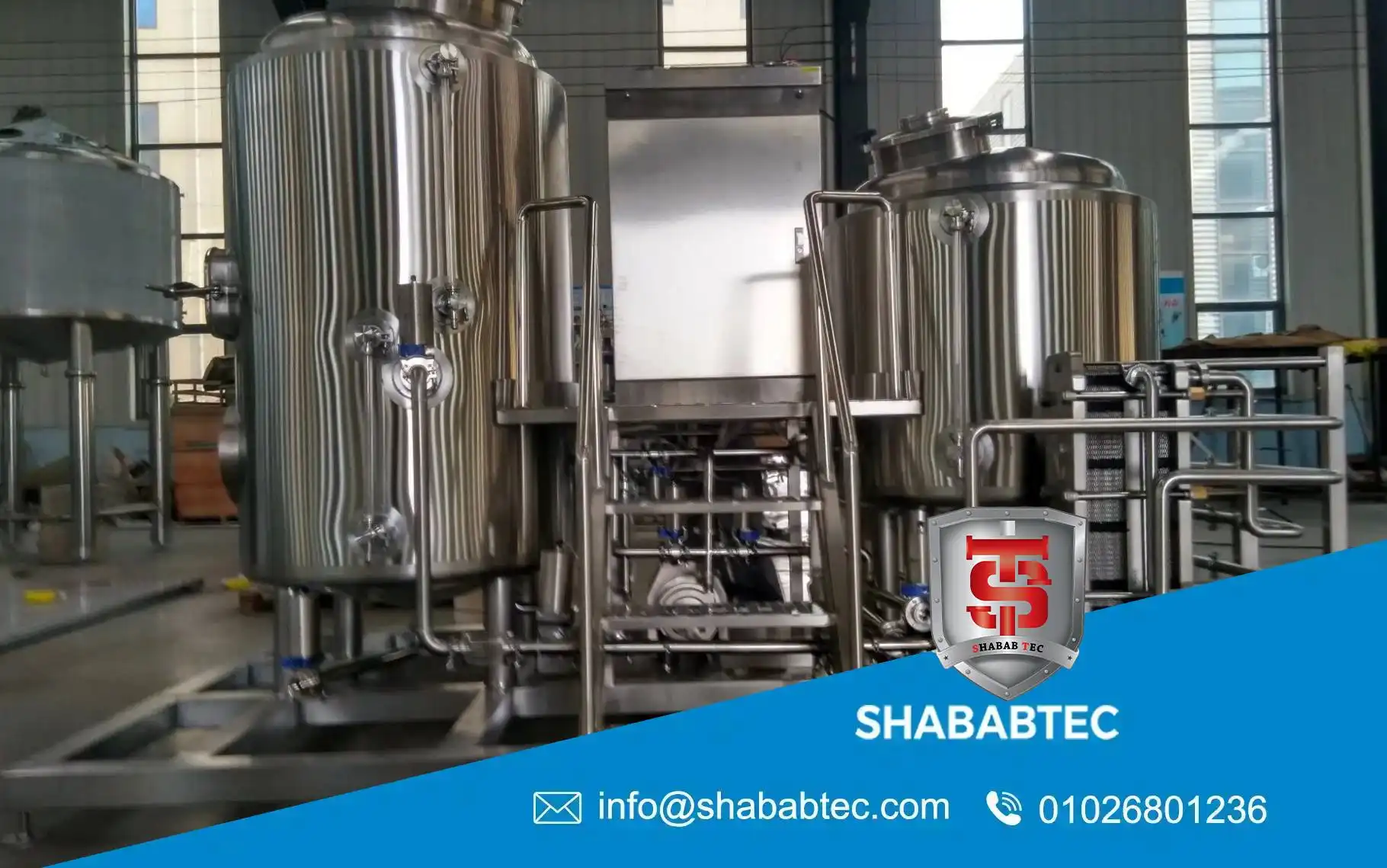
See Also: Industrial Stainless Steel Mixing Tanks – Complete Guide
What is a Fertilizer Mixing Tank?
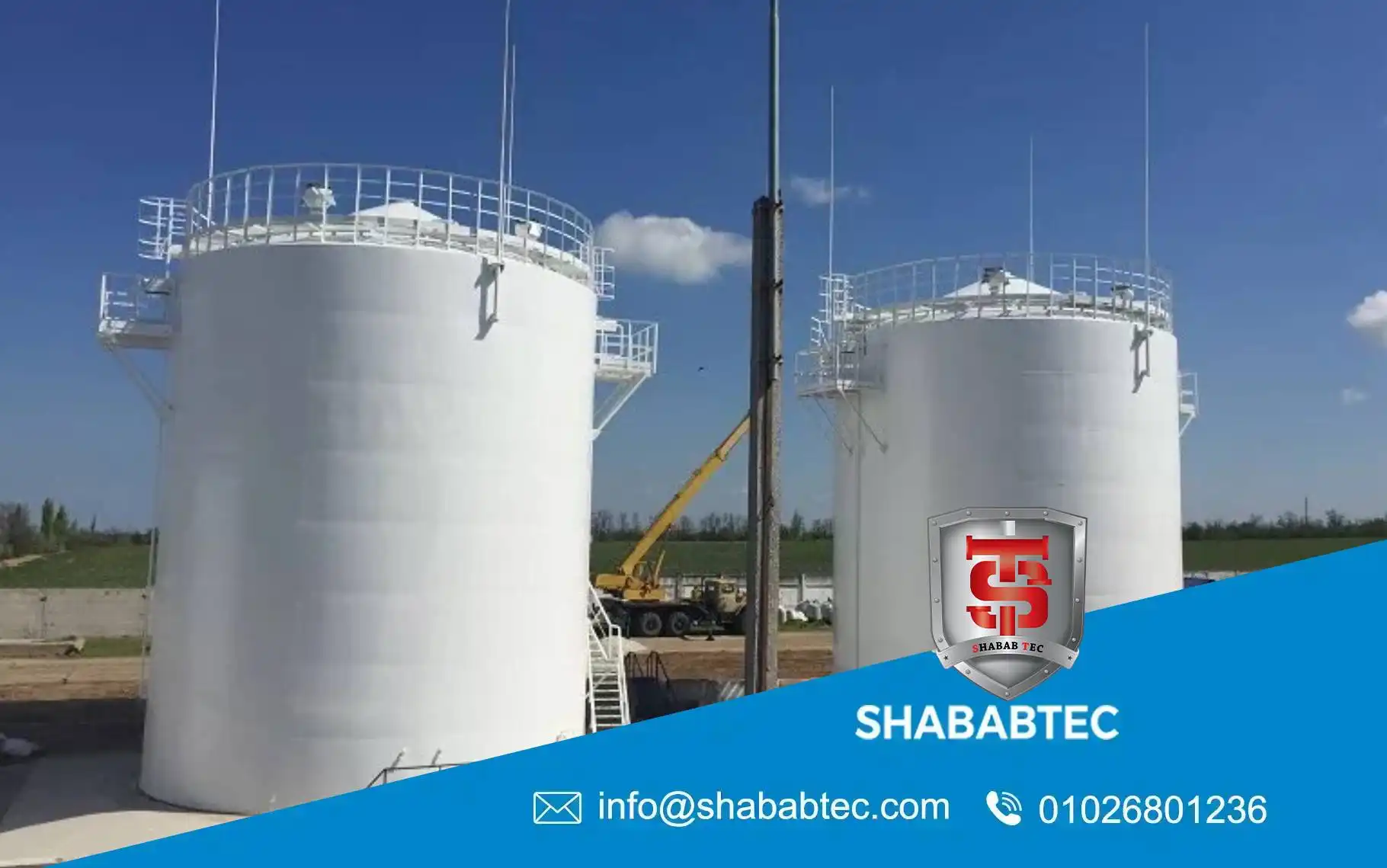
A fertilizer mixing tank is an industrial tank used to mix and prepare fertilizer products under controlled conditions. It is commonly used for liquid fertilizer, soluble fertilizer solutions, nutrient blends, and chemical fertilizer mixtures.
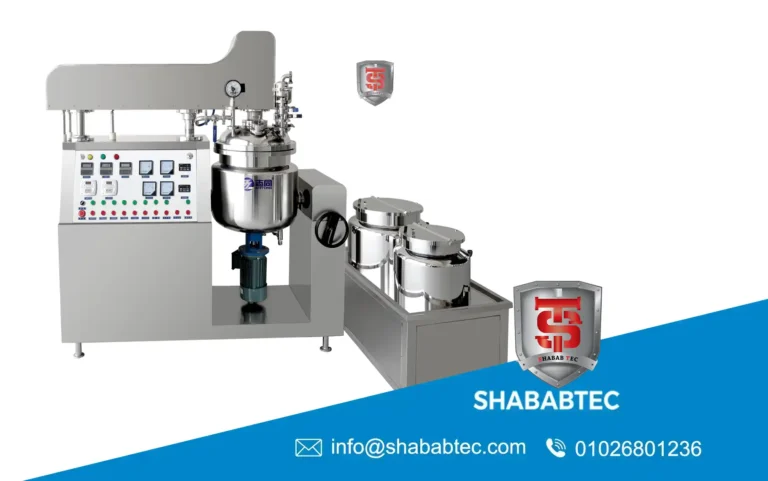
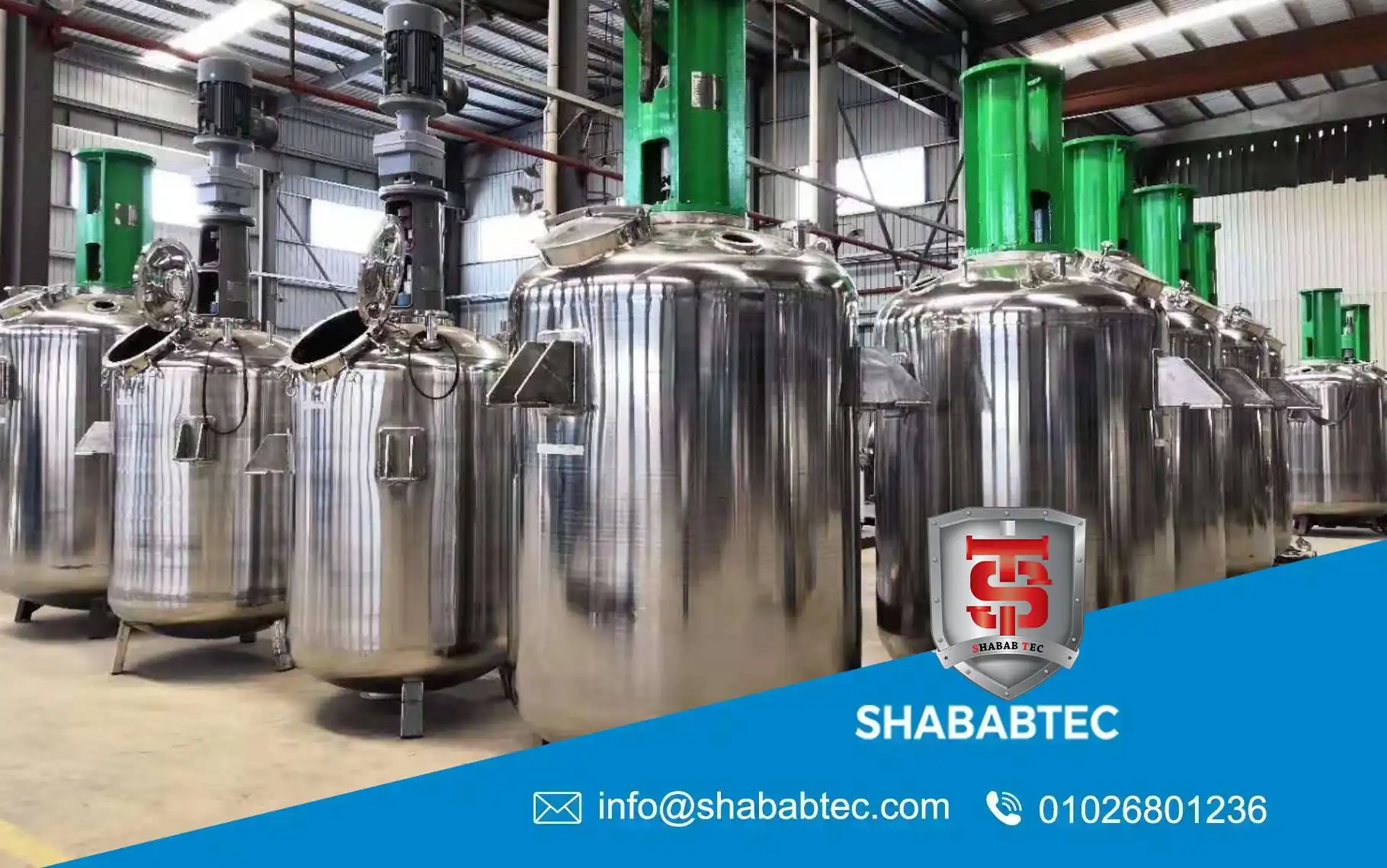
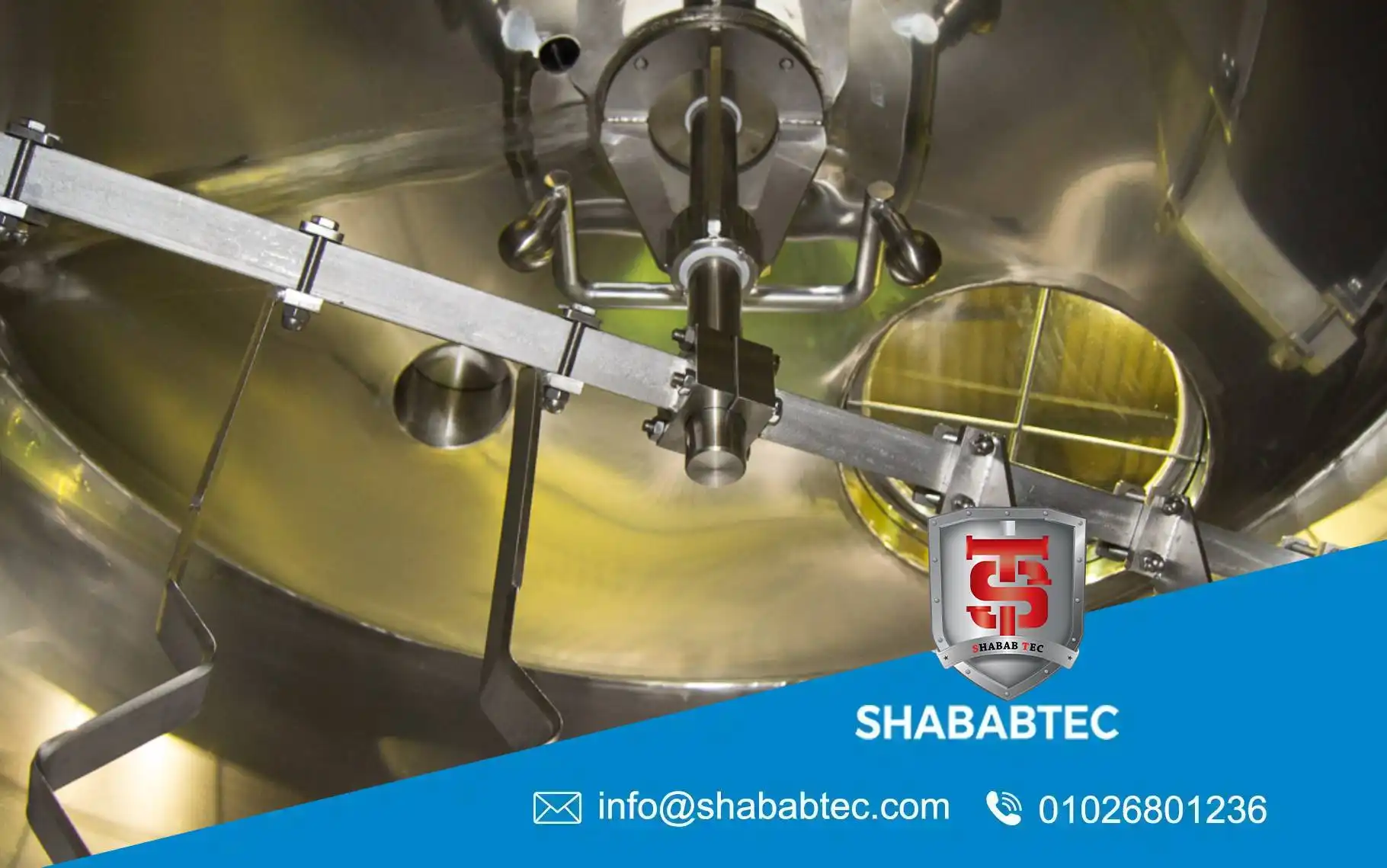
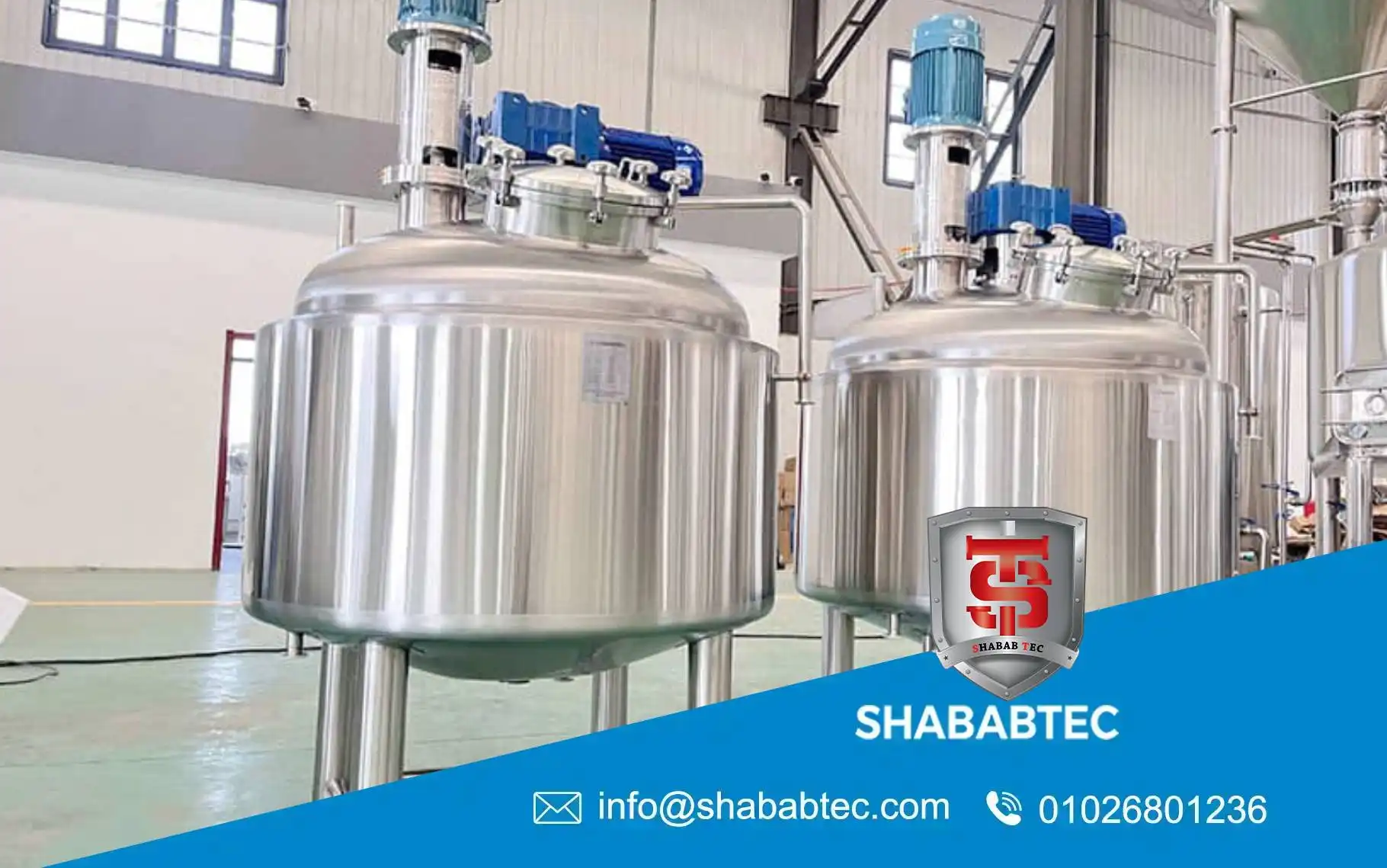
The tank usually includes a tank body, mixer or agitator, motor, shaft, mixing blades, discharge valve, and sometimes heating, cooling, or control systems depending on the production process. The purpose is to create a uniform fertilizer mixture with stable concentration and good flow.
A shababtec mixing tank fertilizer system is especially useful when the product contains ingredients that can settle, separate, or dissolve slowly. Proper agitation keeps the mixture consistent during production and before transfer to filling or storage.
Why Fertilizer Tank Design Matters
Fertilizer products can be chemically active, dense, abrasive, or corrosive depending on the formula. This means the design of the fertilizer tank must be selected carefully. The tank should be strong enough for industrial use and compatible with the materials being processed.
If the tank design is not suitable, factories may face several problems:
- Uneven distribution of nutrients
- Powder or mineral settling at the bottom
- Slow dissolving of raw materials
- Corrosion of tank parts
- Blocked valves or difficult discharge
- Inaccurate concentration from batch to batch
- Long cleaning time after production
A suitable industrial fertilizer mixer reduces these problems by improving circulation, blending strength, and material movement inside the tank.
Main Components of a Fertilizer Mixing Tank
Tank Body
The tank body is the main structure of the fertilizer mixing tank. It must be designed to handle the weight of the liquid, mixing force, and chemical nature of the fertilizer formula.
Stainless steel is often used for many industrial applications because it offers strength, durability, and corrosion resistance. However, the exact material should always be selected based on the chemical composition of the fertilizer. Some fertilizer formulas may require special material considerations to protect the tank from corrosion.
Agitator System
The agitator is the core part of the industrial fertilizer mixer. It moves the liquid and suspended materials inside the tank to create a uniform mixture. The agitator design depends on the product type, viscosity, solids content, and tank capacity.
For liquid fertilizer, the mixer should prevent settling and keep nutrients distributed evenly. For thicker or more concentrated fertilizer mixtures, stronger agitation may be needed to move materials from the bottom of the tank to the top.
Motor and Gearbox
The motor provides the required power for mixing. The gearbox may be used to control speed and increase torque. This is important when dealing with heavy mixtures, suspended solids, or high-density fertilizer solutions.
Choosing the correct motor power helps prevent weak mixing, overheating, and mechanical failure. A properly selected motor allows the mixing fertilizer tank to operate safely and efficiently.
Mixing Blades
Mixing blades control the flow pattern inside the tank. Different blade designs can create axial flow, radial flow, or strong bottom movement. The right blade design depends on whether the fertilizer is mostly liquid, contains powders, or requires strong suspension.
For a mixing tank fertilizer system, the blade should reduce dead zones and keep the product moving evenly across the tank.
Discharge Valve
The discharge valve should allow smooth product removal after mixing. Fertilizer products may contain suspended particles or thicker materials, so the valve must be sized and positioned properly.
A poor discharge system may leave material at the bottom, increase waste, or slow down production. For a chemical fertilizer tank, the valve material should also match the chemical properties of the product.
Heating or Cooling System
Some fertilizer processes may require temperature control to help dissolve materials or maintain product stability. Heating can improve dissolving speed, while cooling may be useful in some chemical processes or before storage.
A jacketed fertilizer tank can provide temperature control when required by the product formula.
Control Panel
A control panel helps operators manage mixing speed, operation time, and temperature if the tank includes heating or cooling. Simple and reliable controls make daily operation easier and reduce production mistakes.
Applications of Fertilizer Mixing Tank
Liquid Fertilizer Production
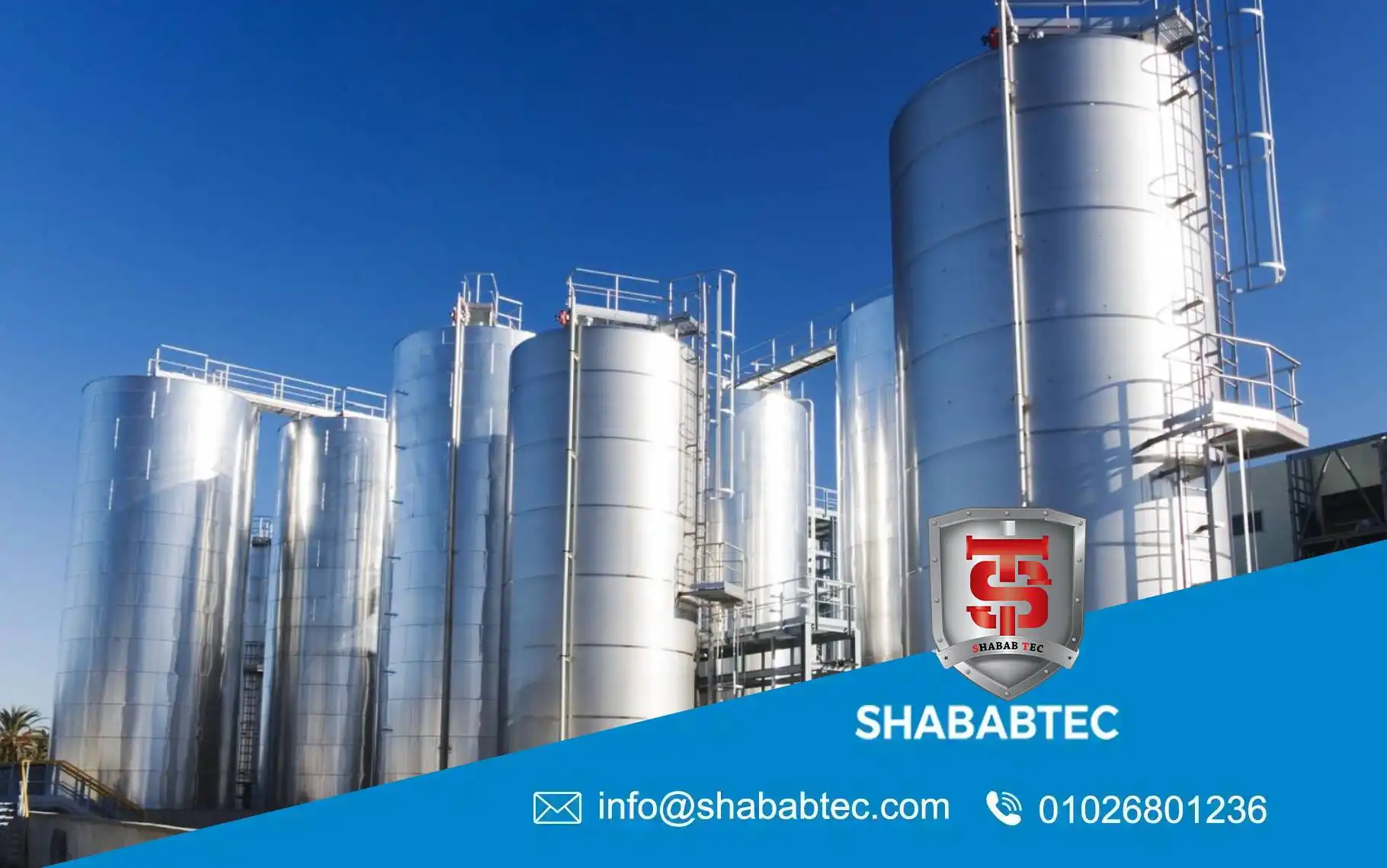
A fertilizer mixing tank is widely used for liquid fertilizer preparation. Liquid fertilizer needs uniform nutrient distribution to ensure stable product performance. The mixer keeps the solution consistent during production and transfer.
Soluble Fertilizer Solutions
Some fertilizers are prepared by dissolving powders or crystals into water or another liquid carrier. A good mixing fertilizer tank helps dissolve ingredients faster and prevents undissolved material from settling at the bottom.
Chemical Fertilizer Blending
A chemical fertilizer tank is used when fertilizer formulas include chemical components that must be blended accurately. In this case, chemical compatibility, safe operation, and corrosion resistance are important design factors.
Micronutrient Fertilizer Mixing
Micronutrient fertilizers require accurate distribution of small but important elements. Poor mixing can lead to uneven concentration, which affects product quality. A reliable industrial fertilizer mixer helps maintain uniformity across the whole batch.
Organic and Bio-Fertilizer Preparation
Some organic or bio-fertilizer products may contain suspended materials or natural extracts. A suitable mixing tank fertilizer system keeps the product moving and reduces settling before filling or packaging.
Types of Fertilizer Tank Systems
Standard Fertilizer Tank
A standard fertilizer tank is used for simple liquid holding and basic mixing. It may be suitable for low-viscosity fertilizer products that do not require strong agitation or temperature control.
Agitated Fertilizer Mixing Tank
An agitated fertilizer mixing tank includes a motor-driven mixer to keep ingredients blended. This is the common choice for liquid fertilizer and nutrient solutions.
Heavy-Duty Industrial Fertilizer Mixer
A heavy-duty industrial fertilizer mixer is designed for dense mixtures, higher solid content, or larger batch sizes. It usually requires stronger motor power and suitable blade design.
Jacketed Chemical Fertilizer Tank
A jacketed chemical fertilizer tank supports heating or cooling through an outer jacket. It is useful when temperature control is needed during dissolving, reaction, or product stabilization.
Storage and Mixing Tank Fertilizer System
Some factories need a mixing tank fertilizer system that can both prepare and hold the product before filling. In this case, the tank design should maintain uniformity during storage by using slow agitation when needed.
Important Design Factors for Mixing Fertilizer Tank
Chemical Compatibility
Chemical compatibility is one of the most important factors when designing a chemical fertilizer tank. Fertilizer formulas may contain salts, acids, alkalis, or other components that can affect tank material, seals, valves, and mixer parts.
The tank should be manufactured from materials suitable for the exact formula to reduce corrosion and extend equipment lifetime.
Solids Content
If the fertilizer contains powders, crystals, minerals, or suspended particles, the mixer must keep those solids distributed. Weak mixing can cause settling, blocked discharge, and uneven product concentration.
A proper industrial fertilizer mixer should create enough circulation to suspend solids without damaging the product.
Viscosity
Some fertilizer products are light liquids, while others may be thicker or more concentrated. Viscosity affects motor power, mixer speed, blade type, and discharge design.
Before choosing a fertilizer mixing tank, the factory should define the expected viscosity during production and filling.
Batch Capacity
The tank size should match the factory’s batch volume and daily production target. A tank that is too small may slow production, while a tank that is too large may waste energy and make small batches harder to control.
The right fertilizer tank size supports better workflow and easier operation.
Mixing Speed
Mixing speed should be selected based on the product. Some fertilizer solutions need fast mixing to dissolve materials, while others need slower agitation to maintain suspension without creating foam or air bubbles.
Speed control gives the production team more flexibility when working with different fertilizer formulas.
Discharge Design
The discharge system should reduce product waste and prevent blockage. For dense fertilizer products or mixtures with suspended solids, the outlet should be designed to allow smooth flow.
Cleaning and Maintenance
Fertilizer residue can build up inside the tank, especially if the product contains salts or powders. The tank should be designed for practical cleaning, with suitable openings and accessible internal parts.
Benefits of Using an Industrial Fertilizer Mixer
Using a professional industrial fertilizer mixer provides several practical advantages for factories:
- More uniform nutrient distribution
- Faster dissolving of powders and solids
- Reduced settling during production
- Better batch consistency
- Lower product waste
- Improved production speed
- Safer handling of chemical fertilizer materials
- Easier operation and maintenance
For factories that produce fertilizer regularly, these benefits help maintain product quality and reduce production problems.
Common Problems in Fertilizer Mixing
Settling at the Bottom
Settling happens when powders or solids are not suspended properly. A suitable mixing fertilizer tank keeps the product moving and reduces accumulation at the bottom.
Uneven Nutrient Concentration
If mixing is weak, the final fertilizer may not have the same concentration throughout the batch. A strong industrial fertilizer mixer improves consistency.
Corrosion
Some fertilizer chemicals can corrode unsuitable materials. A correctly designed chemical fertilizer tank helps protect the equipment and maintain safe operation.
Foaming
High mixing speed may cause foam in some fertilizer products. Variable speed control allows operators to adjust the process based on the product behavior.
Blocked Discharge
Products with solids or thick consistency may block poor discharge systems. Proper outlet design helps the mixing tank fertilizer empty more efficiently.
How to Choose the Right Fertilizer Mixing Tank
Before choosing a fertilizer mixing tank, the factory should review the real production process and product formula. The right tank depends on several practical questions:
- What type of fertilizer will be produced?
- Is the product liquid, concentrated, or suspension-based?
- Does the formula contain powders, salts, or minerals?
- What is the required batch capacity?
- Is heating or cooling needed?
- What tank material is compatible with the formula?
- How often will the tank be cleaned?
- Will the same tank handle different fertilizer formulas?
Answering these questions helps define tank material, mixer power, blade design, capacity, discharge system, and control options.
Fertilizer Tank for Small and Large Production Lines
A small production line may need a compact fertilizer tank with simple operation and easy cleaning. A larger factory may need a heavy-duty industrial fertilizer mixer with higher capacity, stronger motor power, and more advanced controls.
The best equipment is not always the largest. The right choice is the tank that matches the product formula, production volume, factory space, and daily operation method.
Why ShababTec is a Practical Choice for Fertilizer Tank Solutions
ShababTec provides industrial stainless steel equipment for liquid and semi-liquid preparation, including tanks suitable for chemical and fertilizer applications. For factories that need a fertilizer mixing tank, ShababTec can support practical designs based on product characteristics, batch capacity, and mixing requirements.
The company can help factories choose a suitable mixing fertilizer tank instead of relying on a general-purpose tank that may not match the actual formula. This is important because fertilizer products can vary greatly in density, chemical behavior, and solids content.
Working with a local supplier also helps factories communicate technical details more clearly and get equipment that suits real production conditions in Egypt.
Maintenance Tips for Fertilizer Mixing Tank
Regular maintenance helps keep the fertilizer mixing tank operating safely and efficiently. Fertilizer residues can affect tank surfaces, valves, and mixer parts if they are not cleaned properly.
- Clean the tank after production to prevent residue buildup
- Inspect agitator blades for wear or corrosion
- Check shaft, seals, and bearings regularly
- Monitor motor performance and unusual noise
- Check discharge valves for blockage
- Inspect heating or cooling connections if available
- Review chemical compatibility when changing formulas
- Follow a fixed maintenance schedule
Final Thoughts
A fertilizer mixing tank is an important part of any production line that works with liquid fertilizer, soluble fertilizer, or chemical fertilizer products. The right design helps improve nutrient distribution, reduce settling, protect the equipment, and maintain stable production quality.
Whether your factory needs a fertilizer tank for simple liquid blending, a chemical fertilizer tank for more demanding formulas, or an industrial fertilizer mixer for heavy-duty production, the equipment should be selected based on real process requirements.
ShababTec offers practical tank and mixing solutions for factories that need reliable equipment for fertilizer, chemical, liquid, and semi-liquid production. A properly designed mixing tank fertilizer system can help manufacturers build a more efficient and consistent production process.
FAQ – Fertilizer Mixing Tank
What is a fertilizer mixing tank used for?
A fertilizer mixing tank is used to mix and prepare liquid fertilizer, soluble fertilizer solutions, nutrient blends, and chemical fertilizer products.
What is the role of an industrial fertilizer mixer?
An industrial fertilizer mixer keeps ingredients evenly distributed, prevents settling, and helps dissolve powders or solids during production.
Can a fertilizer tank handle chemical fertilizer?
Yes, but the fertilizer tank must be designed with suitable materials, seals, valves, and mixer parts that are compatible with the chemical fertilizer formula.
Why does fertilizer settle inside the tank?
Settling happens when powders, minerals, or suspended solids are not mixed properly. A suitable mixing fertilizer tank helps keep materials moving and evenly distributed.
How do I choose the right chemical fertilizer tank?
Choose based on chemical compatibility, product viscosity, solids content, batch capacity, mixer power, discharge design, and cleaning requirements.
Can one mixing tank fertilizer system be used for different formulas?
Yes, depending on the tank design and material compatibility. Cleaning requirements and chemical behavior should be checked before switching between formulas.
See Also: pharmaceutical syrup tank | soap production tank