syrup tank Mixing Tank Design and for Reliable Production 2026
syrup tank Mixing Tank Design and Industrial Applications for Reliable Production
Producing syrup at an industrial level requires more than a simple container and a mixer. Whether the syrup is used in food, beverage, pharmaceutical, or chemical production, the process needs accurate mixing, controlled temperature, hygienic design, and strong equipment that can handle continuous operation. This is why choosing the right syrup tank is an important decision for any factory that works with liquid sugar solutions, medicinal syrups, flavored syrups, or similar products.
A well-designed syrup mixing tank helps manufacturers achieve a smooth texture, stable concentration, and consistent quality from one batch to another. For factories in Egypt and the region, investing in the right tank can improve production speed, reduce waste, and make daily operation easier for the production team.
In this article, we will explain the main design points, industrial applications, and practical selection factors for a liquid syrup tank, including how ShababTec supports factories with reliable stainless steel mixing solutions for syrup and semi-liquid production.
See Also: Industrial Stainless Steel Mixing Tanks – Complete Guide
What is a Syrup Mixing Tank?
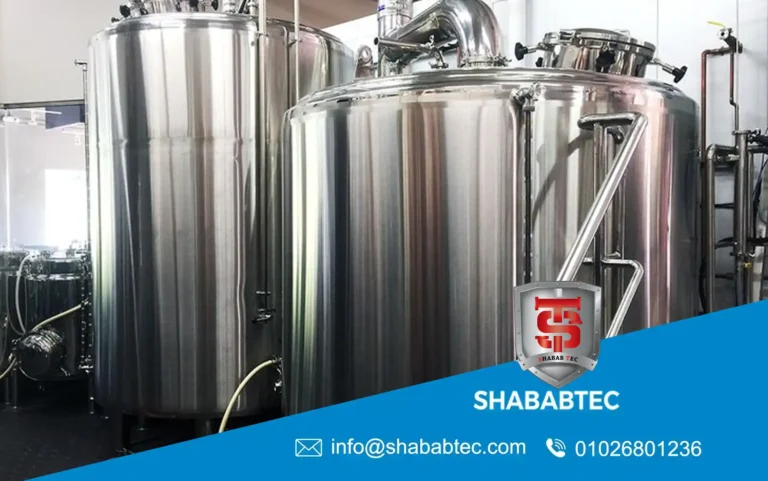
A syrup mixing tank is an industrial tank used to prepare, dissolve, mix, heat, cool, and store syrup-based products. It is commonly used for sugar syrup, pharmaceutical syrup, flavored syrup, food syrup, and other liquid preparations that need controlled processing.
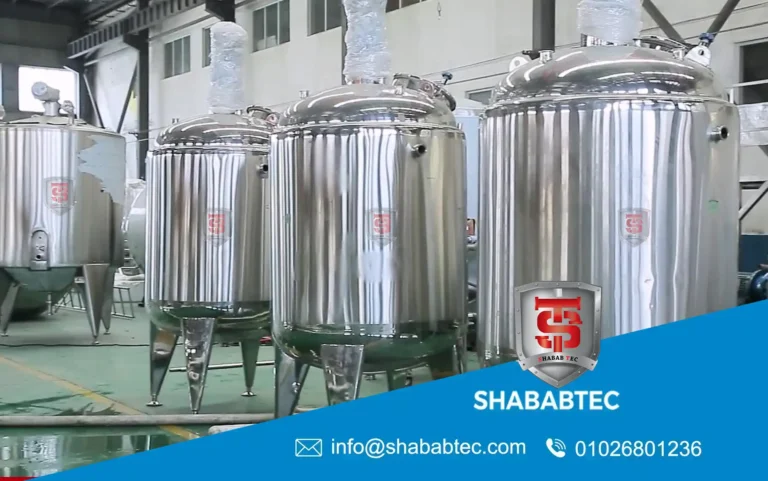
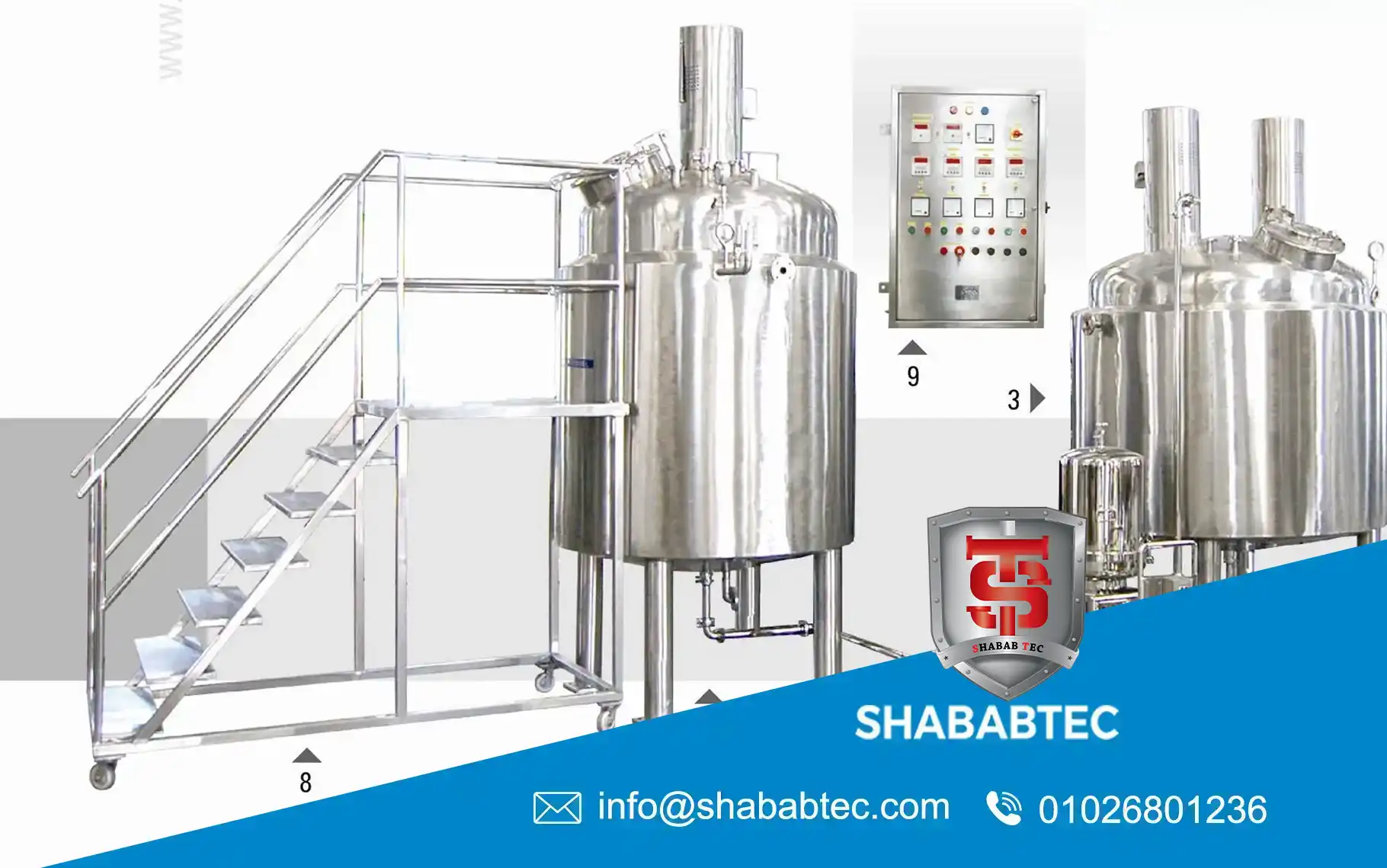
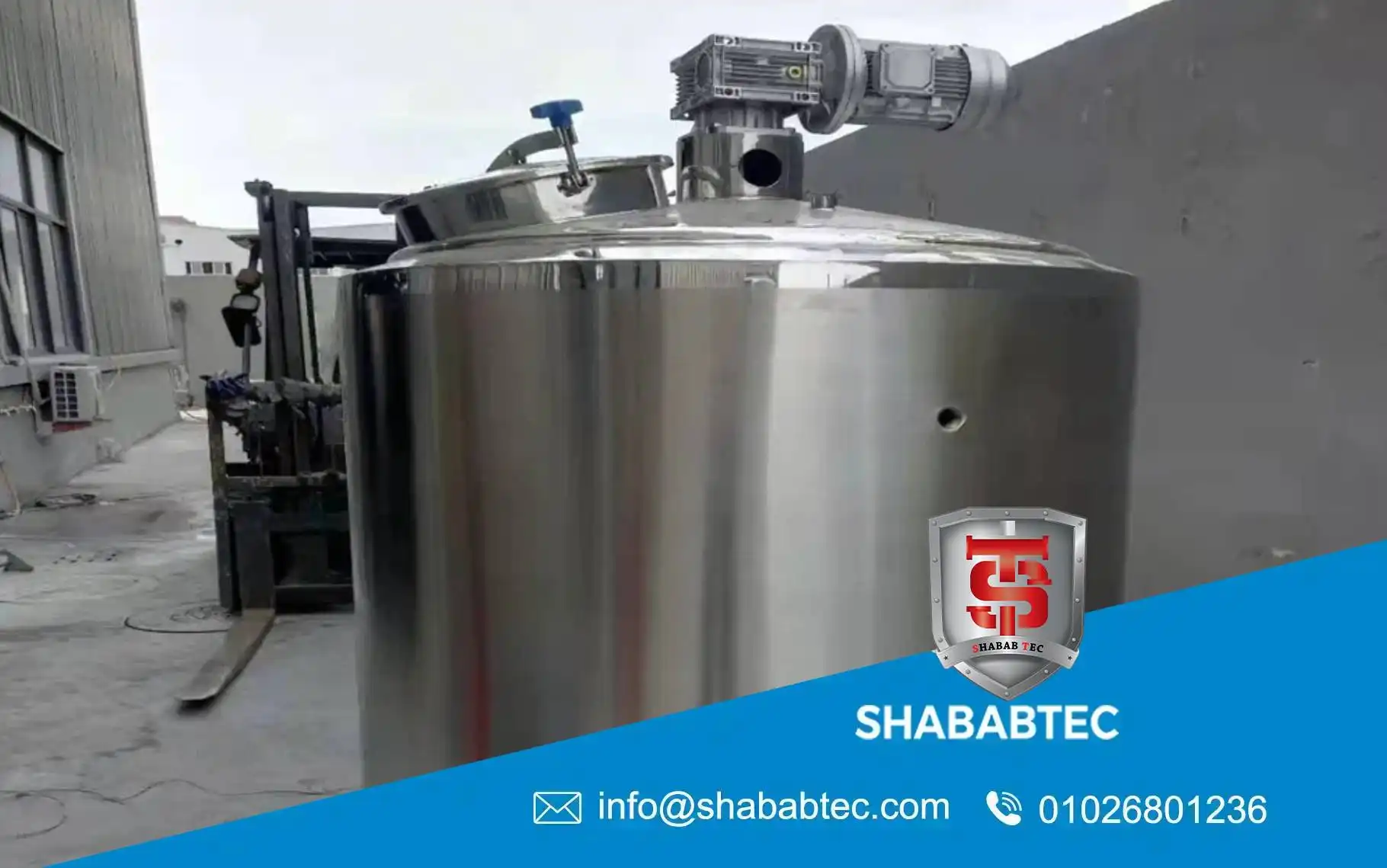
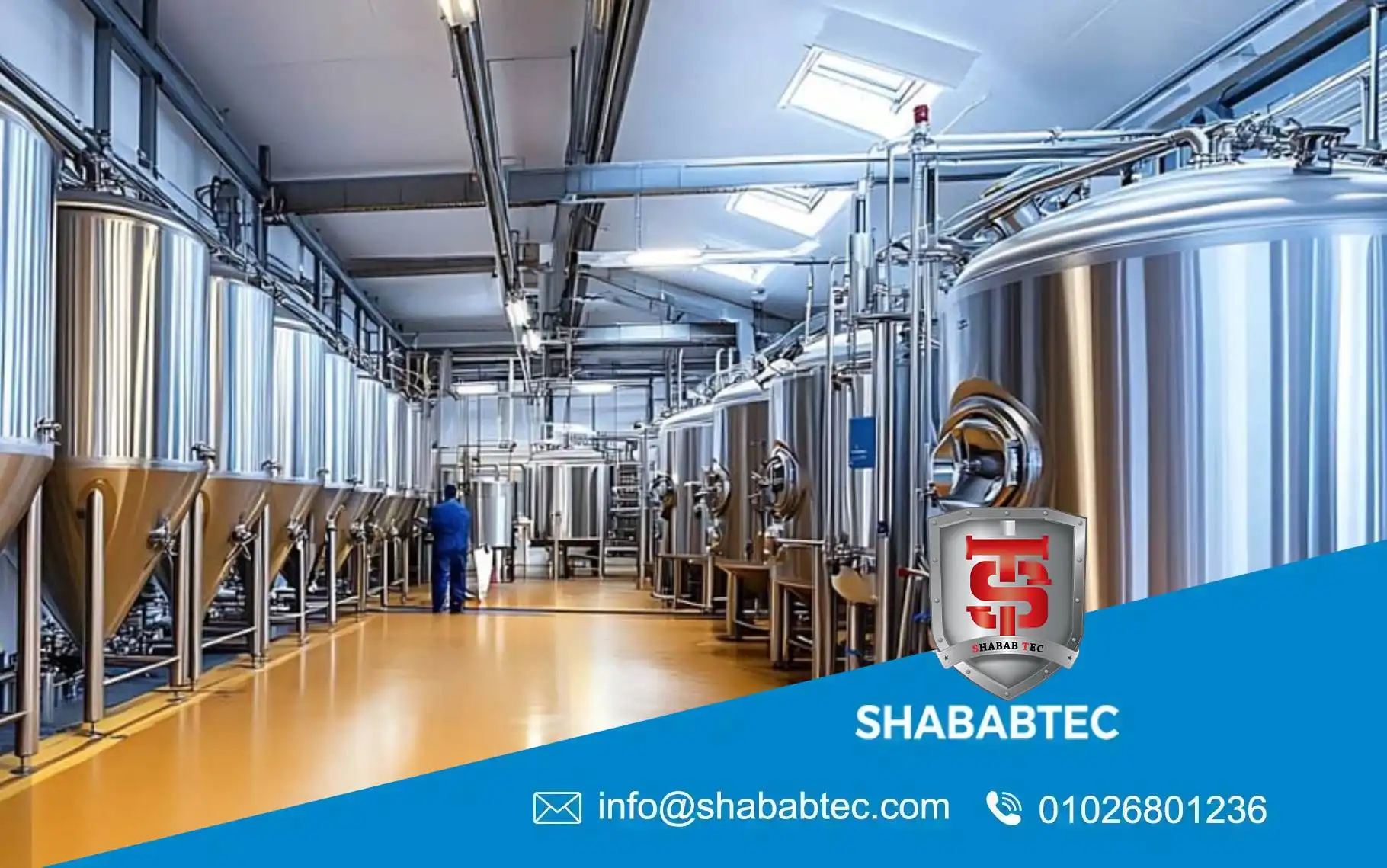
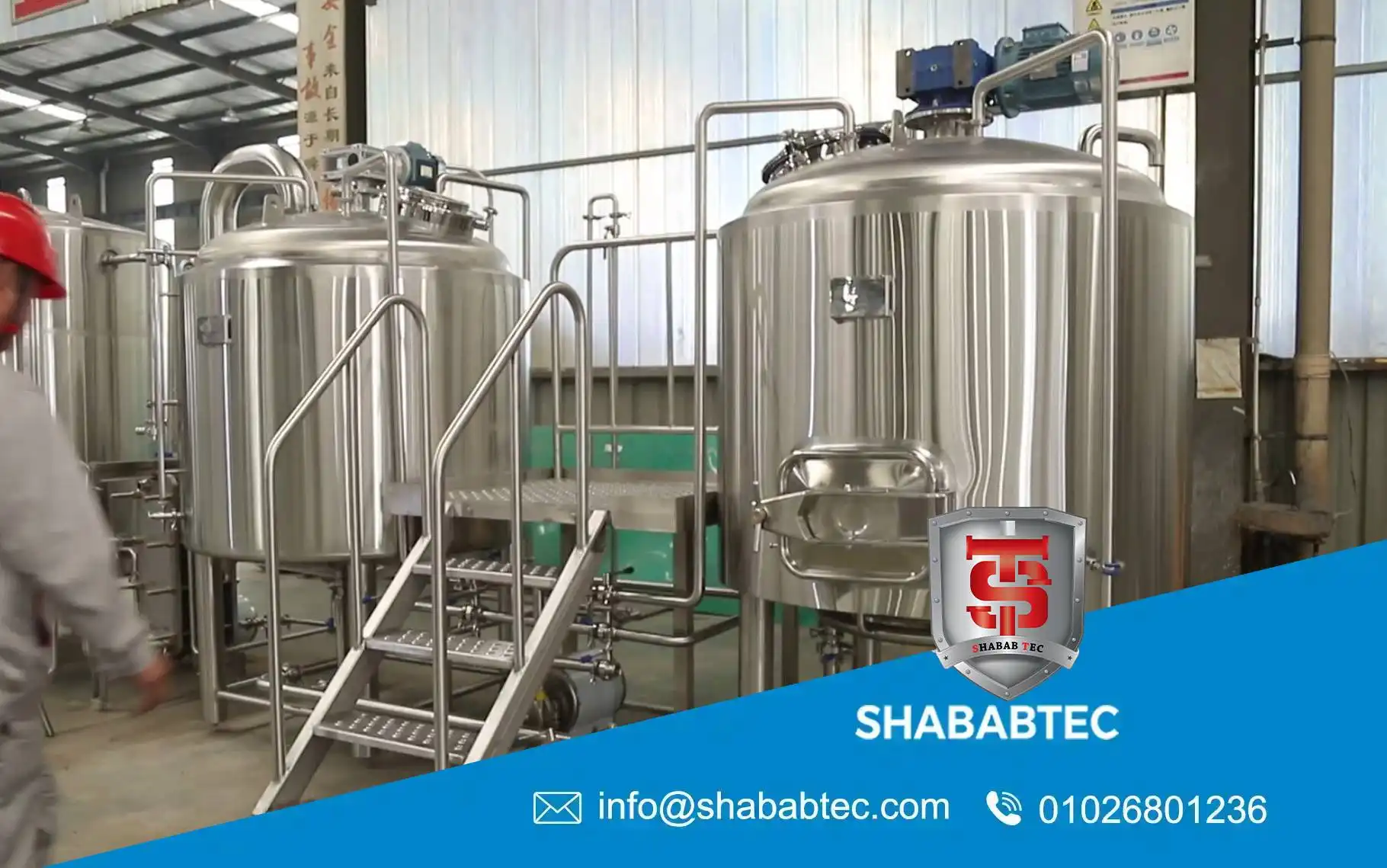
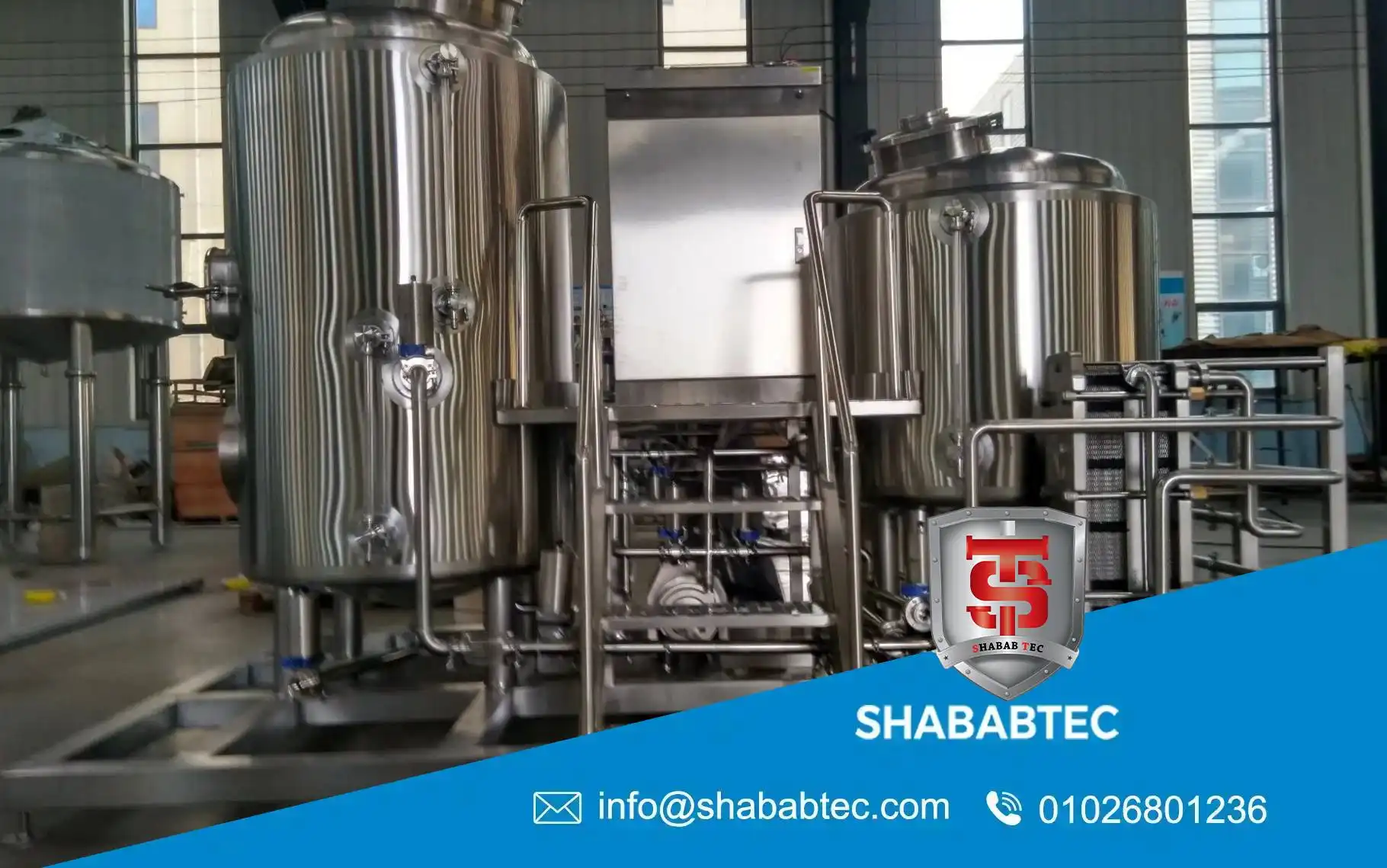
The tank usually includes a stainless steel body, an agitator or mixer, a heating or cooling jacket when required, inlet and outlet connections, inspection openings, and sometimes temperature sensors or level indicators. The main goal is to create a uniform liquid mixture without undissolved sugar, lumps, uneven concentration, or separation.
For example, when producing sugar syrup, sugar must dissolve properly in water under controlled temperature and continuous mixing. If the mixing is weak or the heat distribution is poor, the final product may contain crystals or uneven sweetness. A professional sugar syrup mixer solves this problem by combining mechanical agitation with proper tank design.
Why Syrup Tank Design Matters
The design of a syrup tank directly affects product quality, cleaning time, production speed, and equipment lifetime. Syrup is usually sticky, dense, and sensitive to temperature changes. This means the tank must be designed carefully to handle viscosity, heat transfer, and hygiene requirements.
A poor tank design can cause several production problems:
- Slow sugar dissolving
- Uneven mixing inside the tank
- Burning or overheating at the bottom
- Crystallization during processing or storage
- Difficult cleaning after each batch
- Product loss due to poor discharge design
On the other hand, a well-designed mixing tank syrup system helps the factory produce stable batches with fewer delays and easier maintenance.
Main Components of a Syrup Mixing Tank
Stainless Steel Tank Body
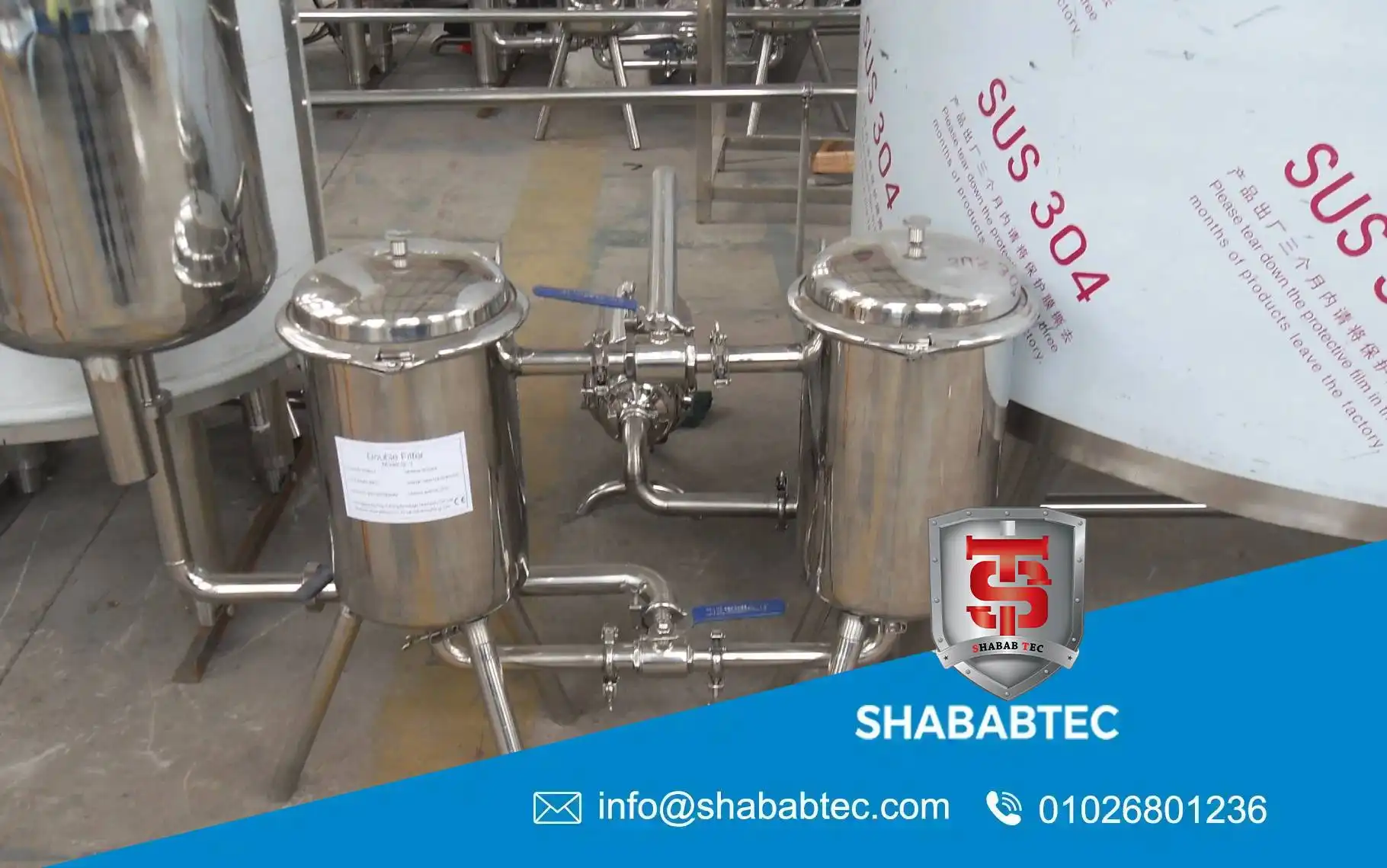
The tank body is usually made from stainless steel because it is strong, hygienic, corrosion-resistant, and suitable for food and pharmaceutical environments. Stainless steel also makes cleaning easier, which is very important when working with sticky products like syrup.
For syrup production, the internal surface should be smooth to reduce product buildup and make washing faster. In many applications, stainless steel 304 is suitable, while stainless steel 316L may be preferred for stricter pharmaceutical or high-purity production needs.
Agitator or Mixing System
The agitator is one of the most important parts of the syrup mixing tank. Its role is to move the liquid inside the tank and ensure all ingredients are evenly distributed.
The mixer type depends on the syrup viscosity, batch size, and production process. Light syrups may need a simple propeller or paddle mixer, while thicker syrup may require a stronger agitator with a design that moves material from the bottom to the top. Good mixing helps prevent sugar from settling and supports faster dissolving.
Heating System
Many syrup processes need heat to dissolve sugar or improve blending. A jacketed tank can circulate hot water or steam around the vessel to heat the product gently and evenly. This is better than applying direct heat, because direct heat may create hot spots and affect the syrup quality.
For a pharmaceutical syrup tank, temperature control is especially important because some active ingredients or additives may be sensitive to overheating.
Cooling System
After heating and mixing, some syrups need to be cooled before storage, filling, or adding heat-sensitive ingredients. A cooling jacket or coil can help bring the temperature down in a controlled way.
This is useful when the syrup must reach a specific filling temperature or when the factory needs to reduce waiting time between production stages.
Discharge Valve
The outlet design is important because syrup is usually sticky and can remain inside the tank if the discharge point is not properly placed. A bottom discharge valve helps empty the tank more completely and reduces product loss.
The valve should also be easy to clean and suitable for the viscosity of the syrup.
Control Panel
A control panel can be used to manage mixer speed, heating temperature, cooling flow, and operation time. For larger factories, better control means more consistent batches and easier operation for the production team.
Industrial Applications of Syrup Tanks
Food Syrup Production
A liquid syrup tank is commonly used in food factories that produce flavored syrups, dessert syrups, concentrated sugar solutions, and liquid sweeteners. These products require consistent sweetness, smooth texture, and hygienic processing.
Food producers use syrup tanks for applications such as:
- Simple sugar syrup
- Fruit-flavored syrup
- Dessert topping syrup
- Concentrated sweetener solutions
- Liquid ingredients used in bakery or confectionery production
In these applications, the tank must support easy cleaning, controlled mixing, and safe food contact surfaces.
Beverage Production
In beverage factories, syrup preparation is a key step before blending with water, flavors, acids, colors, or other ingredients. A stable syrup base helps maintain taste and concentration in the final drink.
The sugar syrup mixer must dissolve sugar completely and keep the solution uniform before it moves to the next production stage. This is important for soft drinks, juices, flavored beverages, and concentrates.
Pharmaceutical Syrup Production
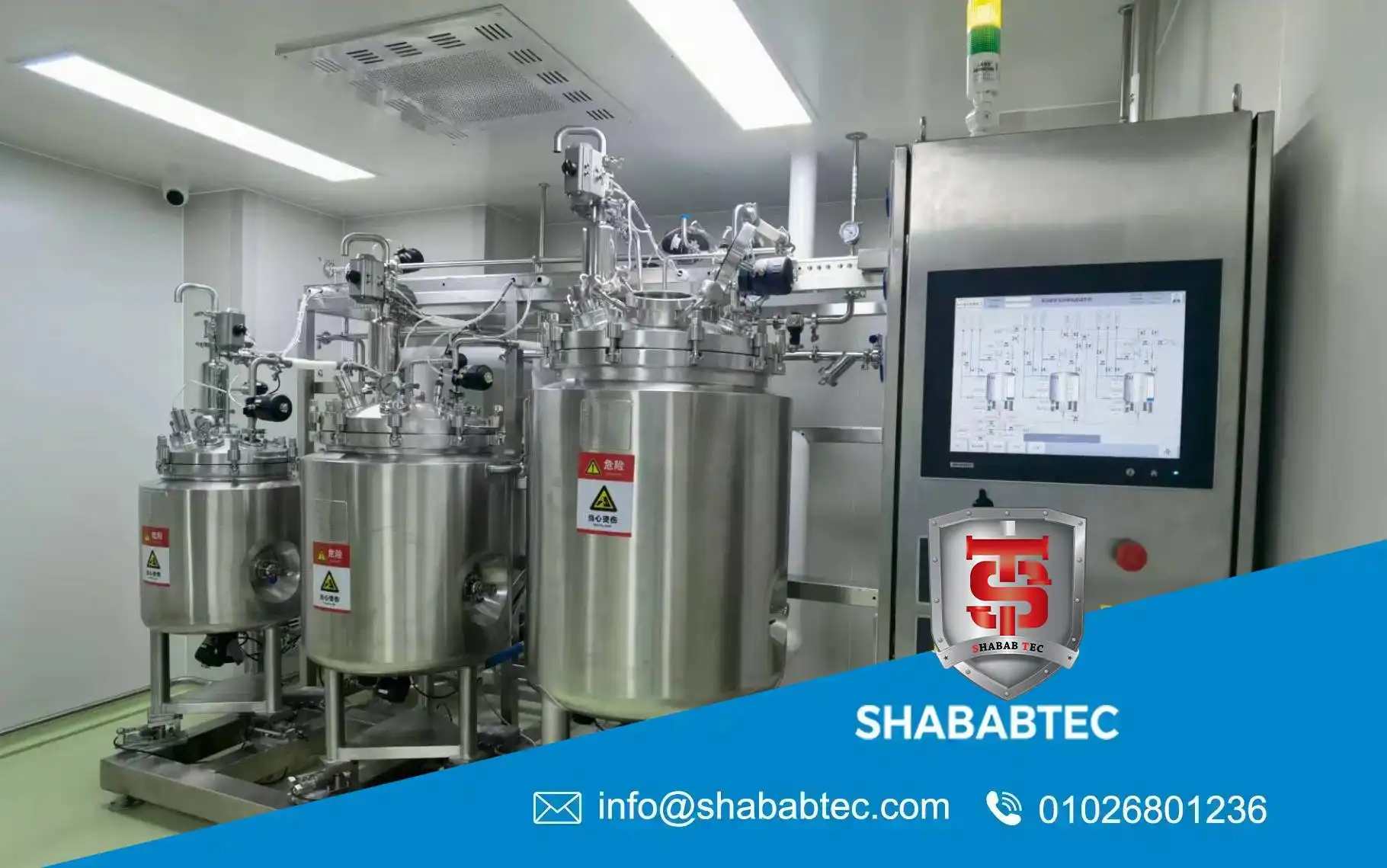
A pharmaceutical syrup tank is used to prepare medicinal syrup products such as cough syrups, vitamin syrups, herbal syrups, and oral liquid preparations. These products require a higher level of hygiene, accuracy, and consistency.
In pharmaceutical production, mixing is not only about texture. The active ingredients must be distributed evenly so every dose has the correct concentration. This makes proper tank design and mixing performance very important.
The tank should be easy to clean, made from suitable stainless steel, and designed to reduce contamination risk during production.
Cosmetic and Personal Care Applications
Some personal care products use syrup-like liquid bases, especially in gels, liquid extracts, and viscous cosmetic preparations. A mixing tank syrup system can be adapted for these applications when the product needs gentle mixing, heating, or cooling.
Chemical and Industrial Liquids
Some chemical products have syrup-like viscosity and require similar handling. These may include liquid detergents, additives, adhesives, or concentrated solutions. In these cases, the tank material and mixer design must be selected based on chemical compatibility and safety requirements.
See also: Pharmaceutical Mixing Tank for Syrup and Liquid Medicine Production
Important Design Factors for a Syrup Mixing Tank
Tank Capacity
The first factor to consider is production capacity. A factory should choose a syrup tank size based on batch volume, daily production target, and available space. Choosing a tank that is too small can slow production, while choosing a tank that is too large may waste energy and make small batches harder to process.
For growing factories, it is useful to think about future production needs, not only current demand.
Syrup Viscosity
Viscosity affects mixer selection, motor power, and discharge design. Thin syrup flows easily and may need moderate mixing. Thick syrup needs stronger agitation and better bottom movement to prevent settling or dead zones.
Before choosing a sugar syrup mixer, the factory should identify the expected viscosity range during heating, mixing, cooling, and final discharge.
Heating Method
Heating may be done through a steam jacket, hot water jacket, electric heating, or coil system. The right choice depends on the factory utilities, batch size, and required temperature range.
For syrup, gentle and even heating is usually preferred because it reduces the risk of caramelization, burning, or quality changes.
Cooling Requirement
Not every syrup process needs cooling, but many factories benefit from having both heating and cooling options in the same tank. Cooling can reduce waiting time and help prepare the syrup for filling or transfer.
A tank with heating and cooling functions gives the production team more flexibility, especially when working with different recipes.
Cleaning and Hygiene
Syrup can stick to internal surfaces, valves, and mixer blades. That is why cleaning must be considered from the beginning. Smooth internal finishing, suitable access openings, and easy-disassembly parts can reduce cleaning time and improve hygiene.
For food and pharmaceutical production, cleaning is not a small detail. It directly affects product safety and production approval.
Material Selection
Stainless steel is the common choice for syrup tanks. However, the exact grade depends on the application. Food syrup may use stainless steel 304 in many cases, while pharmaceutical syrup may require 316L for better corrosion resistance and higher hygiene standards.
Mixing Speed Control
Some syrup products need slow mixing to avoid air bubbles, while others need stronger agitation to dissolve solids faster. A variable speed system gives operators better control over the process.
This is especially helpful when the same tank is used for different recipes.
Syrup Tank Design for Food vs Pharmaceutical Use
Although food and pharmaceutical syrup tanks may look similar, their design requirements can be different.
Food Syrup Tank
A food syrup tank focuses on hygiene, stable mixing, easy cleaning, and temperature control. It must help achieve consistent taste and texture while supporting practical daily production.
Pharmaceutical Syrup Tank
A pharmaceutical syrup tank usually requires stricter design. The internal finish, material quality, sealing, cleaning process, and control accuracy become more important because the final product is used for medical purposes.
For pharmaceutical syrup, the tank may need more accurate temperature control, better sealing, and smoother internal surfaces to reduce contamination risk.
Benefits of Using a Professional Syrup Mixing Tank
Using a purpose-built syrup mixing tank offers clear benefits for industrial production:
- Faster dissolving of sugar and ingredients
- More consistent syrup concentration
- Better temperature control
- Reduced product waste
- Easier cleaning and maintenance
- Improved production organization
- Suitable operation for food and pharmaceutical environments
For factories that produce syrup every day, these benefits can make a noticeable difference in production cost and product quality.
Common Problems in Syrup Production and How the Right Tank Helps
Undissolved Sugar
This usually happens when mixing is weak or heating is not enough. A proper sugar syrup mixer improves liquid movement and helps dissolve sugar faster.
Crystallization
Crystallization can happen when temperature and concentration are not controlled properly. A tank with controlled heating and mixing helps reduce this risk.
Uneven Concentration
If the tank has dead zones, some areas may have higher sugar concentration than others. Correct agitator design helps create uniform movement throughout the tank.
Air Bubbles
High-speed mixing may introduce air into the syrup. Speed control allows the operator to adjust the mixing process based on the product requirement.
Difficult Cleaning
Sticky syrup can build up on surfaces. A smooth stainless steel design and accessible parts make cleaning easier after each batch.
How to Choose the Right Syrup Tank for Your Factory
Before buying a syrup tank, it is important to answer a few practical questions:
- What type of syrup will be produced?
- What is the required batch capacity?
- Will the syrup need heating, cooling, or both?
- What is the expected viscosity?
- Is the product food-grade or pharmaceutical-grade?
- How often will the tank be cleaned?
- Will the same tank handle different recipes?
These answers help determine tank size, mixer type, stainless steel grade, motor power, jacket design, and control options.
Why ShababTec is a Practical Choice for Syrup Mixing Tanks
ShababTec provides stainless steel equipment for liquid and semi-solid preparation, including tanks suitable for syrup, ointments, creams, food liquids, and chemical products. For factories looking for a dependable liquid syrup tank, ShababTec can design systems based on actual production needs rather than offering one standard solution for every case.
The company can support different requirements such as mixing, heating, cooling, storage, and preparation. This makes the equipment suitable for many syrup applications, whether the factory works in food production, pharmaceutical preparations, or related liquid products.
Choosing a local supplier with practical manufacturing experience can also make communication, customization, installation, and after-sales support easier for factories in Egypt.
Maintenance Tips for Syrup Mixing Tanks
To keep a mixing tank syrup system working efficiently, regular maintenance is important. Simple checks can prevent larger problems and reduce unexpected downtime.
- Clean the tank after each batch to avoid sticky buildup
- Inspect the agitator blades and shaft regularly
- Check seals, valves, and discharge points
- Monitor motor performance and unusual noise
- Check heating and cooling connections for leaks
- Calibrate temperature sensors when needed
- Follow a fixed maintenance schedule for the production team
Good maintenance does not only protect the equipment. It also protects product quality and helps the factory maintain stable production.
Final Thoughts
A syrup mixing tank is a key part of any production line that works with sugar syrup, food syrup, medicinal syrup, or similar liquid products. The right design can improve mixing quality, reduce waste, support hygiene, and make daily production easier.
Whether you need a sugar syrup mixer for food production or a pharmaceutical syrup tank for liquid medicine preparation, the equipment should be selected based on viscosity, capacity, temperature control, cleaning needs, and product safety requirements.
ShababTec provides practical stainless steel mixing solutions that can be customized for syrup production and other liquid or semi-solid applications, helping factories build a more stable and efficient process.
FAQ – Syrup Mixing Tank
What is a syrup mixing tank used for?
A syrup mixing tank is used to dissolve, mix, heat, cool, and prepare syrup products such as sugar syrup, flavored syrup, pharmaceutical syrup, and liquid sweeteners.
What is the best material for a syrup tank?
Stainless steel is commonly used because it is hygienic, durable, corrosion-resistant, and easy to clean. Stainless steel 304 is suitable for many food applications, while 316L may be preferred for pharmaceutical use.
Does a syrup tank need heating?
Many syrup processes need heating to dissolve sugar faster and improve mixing. The heating method depends on the product, batch size, and factory utilities.
Can one tank be used for both food syrup and pharmaceutical syrup?
It depends on the design, material grade, cleaning system, and hygiene requirements. Pharmaceutical syrup usually needs stricter standards than regular food syrup.
What is the role of a sugar syrup mixer?
A sugar syrup mixer helps dissolve sugar evenly in water and keeps the syrup uniform during processing. It prevents settling, uneven concentration, and slow dissolving.
How do I choose the right liquid syrup tank?
Choose based on production capacity, syrup viscosity, heating and cooling needs, stainless steel grade, cleaning requirements, and the type of product being manufactured.
See Also: gelatin melting tank | process tank selection