How to Choose Mixing Tank for Your Production Line
Industrial Mixing Tank Guide How to Choose Mixing Tank for Your Production Line
Choosing the right industrial mixing tank is an important step for any factory that works with liquids, semi-liquids, creams, syrups, chemicals, food products, cosmetics, pharmaceuticals, fertilizers, or adhesives. The tank is not just a container; it is a complete production unit that affects mixing quality, batch consistency, production speed, cleaning time, and equipment lifetime.
Many factories start by asking about tank size only, but proper mixing tank selection requires more than capacity. The product viscosity, mixing purpose, material compatibility, heating or cooling needs, discharge method, hygiene level, motor power, and control system must all be reviewed before manufacturing or buying the tank.
This industrial mixer guide explains how to choose mixing tank correctly based on real production requirements. It also helps factory owners, production managers, and engineers understand what to check before investing in mixing equipment for industrial use.
See Also: Industrial Stainless Steel Mixing Tanks – Complete Guide
What is an Industrial Mixing Tank?
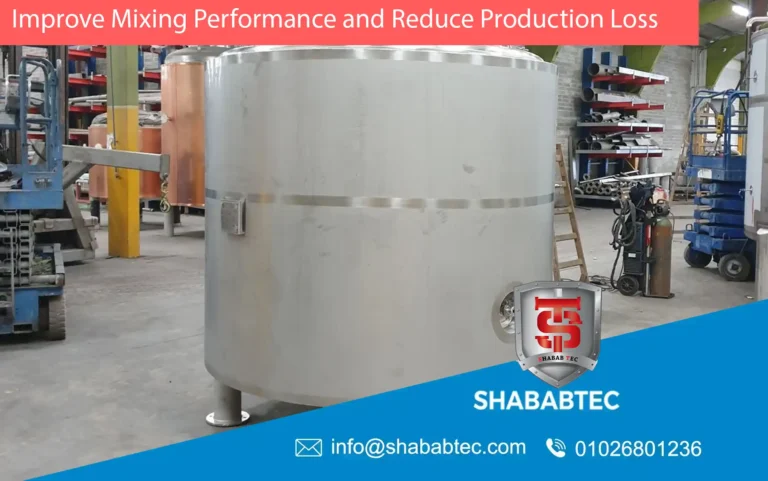
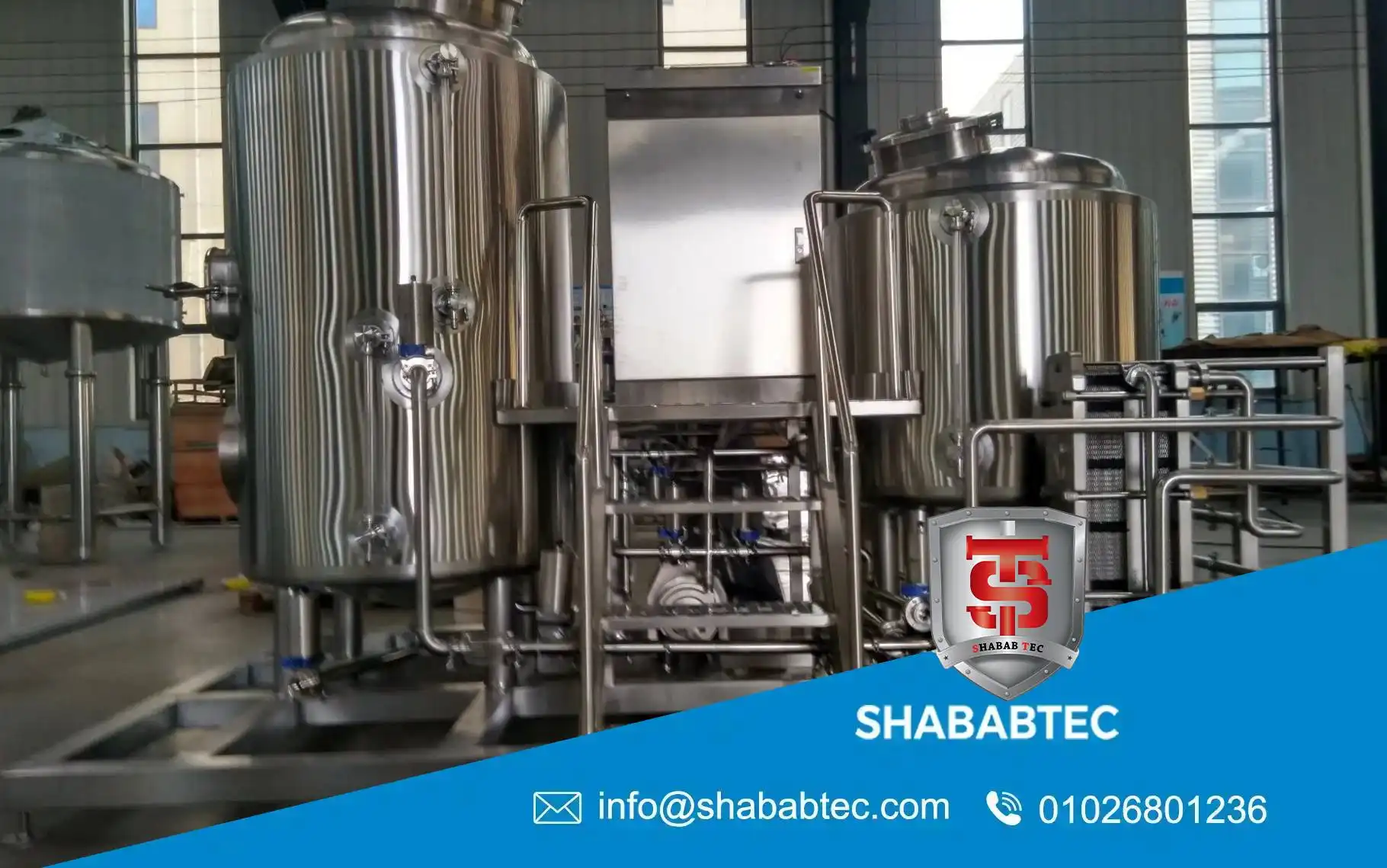
An industrial mixing tank is a tank designed to mix, blend, dissolve, heat, cool, emulsify, or prepare industrial products. It is used in many industries including food, cosmetics, pharmaceuticals, chemicals, fertilizers, adhesives, detergents, syrups, sauces, creams, ointments, gels, and liquid soap production.
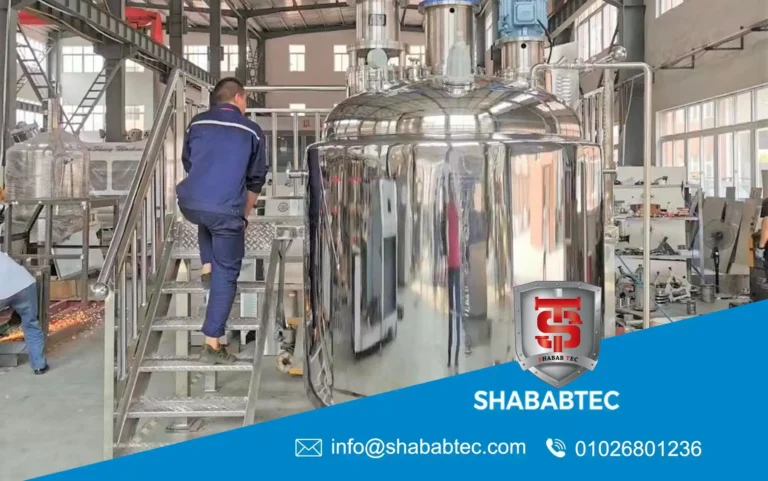
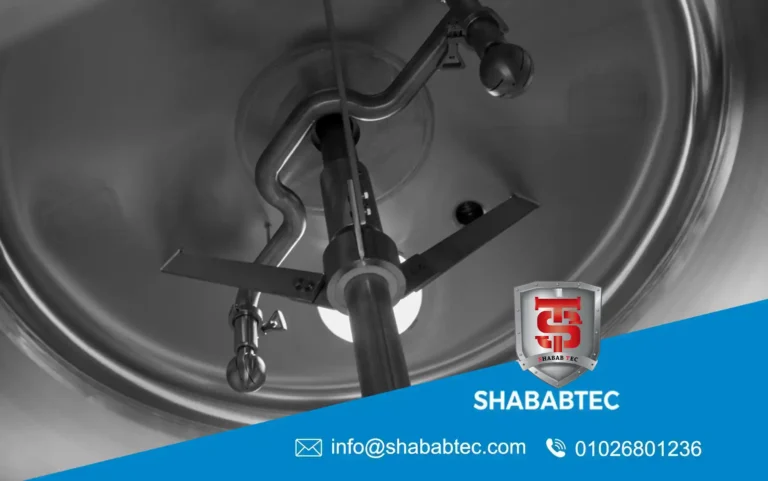
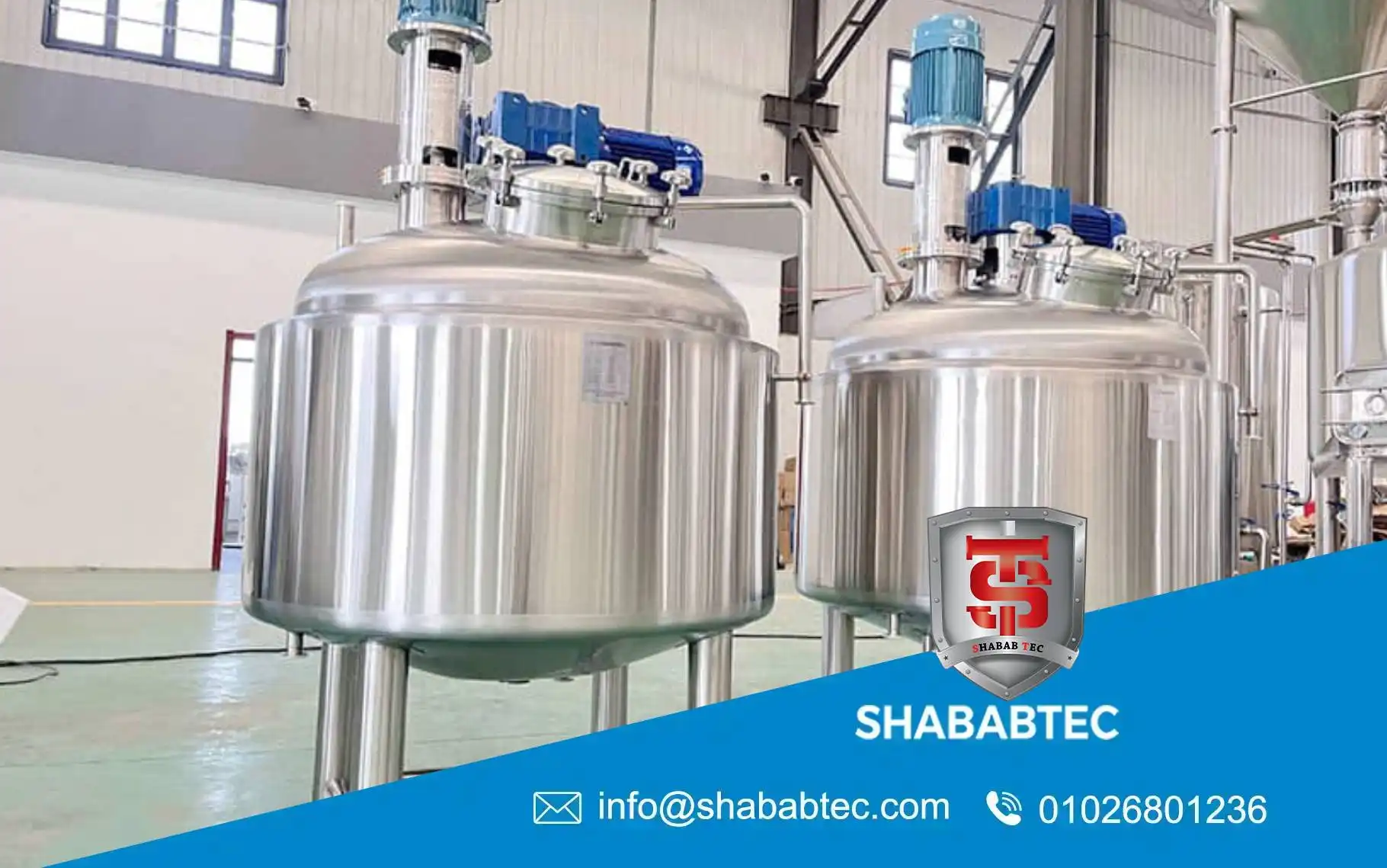
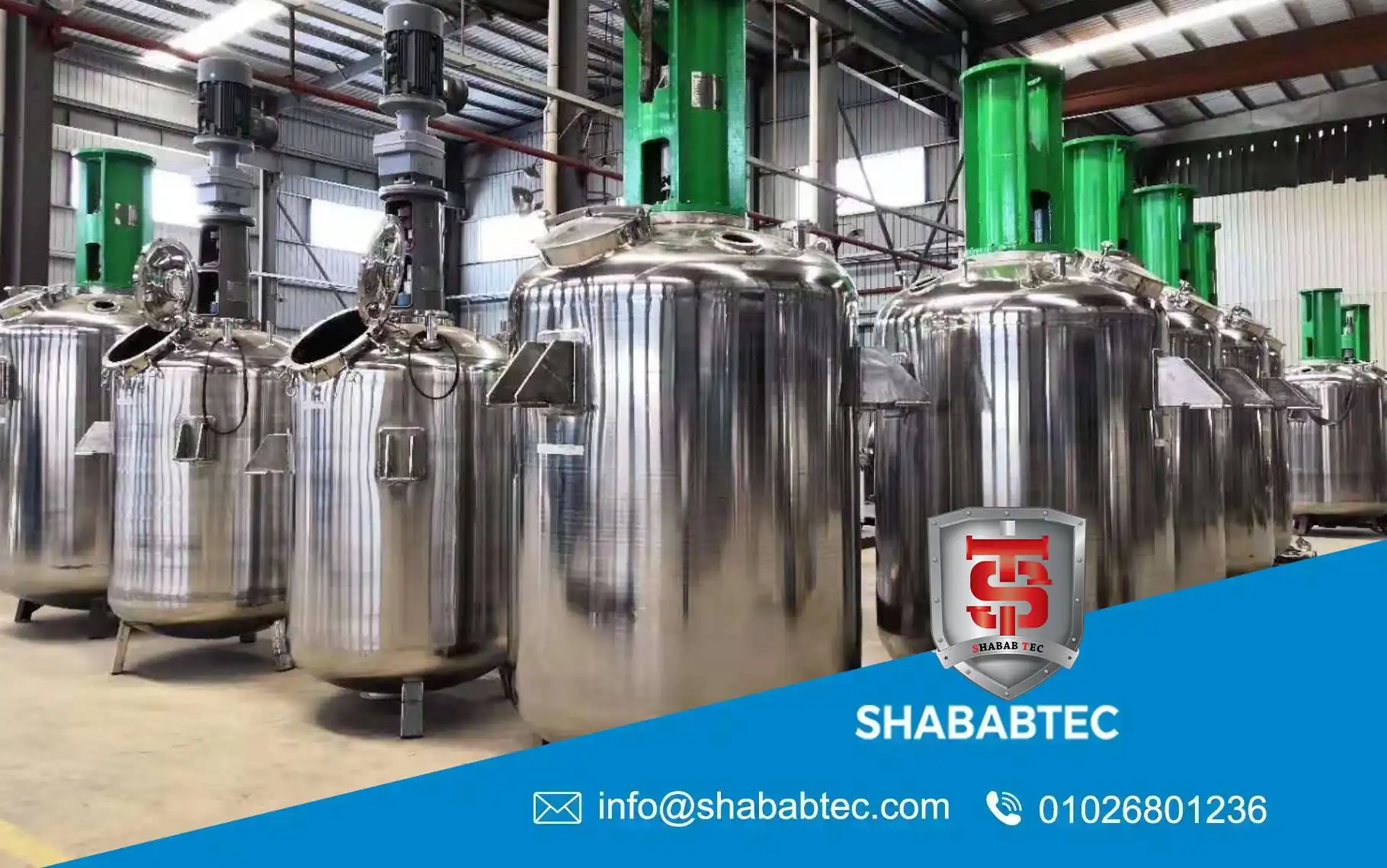
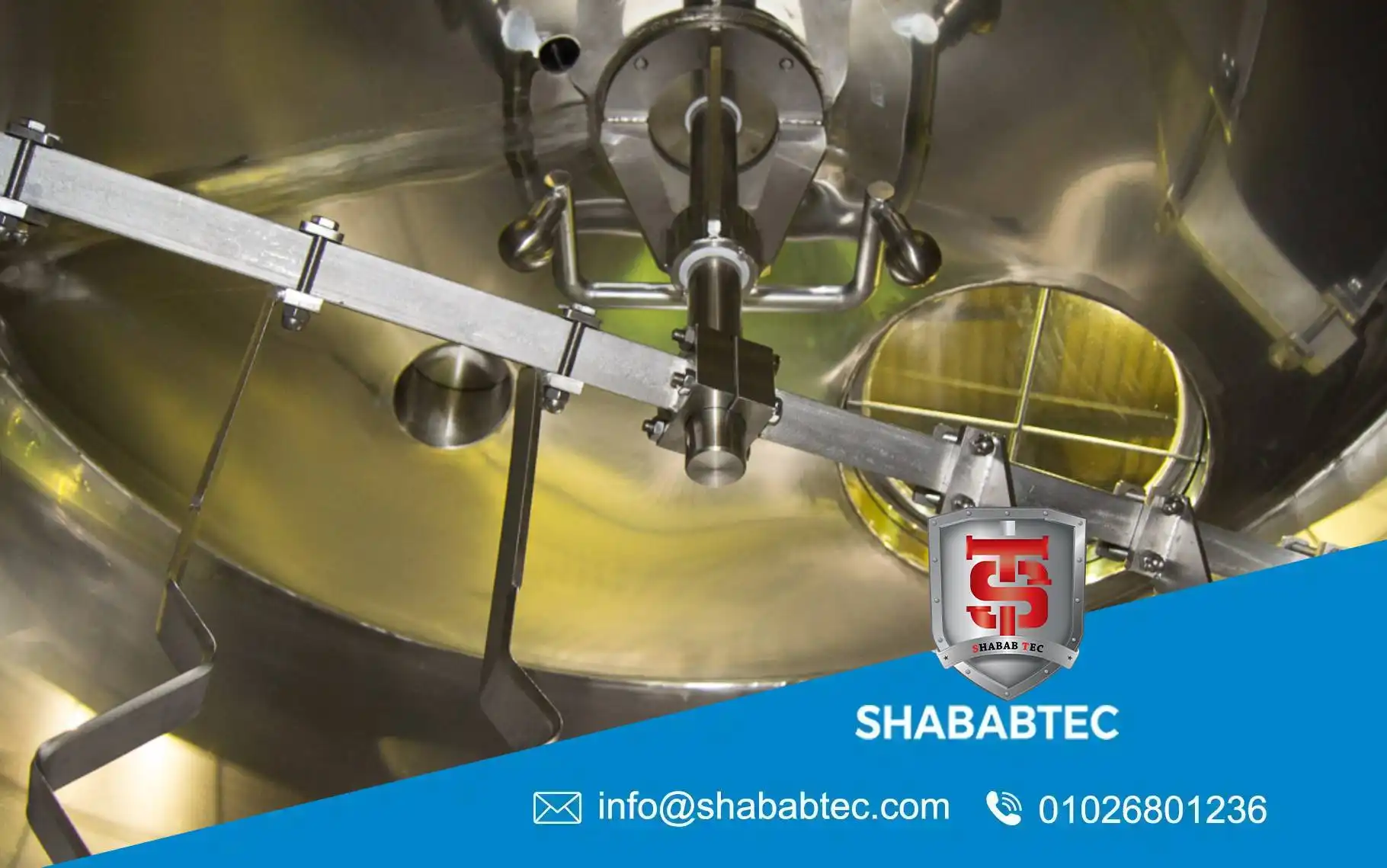
A typical industrial mixing tank includes a tank body, agitator, motor, shaft, mixing blades, discharge valve, support structure, and sometimes heating, cooling, vacuum, homogenizing, or control systems depending on the product.
The right tank helps achieve uniform mixing and stable product quality. The wrong tank may cause weak mixing, ingredient separation, slow production, motor overload, difficult cleaning, or product waste.
Why Mixing Tank Selection Matters
Proper mixing tank selection directly affects daily production performance. If the tank does not match the product, the factory may face repeated problems during operation.
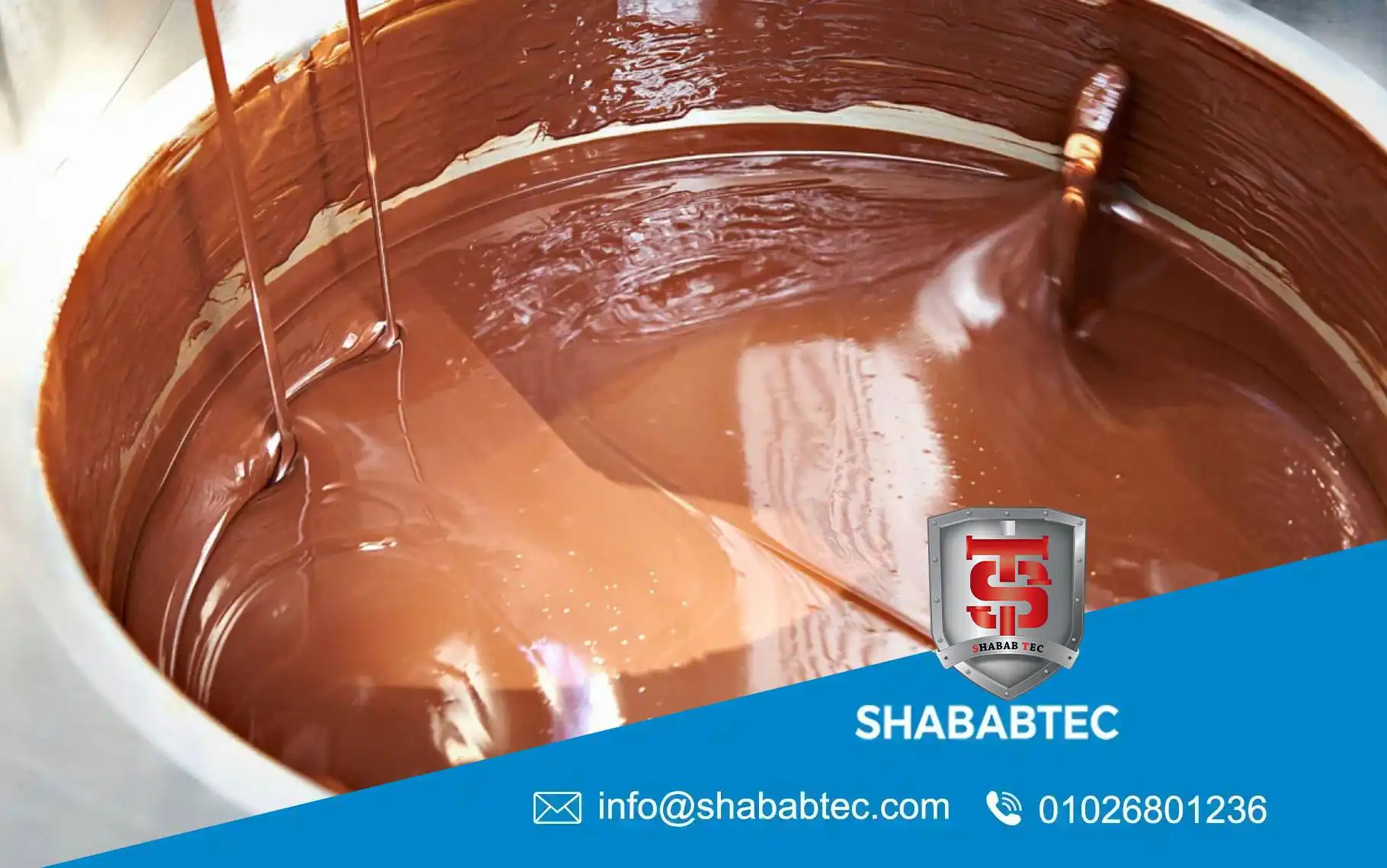
For example, a light liquid product does not need the same mixer as a thick cream or adhesive. A pharmaceutical syrup does not need the same tank design as a chemical fertilizer solution. A chocolate mixture does not behave like liquid soap. Each product has different viscosity, temperature needs, cleaning requirements, and material compatibility.
Good process tank selection helps factories achieve:
- Consistent product quality
- Better mixing efficiency
- Lower product waste
- Shorter production time
- Safer operation
- Easier cleaning and maintenance
- Longer equipment lifetime
- Better control over heating, cooling, or processing steps
This is why the decision should not be based only on price or tank size. A reliable industrial mixer guide starts with understanding the product first.
How to Choose Mixing Tank Based on Product Type
The first step when you choose mixing tank is to define the product clearly. The tank design must follow the product behavior, not the other way around.
Liquid Products
Liquid products such as water-based solutions, light detergents, flavor liquids, and some chemical liquids usually need fast circulation and uniform blending. The tank may use a propeller or paddle agitator depending on the process.
For these products, mixing equipment should focus on proper movement, stable speed, and easy discharge.
Semi-Liquid Products
Semi-liquid products such as lotions, sauces, syrups, gels, and liquid soap need stronger mixing than light liquids. The agitator must move material from the bottom, sides, and center to prevent uneven texture.
For this category, mixing tank selection should consider viscosity, motor power, blade design, and whether heating or cooling is required.
High-Viscosity Products
Products such as creams, ointments, adhesives, pastes, thick sauces, gelatin mixtures, and heavy chemical products require high torque and strong mechanical design.
For high-viscosity production, the industrial mixing tank may need anchor blades, scrapers, stronger motors, gearbox support, and a suitable discharge valve. A weak mixer can fail quickly in this type of application.
Products with Powders or Solids
Some products require powders, crystals, salts, minerals, pigments, or active ingredients to be dissolved or suspended inside liquid. In this case, the mixer must prevent settling and help distribute solids evenly.
Examples include fertilizer solutions, pharmaceutical suspensions, pigment mixing, chemical blends, and syrup preparation. Proper process tank selection helps avoid lumps, sediment, and uneven concentration.
Choose Mixing Tank Based on Viscosity
Viscosity is one of the most important points in mixing tank selection. It describes how thick or thin the product is. The higher the viscosity, the harder it is to move the material inside the tank.
A low-viscosity product flows easily and may need moderate motor power. A high-viscosity product needs stronger torque, slower speed, and special blade design.
When discussing mixing equipment with a supplier, the factory should explain:
- Is the product thin, medium, or thick?
- Does viscosity change during heating or cooling?
- Does the product become thicker after adding powder?
- Does the product stick to the tank wall?
- Does the product need gentle or strong mixing?
These details help define the correct motor power, shaft design, blade type, and tank structure.
Process Tank Selection Based on Capacity
Capacity is important, but it should be calculated correctly. Many factories ask for a large tank without considering batch size, working volume, mixing efficiency, and available production space.
During process tank selection, the factory should define the actual batch volume. A tank should not be filled completely during mixing because the product needs space to move safely. The working volume is usually less than the total tank volume.
For example, if the production batch is 800 liters, the tank may need a larger total capacity to allow safe mixing and prevent overflow. The exact design depends on the product and mixing speed.
A proper industrial mixer guide also considers future production growth. If the factory expects higher demand soon, it may choose a tank that supports future capacity without becoming unsuitable for current batches.
Mixing Equipment and Agitator Type
The agitator is the main part of the mixing equipment. It controls how the product moves inside the tank. Choosing the wrong agitator can lead to weak mixing, dead zones, overheating, air bubbles, or product separation.
Propeller Agitator
A propeller agitator is suitable for low-viscosity liquids that need fast circulation. It is commonly used for water-like products and simple liquid blending.
Paddle Agitator
A paddle agitator provides gentle mixing and is suitable for some medium-viscosity products. It can be used when the product needs controlled movement without aggressive shear.
Anchor Agitator
An anchor agitator is useful for thicker products. It moves material close to the tank wall and helps reduce buildup. It is often used in creams, gels, sauces, and adhesives.
Scraper Agitator
A scraper agitator removes material from the tank wall during mixing. This is useful for sticky products, heating processes, and high-viscosity materials that may cling to the surface.
High-Shear Mixer
A high-shear mixer is used when the product needs emulsification, dispersion, or particle size reduction. It is common in cosmetics, creams, lotions, emulsions, and some chemical products.
The best industrial mixing tank may include one agitator or a combination of mixing systems depending on the product.
Mixing Tank Selection Based on Heating and Cooling Needs
Many products need temperature control during production. Heating may be required to dissolve ingredients, melt materials, reduce viscosity, or activate the process. Cooling may be required before filling, storage, or adding sensitive ingredients.
When you choose mixing tank, ask whether the product needs:
- Heating only
- Cooling only
- Both heating and cooling
- Temperature holding
- Fast temperature change
- Gentle heat to avoid burning
A jacketed industrial mixing tank can circulate hot water, steam, thermal oil, or cooling water around the tank. This supports better temperature control and safer processing than direct heating in many applications.
Mixing Tank Material Selection
Material choice is a major part of process tank selection. The tank material must be compatible with the product, cleaning chemicals, temperature, and industry requirements.
Stainless Steel 304
Stainless steel 304 is suitable for many food, cosmetic, syrup, detergent, and general industrial applications. It offers good hygiene, durability, and corrosion resistance for standard products.
Stainless Steel 316
Stainless steel 316 offers higher corrosion resistance and is often preferred for pharmaceutical, salt-rich, acidic, or more demanding chemical applications.
Special Materials
Some chemical processes may need special materials, linings, or coatings. The decision should be based on product formula and chemical compatibility.
For any industrial mixing tank, the material should be selected before manufacturing, not after problems appear in production.
Industrial Mixing Tank for Different Industries
Food Production
Food factories use mixing equipment for sauces, syrups, chocolate, fillings, flavor liquids, and other food products. Food tanks should be hygienic, easy to clean, and suitable for temperature control when needed.
Cosmetic Production
Cosmetic factories use industrial mixing tank systems for creams, lotions, shampoos, gels, and liquid soap. These products may need homogenizing, heating, cooling, and smooth surface finish.
Pharmaceutical Production
Pharmaceutical production needs stricter hygiene and accurate processing. A medicine or syrup tank may require stainless steel 316, smooth internal finishing, controlled mixing, and reliable sealing.
Chemical Production
Chemical factories use tanks for paints, adhesives, detergents, coatings, resins, and other chemical products. Material compatibility and safe operation are important in this sector.
Fertilizer Production
Fertilizer products may contain salts, minerals, powders, or chemical components. Good process tank selection helps prevent settling, corrosion, and uneven concentration.
Choose Mixing Tank Based on Cleaning Requirements
Cleaning is an important part of daily production. If the tank is difficult to clean, the factory loses time between batches and may face hygiene or quality problems.
When you choose mixing tank, review the internal surface, access openings, valves, blades, and discharge design. Products like cream, glue, syrup, gelatin, and fertilizer can leave residue inside the tank if cleaning is not considered from the beginning.
A practical mixing tank selection should include:
- Smooth internal surface
- Good access for inspection
- Proper discharge position
- Easy-to-clean valves
- Suitable agitator design
- Material compatible with cleaning chemicals
Process Tank Selection Based on Discharge Method
The way product leaves the tank is as important as how it is mixed. A poor discharge system can waste product, slow production, and make cleaning harder.
For low-viscosity liquids, side or bottom discharge may be enough. For thick products, a bottom discharge valve is often better. For very viscous materials, the tank may need a pump or special outlet design.
During process tank selection, the factory should define whether the product will be discharged by gravity, pump, pressure, or manual transfer.
Tank Motor and Power Requirements
The motor is one of the most important parts of mixing equipment. It must be strong enough to move the product under real operating conditions.
Motor selection depends on:
- Tank capacity
- Product viscosity
- Agitator type
- Mixing speed
- Operating time
- Product density
- Whether solids are added
A weak motor can overheat or fail. An oversized motor can increase cost and energy use. A correct industrial mixer guide should always match motor power with the actual product.
Control System Options
Control systems can be simple or advanced depending on the production line. Some factories only need start and stop control. Others need variable speed, temperature control, timers, emergency stop, and process monitoring.
When you choose mixing tank, consider how the operators will use the tank every day. A clear and simple control panel helps reduce mistakes and makes training easier.
Useful control options may include:
- Mixer speed control
- Temperature display
- Heating control
- Cooling control
- Timer
- Emergency stop
- Motor protection
Common Mistakes in Mixing Tank Selection
Choosing Only by Price
The cheapest tank may not match the product. If the mixer is weak, the material is wrong, or the design is poor, the factory may pay more later in repairs, downtime, and product waste.
Ignoring Viscosity
Viscosity affects motor power, blade design, discharge, and cleaning. Ignoring viscosity is one of the most common mistakes in mixing tank selection.
Choosing the Wrong Material
The tank material must match the product and cleaning chemicals. Wrong material selection can cause corrosion or contamination.
Not Planning for Cleaning
A tank that mixes well but is difficult to clean can still create production problems. Cleaning access should be part of the design.
Ignoring Future Production Needs
If the factory expects to grow, the tank should be selected with reasonable future capacity in mind. However, it should still work efficiently for current batches.
Using One Tank Design for Every Product
Different products need different designs. A sauce tank, cream tank, chemical tank, and fertilizer tank should not be selected using the same assumptions.
Industrial Mixer Guide: Questions to Ask Before Buying
Before investing in mixing equipment, answer these questions clearly:
- What product will be mixed?
- What is the product viscosity?
- What is the batch size?
- Does the product contain powder or solids?
- Does the process need heating or cooling?
- What tank material is suitable?
- What is the required mixing speed?
- Is homogenizing required?
- Is vacuum required?
- How will the tank be cleaned?
- How will the product be discharged?
- Will the same tank be used for different products?
- What is the available factory space?
- What utilities are available, such as steam, electricity, or cooling water?
These questions make process tank selection more accurate and help avoid wrong equipment decisions.
Why ShababTec is a Practical Choice for Industrial Mixing Tank Solutions
ShababTec provides stainless steel equipment for liquid and semi-solid preparation, including mixing tanks, storage tanks, heating tanks, cooling tanks, and customized process systems. For factories that need an industrial mixing tank, ShababTec can help design equipment based on real production needs.
The company works with applications such as cosmetics, food, pharmaceutical products, chemicals, adhesives, syrups, gelatin, fertilizers, liquid soap, creams, and semi-solid materials. This makes it easier for factories to get mixing equipment that matches product behavior, viscosity, capacity, and temperature requirements.
When factories need to choose mixing tank, working with a supplier that understands practical production conditions can reduce mistakes and improve long-term equipment performance.
Maintenance Tips for Industrial Mixing Tank
After choosing the right tank, regular maintenance keeps the equipment working efficiently. A good maintenance routine protects the mixer, motor, seals, valves, and tank surface.
- Clean the tank after each batch
- Check the agitator and blades for buildup
- Inspect shaft alignment and vibration
- Monitor motor temperature and sound
- Check seals and valves for leakage
- Inspect heating and cooling connections
- Review control panel readings
- Check tank surface for corrosion or damage
- Follow a fixed maintenance schedule
Proper maintenance supports stable production and extends the life of the industrial mixing tank.
Final Thoughts
Choosing the right industrial mixing tank requires a clear understanding of the product, process, and factory needs. Good mixing tank selection should consider viscosity, capacity, material, heating, cooling, discharge, cleaning, agitator type, and control system.
This industrial mixer guide shows that the best tank is not always the biggest or cheapest one. The best tank is the one that matches the actual product and supports consistent production every day.
For factories planning to upgrade or start a new production line, ShababTec can provide practical support in process tank selection and customized mixing equipment for liquid and semi-solid products.
FAQ – Industrial Mixing Tank
What is an industrial mixing tank used for?
An industrial mixing tank is used to mix, blend, heat, cool, dissolve, emulsify, or prepare liquid and semi-liquid products in industrial production lines.
How do I choose mixing tank for my factory?
To choose mixing tank correctly, review the product type, viscosity, batch size, material compatibility, heating or cooling needs, discharge method, and cleaning requirements.
What is the most important factor in mixing tank selection?
Product viscosity is one of the most important factors because it affects motor power, agitator type, blade design, and discharge system.
What is process tank selection?
Process tank selection means choosing the right tank design based on the full production process, including mixing, heating, cooling, cleaning, and product transfer.
What mixing equipment is needed for high-viscosity products?
High-viscosity products usually need stronger motors, high-torque mixing, suitable blades such as anchor or scraper agitators, and a proper discharge system.
Why is an industrial mixer guide useful before buying?
An industrial mixer guide helps factories understand the main selection points before buying, reducing the risk of wrong tank size, weak motor power, unsuitable material, or poor mixing performance.
See Also: stainless tank structure