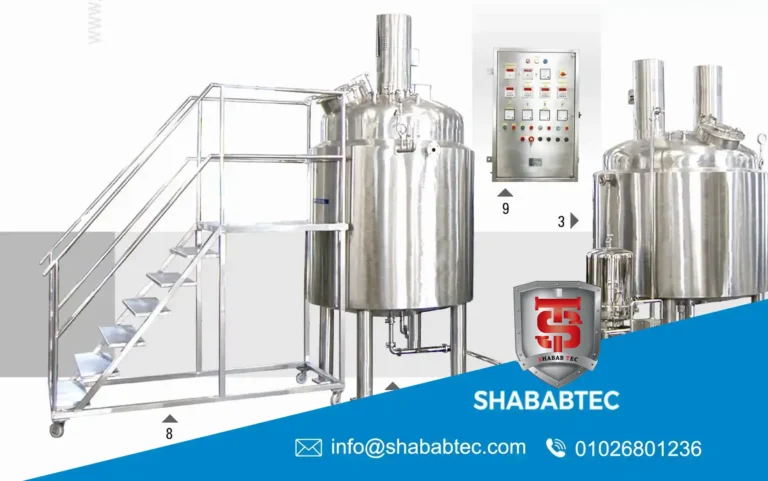
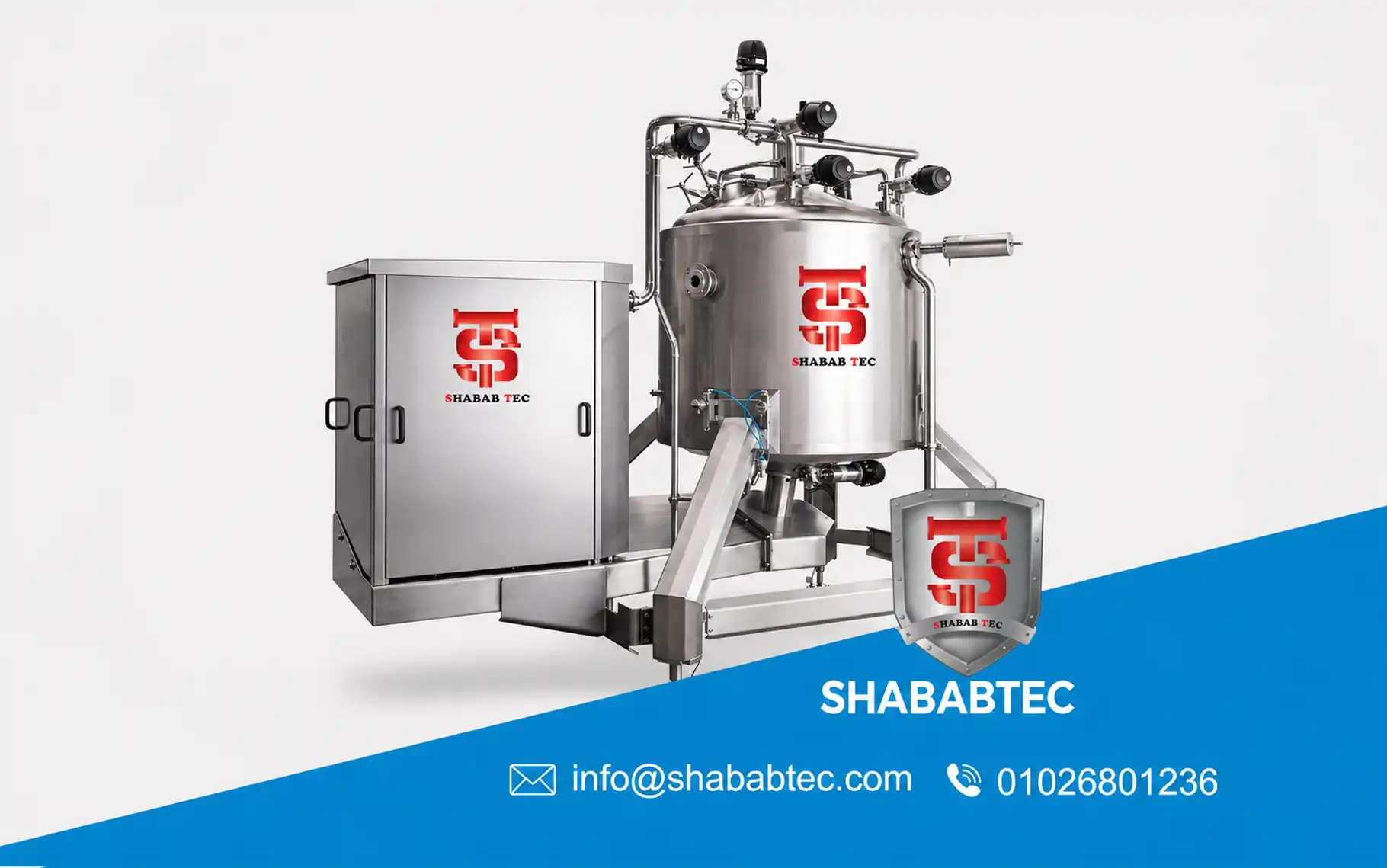
Batch Mixing Tank vs Continuous Mixing
Batch vs Continuous Mixing | Choosing the Right Industrial Mixing Process for Your Factory
Choosing between a batch mixing tank and a continuous mixing system is an important decision for any factory planning a new production line or upgrading existing equipment. The right choice affects production speed, product consistency, labor needs, cleaning time, flexibility, maintenance, and total operating cost.
Some factories need flexible production with different recipes, colors, fragrances, viscosities, or batch sizes. In this case, batch production may be better. Other factories produce the same product in large volume every day and need steady output with less stopping time. In that case, continuous production may be more suitable.
This guide explains batch vs continuous mixing in a practical way, including how each system works, where each one is used, and how to choose the right industrial mixing process for food, cosmetics, pharmaceuticals, chemicals, detergents, adhesives, sauces, creams, gels, syrups, paints, and semi-solid products. It also explains how ShababTec can support factories with practical production systems mixing and reliable mixing tank operation.
See Also: Industrial Stainless Steel Mixing Tanks – Complete Guide
What is a Batch Mixing Tank?
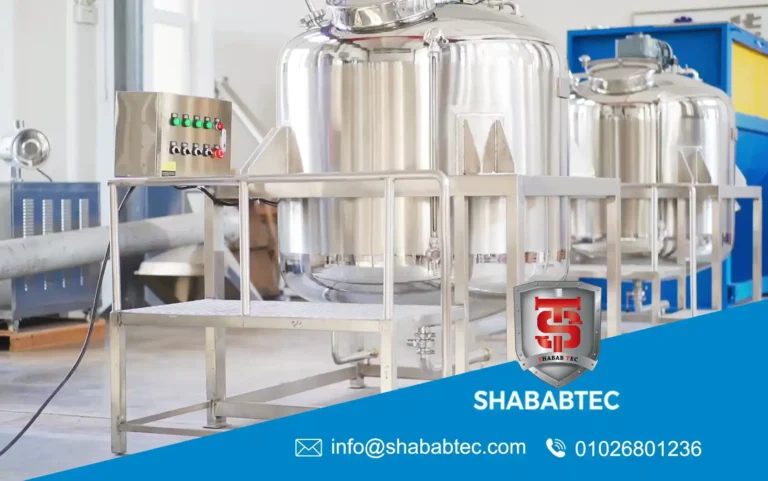
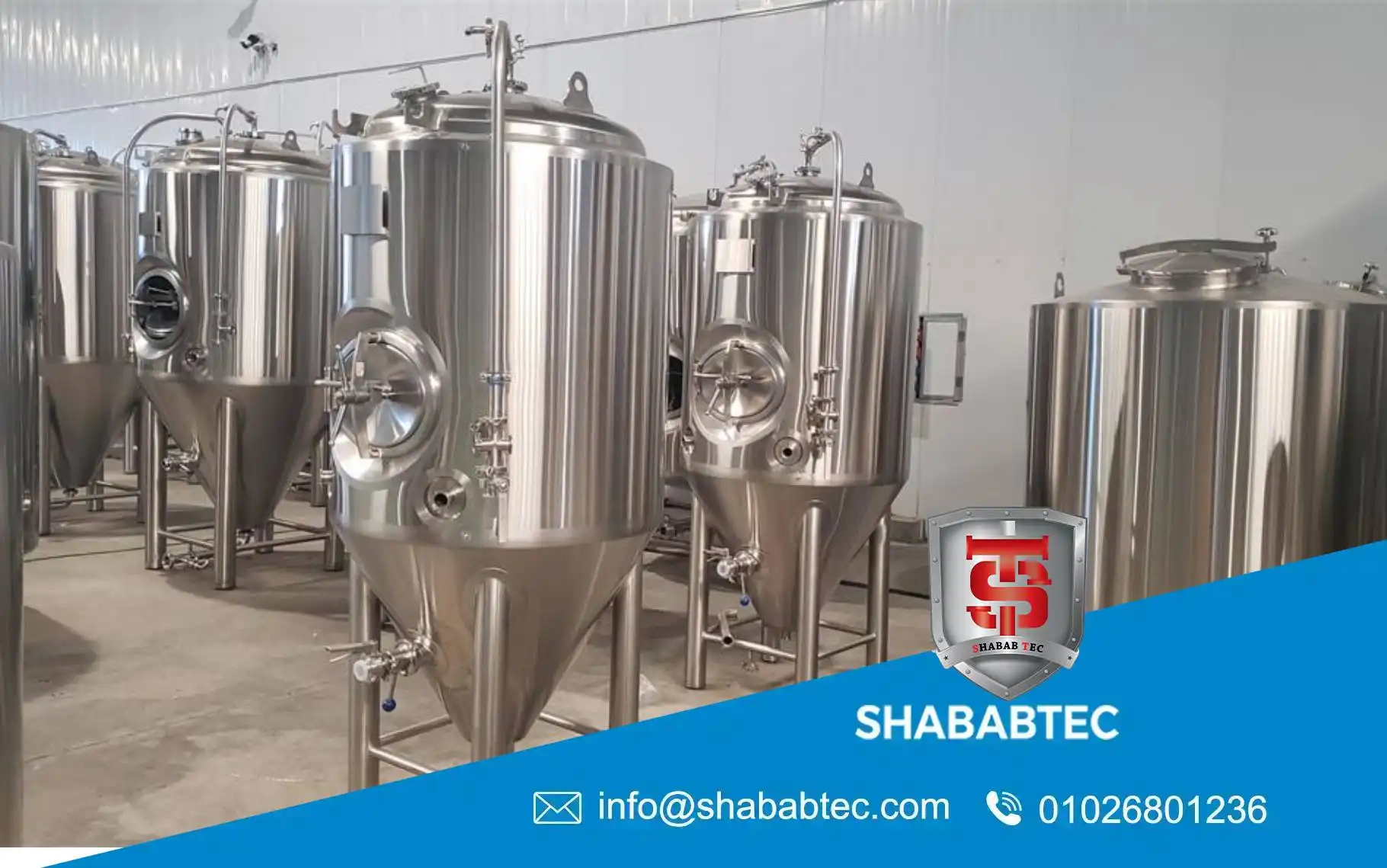
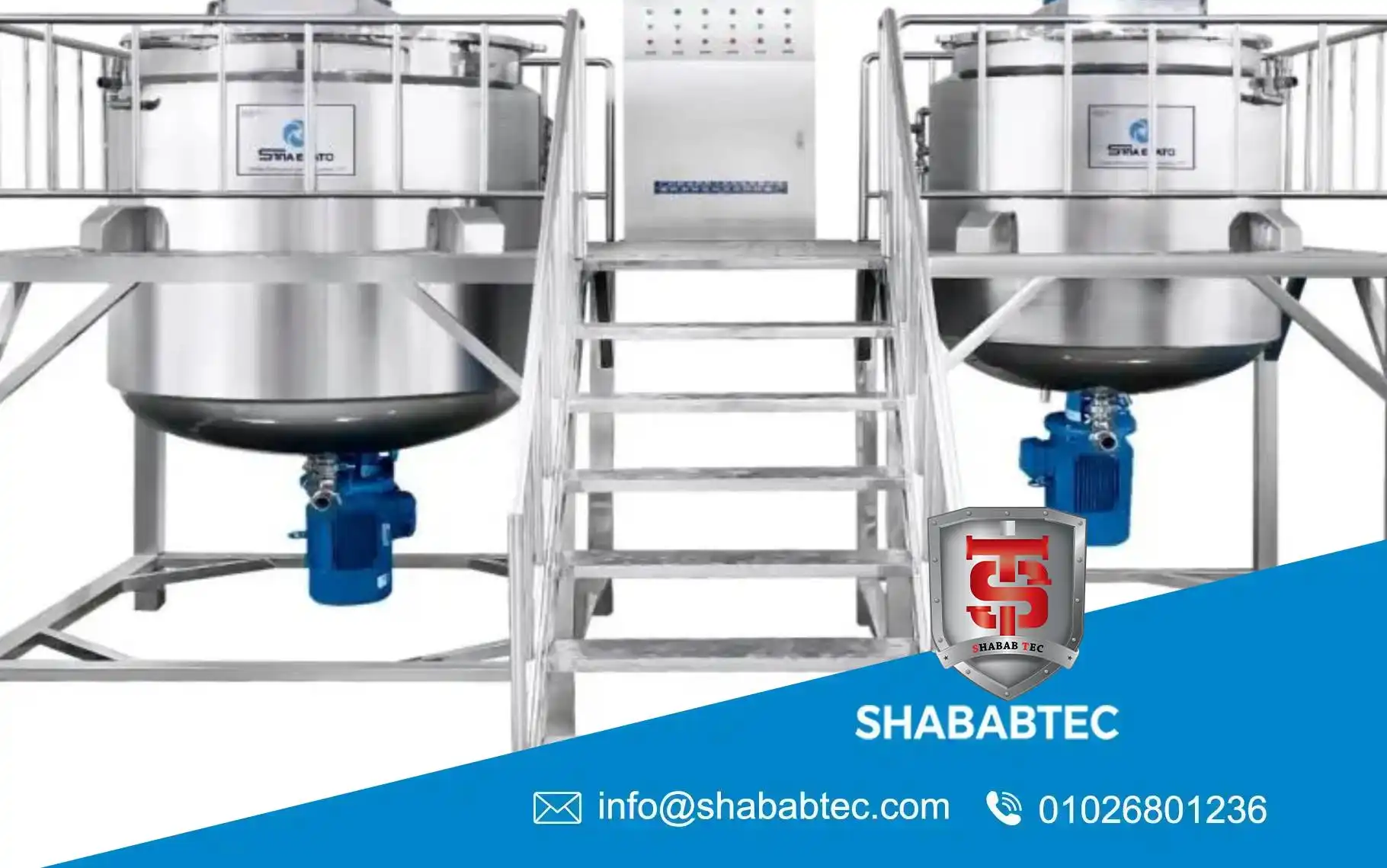
A batch mixing tank is a tank used to prepare a fixed quantity of product at one time. Raw materials are added into the tank according to the formula, the mixer runs for a specific time, the product is checked, then discharged to filling, storage, or another process stage.
After discharge, the tank can be cleaned and prepared for the next batch. The next batch may be the same product or a different product depending on the factory’s production plan.
A batch mixing tank is commonly used in factories that produce products with different formulas, batch sizes, fragrances, colors, or viscosity levels. It gives the production team more flexibility and better control over each batch.
What is a Continuous Mixing System?
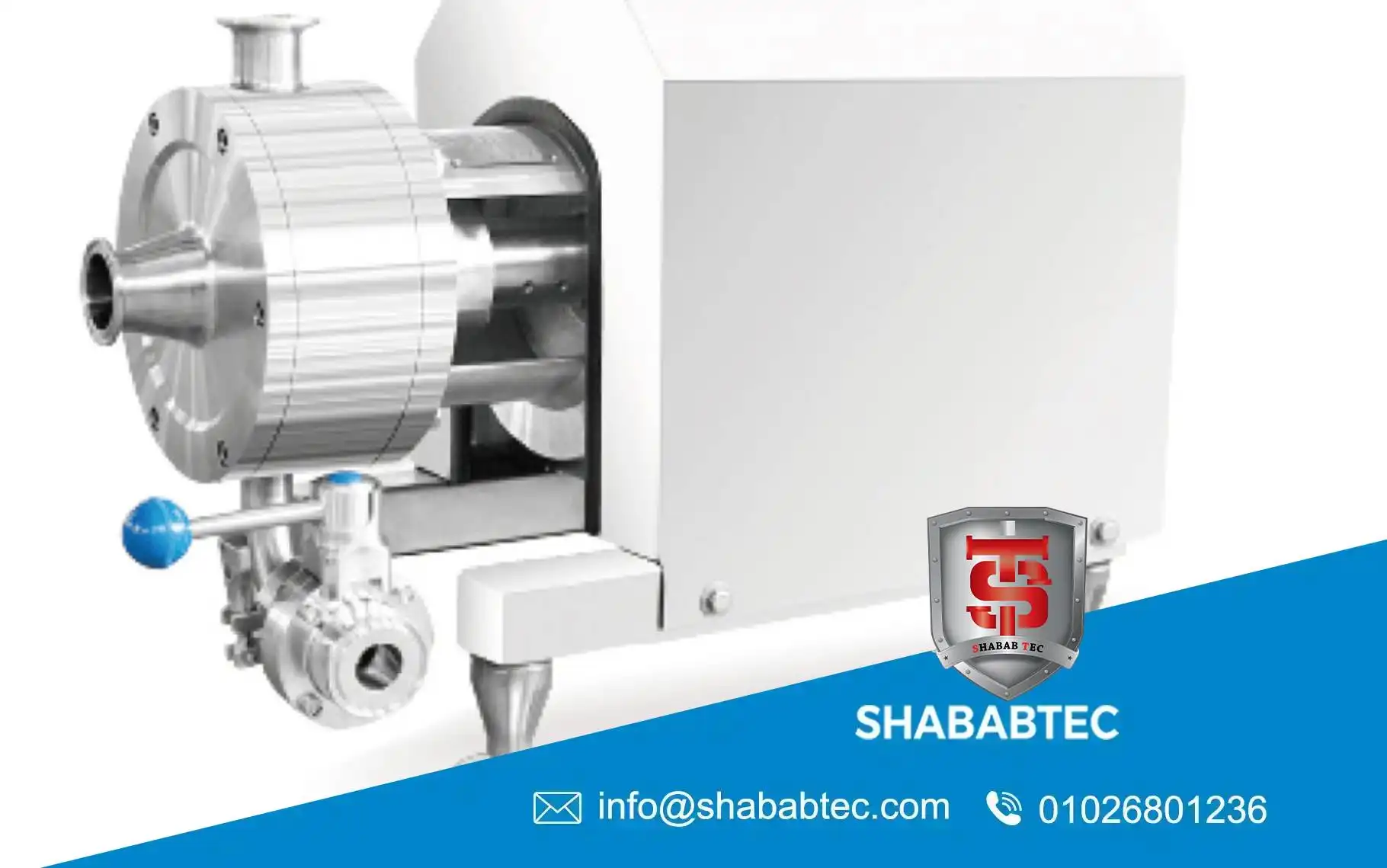
A continuous mixing system is designed to mix ingredients continuously while product flows through the system. Instead of preparing one batch, discharging it, cleaning the tank, and starting again, materials enter the system at controlled rates and finished product exits continuously.
This type of system is useful when the factory produces large volumes of the same product with stable formula and steady demand. It can reduce downtime between batches and support higher output when designed correctly.
A continuous mixing system usually needs accurate feeding, flow control, inline mixing, process monitoring, and stable raw material supply. It is less flexible than batch mixing but can be highly efficient for high-volume production.
Batch vs Continuous Mixing | Main Difference
The main difference in batch vs continuous mixing is how the product is produced. Batch mixing produces a fixed quantity at a time. Continuous mixing produces product as a continuous flow.
| Comparison Point | Batch Mixing Tank | Continuous Mixing System |
| Production style | One batch at a time | Continuous product flow |
| Flexibility | High flexibility for different recipes | Better for repeated same product |
| Best use | Small to medium batches, custom products, multiple formulas | High-volume production with stable formula |
| Cleaning | Cleaning between batches may be needed | Cleaning depends on line design and product changeovers |
| Quality control | Easy to check each batch before discharge | Needs continuous monitoring and process control |
| Investment | Usually simpler and more practical for many factories | Usually more complex and higher in control requirements |
| Operation | Suitable for flexible production schedules | Suitable for steady production runs |
How Batch Mixing Tank Operation Works
Mixing tank operation in a batch system follows clear steps. The exact process changes according to product type, but the general method is similar in many industries.
Step 1 | Prepare the Tank
The operator checks that the tank is clean, the discharge valve is closed, the agitator is ready, and the control panel is working. If the product needs heating or cooling, the jacket system is also checked.
Step 2 | Add Raw Materials
Raw materials are added according to the formula. Some ingredients may be added first, while others are added later depending on the process. For example, water may be added before surfactants in detergent production, while oil and water phases may be prepared separately in cream production.
Step 3 | Start Mixing
The mixer runs at the required speed. Speed may be fixed or variable depending on the product. A batch mixing tank may use low shear, high shear, scraper movement, homogenizer, or simple agitation depending on the process.
Step 4 | Heating or Cooling if Needed
Some products require heating to dissolve, melt, or reduce viscosity. Others require cooling before filling or before adding heat-sensitive ingredients. Jacketed tanks are useful in these cases.
Step 5 | Quality Check
The batch is checked for texture, color, viscosity, smell, uniformity, temperature, and general product quality. In batch production, this check is easier because the full batch is inside one tank.
Step 6 | Discharge
After approval, the product is discharged to filling, storage, or transfer. Thick products may need pump support, larger outlet, or scraper-assisted discharge.
Step 7 | Cleaning
The tank is cleaned before the next batch, especially when changing product, color, fragrance, or formula.
How Continuous Mixing System Operation Works
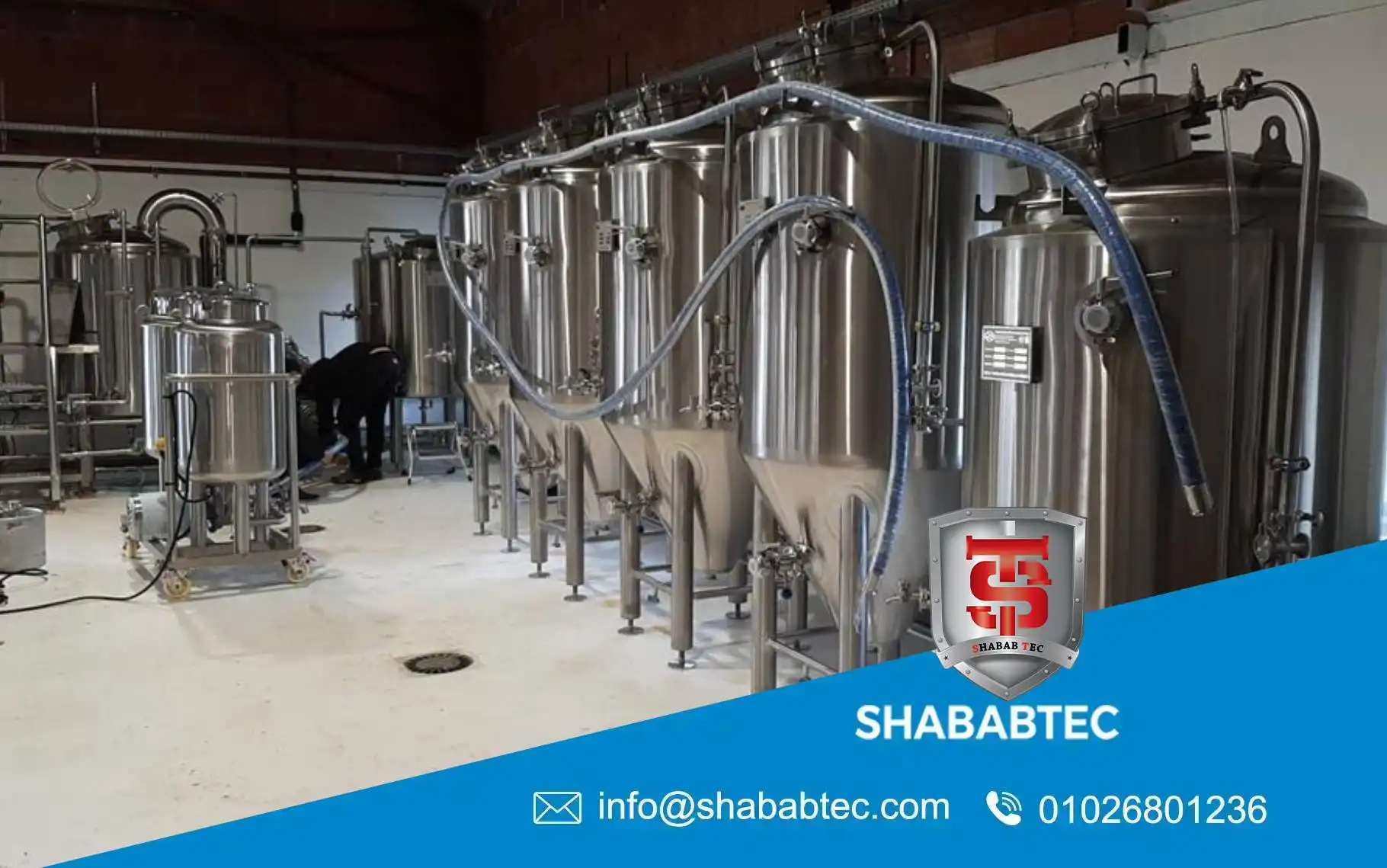
A continuous mixing system works by feeding ingredients into the mixer at controlled flow rates. The system must maintain the correct ratio between ingredients while the product moves through the line.
Step 1 | Raw Material Feeding
Each raw material is supplied through a controlled feeding system. This may include pumps, flow meters, dosing systems, or feeding tanks.
Step 2 | Inline Mixing
Ingredients pass through an inline mixer, static mixer, high-shear mixer, or continuous blending unit depending on product requirements.
Step 3 | Process Control
The system must control flow rate, mixing intensity, temperature, pressure, and ingredient ratios. Small changes in feeding can affect final product quality.
Step 4 | Continuous Output
The finished product exits continuously and moves to filling, holding, cooling, or another process stage.
Step 5 | Monitoring and Adjustment
Operators monitor the system during production. If viscosity, color, or quality changes, the process must be adjusted quickly to avoid producing a large quantity of off-spec product.
Industrial Mixing Process | When Batch Mixing is Better
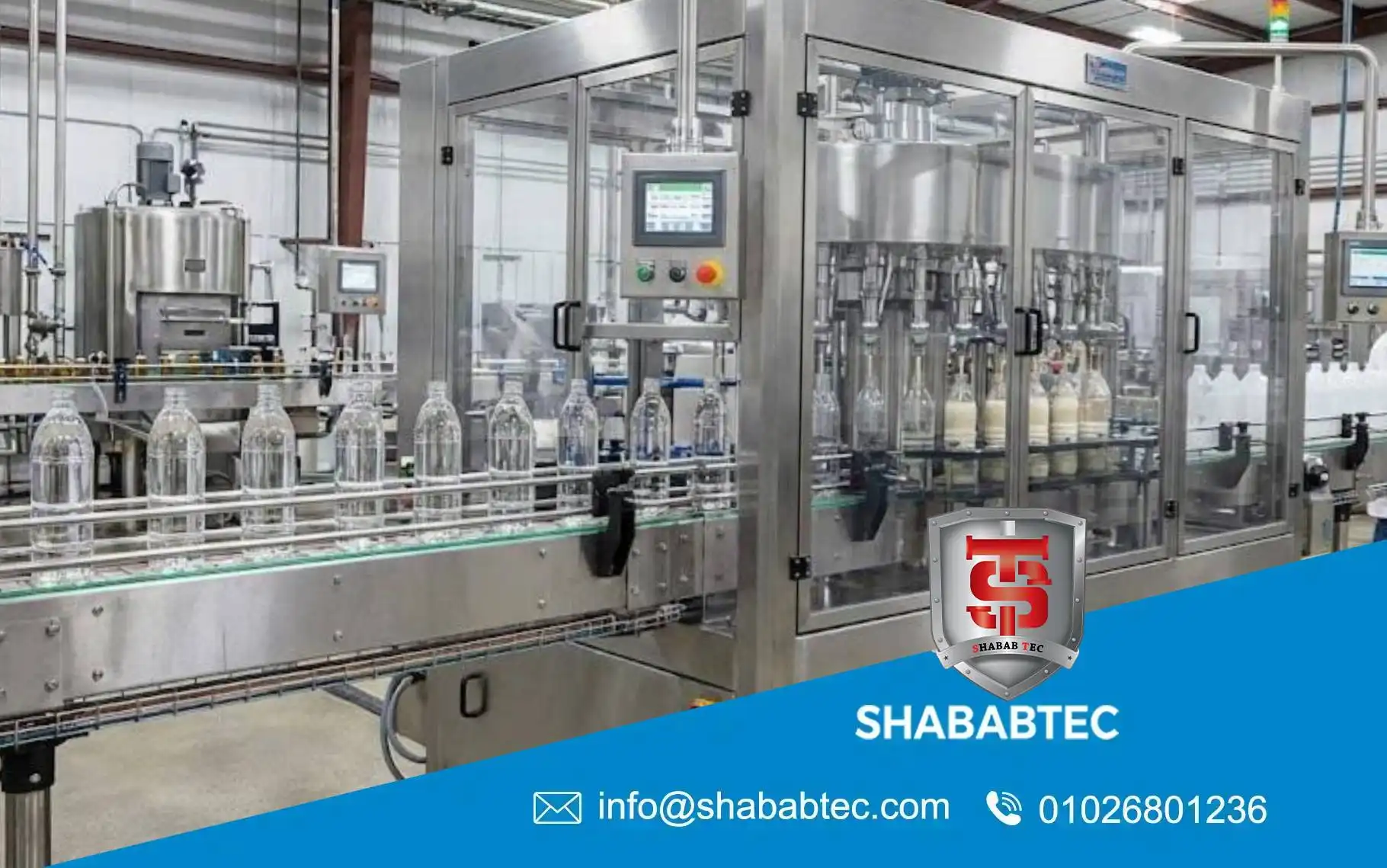
A batch system is often the better industrial mixing process when the factory needs flexibility, recipe changes, or close batch control.
Multiple Products
If the factory produces different products on the same equipment, a batch mixing tank is usually more practical. For example, a cosmetic factory may produce cream, lotion, gel, shampoo, and liquid soap in different batches.
Different Colors or Fragrances
When colors or fragrances change often, batch mixing gives better control and easier changeover.
Small and Medium Production
For many small and medium factories, batch mixing is easier to manage and more cost-effective than a continuous line.
High-Viscosity Products
Thick products such as creams, ointments, adhesives, gels, pastes, chocolate, and jam are often easier to control in a batch tank with suitable agitator, scraper, heating, cooling, and discharge system.
Quality Check Before Filling
Batch production allows the factory to test the whole batch before discharge. This is useful for sensitive products where final approval is needed before filling.
Industrial Mixing Process | When Continuous Mixing is Better
A continuous system can be better when the factory produces high volumes of the same product with stable formula and steady demand.
Large Volume Production
A continuous mixing system is suitable when the same product is produced for long periods. It can reduce downtime and support higher output.
Stable Formula
Continuous systems work best when the formula does not change often. Frequent recipe changes can make continuous operation more complicated.
Lower Batch Waiting Time
Since the product flows continuously, the factory may reduce the time spent filling, emptying, and restarting batches.
Automated Production
Continuous systems are often connected with automated feeding, monitoring, and filling systems. This can reduce manual handling when production is large enough to justify the setup.
Consistent Raw Material Supply
A continuous system needs raw materials available at stable flow rates. If supply is irregular, product quality may be affected.
Batch vs Continuous Mixing by Industry
Food Industry
Food factories may use both systems depending on the product. Sauces, jam, chocolate, and fruit fillings are often produced in batch tanks because they may need heating, scraper movement, texture control, and recipe flexibility. Some beverages or simple liquid products may use continuous mixing when volume is high.
Cosmetic Industry
Cosmetic products such as creams, lotions, gels, shampoos, and liquid soap are commonly produced in batch tanks because formulas, fragrances, colors, and viscosities often change. A batch mixing tank gives better control over emulsification, homogenizing, cooling, and final texture.
Pharmaceutical Industry
Pharmaceutical syrups, gels, ointments, creams, and liquid medicine often need controlled batch quality. Batch mixing allows easier testing and documentation before discharge. Continuous systems may be used in specialized high-volume processes, but they need strict control.
Chemical Industry
Chemical factories may use batch or continuous systems. Paint, adhesive, detergent, fertilizer, and coatings may be made in batch tanks when formulas vary. Continuous systems may be used for large-volume chemical liquids with stable formulas.
Detergent and Liquid Soap Industry
Liquid soap and detergent production can use batch tanks for flexible production. A continuous line may be useful for high-volume standard products where the same formula runs for long periods.
Production Systems Mixing | Key Factors Before Choosing
Production systems mixing should be selected based on product behavior, production target, investment level, and operation style.
Product Variety
If the factory produces many products, batch mixing is usually more flexible. If the factory produces one product in high volume, continuous mixing may be considered.
Product Viscosity
High-viscosity products usually need stronger control, scraper systems, heating, and special discharge. Batch tanks are often more practical for these products.
Production Volume
Low and medium volume production often fits batch mixing. Very high volume production may justify continuous systems.
Quality Control Needs
If the product needs batch testing before filling, batch mixing gives better control. Continuous systems need inline monitoring and faster correction.
Cleaning and Changeover
If the product changes frequently, cleaning and changeover time become important. Batch tanks may be easier to clean between different products. Continuous lines can be efficient for one product but more complex when changing formulas.
Available Factory Space
Batch tanks may need space for tank, pumps, and storage. Continuous systems may need feeding tanks, pumps, controls, inline mixers, and longer piping.
Automation Level
Continuous production usually needs more automation and process control. Batch production can be manual, semi-automatic, or automated depending on budget and requirement.
Mixing Tank Operation | Common Problems in Batch Systems
Batch Variation
Batch variation can happen when operators change mixing time, speed, ingredient order, or temperature. Clear operating procedures help reduce this issue.
Long Mixing Time
Long mixing time may be caused by wrong agitator type, low motor power, poor blade position, or high product viscosity.
Poor Discharge
Thick products may discharge slowly if the outlet is too small or the tank bottom design is not suitable.
Product Buildup
Sticky products may remain on tank walls without scraper movement. This can affect batch uniformity and cleaning time.
Cleaning Delays
Batch systems need cleaning between products. Poor tank design can make cleaning slow and difficult.
Continuous Mixing System | Common Operation Challenges
Feeding Accuracy
A continuous mixing system depends on accurate ingredient feeding. If one feed rate changes, the whole product quality can change.
Process Monitoring
Continuous production needs strong monitoring because off-spec product can be produced quickly if something goes wrong.
Formula Changes
Changing formulas in a continuous system can be more complicated than in batch production.
Cleaning the Line
Cleaning pipes, inline mixers, pumps, and feeding systems may be more complex than cleaning one tank.
Initial Setup Cost
Continuous systems usually need more controls, dosing systems, pumps, and automation, which increases complexity and cost.
Batch Mixing Tank Advantages
A batch mixing tank offers several practical advantages for many factories:
- High flexibility for different products
- Easier recipe changes
- Better control over each batch
- Suitable for small and medium production
- Practical for high-viscosity products
- Easier quality check before discharge
- Can include heating, cooling, vacuum, scraper, and homogenizer
- More practical for factories with many formulas
- Can be customized according to product behavior
This is why batch mixing remains one of the most common industrial production methods.
Continuous Mixing System Advantages
A continuous mixing system also has strong advantages when the production conditions are suitable:
- High output for stable products
- Less stop-start time
- Steady product flow
- Good for long production runs
- Can reduce manual handling with automation
- Can connect directly to filling or downstream processing
- Useful for large-volume standard products
The main point is that continuous production should be chosen when the formula, demand, and control system are ready for it.
Batch vs Continuous Mixing | Which One is Better?
There is no single winner in batch vs continuous mixing. The better system depends on the factory’s product and production target.
Choose batch mixing when:
- You produce multiple products
- Recipes change often
- Colors or fragrances change regularly
- You need quality approval for each batch
- The product is thick or semi-solid
- The process needs heating, cooling, scraper, or vacuum
- Production volume is small or medium
- You need practical operation and easier changeover
Choose continuous mixing when:
- You produce one product in high volume
- The formula is stable
- Raw material feeding can be controlled accurately
- Automation is available
- Long production runs are required
- Inline quality control is possible
- The factory wants steady product flow
Why Choose ShababTec for Production Systems Mixing?
ShababTec helps factories choose between batch mixing tank systems and continuous or semi-continuous solutions based on real product behavior, not only production theory. This is important because the best system depends on viscosity, formula changes, production volume, cleaning needs, and available factory utilities.
For batch production, ShababTec can provide stainless steel tanks with suitable agitators, motor power, gearbox, heating jacket, cooling jacket, scraper system, homogenizer, vacuum option, discharge valve, and control panel. This helps factories manage flexible production and improve mixing tank operation.
For factories considering a continuous mixing system, ShababTec can help review whether the product and production target are suitable for continuous flow, or whether batch mixing is more practical. This prevents buyers from investing in a system that may be too complex for their actual production needs.
How ShababTec Supports Mixing Tank Operation
Good equipment is only part of successful production. Correct mixing tank operation also depends on agitator selection, speed control, ingredient addition, temperature handling, discharge design, and cleaning access.
ShababTec can support factories with:
- Choosing the right batch mixing tank capacity
- Selecting agitator type based on viscosity
- Adding scraper systems for sticky products
- Adding heating and cooling for temperature control
- Adding homogenizer or high-shear mixer when needed
- Improving discharge design for thick products
- Fabricating stainless steel tanks for industrial production
- Supporting practical operation and maintenance needs
- Helping factories compare batch vs continuous mixing realistically
This practical support helps factories build a production system that fits their daily workflow, not just a standard machine.
Maintenance Tips for Batch and Continuous Mixing Systems
Batch Mixing Tank Maintenance
- Clean the tank after every batch
- Inspect agitator blades for buildup or damage
- Check motor and gearbox sound during operation
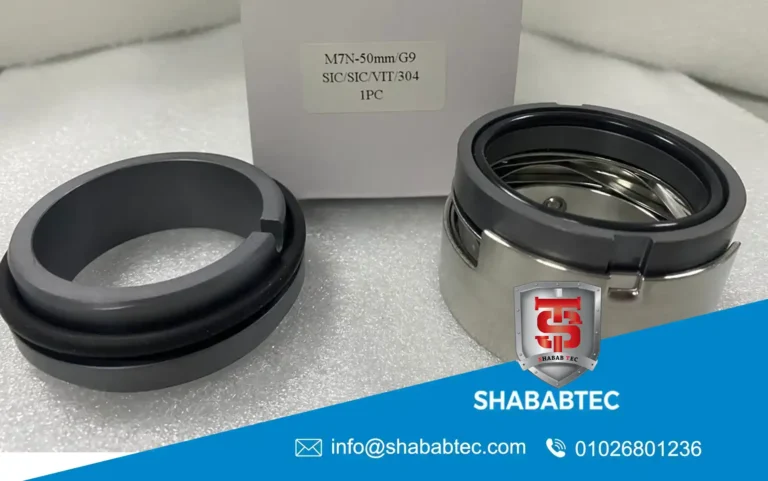
- Inspect shaft seal for leakage
- Check scraper blades if available
- Clean discharge valve and outlet path
- Review speed settings for each product
- Check heating and cooling jacket connections
- Record batch performance and repeated issues
Continuous Mixing System Maintenance
- Check feeding pumps and dosing accuracy
- Inspect inline mixer parts
- Clean pipes and product paths regularly
- Check flow meters and sensors
- Inspect valves and seals
- Monitor product quality during operation
- Check control system settings
- Clean the system properly during product changeover
- Maintain raw material supply tanks
Final Thoughts
The choice between a batch mixing tank and a continuous mixing system should be based on real production needs. Batch mixing is flexible, practical, and suitable for many factories with different products, changing formulas, or high-viscosity materials. Continuous mixing is powerful for high-volume production when the formula is stable and process control is strong.
A clear batch vs continuous mixing comparison should include product type, viscosity, production volume, formula changes, quality control needs, cleaning time, automation level, and investment budget. The right industrial mixing process is the one that supports stable quality and smooth daily operation.
For factories planning production systems mixing, ShababTec can help select, design, and fabricate practical stainless steel mixing solutions that match product behavior, capacity, and long-term production targets.
FAQ – Batch vs Continuous Mixing
What is a batch mixing tank?
A batch mixing tank is a tank used to prepare a fixed quantity of product at one time. Ingredients are added, mixed, checked, then discharged before the next batch starts.
What is a continuous mixing system?
A continuous mixing system mixes ingredients while they flow through the system, allowing finished product to exit continuously instead of being produced one batch at a time.
What is the difference between batch vs continuous mixing?
Batch mixing produces one batch at a time and offers more flexibility. Continuous mixing produces a steady flow and is better for high-volume production with stable formulas.
What is an industrial mixing process?
An industrial mixing process is the method used to combine ingredients in production, including batch mixing, continuous mixing, blending, dispersion, emulsification, homogenizing, heating, cooling, and discharge.
What does production systems mixing mean?
Production systems mixing means choosing the full mixing setup for the factory, including tanks, mixers, pumps, controls, feeding method, discharge, cleaning, and operation style.
How can I improve mixing tank operation?
You can improve mixing tank operation by choosing the right agitator, using proper speed control, matching motor power to viscosity, improving ingredient addition, using heating or cooling when needed, and cleaning the tank correctly after production.
See Also: agitator issues | food jam tank