Shampoo Mixing Tank for Industrial Shampoo Production
Shampoo Mixing Tank for Industrial Shampoo Production
Shampoo production needs accurate mixing, controlled temperature, smooth texture, and equipment that can handle different ingredients without separation or air bubbles. Whether the factory produces basic shampoo, herbal shampoo, medicated shampoo, hotel shampoo, or cosmetic hair care products, choosing the right shampoo mixing tank is essential for stable production quality.
A professional shampoo mixer helps blend water, surfactants, fragrances, colors, active ingredients, thickeners, and additives into one consistent product. Shampoo may look simple from the outside, but during manufacturing it requires careful handling because foam, viscosity changes, and ingredient separation can easily affect the final result.
For factories in Egypt and the region, ShababTec provides practical stainless steel mixing solutions suitable for liquid and semi-liquid production, including shampoo, liquid soap, lotion, cream, syrup, and other cosmetic products. The right liquid shampoo tank should match the formula, batch size, viscosity, heating needs, and daily production requirements.
See Also: Industrial Stainless Steel Mixing Tanks – Complete Guide
What is a Shampoo Mixing Tank?
A shampoo mixing tank is an industrial tank used to mix and prepare shampoo products under controlled conditions. It is designed to combine liquid ingredients, dissolve thickeners, disperse additives, and produce a smooth, stable shampoo mixture.
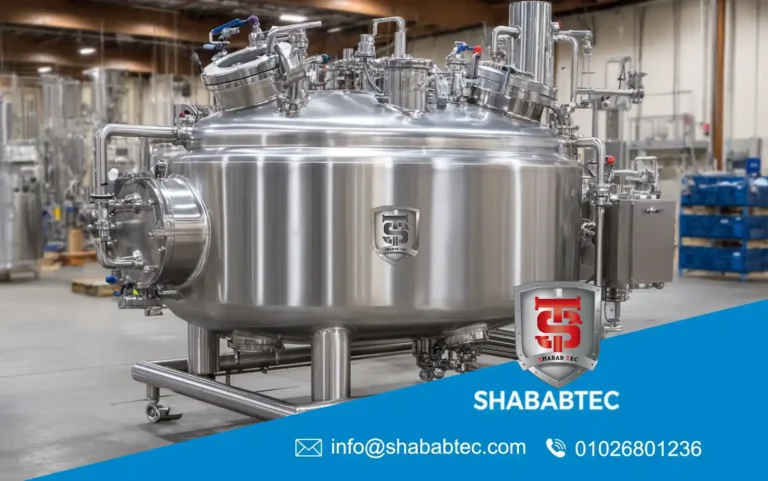
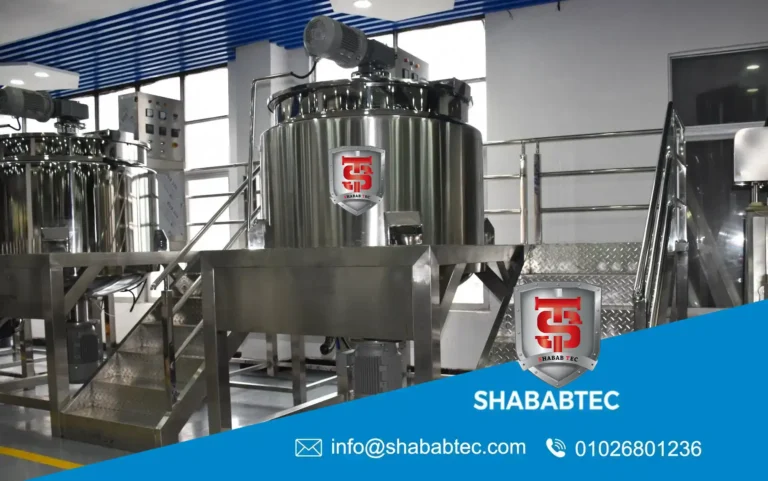
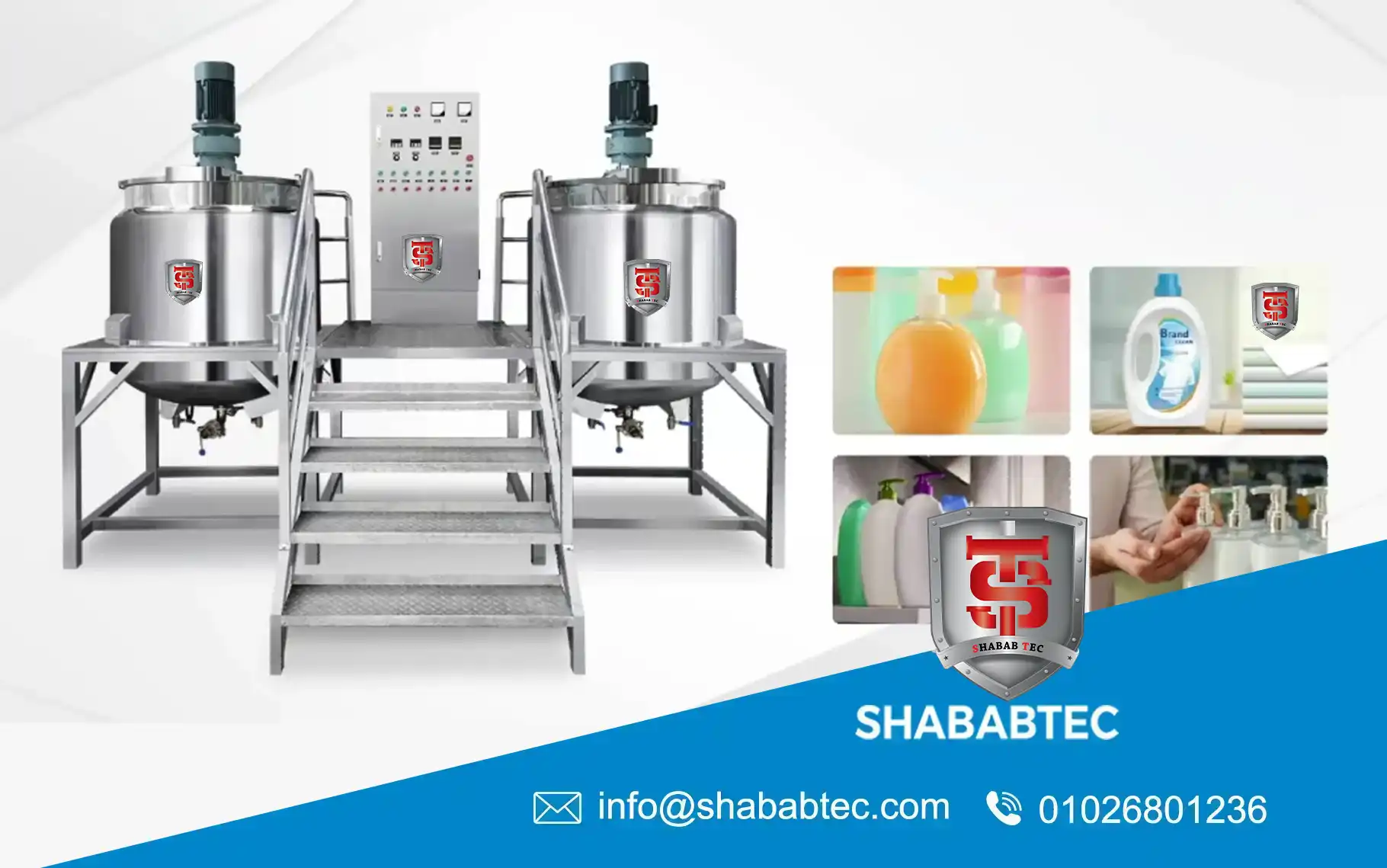
The tank usually includes a stainless steel body, agitator, motor, shaft, mixing blades, discharge valve, and sometimes heating, cooling, vacuum, or speed control depending on the product and production level.
A mixing tank shampoo system is not the same as a basic water tank. It must be designed to handle foam control, viscosity, ingredient addition order, and easy cleaning between batches. This makes tank design an important part of shampoo production quality.
Why Shampoo Mixer Design Matters
The design of the shampoo mixer affects texture, clarity, viscosity, fragrance distribution, foam level, and overall product consistency. If the mixing system is too weak, ingredients may not blend properly. If it is too aggressive, the product may trap air and create excessive foam.
Common problems caused by poor shampoo mixing include:
- Uneven viscosity
- Ingredient separation
- Too much foam during production
- Color or fragrance not distributed evenly
- Thickener not fully dissolved
- Air bubbles in the final product
- Difficult discharge and filling
- Long cleaning time after production
A suitable cosmetic shampoo mixer helps reduce these problems and supports smoother daily production.
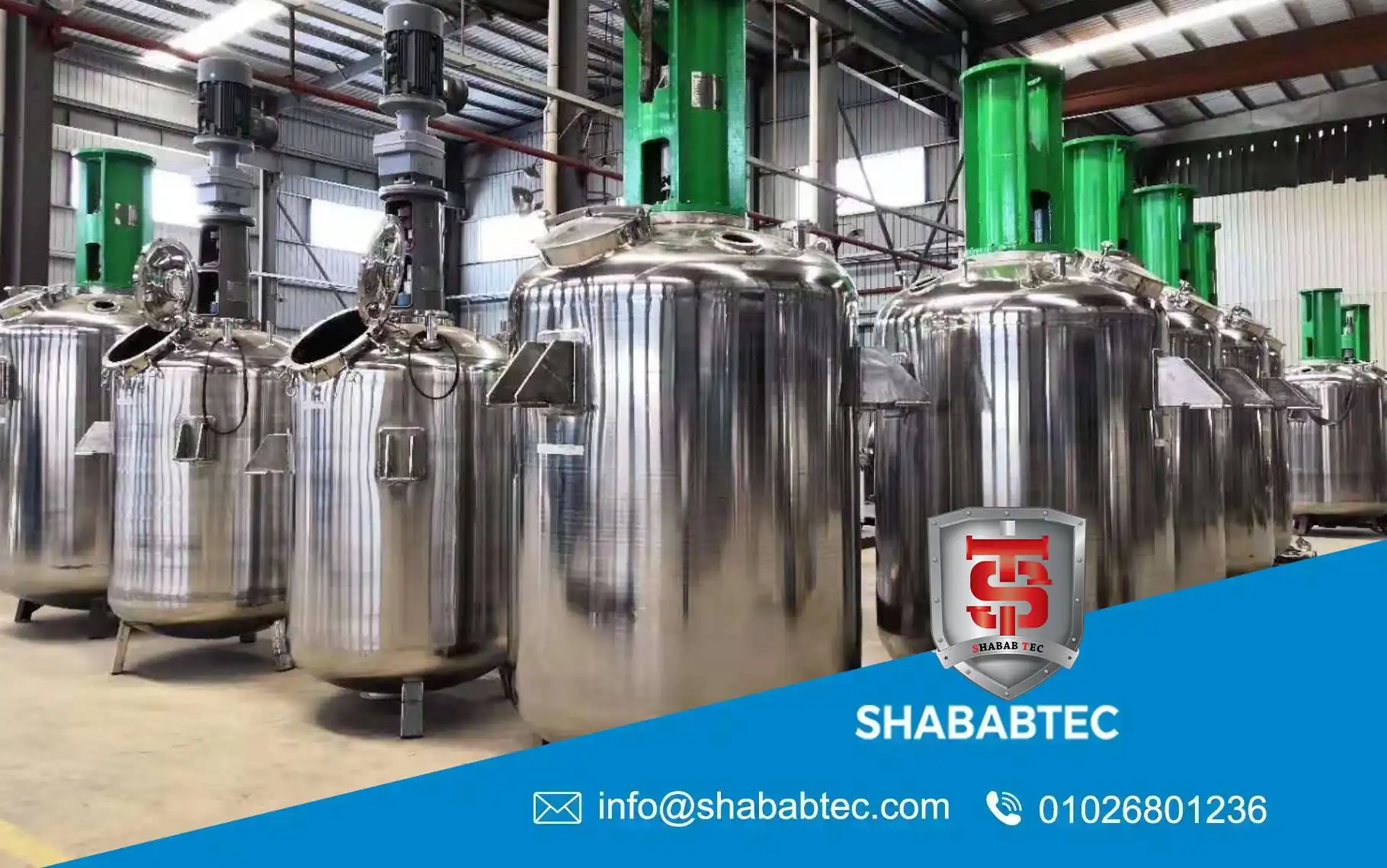
Main Components of a Liquid Shampoo Tank
Stainless Steel Tank Body
The tank body is the main vessel of the liquid shampoo tank. Stainless steel is commonly used because it is hygienic, durable, corrosion-resistant, and easy to clean. For cosmetic products, smooth internal surfaces are important to reduce residue and support clean production.
The tank body should be sized according to batch volume. A tank that is too small slows production, while a tank that is too large may make small batches harder to mix properly.
Agitator System
The agitator is the part that moves the shampoo inside the tank. For shampoo production, the agitator must create enough movement for blending without causing too much foam.
The agitator design may be paddle, propeller, anchor, or another suitable type depending on viscosity and formula. A good shampoo mixer should move the product evenly from top to bottom and prevent dead zones inside the tank.
Motor and Gearbox
The motor provides power to the mixing system. The required motor power depends on tank capacity, shampoo viscosity, and mixing blade design. Some shampoo formulas are light, while others become thicker after adding salt, thickener, or conditioning agents.
A gearbox may be used when the tank needs lower speed with stronger torque. This is useful for thicker shampoo products.
Mixing Blades
Mixing blades affect product movement and foam generation. For shampoo, the blade should provide controlled circulation without aggressive splashing.
Strong but gentle movement helps the mixing tank shampoo produce a uniform mixture while reducing air bubbles.
Heating System
Some shampoo formulas need gentle heating to dissolve ingredients, improve blending, or reduce processing time. A jacketed tank can provide controlled heat around the vessel.
Not every shampoo needs heating, but having a heating option can be useful when the formula includes waxy ingredients, thickening agents, or materials that dissolve better at warm temperature.
Cooling System
Cooling may be needed after heating or before adding fragrance, color, or heat-sensitive ingredients. A shampoo production tank with cooling capability gives the production team more flexibility when working with different formulas.
Discharge Valve
The discharge valve controls how shampoo leaves the tank. Since shampoo can be viscous, the valve should be suitable for smooth flow and easy cleaning.
A bottom discharge valve is often practical because it helps empty the tank better and reduces product waste.
Control Panel
The control panel helps operators manage mixer speed, operation time, heating, cooling, and sometimes temperature display. Speed control is especially useful in shampoo production because different stages may need different mixing speeds.
Applications of Shampoo Mixing Tank
Basic Shampoo Production
A shampoo mixing tank is used to produce standard shampoo formulas for daily hair washing products. It helps blend surfactants, water, fragrance, color, and additives into a uniform product.
Herbal Shampoo Production
Herbal shampoos may contain extracts, oils, or plant-based ingredients. A suitable cosmetic shampoo mixer helps distribute these ingredients evenly without affecting texture.
Medicated Shampoo Production
Medicated shampoo requires more careful mixing because active ingredients must be distributed consistently. The liquid shampoo tank should support hygiene, accurate mixing, and controlled processing.
Conditioning Shampoo Production
Some shampoos include conditioning agents that affect viscosity and feel. The shampoo mixer must handle these ingredients without separation or uneven texture.
Hotel and Bulk Shampoo Production
Factories that produce shampoo in bulk for hotels, private label brands, or large distributors need a reliable shampoo production tank with suitable capacity and easy operation.
Types of Shampoo Mixer Systems
Standard Shampoo Mixer
A standard shampoo mixer is suitable for simple liquid shampoo formulas. It usually includes a stainless steel tank, motor, agitator, and discharge valve.
Jacketed Shampoo Mixing Tank
A jacketed shampoo mixing tank includes a heating or cooling jacket around the tank body. This design is useful when the formula needs temperature control.
Vacuum Cosmetic Shampoo Mixer
A vacuum cosmetic shampoo mixer helps reduce air bubbles in the product. This is useful for premium shampoo products where appearance and smooth texture are important.
High-Viscosity Liquid Shampoo Tank
Some shampoo products are thick and need stronger mixing. A high-viscosity liquid shampoo tank may include a stronger motor, slower agitator, or scraper system depending on product behavior.
Multi-Function Shampoo Production Tank
A multi-function shampoo production tank can include mixing, heating, cooling, vacuum, and homogenizing depending on the formula. This type is suitable for factories that produce different cosmetic products using one flexible system.
Important Design Factors for Mixing Tank Shampoo
Viscosity
Viscosity is one of the most important points in mixing tank shampoo design. Shampoo may be light during the first stage, then become thicker after adding salt or thickener. The mixer must handle this change without motor overload.
Foam Control
Shampoo naturally creates foam because it contains surfactants. The mixing system should avoid unnecessary air intake. Controlled speed and suitable blade design help reduce foam during production.
Batch Capacity
The tank size should match daily production needs. Small factories may use compact tanks, while large factories need larger shampoo production tank systems with stronger motors and faster discharge.
Ingredient Addition Order
The tank should allow operators to add ingredients safely and easily. Some ingredients must be added slowly to avoid lumps, foam, or separation.
Heating and Cooling Needs
Some shampoo formulas need heating to dissolve materials, while others are mixed at room temperature. Cooling may be needed before adding fragrance or active ingredients. The right liquid shampoo tank design depends on the formula.
Cleaning Requirements
Shampoo residue can stick to the tank wall, valves, and mixing blades. A smooth stainless steel surface and practical access openings make cleaning easier and faster.
Material Selection
Stainless steel 304 is suitable for many shampoo products. Stainless steel 316 may be selected for more sensitive formulas or stricter production requirements. The material should also be compatible with cleaning chemicals.
Benefits of Using a Professional Shampoo Production Tank
Using a suitable shampoo production tank provides practical benefits for factories:
- More consistent shampoo texture
- Better fragrance and color distribution
- Lower risk of ingredient separation
- Reduced foam during production
- Improved batch repeatability
- Easier cleaning between batches
- Better control over viscosity
- Higher production efficiency
For factories that produce shampoo regularly, these benefits can improve daily operation and final product quality.
Common Problems in Shampoo Production
Excessive Foam
Foam is one of the most common problems in shampoo manufacturing. It may happen because of high mixing speed, poor blade design, or incorrect ingredient addition. A suitable cosmetic shampoo mixer helps control movement and reduce air intake.
Uneven Viscosity
Viscosity problems may happen when thickeners or salts are not mixed correctly. A proper shampoo mixer helps distribute thickening materials evenly.
Ingredient Separation
Some oils, extracts, or additives may separate if the mixing system is weak. A good shampoo mixing tank creates stable blending and reduces separation risk.
Air Bubbles
Air bubbles can affect product appearance and filling accuracy. A vacuum option or controlled mixing speed may help reduce bubbles inside the liquid shampoo tank.
Slow Production
Weak mixing, poor heating, or difficult discharge can slow production. A well-designed shampoo production tank improves workflow and reduces waiting time.
Difficult Cleaning
Shampoo can leave slippery residue inside the tank. Smooth surfaces, accessible valves, and good discharge design help make cleaning easier.
How to Choose the Right Shampoo Mixing Tank
Before choosing a shampoo mixing tank, the factory should review the product formula and production target. The right tank depends on the real process, not only the tank capacity.
Important questions include:
- What type of shampoo will be produced?
- What is the required batch capacity?
- What is the final viscosity?
- Does the formula create too much foam?
- Is heating or cooling needed?
- Will fragrance or active ingredients be added at low temperature?
- Is vacuum needed to reduce bubbles?
- What stainless steel grade is suitable?
- How often will the tank be cleaned?
- Will the same tank produce other cosmetic products?
These answers help define the agitator type, motor power, tank size, control system, and full mixing tank shampoo design.
Shampoo Mixing Tank for Small and Large Factories
Small factories may need a simple shampoo mixer with easy operation, moderate capacity, and flexible use. This is suitable for startups, small brands, and workshops producing shampoo in smaller batches.
Larger factories may need a bigger shampoo production tank with stronger motor power, heating and cooling systems, vacuum option, and better control over production steps.
The best choice is not always the largest tank. The best choice is the tank that matches the formula, production volume, factory space, and daily workflow.
Cosmetic Shampoo Mixer vs General Mixing Tank
A cosmetic shampoo mixer is designed for cosmetic production requirements, while a general mixing tank may not handle shampoo properly. Shampoo needs controlled mixing to reduce foam, distribute fragrance, dissolve thickeners, and maintain stable texture.
Using a general tank without proper mixer design may cause air bubbles, slow dissolving, or inconsistent viscosity. A purpose-built shampoo mixing tank gives better control over the final product.
Why ShababTec is a Practical Choice for Shampoo Mixing Tank Solutions
ShababTec provides stainless steel equipment for liquid and semi-solid preparation, including tanks suitable for shampoo, liquid soap, lotions, creams, gels, syrups, ointments, and other cosmetic products. For factories that need a reliable shampoo mixing tank, ShababTec can support practical designs based on product viscosity, batch capacity, heating needs, and production requirements.
Instead of choosing a standard tank that may not match the formula, factories can work with ShababTec to select a suitable mixing tank shampoo system for their actual production line.
This is useful for manufacturers that need one system for shampoo only or a flexible system that can handle several cosmetic liquid products.
Maintenance Tips for Shampoo Mixing Tank
Regular maintenance helps keep the shampoo mixing tank working efficiently and reduces unexpected production stops. Since shampoo can leave residue and foam traces, cleaning and inspection should be part of the daily routine.
- Clean the tank after each batch
- Rinse valves and discharge lines properly
- Check agitator blades for residue buildup
- Inspect the motor and gearbox for unusual noise
- Check shaft alignment and seals
- Monitor heating and cooling connections if available
- Check temperature sensors and control panel readings
- Avoid leaving shampoo residue inside the tank for long periods
- Follow a fixed maintenance schedule
Final Thoughts
A shampoo mixing tank is a key part of any shampoo production line. The right design helps control foam, viscosity, texture, fragrance distribution, ingredient stability, and cleaning time.
Whether your factory needs a simple shampoo mixer, a liquid shampoo tank with heating and cooling, or a more advanced cosmetic shampoo mixer, the equipment should be selected based on real formula behavior and production requirements.
ShababTec offers practical stainless steel solutions for factories that need reliable shampoo production tank systems and other equipment for cosmetic, liquid, and semi-solid manufacturing. A properly designed mixing tank shampoo system can help manufacturers produce stable shampoo quality with smoother daily operation.
FAQ – Shampoo Mixing Tank
What is a shampoo mixing tank used for?
A shampoo mixing tank is used to mix and prepare shampoo products by blending water, surfactants, thickeners, fragrance, color, and other ingredients into a consistent product.
What is the role of a shampoo mixer?
A shampoo mixer moves ingredients inside the tank to create uniform texture, distribute additives evenly, and control viscosity during production.
Can a liquid shampoo tank include heating?
Yes, a liquid shampoo tank can include heating if the formula needs warm processing to dissolve ingredients or improve blending.
Why is foam control important in a cosmetic shampoo mixer?
Foam control is important because excessive foam can slow production, affect filling accuracy, and create air bubbles in the final product.
How do I choose the right shampoo production tank?
Choose based on batch capacity, shampoo viscosity, foam behavior, heating or cooling needs, stainless steel grade, cleaning requirements, and whether vacuum is needed.
Can one mixing tank shampoo system be used for other cosmetic products?
Yes, depending on the design, a mixing tank shampoo system can also be used for liquid soap, shower gel, lotions, and other liquid cosmetic products.
See Also: lotion mixer | industrial tank structure