how to make liquid soap industrially | Guide 2026
How to Make Liquid Soap Industrially Complete Production Process and Equipment Guide
Many factories and startups search for how to make liquid soap industrially because liquid soap is one of the most demanded products in the detergent and personal care market. It is used in homes, hotels, restaurants, hospitals, factories, schools, and commercial facilities. But industrial production is different from small manual preparation. It needs controlled mixing, accurate ingredient addition, proper viscosity adjustment, stable fragrance distribution, and suitable equipment.
A successful liquid soap production process depends on the right formula, the right production steps, and the right soap mixing tank. If the process is not controlled, the final product may become too thin, too thick, cloudy, separated, full of foam, or inconsistent from one batch to another.
This guide explains the industrial process in a practical way, including the role of the liquid soap mixer, the importance of the detergent production line, and how factories can improve industrial soap making with reliable stainless steel mixing equipment from ShababTec.
See Also: Industrial Stainless Steel Mixing Tanks – Complete Guide
What Does Industrial Liquid Soap Production Mean?
Industrial liquid soap production means manufacturing liquid soap in controlled batches using professional mixing equipment, measured raw materials, and a repeatable production method. The goal is to produce the same quality every time, whether the batch is 100 liters, 500 liters, 1000 liters, or more.
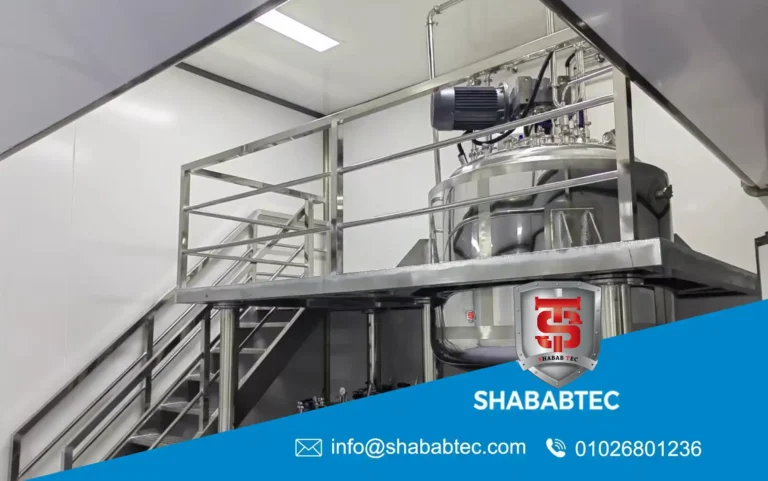
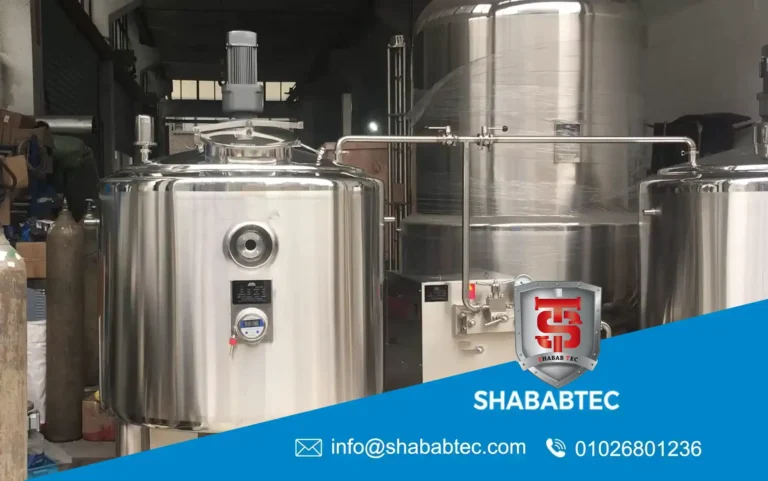
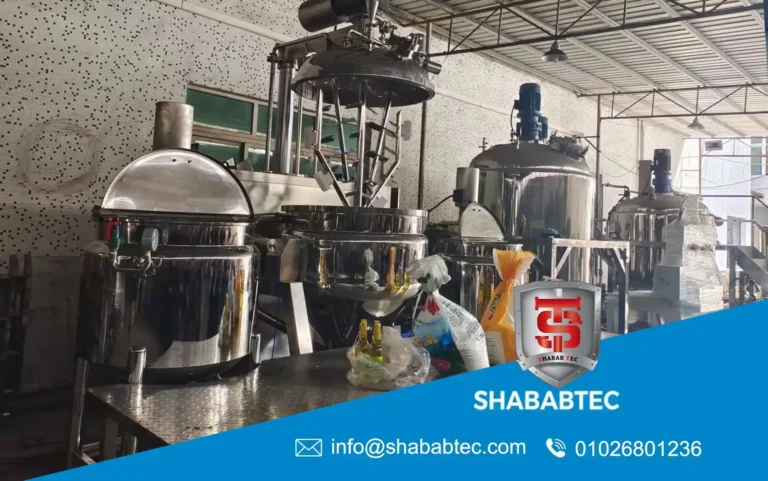
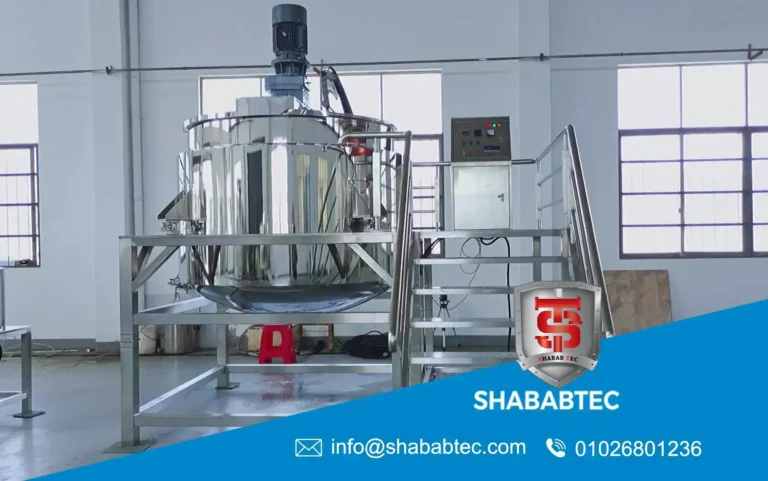
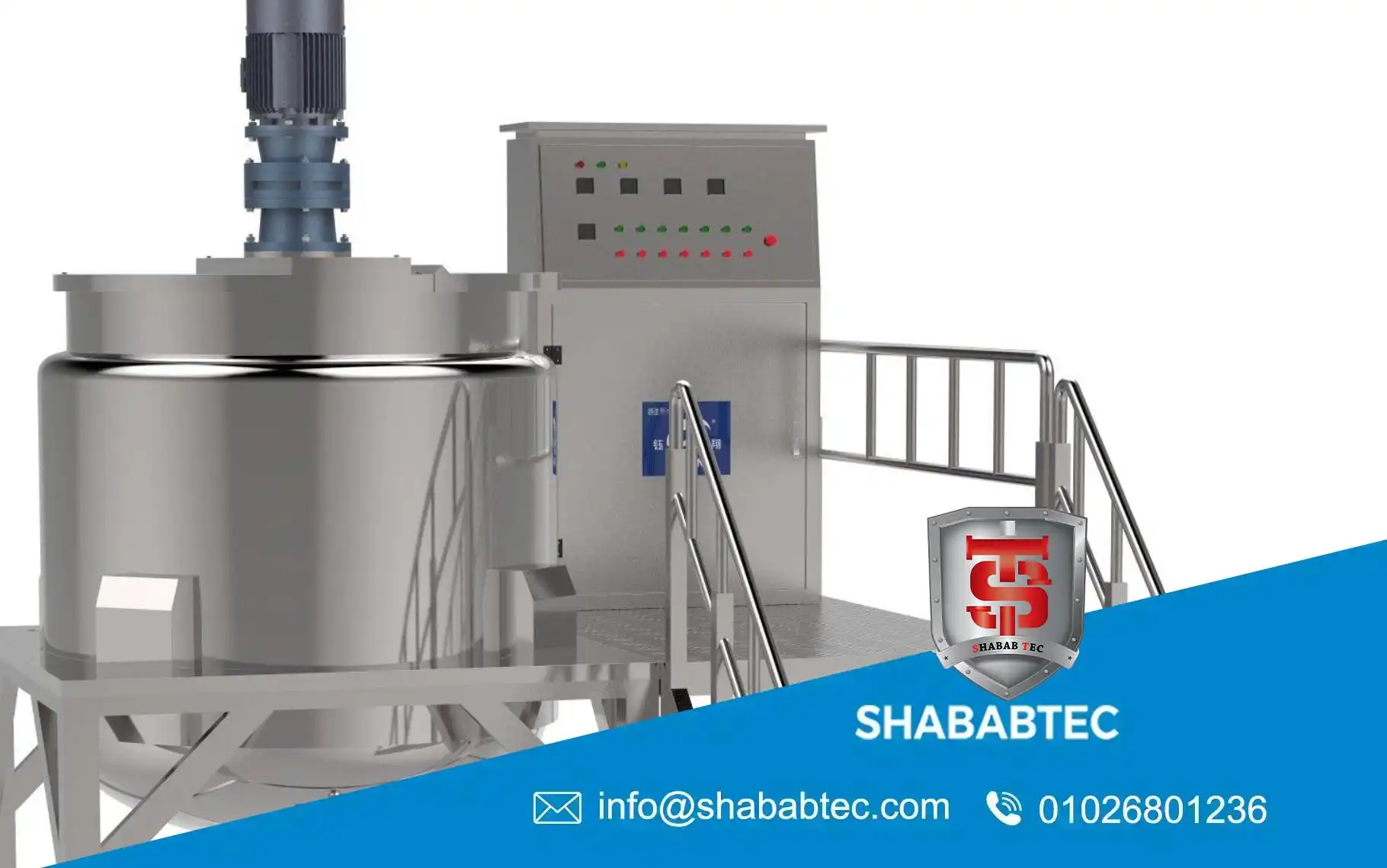
In simple manual production, ingredients may be mixed by hand or with small tools. In industrial production, the process uses a soap mixing tank with an agitator, motor, shaft, mixing blades, discharge valve, and sometimes heating or cooling features depending on the formula.
The industrial method gives the factory better control over:
- Product viscosity
- Foam level during mixing
- Fragrance and color distribution
- Active ingredient blending
- Batch consistency
- Production time
- Cleaning between batches
- Transfer to filling and packaging
Main Products Made in a Liquid Soap Production Process
The liquid soap production process can be used to produce several cleaning and personal care products. The exact formula changes depending on the final product, but the equipment concept is similar.
Hand Wash
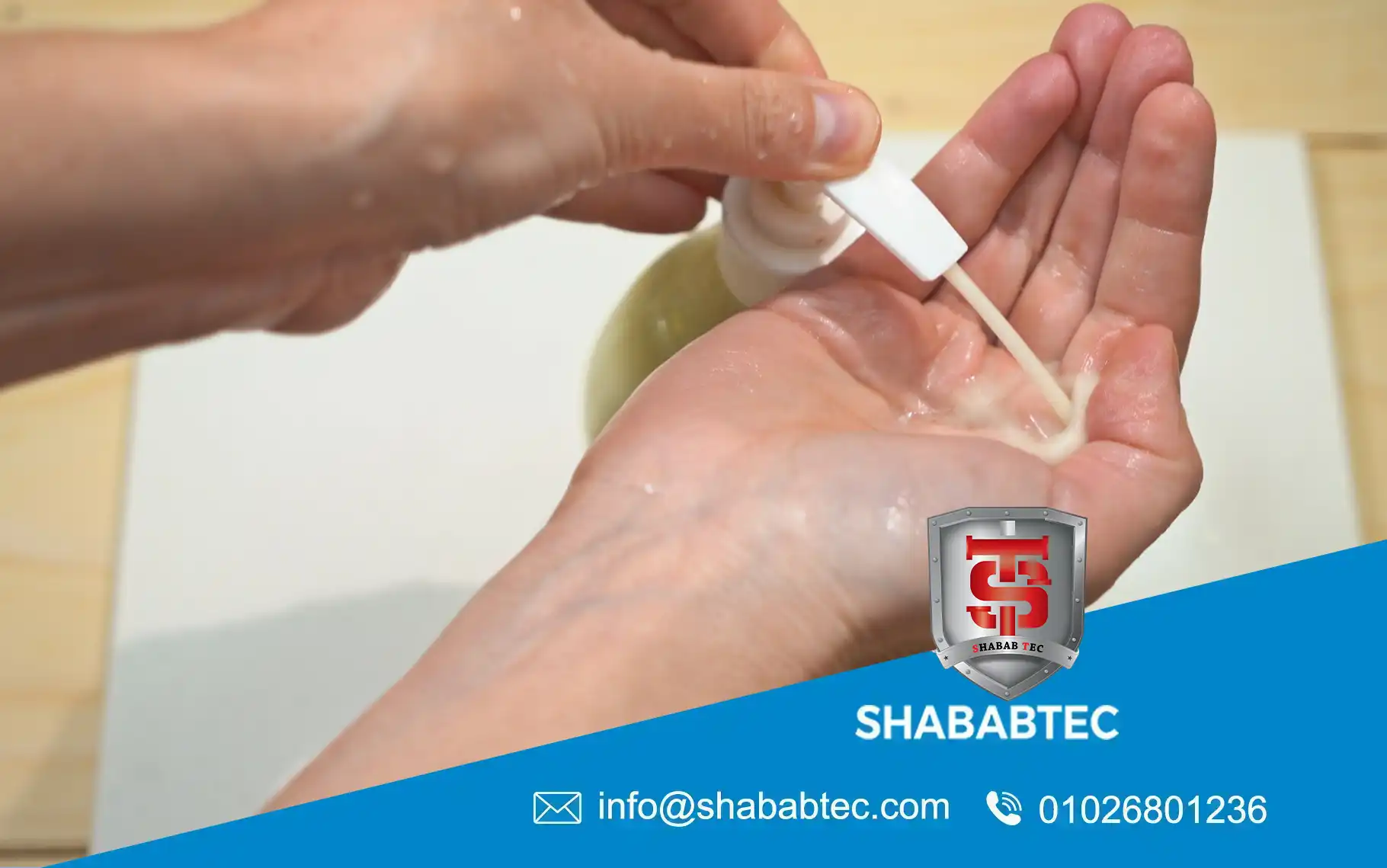
Hand wash needs smooth texture, pleasant fragrance, stable color, and skin-friendly feel. The liquid soap mixer should mix ingredients gently to avoid excessive foam.
Dishwashing Liquid
Dishwashing liquid usually needs stronger cleaning performance and controlled viscosity. It may include surfactants, salt, fragrance, color, and preservatives.
Shower Gel
Shower gel is closer to cosmetic production and may include moisturizing agents, fragrance, color, and additives. The soap mixing tank should support smooth blending and controlled foam.
Liquid Detergent
Liquid detergent may be used for laundry or general cleaning. It can require stronger mixing and chemical compatibility depending on the formula.
Industrial Cleaning Liquid
Industrial soap and cleaning products may contain stronger active ingredients. In this case, the detergent production line should be designed with material compatibility and safe operation in mind.
Basic Ingredients Used in Industrial Soap Making
Every factory may have its own formula, but most liquid soap products include a group of common ingredient types. Understanding these ingredients helps explain how to make liquid soap industrially in a controlled way.
Water
Water is usually the main base of the product. The quality of water can affect clarity, stability, viscosity, and final product appearance.
Surfactants
Surfactants are the main cleaning ingredients. They help remove dirt, oil, and grease. They also affect foam level and cleaning performance.
Thickeners
Thickeners are used to adjust viscosity. Some formulas use salt or other viscosity modifiers. The addition must be controlled because adding too much can make the product unstable or too thick.
Fragrance
Fragrance gives the product its smell. It should be added and mixed properly to distribute evenly across the batch.
Color
Color improves product appearance. It should be added gradually and mixed until the color becomes uniform.
Preservatives
Preservatives help protect the product during storage and use. The correct type and amount depend on the formula and product requirements.
Functional Additives
Some products may include moisturizers, antibacterial agents, foam boosters, softeners, degreasers, or other additives depending on the target use.
How to Make Liquid Soap Industrially Step by Step
Step 1: Prepare the Soap Mixing Tank
The first step in how to make liquid soap industrially is preparing the soap mixing tank. The tank should be clean, dry, and ready for production. Operators should check the agitator, motor, discharge valve, control panel, and any connected pipelines before starting.
If the same tank was used for another product, it must be cleaned properly to avoid contamination or unwanted fragrance transfer.
Step 2: Add Water to the Tank
Water is usually added first because it acts as the base liquid. The quantity should match the batch formula. The liquid soap mixer can run at low or medium speed to create gentle circulation before adding the next ingredients.
Step 3: Add Surfactants Gradually
Surfactants should be added slowly while the mixer is running. Adding them too quickly or mixing at very high speed can create excessive foam. Controlled mixing helps distribute surfactants evenly without trapping too much air.
This stage is important because surfactants affect cleaning power, foam, and final product behavior.
Step 4: Add Functional Ingredients
After the main surfactants are mixed, other functional ingredients can be added according to the formula. These may include foam boosters, softening agents, degreasers, moisturizers, or active additives.
The liquid soap production process should follow a fixed ingredient addition order because some materials may react differently if added at the wrong stage.
Step 5: Adjust Viscosity
Viscosity adjustment is one of the most sensitive stages in liquid soap production. Many formulas become thicker after adding salt or a thickening agent. The addition should be gradual, and the mixer should run long enough to distribute the thickener evenly.
If viscosity is adjusted too quickly, the product may become lumpy, unstable, or too thick. A proper soap mixing tank helps operators control this stage more accurately.
Step 6: Add Fragrance and Color
Fragrance and color are usually added after the base mixture is stable. They should be mixed gently until they are fully distributed. High-speed mixing at this stage may create foam or air bubbles.
For consistent product appearance, the color should be checked after full mixing, not immediately after addition.
Step 7: Final Mixing and Quality Check
The final mixing stage ensures that all ingredients are evenly distributed. The production team should check viscosity, color, fragrance, foam level, appearance, and general texture before discharge.
In a professional detergent production line, quality checks help make sure every batch is consistent before filling.
Step 8: Discharge to Filling or Storage
After the batch is approved, the product is discharged from the tank to a filling machine, storage tank, or transfer container. The discharge valve should be suitable for the final viscosity to avoid slow transfer or product waste.
Step 9: Clean the Equipment
After production, the soap mixing tank should be cleaned before the product residue dries or becomes difficult to remove. Cleaning is especially important when changing fragrance, color, or formula.
Role of Soap Mixing Tank in Industrial Soap Making
The soap mixing tank is the heart of the production process. It controls how ingredients move, dissolve, blend, and become one stable product. Without a proper tank, even a good formula may produce inconsistent results.
A good tank supports:
- Uniform ingredient blending
- Controlled foam level
- Stable viscosity adjustment
- Even color and fragrance distribution
- Easy discharge after production
- Fast cleaning between batches
- Better batch repeatability
For industrial soap making, the tank should be selected based on batch capacity, formula viscosity, foam behavior, motor power, blade type, and cleaning requirements.
What Makes a Good Liquid Soap Mixer?
A good liquid soap mixer should create enough movement to blend ingredients without causing excessive foam. This balance is very important because soap and detergent formulas naturally foam when mixed aggressively.
Important features include:
- Suitable motor power
- Controlled mixing speed
- Agitator design suitable for liquid soap
- Stainless steel contact parts
- Easy-to-clean tank design
- Proper discharge valve
- Stable structure during operation
- Optional heating or cooling when needed
The mixer should not be selected randomly. A shampoo mixer, cream mixer, adhesive mixer, and detergent mixer may all look similar, but each one has different requirements.
Detergent Production Line Equipment
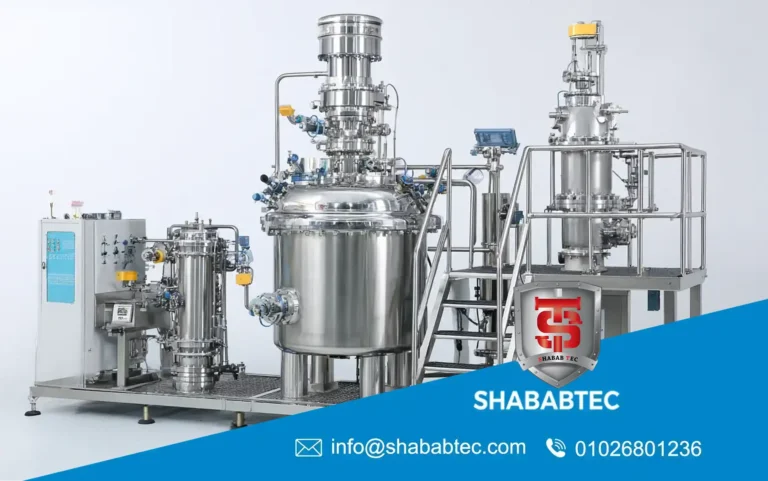
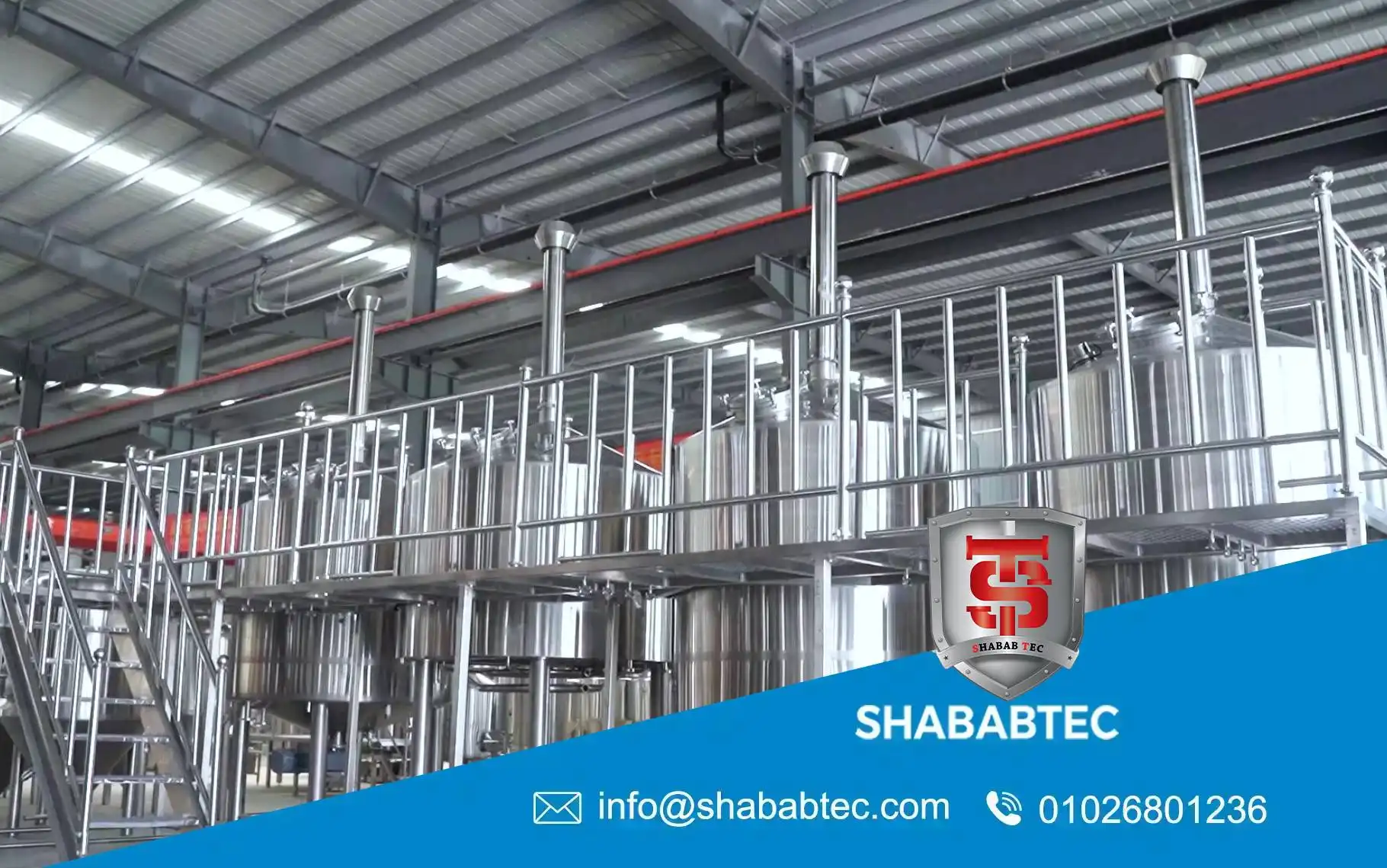
A complete detergent production line may include more than one machine. The exact setup depends on production capacity, product type, and automation level.
Raw Material Preparation Area
This area is used to prepare and measure ingredients before production. Organized preparation helps reduce mistakes and improves batch consistency.
Soap Mixing Tank
The soap mixing tank is used to mix the main batch. It may be simple or advanced depending on the formula and production scale.
Storage Tank
After mixing, the product may be transferred to a storage tank before filling. This helps keep the production process organized.
Transfer Pump
A pump may be used to transfer product from the mixing tank to storage or filling. The pump should be suitable for the viscosity of the liquid soap.
Filling Machine
The filling machine fills the product into bottles, containers, or gallons. Filling accuracy is important for commercial production.
Capping and Labeling
Capping and labeling equipment complete the packaging stage and prepare the product for sale.
Industrial Soap Making: Manual Mixing vs Tank Mixing
Small producers may start with manual mixing, but industrial production needs more control. Manual mixing can create batch variation, longer production time, inconsistent viscosity, and higher labor effort.
Using a liquid soap mixer gives the factory better control and more stable results. It also allows larger batch sizes and easier transfer to filling.
| Comparison Point | Manual Mixing | Soap Mixing Tank |
| Batch consistency | Lower consistency | More stable results |
| Production speed | Slower | Faster |
| Labor effort | Higher | Lower |
| Foam control | Harder to control | Better with speed control |
| Viscosity control | Less accurate | More controlled |
| Commercial scale | Limited | Suitable for industrial production |
Common Problems in Liquid Soap Production Process
Too Much Foam During Mixing
Foam usually happens when the mixer speed is too high or ingredients are added too quickly. A suitable liquid soap mixer with speed control helps reduce excessive foam.
Product Too Thin
This may happen when viscosity modifiers are not added correctly or the formula balance is not suitable. The thickener should be added gradually and mixed properly.
Product Too Thick
Adding too much thickener can make the product difficult to discharge and fill. In industrial production, small adjustments should be made carefully.
Color Not Uniform
Uneven color happens when color is not diluted or mixed properly. The soap mixing tank should run long enough to distribute color evenly.
Fragrance Separation
Some fragrances need proper mixing or solubilizing support. If not blended correctly, fragrance may separate or appear uneven.
Air Bubbles in the Final Product
Air bubbles can happen due to aggressive mixing. Reducing speed and allowing proper resting time can help improve appearance.
Batch Quality Changes
Batch variation happens when ingredient quantities, mixing time, speed, or addition order changes. A clear production method helps maintain stable quality.
How to Choose Soap Mixing Tank Capacity
Tank capacity should match the production target. A small factory may start with a 100-liter or 200-liter tank, while a growing factory may need 500 liters, 1000 liters, or more.
When choosing capacity, consider:
- Daily production target
- Batch size
- Available factory space
- Filling machine capacity
- Product demand
- Future expansion
- Cleaning time between batches
The tank should not be filled completely during operation because liquid soap needs space to move safely during mixing.
Stainless Steel in Industrial Soap Making
Stainless steel is commonly used in industrial soap making because it is durable, easy to clean, and suitable for many liquid soap and detergent formulas. Stainless steel 304 is suitable for many standard products, while stainless steel 316 may be better for more demanding formulas or stronger cleaning chemicals.
When choosing a tank, buyers should check:
- Stainless steel grade
- Tank wall thickness
- Welding quality
- Internal polishing
- Valve material
- Shaft and blade material
- Cleaning access
The tank material should match the formula and cleaning method to reduce corrosion risk and improve equipment lifetime.
How ShababTec Supports Liquid Soap Production
ShababTec provides stainless steel equipment and industrial mixing systems for liquid and semi-solid production. For factories asking how to make liquid soap industrially, ShababTec can support the equipment side of the process through practical tank design, suitable mixer selection, stainless steel fabrication, and production-focused solutions.
ShababTec can help factories choose a soap mixing tank based on batch capacity, viscosity, foam behavior, motor power, discharge method, and whether the product is hand wash, dishwashing liquid, shower gel, liquid detergent, or industrial cleaner.
For companies building a detergent production line, choosing the right liquid soap mixer from the beginning helps improve consistency, reduce production issues, and make daily operation easier.
Maintenance Tips for Liquid Soap Mixer
Regular maintenance helps keep the liquid soap mixer working efficiently and reduces unexpected stops. Since soap can leave slippery residue, cleaning should be part of the daily routine.
- Clean the tank after every batch
- Rinse the discharge valve and outlet line properly
- Check agitator blades for residue buildup
- Inspect the motor for unusual noise or overheating
- Check shaft alignment and seals
- Inspect stainless steel surfaces for stains or corrosion
- Review mixer speed when changing formulas
- Keep the control panel clean and protected
- Follow a fixed maintenance schedule
Final Thoughts
Understanding how to make liquid soap industrially helps factories avoid common production mistakes and build a more stable process. The right liquid soap production process depends on correct ingredient addition, controlled mixing speed, proper viscosity adjustment, and suitable equipment.
A professional soap mixing tank and reliable liquid soap mixer can improve batch consistency, reduce foam problems, control texture, and make production faster. For larger operations, a complete detergent production line helps organize mixing, storage, transfer, filling, and packaging.
ShababTec offers practical stainless steel equipment for industrial soap making and detergent production, helping factories choose mixing solutions that match real product behavior and daily production needs.
FAQ – How to Make Liquid Soap Industrially
How to make liquid soap industrially?
To make liquid soap industrially, factories prepare water, add surfactants gradually, mix functional ingredients, adjust viscosity, add fragrance and color, complete final mixing, then transfer the product to filling or storage using suitable equipment.
What is the liquid soap production process?
The liquid soap production process includes raw material preparation, water loading, surfactant addition, mixing, viscosity adjustment, fragrance and color addition, quality checking, discharge, filling, and equipment cleaning.
What is a soap mixing tank used for?
A soap mixing tank is used to blend liquid soap ingredients evenly, control viscosity, reduce foam, distribute fragrance and color, and prepare the product before filling.
What equipment is needed in a detergent production line?
A detergent production line may include raw material preparation tools, soap mixing tank, storage tank, transfer pump, filling machine, capping machine, and labeling equipment.
Why is a liquid soap mixer important?
A liquid soap mixer helps create uniform blending, stable viscosity, controlled foam, and consistent batch quality in industrial liquid soap production.
Is industrial soap making different from manual soap mixing?
Yes, industrial soap making uses controlled equipment, larger batch sizes, repeatable mixing steps, better viscosity control, and easier transfer to filling compared with manual mixing.
See Also: cream production process | steam jacketed tank