How to Manufacture Cream Full Guide
How to Manufacture Cream Complete Cosmetic Cream Production Process Guide
Many cosmetic factories and startup brands search for how to manufacture cream because cream production is one of the most important areas in skincare, personal care, and cosmetic manufacturing. Cream products are used daily in moisturizers, body creams, hand creams, face creams, massage creams, barrier creams, hair creams, and many other applications. However, producing cream industrially is not only about mixing ingredients together. It requires a controlled process, suitable equipment, accurate temperature handling, and proper emulsification.
A successful cream production process depends on blending oil phase and water phase correctly, using the right emulsifiers, controlling heating and cooling, reducing air bubbles, and achieving smooth texture. If the process is not controlled, the final cream may separate, become lumpy, feel rough, trap air, lose viscosity, or look different from one batch to another.
This guide explains the practical steps of cream manufacturing, the role of a cosmetic cream mixer, how the emulsifying cream process works, why a cream homogenizer is important, and how a professional cream mixing tank helps factories produce stable cosmetic cream with consistent quality.
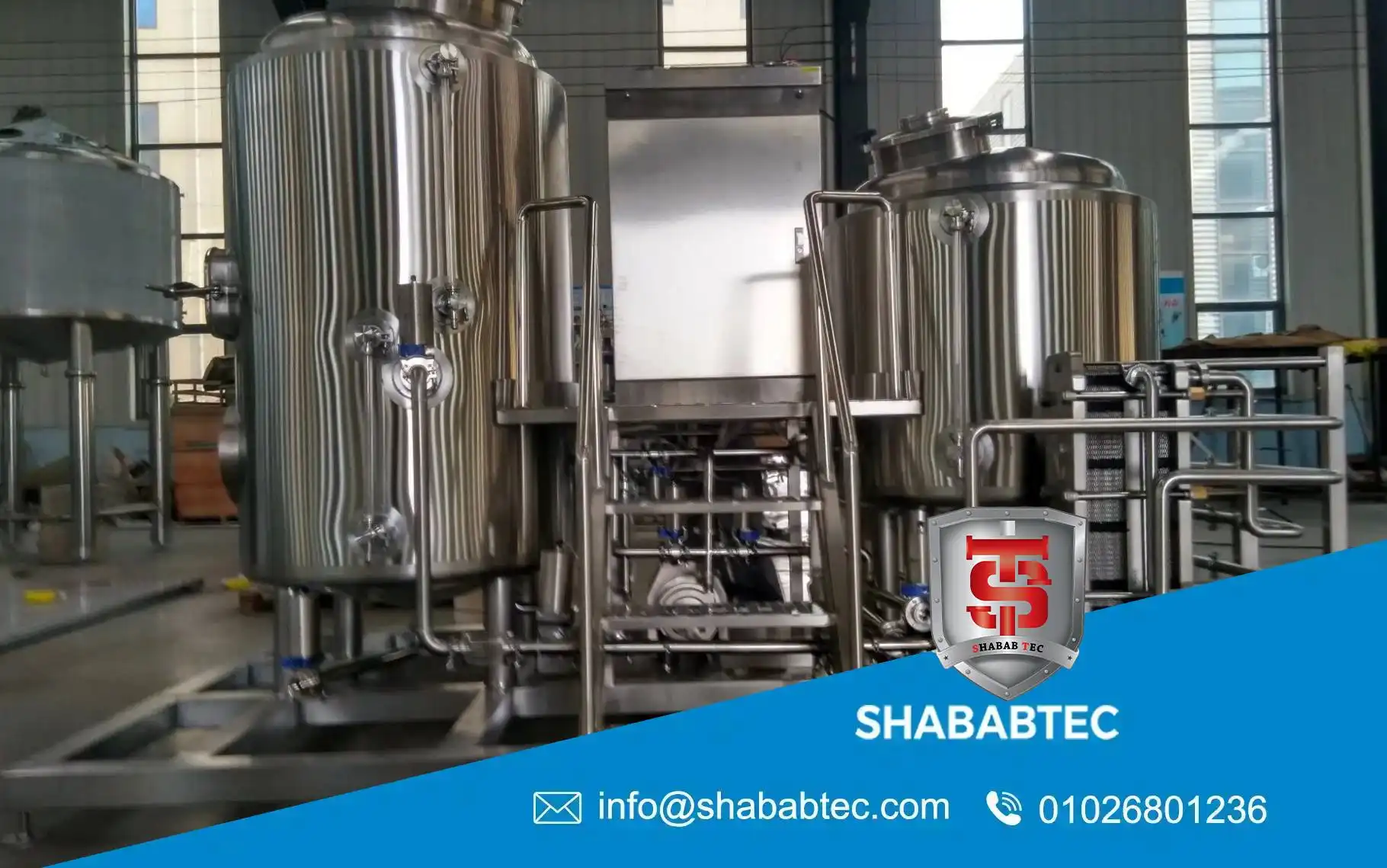
See Also: Industrial Stainless Steel Mixing Tanks – Complete Guide
What Does Cream Manufacturing Mean?
Cream manufacturing means producing a semi-solid cosmetic product by combining water-based ingredients and oil-based ingredients into a stable emulsion. Most creams are emulsions, which means they contain two phases that normally do not mix easily: water and oil. The production process uses emulsifiers, controlled heat, and mechanical mixing to combine these phases into one smooth product.
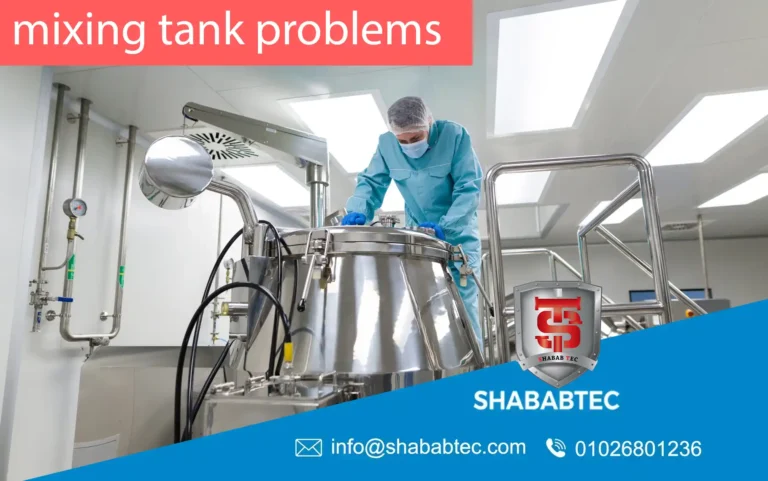
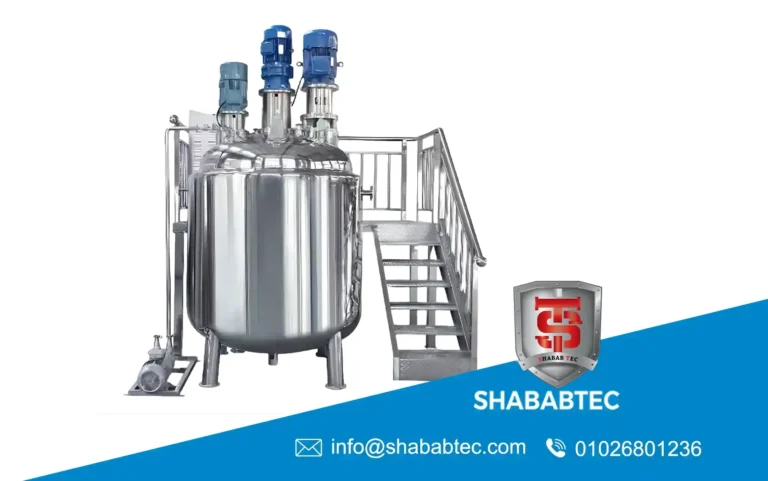
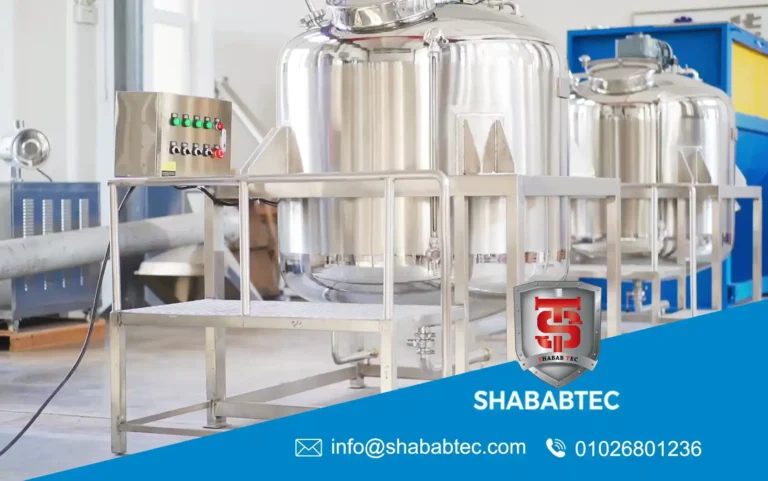
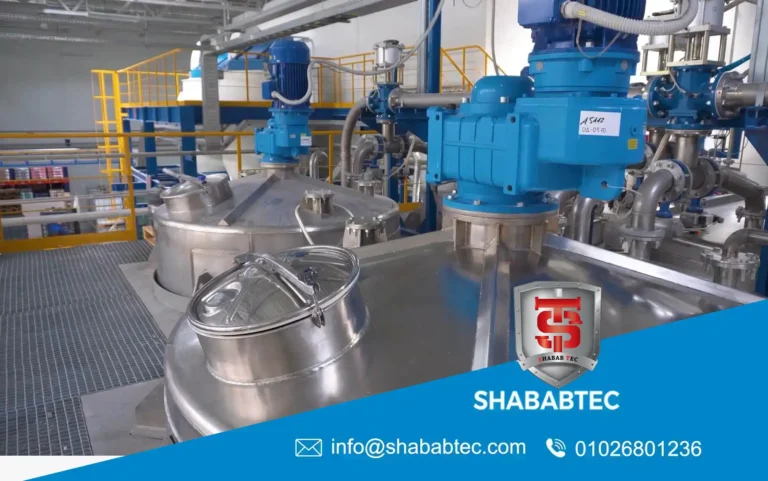
In industrial production, cream is usually made inside a cream mixing tank equipped with agitators, heating and cooling systems, homogenizing tools, and sometimes vacuum. The goal is to create a smooth, stable, and repeatable product that has the same texture, appearance, and performance in every batch.
Understanding how to manufacture cream correctly helps factories avoid common problems such as phase separation, grainy texture, weak viscosity, air bubbles, uneven fragrance distribution, and poor product feel.
Main Products Made Using the Cream Production Process
Face Cream
Face creams usually need fine texture, smooth skin feel, stable emulsion, and careful ingredient distribution. A proper cosmetic cream mixer helps blend active ingredients, oils, water, emulsifiers, and thickeners evenly.
Body Cream
Body cream is often thicker than lotion and may need stronger mixing. The cream production process should control viscosity and cooling to achieve the required final texture.
Hand Cream
Hand creams may include oils, waxes, humectants, fragrances, and protective ingredients. A reliable cream mixing tank helps create a smooth texture without separation.
Moisturizing Cream
Moisturizing creams depend on stable emulsification and proper distribution of moisturizing agents. A cream homogenizer can help improve smoothness and product consistency.
Hair Cream
Hair creams may have different viscosity and conditioning ingredients. The emulsifying cream process should be adjusted according to the product formula and desired texture.
Medical-Cosmetic Cream
Some creams are used in cosmetic-medical or dermatology-related applications. These products need better control, hygiene, and consistent ingredient distribution during production.
Basic Ingredients Used in Cream Manufacturing
Every cream formula is different, but most cosmetic creams include several common ingredient groups. These groups must be added in the right order and processed under suitable temperature and mixing conditions.
Water Phase Ingredients
The water phase usually includes purified water and water-soluble ingredients such as humectants, some preservatives, plant extracts, and certain active ingredients. The water phase is commonly heated before emulsification.
Oil Phase Ingredients
The oil phase may include oils, butters, waxes, fatty alcohols, emollients, and oil-soluble ingredients. This phase is also heated to melt solid components and prepare it for emulsification.
Emulsifiers
Emulsifiers are essential in the emulsifying cream process. They help combine oil and water into a stable cream. Without a suitable emulsifier, the product may separate during cooling or storage.
Thickeners and Stabilizers
Thickeners help build cream viscosity and improve product feel. Stabilizers help maintain structure and prevent separation. They must be dispersed correctly to avoid lumps.
Active Ingredients
Active ingredients may include vitamins, botanical extracts, brightening agents, soothing agents, or anti-aging ingredients. Some actives are heat-sensitive and should be added during the cooling phase.
Fragrance and Color
Fragrance and color are usually added at lower temperature to protect stability and scent quality. The cosmetic cream mixer should distribute them evenly without introducing too much air.
Preservatives
Preservatives help protect the cream during storage and use. They must be compatible with the formula and added according to the required processing conditions.
How to Manufacture Cream Step by Step
Step 1: Prepare the Cream Mixing Tank
The first step in how to manufacture cream is preparing the cream mixing tank. The tank should be clean, dry, and ready for production. Operators should check the agitator, scraper, homogenizer, heating system, cooling system, discharge valve, and control panel before starting.
Clean equipment is very important in cosmetic production because residue from previous batches can affect fragrance, color, texture, and product safety.
Step 2: Prepare the Water Phase
The water phase is added into the tank or into a separate preparation vessel depending on the production setup. Water-soluble ingredients are mixed until fully dissolved or dispersed.
Heating may be applied to help dissolve ingredients and prepare the water phase for emulsification. The temperature should follow the formula requirement and avoid damaging sensitive ingredients.
Step 3: Prepare the Oil Phase
The oil phase is prepared by combining oils, waxes, butters, emulsifiers, and oil-soluble ingredients. Solid materials must melt completely before emulsification. If the oil phase is not fully melted, the final cream may become grainy or uneven.
In many industrial setups, the oil phase is prepared in a separate heated vessel and then transferred to the main cream mixing tank.
Step 4: Start the Emulsifying Cream Process
The emulsifying cream process begins when the oil phase and water phase are combined under controlled mixing. The addition method depends on the formula and whether the cream is oil-in-water or water-in-oil.
The cosmetic cream mixer keeps the batch moving, while the cream homogenizer helps reduce droplet size and create a smoother, more stable emulsion. Correct mixing speed and temperature are important at this stage.
Step 5: Homogenize the Cream
The cream homogenizer creates strong mechanical action that helps make the cream smoother and more uniform. It reduces particle or droplet size and improves emulsion stability.
This step is especially important for creams that require premium texture, stable appearance, and better skin feel. However, homogenizing time and speed should be controlled because excessive shear may affect some formulas.
Step 6: Continue Mixing During Cooling
After emulsification, the cream must cool gradually while mixing continues. Cooling is important because the final viscosity and structure often develop during this stage.
The cream mixing tank may use a cooling jacket to reduce temperature in a controlled way. Scraper movement can help remove cream from the tank wall and improve temperature distribution.
Step 7: Add Heat-Sensitive Ingredients
When the cream reaches a suitable lower temperature, heat-sensitive ingredients can be added. These may include fragrance, some preservatives, vitamins, botanical extracts, and certain active ingredients.
The cosmetic cream mixer should mix gently at this stage to distribute ingredients evenly without creating excessive air bubbles.
Step 8: Final Mixing and Quality Check
Final mixing ensures that the cream is uniform before discharge. The production team should check appearance, texture, viscosity, fragrance, color, pH if required, and general product consistency.
A controlled cream production process helps make these checks more predictable and reduces variation between batches.
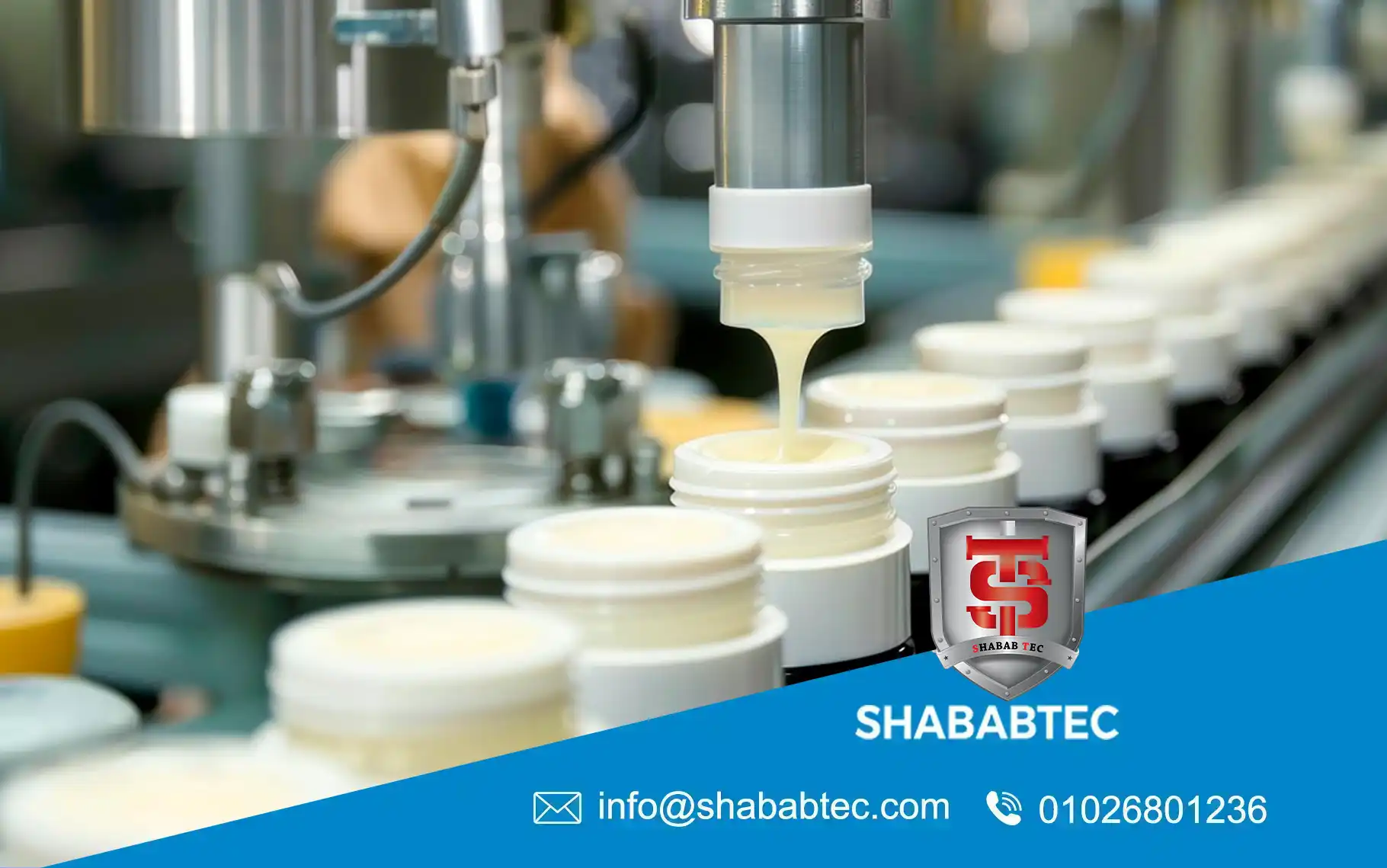
Step 9: Discharge to Filling or Holding Tank
After approval, the cream is discharged to a filling machine, holding tank, or transfer container. Since cream can be thick, the discharge system should be designed for the final viscosity.
A bottom outlet, pump support, or pressure-assisted discharge may be needed depending on the cream thickness.
Step 10: Clean the Equipment
After production, the cream mixing tank should be cleaned before residue dries or becomes difficult to remove. Proper cleaning helps prepare the equipment for the next batch and protects product quality.
Role of Cosmetic Cream Mixer in Production
The cosmetic cream mixer is responsible for moving the product during preparation, emulsification, cooling, and final blending. It keeps ingredients distributed and prevents dead zones inside the tank.
A good cosmetic cream mixer should provide:
- Stable product movement
- Gentle mixing during sensitive stages
- Strong enough power for thick cream
- Good wall movement when scraper is included
- Reduced air intake
- Better temperature distribution
- Consistent batch quality
The mixer should be selected according to cream viscosity, batch size, texture target, and whether the formula needs homogenizing or vacuum.
What is the Emulsifying Cream Process?
The emulsifying cream process is the stage where oil and water phases are combined into a stable cream. Since oil and water naturally separate, emulsifiers and mechanical mixing are needed to keep them together.
During this process, the oil phase is broken into small droplets and distributed through the water phase, or the water phase is distributed through the oil phase depending on the formula type. The cream homogenizer improves this process by creating finer droplets and better uniformity.
A successful emulsifying cream process depends on:
- Correct emulsifier selection
- Proper oil phase and water phase temperature
- Correct addition method
- Suitable mixing speed
- Homogenizing when needed
- Controlled cooling
- Stable final viscosity
If any of these points are wrong, the cream may separate, lose texture, or become unstable during storage.
Why Cream Homogenizer is Important
A cream homogenizer is used to create a smoother and more uniform cream. It applies strong shear force to reduce droplet size, break down agglomerates, and improve texture.
The cream homogenizer helps with:
- Smoother product feel
- Better emulsion stability
- Reduced lumps
- More uniform active ingredient distribution
- Improved appearance
- Better consistency from batch to batch
Not every cream needs the same homogenizing power. Light creams may need moderate homogenizing, while premium cosmetic creams or thick emulsions may need stronger processing. The correct selection depends on the formula.
Main Components of a Cream Mixing Tank
Stainless Steel Tank Body
The tank body holds the product during the cream production process. Stainless steel is commonly used because it is hygienic, durable, corrosion-resistant, and easy to clean.
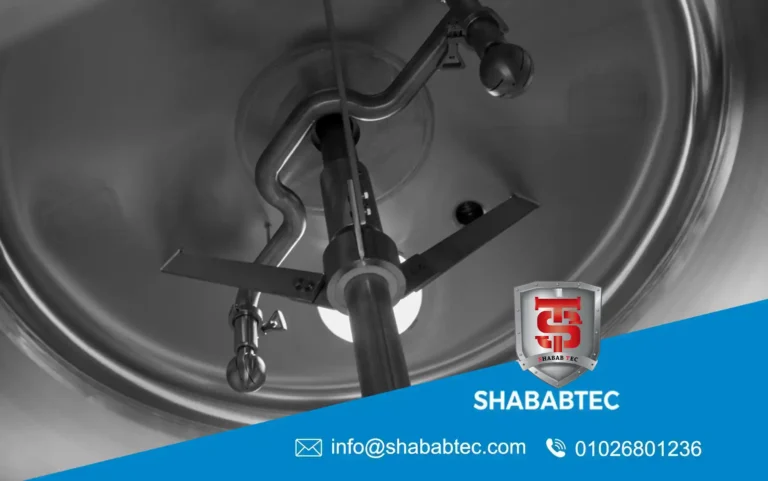
Anchor Agitator
An anchor agitator helps move thick cream around the tank. It is useful for medium and high-viscosity products.
Scraper System
A scraper removes cream from the tank wall. This improves heat transfer during heating and cooling and reduces product buildup.
Cream Homogenizer
The cream homogenizer improves texture and emulsion stability. It may be installed at the bottom or inside the tank depending on the design.
Heating Jacket
The heating jacket helps warm the water phase, oil phase, or full batch. It is important for melting waxes and preparing the emulsion.
Cooling Jacket
The cooling jacket helps reduce temperature after emulsification. Controlled cooling supports final texture development.
Vacuum System
Vacuum can help reduce air bubbles in the cream. It is useful for premium cosmetic products where smooth appearance is important.
Discharge Valve
The discharge valve allows the finished cream to leave the tank. Thick creams may need a larger outlet or pump support.
Control Panel
The control panel helps operators manage mixer speed, homogenizer speed, heating, cooling, vacuum, and processing time.
Common Problems in Cream Manufacturing
Cream Separation
Separation happens when the emulsion is not stable. This may be caused by wrong emulsifier selection, incorrect temperature, weak homogenizing, or poor mixing.
Grainy Texture
Grainy texture may happen when waxes or solid materials are not fully melted, or when cooling is not controlled properly.
Air Bubbles
Air bubbles can appear because of high mixing speed or poor process control. Vacuum mixing can help reduce bubbles.
Weak Viscosity
Weak viscosity may result from formula imbalance, poor cooling, incorrect thickener addition, or insufficient mixing.
Uneven Fragrance or Color
If fragrance or color is not mixed properly during final stages, the cream may have uneven smell or appearance.
Product Sticking to Tank Walls
Thick cream can stick to tank walls during heating or cooling. A scraper system inside the cream mixing tank helps reduce buildup.
Slow Discharge
Thick cream may not flow easily through a small valve. The discharge method should match the final viscosity.
How to Choose the Right Cream Mixing Tank
Choosing the right cream mixing tank depends on the product formula and production target. The tank should be selected based on real cream behavior, not only capacity.
Important questions include:
- What type of cream will be produced?
- What is the required batch capacity?
- Is the cream light, medium, or thick?
- Does the formula need heating?
- Does the formula need cooling?
- Is vacuum needed to reduce bubbles?
- Is a cream homogenizer required?
- Does the product need scraper movement?
- What stainless steel grade is suitable?
- How will the cream be discharged?
- How will the tank be cleaned?
- Will the same tank produce lotion, gel, or ointment?
These answers help define the correct mixer, homogenizer, motor power, tank structure, heating and cooling system, and control options.
Cream Production Process in Small and Large Factories
Small Batch Cream Production
Small factories may use a compact cream mixing tank with heating, simple controls, and a suitable agitator. This setup is useful for startup cosmetic brands, product testing, and limited batch production.
Medium Cream Production
Medium factories may need a stronger cosmetic cream mixer with scraper, heating, cooling, variable speed, and cream homogenizer. This supports repeated batches and more stable product quality.
Large Industrial Cream Production
Large factories may need vacuum emulsifying systems, bigger batch capacity, automated controls, transfer pumps, and advanced temperature control. This improves production organization and supports higher output.
How ShababTec Supports Cream Manufacturing
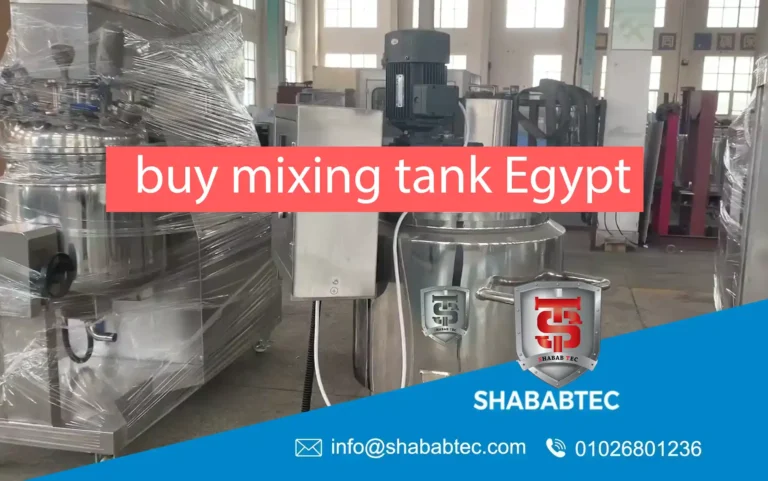
ShababTec provides stainless steel equipment and industrial mixing systems for cosmetic, pharmaceutical, food, chemical, and semi-solid production. For factories searching for how to manufacture cream, ShababTec can support the equipment side of the process through practical tank design, suitable mixer selection, heating and cooling systems, homogenizing options, and stainless steel fabrication.
ShababTec can help factories choose a cosmetic cream mixer based on cream viscosity, batch capacity, formula type, heating needs, cooling needs, vacuum requirements, and discharge method.
For companies building or upgrading a cream production process, choosing the right cream mixing tank and cream homogenizer from the beginning can reduce separation, improve texture, and make daily production easier.
Maintenance Tips for Cosmetic Cream Mixer
Regular maintenance helps keep the cosmetic cream mixer working efficiently and reduces unexpected downtime. Since cream can stick to surfaces, cleaning and inspection should be done carefully after every batch.
- Clean the tank before cream residue dries
- Check scraper blades for wear or buildup
- Inspect agitator shaft alignment
- Monitor motor and gearbox sound during operation
- Check the cream homogenizer regularly
- Inspect shaft seals for leakage
- Clean the discharge valve properly
- Check heating and cooling jacket connections
- Inspect stainless steel surfaces for scratches or residue
- Follow a fixed maintenance schedule
Final Thoughts
Understanding how to manufacture cream helps factories produce smoother, more stable, and more consistent cosmetic products. The right cream production process depends on correct phase preparation, controlled heating, proper emulsification, homogenizing, cooling, and final mixing.
A professional cosmetic cream mixer helps control product movement, while the emulsifying cream process creates a stable oil and water blend. A reliable cream homogenizer improves smoothness and consistency, and a well-designed cream mixing tank supports heating, cooling, discharge, and cleaning.
ShababTec offers practical stainless steel solutions for cosmetic cream production, helping factories choose equipment that matches real formula behavior, production capacity, and daily operation needs.
FAQ – How to Manufacture Cream
How to manufacture cream industrially?
To manufacture cream industrially, factories prepare the water phase and oil phase, heat them when required, combine them through emulsification, homogenize the batch, cool it under mixing, add heat-sensitive ingredients, then discharge the cream to filling or storage.
What is the cream production process?
The cream production process includes raw material preparation, water phase preparation, oil phase preparation, emulsifying, homogenizing, cooling, final ingredient addition, quality checking, discharge, and equipment cleaning.
What is a cosmetic cream mixer used for?
A cosmetic cream mixer is used to blend cream ingredients, support emulsification, maintain product movement during heating and cooling, and create a smooth consistent texture.
What is the emulsifying cream process?
The emulsifying cream process is the stage where oil and water phases are combined with emulsifiers and mechanical mixing to create a stable cream emulsion.
Why is a cream homogenizer important?
A cream homogenizer helps reduce droplet size, improve smoothness, distribute ingredients evenly, and increase emulsion stability in cosmetic cream production.
How do I choose a cream mixing tank?
Choose a cream mixing tank based on batch capacity, cream viscosity, heating and cooling needs, scraper requirement, vacuum need, homogenizer requirement, discharge method, stainless steel grade, and cleaning process.
See Also: mixing equipment selection | pharma mixer