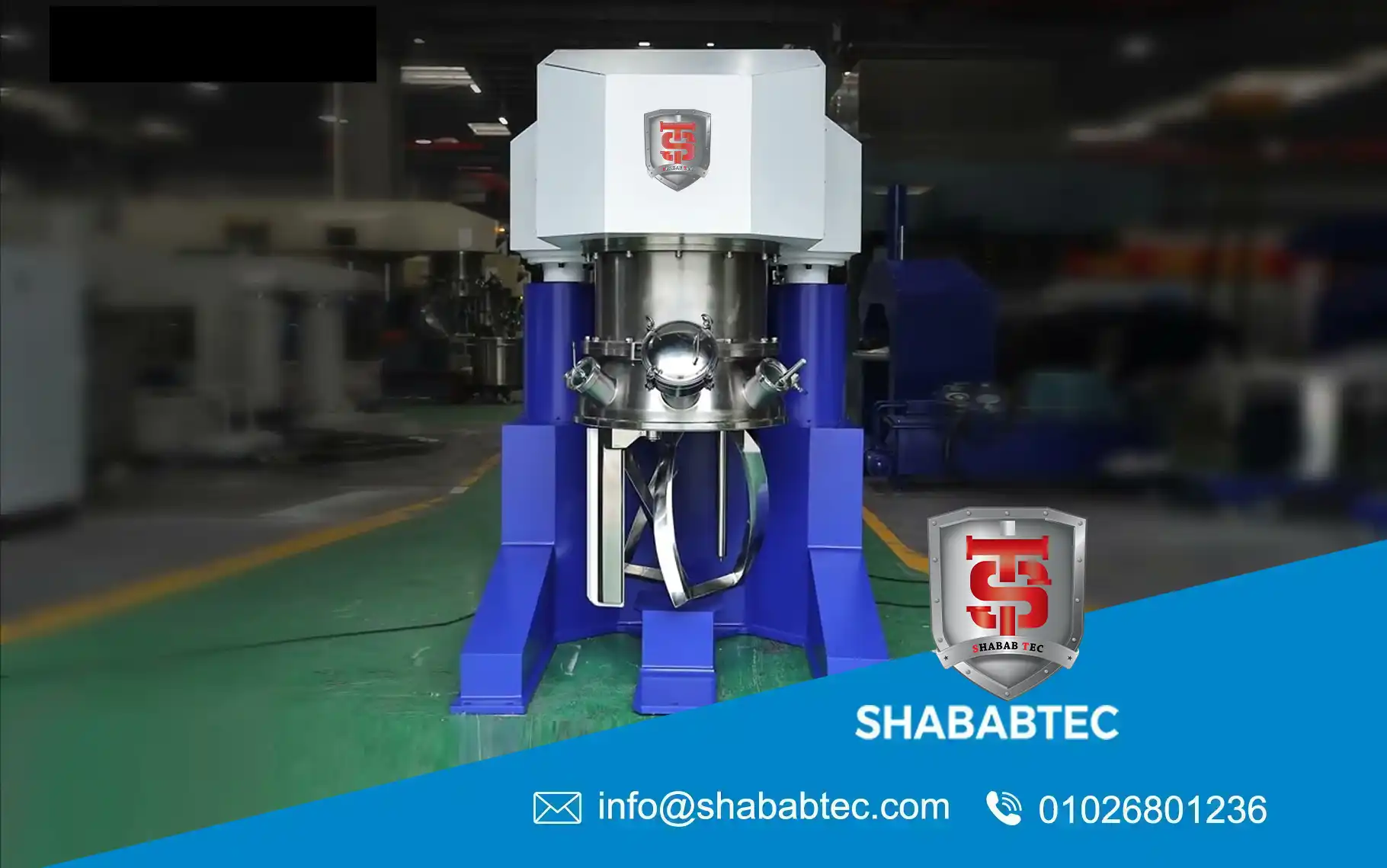
Emulsifying Tank for High Viscosity Products
Emulsifying Mixing Tank for High Viscosity Products
In industries dealing with creams, lotions, pastes, and other thick formulations, choosing the right emulsifying tank is critical. Whether you are producing cosmetics, pharmaceuticals, or food products, a high-performance homogenizer mixing tank ensures uniform texture, stability, and product quality.
At Shababtec, we provide advanced emulsifier tank systems designed specifically for high viscosity processing. This guide covers everything you need to know about emulsifying tank technologies, working principles, types, and applications.
What is an Emulsifying Mixing Tank?
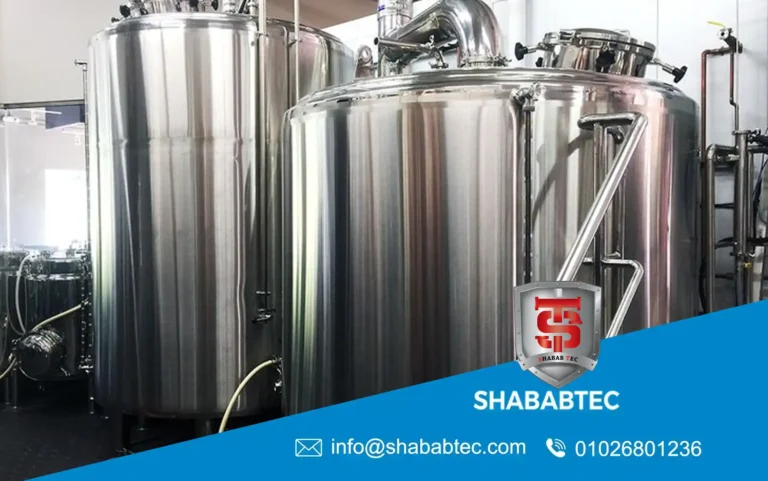
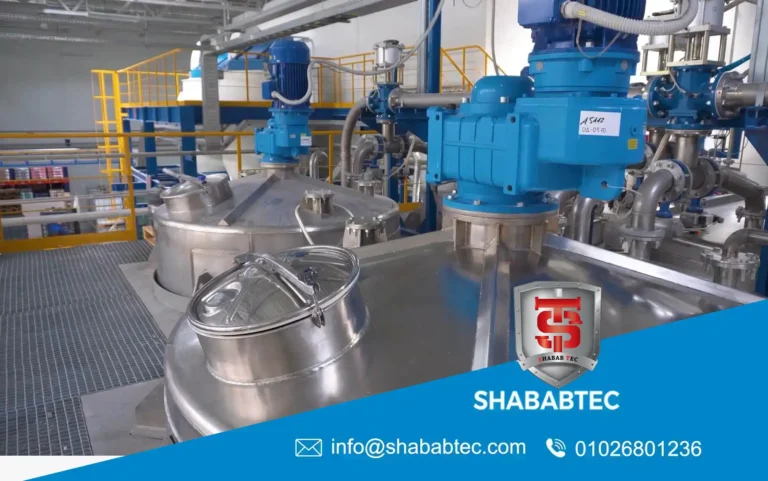
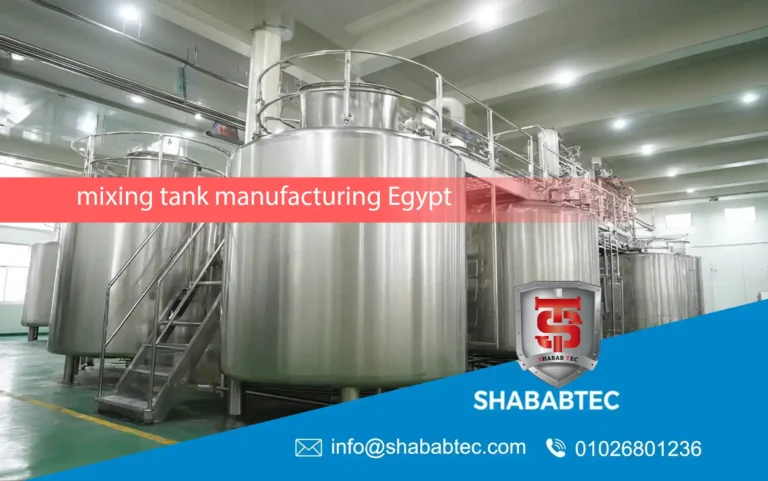
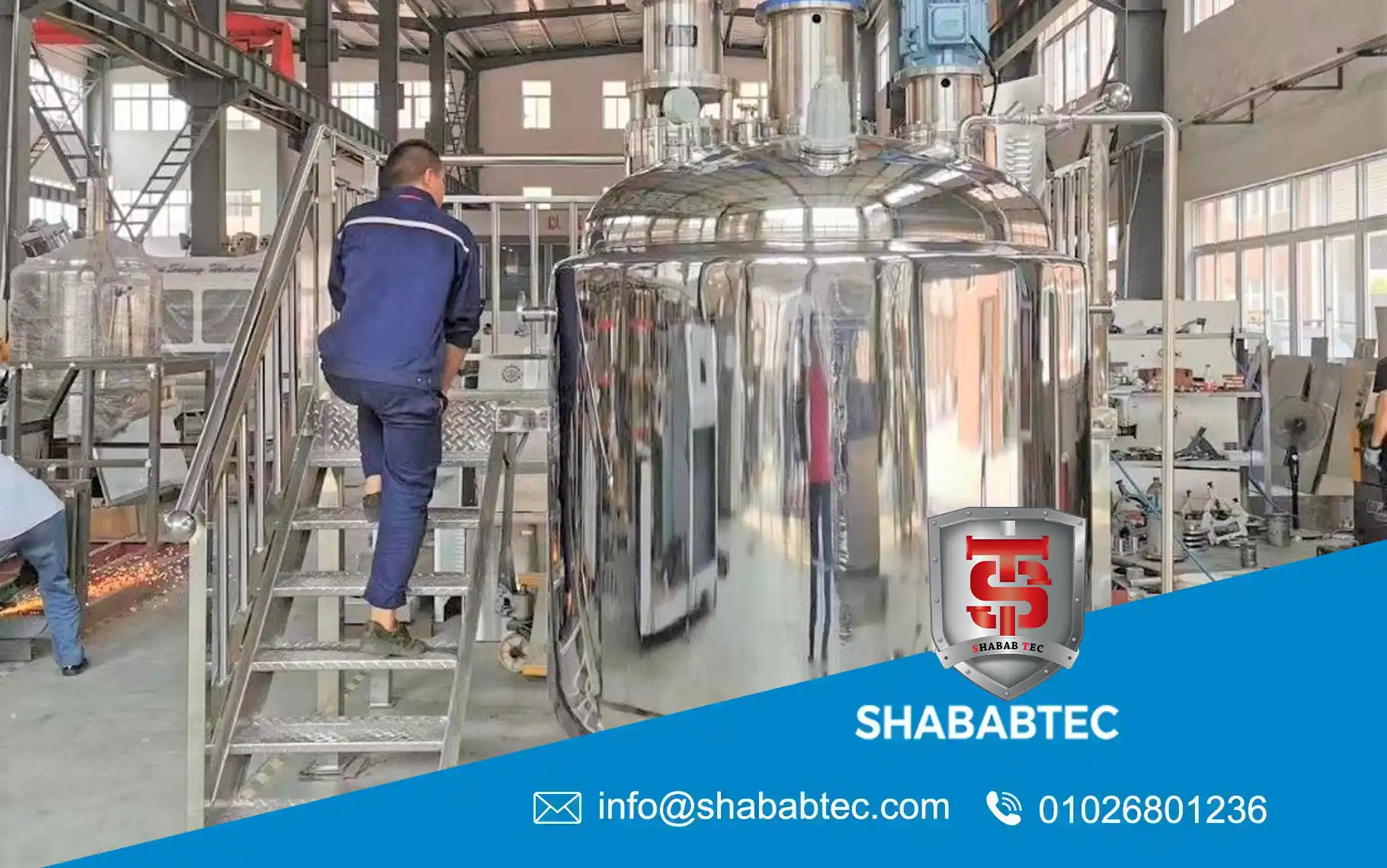
An emulsifying mixing tank is a specialized vessel designed to mix immiscible liquids (such as oil and water) into a stable emulsion. It uses a high-speed homogenizer mixing tank system to break down particles and create a uniform mixture.
Unlike a standard mixer, a cosmetic mixing tank with emulsifying capability integrates multiple functions such as mixing, homogenizing, heating, cooling, and vacuum processing.
These tanks are widely used for high viscosity materials where traditional high viscosity mixer systems may fail to achieve proper dispersion.
Image keyword: emulsifying mixing tank stainless steel cosmetic.
See Also: Industrial Stainless Steel Mixing Tanks – Complete Guide
Main Components of an Emulsifier Tank
A modern emulsifier tank is a complex system designed for efficiency and precision. The key components include:
- Tank body (stainless steel 304 or 316L)
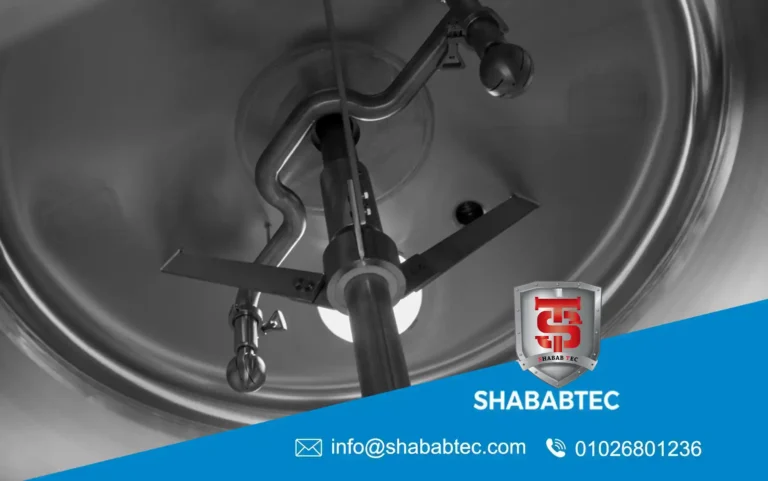
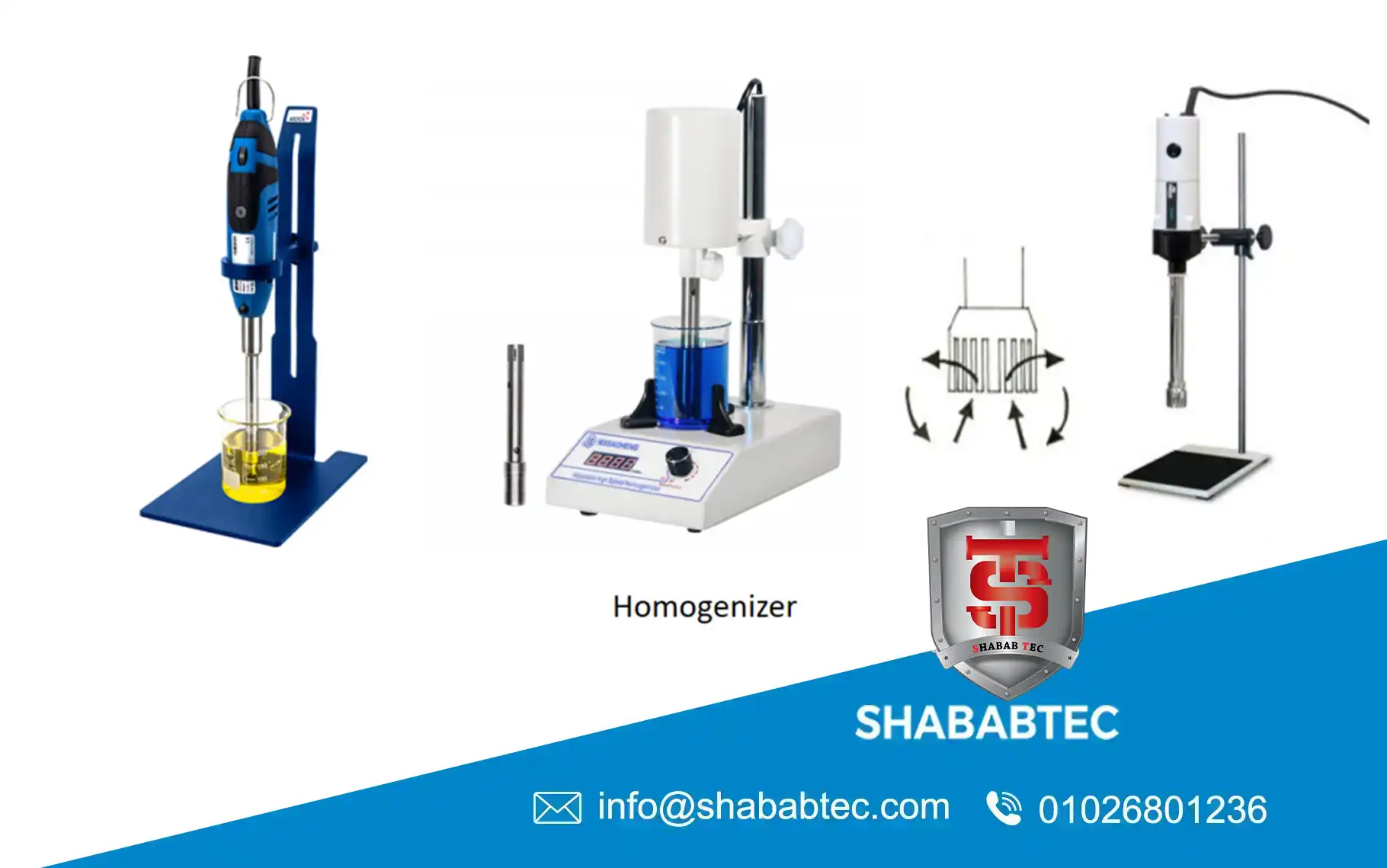
- High shear homogenizer (rotor-stator system)
- Agitator (anchor, paddle, or multi-shaft)
- Vacuum system (to remove air bubbles)
- Heating and cooling jacket
- Control panel (manual or automated)
These integrated systems allow the emulsifying tank to handle both liquid and semi-solid products efficiently.
How an Emulsifying Mixing Tank Works
The working principle of a homogenizer mixing tank is based on high shear force. The rotor rotates at high speed while the stator remains stationary, creating intense turbulence.
- Breaks down particles into micro-size
- Distributes ingredients evenly
- Creates stable emulsions
In vacuum systems, air is removed during mixing, preventing oxidation and improving product quality—especially important in cosmetic mixing tank applications.
Types of Emulsifying Mixing Tanks
1. Vacuum Emulsifying Mixing Tank
The most advanced emulsifying mixing tank integrates vacuum, heating, and homogenizing functions into one system.
- Ideal for creams and lotions
- Eliminates air bubbles
- Improves product stability
Image keyword: vacuum emulsifying mixing tank cosmetic cream
See Also: Agitator Tank Types and Applications Guide 2026
2. High Shear Emulsifier Tank
This emulsifier tank uses a powerful rotor-stator mechanism for fast and efficient mixing.
- Suitable for fine emulsions
- Used in pharmaceutical and chemical industries
3. Cosmetic Mixing Tank
A cosmetic mixing tank is designed specifically for beauty and personal care products.
- Handles high viscosity formulations
- Ensures smooth texture
- Complies with hygiene standards
4. Multi-Function Homogenizer Mixing Tank
This homogenizer mixing tank combines multiple technologies in one system:
- Mixing + homogenizing
- Heating + cooling
- Vacuum processing
Applications of Emulsifying Tanks
The versatility of emulsifying tank systems makes them essential across industries:
Cosmetics Industry
- Skin creams
- Lotions
- Hair gel
- Liquid soap
Pharmaceutical Industry
- Ointments
- Medicinal creams
- Suspensions
Food Industry
- Mayonnaise
- Sauces
- Dairy products
Chemical Industry
- Adhesives
- Detergents
- Paints
These applications demonstrate why a high-quality high viscosity mixer is critical for production efficiency.
See Also: Industrial Mixing Tank Design and Working Principle
Why High Viscosity Product s Require Specialized Mixing
 s Require Specialized Mixing
High viscosity materials present unique challenges:
- Poor flowability
- Difficult heat transfer
- Uneven mixing
A standard mixer cannot handle these conditions effectively. A specialized emulsifying mixing tank ensures proper blending, consistency, and stability.
How to Choose the Right Emulsifying Mixing Tank
Choosing the right emulsifying mixing tank depends on your product, production scale, and process requirements. The wrong selection can lead to poor product quality and higher operational costs.
1. Product Viscosity
High viscosity materials require a powerful high viscosity mixer with strong torque and efficient mixing design.
2. Homogenization Requirement
If your process requires fine emulsions, a homogenizer mixing tank with high shear capability is essential.
3. Vacuum System
Vacuum systems improve product quality by removing air and preventing oxidation—especially important in a cosmetic mixing tank.
4. Heating and Cooling
Temperature control is critical for many processes. Jacketed emulsifier tank systems allow precise thermal control.
Design Considerations for Emulsifier Tanks
- Stainless steel 316L for high hygiene requirements
- Proper sealing system
- Efficient agitator design
- Automation level
A well-designed emulsifying tank improves efficiency and ensures consistent results.
Comparison Table: Mixing Tank vs Emulsifying Tank
| Feature | Standard Mixing Tank | Emulsifying Mixing Tank |
|---|---|---|
| Mixing Type | Basic mixing | High shear emulsification |
| Viscosity Handling | Low to medium | Medium to high |
| Functions | Mixing only | Mixing + homogenizing + vacuum |
| Applications | Liquids | Creams, gels, emulsions |
Cost of Emulsifying Mixing Tanks
The price of an emulsifying mixing tank depends on:
- Capacity
- Material quality
- Homogenizer power
- Automation level
Advanced homogenizer mixing tank systems cost more but offer better efficiency and product quality.
See Also: Stainless Steel Mixing Tank Types and Industrial Uses
Why Choose Shababtec Emulsifier Tanks?
- High-quality stainless steel construction
- Advanced emulsifier tank technology
- Custom design for different industries
- Reliable performance for high viscosity products
Shababtec systems are designed to meet the highest standards across industries.
FAQ
What is an emulsifying machine?
An emulsifying machine is an industrial mixer designed to combine two immiscible liquids (like oil and water) into a stable mixture called an emulsion. It uses high shear force and homogenization technology to produce smooth and uniform products such as creams, lotions, and sauces.
What are emulsion tanks used for?
Emulsion tanks are used for mixing, heating, cooling, and homogenizing liquids in industries like cosmetics, pharmaceuticals, and food production. They are essential for producing stable emulsions such as creams, ointments, and liquid soaps.
What is an emulsifier used for?
An emulsifier is a substance that helps mix oil and water by reducing surface tension. It stabilizes emulsions and prevents separation, making it crucial in products like cosmetics, food sauces, and pharmaceuticals.
What is the purpose of emulsifying?
The purpose of emulsifying is to create a stable, uniform mixture between two liquids that normally don’t mix. This improves product texture, consistency, stability, and shelf life.
What are the 4 emulsifying agents?
The main types of emulsifying agents include: Natural emulsifiers (e.g., lecithin) Synthetic emulsifiers (e.g., polysorbates) Protein-based emulsifiers (e.g., casein) Solid particle emulsifiers (Pickering emulsions) Why do we need an emulsifier? Emulsifiers are essential to: Prevent separation of ingredients Improve product texture Enhance stability and shelf life Ensure consistent quality in industrial production What are the top 5 emulsifiers? Common industrial emulsifiers include: Lecithin Polysorbate 80 Mono & diglycerides Sodium stearoyl lactylate Cetyl alcohol
How to use an emulsifier machine?
To use an emulsifier machine: Load raw materials into the mixing tank Apply heating if required Start the agitator and homogenizer Adjust speed for high shear mixing Use vacuum (if available) to remove air bubbles Continue until a uniform emulsion is formed Modern systems integrate mixing, heating, vacuum, and homogenizing in one unit for efficiency.
What is a 9.5 emulsifier?
A “9.5 emulsifier” usually refers to an emulsifier with an HLB (Hydrophilic-Lipophilic Balance) value of 9.5, meaning it is suitable for oil-in-water (O/W) emulsions commonly used in cosmetics and food.
Which is the best emulsifier?
The best emulsifier depends on your application: Cosmetics → Lecithin, polysorbates Food → Mono & diglycerides Pharmaceuticals → Specialized synthetic emulsifiers There is no single “best”—it depends on formulation and industry.
What are two examples of emulsifiers?
Two common examples: Lecithin (natural) Polysorbate 80 (synthetic)
What are 10 examples of emulsions?
Examples of emulsions include: Milk Mayonnaise Butter Cream Lotion Shampoo Ointments Salad dressing Ice cream Cosmetic creams
What is another name for emulsifier?
Other names include: Emulsifying agent Surfactant Stabilizer
What are the 4 types of emulsions?
The main types of emulsions: Oil-in-Water (O/W) Water-in-Oil (W/O) Multiple emulsions (W/O/W) Nano-emulsions
How to choose an emulsifier?
To choose the right emulsifier: Identify product type (cosmetic, food, pharma) Check HLB value compatibility Consider viscosity and stability needs Ensure compatibility with ingredients Choose food-grade or pharma-grade if required
Conclusion
An emulsifying mixing tank is essential for producing stable, high-quality emulsions—especially for high viscosity products. From cosmetics to pharmaceuticals, choosing the right emulsifying tank ensures efficiency, consistency, and long-term success.