
Agitator Tank Types and Applications Guide 2026
Agitator Mixing Tank Types and Applications Guide
In modern industrial production, the agitator tank plays a critical role in ensuring consistent product quality, efficient processing, and optimized production cycles. Whether you are working in cosmetics, food processing, pharmaceuticals, or chemicals, choosing the right mixing tank agitator can significantly impact your final product.
At Shababtec, we specialize in high-performance industrial agitator tank solutions designed for liquid and semi-solid processing. This guide explores different mixing tank types, their working principles, and real-world applications to help you make the best decision.
What is an Agitator Mixing Tank?
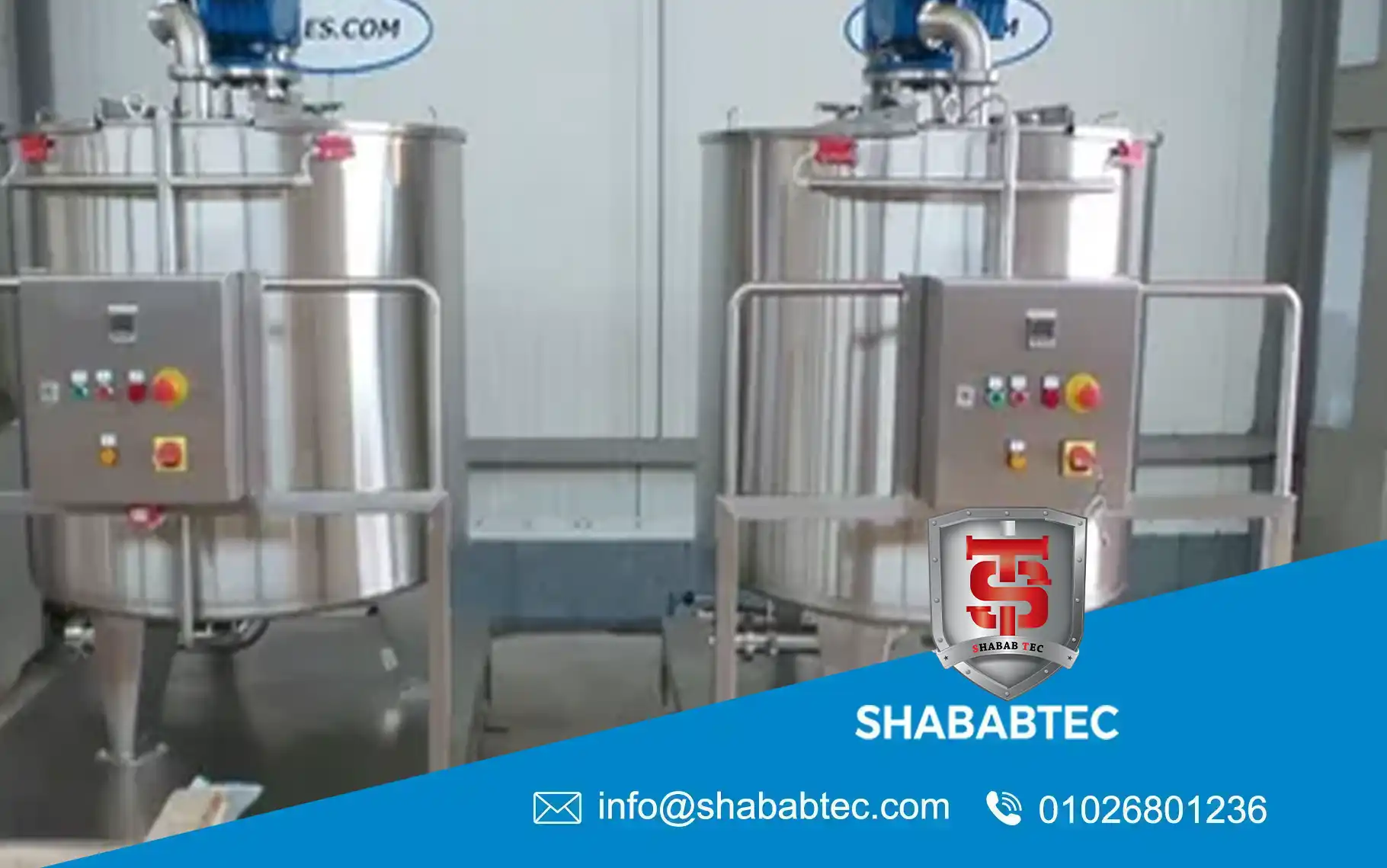
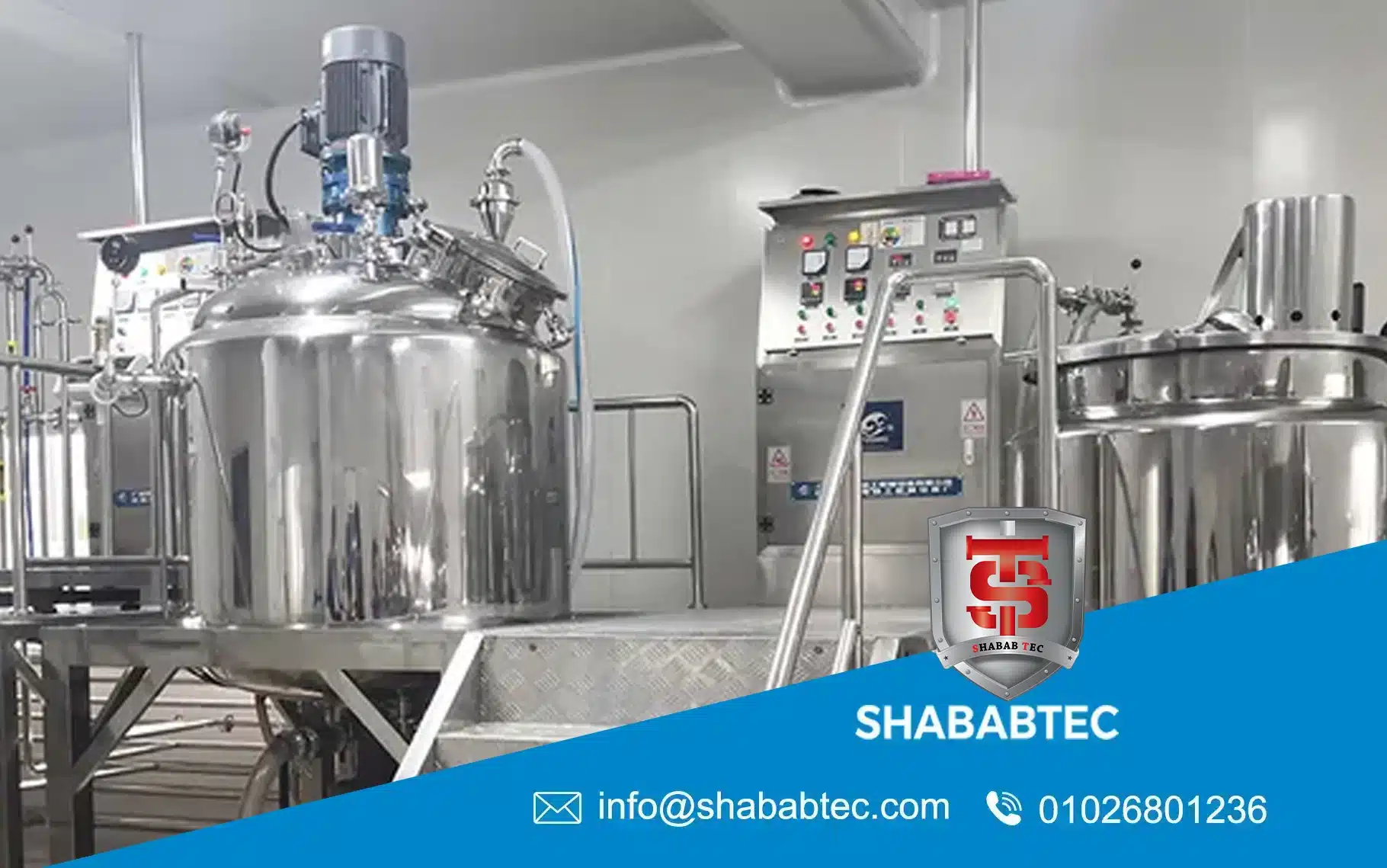
An agitator mixing tank is a vessel equipped with a mechanical agitator used to mix, blend, homogenize, or disperse materials. These tanks are widely used across industries to ensure uniformity in products ranging from liquids to high-viscosity semi-solids.
Typically, a stirring tank consists of a tank body, motor, agitator shaft, and optional systems such as heating, cooling, and vacuum functions.
Image keyword: agitator mixing tank industrial stainless steel
Main Components of a Tank Agitator System
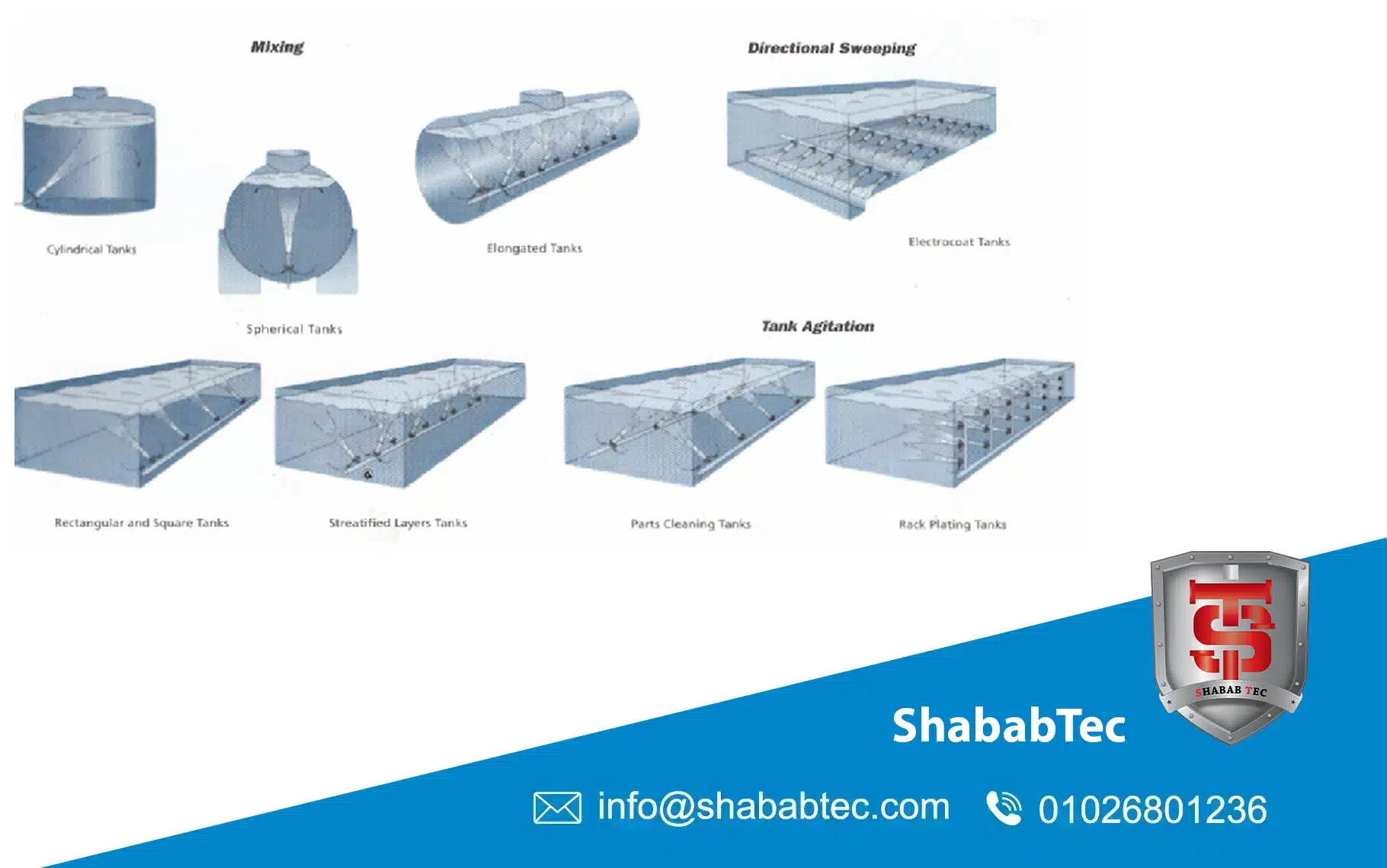
Understanding the structure of a tank agitator is essential for selecting the right equipment. Most industrial mixing tanks include:
- Tank body (usually stainless steel 304, 304L, or 316L)
- Agitator (impeller or blade system)
- Motor or gearbox transmission system
- Shaft sealing system (mechanical seal, packing seal, or labyrinth seal)
- Heating or cooling jacket (optional)
- Inlet and outlet ports
The design can vary depending on the product requirements and processing conditions. Stainless steel tanks are widely used due to durability, hygiene, and corrosion resistance.
Types of Agitator Mixing Tanks
Different industries require different agitator tank designs. Below are the most common types of mixing tank agitator systems:
1. Standard Stirring Tank
A basic stirring tank is used for simple mixing applications such as dissolving powders into liquids or blending low-viscosity fluids.
- Suitable for water-like liquids
- Low energy consumption
- Simple structure and easy operation
Image keyword: standard stirring tank stainless steel mixer
2. High Shear Mixing Tank
A high shear mixing tank agitator is designed for emulsification and particle size reduction. It is commonly used in cosmetics and pharmaceuticals.
- Produces fine emulsions
- Ideal for creams and lotions
- High-speed rotor-stator system
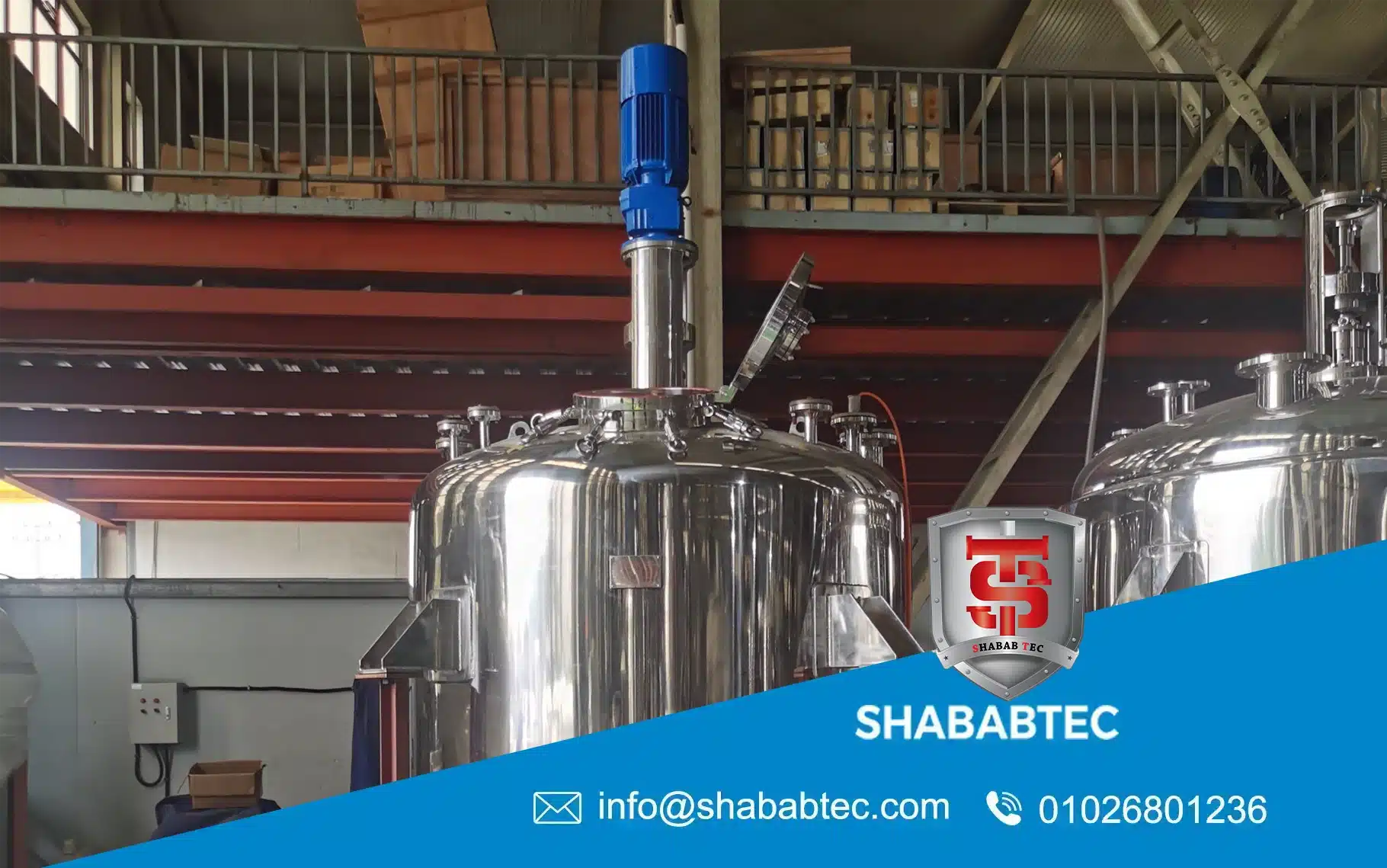
3. Vacuum Emulsifying Mixing Tank
This advanced industrial agitator tank integrates multiple functions including mixing, vacuuming, heating, cooling, and homogenizing.
- Prevents air bubbles
- Improves product stability
- Reduces processing time
It is especially effective for high-viscosity materials such as creams and ointments
Image keyword: vacuum emulsifying mixer tank cosmetic
4. Jacketed Mixing Tank
A mixing tank with a heating or cooling jacket allows precise temperature control during processing.
- Electric or steam heating options
- Used for temperature-sensitive products
- Common in food and chemical industries
5. Multi-Shaft Mixing Tank
This type of tank agitator uses multiple agitators to handle complex mixing tasks.
- Handles high viscosity materials
- Improves mixing efficiency
- Used in adhesives, resins, and pastes
Applications of Industrial Mixing Tanks
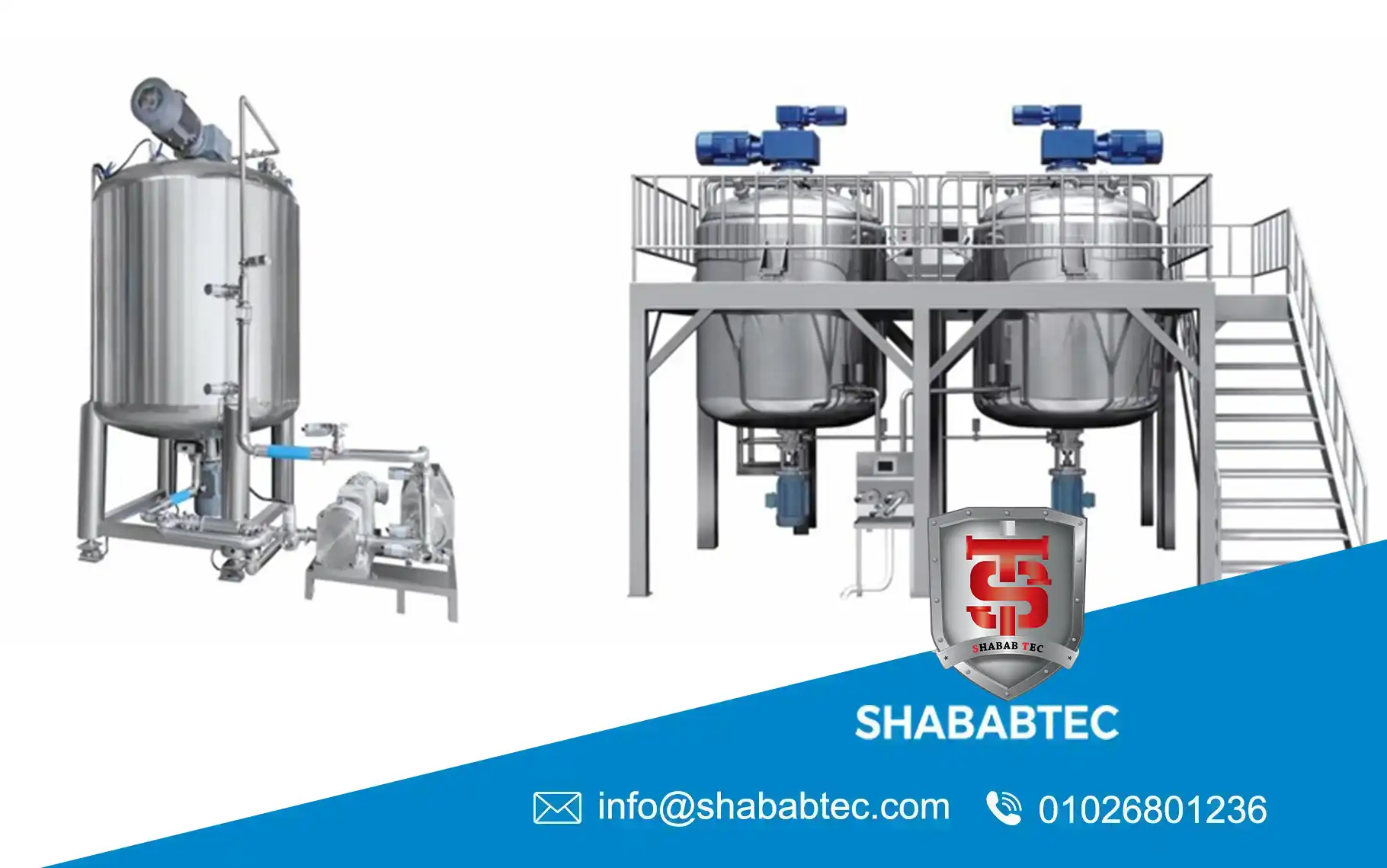
The versatility of agitator mixing tank systems makes them essential across multiple industries:
Cosmetics Industry
- Skin creams
- Lotions
- Shampoo
- Hair gels
- Liquid soap
Food Industry
- Chocolate
- Jam
- Sauces
- Syrups
Pharmaceutical Industry
- Ointments
- Syrups
- Pastes
Chemical Industry
- Paints
- Adhesives
- Detergents
These applications highlight the importance of choosing the right industrial agitator tank for optimal performance.
Why Stainless Steel Mixing Tanks Are Preferred
Most mixing tank systems are made from stainless steel due to several advantages:
- Corrosion resistance
- Easy cleaning and maintenance
- Long service life
- Compliance with hygiene standards
Materials such as 304, 304L, and 316L stainless steel are commonly used depending on the application requirements.
Working Principle of a Mixing Tank Agitator
The mixing tank agitator operates by rotating blades or impellers that create flow patterns inside the tank. This movement ensures:
- Uniform mixing
- Heat transfer efficiency
- Proper dispersion of particles
Depending on the design, the flow can be axial, radial, or a combination of both.
Continue Reading: In Part 2, we will explore how to choose the right agitator tank, design considerations, pricing factors, and expert buying tips.
How to Choose the Right Agitator Tank
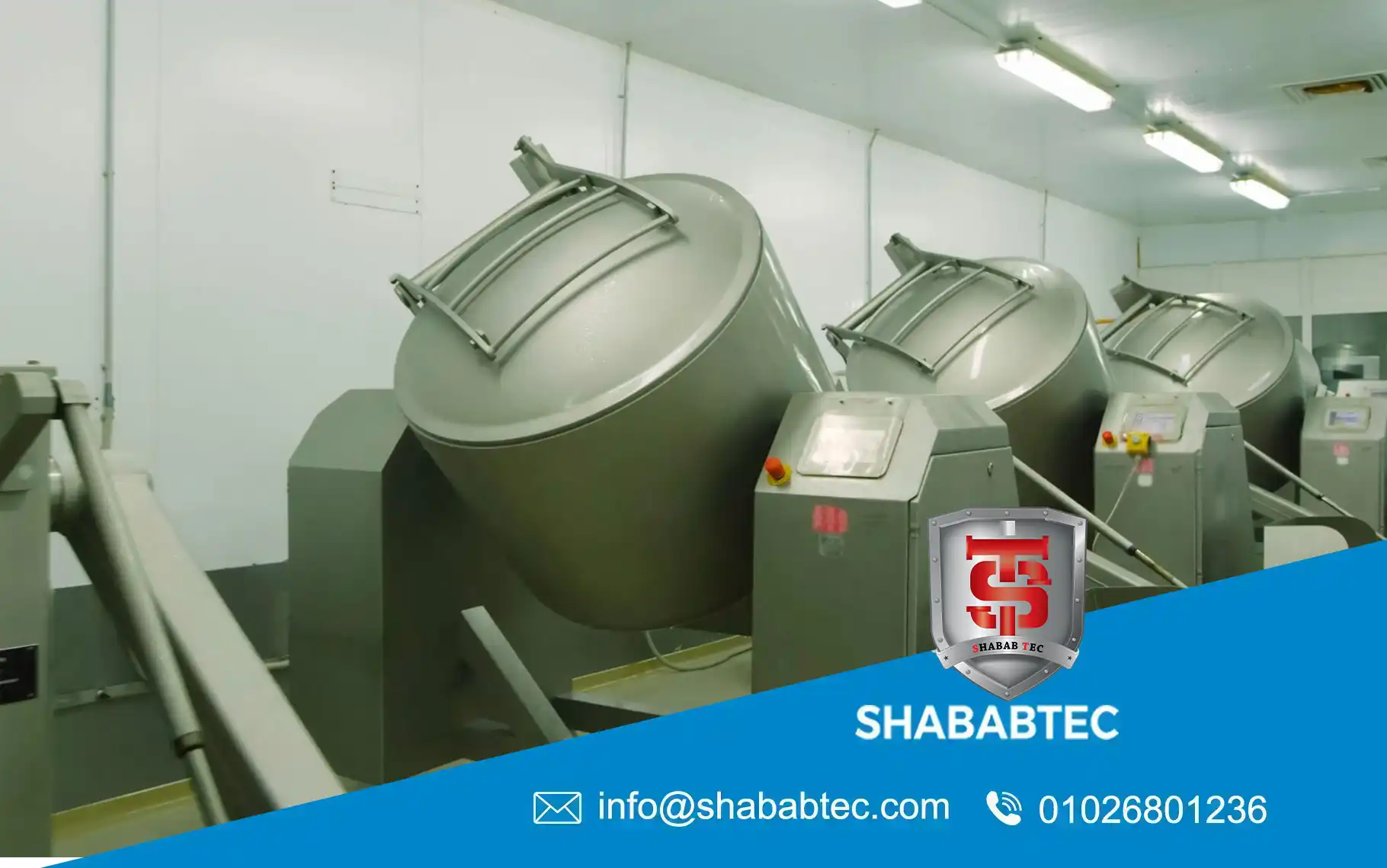
Selecting the right agitator tank is not just about capacity—it depends on your product characteristics, process requirements, and production goals. Choosing the wrong industrial agitator tank can lead to poor mixing quality, higher energy consumption, and production inefficiencies.
1. Material Type and Viscosity
The viscosity of your material determines the type of mixing tank agitator required:
- Low viscosity → Propeller or turbine agitator
- Medium viscosity → Paddle agitator
- High viscosity → Anchor or multi-shaft agitator
High-viscosity materials such as creams, gels, and pastes require more powerful stirring tank configurations.
2. Tank Capacity
The size of the mixing tank should match your production scale. Oversized tanks waste energy, while undersized tanks limit output.
3. Heating and Cooling Requirements
Many processes require temperature control. A jacketed tank agitator allows:
- Steam heating
- Electric heating
- Cooling via water circulation
Heating systems such as electric jackets or coil heating are commonly used depending on production needs.
4. Mixing Speed and Power
The motor power and speed of the mixing tank agitator directly affect mixing efficiency and product consistency.
5. Industry Requirements
Each industry has specific standards:
- Pharmaceutical → GMP compliance
- Food → Hygienic design
- Chemical → Corrosion resistance
Design Considerations for Industrial Mixing Tanks
A well-designed industrial mixing tank improves efficiency, reduces waste, and ensures product quality.
1. Tank Shape and Geometry
The shape of the agitator tank affects flow patterns and mixing performance. Cylindrical tanks with dished bottoms are commonly used for optimal circulation.
2. Impeller Design
Different impellers are used depending on the application:
- Axial flow impellers → Bulk mixing
- Radial flow impellers → High shear mixing
- Anchor agitators → Viscous materials
3. Baffles
Baffles prevent vortex formation and improve mixing efficiency inside the stirring tank.
4. Sealing System
Shaft sealing is critical to prevent leakage:
- Mechanical seal
- Packing seal
- Labyrinth seal
The choice depends on pressure, temperature, and product type.
Cost of Agitator Mixing Tanks
The price of an agitator mixing tank varies depending on several factors:
- Tank capacity (small vs industrial scale)
- Material (304 vs 316L stainless steel)
- Agitator type and complexity
- Heating and cooling systems
- Automation level
Basic mixing tank systems are more affordable, while advanced vacuum emulsifying systems cost more due to additional features.
However, investing in a high-quality industrial agitator tank often results in long-term savings through improved efficiency and reduced downtime.
Common Mistakes to Avoid
- Choosing the wrong agitator type
- Ignoring viscosity requirements
- Underestimating capacity needs
- Skipping temperature control systems
- Using low-quality materials
Avoiding these mistakes ensures better performance and longer equipment lifespan.
Why Choose Shababtec Mixing Tanks?
At Shababtec, we design and manufacture high-performance mixing tank agitator systems tailored to your industry needs.
- High-quality stainless steel (304 / 316L)
- Customizable designs
- Integrated heating, cooling, and vacuum systems
- Suitable for liquid and semi-solid processing
- Durable and easy-to-operate equipment
Our agitator tank solutions are widely used in cosmetics, pharmaceuticals, food, and chemical industries, ensuring high efficiency and consistent results.
Frequently Asked Questions (FAQs)
What are the different types of mixing tanks?
The main types include standard stirring tanks, high shear mixing tanks, vacuum emulsifying tanks, jacketed tanks, and multi-shaft mixing tanks.
What is the difference between a tank agitator and a mixer?
A tank agitator is installed inside a tank for continuous mixing, while a mixer can be standalone equipment.
Which type of agitator is best?
The best mixing tank agitator depends on your material viscosity, process requirements, and industry application.
What industries use agitator tanks?
Industries include cosmetics, food, pharmaceuticals, and chemicals.
What material is best for mixing tanks?
Stainless steel (304 or 316L) is preferred due to durability, hygiene, and corrosion resistance.
Conclusion
Choosing the right agitator mixing tank is essential for achieving high-quality production, reducing operational costs, and improving efficiency. From basic stirring tank systems to advanced vacuum emulsifying solutions, each type serves a specific purpose.
By understanding the different tank agitator designs, applications, and selection criteria, you can make an informed decision that aligns with your production needs.
If you’re looking for reliable, high-performance industrial agitator tank solutions, Shababtec offers customized systems designed to meet the highest industry standards.