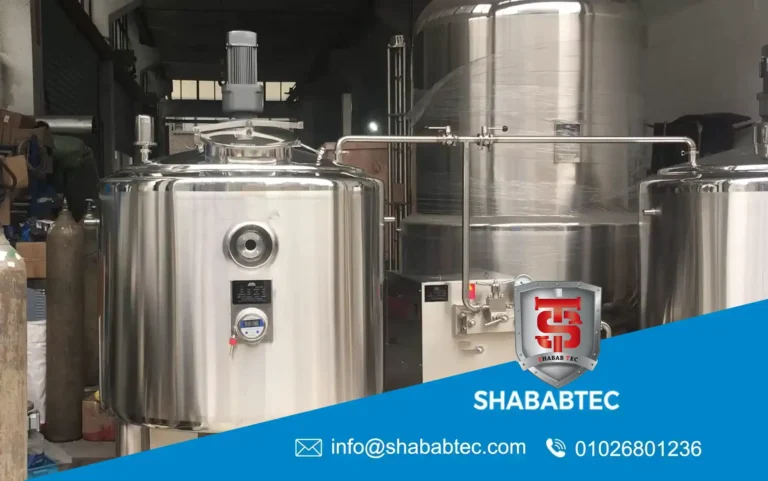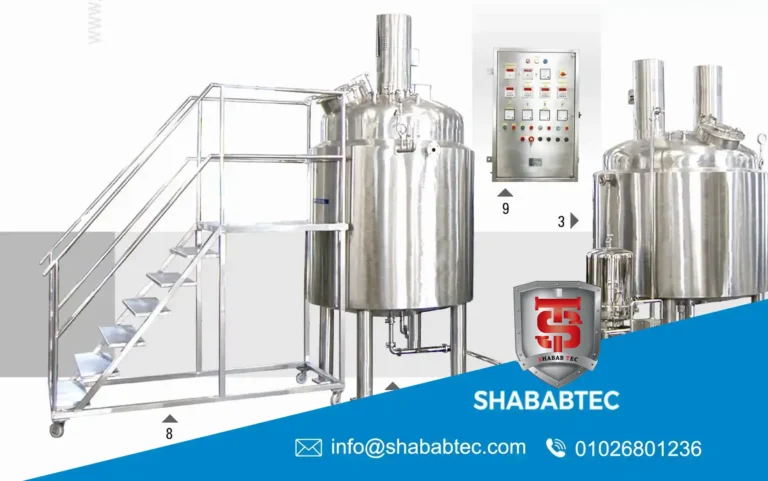
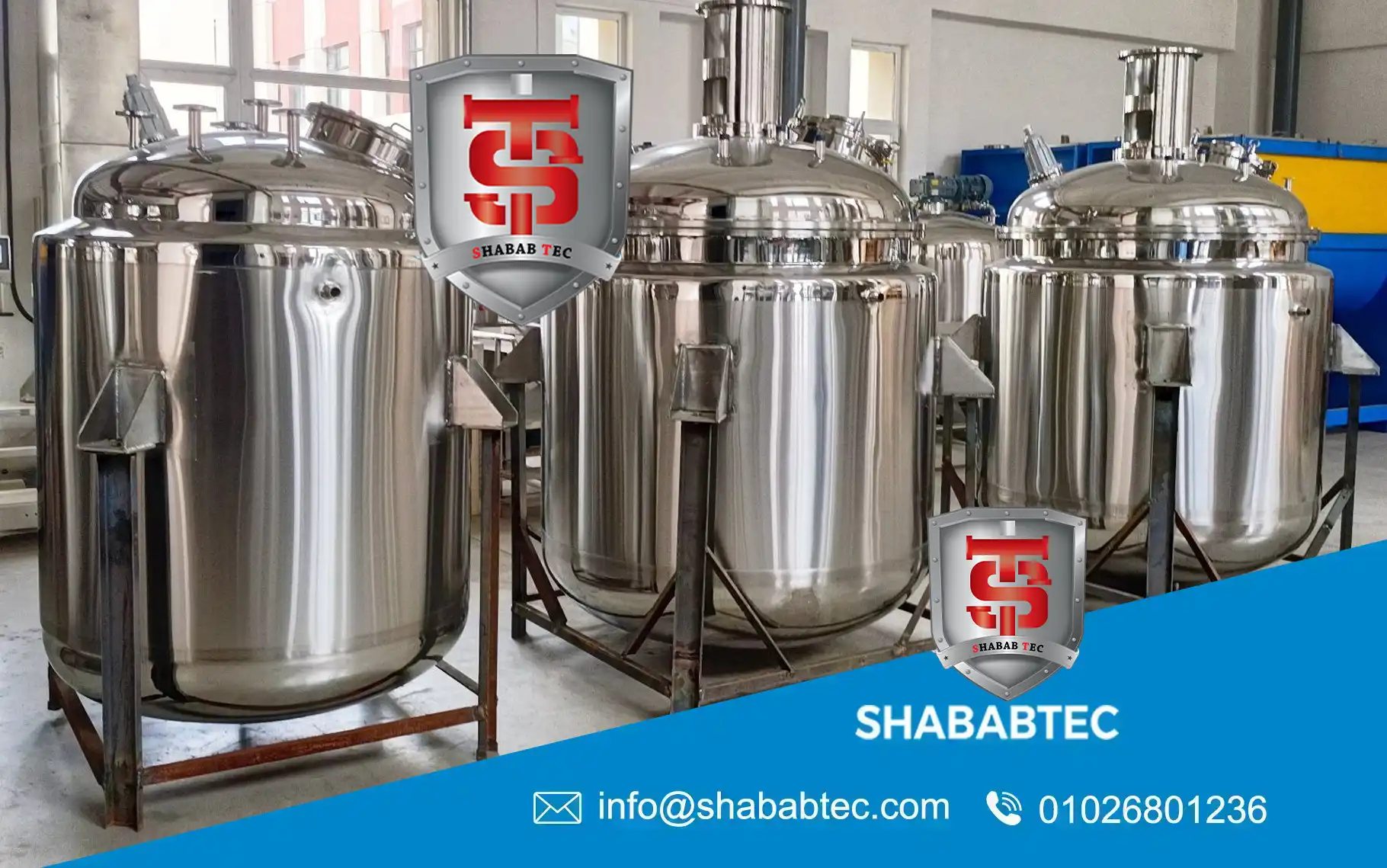
Detergent Mixing Tank
Detergent Mixing Tank Cleaner Formulas, Stable Viscosity, and Faster Production
Detergent production needs accurate mixing, controlled viscosity, stable ingredient distribution, and equipment that can handle chemical cleaning formulas safely. Whether the factory produces dishwashing liquid, laundry detergent, floor cleaner, surface cleaner, car wash liquid, or industrial cleaning products, choosing the right detergent mixing tank is essential for consistent product quality and efficient operation.
A professional liquid detergent mixer helps blend water, surfactants, solvents, thickeners, fragrance, color, preservatives, active cleaning agents, and other additives into one uniform product. Detergent formulas can create foam, change viscosity, react with temperature, or separate if the mixing system is not suitable.
For chemical and detergent factories in Egypt and the region, ShababTec provides practical stainless steel and industrial tank solutions suitable for liquid and semi-liquid preparation. The right chemical detergent tank should be selected based on formula type, viscosity, foaming behavior, chemical compatibility, batch capacity, discharge method, and cleaning requirements.
See Also: Industrial Stainless Steel Mixing Tanks – Complete Guide
What is a Detergent Mixing Tank?
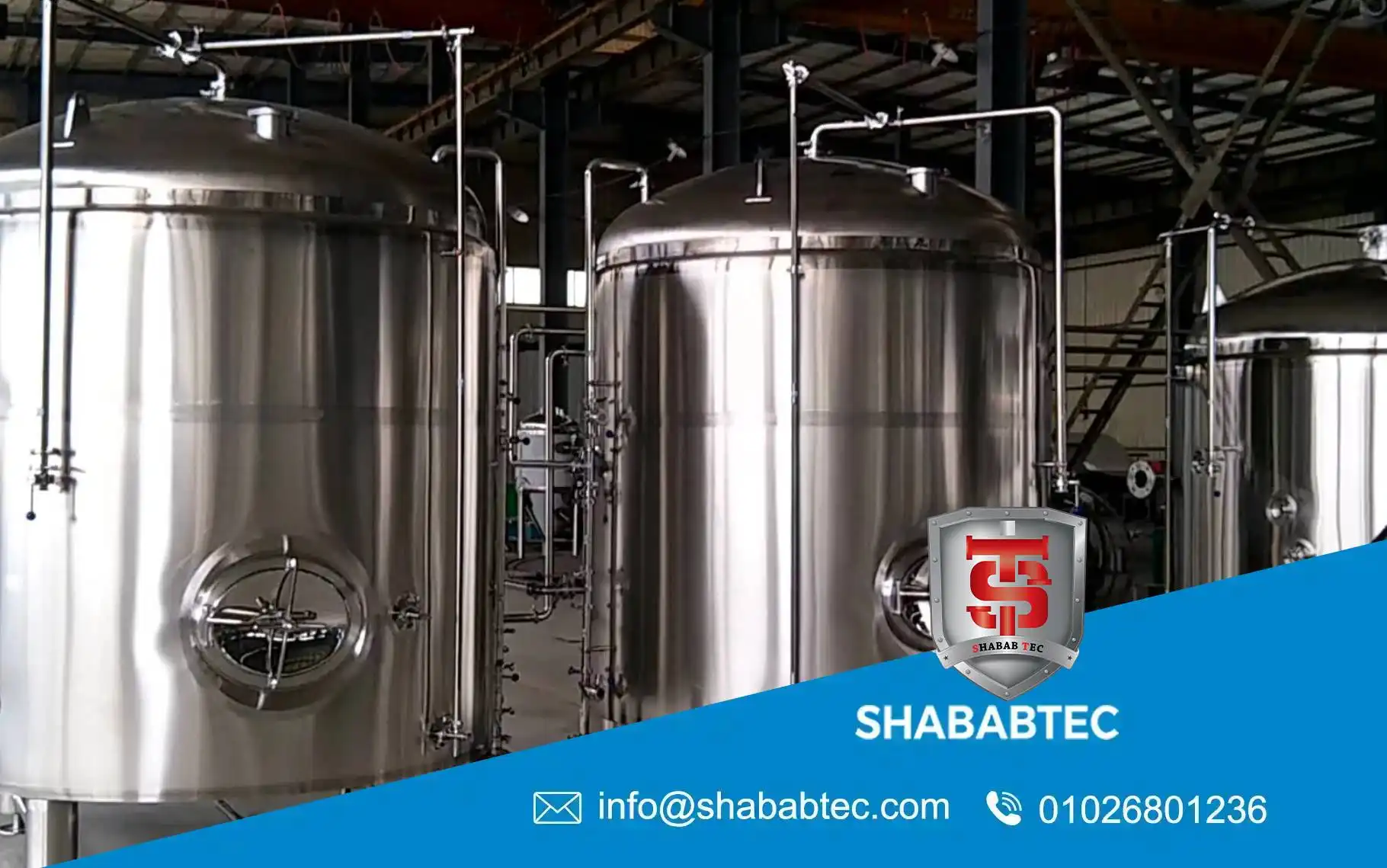
A detergent mixing tank is an industrial tank used to mix, blend, heat, cool, and prepare detergent products under controlled conditions. It is commonly used in factories that manufacture liquid detergent, dishwashing liquid, laundry detergent, surface cleaners, degreasers, and industrial cleaning chemicals.
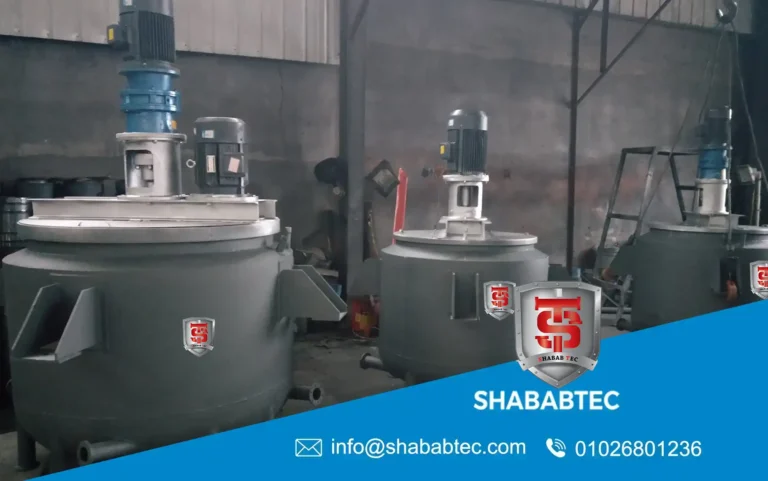
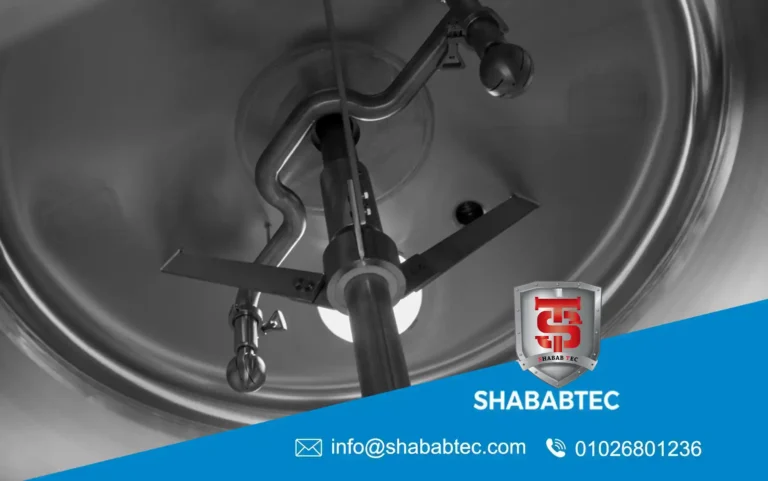
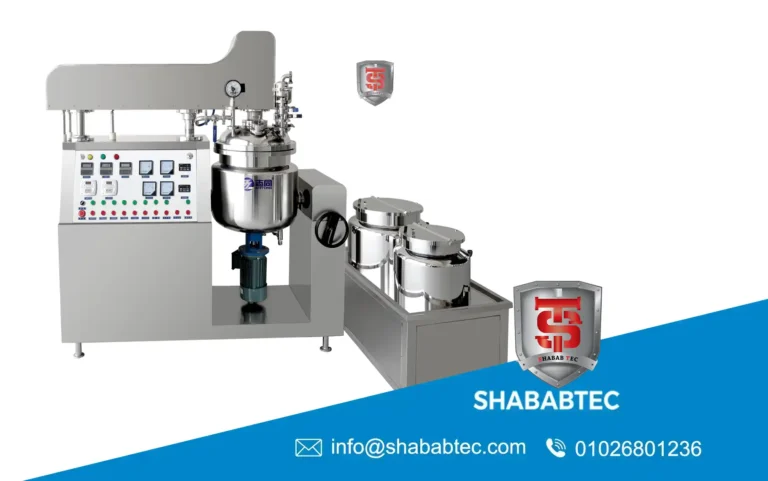
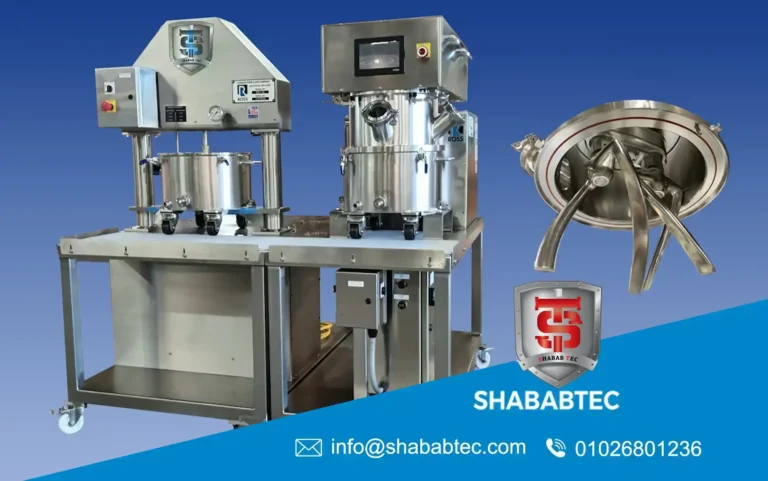
The tank usually includes a tank body, agitator, motor, shaft, mixing blades, discharge valve, support structure, control panel, and sometimes heating, cooling, vacuum, or scraper options depending on the product formula.
A mixing tank detergent system is different from a basic storage tank because detergent production needs controlled mixing. Too much mixing speed may create foam, while weak mixing may cause poor dissolving, uneven viscosity, and ingredient separation.
Why Detergent Production Needs a Professional Liquid Detergent Mixer
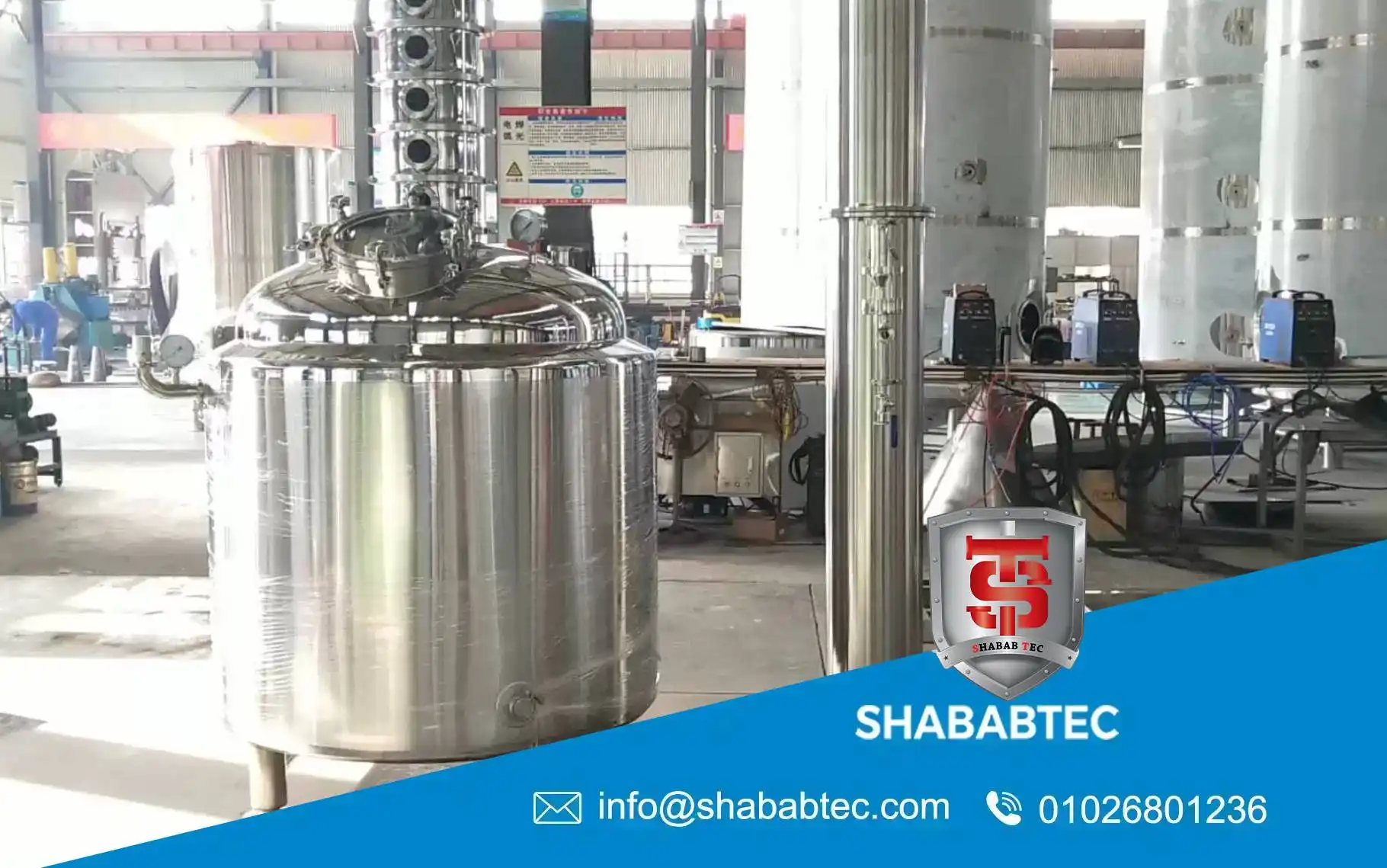
Detergent formulas usually contain surfactants, thickeners, salts, solvents, fragrances, preservatives, and active cleaning materials. These ingredients must be added and mixed in the right order to avoid lumps, foam, separation, or unstable viscosity.
A suitable liquid detergent mixer helps reduce common production problems such as:
- Excessive foam during mixing
- Uneven viscosity
- Thickener or salt not distributed properly
- Fragrance or color separation
- Active ingredients not mixed evenly
- Air bubbles inside the product
- Slow discharge from the tank
- Long cleaning time after production
- Batch variation from one production cycle to another
A well-designed detergent production tank helps factories produce stable cleaning products with better repeatability.
Main Applications of Detergent Mixing Tank
Dishwashing Liquid Production
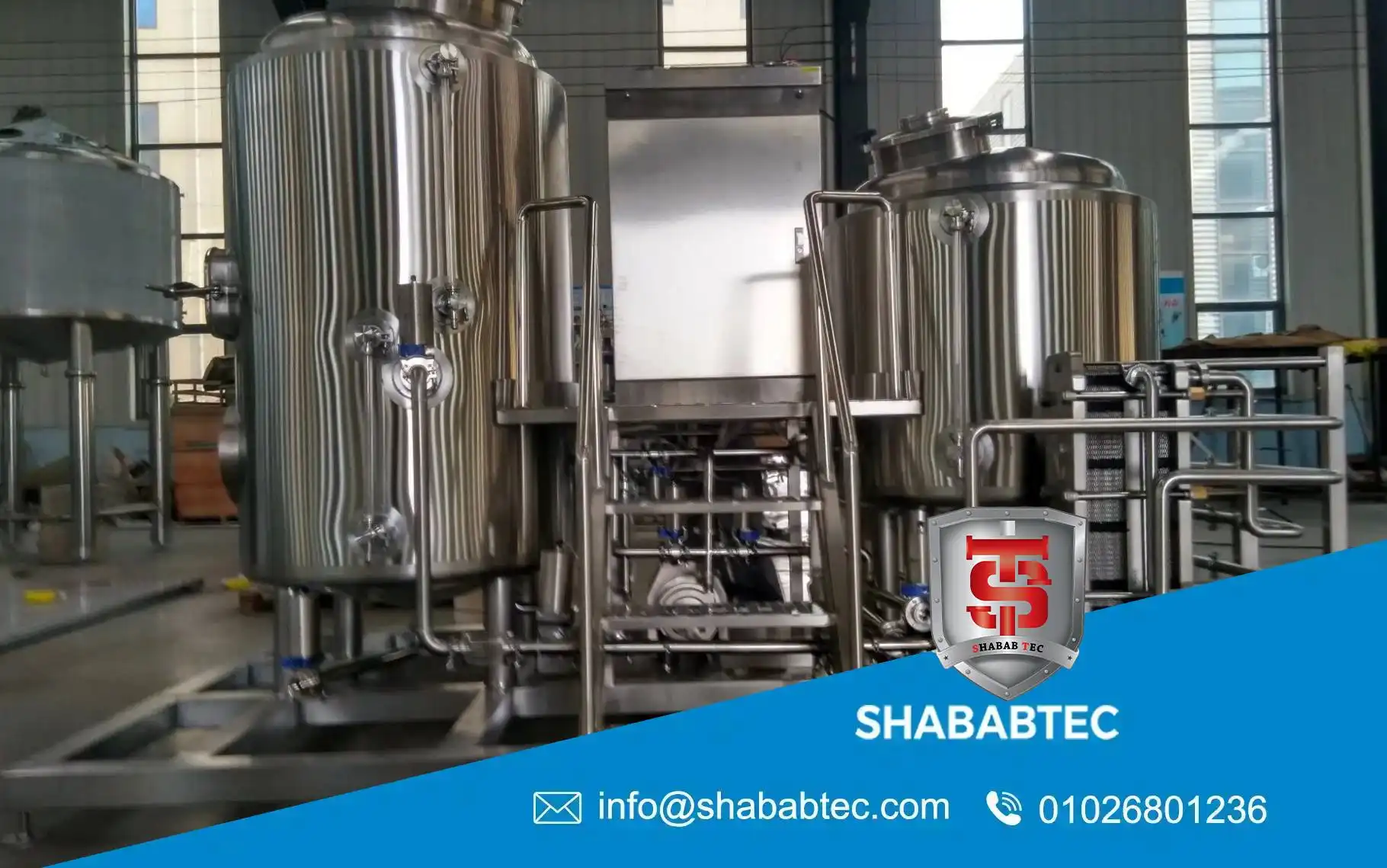
A detergent mixing tank is widely used for dishwashing liquid production. The tank helps mix surfactants, salt, fragrance, color, preservatives, and cleaning agents into a stable liquid with the required thickness.
Laundry Detergent Production
Laundry detergent may include surfactants, builders, enzymes, optical brighteners, fragrance, and other additives. A reliable liquid detergent mixer helps distribute these ingredients evenly for consistent cleaning performance.
Floor Cleaner Production
Floor cleaners need uniform mixing of active cleaning materials, fragrance, color, and solvents. A chemical detergent tank should be compatible with the formula and easy to clean between batches.
Surface Cleaner Production
Surface cleaners can be light liquids or stronger chemical formulas. A proper mixing tank detergent system helps maintain clarity, active ingredient distribution, and stable product quality.
Car Wash Liquid Production
Car wash liquid often needs foam control, fragrance distribution, and stable viscosity. A good industrial detergent tank helps prepare consistent batches for filling and packaging.
Industrial Cleaning Products
Industrial detergents may contain stronger chemicals, degreasers, solvents, or alkaline materials. A detergent production tank should be designed according to chemical compatibility and safe operation requirements.
Main Components of a Chemical Detergent Tank
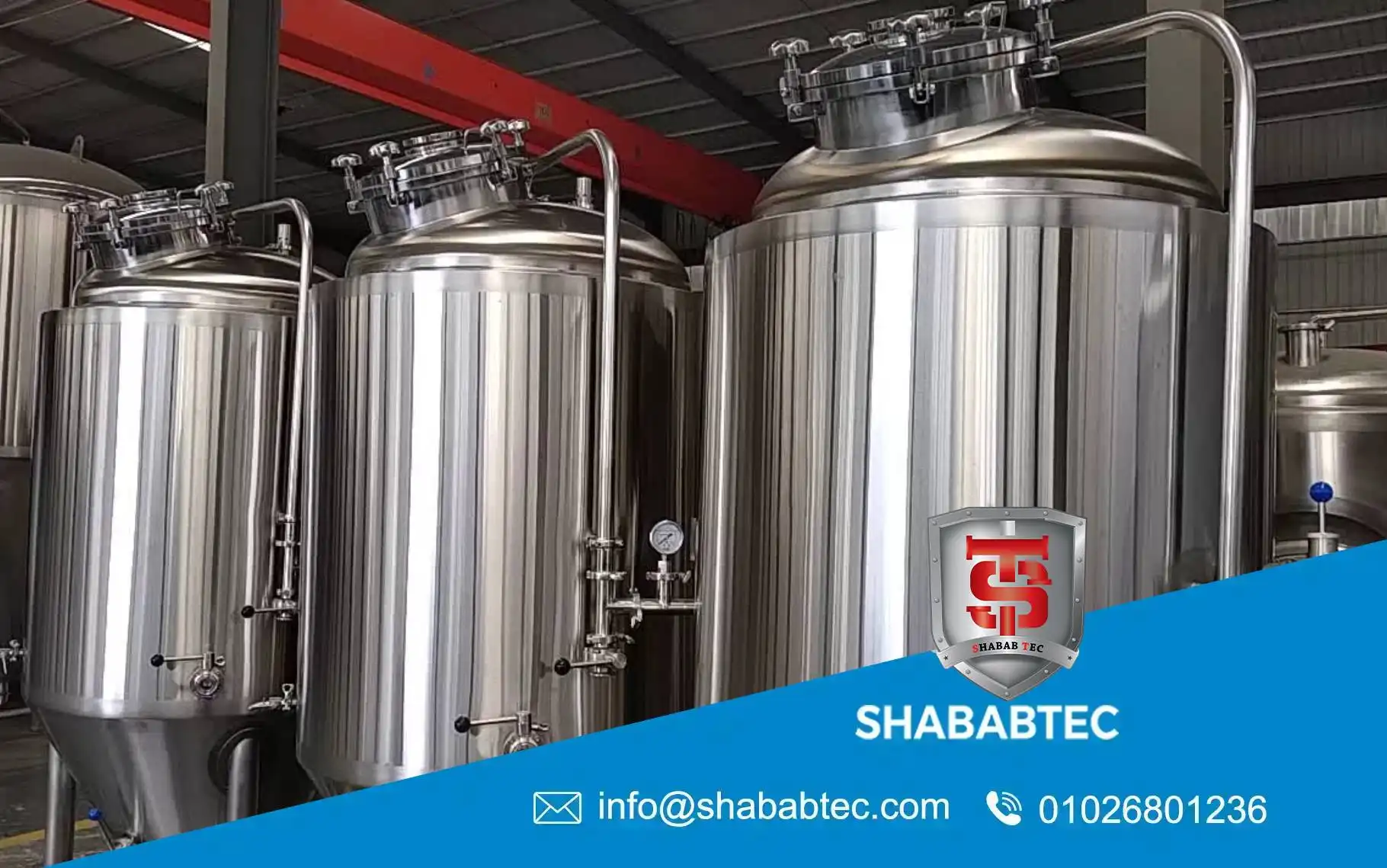
Tank Body
The tank body is the main vessel of the chemical detergent tank. The material should be selected based on the formula, chemical strength, cleaning process, and corrosion risk.
Stainless steel is commonly used for many detergent products because it is durable, hygienic, corrosion-resistant, and easy to clean. However, for stronger chemical formulas, material compatibility must be reviewed carefully before manufacturing the tank.
Agitator System
The agitator moves the detergent mixture inside the tank. It helps dissolve ingredients, distribute additives, and control product consistency.
The agitator design should create enough movement for proper blending without causing excessive foam. This is one of the most important points in detergent mixing tank design.
Motor and Gearbox
The motor powers the liquid detergent mixer. Motor power depends on batch size, product viscosity, mixing blade design, and operating time. A gearbox may be used when the product needs slower speed with stronger torque.
A weak motor can slow production, while uncontrolled high speed can increase foam. The motor should be selected according to the actual detergent formula.
Mixing Blades
Mixing blades control the flow pattern inside the tank. For detergent products, the blades should support uniform blending while reducing air intake.
Different products may need different blade types. Light cleaners may need fast circulation, while thicker detergents may need stronger blade movement.
Heating System
Some detergent formulas need gentle heating to dissolve ingredients, reduce viscosity, or improve mixing speed. A jacketed detergent production tank can provide controlled heating through hot water, steam, or electric heating depending on the factory setup.
Heating is not required for every detergent product, but it can be useful in some formulas that include waxy materials, thickening agents, or ingredients that dissolve better at warm temperature.
Cooling System
Cooling may be needed after heating or before adding fragrance, color, or heat-sensitive ingredients. A mixing tank detergent system with cooling option gives the production team more flexibility.
Discharge Valve
The discharge valve controls how the detergent leaves the tank. Since some detergent products are viscous, the valve should allow smooth discharge and easy cleaning.
A bottom discharge valve can help empty the industrial detergent tank more completely and reduce product waste.
Control Panel
The control panel helps operators manage mixer speed, operation time, heating, cooling, and temperature when available. Speed control is especially useful in detergent production because foaming behavior changes from one formula to another.
Industrial Detergent Tank Design Factors
Foaming Behavior
Foam control is one of the most important design points in an industrial detergent tank. Detergents contain surfactants that naturally create foam. The mixer should move the liquid without pulling too much air into the product.
Product Viscosity
Viscosity affects motor power, blade type, discharge design, and mixing time. A light surface cleaner needs different mixing compared to thick dishwashing liquid or laundry detergent.
Chemical Compatibility
The chemical detergent tank must be compatible with surfactants, solvents, salts, alkaline materials, acids, preservatives, and cleaning chemicals used in the process.
Batch Capacity
The tank size should match daily production demand. Small factories may need compact tanks, while larger factories may need higher-capacity detergent production tank systems.
Ingredient Addition Order
Some detergent ingredients must be added slowly or at specific stages. The tank design should allow safe and practical ingredient addition during operation.
Temperature Requirement
Some formulas are prepared at room temperature, while others need heating or cooling. A jacketed mixing tank detergent system can support more flexible production.
Cleaning Requirements
Detergent products can leave slippery residue on tank walls, blades, valves, and pipelines. Smooth internal surfaces and proper access openings help reduce cleaning time.
Mixing Tank Detergent System Based on Product Type
Dishwashing Liquid
A mixing tank detergent system for dishwashing liquid should support viscosity control, fragrance distribution, color blending, and foam management during production.
Laundry Detergent
Laundry detergent may include more complex ingredients. A liquid detergent mixer should help distribute cleaning agents, builders, fragrance, and functional additives evenly.
Floor Cleaner
Floor cleaner production often needs simple blending, but chemical compatibility is still important. A chemical detergent tank should be selected based on the formula strength.
Heavy-Duty Degreaser
Degreasers may contain stronger solvents or alkaline ingredients. A suitable industrial detergent tank should be built with compatible contact parts and safe operation in mind.
Multi-Purpose Cleaner
Multi-purpose cleaners need stable blending and clear appearance. A detergent mixing tank helps maintain consistency and reduces separation.
Common Problems in Detergent Production
Excessive Foam
Foam can slow production, affect filling accuracy, and increase waiting time. A proper liquid detergent mixer with controlled speed helps reduce unnecessary foam formation.
Unstable Viscosity
Viscosity may change if salt, thickener, or surfactants are not mixed properly. A suitable detergent production tank helps distribute viscosity modifiers evenly.
Ingredient Separation
Some fragrance, color, or active ingredients may separate if the mixing system is weak. A good detergent mixing tank supports uniform distribution.
Air Bubbles
Air bubbles may appear when mixing is too aggressive. Speed control and proper blade design help reduce bubbles inside the product.
Slow Discharge
Thick detergent may not flow easily through a small outlet. A suitable discharge valve in the industrial detergent tank helps transfer product efficiently.
Difficult Cleaning
Detergent residue can remain on surfaces. Smooth stainless steel design and easy access help make cleaning faster.
Corrosion Risk
Some detergent formulas can be aggressive. A proper chemical detergent tank material selection helps protect the equipment from corrosion and damage.
Benefits of Using a Professional Detergent Production Tank
Using a well-designed detergent production tank provides several practical benefits for factories:
- More stable detergent quality
- Better viscosity control
- Reduced foam during production
- Improved fragrance and color distribution
- Better active ingredient blending
- Lower product waste
- Smoother discharge and transfer
- Faster cleaning between batches
- More repeatable batch quality
- Improved daily production efficiency
For detergent factories, the right tank can improve product consistency and reduce operation problems.
Detergent Mixing Tank in Small and Large Factories
Small Detergent Production
Small factories may need a compact detergent mixing tank with simple controls, practical mixing power, and easy cleaning. This is useful for small batches, local detergent brands, and growing production lines.
Medium Detergent Production Lines
Medium factories may need a stronger liquid detergent mixer with variable speed control, heating option, better discharge, and larger capacity. This supports repeated daily batches with stable quality.
Large Industrial Detergent Manufacturing
Large factories may need a high-capacity industrial detergent tank with heavy-duty structure, advanced controls, transfer pump connection, and chemical-compatible contact parts.
Chemical Detergent Tank and Material Selection
Choosing the right material for a chemical detergent tank is important because detergent formulas can vary widely. Some products are mild, while others contain stronger cleaning agents, solvents, acids, or alkaline materials.
Important points to review include:
- Product pH level
- Surfactant type
- Solvent content
- Salt or thickener concentration
- Operating temperature
- Cleaning chemicals
- Expected tank lifetime
- Material compatibility of seals and valves
The tank body, agitator, shaft, blades, seals, and valves should match the formula to reduce corrosion, contamination, and maintenance issues.
How to Choose the Right Mixing Tank Detergent System
Before selecting a mixing tank detergent system, the factory should review the product formula and production method carefully. Detergent products can behave very differently depending on surfactants, thickeners, salts, and additives.
Important questions include:
- What type of detergent will be produced?
- Is the product thin, medium, or thick?
- Does the formula create a lot of foam?
- What is the final viscosity?
- Does the process need heating?
- Does the process need cooling?
- What batch capacity is required?
- What tank material is compatible with the formula?
- How will ingredients be added?
- How will the product be discharged?
- How will the tank be cleaned after each batch?
- Will the same tank produce different detergent products?
These answers help define the correct detergent mixing tank design, including tank size, motor power, blade type, speed control, discharge valve, material, and temperature options.
Why ShababTec is a Practical Choice for Detergent Mixing Tank Solutions
ShababTec provides stainless steel and industrial equipment for liquid and semi-solid preparation, including tanks suitable for detergents, liquid soap, shampoo, adhesives, paint, coatings, fertilizers, sauces, syrups, creams, and pharmaceutical products. For factories that need a reliable detergent mixing tank, ShababTec can support practical designs based on formula behavior, viscosity, foaming level, batch capacity, discharge method, and chemical compatibility.
Instead of choosing a general tank that may create foam or fail to control viscosity properly, manufacturers can work with ShababTec to select a suitable mixing tank detergent system for real production conditions.
Whether the factory needs a simple liquid detergent mixer, a stronger chemical detergent tank, or a complete detergent production tank, the equipment should be designed around the formula and daily production target.
Maintenance Tips for Detergent Mixing Tank
Regular maintenance helps keep the detergent mixing tank working efficiently and reduces unexpected production stops. Since detergent can leave slippery residue and some formulas may be chemically active, cleaning and inspection should be done carefully.
- Clean the tank after every batch
- Rinse the discharge valve and outlet line properly
- Check agitator blades for residue buildup
- Monitor motor and gearbox sound during operation
- Check shaft seals and valves for leakage
- Inspect heating and cooling connections if available
- Check tank surfaces for stains, corrosion, or residue
- Review material compatibility when changing formulas
- Check control panel and speed settings regularly
- Follow a fixed maintenance schedule
Final Thoughts
A detergent mixing tank is a key part of liquid detergent and cleaning product manufacturing. The right design helps control foam, viscosity, ingredient distribution, discharge, cleaning, and daily production efficiency.
Whether your factory needs a chemical detergent tank for stronger formulas, a liquid detergent mixer for dishwashing or laundry products, an industrial detergent tank for high-volume production, or a complete mixing tank detergent system, the equipment should be selected according to real product behavior and production needs.
ShababTec offers practical tank solutions for factories that need reliable detergent production tank systems and other chemical processing equipment. A properly designed tank can help manufacturers produce stable detergent quality with smoother daily operation.
FAQ – Detergent Mixing Tank
What is a detergent mixing tank used for?
A detergent mixing tank is used to mix, blend, heat, cool, and prepare detergent products such as dishwashing liquid, laundry detergent, floor cleaner, surface cleaner, and industrial cleaning products.
What is a chemical detergent tank?
A chemical detergent tank is an industrial tank designed to handle detergent formulas that may contain surfactants, solvents, salts, active cleaning agents, acids, or alkaline materials.
What is the role of a liquid detergent mixer?
A liquid detergent mixer blends ingredients evenly, controls viscosity, reduces separation, manages foam, and helps produce consistent detergent quality.
How do I choose the right detergent production tank?
Choose based on product type, viscosity, foaming behavior, batch capacity, chemical compatibility, heating or cooling needs, discharge method, and cleaning process.
Why is foam control important in a mixing tank detergent system?
Foam control is important because excessive foam can slow production, affect filling accuracy, increase waiting time, and reduce process efficiency.
Can one industrial detergent tank produce different cleaning products?
Yes, depending on the design, one industrial detergent tank can produce different cleaning products if the material, mixer, speed control, discharge method, and cleaning process match each formula.
See Also: adhesive mixing tank | cream mixing tank