How to Choose Mixing Tank Without Wasting Money on the Wrong Equipment
How to Choose Mixing Tank Without Wasting Money on the Wrong Equipment
Choosing the wrong mixing tank can create serious problems inside any production line. The tank may look good from outside, but once production starts, the factory may face weak mixing, slow processing, product separation, motor overload, difficult cleaning, leakage, poor discharge, or unstable batch quality. This is why understanding how to choose mixing tank correctly is important before buying any industrial equipment.
A proper industrial mixing tank selection is not based only on tank size or price. It depends on product type, viscosity, batch capacity, mixer design, motor power, stainless steel grade, heating and cooling needs, discharge method, and cleaning requirements. Every product behaves differently, so the tank must be selected according to the real production process.
This mixing tank guide explains the most important points that help factory owners, production managers, engineers, and purchasing teams choose industrial mixer correctly. It also helps avoid common mistakes in mixing equipment selection and supports better process tank selection for food, cosmetics, pharmaceuticals, chemicals, detergents, adhesives, fertilizers, syrups, sauces, creams, gels, ointments, and semi-solid products.
See Also: Industrial Stainless Steel Mixing Tanks – Complete Guide
Why Choosing the Right Mixing Tank Matters
A mixing tank is not just a container. It is part of the production process. It affects how ingredients move, how fast they dissolve, how evenly they blend, how easy the product discharges, and how quickly the tank can be cleaned after each batch.
If the tank is not suitable for the product, the factory may lose time, money, and product quality. For example, a simple liquid mixer may work well for light detergent, but it may fail completely with thick cream, adhesive, ointment, chocolate, or paste. A tank made from the wrong material may corrode when used with chemicals or acidic products. A weak motor may overheat when mixing high-viscosity materials.
This is why industrial mixing tank selection should always start with the product, not with the tank price.
Common Problems Caused by Wrong Mixing Equipment Selection
Weak Mixing
Weak mixing happens when the agitator type, motor power, or blade design does not match the product. The result may be uneven ingredients, lumps, separation, or poor final texture.
Motor Overload
If the product is thick and the motor is too weak, the motor may overheat or stop during operation. This is common when factories use a light-duty mixer for creams, gels, adhesives, pastes, or heavy chemical products.
Product Separation
Some products need strong or specific mixing to remain stable. Lotions, creams, sauces, detergents, paints, and suspensions may separate if the tank does not create proper movement.
Difficult Cleaning
A tank with rough internal surfaces, poor valve placement, dead corners, or unsuitable blade design can be difficult to clean. This increases downtime and may create hygiene risks.
Slow Discharge
Thick products may not flow easily through a small outlet. Poor discharge design can leave product inside the tank and increase waste.
Wrong Temperature Control
Some products need heating or cooling. If temperature control is missing or poorly designed, production can become slow or product quality may be affected.
Corrosion and Material Damage
Using the wrong stainless steel grade or unsuitable material can cause corrosion, staining, contamination risk, and shorter tank lifetime.
How to Choose Mixing Tank Based on Product Type
The first step in how to choose mixing tank is to define the product clearly. Product behavior is the foundation of correct tank design.
Light Liquid Products
Light liquids include water-like solutions, simple syrups, light detergents, and some chemical liquids. These products usually need simple agitation and moderate motor power.
For this category, mixing equipment selection can focus on proper circulation, easy discharge, stainless steel grade, and basic speed control if needed.
Medium-Viscosity Products
Medium-viscosity products include shampoo, liquid soap, lotion, sauce, syrup, and some cosmetic or food products. These products need stronger mixing than light liquids and may require variable speed control.
In this case, process tank selection should consider agitator design, motor power, foam control, temperature needs, and discharge method.
High-Viscosity Products
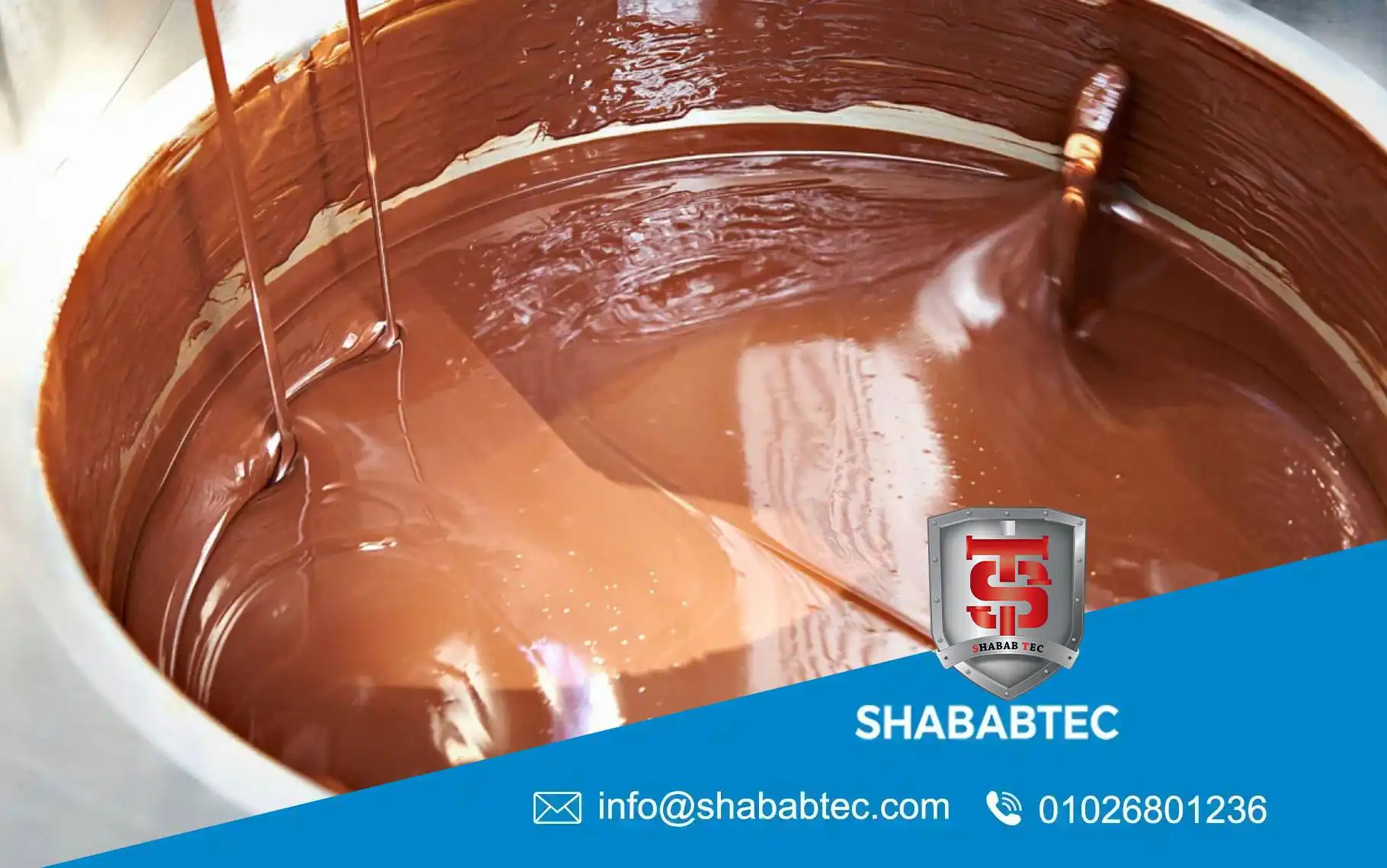
High-viscosity products include creams, ointments, gels, pastes, adhesives, chocolate, jam, and thick coatings. These products need high torque, strong structure, suitable blades, and often scraper systems.
When you choose industrial mixer for high-viscosity products, do not focus only on tank capacity. Motor power, gearbox, agitator design, shaft strength, and discharge system become critical.
Products with Powders or Solids
Products such as paint, fertilizer, pharmaceutical suspensions, sauces with particles, or chemical mixtures may contain powders, pigments, fillers, salts, or solids. These materials can settle if the mixing system is weak.
A proper industrial mixing tank selection should include blade design that prevents settling and supports even distribution across the full batch.
Mixing Tank Guide Based on Viscosity
Viscosity describes how thick or thin the product is. It is one of the most important factors in any mixing tank guide. The higher the viscosity, the harder the product is to move inside the tank.
Low-viscosity products may need fast movement and simple blades. Medium-viscosity products may need stronger agitation and speed control. High-viscosity products may need slow but powerful movement, gearbox support, scraper systems, and special discharge design.
Before making a final mixing equipment selection, ask these questions:
- Is the product thin, medium, or thick?
- Does the product become thicker during production?
- Does heating make the product thinner?
- Does cooling make the product harder to move?
- Does the product stick to tank walls?
- Does the product contain powders or suspended solids?
These answers help define the correct motor, gearbox, blade type, shaft size, and tank structure.
How to Choose Industrial Mixer by Agitator Type
Propeller Mixer
A propeller mixer is suitable for low-viscosity liquids that need fast circulation. It is commonly used for simple liquids, light detergents, and water-based products.
Paddle Mixer
A paddle mixer provides gentle movement and can be useful for medium-viscosity products. It is suitable when the product needs controlled blending without aggressive shear.
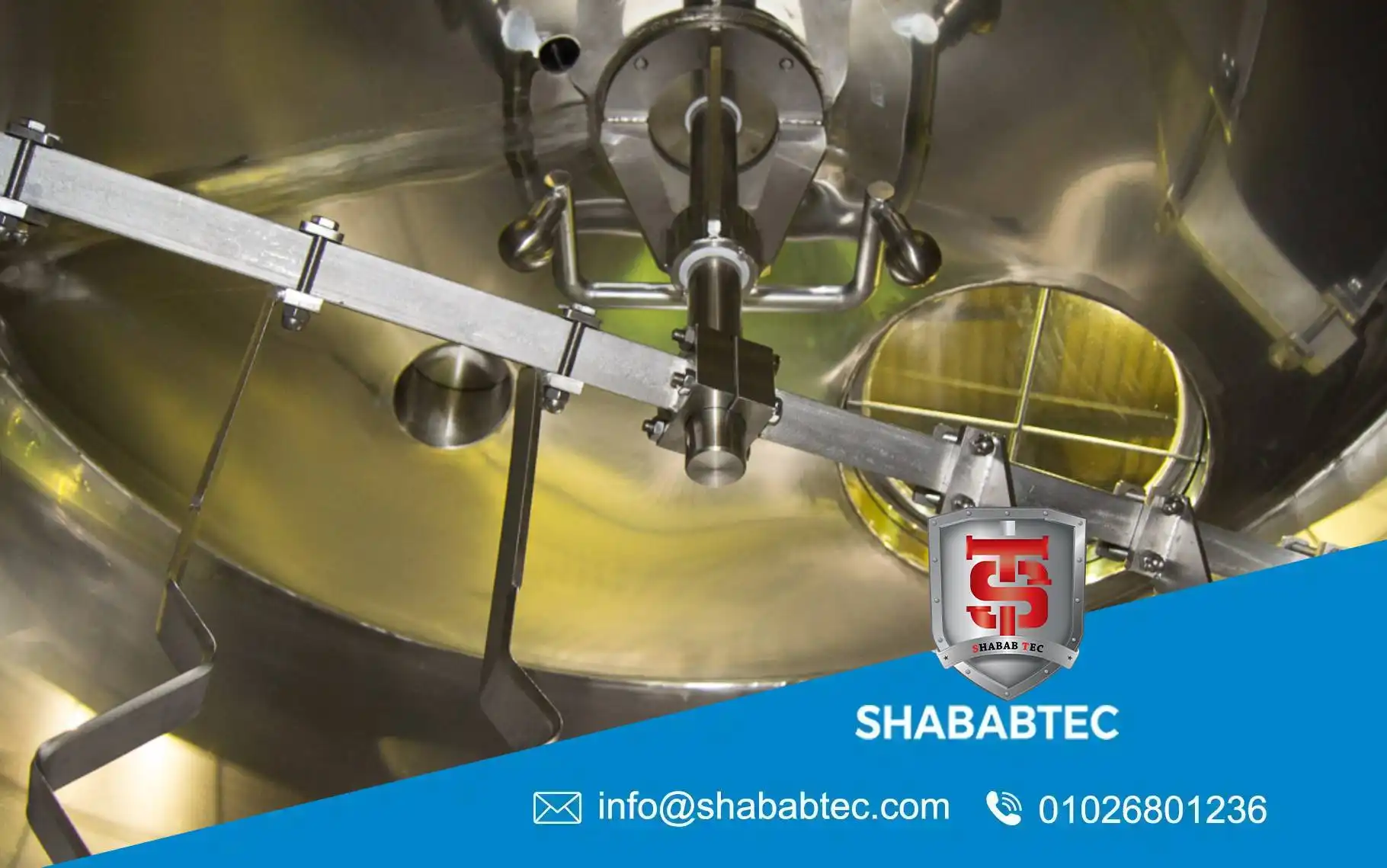
Anchor Mixer
An anchor mixer is used for thicker products. It moves close to the tank wall and helps keep viscous materials moving. It is common in creams, gels, sauces, and adhesives.
Scraper Mixer
A scraper mixer removes product from the tank wall. It is useful for products that stick during heating or mixing, such as cream, ointment, jam, chocolate, paste, and adhesive.
High-Shear Mixer
A high-shear mixer is used for emulsification, dispersion, and fine mixing. It is common in creams, lotions, emulsions, paint dispersion, and some pharmaceutical or cosmetic products.
To choose industrial mixer correctly, the agitator must match the product, not only the tank volume.
Process Tank Selection Based on Heating and Cooling
Temperature control is a major part of process tank selection. Many products cannot be processed correctly without heating, cooling, or both.
When Heating is Needed
Heating may be required to dissolve ingredients, melt materials, reduce viscosity, activate starch or pectin, or improve blending. Products that may need heating include syrup, chocolate, jam, gelatin, ointment, cream, wax-like materials, adhesive, and some chemical formulas.
When Cooling is Needed
Cooling may be needed before filling, before adding heat-sensitive ingredients, or after a heating process. This is common in creams, lotions, syrups, gels, ointments, and some food or pharmaceutical products.
Jacketed Tank Selection
If the product needs temperature control, a jacketed tank is often the right choice. The jacket allows heating or cooling media to move around the tank body and transfer temperature more evenly.
When reviewing industrial mixing tank selection, do not ignore temperature requirements. Adding heating or cooling later can be difficult and expensive.
Mixing Equipment Selection Based on Tank Material
The tank material must be compatible with the product and cleaning chemicals. Stainless steel is commonly used because it is strong, hygienic, corrosion-resistant, and easy to clean.
Stainless Steel 304
Stainless steel 304 is suitable for many food, cosmetic, detergent, syrup, sauce, and general liquid mixing applications.
Stainless Steel 316
Stainless steel 316 offers higher corrosion resistance and may be better for acidic, salt-rich, pharmaceutical, or more demanding chemical products.
Stainless Steel 316L
Stainless steel 316L is often used when higher hygiene and corrosion resistance are required, especially in pharmaceutical and sensitive production applications.
A proper mixing tank guide should always include material selection because the wrong material can cause corrosion, contamination risk, or short equipment lifetime.
How to Choose Mixing Tank Capacity
Tank capacity should be selected based on real batch volume, not only future expectations. A tank that is too small will slow production. A tank that is too large may make small batches harder to mix properly.
When deciding capacity, consider:
- Required batch size
- Working volume, not only total volume
- Available factory space
- Daily production target
- Future production growth
- Product expansion during mixing or foaming
- Safe space above the product level
Good process tank selection balances current production needs with realistic future growth.
Industrial Mixing Tank Selection Based on Discharge Method
Discharge design affects product waste, production speed, and cleaning time. Thin liquids can discharge easily, but thick products may need a larger valve, bottom outlet, pump, or pressure support.
Gravity Discharge
Gravity discharge works well for low-viscosity liquids and some medium-viscosity products.
Bottom Discharge
Bottom discharge helps empty the tank more completely and is useful for syrups, sauces, lotions, detergents, and many liquid products.
Pump-Assisted Discharge
Thick products such as creams, ointments, adhesives, pastes, and chocolate may need a pump to transfer product to filling or storage.
Large Outlet Design
High-viscosity products may require a larger outlet to prevent slow discharge and product buildup.
When you choose industrial mixer, always think about how the product will leave the tank after mixing.
Cleaning Requirements in Mixing Equipment Selection
Cleaning is a daily production issue. A tank that is difficult to clean can increase labor cost, downtime, and contamination risk. This is especially important in food, cosmetics, pharmaceuticals, and sticky chemical products.
Important cleaning points include:
- Smooth internal surface
- Clean welding and polishing
- Easy access openings
- Proper discharge slope
- Easy-to-clean valves
- Minimal dead zones
- Removable or cleanable mixing parts when needed
- Material compatibility with cleaning chemicals
A good mixing tank guide should always include cleaning because cleaning time affects real production cost.
How to Choose Mixing Tank Motor and Gearbox
The motor and gearbox must match the product load. A weak motor can cause overheating and slow production. A wrong gearbox can create incorrect speed or insufficient torque.
Motor selection depends on:
- Product viscosity
- Tank capacity
- Agitator type
- Mixing speed
- Operating time
- Product density
- Starting load
- Solids or powders inside the product
For thick products, torque is more important than speed. For light liquids, circulation speed may be more important. Correct industrial mixing tank selection should connect motor power with the real product behavior.
Questions to Ask Before Final Process Tank Selection
Before making the final process tank selection, answer these practical questions:
- What product will be mixed?
- What is the product viscosity?
- What is the required batch capacity?
- Does the product contain powders or solids?
- Does the product need heating?
- Does the product need cooling?
- Does the product need vacuum?
- Does the product need homogenizing?
- What stainless steel grade is suitable?
- What mixer type is required?
- What motor power is needed?
- How will the product be discharged?
- How will the tank be cleaned?
- Will the same tank produce different products?
- What is the available factory space?
These questions make mixing equipment selection more accurate and reduce the risk of buying the wrong tank.
Common Mistakes When Buyers Choose Industrial Mixer
Buying by Price Only
The cheapest tank may not be suitable for the product. If the mixer is weak, the steel is thin, or the motor is underpowered, the factory may pay more later in repairs and downtime.
Ignoring Product Viscosity
Viscosity affects nearly every part of the tank. Ignoring it is one of the most common mistakes in industrial mixing tank selection.
Choosing a Standard Tank for a Special Product
Some products need special design. Cream, ointment, adhesive, chocolate, paint, and pharmaceutical gel should not be treated like simple liquids.
Not Checking Stainless Steel Grade
Using the wrong material can cause corrosion, contamination risk, and shorter equipment lifetime.
Forgetting Future Cleaning
A tank may mix well but still create problems if it is difficult to clean. Cleaning design should be reviewed before buying.
Ignoring Discharge
Many buyers focus on mixing but forget discharge. If the product cannot leave the tank easily, production will still be slow.
Mixing Tank Guide for Different Industries
Food Industry
Food products such as sauce, chocolate, jam, syrup, and fruit fillings need hygienic surfaces, controlled heating, smooth discharge, and easy cleaning. Some products also need scraper systems to prevent burning or sticking.
Cosmetic Industry
Cosmetic products such as creams, lotions, shampoo, liquid soap, and gels may need heating, cooling, homogenizing, vacuum, and controlled speed.
Pharmaceutical Industry
Pharmaceutical products such as syrup, liquid medicine, ointment, gel, and cream need hygiene, accurate mixing, proper stainless steel grade, and easy cleaning.
Chemical Industry
Chemical products such as paint, adhesive, detergent, fertilizer, and coatings need chemical compatibility, proper motor power, safe design, and suitable mixing intensity.
Semi-Solid Products
Semi-solid products such as creams, pastes, gels, and ointments need high torque, scraper movement, strong shaft design, and practical discharge support.
Why ShababTec Helps with Better Mixing Equipment Selection
ShababTec provides stainless steel equipment and industrial mixing systems for liquid and semi-solid preparation. The company supports factories working in food, cosmetics, pharmaceuticals, chemicals, detergents, adhesives, fertilizers, sauces, syrups, chocolate, jam, creams, gels, ointments, and other industrial products.
For buyers who need help with how to choose mixing tank, ShababTec can review product type, viscosity, batch capacity, heating or cooling needs, stainless steel grade, motor power, agitator type, discharge method, and cleaning requirements before suggesting a suitable design.
This approach makes process tank selection more practical because the tank is designed around real production conditions instead of using one standard design for every product.
Final Thoughts
Understanding how to choose mixing tank correctly can protect the factory from wrong investment, weak production, and hidden operating costs. The right tank should match the product viscosity, batch capacity, mixer type, motor power, stainless steel grade, heating or cooling needs, discharge method, and cleaning process.
A proper industrial mixing tank selection should always start with the product and production target. This mixing tank guide shows that the best decision is not always the cheapest or the biggest tank, but the equipment that fits the real process.
When you need to choose industrial mixer or improve mixing equipment selection, working with an experienced supplier like ShababTec can help you get a practical tank design that supports stable production, easier cleaning, and better long-term performance.
FAQ – How to Choose Mixing Tank
How to choose mixing tank for my factory?
To choose mixing tank correctly, review product type, viscosity, batch capacity, heating or cooling needs, mixer type, motor power, stainless steel grade, discharge method, and cleaning requirements.
What is industrial mixing tank selection?
Industrial mixing tank selection means choosing the right tank design and mixer system based on real production conditions such as product behavior, capacity, viscosity, temperature, and material compatibility.
What should a mixing tank guide include?
A mixing tank guide should include product type, viscosity, capacity, agitator type, motor power, tank material, heating and cooling needs, discharge design, cleaning access, and control options.
How do I choose industrial mixer for thick products?
To choose industrial mixer for thick products, look for high torque, suitable gearbox, strong shaft, anchor or scraper agitator, strong tank structure, and proper discharge support.
What is the most important factor in mixing equipment selection?
Product viscosity is one of the most important factors because it affects motor power, agitator design, gearbox selection, shaft strength, discharge, and cleaning.
Why is process tank selection different from choosing a storage tank?
Process tank selection includes mixing, heating, cooling, discharge, cleaning, material compatibility, and product behavior, while a storage tank mainly focuses on holding product.
See Also: mixing emulsification | continuous mixing system