
Integrated Industrial Solutions for Your Facility
Engineering, fabrication, and turnkey execution of
Clean Rooms, Processing Systems, RO Units, CIP/SIP Systems,
and Sanitary Stainless Steel Equipment.
Free Engineering Consultation
HOMOGENIZING & EMULSIFYING SYSTEMS • EGYPT
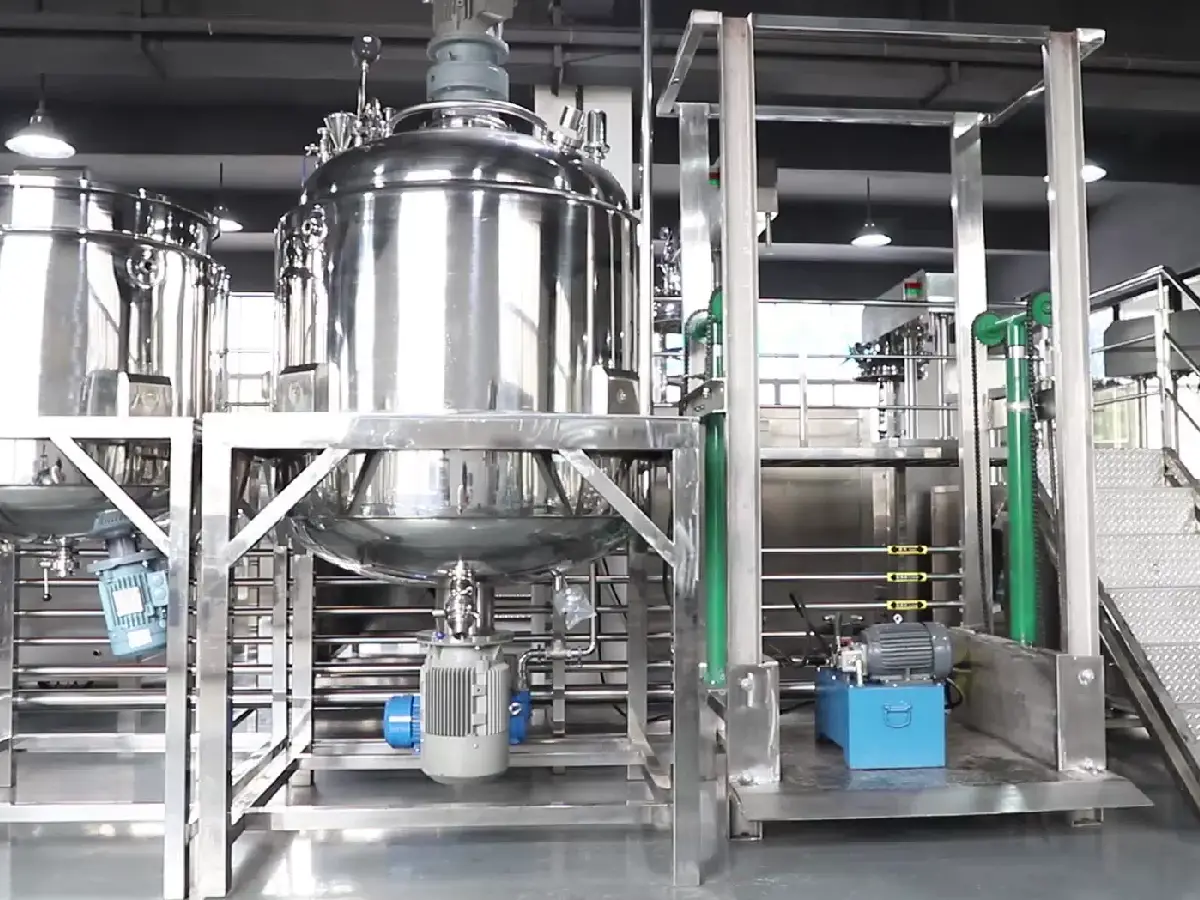
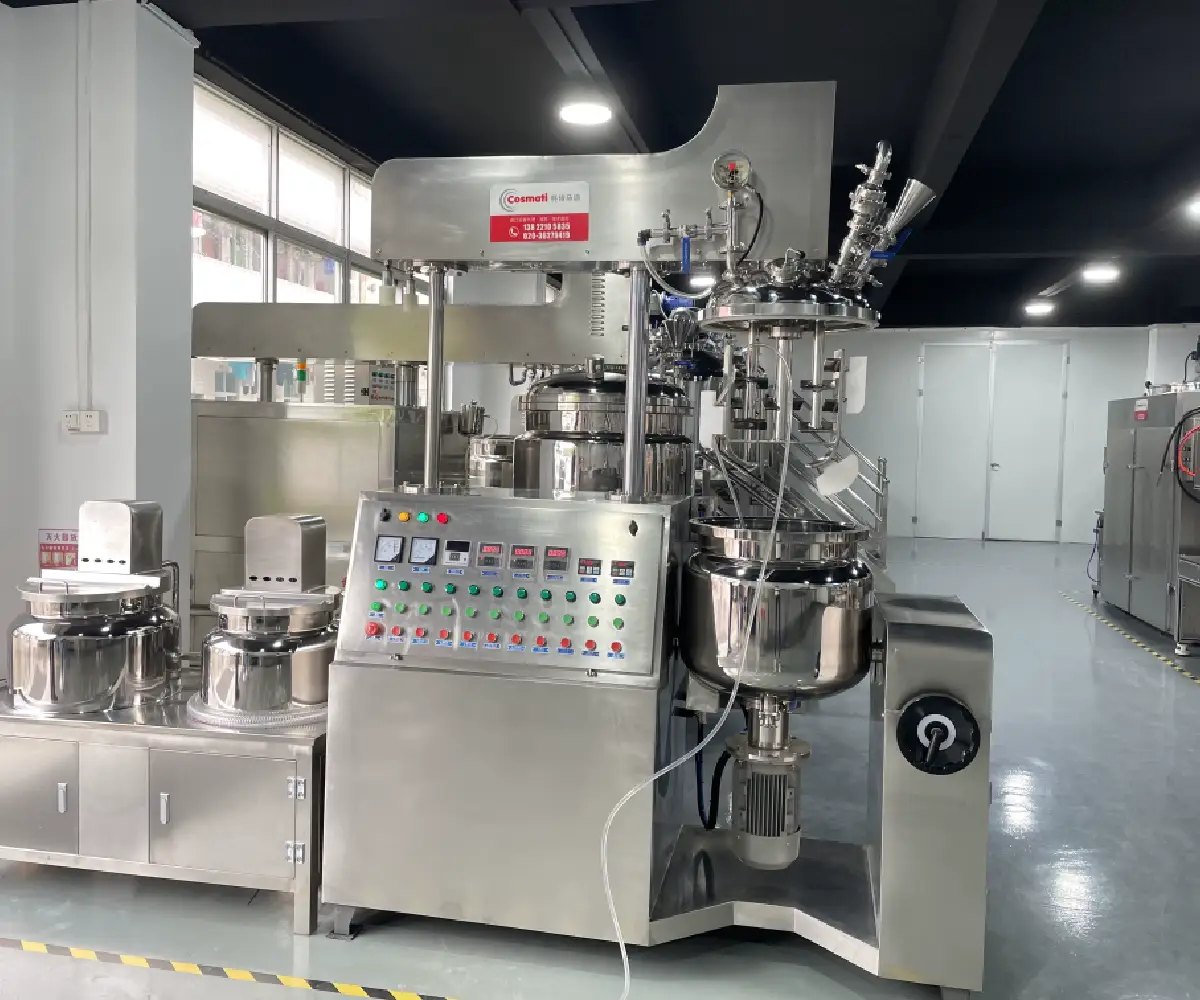
Vacuum Homogenizers & Emulsifiers
Engineered systems for pharmaceutical, cosmetic and hygienic liquid or semi-solid processing applications.
ShababTec configures vacuum homogenizing and emulsifying equipment around the actual formulation, viscosity, mixing objective, required shear, air-management need, thermal process, cleaning method and production environment.
Process-First Selection
Vacuum & Homogenizing Integration
Custom Stainless-Steel Fabrication
Installation & Commissioning
PROCESS REQUIREMENTS
When Does Vacuum Homogenization Add Real Value?
A conventional mixing vessel can be sufficient when the product only requires straightforward blending or circulation. A vacuum homogenizer becomes relevant when the formulation introduces additional processing challenges.
Emulsification
When separate phases require stronger dispersion than conventional agitation can provide, a homogenizing or emulsifying stage can be considered.
High-Viscosity Processing
Creams, ointments, gels and similar products may require coordinated bulk agitation, wall movement and high-shear processing.
Entrained Air
Where the process introduces unwanted air into the batch, vacuum can be used as part of the approved process to help reduce entrained air.
Thermal Processing
Formulations requiring controlled heating or cooling can integrate temperature management with the mixing and homogenizing process.
A more complex machine is not automatically a better machine. Each function should solve a defined process requirement.
WORKING PRINCIPLE
How a Vacuum Homogenizing Process Works
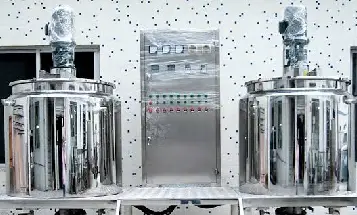
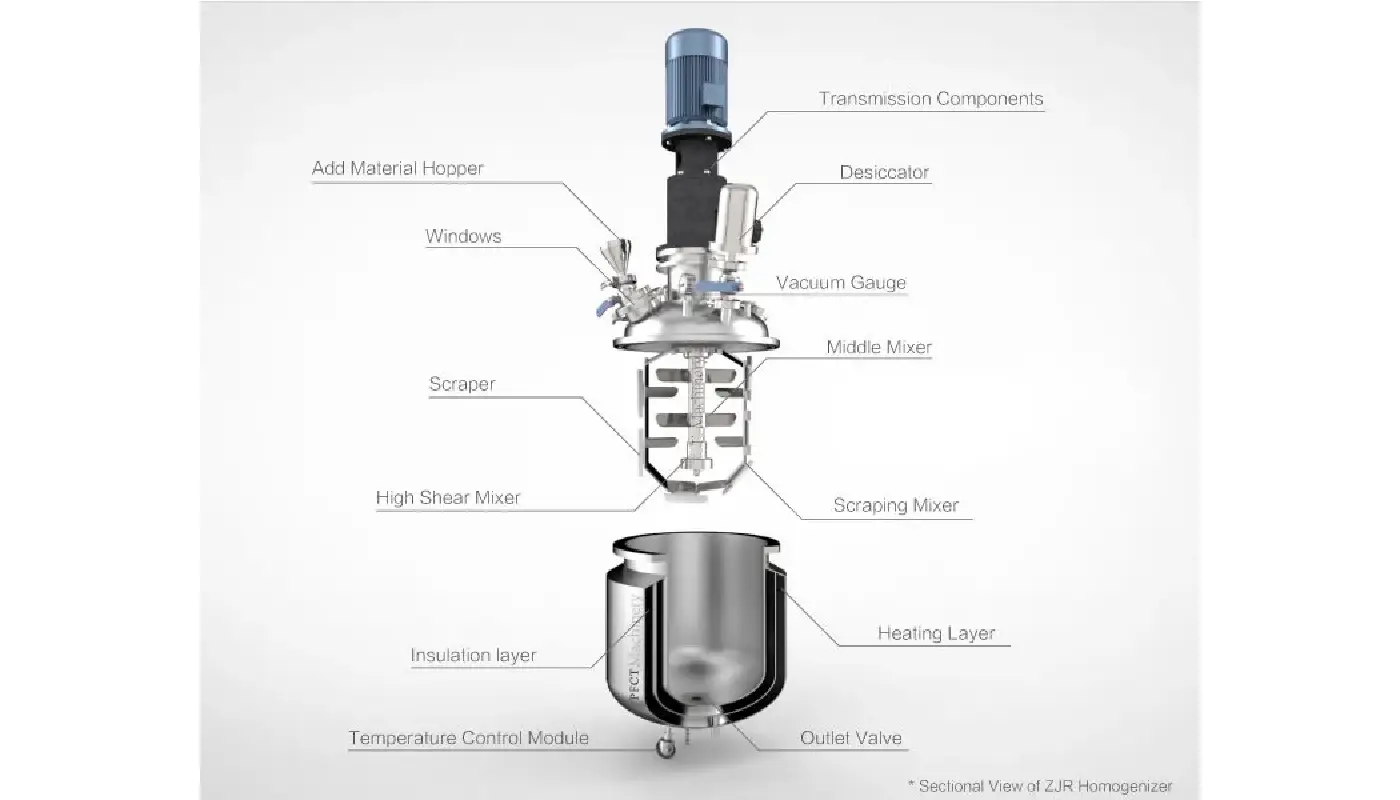
The sequence changes with the formulation, but a configured system can coordinate preparation, bulk mixing, homogenizing, vacuum processing and thermal control within one production flow.
 01
01Phase Preparation
Where required, separate liquid, oil or other phases are prepared before entering the main processing vessel.
 02
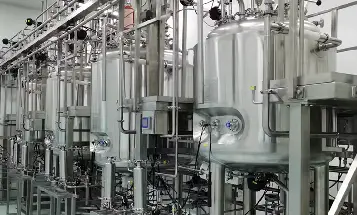
02Product Charging
Ingredients are introduced according to the approved manufacturing sequence and equipment arrangement.
 03
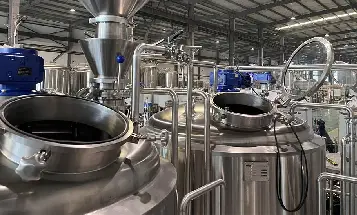
03Bulk Mixing
The main agitator maintains product movement throughout the vessel during the required processing stages.
 04
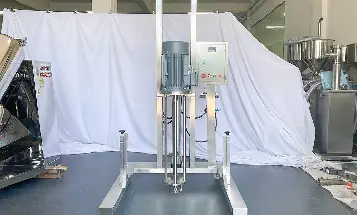
04Homogenizing
Higher-shear processing is applied where conventional agitation alone cannot achieve the required dispersion or emulsification.
 05
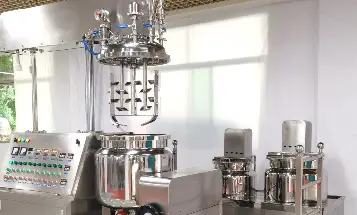
05Vacuum Stage
Vacuum can be introduced where air management forms part of the defined manufacturing process.
 06
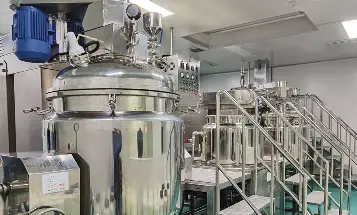
06Thermal Control & Discharge
Heating or cooling continues as required before the product moves to holding, storage or downstream processing.
SYSTEM CONFIGURATION
Components Selected Around the Process
A vacuum emulsifying system is not a fixed package of identical components. The required functions are selected according to the product, facility and approved process scope.
Main Processing Vessel
Configured around the production and batch requirement.
Bulk Agitator
Frame, anchor, paddle or another suitable mixing concept.
Scraper Arrangement
Considered where wall buildup or thermal transfer makes it relevant.
Homogenizing / Emulsifying Stage
Higher-shear processing where the formulation requires it.
Vacuum System
Included when reduced-pressure processing is required.
Heating / Cooling
Thermal configuration selected around the manufacturing sequence.
Controls & Instrumentation
Defined according to the intended operating and control philosophy.
Discharge & Product Transfer
Coordinated with final viscosity and downstream equipment.
SELECTION GUIDE
Vacuum vs Non-Vacuum Homogenizing
Vacuum should be selected because the manufacturing process needs it — not simply because it adds another function to the machine.
| Decision Area | Non-Vacuum Homogenizing | Vacuum Homogenizing |
|---|---|---|
| Air Management | Suitable where entrained air is not a major process concern. | Consider where reducing entrained air is part of the process requirement. |
| Homogenization | Can still provide high-shear processing. | Combines homogenization with reduced-pressure processing. |
| System Complexity | Simpler equipment arrangement. | Adds vacuum equipment, sealing and monitoring requirements. |
| Maintenance | Fewer vacuum-related components to inspect. | Vacuum pump, valves, seals and connections become part of maintenance. |
| Selection Rule | Use when the product can meet its processing objective without vacuum. | Use when the formulation or process provides a defined reason for vacuum. |
APPLICATION-FIRST SELECTION
Select the Configuration Around the Product
Product category alone does not determine the machine. The engineering decision should combine product behavior, mixing objective, temperature sequence, air management, cleaning and downstream handling.
Emulsified Cosmetic Products
Review phase preparation, viscosity, emulsification, temperature stages, wall buildup, required texture and entrained-air behavior.
High-Viscosity Semi-Solids
Focus on bulk product movement, scraper requirement, heat transfer, homogenizer integration, discharge and cleaning access.
Controlled Processing Requirements
Material selection, cleanability, instrumentation, documentation requirements and production-environment integration should be defined early.
Food & Compatible Industrial Products
Similar process concepts can be applied where product, material compatibility, hygiene and cleaning requirements have been technically reviewed.
TECHNICAL CONFIGURATION
Specifications Defined by the Project
Final equipment parameters should follow the actual product and approved datasheet rather than generic values copied from a standard catalogue.
SS304 or SS316L can be evaluated according to product-contact and process requirements.
Agitator, scraper and homogenizing arrangements are selected according to product behavior.
Included only where reduced-pressure operation forms part of the approved manufacturing method.
Heating and cooling requirements are defined from the actual process temperature sequence.
Cleaning access and CIP/SIP integration are considered according to the agreed hygiene scope.
Monitoring and control requirements are selected according to the process and operating method.
Feeding, discharge, pumps and sanitary piping are coordinated with the production flow.
Equipment layout, utilities, access and surrounding systems are reviewed as one engineering scope.
APPLICATIONS
Vacuum Homogenizing Applications
The system configuration changes with the formulation, production method and hygiene requirement.
Pharmaceutical
Ointments, medicinal creams, gels, emulsions and other liquid or semi-solid processing applications.
Cosmetics & Personal Care
Skin creams, body lotions, hair products, cosmetic emulsions and similar formulations.
Food Processing
Selected sauces, pastes and hygienic emulsified products where homogenizing forms part of the required process.
Compatible Industrial Products
Selected detergents, adhesives, coatings and related formulations following technical compatibility review.
CLEANABILITY & MAINTENANCE
Designed for Operation After Commissioning
The processing system must remain practical to clean, inspect and maintain throughout routine production. Product flow, cleaning access, drainage, piping arrangement and maintainability should therefore be considered before fabrication.
Depending on the project, ShababTec can coordinate sanitary process connections, discharge arrangements and integration with CIP/SIP systems as part of the wider hygienic process scope.
Explore CIP / SIP Systems →
PROJECT EXECUTION IN EGYPT
From Requirement Study to Commissioning
ShababTec coordinates the equipment with the actual manufacturing environment rather than treating the homogenizer as an isolated machine.
 01
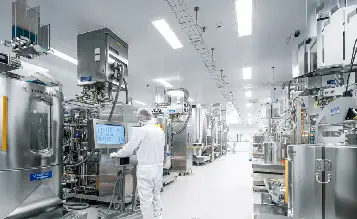
01Requirement Study
Review the product, process flow, facility, utilities, cleaning method and operating objectives.
 02
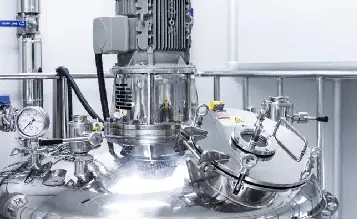
02Engineering Design
Define the mixing, homogenizing, vacuum, thermal, connection and integration concepts.
 03
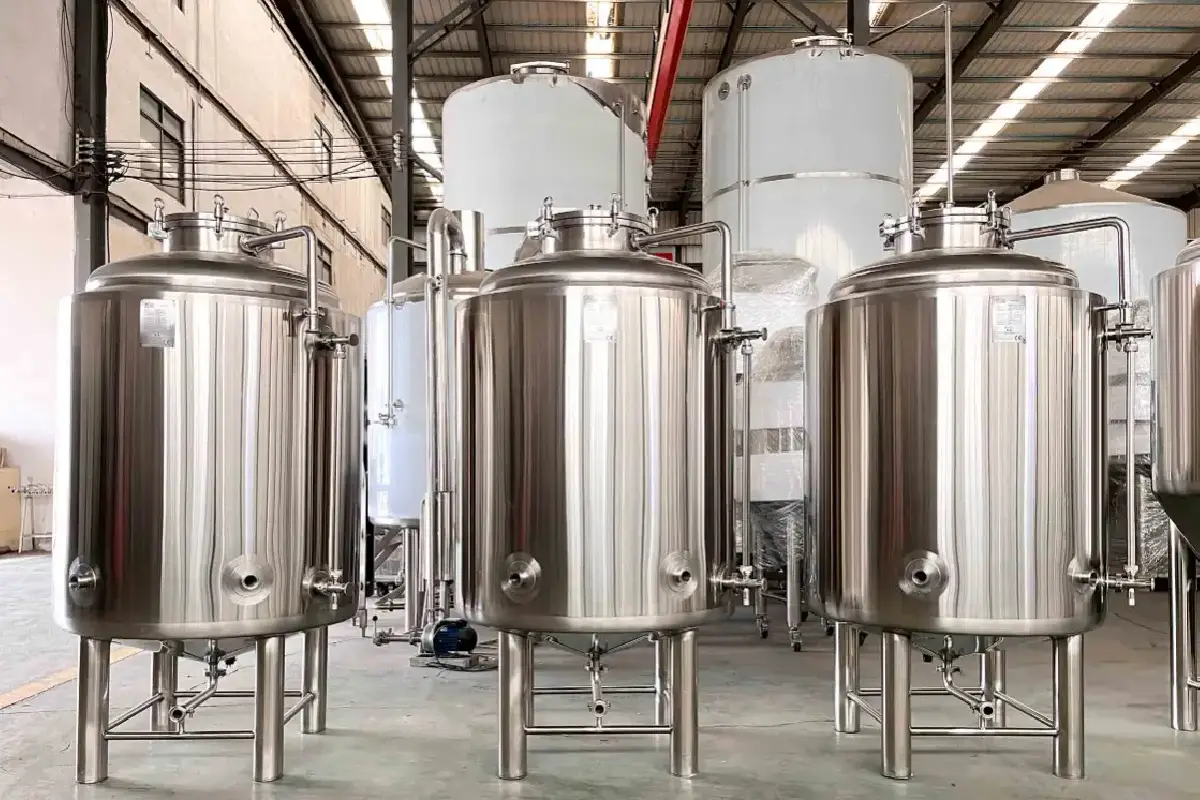
03Manufacturing & Fabrication
Fabricate the approved stainless-steel equipment and project-specific components.
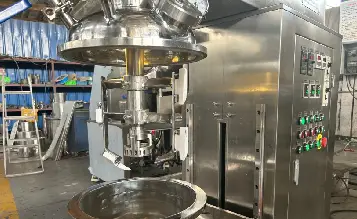 04
04Installation
Coordinate positioning, mechanical installation, process connections and related site execution.
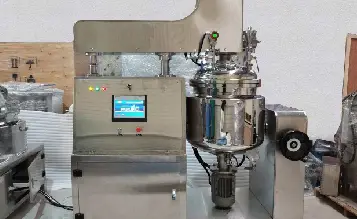 05
05Testing & Commissioning
Check and adjust the system and prepare it for operation and project handover.
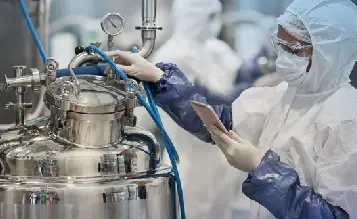 06
06Documentation & Support
Agreed documentation, qualification support, maintenance guidance and after-sales assistance follow.
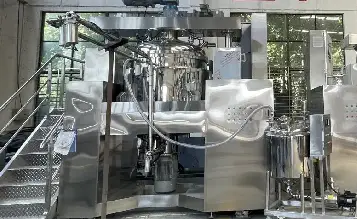
LOCAL ENGINEERING SUPPORT
A Technical Partner — Not Just an Equipment Listing
ShababTec's wider project scope combines process equipment, stainless-steel fabrication, sanitary piping, installation, commissioning, documentation support and after-sales service for regulated and hygienic production facilities.
View ShababTec Projects
RELATED ENGINEERING & GUIDES
Continue Your Technical Evaluation
TECHNICAL FAQ
Vacuum Homogenizer & Emulsifier FAQ
What is a vacuum homogenizer emulsifier?
It is a processing system that combines bulk mixing with higher-shear homogenizing or emulsifying and reduced-pressure processing where vacuum is required. Heating, cooling, scraping and supporting preparation equipment can also form part of the configuration when required by the process.
When is vacuum actually required?
Vacuum should be considered when air entrainment or another defined reduced-pressure processing requirement affects the manufacturing method. It is not necessary for every product that requires homogenization.
What is the difference between homogenizing and emulsifying?
Homogenizing describes the higher-shear processing used to improve dispersion and uniformity. Emulsification specifically concerns creating or processing a mixture of phases that do not readily combine. A homogenizer can therefore form part of an emulsifying process.
Can the system process creams, ointments, gels and lotions?
These are typical application categories for homogenizing and emulsifying equipment, but the final machine configuration depends on each formulation's viscosity, mixing objective, temperature sequence, cleaning requirements and production method.
Should product-contact parts be SS304 or SS316L?
The material should be selected from the actual product, corrosion risk, cleaning chemicals, hygiene requirement and project specification. ShababTec can evaluate SS304 and SS316L options according to the application.
Can heating and cooling be integrated?
Yes, thermal-control requirements can be incorporated when they form part of the manufacturing process. The final heating or cooling configuration should be defined from the product and available utilities.
Can CIP or SIP be integrated with the system?
CIP/SIP requirements can be coordinated with the equipment, sanitary piping, cleaning access and process layout when included in the agreed project scope.
Does ShababTec provide installation and commissioning?
Yes. ShababTec's published project workflow includes engineering, fabrication, installation, testing, commissioning, documentation support and after-sales service.
What should I send for a vacuum homogenizer quotation?
Send the product type, required production or batch requirement, available viscosity information, phase information, mixing and homogenizing objective, heating or cooling requirements, vacuum requirement, cleaning method, material preference, available utilities, facility limitations and downstream equipment.
START WITH YOUR FORMULATION & PROCESS
Define the Process Before Selecting the Machine
Send ShababTec the available product and production requirements. The engineering review can address mixing, homogenizing, vacuum, heating or cooling, cleanability, material selection and facility integration before the final technical proposal is prepared.
Request an Engineering Review
Discuss Your Project on WhatsApp
ShababTec • Toukh, Qalyubia Governorate, Egypt