
Integrated Industrial Solutions for Your Facility
Engineering, fabrication, and turnkey execution of
Clean Rooms, Processing Systems, RO Units, CIP/SIP Systems,
and Sanitary Stainless Steel Equipment.
Free Engineering Consultation
PHARMACEUTICAL PROCESS EQUIPMENT • EGYPT
Pharmaceutical Processing & Mixing Vessels
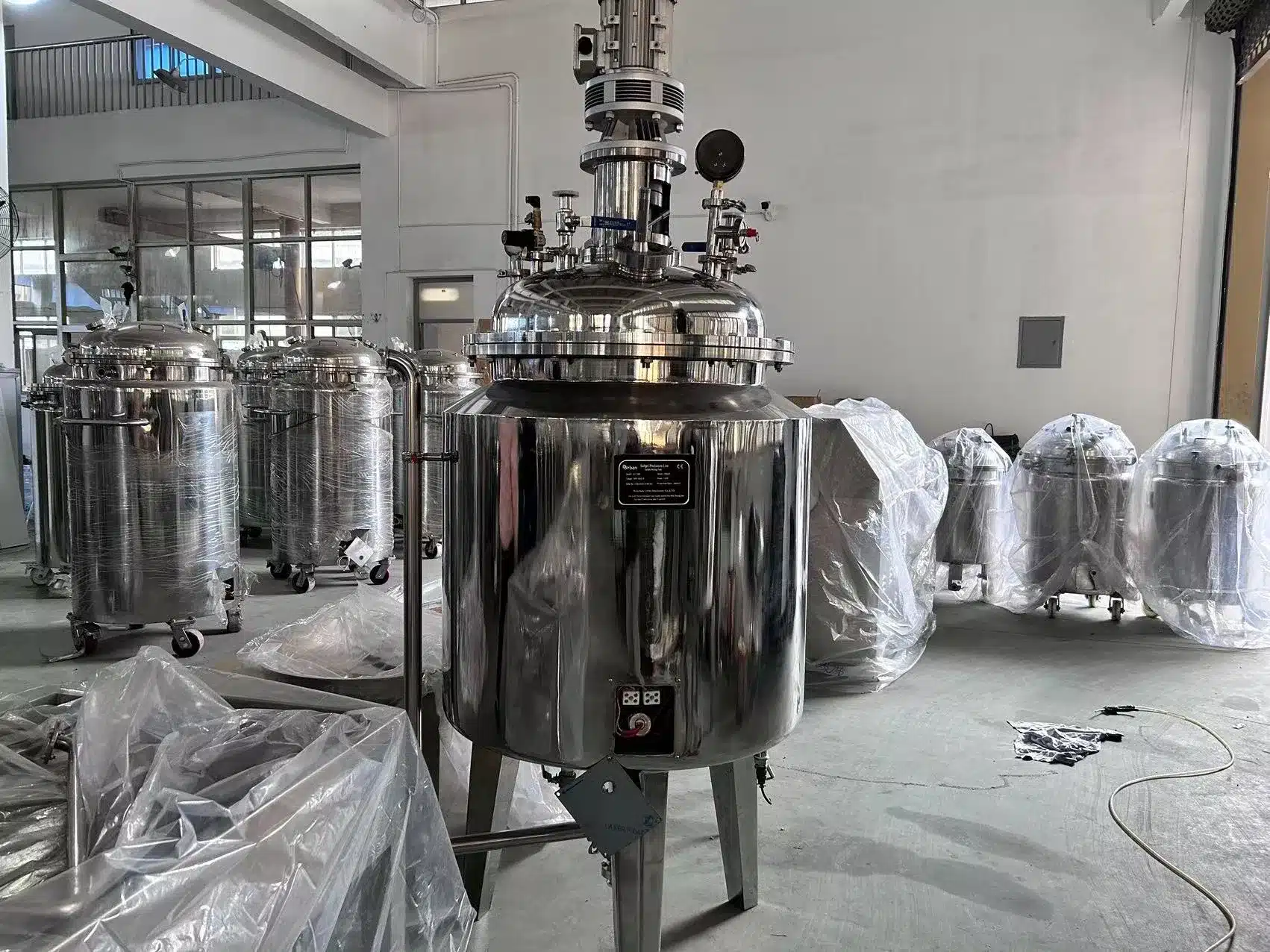
ShababTec engineers and fabricates stainless-steel processing and mixing vessels for pharmaceutical and hygienic production applications in Egypt.
Each vessel configuration is defined around the actual product, mixing objective, material requirement, temperature-control needs, cleaning method, available space and integration with the production process.
PROCESSING & MIXING VESSELS
Engineered Around the Product & Process
A pharmaceutical mixing vessel is more than a stainless-steel container with a motor. Vessel geometry, agitation concept, product-contact material, thermal requirements, sealing, access, discharge, instrumentation and cleaning strategy can all influence how the equipment performs in daily production.
ShababTec therefore starts with the product and operating requirements. The same vessel category may require a different agitator, thermal arrangement, scraper, sealing concept, process connections or integration method according to viscosity, mixing objective and facility conditions.
Product characteristics
Mixing objective
Cleaning method
Available utilities
Facility layout
Production workflow
VESSEL CONFIGURATIONS
Choose the Vessel Configuration for the Process
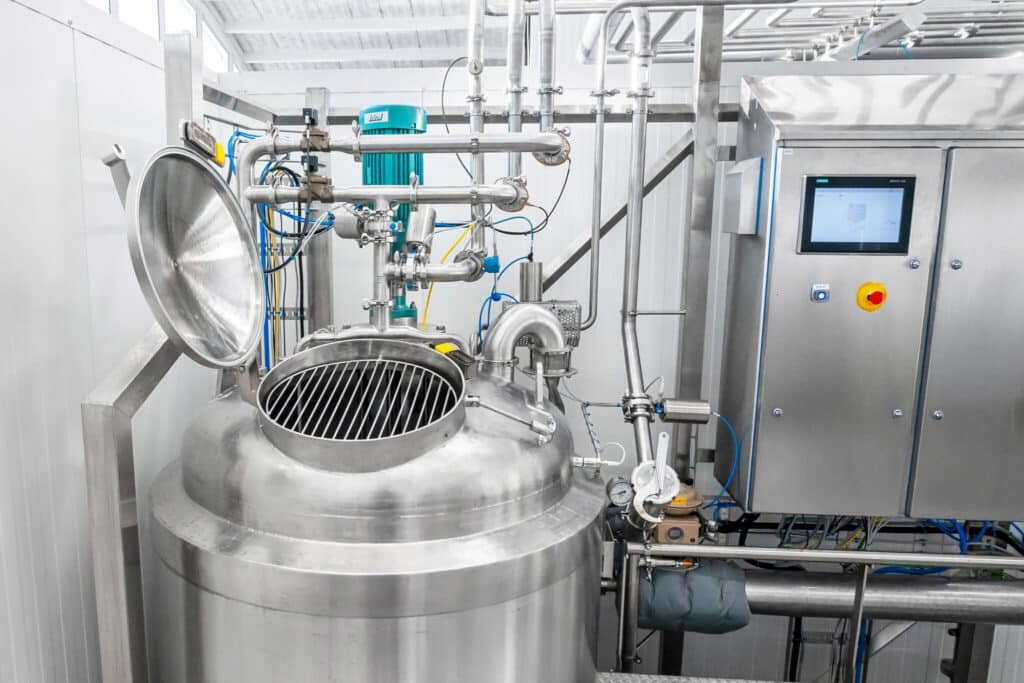
A useful specification starts by defining what must happen inside the vessel. Mixing, temperature control, viscosity, wall buildup, air entrainment and cleaning requirements determine which configuration should be considered.
Preparation & Standard Mixing Vessel
For preparation, blending, dissolving and general liquid-processing duties where a conventional agitation concept can achieve the required product movement.
Jacketed Processing Vessel
Used when the process requires heating, cooling or controlled product temperature during preparation or mixing.
Jacketed vs non-jacketed guide →High-Viscosity Mixing Vessel
For creams, gels, ointments, pastes and similar products where product movement, resistance, wall contact and discharge behavior require more specialized agitation.
Homogenizer / Vacuum Integrated Configuration
Where conventional agitation cannot achieve the required dispersion or emulsification, the vessel can form part of a system incorporating higher-shear, homogenizing or vacuum functions.
Explore vacuum homogenizers →
MIXING TECHNOLOGY
Match the Agitator to Product Behavior
There is no universal agitator for every pharmaceutical mixing vessel. Selection starts with viscosity, required product movement, shear requirement, wall behavior and the objective of the mixing step.
| Product / Process Behavior | Typical Engineering Direction | What Must Be Reviewed |
|---|---|---|
| Lower-Viscosity Liquid Processing Blending, dissolving or maintaining circulation in liquid products. | Paddle or turbine-type agitation may be considered depending on the required circulation and mixing objective. | Product density, solids addition, desired flow pattern, batch requirement and transfer method. |
| Moderate Product Resistance Products that need stronger bulk movement without full high-viscosity processing. | Paddle, frame or another project-specific agitator concept can be evaluated. | Viscosity profile, mixing time objective, heating or cooling, vessel geometry and product buildup. |
| High-Viscosity / Wall-Building Products Creams, gels, ointments, pastes and similar semi-solid products. | Anchor or frame-type agitation with scraper arrangements may be considered according to the product. | Torque requirement, wall contact, heat transfer, viscosity change, discharge and cleaning. |
| Emulsification / Higher-Shear Requirement Where conventional agitation alone cannot achieve the required processing objective. | High-shear mixer or homogenizer integration may be required, potentially with vacuum depending on the process. | Required shear, phases, air entrainment, product texture, temperature sequence and total processing method. |
This matrix is an engineering selection guide only. Final agitator, drive and vessel specifications are defined from the actual process requirements.
TECHNICAL CONFIGURATION
Technical Configuration Defined Per Project
Instead of presenting generic specifications as if one vessel fits every process, ShababTec defines the technical arrangement against the actual product, production environment and agreed project scope.
SS304 or SS316L can be selected according to product-contact, hygiene and process requirements.
Paddle, frame, anchor, scraper, high-shear or homogenizing concepts are evaluated according to the mixing objective.
Jacketed or other thermal-control arrangements are selected when temperature is part of the manufacturing process.
These functions can be evaluated where emulsification, dispersion or air-control requirements justify them.
Cleaning access and CIP/SIP requirements are considered according to the application and agreed system scope.
Inlets, outlets, discharge and surrounding sanitary piping are coordinated with the actual production route.
Measurement, monitoring and control requirements are specified according to the intended process and operating method.
Shaft sealing, equipment access and maintenance considerations are reviewed as part of the vessel configuration.
APPLICATIONS
Built for Pharmaceutical & Hygienic Processing
Vessel selection changes with the product. The configuration for a liquid preparation may be very different from the configuration required for a high-viscosity cream, gel or ointment.
Pharmaceutical Syrups & Liquids
Preparation and mixing applications involving controlled blending, dissolving, temperature management and hygienic transfer.
Creams & Ointments
Semi-solid processing where viscosity, wall movement, temperature control and homogenizing requirements may influence the vessel design.
Gels & Pastes
Products that may require stronger agitation, controlled discharge and careful consideration of product buildup and cleaning.
Cosmetics & Personal Care
Mixing systems for creams, lotions, gels, shampoo, liquid soap and related hygienic formulations.
ENGINEERING & DELIVERY
From Requirement Study to Commissioning
The vessel is coordinated with the production process, utilities, piping, facility conditions and surrounding equipment rather than being treated as an isolated stainless-steel tank.
Requirement Study
Product, process objective, facility, utilities, cleaning method and project requirements are reviewed.
Engineering Design
Vessel concept, material, agitation, thermal needs, connections and integration are defined.
Manufacturing & Fabrication
Stainless-steel vessel and agreed project components are fabricated according to the approved technical scope.
Installation
Positioning, assembly, piping, welding and related site integration are coordinated.
Testing & Commissioning
Equipment is checked, adjusted and prepared for operation and project handover.
Documentation & Support
Agreed documentation, validation support, maintenance guidance and after-sales assistance follow.
ENGINEERING IN EGYPT
Local Fabrication & Project Execution
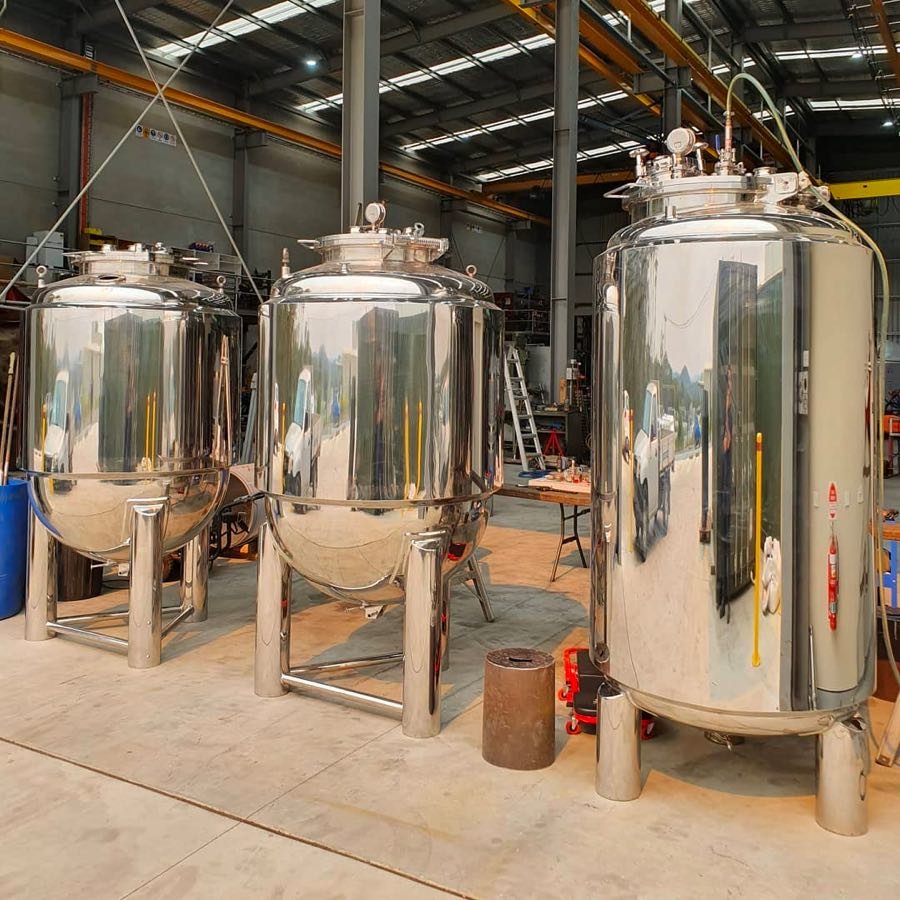
ShababTec's project scope includes pharmaceutical process equipment such as mixing tanks, preparation vessels, process tanks, storage tanks, homogenizers, pumps and transfer systems.
Local engineering and fabrication also makes it possible to coordinate vessel design with the actual installation space, sanitary piping, utilities, access and surrounding equipment before the project reaches commissioning.
BEFORE REQUESTING A QUOTATION
How to Specify Your Pharmaceutical Mixing Vessel
Capacity alone is not enough to define the correct vessel. Providing the process information below reduces assumptions and helps the technical proposal match the real application.
Product
What will be processed: syrup, liquid, cream, ointment, gel, paste or another formulation?
Batch Requirement
State the required production or batch requirement rather than selecting vessel size by assumption.
Product Behavior
Provide known viscosity data or describe how the product behaves during each stage of processing.
Mixing Objective
Define whether the process needs blending, dissolving, dispersion, emulsification or homogenizing.
Heating / Cooling
Explain whether temperature control is required and at which stages of the process.
Cleaning Method
State manual-cleaning, access, CIP or SIP requirements that may affect vessel and piping design.
Facility & Utilities
Share available space, utility information and any limitations affecting equipment positioning.
Process Integration
Identify upstream feeding and downstream transfer, storage or filling equipment that must be connected.
TECHNICAL REVIEW
Send Your Requirements
Already have a URS, drawing or process requirement?
Send the available information and ShababTec can review the vessel configuration against the actual production requirement.
HYGIENIC & REGULATED PRODUCTION
Cleanability, Integration & Documentation Considerations
For pharmaceutical and hygienic production, vessel engineering should consider product-contact material, accessible cleaning, sanitary connections, sealing, drainage, process integration, welding quality and maintainability from the design stage.
ShababTec supports GMP-focused production environments and can coordinate CIP/SIP, commissioning, documentation and validation-related support according to the agreed project scope.
TECHNICAL FAQ
Pharmaceutical Mixing Vessel FAQ
Questions engineering and procurement teams should resolve before approving a vessel configuration.
What is a pharmaceutical mixing vessel used for?
A pharmaceutical mixing vessel is used for preparation, blending, dissolving or processing liquid and semi-solid pharmaceutical products. The exact vessel configuration depends on the product, mixing objective, thermal requirements, cleaning method and surrounding process.
Should a pharmaceutical mixing vessel be SS304 or SS316L?
Material selection should be based on product contact, chemical compatibility, hygiene requirements, cleaning chemicals and the project specification. ShababTec can work with SS304 and SS316L configurations, with the final choice confirmed during engineering.
How is the correct agitator selected?
Agitator selection depends on product viscosity, mixing objective, required circulation or shear, wall buildup, temperature requirements and vessel geometry. Paddle, frame, anchor, scraper and high-shear concepts serve different processing requirements.
When is a jacketed mixing vessel required?
A jacketed configuration should be considered when heating, cooling or temperature maintenance is part of the production process. It should not be added automatically when the product can be processed without thermal control.
Can a mixing vessel include a homogenizer or vacuum?
Homogenizing or vacuum functions can be considered where the formulation requires higher shear, emulsification, controlled texture or air management. They are project options rather than standard requirements for every vessel.
Can ShababTec manufacture and install processing vessels in Egypt?
Yes. ShababTec's published project scope covers engineering, stainless-steel manufacturing and fabrication, installation, site execution, testing, commissioning and after-sales support for pharmaceutical process equipment.
Can CIP/SIP and documentation requirements be integrated?
CIP/SIP integration, commissioning and documentation or qualification support can be coordinated where they are part of the agreed project requirement. The expected documentation and compliance scope should be defined before final engineering.
What should be included in an RFQ for a pharmaceutical mixing vessel?
Include the product, batch requirement, known viscosity, mixing objective, heating or cooling needs, material preference, cleaning method, vacuum or homogenizing requirements, available utilities, installation space and the equipment that connects before and after the vessel.
START WITH YOUR PROCESS REQUIREMENTS
Define the Right Mixing Vessel Before Requesting the Final Quote
Share your product and process information with ShababTec. The engineering review can address vessel configuration, material, agitation, thermal requirements, cleaning, connections and integration with your production facility.
Request an Engineering Review
Discuss Your Vessel on WhatsApp
ShababTec • Toukh, Qalyubia Governorate, Egypt