Types of Clean Room Wall Panels Materials, Specs
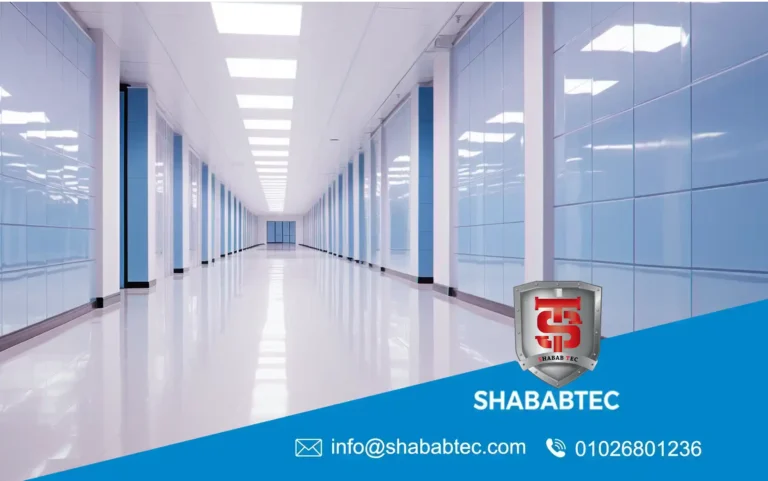
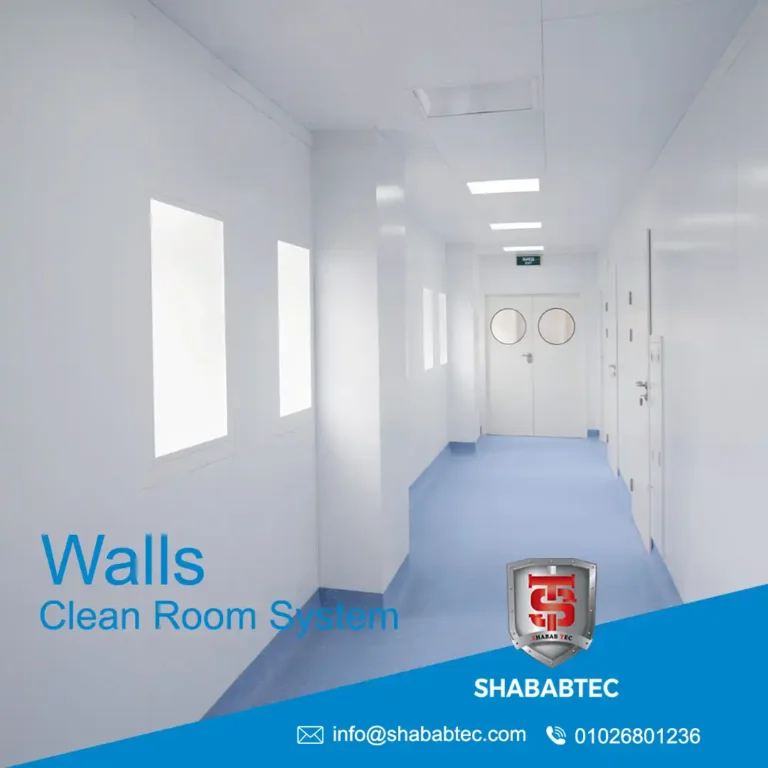
Clean room walls and ceilings are not “just partitions.” They are part of the controlled envelope that
impacts cleanliness classification, airflow stability, pressure zoning, cleaning efficiency, and audit readiness.
In pharmaceutical factories, hospital sterile areas, laboratories, and industrial clean room plants,
choosing the right wall panel system reduces operational risk and improves long-term compliance.At Shababtec, we design and manufacture complete room walls & ceilings systems as an integrated solution:
modular clean room partitions, glass walls, engineered corners, and high-load false ceiling systems.
If your project scope includes design + supply + installation, start with our
Partition Service
to align wall selection with airflow, load paths, and services from day one.
What Types of Clean Room Wall Panels Really Means
In practice, “types of clean room wall panels” can be categorized by:
- System type: modular clean room wall system, glass partition walls, aluminum framing systems.
- Core material: PU polyurethane core vs EPS core (and density differences by project need).
- Skin material: pre-painted steel vs stainless steel 304 (chemical resistance & cleaning frequency).
- Detailing: flush joints, arc corner transitions, wall-to-ceiling interface design.
- Load requirements: standard partitions vs integrated systems engineered with high-load ceilings.
Room Walls & Ceilings Systems: Why Integration Matters
Many clean room projects fail because walls, ceilings, and service systems are treated as separate trades.
Misalignment, poor sealing, sharp internal corners, and excessive site modifications create particle traps,
increase maintenance costs, and expose the facility to GMP non-conformities.
Shababtec eliminates this risk by engineering walls and ceilings as one controlled system:
- Single responsibility: design, manufacturing, and installation coordination.
- Factory-controlled tolerances: consistent quality and faster installation timelines.
- Pre-engineered service openings: cut-outs for HEPA filters, lights, sprinklers, and utilities.
- Flush, cleanable detailing: arc corners + sealed transitions to reduce dust accumulation points.
Type 1: Modular Clean Room Wall System
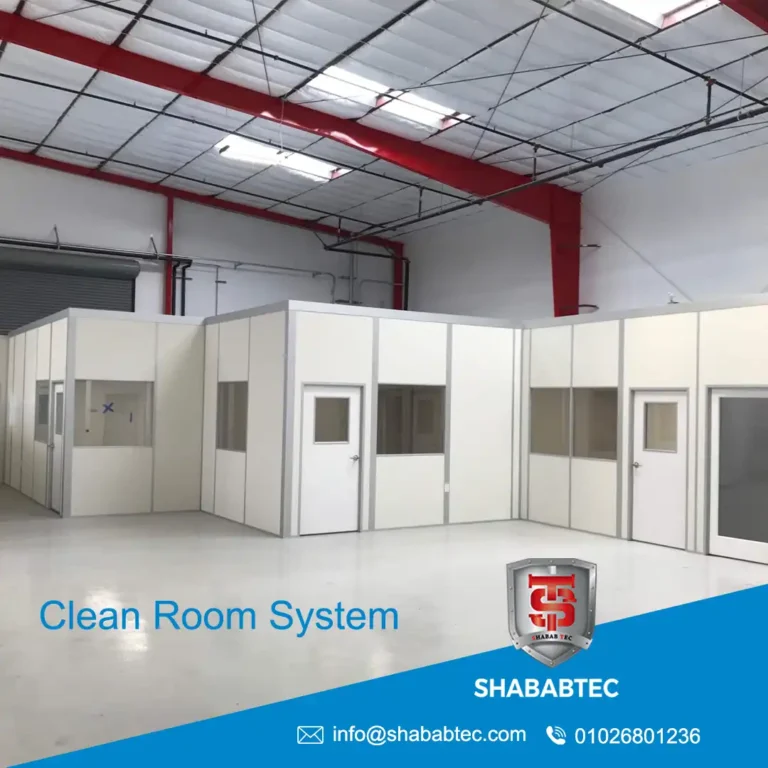
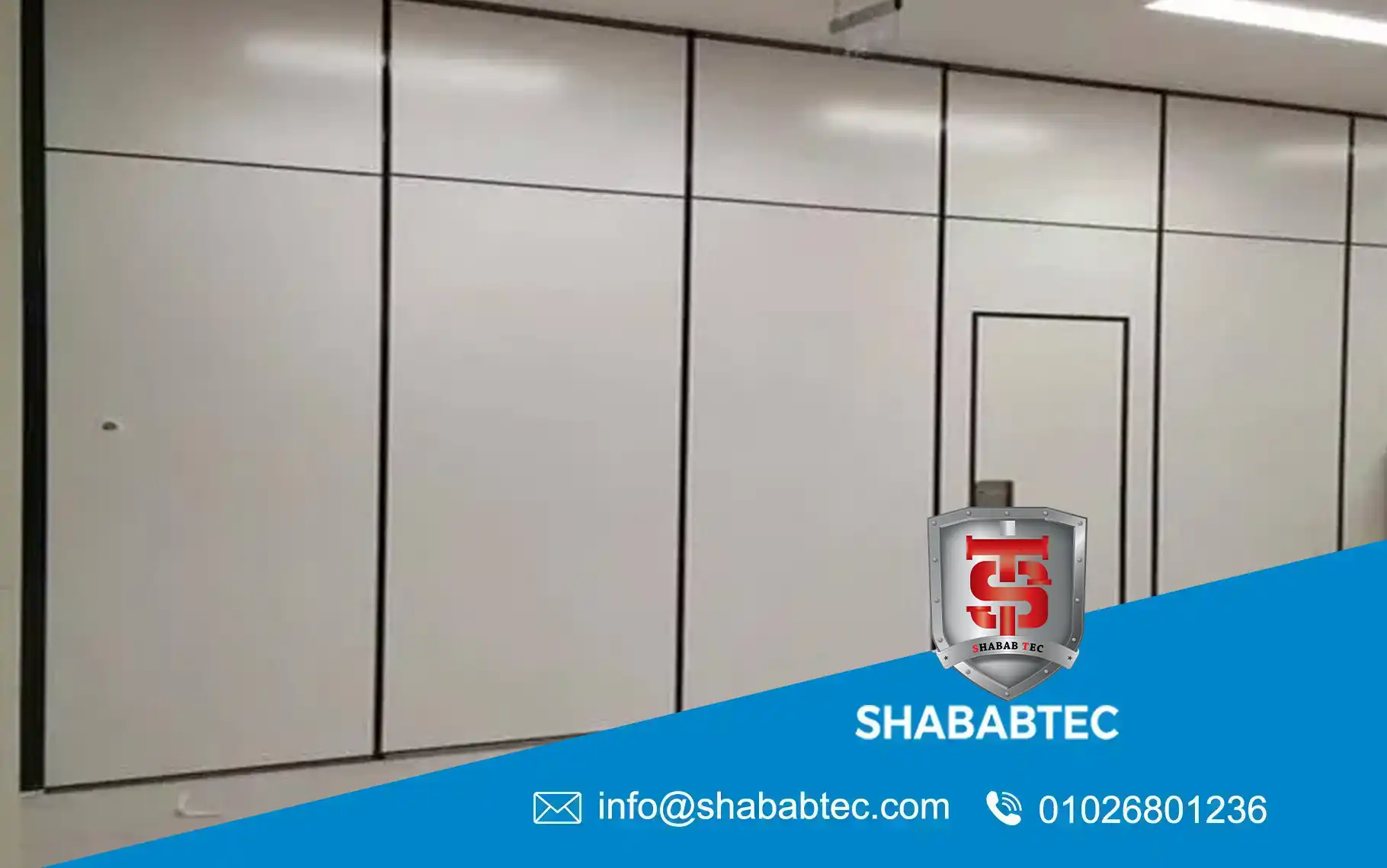
The modular clean room wall system is designed to create fully enclosed controlled environments with smooth,
flush surfaces and airtight construction. It is widely used in pharmaceutical production areas, medical labs,
and hospital clean zones where cleanability, speed of installation, and repeatable performance matter.
Standard Wall Panel Specifications
Standardization speeds up installation and reduces on-site errors. Typical panel specifications include:
- Standard panel size: 1230 mm × 3000 mm (custom heights up to 6000 mm)
- Panel thickness: 50 mm
- Skin material: Pre-painted steel or Stainless Steel 304
- Core material: PU Polyurethane (40 kg/m³) or EPS (30 kg/m³)
- Manufacturing approach: factory-fabricated panels with high dimensional accuracy
These systems are commonly searched in the market as clean room wall board for sale and
wall panel materials of clean room. The correct choice depends on cleaning regime, chemical exposure,
expected traffic/impact, and audit requirements.
Wall Panel Materials for Clean Rooms How to Choose
Selecting the right wall panel materials is a performance decision, not a catalog decision. Below is a practical
evaluation framework you can use before comparing quotations:
- Cleaning frequency: daily disinfection vs periodic cleaning (higher frequency often favors stainless steel).
- Chemical exposure: disinfectants, solvents, and detergents (coating selection matters).
- Thermal stability: insulation and condensation control (often favors PU due to higher insulation performance).
- Mechanical abuse: trolleys, carts, and impact zones (requires stronger skins and better corner protection).
- Future flexibility: planned expansion, modification, or reconfiguration (modular systems reduce lifecycle cost).
Comparison Table Common Types of Clean Room Wall Panels
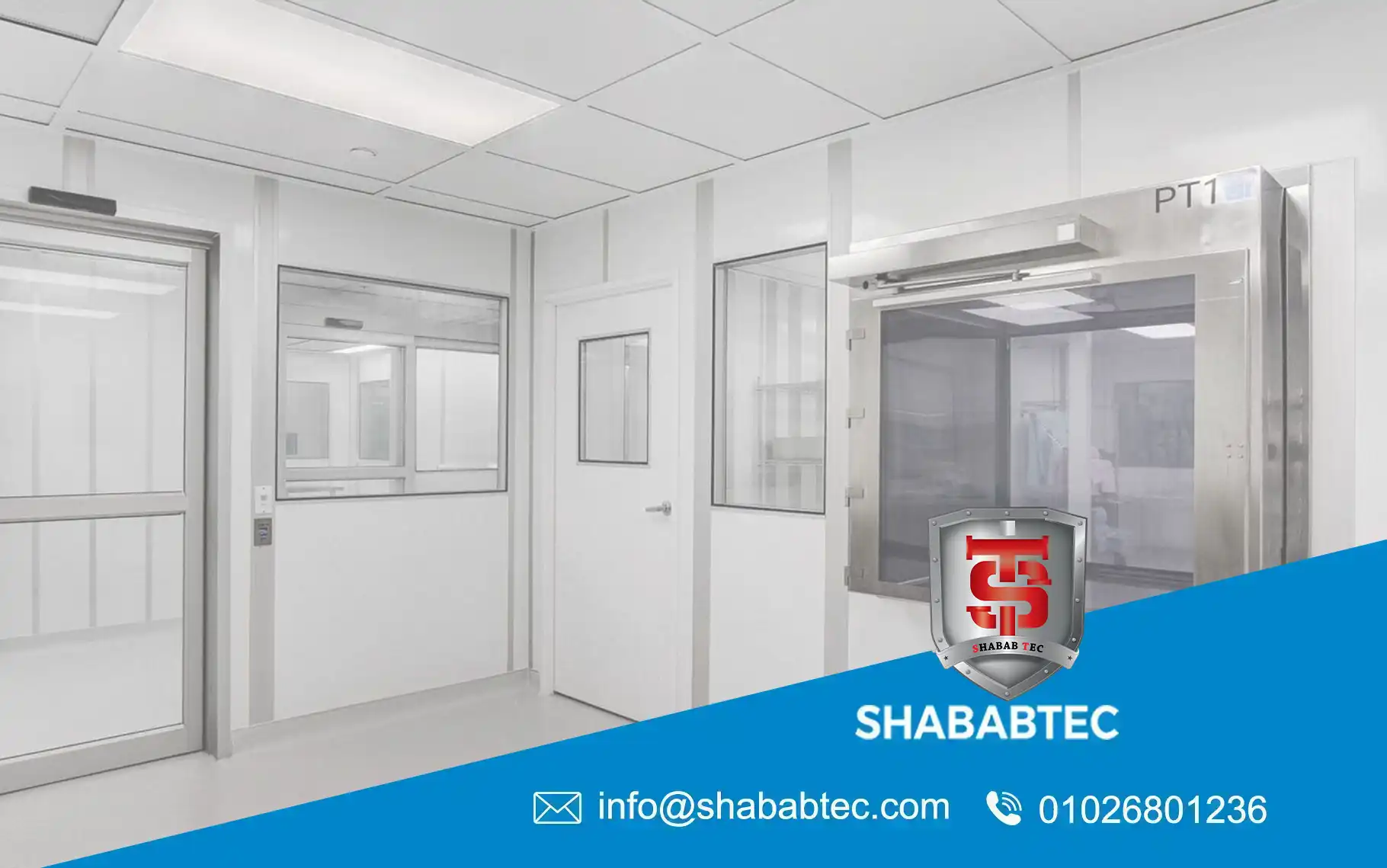
| Panel / System Type | Typical Construction | Best For | Key Advantages | Selection Notes |
|---|---|---|---|---|
| PU Core Modular Panel | 50 mm panel, PU core (≈40 kg/m³), pre-painted steel or SS304 skins | Pharma production, critical labs, hospital sterile zones | High insulation, strong mechanical performance, stable envelope | Good choice when you need thermal stability + long-term durability |
| EPS Core Modular Panel | 50 mm panel, EPS core (≈30–35 kg/m³), steel or SS304 skins | Cost-sensitive clean zones, supporting areas | Lightweight, cost-effective, fast installation | Match EPS density to performance needs; confirm cleaning/chemical compatibility |
| Stainless Steel Skin Panels (SS304) | SS304 external surface with PU/EPS core | High cleaning frequency + harsh disinfectants | Excellent corrosion resistance, strong cleanability, long lifecycle | Often selected for GMP-heavy areas where audit readiness is critical |
| Pre-Painted Steel Skin Panels | Coated steel skins with PU/EPS core | General clean room zones with controlled chemical exposure | Smooth surface, good value, wide application range | Coating quality is a big variable—specify chemical-resistant coating for frequent cleaning |
| Glass Partition Walls | Single/double glazing, aluminum frame visible or concealed, flush integration | Inspection areas, supervision zones, workflow monitoring | Visual control without access, reduces door opening frequency | Flush detailing matters: glass must behave as part of the envelope (not a weak link) |
| Aluminum Partition Wall Systems | Precision-extruded aluminum profiles + panel infill | Modular builds needing dimensional stability & corrosion resistance | Stable frames, clean connections, compatible with modular construction | Confirm flush connection detailing + sealing approach for GMP environments |
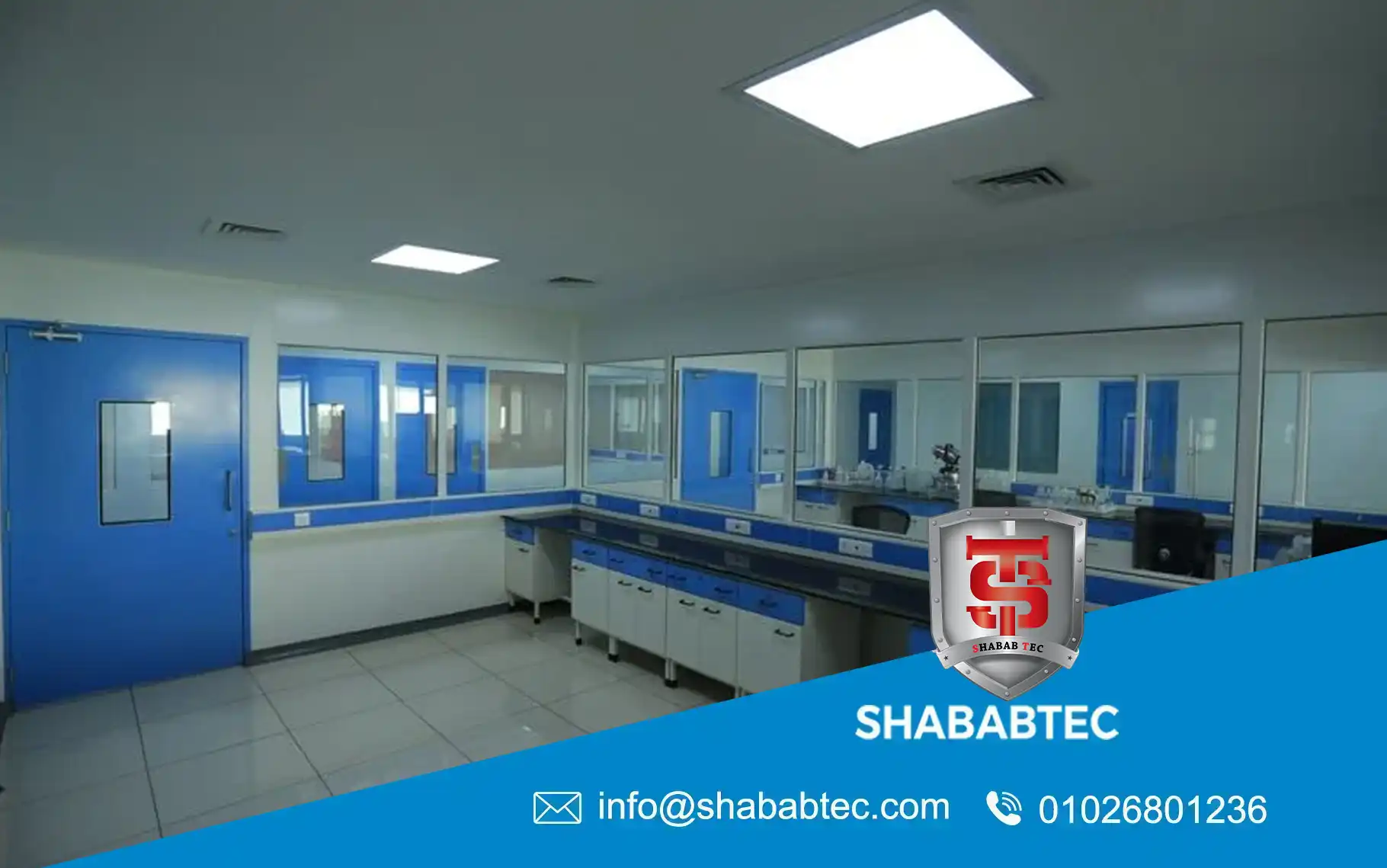
Type 2: Clean Room Glass Partition Walls (Single vs Double)
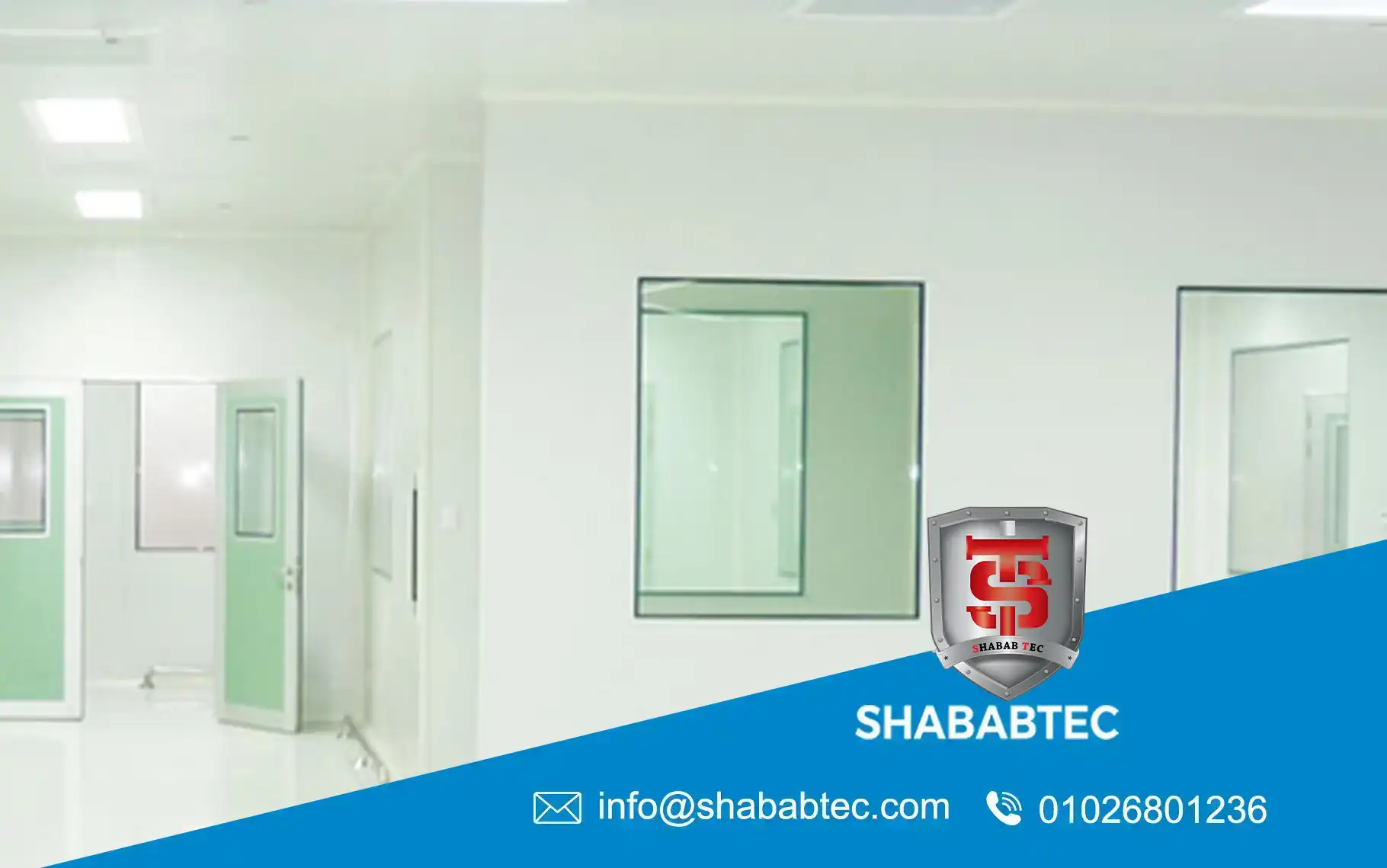
Clean room glass partition walls are used where process visibility, monitoring, and openness are required
without compromising cleanliness standards. In pharmaceutical clean rooms, hospital laboratories, and inspection areas,
glass partitions provide operational control: teams can monitor workflows without entering the room, which reduces
unnecessary door cycles and supports pressure stability.
Glass Partition Configurations
- Single glass clean room partition wall for standard visibility requirements.
- Double glass clean room partition wall where improved acoustic/thermal behavior or enhanced separation is needed.
- Flush glass integration with modular wall panels to avoid ledges and dust traps.
Frame Options
- Aluminum frame (visible): clear structural expression and practical installation.
- Aluminum frame (concealed / flush appearance): optimized cleanability and premium finishing.
Technical Value of Glass Walls
Glass is selected for operational efficiency and process control:
- Visual monitoring without physical access
- Improved workflow supervision
- Reduced door (clean room doors) opening frequency (better pressure zoning stability)
- Flush integration supports cleanability and minimizes contamination risks
Type 3: Clean Room Wall Corner Design (Arc Corner Systems)
Corner design is a critical detail often underestimated. Sharp internal corners create dust traps and complicate
cleaning procedures. Shababtec addresses this using engineered arc corner systems that eliminate 90-degree dust traps
and support smoother airflow circulation across wall-to-wall and wall-to-ceiling transitions.
Arc Corner System Features
- Internal and external rounded corner profiles
- Aluminum profiles with smooth curvature
- Easy cleaning with no dust accumulation points
- Consistent application across walls, ceilings, and floor interfaces
This solution is commonly searched as walls corner design clean rooms and aligns with recognized
clean room engineering practices used in advanced European (including German) facilities.
Clean Room Ceiling Systems Overview
Clean room ceilings support lighting systems, HEPA filters, airflow distribution, and service routing while maintaining
structural integrity and cleanliness. A ceiling that is not engineered with the walls creates misalignment and leak paths,
increasing contamination risk. Shababtec provides modular ceiling systems designed to integrate seamlessly with wall partitions.
Clean Room False Ceiling Systems
The clean room false ceiling is a functional structural element that supports HEPA filters, lighting fixtures, air terminals,
and maintenance access while preserving clean room integrity. At Shababtec, ceiling systems are engineered as part of the clean room
envelope, not as a standalone ceiling product.
- Panel thickness: 50 mm
- Skin material: Pre-painted steel or Stainless Steel 304
- Core material: PU Polyurethane (≈40 kg/m³) or EPS (≈35 kg/m³)
- Factory-prepared cut-outs: HEPA filters, lights, sprinklers, services
- Flush alignment: ceiling panels manufactured to align with wall panels (no gaps/particle traps)
High Load Clean Room Ceiling Systems
High load clean room ceilings are required when ceilings must carry significant operational loads. Shababtec designs
high-load ceilings based on actual project requirements rather than assumptions, ensuring cost efficiency without overdesign.
- Load from HEPA filters, lighting systems, and air terminals
- Load from suspended utilities and service supports
- Maintenance access requirements (where applicable)
Ceiling load calculations are determined during engineering based on clean room layout, airflow design, and installed equipment.
This protects the project from deformation, misalignment, and long-term maintenance issues.
Armstrong-Compatible Clean Room Ceiling Systems
Some facilities require compatibility with Armstrong clean room ceiling tiles due to existing standards or client specifications.
Shababtec ceiling systems can be engineered to meet Armstrong compatibility where needed, while maintaining airtight performance and
seamless integration with modular wall systems.
Wall-to-Ceiling Interface The Most Critical Leakage & Particle Trap Zone
The interface between wall panels and ceiling panels is one of the most critical areas affecting clean room integrity.
A well-engineered interface supports stable airflow patterns and reduces contamination risk through:
- Flush wall-to-ceiling connections
- No exposed ledges or gaps
- Sealed transition profiles
- Consistent joint strategy that remains inspectable
Common Problems in Clean Room Walls & Ceilings Projects
Frequent issues observed in the market include:
- Misalignment between wall panels and ceiling panels
- Weak ceiling load design leading to deformation
- Sharp internal corners causing dust accumulation
- Excessive site modifications due to poor factory preparation
- Incompatibility between walls, ceilings, and services
Shababtec eliminates these risks through unified wall + ceiling engineering, factory-manufactured panels with controlled tolerances,
pre-engineered service openings, and integrated corner/transition systems—resulting in predictable clean room performance and smoother audits.
Where Each Type Is Typically Used
- Pharmaceutical production plants: GMP-driven surfaces, frequent cleaning, high audit readiness
- Hospital operating theaters & sterile areas: cleanability + workflow control
- Medical and research laboratories: stable controlled envelope with easy maintenance access
- Food and beverage clean processing zones: hygiene + durable materials
- Electronics and precision manufacturing facilities: stable airflow/pressure behavior across zones
Engineering Design Considerations
A clean room wall system is not simply a partition; it is a controlled structural element that impacts airflow stability,
pressure zoning, and operational performance. Shababtec engineers wall systems based on classification, process flow, and facility operation:
- Room pressure differentials
- Air supply and return locations
- Integration with ceiling load paths
- Future modification and expansion requirements
Commercial Considerations for Project Owners
From a commercial perspective, choosing the correct wall and ceiling system affects both CAPEX and OPEX:
factory-manufactured panels reduce site labor, faster installation shortens project timelines, and durable surfaces reduce maintenance frequency.
As a manufacturer, Shababtec controls material selection, production timelines, and quality standards—helping clients achieve predictable outcomes.
Comparison Modular Wall & Ceiling System vs Traditional Construction
| Criteria | Traditional Construction | Shababtec Modular System |
|---|---|---|
| Installation timeline | Long timelines | Fast, controlled installation |
| Quality dependency | High dependency on site workmanship | Factory-level quality assurance |
| Cleanability | Inconsistent surfaces and joints | Flush, cleanable surfaces |
| Future modifications | Difficult, disruptive | Easy expansion or reconfiguration |
| Audit readiness | Higher risk of hidden traps/non-conformities | Designed for inspection visibility and consistent joints |
Clean Room Engineering Standards
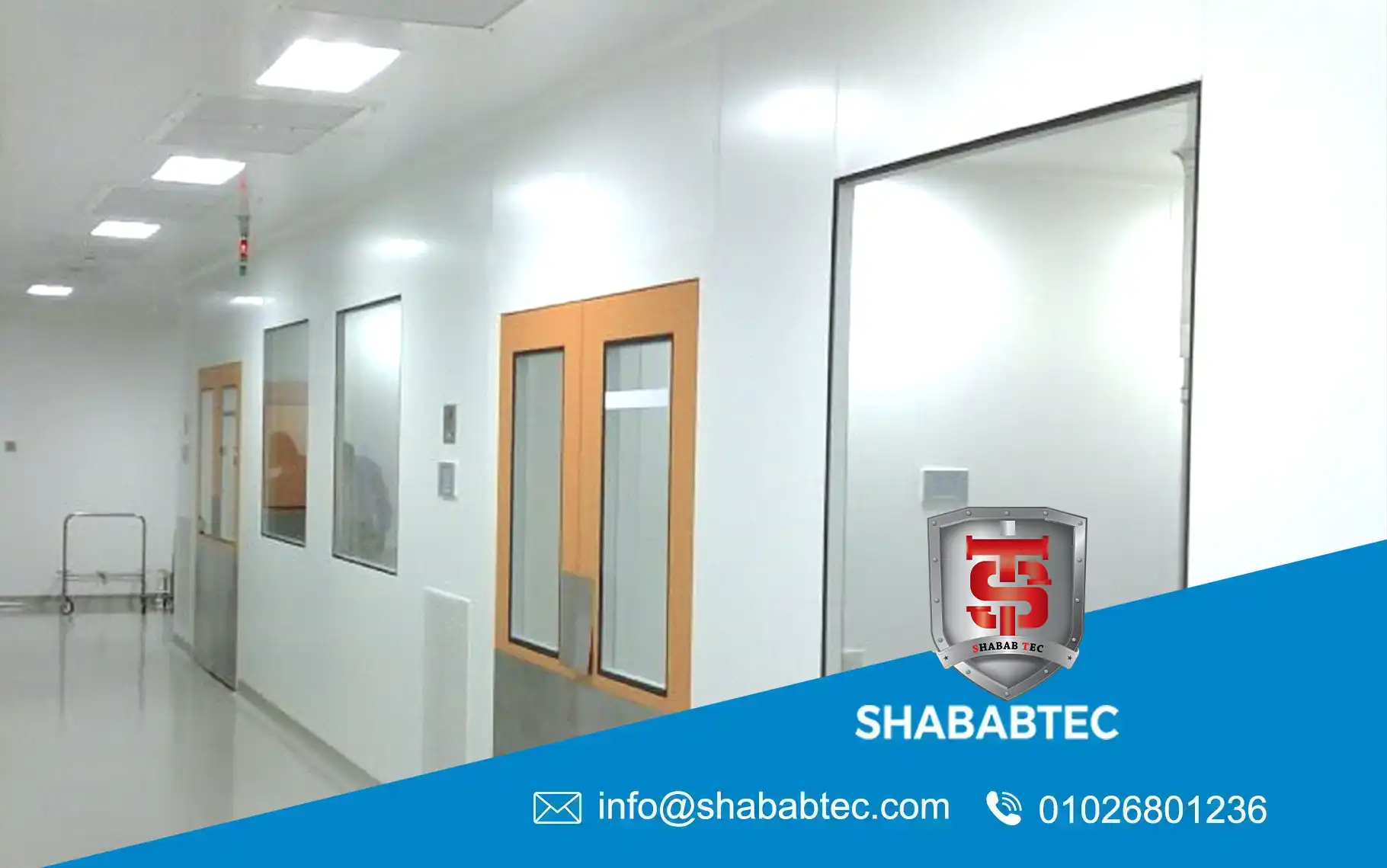
Shababtec wall and ceiling systems are engineered according to clean room design principles commonly applied in advanced industrial facilities,
including European and German clean room engineering practices. The practical outcome is audit readiness:
clear visual inspection of surfaces, no hidden dust traps, consistent joints, and easier documentation/validation.
Arabic Keywords Integrated
- حوائط كلين روم
- حوائط الغرف النظيفة
- حوائط زجاجية للغرف النظيفة
- أسقف كلين روم
- سقف معلق للغرف النظيفة
- سقف عالي التحمل للكلين روم
- تصميم أركان الغرف النظيفة
FAQ: Types of Clean Room Wall Panels (Fast Answers)
- What’s the most common clean room wall panel type? Modular wall panels with PU/EPS core and steel or SS304 skins, designed with flush joints.
- When should I choose stainless steel 304 skins? When cleaning frequency is high, chemical exposure is strong, or audit readiness requires maximum corrosion resistance.
- Are glass partitions GMP-friendly? Yes—if they are integrated flush with the wall system and properly sealed to avoid ledges and particle traps.
- Why do corners matter so much? Sharp corners trap dust and complicate cleaning. Arc corners improve cleanability and airflow behavior.
- Can wall panels be modified later? Modular systems support future expansion, panel replacement, and service integration with less disruption than traditional construction.
Request Engineering Consultation
Selecting the correct clean room wall and ceiling system requires engineering evaluation—not generic catalog selection.
Shababtec provides technical consultation to assess classification requirements, structural and ceiling load conditions,
operational workflow, and future expansion plans.
To move from “panel options” to an engineered system that performs in real operation,
contact the team through our Partition Service.