Industrial Mixing Tank Design and Working Principle: Components, Agitators & Applications
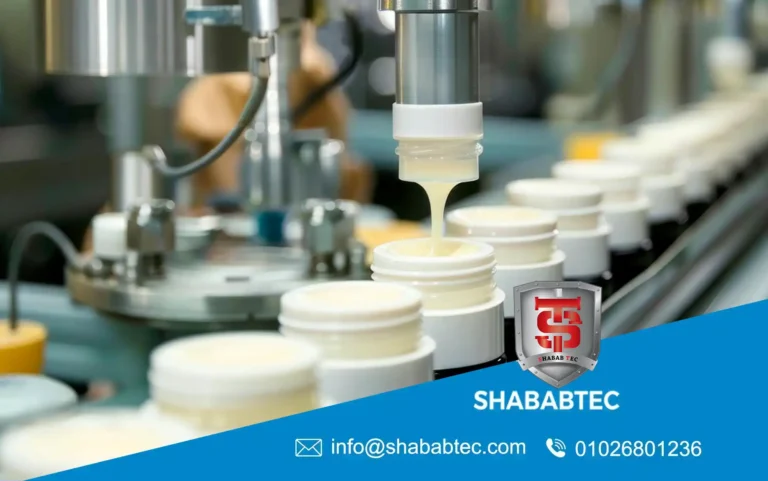
Industrial mixing tanks are the backbone of modern manufacturing processes across industries such as pharmaceuticals, food processing, cosmetics, and chemicals. Whether you are producing shampoo, syrup, paint, or adhesive, achieving a consistent and homogeneous mixture is critical for product quality and performance.
This guide focuses on how industrial mixing tanks are designed, how their agitator systems work, and how the main components interact during blending, emulsifying, heating, cooling, and homogenizing processes.
For detailed tank specifications, material grades, sizing criteria, and stirrer system options, you can also read our complete guide to industrial stainless steel mixing tanks.
What is an Industrial Mixing Tank?
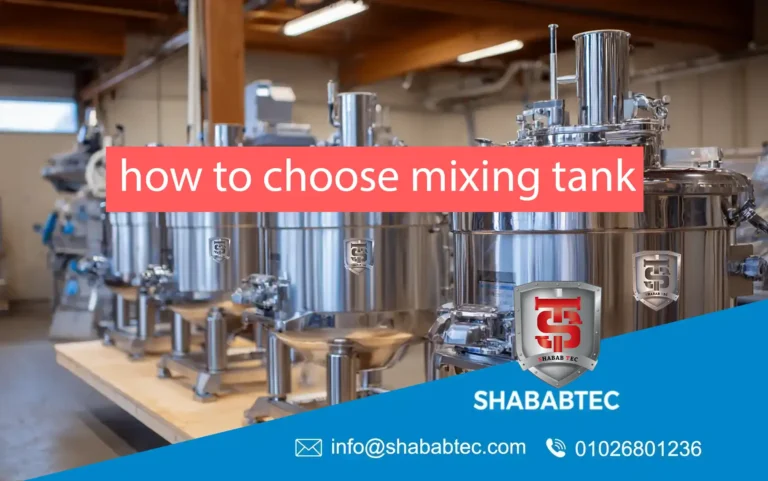
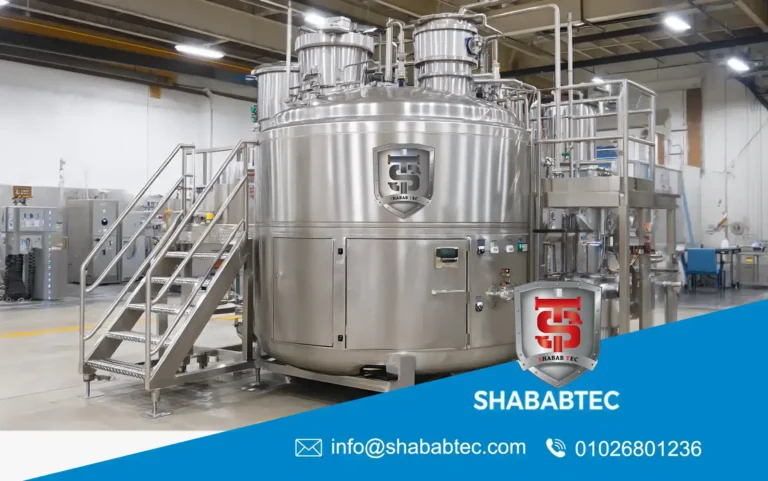
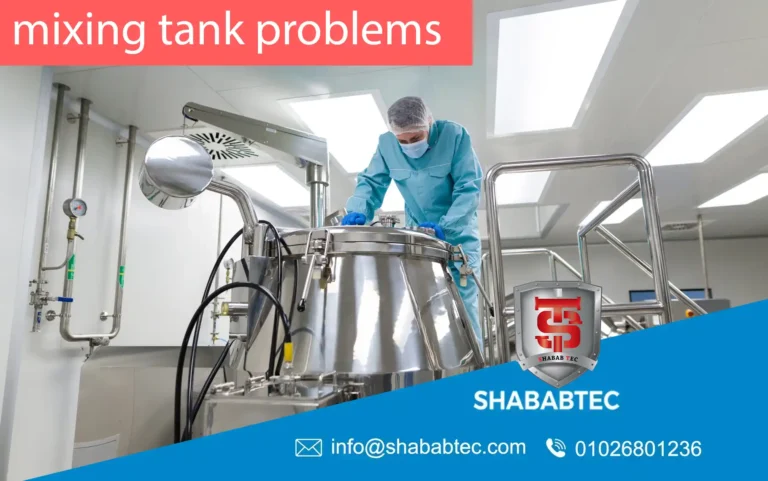
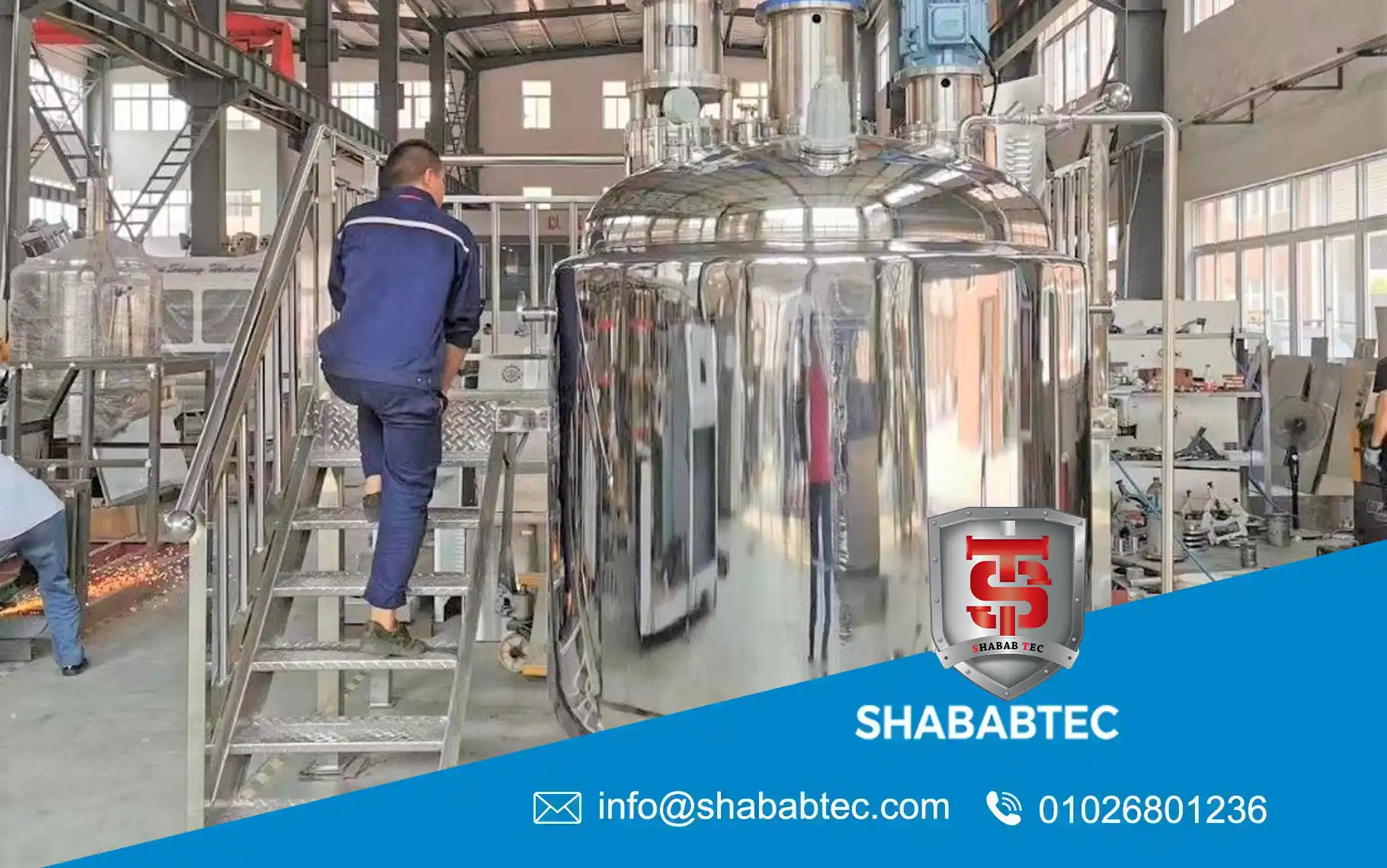
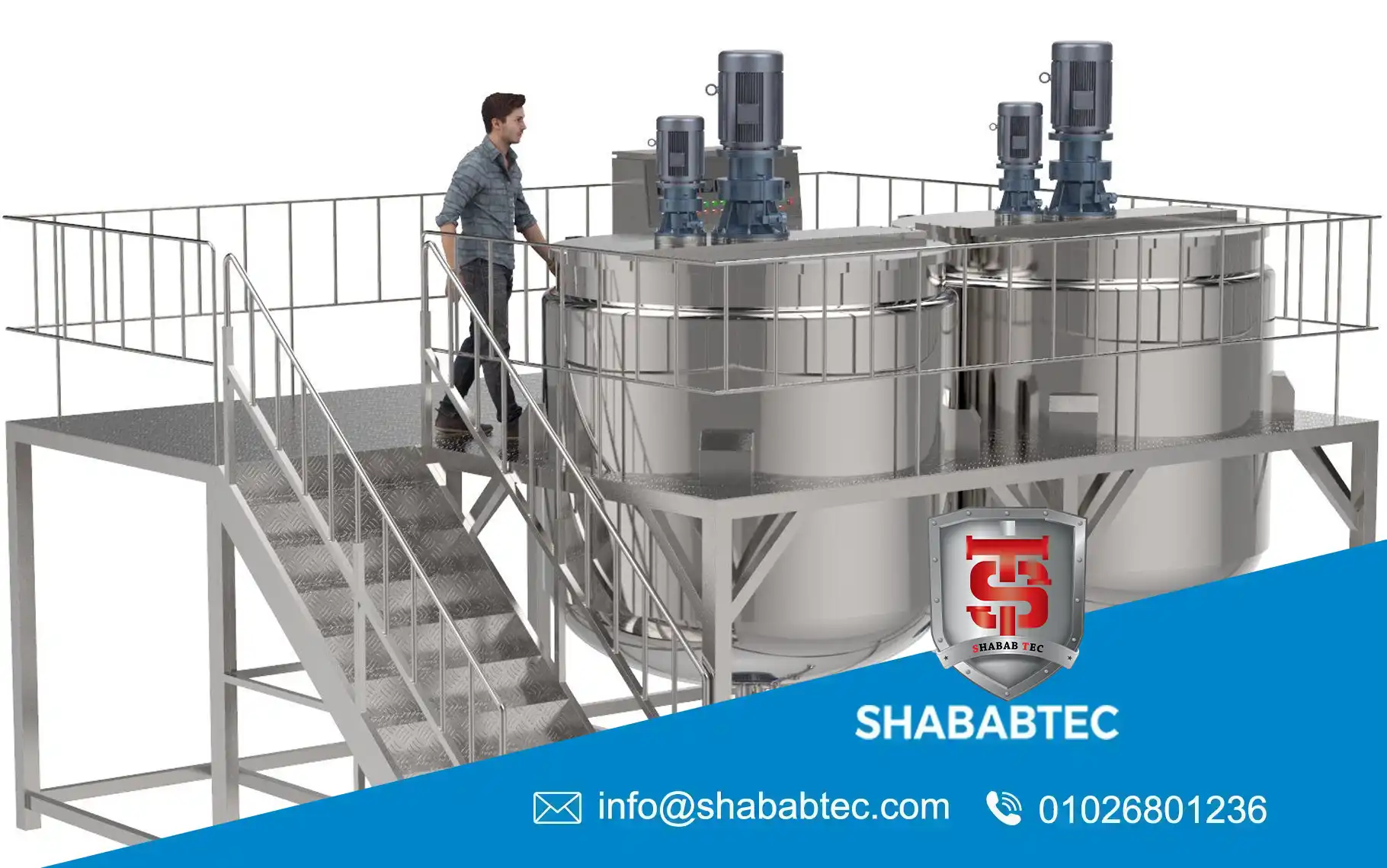
An industrial mixing tank is a specialized vessel designed to blend, dissolve, emulsify, or homogenize materials. It is equipped with a tank agitator that rotates inside the tank to create fluid motion and ensure uniform mixing.
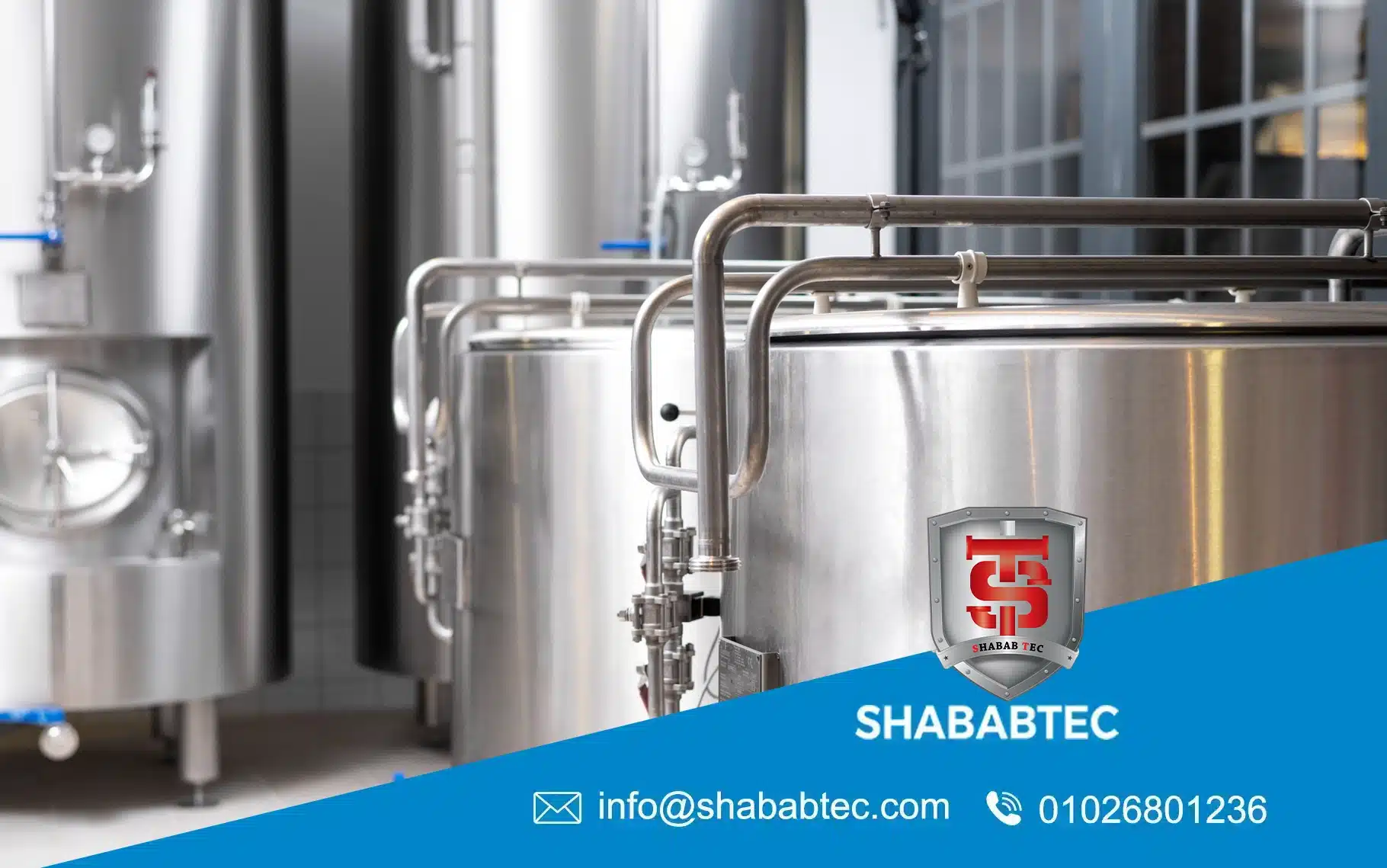
These tanks are commonly made from stainless steel and are engineered to handle various viscosities, temperatures, and pressures depending on the application.
Common Names for Mixing Tanks
- Mixing tank
- Stirring tank
- Agitator tank
- Blending tank
- Emulsion tank
- Homogenizer tank
Although these terms are often used interchangeably, they may differ slightly based on function and configuration.
Applications of Industrial Mixing Tanks
Industrial mixing tanks are used in a wide range of industries. Each industry requires specific configurations based on viscosity, hygiene standards, and process requirements.
1. Cosmetics Industry
Used for manufacturing creams, lotions, shampoos, gels, and liquid soaps. These processes often require high-shear mixing and precise temperature control.
2. Food and Beverage Industry
Used for sauces, syrups, chocolate, dairy products, and beverages. Hygienic design and food-grade materials are essential.
3. Pharmaceutical Industry
Used for ointments, suspensions, syrups, and gels. Requires sterile conditions and high precision.
4. Chemical Industry
Used for paints, adhesives, detergents, and resins. Often involves corrosive materials and high viscosity fluids.
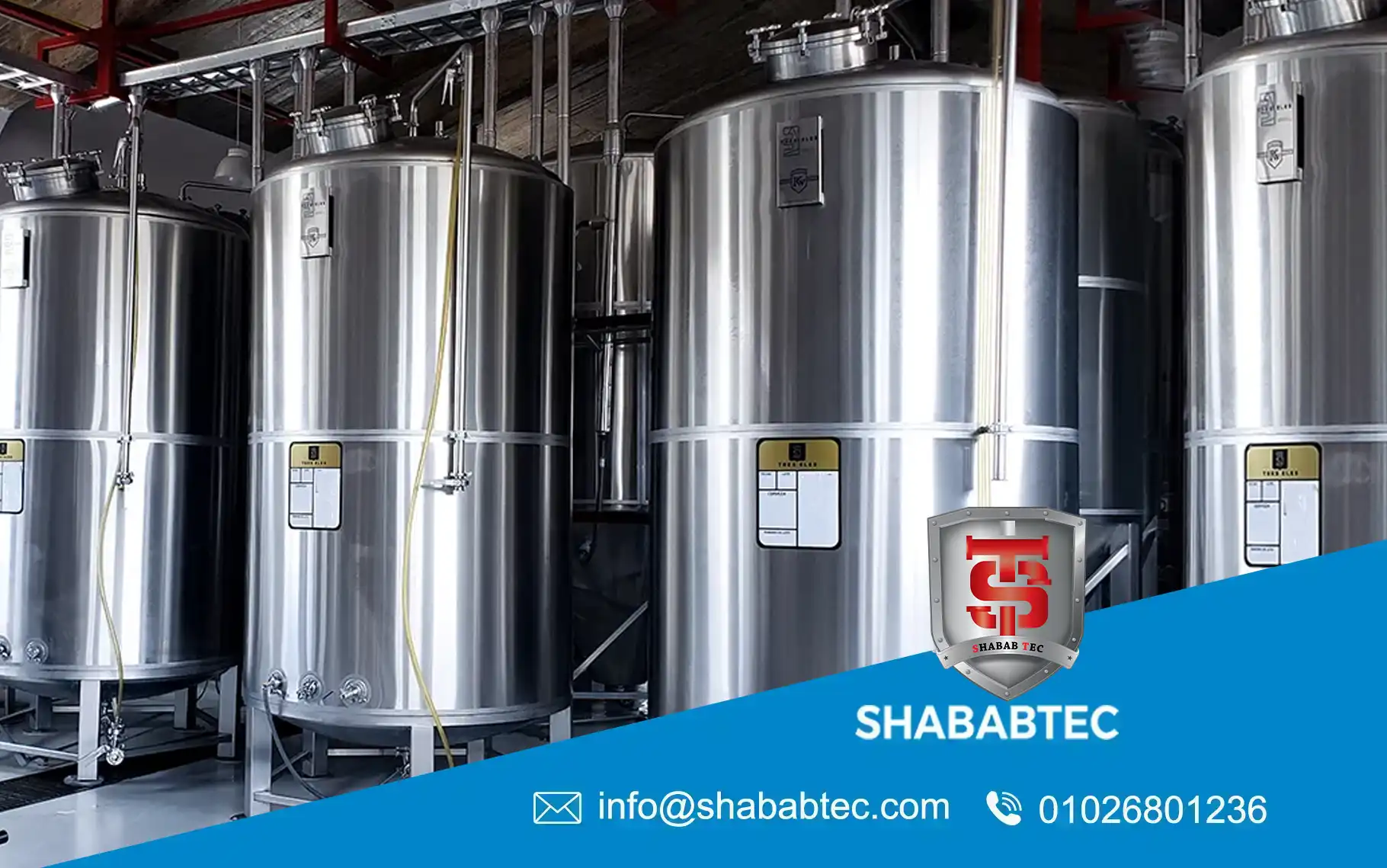
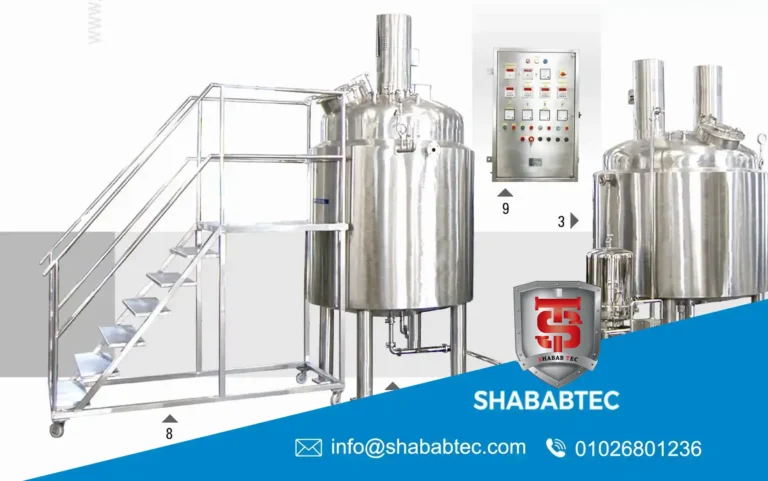
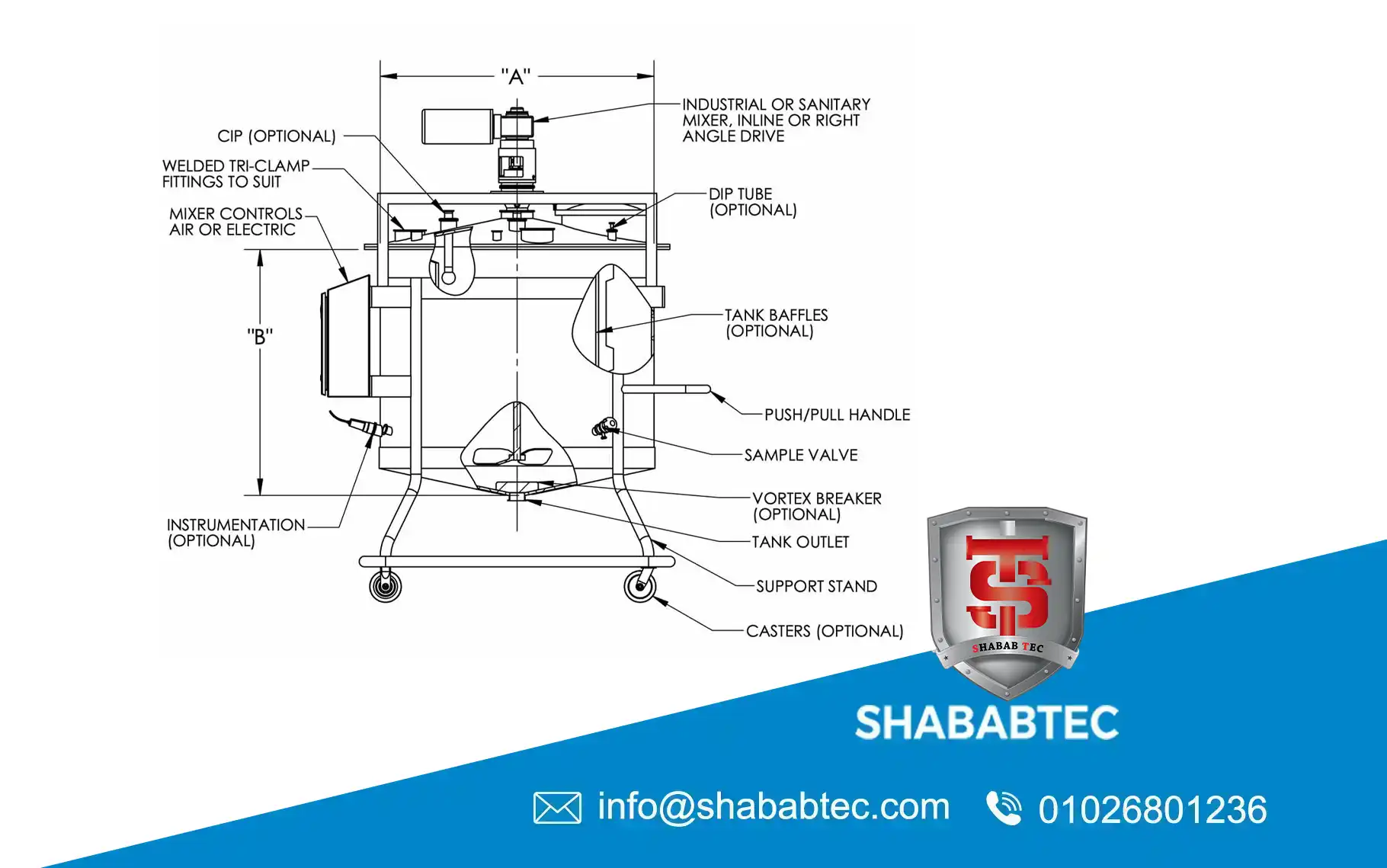
Each component affects the final mixing performance. The tank body controls volume and geometry, the agitator controls flow and shear, the drive system controls torque and speed, and the sealing system protects the process from leakage or contamination.
Main Components of a Mixing Tank
Understanding the structure of a mixing tank is essential for optimizing performance and selecting the right equipment.
1. Tank Body
The tank body is the main container where mixing occurs. It is typically cylindrical and can be vertical or horizontal.
- Material: Stainless steel 304 or 316L
- Design: Open or closed system
- Capacity: From small lab-scale to large industrial volumes
2. Agitator (Mixing System)
The tank agitator is the most critical component. It determines the mixing efficiency and product quality.
Types of Agitators:
- Anchor agitator (for high viscosity)
- Paddle agitator (for general mixing)
- Turbine agitator (for medium viscosity)
- High-shear homogenizer (for emulsions)
3. Drive System
The drive system consists of an electric motor and gearbox. It controls the speed and torque of the agitator.
4. Shaft and Sealing System
The shaft connects the motor to the agitator. Seals prevent leakage and contamination.
- Mechanical seal
- Packing seal
- Labyrinth seal
5. Tank Cover and Openings
Includes inlets, outlets, manholes, and ports for sensors such as temperature and pressure gauges.
6. Heating and Cooling System
Many mixing tanks include a jacket or coil system for temperature control.
- Electric heating
- Steam heating
- Cooling water circulation
Mixing Tank Design Principles
Proper mixing tank design is essential for achieving efficient mixing and reducing production time.
1. Tank Geometry
The height-to-diameter ratio (H/D) affects mixing efficiency. A typical ratio ranges from 1:1 to 3:1.
A taller tank may improve vertical circulation, while a wider tank can support larger agitators and higher batch volumes. The correct geometry depends on viscosity, required mixing time, and whether the process needs heating, cooling, or homogenization.
2. Agitator Selection
The type of agitator depends on:
- Viscosity of the material
- Mixing objective (blending, dispersion, emulsification)
- Shear requirements
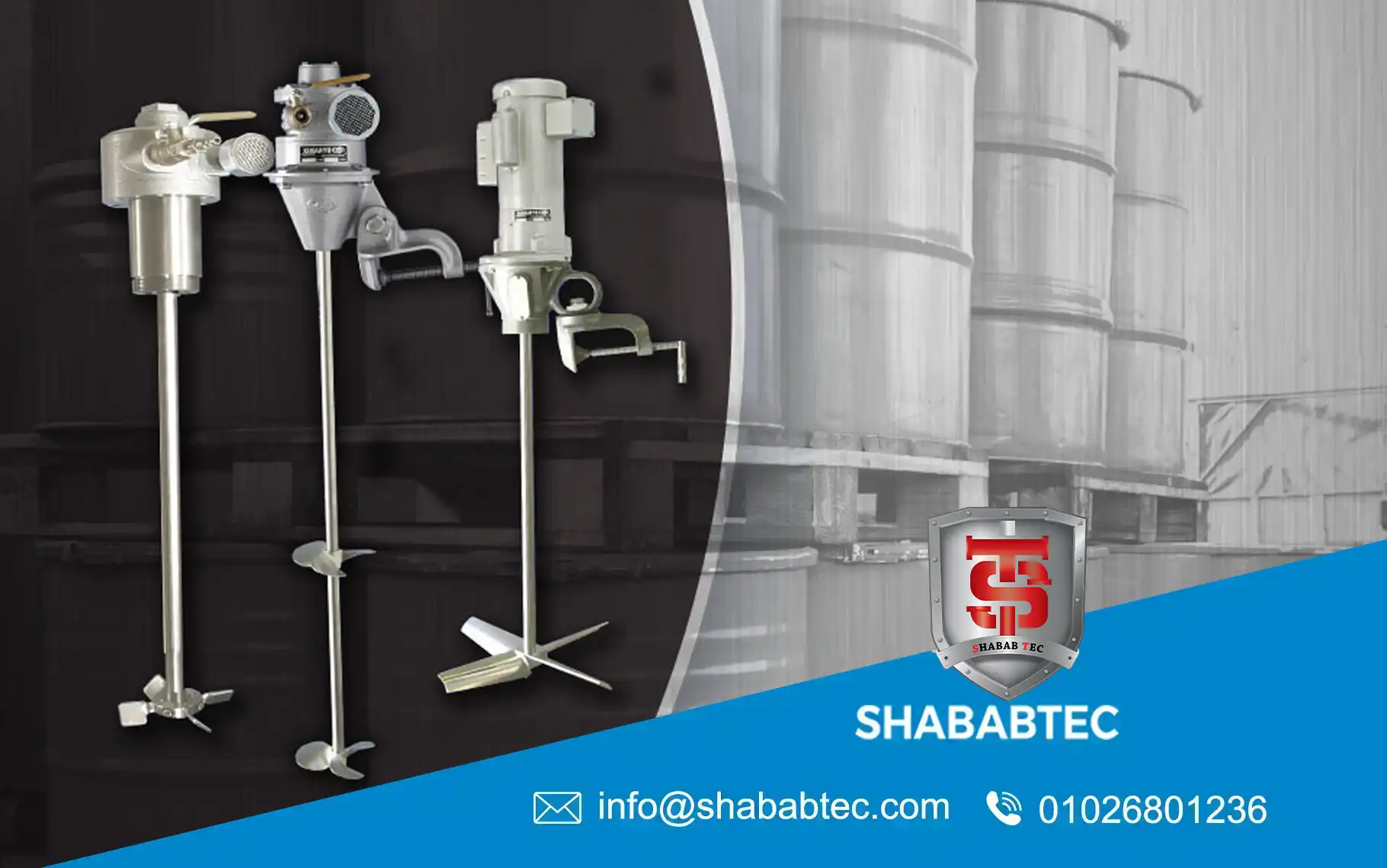
Common agitator types used in mixing tanks
For low-viscosity liquids, paddle or turbine agitators may be enough. For creams, gels, pastes, and high-viscosity materials, anchor agitators or high-shear homogenizers may be required to improve product uniformity.
3. Power Requirement
The motor power must be sufficient to handle the viscosity and volume of the product.
Motor power must be matched with product viscosity and tank capacity. If the motor is undersized, mixing becomes slow and inconsistent. If it is oversized, energy consumption and mechanical stress may increase.
4. Material Selection
Stainless steel is preferred due to its corrosion resistance and hygienic properties.
5. Working Volume
Typically, tanks operate at 70–80% of total capacity to allow proper mixing and avoid overflow.
Industrial Mixing Tank Working Principle
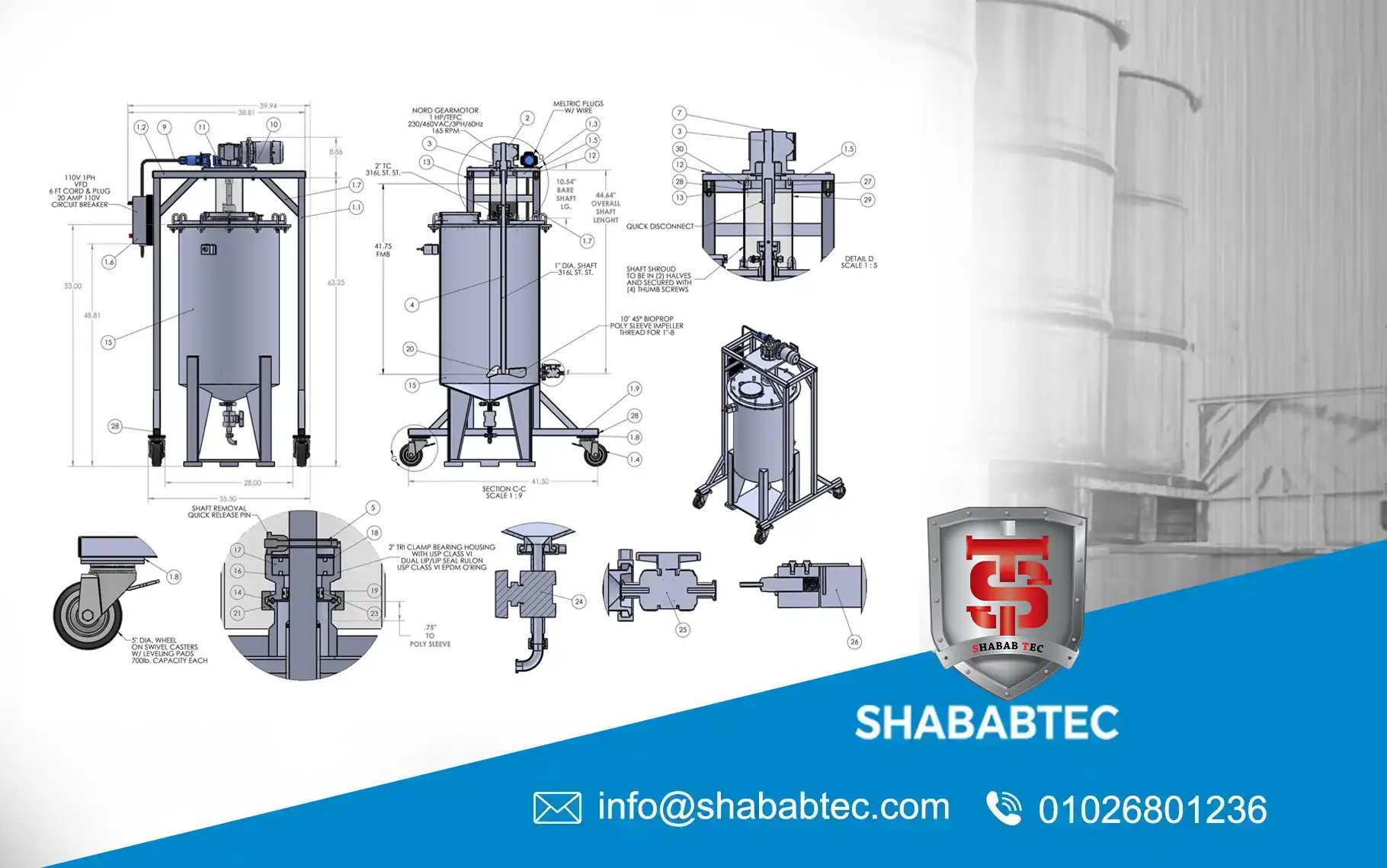
The working principle of an industrial mixing tank depends on transferring mechanical energy from the motor to the agitator shaft. As the impeller rotates, it creates controlled fluid movement inside the tank, helping materials blend, dissolve, disperse, or emulsify depending on the process requirements.
Mixing Tank Working Principle
The mixing tank working principle is based on mechanical agitation and fluid dynamics.
Step 1: Motor Activation
The motor starts and transfers energy to the agitator through the shaft.
Step 2: Agitator Rotation
The agitator rotates at a controlled speed, creating flow patterns inside the tank.
Step 3: Fluid Circulation
The movement of the agitator generates axial and radial flow, ensuring all materials are continuously circulated.
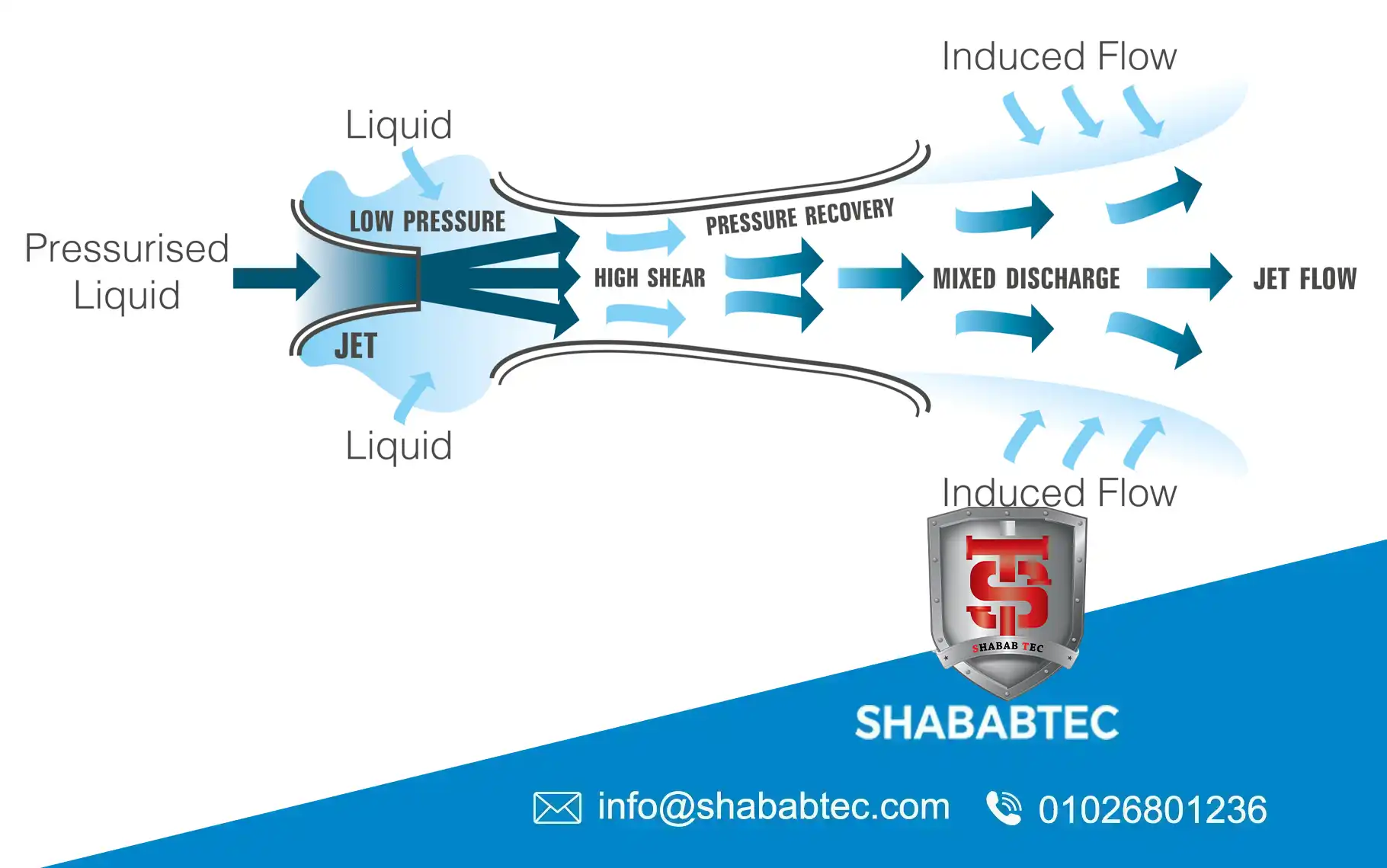
Step 4: Shear and Dispersion
High-speed mixing creates shear forces that break particles and improve uniformity.
Step 5: Heat Transfer
If the tank is jacketed, heat is transferred to or from the product to maintain the desired temperature.
Step 6: Homogenization
In advanced systems, a homogenizer reduces particle size and improves product stability.
Types of Mixing Mechanisms
1. Convective Mixing
Bulk movement of fluid caused by the agitator.
2. Shear Mixing
Breaks down particles using high-speed rotation.
3. Diffusive Mixing
Occurs at the molecular level for complete uniformity.
See Also: Industrial Stainless Steel Mixing Tanks – Complete Guide
Types of Industrial Mixing Tanks
1. Agitator Tank
Used for general mixing applications.
2. Emulsion Tank
Designed for mixing immiscible liquids like oil and water.
3. Homogenizer Tank
Reduces particle size for smooth and stable products.
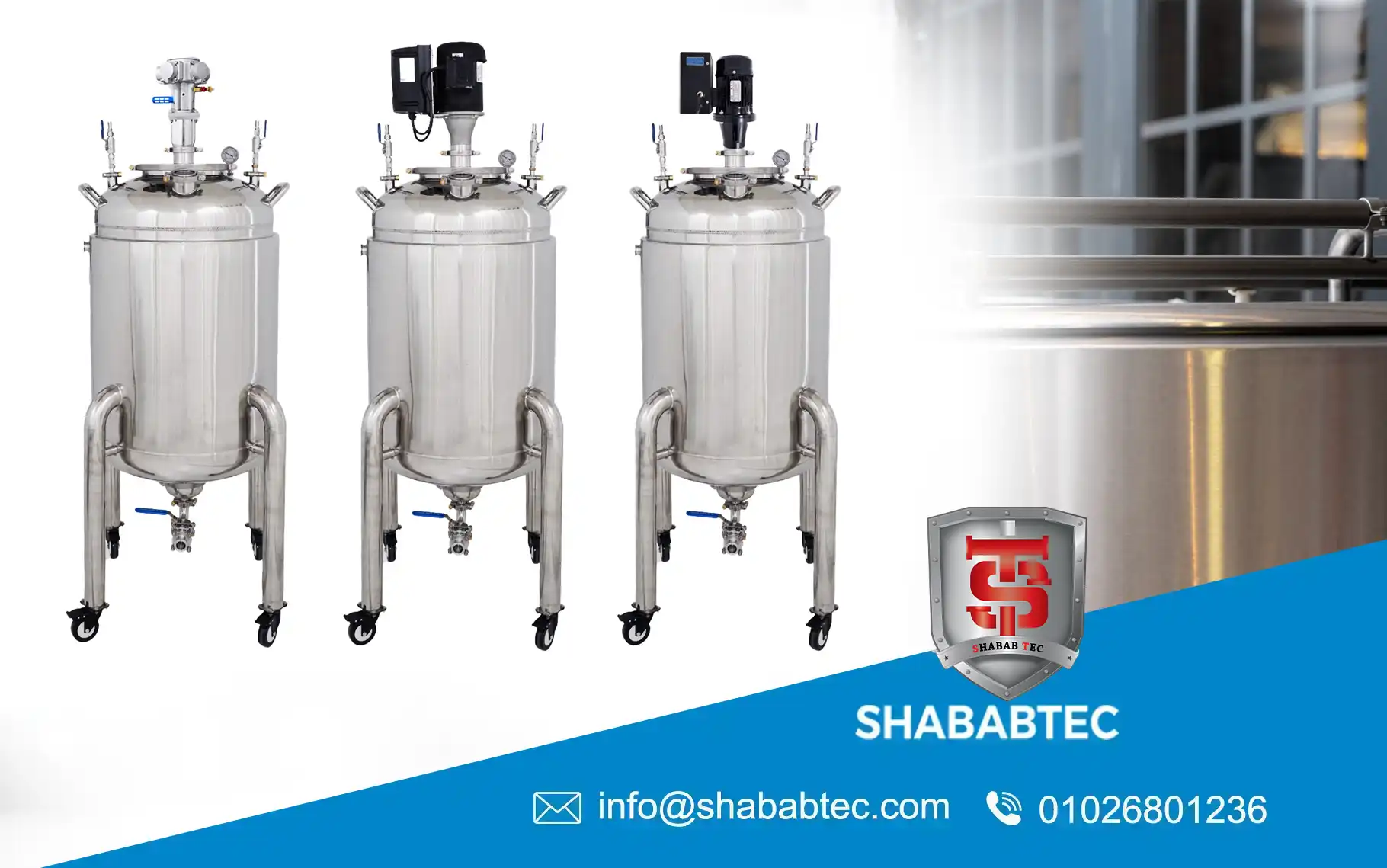
4. Vacuum Mixing Tank
Removes air bubbles and improves product quality.
5. Jacketed Mixing Tank
Provides heating or cooling during mixing.
See Also: Stainless Steel Mixing Tank Types and Industrial Uses
How to Choose the Right Mixing Tank
Selecting the right mixing tank depends on several factors:
- Production volume
- Material viscosity
- Process requirements
- Temperature control needs
- Hygiene standards
Advantages of Industrial Mixing Tanks
- High efficiency and fast processing
- Uniform product quality
- Multi-functional capabilities
- Scalable for industrial production
- Durable and corrosion-resistant
Common Problems and Solutions
Problem: Poor Mixing
Solution: Adjust agitator type or speed.
Problem: Air Bubbles
Solution: Use vacuum mixing tank.
Problem: Overheating
Solution: Improve cooling system.
Maintenance Tips
- Regular cleaning and sanitation
- Check seals and bearings
- Inspect motor and gearbox
- Monitor temperature and pressure
Future Trends in Mixing Technology
Modern mixing tanks are integrating automation, IoT sensors, and advanced control systems to improve efficiency and reduce human error.
Frequently Asked Questions (FAQ)
What is a mixing tank used for?
It is used to blend, dissolve, or homogenize materials in industrial processes.
What are the different types of mixing tanks?
Agitator tanks, emulsion tanks, homogenizer tanks, vacuum tanks, and jacketed tanks.
How does a mixing tank work?
It uses a rotating agitator to create fluid motion and ensure uniform mixing.
Which material is best for mixing tanks?
Stainless steel 316L is best for hygienic and corrosive applications.
Conclusion
Industrial mixing tanks play a critical role in manufacturing processes across multiple industries. Understanding mixing tank design and working principles helps businesses improve efficiency, product quality, and operational performance.
Whether you need a simple stirring tank or a high-performance agitator tank with advanced features, choosing the right system is key to success.