7 Powerful Cleanroom Partition Walls & Ceilings Solutions for ISO & GMP Controlled Environments
Cleanroom Partition Walls & Ceilings Materials, Specifications, and Modular Solutions for Controlled Environments
In modern controlled environments, cleanroom partition walls and ceiling systems play a critical role in maintaining hygiene, airflow stability, and contamination control. Industries such as pharmaceuticals, semiconductor manufacturing, biotechnology, and precision electronics rely on modular partition systems to create flexible, compliant, and high-performance cleanroom environments.
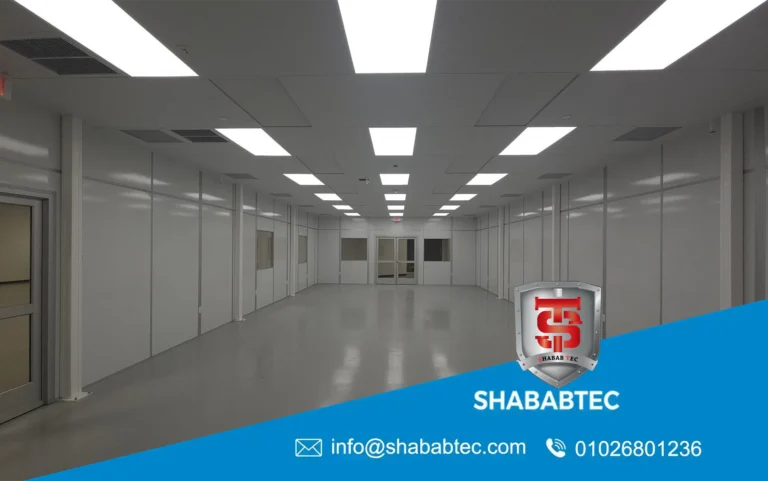
Unlike traditional construction, a modular partition wall is engineered specifically to meet ISO and GMP requirements. These systems combine smooth flush surfaces, sealed joints, and durable materials to prevent dust accumulation while supporting efficient airflow management. As cleanroom builders continue to prioritize flexibility and scalability, modular cleanroom wall panels have become the preferred solution for projects that require rapid installation and future expansion.
This professional guide explores the materials, technical specifications, installation methods, and commercial considerations behind modern cleanroom partition walls and ceiling systems. Whether you are comparing suppliers, evaluating sandwich panel solutions, or planning a new controlled environment, this article provides a comprehensive overview of partition systems used in 2026 and beyond.
What Are Cleanroom Partition Walls & Ceilings?
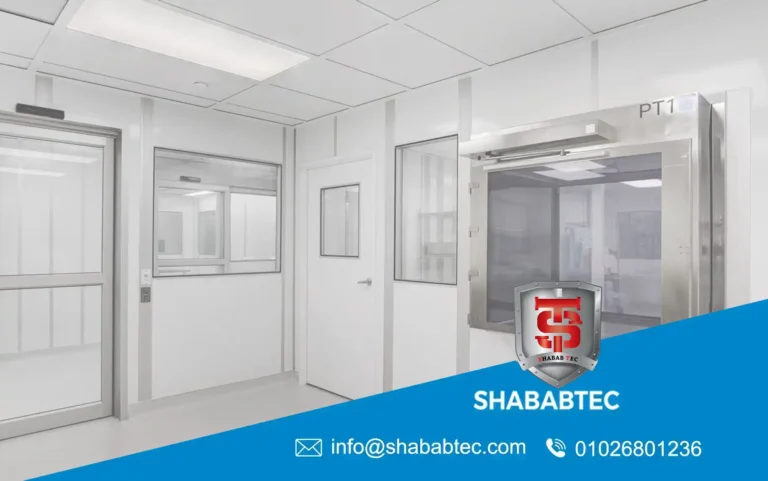
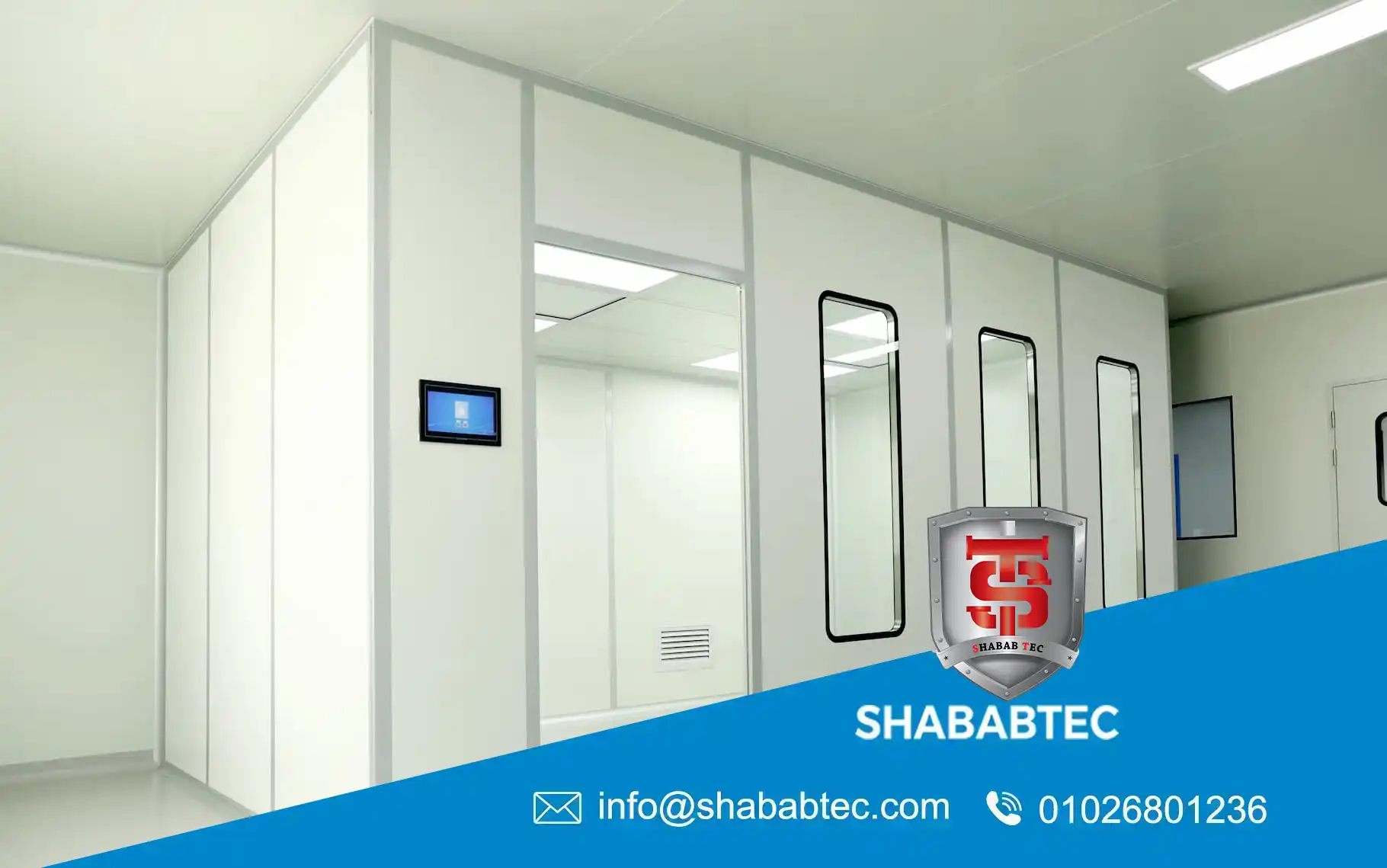
A partitioning wall inside a cleanroom is not simply a divider — it is an engineered structural component designed to maintain cleanliness levels, support airflow patterns, and provide a hygienic barrier between controlled zones. Many engineers ask: what is a partitioning wall? In cleanroom environments, it refers to modular wall panels built with sealed surfaces, precision aluminum frames, and non-shedding materials that prevent contamination.
Cleanroom ceilings function alongside partition walls to create a continuous sealed envelope. Together, these architectural elements regulate air pressure, integrate lighting and HEPA filtration systems, and maintain structural integrity under constant operation. Compared to traditional building methods, modular cleanroom wall panels allow faster installation and improved long-term performance.
A well-designed partition system ensures smooth airflow circulation, easy cleaning, and full compliance with ISO cleanroom standards. This is why modern cleanroom builders prioritize modular construction over conventional drywall or masonry solutions.
Materials Used in Cleanroom Wall Panels
One of the most common questions engineers ask is: What material is used for cleanroom wall panels? The choice of material directly impacts durability, hygiene performance, and chemical resistance. Modular cleanroom wall panels typically use sandwich panel technology combining structural skins with insulating cores.
Sandwich panel cleanroom systems use double steel skins bonded to an insulating core such as polyurethane (PU) or expanded polystyrene (EPS). These materials provide mechanical strength while ensuring easy cleaning and resistance to chemical disinfectants. Aluminum frame systems are commonly used to create seamless flush surfaces with minimal joints.
Technical Requirements of a Good Cleanroom Partition Wall
When evaluating modular partition systems, engineers often ask: What are the requirements of a good partition wall? Cleanroom walls must meet strict performance standards to maintain controlled environments. Unlike standard construction materials, cleanroom partitions are engineered to support hygiene compliance and structural stability simultaneously.
- Smooth flush surfaces that prevent dust accumulation
- Chemical resistance to cleaning agents and disinfectants
- High structural strength with lightweight construction
- Sealed joints to maintain pressure differentials
- Compatibility with doors, vision windows, and pass boxes
- Compliance with GMP and ISO cleanroom standards
A high-quality partition wall company focuses on delivering panels that maintain integrity under continuous operation while allowing easy maintenance and future upgrades. Modular cleanroom wall panels also enable precise integration of utilities, lighting systems, and airflow components.
Types of Partition Walls for Cleanrooms
Understanding what are the types of partition walls used in controlled environments helps engineers choose the right solution based on cleanliness level, budget, and operational flexibility. Modern cleanroom partition systems are designed to provide structural strength while maintaining hygienic performance and airflow efficiency.
Below are the most common partition wall solutions used by cleanroom builders in pharmaceutical, laboratory, and semiconductor facilities:
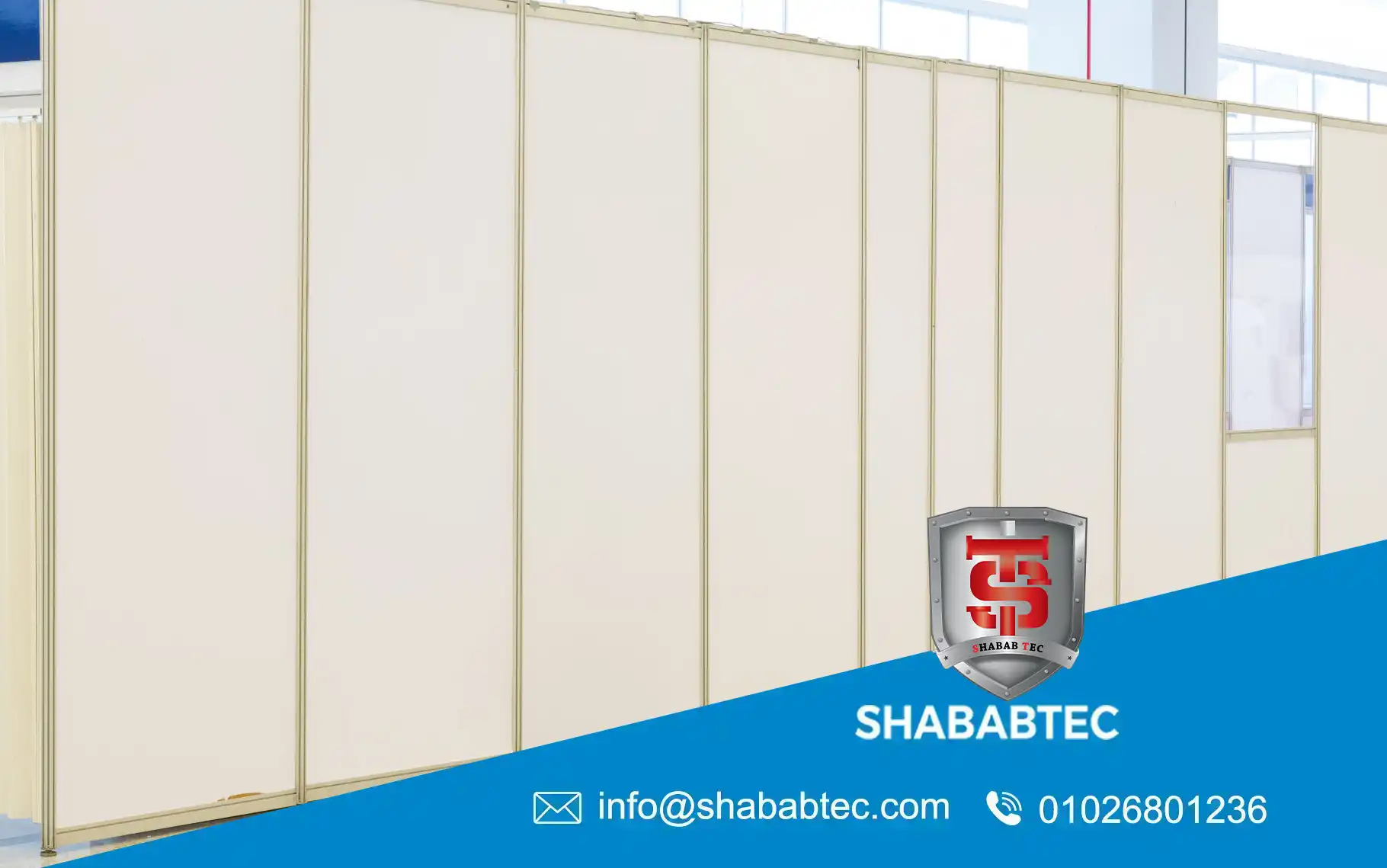
- Modular Partition Wall Systems: Prefabricated panels with aluminum frames that allow rapid installation and future expansion.
- Sandwich Panel Partition Systems: Double steel skin panels with insulated cores providing strength and thermal performance.
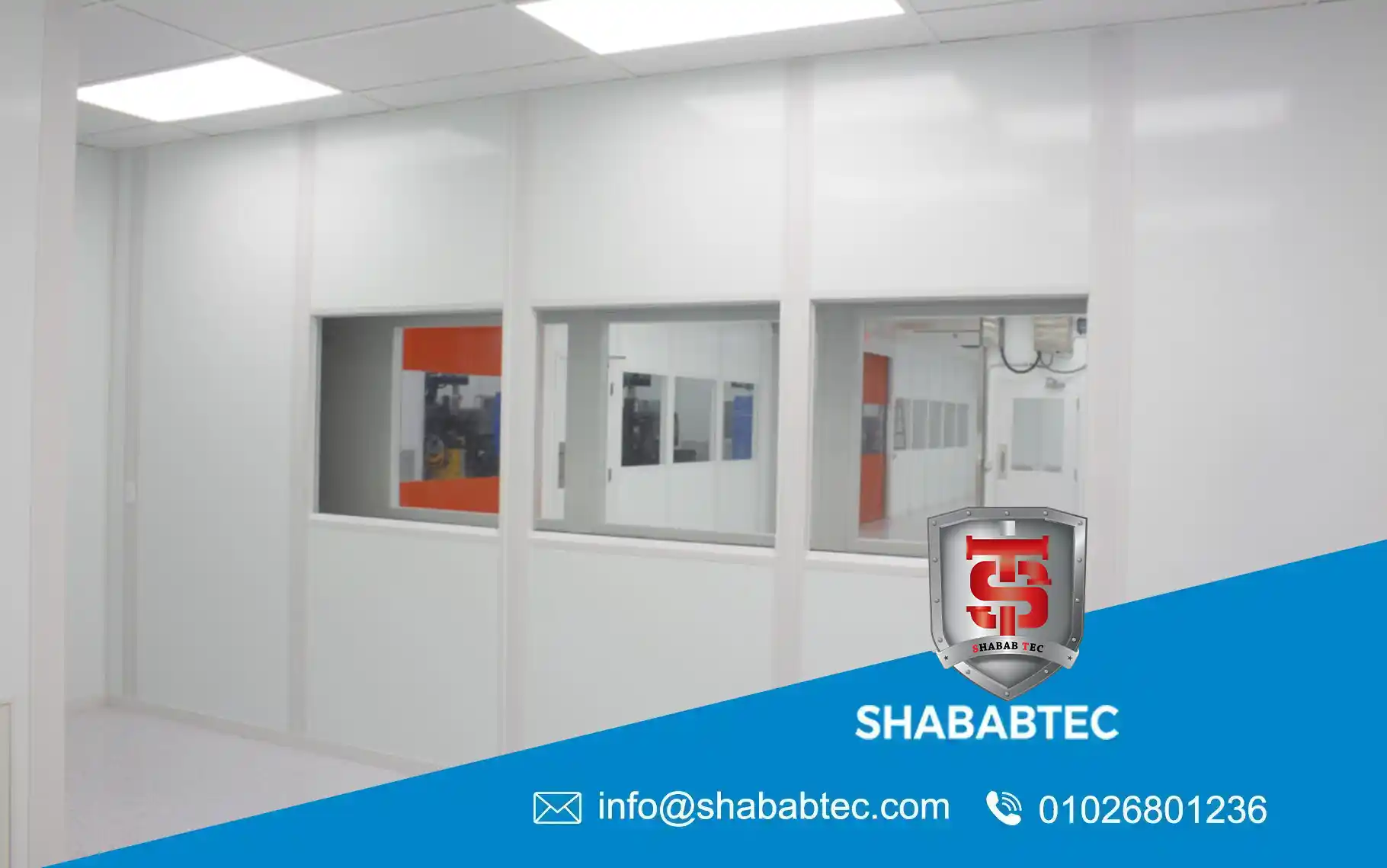
- Glass Vision Panel Integration: Transparent sections integrated into modular cleanroom wall panels for visibility without compromising cleanliness.
- Hybrid Partition Systems: Combination of solid panels and glazing used in research laboratories and medical facilities.
Compared to traditional drywall or masonry, modular partition walls offer better hygiene compliance, reduced construction time, and greater flexibility. Many facilities transitioning to ISO-compliant environments now choose modular partition systems to support scalable production layouts.
Cleanroom Ceiling Systems and Suspended Ceilings
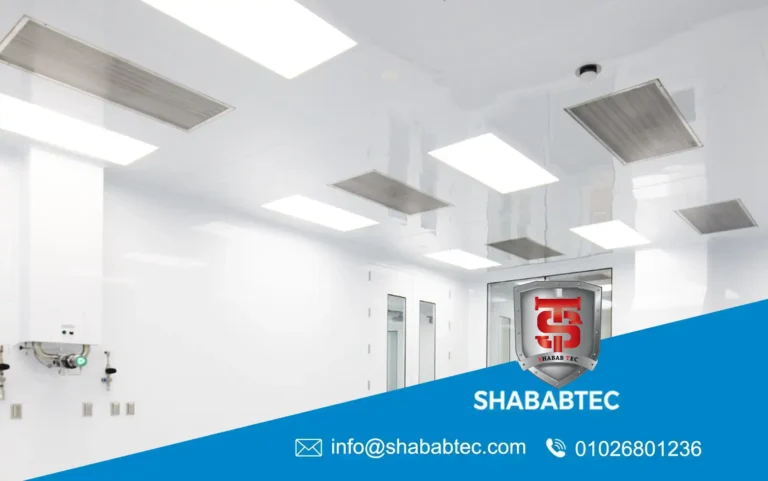
Cleanroom ceilings are essential for maintaining controlled airflow and integrating technical components such as HEPA filters, lighting fixtures, and service utilities. A high-performance cleanroom ceiling system must provide structural stability while maintaining a smooth, sealed surface that prevents particle buildup.
Suspended cleanroom ceiling designs often use hidden suspension bars instead of traditional exposed T-bar grids. This design improves hygiene performance and creates a flush architectural appearance that meets GMP requirements. Ceiling panels are typically manufactured using the same sandwich panel technology found in modular partition walls, ensuring consistency across the cleanroom envelope.
Key features of advanced suspended cleanroom ceilings include:
- Hidden aluminum suspension structures
- Flush-mounted panel surfaces
- Load-bearing capability for filters and lighting
- Easy maintenance access without compromising cleanliness
Modular vs Traditional Cleanroom Wall Systems (Commercial Comparison)
As facilities evaluate cleanroom construction strategies in 2026, the comparison between modular partition wall systems and traditional construction methods has become increasingly important. Companies looking for scalable and efficient solutions often prefer modular cleanroom wall panels due to their flexibility and reduced installation time.
Traditional stick-built walls may still be used in certain permanent installations, but they often require longer construction timelines and offer limited adaptability. Modular systems, on the other hand, provide a plug-and-play approach that aligns with modern industrial workflows.
Some global brands like Lindner Partitions are known for modular systems, but many regional cleanroom builders now provide competitive alternatives tailored to local project requirements and cost efficiency.
Cleanroom Wall Panel Prices & Supplier Considerations
When evaluating cleanroom partition solutions, many companies search for cleanroom wall panel prices or compare different partition wall suppliers to identify the best balance between performance and budget. The cost of modular cleanroom wall panels depends on several technical factors rather than a fixed market price.
Key factors that influence pricing include panel thickness, skin material (steel or stainless steel), insulation core type, ceiling integration requirements, and project size. Modular partition wall systems designed for pharmaceutical environments typically require higher-grade materials and precision engineering, which may increase overall costs compared to basic industrial partition systems.
Choosing the right partition wall company involves more than comparing prices alone. Companies should evaluate engineering expertise, compliance with GMP requirements, local manufacturing capabilities, and experience in modular cleanroom construction. A reliable supplier ensures consistent quality, faster installation, and long-term operational performance.
Installation Process for Modular Cleanroom Walls
The installation of modular cleanroom wall panels follows a structured process designed to minimize downtime and maintain precision alignment. Unlike traditional construction, modular partition systems use prefabricated components that are assembled on site using aluminum frame structures and concealed fixing methods.
Typical installation steps include:
- Site preparation and layout verification
- Assembly of aluminum framing systems
- Installation of sandwich panel wall sections
- Integration of doors, vision windows, and utilities
- Sealing joints to maintain pressure integrity
- Final inspection and cleaning
Modular partition installation allows facilities to expand or modify layouts in the future without major structural disruption. This flexibility makes modular cleanroom wall panels a preferred choice for industries experiencing rapid technological growth.
Frequently Asked Questions (FAQ)
What material is used for cleanroom wall panels?
Cleanroom wall panels are typically made from powder-coated steel or stainless steel skins combined with PU or EPS insulation cores. Aluminum frame systems provide structural stability and allow seamless flush surfaces suitable for GMP environments.
What are the types of partition walls?
Common partition wall types include modular partition walls, sandwich panel systems, glass-integrated panels, and hybrid architectural systems designed specifically for cleanroom environments.
What is a partitioning wall?
A partitioning wall is a structural divider used to separate cleanroom zones while maintaining airflow control and hygiene standards. In modular cleanrooms, these walls are engineered panels rather than traditional construction materials.
What are the requirements of a good partition wall?
A good cleanroom partition wall should have smooth flush surfaces, sealed joints, chemical resistance, structural durability, and compatibility with HVAC systems and controlled access components.
Why Choose Shababtec Modular Partition Systems
Shababtec delivers advanced modular partition wall and ceiling systems engineered to meet ISO cleanroom standards and GMP requirements. With extensive experience as cleanroom builders and modular partition manufacturers, Shababtec provides solutions tailored to pharmaceutical, laboratory, and industrial applications.
By combining high-quality sandwich panel technology, precision aluminum framing, and turnkey project integration, Shababtec ensures long-term durability and operational efficiency. From design consultation to installation, each partition system is developed to maintain hygiene performance while allowing future expansion.
If you are planning a new cleanroom or upgrading an existing facility, Shababtec offers modular cleanroom wall panels and ceiling systems designed to support modern controlled environments with flexibility, reliability, and cost efficiency.
Industry Applications of Modular Cleanroom Partition Walls
Modern modular partition wall systems are used across a wide range of industries where environmental control and hygiene compliance are critical. Cleanroom builders design these architectural systems to support different cleanliness classifications while maintaining flexibility for future upgrades.
- Pharmaceutical Manufacturing: Stainless steel modular cleanroom wall panels ensure sterile production environments that meet GMP requirements.
- Medical Laboratories & Research Facilities: Hygienic partition systems provide controlled airflow and easy-to-clean surfaces.
- Semiconductor Clean Rooms: Precision-engineered walls help prevent micro-particle contamination during sensitive manufacturing processes.
- Food & Beverage Production: Insulated sandwich panel systems maintain hygiene standards and temperature control.
- Electronics & Precision Assembly: Modular cleanroom ceiling systems integrate lighting and filtration while supporting structural performance.
Each industry requires a unique combination of materials, structural design, and airflow integration. Modular partition systems allow companies to adapt quickly to new production demands without rebuilding entire facilities.
Future Trends in Cleanroom Partition Walls & Ceilings (2026 and Beyond)
As controlled environment technology continues to evolve, cleanroom partition systems are becoming more advanced and adaptable. Companies are increasingly investing in modular cleanroom wall panels that offer improved sustainability, faster installation timelines, and enhanced airflow performance.
Key trends shaping the future of partition systems include:
- Lightweight composite sandwich panels with higher durability
- Smart ceiling integration with advanced airflow monitoring
- Improved modular locking systems for faster installation
- Increased demand for stainless steel panels in pharmaceutical cleanrooms
- Designs optimized for energy-efficient HVAC performance
Compared to older construction methods, modern partition wall company solutions now focus on flexibility and long-term operational efficiency. Facilities seeking scalable cleanroom infrastructure increasingly choose modular systems as a future-proof investment.
Conclusion Choosing the Right Cleanroom Partition System
Selecting the right cleanroom partition walls and ceiling systems is essential for maintaining cleanliness, supporting airflow stability, and ensuring regulatory compliance. From modular partition walls and insulated sandwich panels to advanced suspended ceiling designs, each architectural component contributes to the overall performance of a controlled environment.
Companies evaluating cleanroom builders or comparing modular partition suppliers should focus on engineering expertise, material quality, and compliance with ISO and GMP standards rather than price alone. A well-designed partition system improves operational efficiency, reduces contamination risks, and provides flexibility for future expansion.
Shababtec continues to deliver advanced modular cleanroom wall panels and ceiling solutions tailored to modern industrial needs. With a focus on durability, hygiene performance, and turnkey integration, Shababtec supports pharmaceutical, laboratory, semiconductor, and industrial clients seeking reliable cleanroom infrastructure.