
Integrated Industrial Solutions for Your Facility
Engineering, fabrication, and turnkey execution of
Clean Rooms, Processing Systems, RO Units, CIP/SIP Systems,
and Sanitary Stainless Steel Equipment.
Free Engineering Consultation
PHARMACEUTICAL POWDER MIXING • EGYPT
Pharmaceutical Powder Mixing Equipment & Blender Selection
Select the mixing technology around the powder, the required process and the production workflow — not around the machine name alone.
ShababTec supports pharmaceutical and industrial powder mixing applications with double cone mixers, V-blender concepts, ribbon blenders, high-shear mixers and related powder handling solutions.
Material-Based Selection
Multiple Mixing Concepts
Custom Engineering
Installation & Commissioning
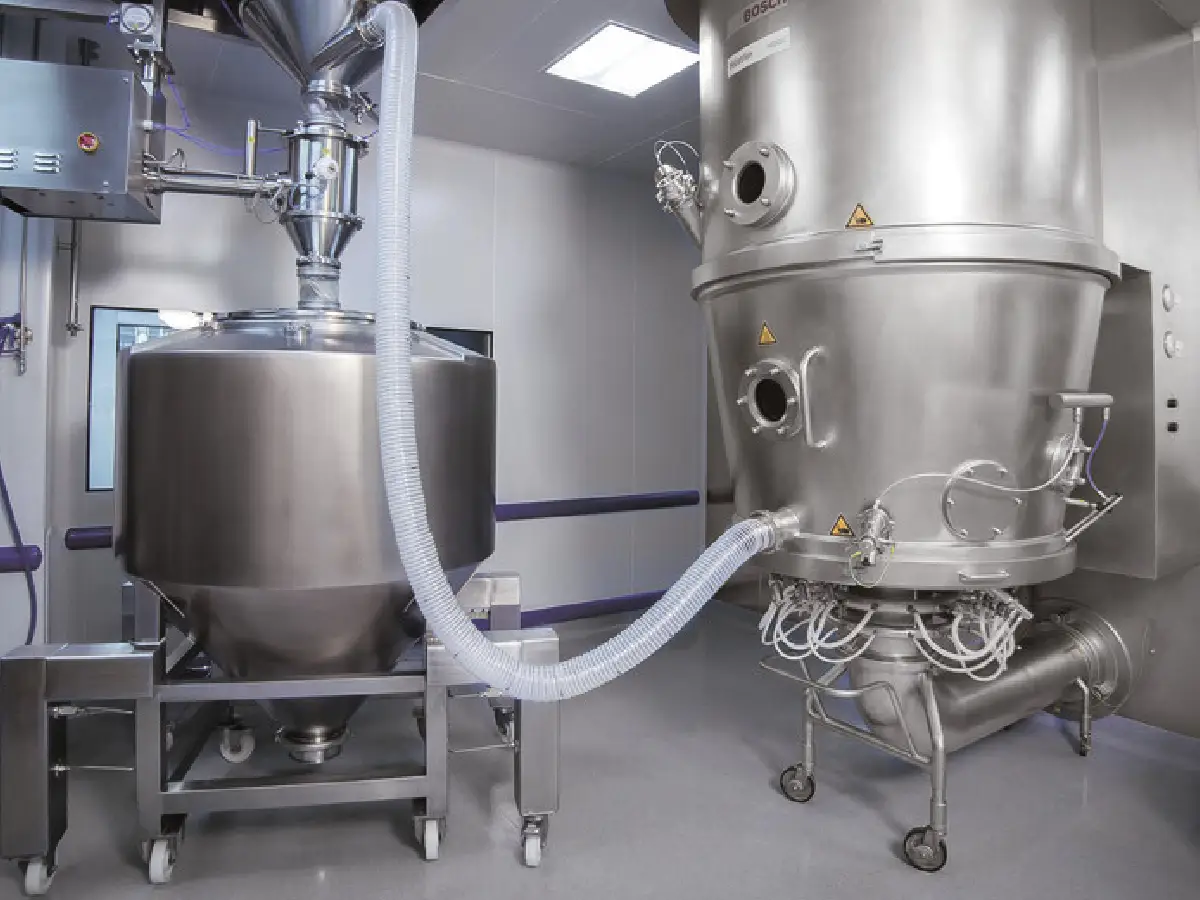
POWDER MIXING TECHNOLOGY
Powder Mixing Starts with Material Behaviour
Different powder mixers create different types of material movement. The correct technology depends on what the process needs the powder to do.
Tumble blenders primarily use vessel motion and gravity to redistribute the powder bed. Ribbon mixers create more active internal material movement, while high-shear systems introduce a more intensive mechanical action.
None is universally better. Powder flowability, cohesiveness, ingredient differences, shear sensitivity, charging, discharge, cleaning and downstream handling should define the selection.
THE BETTER ENGINEERING QUESTION
What must happen to the powder during mixing?
Not simply: which mixer is the most powerful?
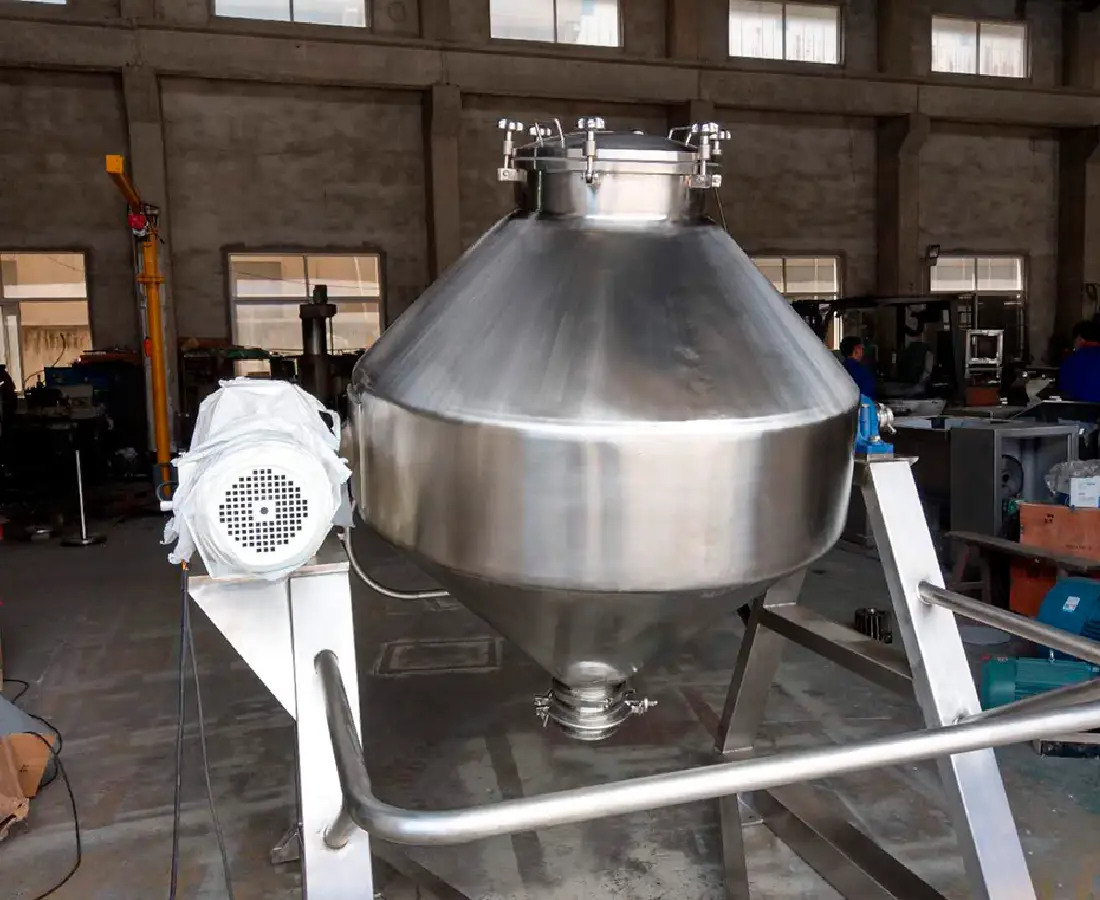
MIXER SELECTION FACTORS
What Determines the Right Powder Mixer?
The mixer should be selected from the powder and production requirement rather than from a generic equipment catalogue.
Flowability
Free-moving powder behaves differently during filling, tumbling and discharge from material that bridges or moves poorly.
Cohesiveness
Cohesive powders can resist redistribution and may require a different mixing approach from easily flowing materials.
Particle & Density Differences
Significant differences between ingredients can increase the challenge of obtaining and maintaining an acceptable blend.
Shear Sensitivity
Fragile powders or granules may benefit from gentler handling instead of unnecessary mechanical intensity.
Ingredient Proportions
A low-proportion ingredient dispersed through a large bulk material can create a different blending challenge.
Production Workflow
Charging, discharge, cleaning, transfer and downstream operations influence which mixer is practical.
TECHNOLOGY COMPARISON
Compare Pharmaceutical Powder Mixing Technologies
Use this matrix as an engineering starting point. Final mixer selection must be confirmed against the actual formulation and required process.
| Mixing Technology | Mixing Action | When to Evaluate It | Key Questions |
|---|---|---|---|
| Double Cone Blender | Gravity-driven tumbling and redistribution of the powder bed. | Dry powder or granule applications where gentle tumbling is appropriate. | Flowability, ingredient differences, charging, discharge, cleaning and segregation risk. |
| V-Blender | Tumbling with repeated division and recombination of material. | Suitable dry-blending applications where the powder can move effectively through the rotating geometry. | Powder flow, ingredient ratio, particle differences, fill condition, discharge and cleaning. |
| Ribbon Blender | Internal mechanical elements move material through the vessel. | Applications that benefit from more active bulk movement than simple tumble blending. | Powder behaviour, mechanical sensitivity, cleanability, mixing objective and discharge method. |
| High-Shear Mixing | Higher-intensity mechanical interaction with the material. | Processes specifically requiring stronger mechanical action than conventional dry blending. | Required process outcome, product sensitivity, process stage, cleaning and downstream operation. |
No mixer type is presented as universally superior. The correct selection depends on the actual product and process.
PRODUCT BEHAVIOUR
Match the Mixer to the Mixing Challenge
Gentle Redistribution May Be Enough
Where ingredients flow readily and tolerate tumbling, a tumble-blending concept can be considered before moving to a mechanically intensive system.
Powder Movement Needs More Attention
Material that resists movement or tends to form agglomerated zones may require a different geometry or more active mixing concept.
Avoid Unnecessary Mechanical Stress
Where particle integrity is important, the selection should avoid stronger mechanical action unless the process requires it.
Look Beyond Mixer Type
Particle size, bulk density, ingredient ratio, charging sequence and transfer can all influence the final blending strategy.
BLEND PERFORMANCE
Mixer Geometry Is Only One Part of the Result
A technically suitable mixer can still perform poorly if the operating method, material properties or downstream handling are not considered.
The working quantity inside the mixer affects available material movement and should form part of process evaluation.
Longer mixing does not automatically mean a better blend. The correct endpoint is process-specific.
Ingredient order can affect how difficult it is to distribute individual components through the batch.
Differences in particle size and bulk density can affect both mixing and segregation behaviour.
How material enters the mixer can influence operator handling, dust and the practical batch procedure.
Material behaviour during emptying should be considered before the machine geometry is finalised.
A satisfactory blend can still segregate during unsuitable downstream handling.
Required sampling and blend acceptance criteria should be defined by the manufacturer's process and quality requirements.
No universal blend-homogeneity percentage is claimed.
Blend performance must be demonstrated for the real formulation, equipment configuration and approved operating process.
SELECTION RISKS
Common Powder Mixer Selection Mistakes
Choosing by Capacity Alone
Nominal vessel volume does not define how a particular powder will behave during blending.
Assuming More Shear Is Better
Extra mechanical intensity can be unnecessary or unsuitable for products that require gentle handling.
Ignoring Segregation
A blend may be acceptable inside the mixer but separate during discharge or transfer.
Ignoring Cleaning
Changeover, product-contact access and inspection should be reviewed before equipment manufacture.
Ignoring Feeding & Discharge
The mixer is only one part of the material-handling process.
Using “GMP” as a Generic Label
Equipment must be evaluated against the actual facility, cleaning, documentation and quality requirements.
SHABABTEC POWDER MIXING RANGE
Explore the Relevant Mixing Equipment
Move from mixing technology selection into the equipment page that matches the required mixing concept.
Double Cone Blenders
Evaluate double cone equipment for suitable dry powder and granule blending applications.
Explore Double Cone Blenders →V-Blender Technology
Review V-Blender Selection →Ribbon & High-Shear Mixers
Explore alternative mixing technologies where more active mechanical processing is required.
Explore Ribbon & High-Shear Mixers →Powder Feeding Systems
Coordinate charging and feeding with the mixer and production flow.
Explore Powder Feeding Systems →
SYSTEM INTEGRATION
Powder Mixing Does Not End at the Mixer
Selecting the mixer without considering how material enters and leaves the equipment can create avoidable operating problems.
Charging can affect dust, operator interaction and batch procedure. Discharge can affect product recovery and downstream segregation. Transfer distance, receiving equipment and room layout can also influence the practical solution.
ShababTec can review powder feeding and surrounding production requirements as part of the project scope.
Explore Powder Feeding Systems →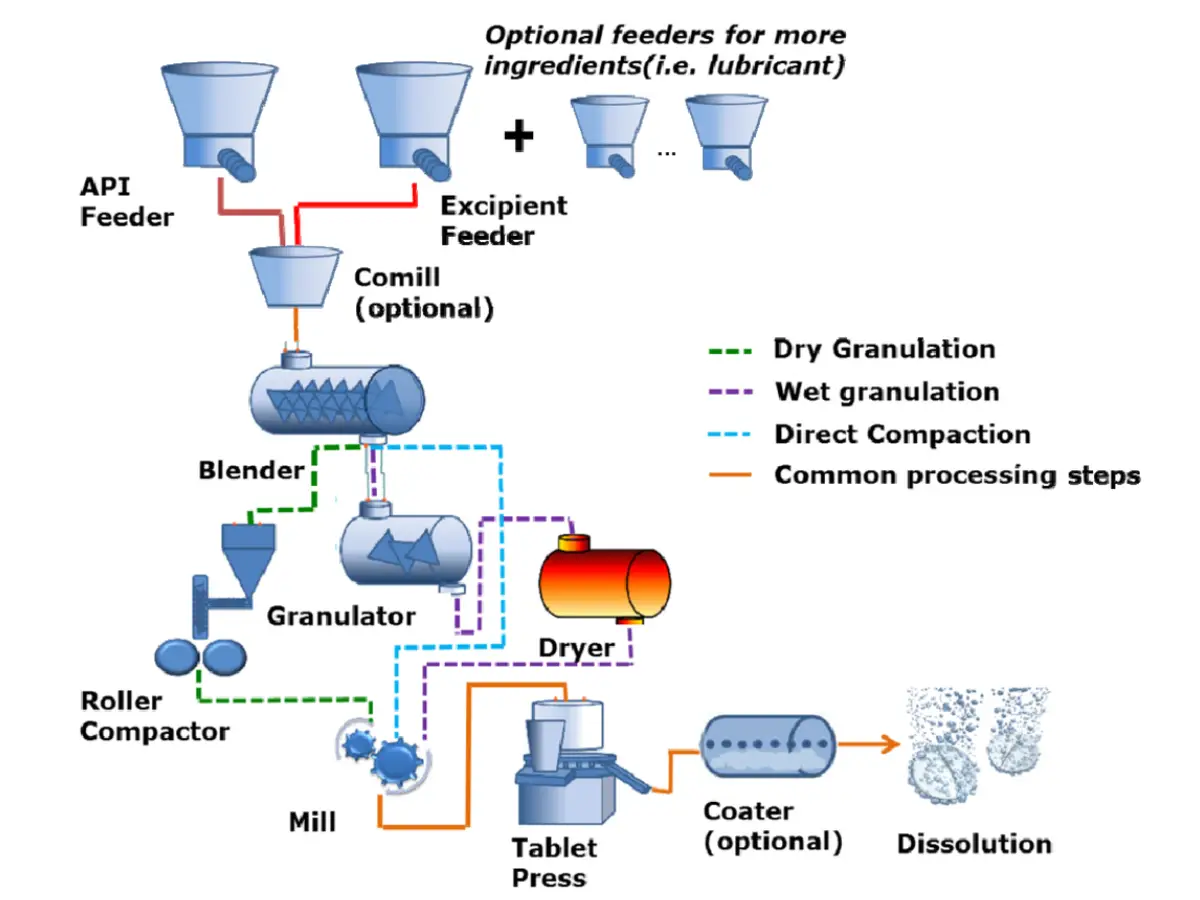
PROJECT EXECUTION
From Requirement Study to Commissioning
ShababTec evaluates the mixing equipment as part of the actual production environment rather than as a standalone catalogue item.
 01
01Requirement Study
Review material, process, production requirement, facility, cleaning and operating objectives.
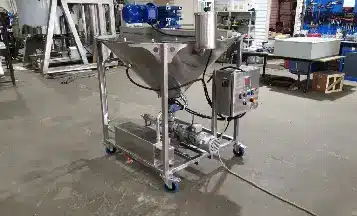 02
02Engineering Selection
Define the suitable mixing concept and surrounding handling requirements.
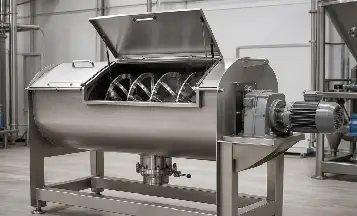 03
03Manufacturing & Fabrication
Prepare the approved equipment and project-specific components.
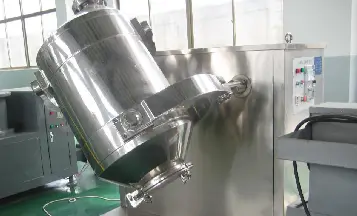 04
04Installation
Coordinate equipment positioning and relevant site execution.
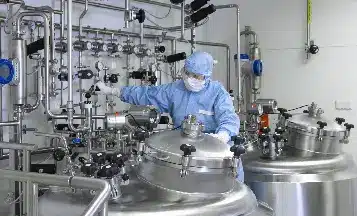 05
05Testing & Commissioning
Check supplied equipment and prepare the installation for operation.
 06
06Documentation & Support
Agreed documentation, maintenance guidance and technical support follow the project.
BEFORE REQUESTING A QUOTE
What to Send Before Selecting a Powder Mixer
Material
Identify each powder or granule being processed.
Batch Requirement
Define the intended production requirement.
Powder Behaviour
Describe flowability, cohesiveness and known handling issues.
Ingredient Differences
Share known particle-size, density and proportion differences.
Mixing Objective
Explain what the blending operation must achieve.
Charging & Discharge
Describe how material enters and leaves the mixer.
Cleaning / Containment
State cleaning expectations and any defined containment requirement.
Downstream Process
Identify what receives the material after blending.
ENGINEERING REVIEW
Send Your Requirements
Already have a formulation brief, URS or process layout?
Send the available information so ShababTec can review the appropriate mixing technology and project scope.
REGULATED PRODUCTION
Powder Mixing Equipment for GMP-Oriented Production
Pharmaceutical equipment selection should consider cleanability, product-contact design, material handling, cross-contamination risks, operating procedures and required project documentation.
ShababTec supports regulated projects with engineering, commissioning and documentation or validation-related support according to the agreed project scope.
Compliance wording is intentionally specific.
This page does not claim that every ShababTec powder mixer
is independently GMP certified or achieves a fixed blend
homogeneity result.
FAQ
Pharmaceutical Powder Mixing FAQ
How do I choose a pharmaceutical powder mixer?
Start with the material and required process. Flowability, cohesiveness, particle and density differences, shear sensitivity, ingredient proportions, batch requirement, charging, discharge, cleaning and downstream handling should all be reviewed before selecting the mixer type.
What is the difference between tumble blending and ribbon mixing?
A tumble blender primarily redistributes material through vessel movement and gravity. A ribbon blender uses internal mechanical elements to actively move material through the mixing chamber. The correct approach depends on the powder and required process.
When should a high-shear mixer be considered?
High-shear mixing should be evaluated when the manufacturing process requires stronger mechanical interaction than a conventional blending operation. It should not be selected simply because it provides more intensive mixing.
Can cohesive and free-flowing powders use the same mixer?
They may not behave the same way inside the equipment. Flowability and cohesiveness affect material movement, filling and discharge, so the actual formulation must be reviewed before confirming the mixer.
Why does segregation matter after mixing?
Ingredients can redistribute after the mixing step during discharge, transfer or downstream handling. The complete material route therefore needs to be considered, not only the blend while it remains inside the mixer.
Does longer mixing always improve blend uniformity?
No. The appropriate mixing time is process-specific. Unnecessary additional mixing may offer no benefit and can be unsuitable for some products. The endpoint should be established using the manufacturer's approved process and verification method.
Does ShababTec provide powder feeding systems?
Yes. Powder feeding systems are part of ShababTec's published powder-processing range and can be considered together with the mixer and surrounding production workflow.
Does ShababTec provide installation and commissioning?
ShababTec's published project workflow includes requirement study, engineering, manufacturing and fabrication, installation, testing, commissioning, documentation support and after-sales assistance.
What information should I send for a powder mixer quotation?
Provide the material, batch requirement, known flow and handling characteristics, ingredient differences, mixing objective, feeding and discharge method, cleaning requirements, any containment requirement and the next production step.
SELECT FROM THE PROCESS — NOT THE CATALOGUE
Define the Right Powder Mixing Technology
Share your powder, formulation, production requirement, charging, discharge and cleaning information. ShababTec can review the mixing requirement before the final equipment configuration is selected.
Request a Mixing Review
Send Technical Requirements
ShababTec • Toukh, Qalyubia Governorate, Egypt